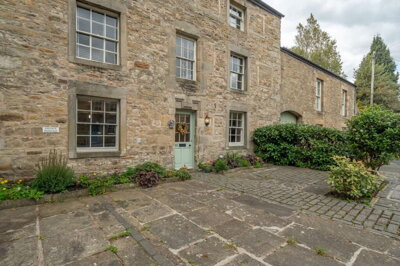
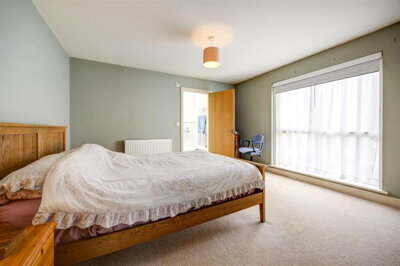
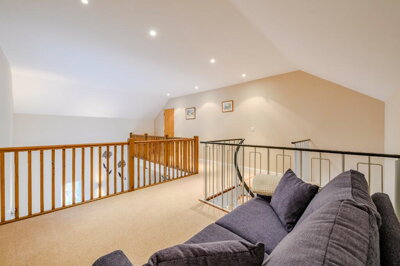
Browse 3 homes for sale in Tatham, Lancaster from local estate agents.
The 2 bed flat sector typically includes two separate bedrooms, dedicated living areas, and bathroom facilities. Properties in Tatham span purpose-built blocks, converted period houses, and modern apartment complexes on various floors.
£0k
0
0
0
Source: home.co.uk
Showing 0 results for 2 Bedroom Flats for sale in Tatham, Lancaster.
£338,454
Average Property Price
£426,833
Detached Properties
£371,526
Semi-Detached Properties
£286,653
Terraced Properties
-3%
Annual Price Change
5 miles
Distance to Penrith
The Clifton property market offers a diverse range of housing options to suit different budgets and lifestyles. Detached properties command the highest prices, averaging around £426,833, reflecting the desirability of generous gardens and spacious accommodation that characterises the village's premium homes. Semi-detached properties provide excellent value at approximately £371,526, making them popular choices for families seeking the perfect balance between indoor and outdoor space without the premium associated with detached living.
Terraced properties in Clifton represent the most accessible entry point to the local market, with average prices around £286,653. These traditional Cumbrian terraces often feature characteristic stone frontages and charming original features that appeal to buyers seeking character properties at more moderate price points. The market has experienced some cooling recently, with prices around 3% lower than the previous year and approximately 8% below the 2022 peak of £365,994, creating potential opportunities for buyers who are ready to negotiate.
The broader Westmorland and Furness area, of which Clifton forms part, shows a similar pattern with an overall average house price of £228,000 as of December 2025. Detached properties in the wider area average £386,000, semi-detached homes around £247,000, and terraced properties approximately £185,000. This broader market context helps buyers understand how Clifton's village premium compares to surrounding communities. Recent data from OnTheMarket shows some volatility in sold prices, with reported falls of 27.3% over the last twelve months, though this figure may reflect the mix of properties sold rather than uniform market depreciation.
Rightmove transaction data for Clifton indicates that semi-detached properties have dominated recent sales activity, followed by terraced and detached homes. This sales pattern suggests strong demand for family-sized accommodation at moderate price points within the village. First-time buyers will find that terraced properties at around £286,653 represent a realistic entry point, particularly when combined with first-time buyer stamp duty relief on purchases up to £425,000.
Clifton embodies the essence of traditional Cumbrian village life, with architecture that reflects centuries of history in its stone buildings and charming cottages. The village sits within a landscape shaped by the nearby River Eden and the rolling hills of the Eden Valley, offering residents stunning views and abundant opportunities for outdoor recreation. Walking routes through the surrounding countryside provide immediate access to some of England's most beautiful scenery, from the Pennines to the Lake District National Park which lies within easy driving distance.
The local community in Clifton is known for its warmth and welcoming nature, with village events and activities that bring residents together throughout the year. Local amenities include a traditional pub where neighbours gather, and the village hall serves as a hub for community functions and gatherings. For everyday shopping and services, residents typically travel to nearby Penrith, which offers supermarkets, independent retailers, healthcare facilities, and a wider range of dining options while retaining its own market town character.
The presence of listed buildings throughout Clifton adds to the area's architectural heritage, with properties such as restored Grade II listed homes representing the historical significance of the village. These character properties often feature traditional construction methods using local materials including the distinctive grey slate and sandstone that define Cumbrian architecture. Living in Clifton means becoming part of a community that values its heritage while embracing contemporary living. The village's proximity to the Pennines and the Eden Valley provides exceptional countryside access, while Penrith town centre remains just a short drive away for those requiring more comprehensive services.

Families considering a move to Clifton will find educational options available both within the village and in the surrounding areas. The local primary school serves younger children and typically maintains good relationships with families in the village and surrounding hamlets, providing a solid foundation in early years education within a nurturing environment. Primary school provision in rural Cumbria often involves smaller class sizes that allow for more individual attention and a community-focused approach to learning that larger urban schools may struggle to replicate.
Secondary education options in the area include schools in nearby towns that serve as feeder establishments for students from Clifton and surrounding villages. These schools generally offer a range of GCSE and A-Level subjects, with varying strengths across academic and vocational pathways. Parents are advised to research specific catchment areas and admissions criteria through the official Ofsted website, as these can significantly impact which schools their children may be eligible to attend based on their precise address within the village. Schools serving the Clifton area typically include establishments in Penrith, which has been rated highly for educational provision in recent years.
For families seeking alternative educational approaches, the wider Cumbria area offers access to faith schools and independent educational establishments. Sixth form provision is typically concentrated in the larger towns of Penrith and the surrounding market towns, providing comprehensive options for older students continuing their education locally. Transport arrangements for secondary and post-16 education often involve school bus services connecting rural villages to schools in nearby towns, so families should factor transportation logistics into their planning when considering a move to Clifton.

Transport connections from Clifton provide access to the regional road network while maintaining the village's peaceful character. The A6 runs through the general area, connecting residents to Penrith and providing routes towards Lancaster and the motorway network. This makes car travel the primary mode of transport for most residents, with the M6 motorway accessible from Penrith, linking Clifton to Manchester, Birmingham, and the wider national motorway network. The journey to Manchester typically takes around two hours by car, making weekend trips to the city feasible for those who work remotely or have flexible arrangements.
Rail services are available in Penrith, which provides direct connections to major cities including London Euston, with journey times to the capital typically around three hours. This makes Penrith station a valuable resource for Clifton residents who commute to professional roles in larger cities or who travel regularly for business and leisure purposes. The station also connects to regional destinations including Carlisle to the north and Manchester to the south, expanding travel options beyond road transport. Glasgow can be reached in approximately ninety minutes, opening up international travel possibilities through Prestwick Airport.
Local bus services operate routes connecting Clifton with nearby towns and villages, providing essential transport for those without access to private vehicles. These services typically run less frequently than urban bus networks, reflecting the rural nature of the area, but they provide an important lifeline for residents who are unable to drive. Cyclists will find that while rural roads can be quiet, they often lack dedicated cycling infrastructure, so cycling is more suited to experienced cyclists comfortable sharing roads with motor traffic. The scenic countryside routes around Clifton are popular with recreational cyclists, particularly during summer months when longer daylight hours allow for extended rides through the Eden Valley.
Start by exploring current property listings in Clifton through Homemove to understand what is available at various price points. Given the village's character and the presence of traditional stone properties, consider whether you are looking for a period cottage, a modern family home, or perhaps a listed property with special considerations. Register with local estate agents in Penrith and the surrounding area who handle Clifton properties to receive alerts when new listings match your criteria.
Once you have identified properties that match your requirements, contact the listing estate agents to arrange viewings. Viewing multiple properties in Clifton will help you understand the range of conditions, finishes, and locations within the village, as different parts of the settlement offer varying characteristics. Ask agents about the history of sales in the village and any properties coming to market soon that may not yet be listed online.
Before making an offer, approach lenders to obtain an agreement in principle for your mortgage. This strengthens your position as a serious buyer and helps you understand your budget clearly. Local brokers familiar with Cumbrian property values can provide valuable guidance on suitable mortgage products, and having a mortgage Decision in Principle can make your offer more attractive to sellers in what remains a competitive market at certain price points.
Consider booking a RICS Level 2 survey to assess the condition of any property you are seriously considering. Given that many properties in Clifton are older or listed, a professional survey can identify potential issues with structure, damp, or outdated systems that may not be apparent during a standard viewing. For older stone-built properties, a Level 3 survey may be more appropriate where significant structural concerns are suspected.
Once your offer is accepted, instruct a conveyancing solicitor to handle the legal aspects of your purchase. Your solicitor will conduct searches, review contracts, and coordinate with the seller's representatives to progress your transaction through to completion. Look for conveyancing firms with experience in Cumbrian rural properties and any additional complexities associated with listed buildings or conservation area restrictions.
The final stages involve completing all legal documentation, transferring funds, and arranging the handover of keys. Your solicitor will guide you through this process, ensuring all requirements are met before you receive the keys to your new Clifton home. Plan your move carefully, as moving to a rural village may require coordination with removal firms who understand the challenges of navigating narrow country lanes and limited parking near village centre properties.
Properties in Clifton encompass a mix of traditional and modern construction, with many homes built using local stone and traditional techniques that reflect Cumbrian building heritage. When viewing properties, pay attention to the condition of stone walls, looking for signs of weathering, cracking, or previous repair work that may indicate underlying structural concerns. Traditional properties may also feature older roof structures using slate tiles, which should be inspected for damage, missing tiles, or signs of leakage that can lead to more extensive damp problems over time.
The geology of the Eden Valley area includes areas of clay soil that can experience shrink-swell movement, particularly during periods of drought or heavy rainfall. Buyers should look for signs of subsidence or movement in properties, including cracked walls, sticking doors or windows, and uneven floors. A thorough survey by a RICS qualified inspector can assess whether any movement has occurred and whether appropriate foundations were used for the local soil conditions. Properties with mature trees nearby may be more susceptible to subsidence as root systems extract moisture from clay soils during dry spells.
Flood risk is a consideration in parts of Cumbria, and while specific data for Clifton was not available, proximity to watercourses and the low-lying nature of parts of the village means buyers should enquire about any history of flooding or water ingress. The River Eden flows nearby, and while major flood events are relatively rare, surface water flooding can occur during exceptional weather events. A thorough survey can identify whether appropriate mitigation measures are in place and assess any damp issues that may affect the property's long-term condition. Factor potential flood risk into your insurance calculations and future planning.
Many properties in Clifton are likely to be freehold, though any flats or newer developments may operate on leasehold terms. Always verify the ownership structure and, for leasehold properties, examine the terms including ground rent obligations and service charge arrangements. Listed buildings may carry additional responsibilities regarding maintenance of original features and permissions required for alterations, which should be understood before proceeding with a purchase. The additional costs of maintaining a listed building to appropriate standards should be factored into your overall budget.
The traditional housing stock in Clifton reflects centuries of Cumbrian building practice, with properties typically constructed using local materials that have shaped the village's distinctive character. Sandstone and grey slate feature prominently in older properties, with the characteristic warm tones of Cumbrian sandstone creating the honey-coloured walls that define much of the village's architectural heritage. These traditional construction methods have proven durable over many generations, though they do require ongoing maintenance and an understanding of how older buildings perform differently from modern construction.
Many homes in Clifton date from the Victorian and Edwardian periods, with stone-fronted terraced properties representing a significant proportion of the available housing stock. These properties often retain original features including sash windows, fireplaces, and timber floorboards that appeal to buyers seeking period character. However, older properties may also carry issues with outdated electrical systems, aging plumbing, and insufficient insulation by modern standards. A professional survey can identify which systems require updating and provide cost estimates for bringing the property up to contemporary living standards.
Newer properties in and around Clifton have been built using more conventional modern methods, though the village's character has been largely preserved through planning controls that require new developments to respect local architectural traditions. Some newer semis and detached homes have been constructed in the village, providing options for buyers who prefer the benefits of modern construction including improved energy efficiency and contemporary layouts. The price premium for new-build properties in the area reflects these advantages, though traditional buyers may prefer the character and solid construction of period properties.
The average house price in Clifton stands at approximately £338,454 based on recent sales data. Detached properties average around £426,833, semi-detached homes approximately £371,526, and terraced properties around £286,653. The market has experienced modest price reductions recently, with prices approximately 3% lower than the previous year and 8% below the 2022 peak, potentially creating opportunities for buyers who are ready to proceed with well-considered offers. Zoopla reports a slightly lower average sold price of £265,688, while OnTheMarket suggests £224,000, reflecting variation depending on the data sources and time periods used for calculation.
Properties in Clifton fall under Westmorland and Furness Council administration, having been part of the local government reorganisation that created the new authority from the former South Lakeland and Eden districts. Council tax bands are assigned based on property value and will vary between properties, ranging from Band A through to Band H depending on the property's assessed value. Prospective buyers should check specific bandings with the local authority or through the property listing details, as bands can significantly impact annual running costs. Westmorland and Furness Council provides online council tax enquiry services through their official website where you can verify charges for specific properties.
Clifton has access to primary education through local village schools serving younger children, with secondary education available in nearby towns including Penrith. Schools in Penrith serve as the main secondary options for Clifton families, with Penrith Christ the King Catholic Primary School and Ian Ramsey Church of England Primary School offering faith-based alternatives. Specific school performance data and Ofsted ratings should be researched through the official Ofsted website to identify current provision and any changes in school quality. Parents should verify catchment area boundaries carefully, as these can affect access to oversubscribed schools in the region.
Public transport options in Clifton reflect its rural character, with local bus services connecting the village to nearby towns and Penrith for rail services. The X33 bus service provides a connection between Penrith and Appleby, passing through Clifton and offering a lifeline for residents without cars. Penrith railway station provides direct access to London Euston and major northern cities including Manchester and Glasgow, with journey times of approximately three hours to the capital and ninety minutes to Glasgow. Daily commuting by public transport requires careful planning, so residents typically rely on private vehicles for regular commuting purposes to places like Carlisle or Manchester.
Clifton offers potential for property investment given its desirable rural location and the broader popularity of Cumbrian village living. The Westmorland and Furness area benefits from tourism related to Lake District visitors, agricultural employment, and local service industries that create a baseline demand for housing. While the local market has seen modest price reductions recently, the village's character, proximity to the Lake District, and traditional architecture appeal to buyers seeking countryside properties. Rental demand in the wider area comes from professionals working locally in Penrith and the Eden Valley, and the tourism economy creates some demand for holiday lettings, though specific rental data for Clifton should be verified through local letting agents who can provide current market information.
Stamp Duty Land Tax applies to purchases in England, with current thresholds starting at 0% for properties up to £250,000. For a typical Clifton property at the village average of £338,454, stamp duty is calculated on the portion above £250,000 at the 5% rate, resulting in approximately £4,423 in stamp duty costs for standard purchasers. First-time buyers purchasing properties up to £425,000 pay no stamp duty on the first £425,000, which means many first-time buyers purchasing at or near the average Clifton price of £338,454 would pay zero stamp duty. Properties above £625,000 do not qualify for first-time buyer relief and will pay standard rates, while those purchasing in the £425,001 to £625,000 range pay 5% on that portion.
Clifton contains Grade II listed buildings and properties that have been beautifully restored to maintain their historical character, reflecting the village's long history dating back several centuries. Listed buildings are protected under special regulations that control alterations, extensions, and even some repairs, requiring consent from the local planning authority and potentially Historic England for significant works. Planning permission from the local authority and potentially Historic England consent may be required for significant works to both the exterior and interior of listed properties. Buyers should factor in the additional responsibilities and potential costs associated with maintaining listed properties to appropriate standards, as consent requirements can limit what improvements are possible and extend the time required for any renovation work.
Older properties in Clifton, many of which were built using traditional Cumbrian construction methods with local stone and slate, can carry specific risks that buyers should understand before proceeding. Common issues include damp penetration through solid walls that were never designed to meet modern insulation standards, aging roof structures that may require re-pointing or re-slating, and outdated electrical systems that may not meet current safety requirements. The clay soils prevalent in parts of the Eden Valley can cause subsidence issues in properties with shallow foundations, particularly those with mature trees nearby that extract moisture during dry periods. A comprehensive RICS survey can identify these issues and provide cost estimates for necessary remediation work.
Understanding the full costs of purchasing property in Clifton extends beyond the sale price to include stamp duty, legal fees, surveys, and moving expenses. Stamp Duty Land Tax represents a significant upfront cost, and the current thresholds for standard purchases in England start at 0% for the first £250,000 of property value. For a typical Clifton property at the village average of £338,454, this means calculating stamp duty on the portion above £250,000 at the 5% rate, resulting in approximately £4,423 in stamp duty costs. Buyers purchasing at the upper end of the market, where detached properties average £426,833, would pay higher rates on the portion exceeding £925,000.
First-time buyers purchasing properties up to £425,000 pay no stamp duty on the first £425,000, which can represent substantial savings compared to those who do not qualify for first-time buyer relief. For properties between £425,001 and £625,000, the first-time buyer rate is 5% on that portion. Those purchasing above £625,000 do not receive any first-time buyer relief and will pay standard rates. Given that the average Clifton property sits at £338,454, many first-time buyers purchasing at or near the average price point would pay zero stamp duty, significantly reducing their overall buying costs compared to purchasing in more expensive areas of the country.
Additional buying costs include solicitor fees for conveyancing, which typically range from £500 to £1,500 depending on the complexity of the transaction and whether the property is leasehold or involves a mortgage with associated valuation fees. A RICS Level 2 survey costs from approximately £350 and provides valuable reassurance about property condition, particularly important for older stone properties and listed buildings that may have hidden defects requiring remediation. Search costs through Westmorland and Furness Council, mortgage arrangement fees, and valuation fees add further expenses that buyers should budget for. Building insurance must be in place from completion, and buyers should budget for moving costs and any immediate repairs or improvements they plan to undertake upon moving into their new Clifton home.
Properties for Sale In London

Properties for Sale In Plymouth

Properties for Sale In Liverpool

Properties for Sale In Glasgow

Properties for Sale In Sheffield

Properties for Sale In Edinburgh

Properties for Sale In Coventry

Properties for Sale In Bradford

Properties for Sale In Manchester

Properties for Sale In Birmingham

Properties for Sale In Bristol

Properties for Sale In Oxford

Properties for Sale In Leicester

Properties for Sale In Newcastle

Properties for Sale In Leeds

Properties for Sale In Southampton

Properties for Sale In Cardiff

Properties for Sale In Nottingham

Properties for Sale In Norwich

Properties for Sale In Brighton

Properties for Sale In Derby

Properties for Sale In Portsmouth

Properties for Sale In Northampton

Properties for Sale In Milton Keynes

Properties for Sale In Bournemouth

Properties for Sale In Bolton

Properties for Sale In Swansea

Properties for Sale In Swindon

Properties for Sale In Peterborough

Properties for Sale In Wolverhampton

Enter your details to see if this property is within your budget.
Loans, cards, car finance
Estimated property budget
Borrowing + deposit
You could borrow between
Typical borrowing
Monthly repayment
Est. at 4.5%
Loan-to-value
This is an estimate only. Your actual budget may vary depending on interest rates, credit history, and personal circumstances. For an accurate affordability assessment, speak to one of our free mortgage advisors.
This calculator provides estimates for illustrative purposes only and does not constitute financial advice. Your home may be repossessed if you do not keep up repayments on your mortgage. Estimates based on 4.5% interest rate, repayment mortgage. Actual rates depend on your circumstances.
Homemove is a trading name of HM Haus Group Ltd (Company No. 13873779, registered in England & Wales). Homemove Mortgages Ltd (Company No. 15947693) is an Appointed Representative of TMG Direct Limited, trading as TMG Mortgage Network, which is authorised and regulated by the Financial Conduct Authority (FRN 786245). Homemove Mortgages Ltd is entered on the FCA Register as an Appointed Representative (FRN 1022429). You can check registrations at NewRegister or by calling 0800 111 6768.

We use cookies to show you personalised content and improve your experience of our website. Find out more in our Privacy policy and Cookie policy.