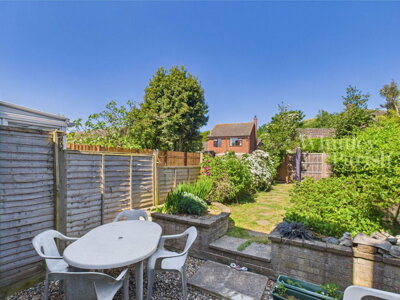
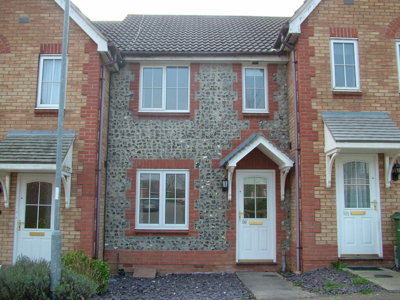
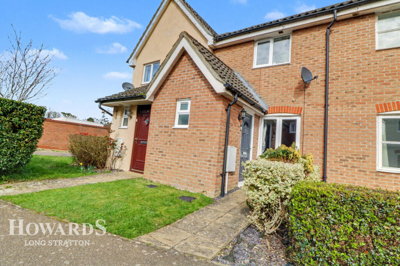
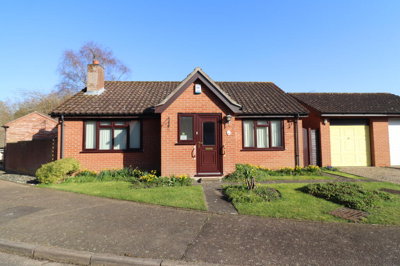
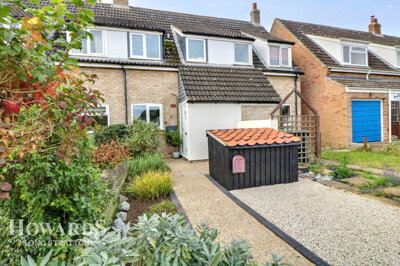
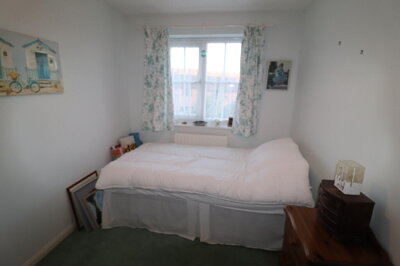
Browse 6 homes for sale in Tasburgh, South Norfolk from local estate agents.
The 2 bed house market features detached, semi-detached, and terraced properties with two separate bedrooms plus living spaces. Properties in Tasburgh range from Victorian and Edwardian period homes to modern new builds, with pricing varying across different neighbourhoods.
£200k
2
1
159
Source: home.co.uk
Showing 2 results for 2 Bedroom Houses for sale in Tasburgh, South Norfolk. 1 new listing added this week. The median asking price is £200,000.
Source: home.co.uk
Terraced
2 listings
Avg £200,000
Source: home.co.uk
Source: home.co.uk
The Tasburgh property market demonstrates steady activity with properties across all main categories attracting buyer interest. Detached homes in the village have commanded strong prices recently, with individual sales achieving £490,000 and £412,500 in September 2025, reflecting the premium placed on larger family homes with gardens in this desirable location. Semi-detached properties have sold for between £242,500 and £260,000 over the same period, offering more accessible price points for buyers seeking family-sized accommodation without the higher costs associated with detached properties. Terraced homes, including a recent sale at £237,000, provide affordable options particularly suited to first-time buyers and those downsizing.
The Rightmove average property price for Tasburgh stands at £345,393, providing a useful benchmark for those researching property values in the area. Property market intelligence indicates ongoing sales activity through late 2025, suggesting continued demand for homes in this Norfolk village. While no major new-build developments were actively marketed within Tasburgh itself as of early 2026, the Tasburgh Neighbourhood Development Plan 2023-2038, adopted in July 2024, shapes future housing growth. The plan indicates that new residential development should be focused in Upper Tasburgh, with emerging proposals for land at Church Road under the Village Clusters Housing Allocations Plan (Policy VCTAS1).
Recent planning applications have highlighted development interest in the village. A proposal submitted in April 2025 sought permission for 16 new homes (eight three-bedroom and eight four-bedroom houses) on a 1.46-hectare agricultural site off Low Road, though this faced local concerns regarding its location outside the development boundary. Separately, plans for seven bungalows on land in Low Road were rejected by Broadland and South Norfolk District Council in August 2025 as the site was considered unsustainable for development. These decisions align with the neighbourhood plan's emphasis on directing growth to Upper Tasburgh rather than extending into the surrounding countryside.

Tasburgh is a village with a rich historical heritage that is immediately apparent as you explore its streets. The village centre features the notable Tasburgh Earthworks, a roughly oval-shaped earthwork enclosure where the parish church of St Mary the Virgin was built within its boundaries. This Saxon church, constructed of traditional Norfolk flint with a distinctive round tower, stands as testament to the village's ancient origins and provides a focal point for the community. The character and appearance of Tasburgh are heavily influenced by the River Tas, with two tributaries converging at the village, creating the picturesque Tas Valley setting that defines Lower Tasburgh.
The population of approximately 1,099 residents in the parish creates a close-knit village atmosphere where neighbours often know one another. Census data shows the population was 1,149 in 2011, indicating relative stability in recent years. Despite its small scale, Tasburgh has evolved significantly over the decades. Post-1961 widespread house building caused the population to treble by 1991, transforming Upper Tasburgh into a more modern residential area while Lower Tasburgh retained its historic character with single plot depth development of varying ages. The built-up area encompasses around 857 residents, reflecting the concentrated nature of village settlement.
The village sits along the A140 road, providing direct connections to Norwich and the surrounding Norfolk countryside. This main road artery has made Tasburgh a practical location for commuters who appreciate village life but work in the city. Local amenities include the primary school, village hall, and nearby pubs, while the proximity to Norwich provides access to larger shopping centres, healthcare facilities, and recreational opportunities. The River Tas and surrounding countryside offer walking routes and outdoor activities for residents who enjoy rural living without complete isolation from urban conveniences.
Families considering a move to Tasburgh will find educational provision within the village itself, making daily routines more convenient for parents and children alike. Tasburgh Primary School serves the local community, providing education for children from Reception through to Year 6. The presence of a primary school within walking distance of most properties in the village is a significant advantage for families with younger children, eliminating lengthy school runs and allowing children to develop friendships within the immediate community. For secondary education, pupils typically travel to schools in surrounding towns, with options available in the Norwich area and nearby market towns.
The proximity of Tasburgh to Norwich also opens up access to a wider range of educational establishments, including grammar schools for academically selective students, comprehensive secondary schools with strong reputations, and independent schools for those seeking private education. The University of East Anglia, located on the outskirts of Norwich, is easily reachable from Tasburgh for older students pursuing higher education. Additionally, Norwich contains further and higher education colleges offering vocational courses and professional qualifications for those not pursuing traditional university pathways.
Parents should research current catchment areas and admission arrangements for their specific circumstances, as these can vary and change over time. School admission policies often prioritise children living within a defined catchment zone, so prospective buyers should verify school availability before committing to a purchase. Visiting local schools and speaking with school administrators directly can provide valuable insights into the educational opportunities available to families moving to the area. Checking current Ofsted ratings and exam results can help parents make informed decisions about which schools best suit their children's needs.
Tasburgh benefits from its position on the A140, a major road artery that runs through the village and provides direct connections to Norwich to the north and the wider Norfolk road network beyond. This makes car travel straightforward for residents who need to commute to work, access shopping centres, or visit friends and family throughout the region. The journey to Norwich city centre takes approximately 20-25 minutes by car under normal traffic conditions, positioning Tasburgh as a viable option for workers who prefer not to live in the city itself but still need regular access to its employment opportunities and amenities. The A140 also provides routes south towards the market towns of Harleston and Diss, opening up broader Norfolk.
For those who rely on public transport, bus services operated by various providers connect Tasburgh with surrounding villages and towns, though rural bus frequencies may be limited compared to urban routes. The nearest railway station is Norwich, approximately 8 miles away, offering mainline connections to London Liverpool Street with journey times of approximately two hours. This makes the capital accessible for business travel or leisure trips without the need to drive to a major station. Cambridge can also be reached by train from Norwich, expanding the range of destinations available to Tasburgh residents for work or education.
Cycling is a viable option for some commuters, particularly those working in Norwich, with the relatively flat terrain of Norfolk making bike travel practical for moderate distances. The village's position on the A140 does mean that cycling requires awareness of traffic on the main road, though quieter lanes provide alternatives for leisure cycling. The combination of road links and proximity to Norwich's transport hub makes Tasburgh practical for those who need to travel regularly for work or personal reasons, whether by car, public transport, or bicycle.
Spend time exploring Tasburgh and understanding the different neighbourhoods within the village. Lower Tasburgh offers historic charm with older property stock, including timber-framed and clay lump buildings from the 19th century and earlier, while Upper Tasburgh provides more modern housing built during the population expansion of the 1960s to 1990s. Consider factors like proximity to the A140, flood risk in Lower Tasburgh's river valley location, and access to local amenities when narrowing your search.
Before viewing properties, obtain a mortgage agreement in principle from a lender. This demonstrates your financial readiness to estate agents and sellers, strengthening your position when making an offer. Given that the average property price in Tasburgh is around £378,964, most buyers will require a substantial mortgage. Use Homemove's mortgage comparison tools to find competitive rates suited to your circumstances, and consider speaking to a mortgage broker who can help navigate the various products available.
Contact local estate agents to arrange viewings of properties that match your requirements. Take notes on property condition, potential maintenance issues, and any specific concerns related to the age and construction type of properties you view. Many homes in Lower Tasburgh date from the 19th century or earlier, constructed using traditional methods that may require different assessment criteria compared to modern properties. Ask about the age of key systems including the roof, plumbing, and electrical wiring during viewings.
Given the age of many properties in Tasburgh, including timber-framed and clay lump construction typical of Norfolk's historic buildings, a Level 2 Homebuyer Report is strongly advisable before purchasing. This survey checks for structural issues, damp, subsidence risk from the shrinkable clay soils present in the region, and other common defects found in older properties. Our team of qualified surveyors understand the specific construction methods used in Norfolk homes and can identify issues that a less experienced surveyor might miss.
Once your offer is accepted, instruct a conveyancing solicitor to handle the legal aspects of your purchase. They will conduct searches including local authority checks, drainage and water searches, and environmental searches that may reveal ground conditions relevant to the clay soils in the area. Your solicitor will handle contracts and coordinate with your mortgage lender to ensure a smooth transaction through to completion.
After all searches are satisfactory and your mortgage offer is confirmed, you will exchange contracts and agree on a completion date. On completion day, your solicitor transfers the remaining funds and you receive the keys to your new Tasburgh home. Allow time for arrangements such as redirecting mail, updating utility accounts, and organising removal logistics in the weeks leading up to your move.
Prospective buyers should be aware of several area-specific factors when considering properties in Tasburgh. The local geology presents particular considerations, as Norfolk, including the Tasburgh area, has shrinkable clay soils that can cause subsidence and heave issues. Properties in the locality have been identified with notable shrink-swell hazard scores, meaning foundation movement caused by moisture changes in clay ground can occur. A RICS Level 2 Survey is strongly recommended for any property purchase in the village to assess potential structural concerns before committing to buy. Our inspectors are experienced in identifying the signs of subsidence damage, including cracking patterns and door alignment issues.
Flood risk is another important consideration, particularly for properties in Lower Tasburgh. The village sits in the Tas Valley with the River Tas and two tributaries converging at the settlement. Anglian Water has indicated that the sewer serving properties in Saxlingham Lane and Low Road is nearing capacity, raising concerns about surface water drainage. Properties in these areas may face increased flood risk during heavy rainfall events. Buyers should request flood risk reports and discuss any flood history with current owners. Planning consultations for new developments in the village have specifically mentioned surface water flooding concerns that need to be addressed.
The village's historical properties include timber-framed houses built before 1800 when wood was plentiful, clay lump constructions visible in surviving buildings such as Rookery Cottage and White Horse Farm in Lower Tasburgh, and early brick buildings from between 1818 and 1840 found on Low Road. Properties of this age may require more maintenance than modern equivalents and could have outdated electrical systems or plumbing that needs updating. Electrical wiring installed before 1980 may not meet current safety standards, and original plumbing may be in need of replacement. A thorough survey can identify these issues before purchase, potentially saving significant expense later.
The average sold price for properties in Tasburgh over the last twelve months is £378,964 according to property market intelligence. Rightmove reports a slightly lower average of £345,393 for the past year. Detached properties have sold for up to £490,000, semi-detached homes for £242,500-£260,000, and terraced properties around £237,000, giving buyers a range of options across different price points and property types. The village has seen 254 properties sold over the past decade, indicating consistent market activity in this South Norfolk location.
Properties in Tasburgh fall under South Norfolk District Council's jurisdiction for local services. Council tax bands range from A through to H, with the actual band assigned to a specific property depending on its assessed value. The band affects how much you pay towards local services including police, fire services, and council provision. You can check the council tax band for any specific property through the Valuation Office Agency website, or your solicitor will confirm this during the conveyancing process when conducting local authority searches.
Tasburgh Primary School serves the village for primary education, with most properties in the village within walking distance of the school. For secondary education, pupils typically attend schools in surrounding towns, with options available in the Norwich area including grammar schools for academically selective students. The proximity to Norwich also provides access to independent schools and further education colleges for older students. Parents should check current admission criteria and Ofsted ratings directly with schools or on the Ofsted website for the most up-to-date information, as catchment areas can change and may affect which school your child can attend.
Tasburgh sits on the A140 road, providing road connections to Norwich and the surrounding Norfolk countryside for those with cars. Bus services operate routes connecting the village to nearby towns and villages, though rural bus frequencies are more limited than urban services. Norwich railway station is approximately 8 miles away, offering mainline services to London Liverpool Street in around two hours, making day trips to the capital practical. Residents with cars generally find road travel the most convenient option for daily commuting, though the village is accessible by public transport for those without vehicles.
Tasburgh offers several factors that may appeal to property investors, including its proximity to Norwich approximately 8 miles away, peaceful village setting, and varied housing stock ranging from historic timber-framed cottages to modern family homes built during the 1960s expansion. The village has seen steady sales activity and population growth since the 1960s when the population trebled over three decades. The Tasburgh Neighbourhood Development Plan 2023-2038 directs future development to Upper Tasburgh, potentially affecting property values in different parts of the village. However, as with any property investment, potential buyers should research local market conditions, rental demand, and any planning restrictions before committing.
For standard purchases, stamp duty rates are 0% on the first £250,000, 5% on £250,001 to £925,000, 10% on £925,001 to £1.5 million, and 12% on any amount above £1.5 million. Given that the average property price in Tasburgh is around £378,964, most buyers would pay approximately £6,448 in stamp duty on a typical purchase. First-time buyers qualify for relief on the first £425,000, with 5% charged between £425,001 and £625,000, meaning many first-time buyers in Tasburgh would pay no stamp duty at all. Your solicitor will calculate the exact stamp duty liability based on your purchase price and circumstances.
The Tasburgh Neighbourhood Development Plan 2023-2038, adopted in July 2024, guides development in the village and may impose restrictions on alterations and extensions to certain properties. New residential development should be focused in Upper Tasburgh, and any development proposals must demonstrate measures to mitigate flooding and drainage impacts. Properties near the River Tas in Lower Tasburgh may be subject to flood risk considerations given the valley location and concerns about sewer capacity in Saxlingham Lane and Low Road. The village's historical heritage, including listed buildings and archaeological features such as the Tasburgh Earthworks, means certain properties may have planning restrictions relating to alterations or extensions that affect their development potential.
Tasburgh offers a diverse range of property types reflecting its historical development. Lower Tasburgh contains older properties including timber-framed houses from before 1800, clay lump buildings such as Rookery Cottage and White Horse Farm, and early brick constructions from the 1818-1840 period visible on Low Road. Upper Tasburgh features more modern housing built during the population expansion from the 1960s onwards. Property types include terraced starter homes, semi-detached family houses, and larger detached homes with gardens. Recent sales have included properties ranging from £237,000 for terraced homes up to £490,000 for premium detached houses, providing options across various budgets and preferences.
Understanding the additional costs of buying property in Tasburgh is essential for budgeting purposes. Stamp Duty Land Tax (SDLT) is the most significant upfront cost beyond the purchase price itself. For purchases up to £250,000, no stamp duty is payable. Between £250,001 and £925,000, the rate is 5%, rising to 10% on the portion between £925,001 and £1.5 million, and 12% on any amount exceeding £1.5 million. Given that the average property price in Tasburgh is around £378,964, most buyers would pay approximately £6,448 in stamp duty on a typical purchase.
First-time buyers benefit from increased thresholds, paying nothing on the first £425,000 and 5% on the portion between £425,001 and £625,000. Properties priced above £625,000 do not receive first-time buyer relief. For a first-time buyer purchasing a property at the average Tasburgh price of £378,964, no stamp duty would be payable at all. Additional costs to budget for include solicitor conveyancing fees typically starting from £499, survey costs such as a RICS Level 2 Homebuyer Report from £350, and removal expenses which can vary based on distance and volume of belongings.
Other costs to consider include mortgage arrangement fees which can range from free to 2% of the loan amount depending on the product chosen, mortgage valuation fees typically £300-£500 for a standard property, and land registry fees for registering the title transfer. Survey costs warrant particular attention in Tasburgh given the age of many properties, with our RICS Level 2 surveys starting from £350 providing comprehensive assessment of condition including checks for damp, subsidence risk from clay soils, and structural issues. Getting a mortgage agreement in principle before property hunting is advisable, as this clarifies your budget and demonstrates your seriousness to sellers when making an offer on your Tasburgh home.
From 4.5% APR
Compare mortgage deals and find competitive rates for your Tasburgh purchase
From £499
Expert conveyancing solicitors to handle your property transaction
From £350
Professional homebuyer report for your Tasburgh property
From £85
Energy performance certificate for your property
Properties for Sale In London

Properties for Sale In Plymouth

Properties for Sale In Liverpool

Properties for Sale In Glasgow

Properties for Sale In Sheffield

Properties for Sale In Edinburgh

Properties for Sale In Coventry

Properties for Sale In Bradford

Properties for Sale In Manchester

Properties for Sale In Birmingham

Properties for Sale In Bristol

Properties for Sale In Oxford

Properties for Sale In Leicester

Properties for Sale In Newcastle

Properties for Sale In Leeds

Properties for Sale In Southampton

Properties for Sale In Cardiff

Properties for Sale In Nottingham

Properties for Sale In Norwich

Properties for Sale In Brighton

Properties for Sale In Derby

Properties for Sale In Portsmouth

Properties for Sale In Northampton

Properties for Sale In Milton Keynes

Properties for Sale In Bournemouth

Properties for Sale In Bolton

Properties for Sale In Swansea

Properties for Sale In Swindon

Properties for Sale In Peterborough

Properties for Sale In Wolverhampton

Enter your details to see if this property is within your budget.
Loans, cards, car finance
Estimated property budget
Borrowing + deposit
You could borrow between
Typical borrowing
Monthly repayment
Est. at 4.5%
Loan-to-value
This is an estimate only. Your actual budget may vary depending on interest rates, credit history, and personal circumstances. For an accurate affordability assessment, speak to one of our free mortgage advisors.
This calculator provides estimates for illustrative purposes only and does not constitute financial advice. Your home may be repossessed if you do not keep up repayments on your mortgage. Estimates based on 4.5% interest rate, repayment mortgage. Actual rates depend on your circumstances.
Homemove is a trading name of HM Haus Group Ltd (Company No. 13873779, registered in England & Wales). Homemove Mortgages Ltd (Company No. 15947693) is an Appointed Representative of TMG Direct Limited, trading as TMG Mortgage Network, which is authorised and regulated by the Financial Conduct Authority (FRN 786245). Homemove Mortgages Ltd is entered on the FCA Register as an Appointed Representative (FRN 1022429). You can check registrations at NewRegister or by calling 0800 111 6768.

We use cookies to show you personalised content and improve your experience of our website. Find out more in our Privacy policy and Cookie policy.