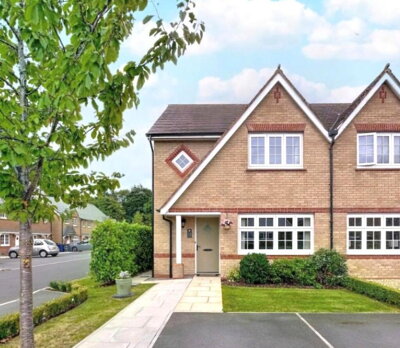
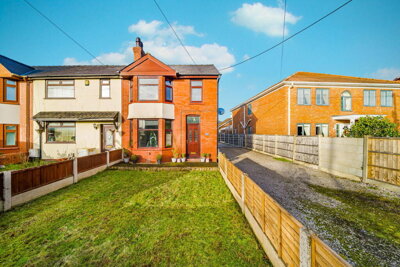
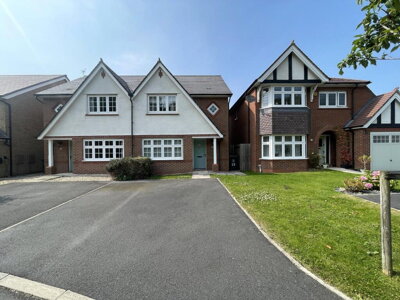
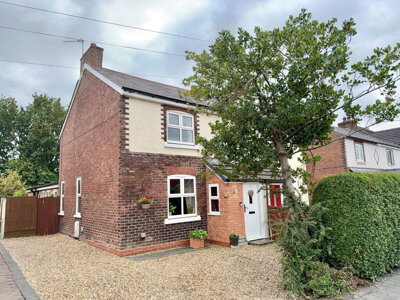
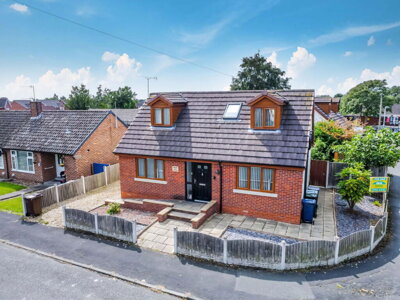
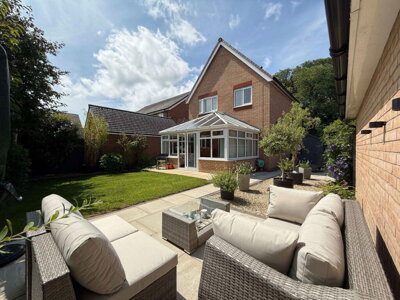
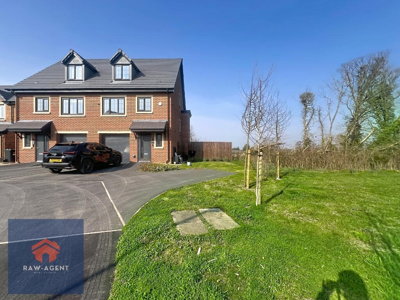
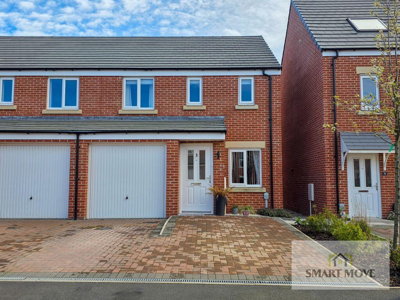
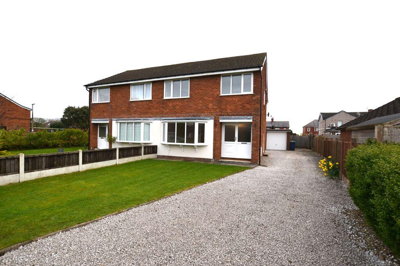
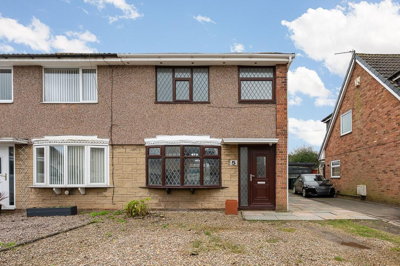
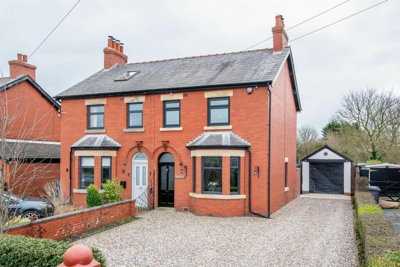
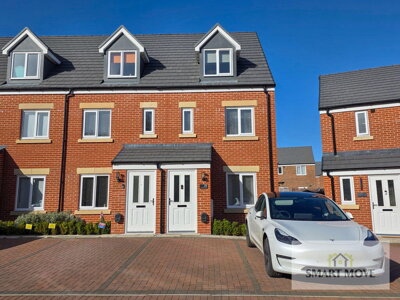
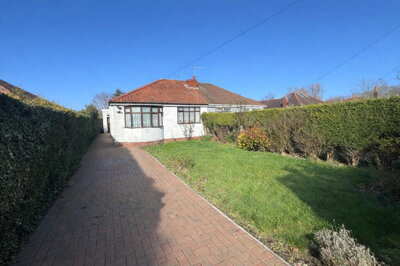
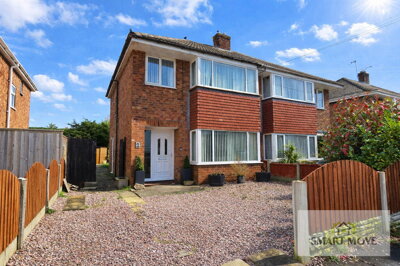
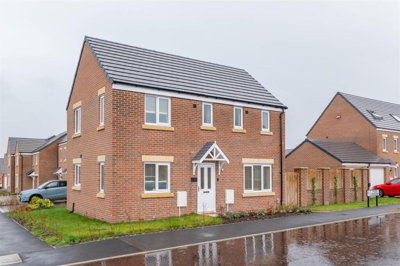
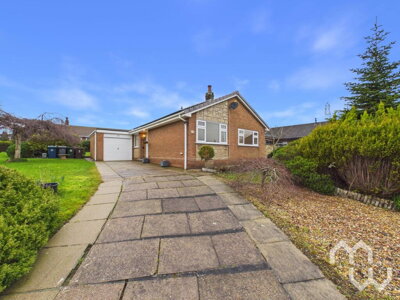
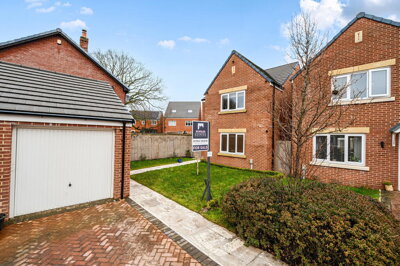
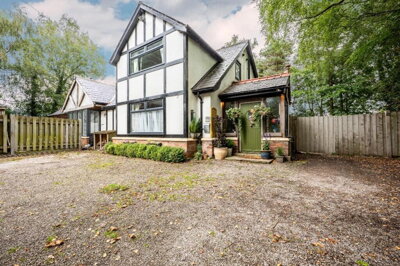
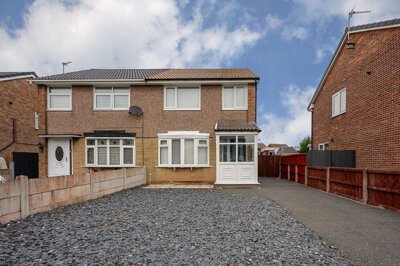
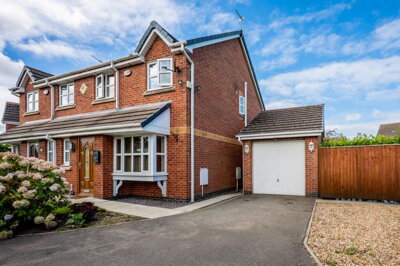
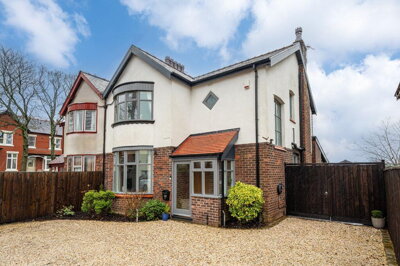
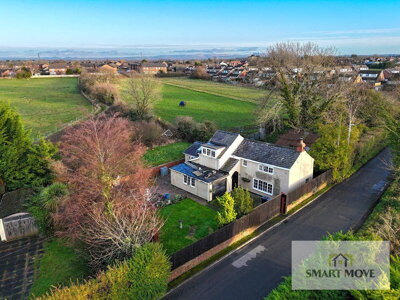
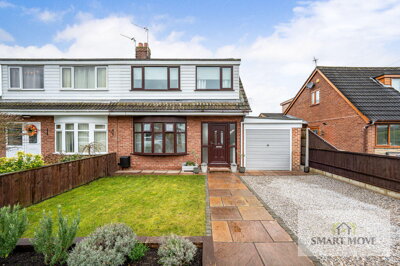
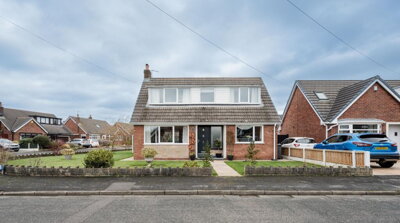
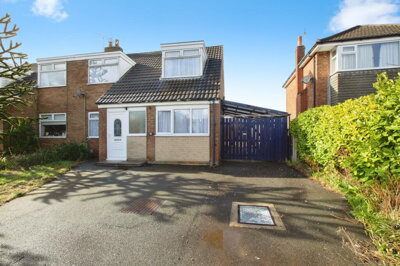
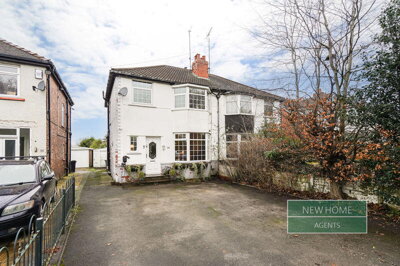
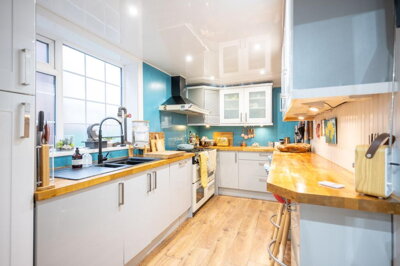
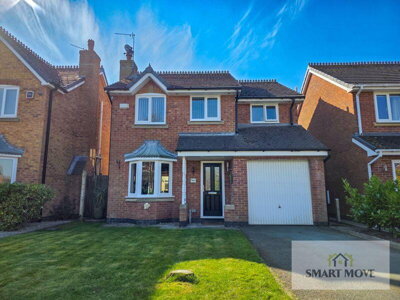
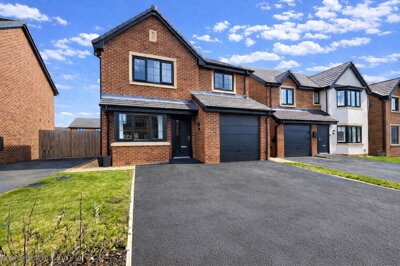
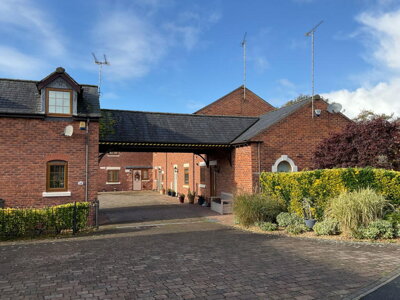
Browse 64 homes for sale in Tarleton, West Lancashire from local estate agents.
Three bedroom properties represent a significant portion of the Tarleton housing market, offering space for families with multiple reception rooms and gardens in many cases. Browse detached, semi-detached, and terraced options ranging from period character homes to contemporary developments.
£310k
6
0
56
Source: home.co.uk
Showing 6 results for 3 Bedroom Houses for sale in Tarleton, West Lancashire. The median asking price is £309,975.
Source: home.co.uk
Detached
3 listings
Avg £356,650
Semi-Detached
3 listings
Avg £316,667
Source: home.co.uk
Source: home.co.uk
The Eglingham property market is characterised by its scarcity and character, with the village offering very few opportunities to purchase each year. Detached properties command the highest prices, typically ranging from £450,000 to over £600,000, reflecting the desirability of these generous homes often set within substantial grounds. The NE66 postcode area recorded 34 property sales in the past twelve months, but Eglingham itself accounts for only a small fraction of these transactions. This scarcity means that serious buyers should be prepared to act quickly when suitable properties appear, and having your finances arranged in advance gives you a significant competitive advantage.
Semi-detached properties provide more accessible entry points to the village, with prices generally falling between £250,000 and £350,000. Terraced houses and flats are exceptionally rare in Eglingham, with no meaningful market data available for these property types due to minimal transaction history. The overwhelming majority of properties in the village are detached or semi-detached period homes, with the housing stock dominated by traditional stone-built residences that reflect the village's historic character. This homogeneity in property types means that buyers have limited choice in terms of style, but the consistent quality of the architecture means that almost any home in Eglingham offers genuine charm and character.
The dominant housing stock consists of traditional stone-built properties constructed from the warm local sandstone that defines the village's distinctive character. Most homes pre-date 1919, constructed using traditional methods including solid stone walls, timber roof structures, and suspended timber floors. The presence of a Conservation Area means that any modifications or developments are subject to stricter planning controls, which helps preserve property values and the village's unique appearance. Prospective buyers should note that there are no active new-build developments within Eglingham itself, with any new housing more likely to be found in the nearby town of Alnwick. This absence of new-build supply means that buyers in Eglingham are purchasing authentic historic properties that simply cannot be replicated.

Life in Eglingham offers a tranquil alternative to urban living, centred around the village's strong sense of community and outstanding natural beauty. The civil parish had a population of 396 according to the 2011 Census, though this small settlement punches above its weight in terms of community spirit and local facilities. The village sits within a landscape defined by rolling farmland, dry stone walls, and the characteristic geology of the Northumberland countryside. Residents enjoy an active community calendar, with village events bringing neighbours together throughout the year and fostering the kind of connections that have become rare in larger settlements.
The underlying Carboniferous bedrock of sandstones, mudstones, and limestones has shaped both the land and the traditional building materials that give Eglingham its timeless appearance. Glacial deposits in the area include boulder clay with significant clay content, which can create ground conditions prone to shrink-swell movement for properties with shallower foundations. This geological context is important for buyers to understand, as it can influence the condition of foundations and structural integrity over time. The local geology also explains the prevalence of sandstone in local construction, with the same stone formations that create the rolling countryside providing the building material for generations of local craftsmen.
The local economy revolves primarily around agriculture, with farming remaining a significant employer in the surrounding area. Tourism also contributes to the regional economy, with Northumberland's attractions drawing visitors throughout the year, including visitors to the nearby coast and the historic castles that make this part of England so popular. Many residents commute to larger settlements including Alnwick, Morpeth, or even Newcastle for employment, taking advantage of the village's position within reach of these economic centres. The presence of numerous Listed Buildings, including the Grade I listed St Maurice's Church, adds cultural depth to the village, while the surrounding countryside offers extensive walking opportunities and access to the broader Northumberland National Park region.

Families considering a move to Eglingham will find educational provision centred on nearby villages and the market town of Alnwick. The village itself falls within the catchment area for schools in the surrounding area, with primary education typically provided by schools in neighbouring communities. Eglingham falls within the catchment forropairston or similar primary schools in the surrounding area, with parents commonly registering children at schools in nearby villages that serve the rural community. Families should confirm current catchment arrangements with Northumberland Council, as these can be subject to change based on school capacity and residency requirements.
Secondary education options include schools in Alnwick, where families can access a range of educational settings. The town provides several secondary school options, with transport arrangements typically organised through the local authority for families residing in outlying villages like Eglingham. The rural nature of the area means that school transport arrangements are an important consideration for families, with buses servicing the route to secondary schools in town. Parents should factor in journey times when selecting properties, particularly if seeking larger family homes at the edges of the village further from established bus routes.
For families seeking independent education, the wider Northumberland region offers several options, while sixth form and further education provision is readily available in Alnwick and the surrounding market towns. The presence of historic educational institutions in the region provides families with choices as their children progress through their schooling years. Given the village's conservation status and the age of much of the housing stock, families with children should factor school travel times and transport logistics into their property search, particularly if seeking larger family homes within the village itself. Many families find that the trade-off of longer school runs is well worth it for the quality of life that Eglingham offers.
Eglingham sits in a rural position, with the village lying approximately 8 miles north-west of Alnwick, the nearest market town with full amenities. The A1 trunk road runs nearby, providing connections to Newcastle upon Tyne to the south-east and Edinburgh to the north, making longer-distance travel accessible despite the village's rural character. For commuters working in Newcastle, the journey to the city centre takes approximately one hour by car, though this should be factored into daily commuting plans. The A1 provides direct access to both Newcastle and the wider motorway network, connecting to the A69 for those travelling west towards Carlisle.
Public transport options are limited, as is typical for small Northumberland villages, with bus services providing links to Alnwick and surrounding communities. Bus frequencies are likely to be modest, perhaps one or two services per day on certain routes, making private vehicle ownership effectively essential for daily living in Eglingham. Those considering Eglingham as a base should plan for the necessity of private vehicle ownership for daily needs. The nearest bus stops are located within the village itself, serving routes that connect to Alnwick where passengers can access additional services and the rail station.
Rail connections are available in Alnwick, with the town offering train services connecting to the wider rail network. Alnwick station provides connections to Newcastle and Edinburgh, with services operated by Northern Rail and other providers. Newcastle International Airport is accessible via the A1, approximately 45 minutes' drive from Eglingham, providing domestic and international flights to destinations across the UK and beyond. The local road network connects to the wider Northumberland countryside, making the village an excellent base for exploring the region, including the coastline, national parks, and historic castles. Cyclists and walkers will appreciate the network of country lanes and bridleways surrounding the village, though the hilly terrain and narrow roads require appropriate care and attention.
Begin by exploring available properties in Eglingham and understanding current market conditions. Given the village's conservation status and the age of properties, factor in potential planning restrictions and specialist survey requirements. The limited transaction volume means patience may be required to find the right property. Register with Homemove for property alerts and monitor local estate agent listings regularly, as homes in Eglingham can sell quickly when they appear.
Once you have identified properties of interest, arrange viewings through Homemove or directly with local estate agents. For older properties, particularly those that are Listed or within the Conservation Area, consider attending with a chartered surveyor who can provide initial impressions of the property's condition and any potential concerns. Many buyers find it helpful to view several properties before making an offer, gaining an understanding of what represents good value in this specific market.
Before making a formal offer, secure a mortgage agreement in principle from a lender. This strengthens your position when negotiating with sellers and demonstrates your readiness to proceed quickly. Contact Homemove's mortgage partners for competitive rates suitable for properties in this price range. Given the rural location and property types in Eglingham, some lenders may require specialist valuations, so it is worth discussing this with your broker early in the process.
For properties in Eglingham, a RICS Level 2 Survey is strongly recommended given the age and construction type of most homes. These surveys, costing between £400 and £900 depending on property size, will identify defects common to traditional stone-built properties including damp, roof issues, timber defects, and structural movement. For Listed Buildings, a more detailed Level 3 Survey may be more appropriate to capture the unique construction and condition of historic properties.
Once your offer is accepted, instruct a solicitor to handle the legal aspects of your purchase. They will conduct searches including local authority searches, drainage checks, and environmental searches, check titles, and manage the exchange and completion process. Homemove can connect you with conveyancing specialists experienced in rural Northumberland properties, including those familiar with Conservation Area requirements and Listed Building considerations.
Your solicitor will arrange for contracts to be signed and deposits paid before exchange. Completion dates are agreed between parties, and on the day of completion, the property legally transfers to you. For properties in conservation areas, ensure any conditions relating to planning permissions are fully resolved before completion. Building insurance should be arranged from exchange of contracts to protect your interest in the property.
Properties in Eglingham require careful inspection due to their age and traditional construction methods. The prevalence of solid wall construction means that many homes lack modern cavity wall insulation, resulting in higher heating costs and potential condensation issues. Prospective buyers should check the condition of roofs carefully, as older slate and clay tile roofs commonly suffer from slipped tiles, deteriorating pointing, and timber decay in the supporting structure. Our inspectors frequently identify roof-related defects in Eglingham properties, making this a priority area for any survey assessment. The suspended timber floors found in many period properties can also hide issues including woodworm infestation and rot in floor joists, which may not be immediately visible during a standard viewing.
Given the local geology, which includes glacial till with clay content, there is a moderate risk of shrink-swell movement affecting properties, particularly those near trees or with variable foundations. We check properties for signs of structural movement including cracking to walls and distortion to door and window openings, which can indicate foundation issues related to ground conditions. Surface water flooding can occur in low-lying areas, so checking drainage and the property's position relative to local topography is advisable. We recommend obtaining a drainage search and reviewing the property's flood risk assessment as part of your due diligence. While Eglingham is not directly on a major river, the nearby River Breamish to the west and the local topography can create surface water pooling during periods of heavy rainfall.
For Listed Buildings, special considerations apply as these properties require consent for alterations and must be maintained to agreed standards. The Conservation Area status affects permitted development rights, potentially limiting extensions, outbuildings, and other changes that might be allowed elsewhere. Electrical and plumbing systems in older properties frequently require updating to meet current standards, and asbestos-containing materials may be present in homes built or renovated before 2000. Given the age of most Eglingham properties, our surveyors often recommend checking for historic mining activity in the wider region, which can affect ground stability. A Coal Authority report should be obtained for any property in Northumberland, as past mining activity can create risks that require specialist assessment. A thorough RICS Level 2 Survey will identify these issues and help you budget for any necessary remedial work.
Average house prices in Eglingham currently range from £350,000 to £400,000 based on available market data for the wider NE66 postcode area. Detached properties typically command between £450,000 and £600,000 or more, while semi-detached homes generally fall in the £250,000 to £350,000 range. The village experiences very low transaction volumes, which means prices for individual properties can vary significantly based on condition, location within the village, and specific features. The conservation area designation and historic building stock help maintain property values in the longer term, with desirable period homes particularly resilient to market fluctuations.
Properties in Eglingham fall under Northumberland Council's jurisdiction for council tax purposes. Bands will vary according to property value as assessed by the Valuation Office Agency, ranging from Band A for the lowest valued properties through to Band H for the most expensive homes. Given the village's property market and typical values, most residential properties are likely to fall within council tax bands C through E. Prospective buyers should check the specific band for any property they are considering through the Valuation Office Agency website or by contacting Northumberland Council directly, as bands can affect ongoing running costs.
Eglingham village does not have its own school, with primary education provided by schools in neighbouring communities. Secondary schools are located in Alnwick, approximately 8 miles away, with the local bus service providing transport for pupils in the catchment area. The town also offers sixth form provision and further education facilities at colleges and schools in the area. Families moving to Eglingham should confirm current catchment arrangements with Northumberland Council before committing to a purchase, as these can change and may affect which schools your children can attend.
Public transport options in Eglingham are limited, as is typical for a small rural village in Northumberland. Bus services provide connections to Alnwick and surrounding villages, but frequencies are likely to be modest, perhaps only one or two services on weekdays. The village is best suited to those with private vehicle ownership, as even basic daily needs such as food shopping require travel to nearby towns. Alnwick offers rail connections to the wider rail network, with services to Newcastle and Edinburgh, and Newcastle International Airport is approximately 45 minutes away via the A1 for those needing air travel connections.
Eglingham appeals to buyers seeking rural lifestyle properties, and the conservation area status helps protect investment values by restricting inappropriate development. The village's limited housing supply and strong desirability mean that properties, particularly character homes and Listed Buildings, tend to hold their value well over time. Rental demand is likely to be modest given the village's size and location, so those seeking buy-to-let opportunities should consider this carefully. Primary demand comes from families seeking country living and those looking for retirement properties in a picturesque setting, creating a stable market for quality homes.
Stamp Duty Land Tax applies to all property purchases in England. For standard residential purchases, you pay nothing on the first £250,000 of the purchase price, 5% on the portion from £250,001 to £925,000, 10% from £925,001 to £1.5 million, and 12% on any amount above £1.5 million. First-time buyers benefit from relief on the first £425,000, paying 5% between £425,001 and £625,000. For most Eglingham properties in the £350,000 to £400,000 range, a typical buyer might expect to pay around £5,000 to £7,500 in stamp duty, subject to their buyer status and whether they qualify for any exemptions or reliefs.
While Eglingham itself is not a major coal mining area, Northumberland has a historic mining legacy that extends across the wider region. We recommend obtaining a Coal Authority report for any property purchase in Northumberland, as past mining activity can create ground stability risks including surface collapse and subsidence. These reports are inexpensive and provide essential information about any past mining activity beneath the property. For Eglingham specifically, the risk appears low based on available geological records, but due diligence through a proper search is always advisable for rural properties in this part of England.
Our inspectors commonly identify several recurring issues in Eglingham properties due to their age and construction type. These include damp problems (both rising and penetrating damp) in solid wall constructions, roof defects such as slipped slates and deteriorating pointing, timber defects including woodworm and wet or dry rot in floor joists and roof structures, and outdated electrical systems that require upgrading to meet current standards. The glacial clay deposits in the area can also contribute to foundation movement in some properties. A thorough RICS Level 2 Survey will identify any defects specific to the property you are considering and help you understand the true cost of ownership.
From 4.5%
Competitive mortgage rates for Eglingham properties
From £499
Expert legal services for your Eglingham purchase
From £400
Comprehensive survey for Eglingham homes
From £600
Detailed survey for period properties
When purchasing a property in Eglingham, understanding the full cost of your purchase is essential for budgeting effectively. Stamp Duty Land Tax is calculated on a tiered system, with the first £250,000 attracting zero percent for standard buyers. For a typical Eglingham property priced between £350,000 and £400,000, you would expect to pay approximately £5,000 to £7,500 in stamp duty. First-time buyers benefit from increased thresholds, paying nothing on the first £425,000 and five percent on the portion between £425,001 and £625,000, which would reduce costs significantly for eligible buyers.
Beyond stamp duty, budget for solicitor conveyancing fees typically ranging from £500 to £1,500 depending on complexity and whether the property is freehold or leasehold. Search fees will include local authority searches, drainage and water searches, and environmental searches, typically totalling £250 to £400. A RICS Level 2 Survey for a property in Eglingham will cost between £400 and £900, with higher fees applying to larger or more complex period properties. Additional costs include Land Registry fees for title registration, and mortgage arrangement fees if applicable to your lending product.
For Listed Building purchases, factor in potential costs for specialist surveys and any conditions attached to listed building consent. Building insurance should be arranged from exchange of contracts, and removals costs will vary according to distance and volume of belongings. If the property requires any renovation or upgrading works, obtain quotes from local builders before completion to understand the full cost of bringing the property to your required standard. Many buyers find that older Eglingham properties require some investment in updating electrical systems, heating systems, or insulation to bring them up to modern living standards.
Properties for Sale In London

Properties for Sale In Plymouth

Properties for Sale In Liverpool

Properties for Sale In Glasgow

Properties for Sale In Sheffield

Properties for Sale In Edinburgh

Properties for Sale In Coventry

Properties for Sale In Bradford

Properties for Sale In Manchester

Properties for Sale In Birmingham

Properties for Sale In Bristol

Properties for Sale In Oxford

Properties for Sale In Leicester

Properties for Sale In Newcastle

Properties for Sale In Leeds

Properties for Sale In Southampton

Properties for Sale In Cardiff

Properties for Sale In Nottingham

Properties for Sale In Norwich

Properties for Sale In Brighton

Properties for Sale In Derby

Properties for Sale In Portsmouth

Properties for Sale In Northampton

Properties for Sale In Milton Keynes

Properties for Sale In Bournemouth

Properties for Sale In Bolton

Properties for Sale In Swansea

Properties for Sale In Swindon

Properties for Sale In Peterborough

Properties for Sale In Wolverhampton

Enter your details to see if this property is within your budget.
Loans, cards, car finance
Estimated property budget
Borrowing + deposit
You could borrow between
Typical borrowing
Monthly repayment
Est. at 4.5%
Loan-to-value
This is an estimate only. Your actual budget may vary depending on interest rates, credit history, and personal circumstances. For an accurate affordability assessment, speak to one of our free mortgage advisors.
This calculator provides estimates for illustrative purposes only and does not constitute financial advice. Your home may be repossessed if you do not keep up repayments on your mortgage. Estimates based on 4.5% interest rate, repayment mortgage. Actual rates depend on your circumstances.
Homemove is a trading name of HM Haus Group Ltd (Company No. 13873779, registered in England & Wales). Homemove Mortgages Ltd (Company No. 15947693) is an Appointed Representative of TMG Direct Limited, trading as TMG Mortgage Network, which is authorised and regulated by the Financial Conduct Authority (FRN 786245). Homemove Mortgages Ltd is entered on the FCA Register as an Appointed Representative (FRN 1022429). You can check registrations at NewRegister or by calling 0800 111 6768.

We use cookies to show you personalised content and improve your experience of our website. Find out more in our Privacy policy and Cookie policy.