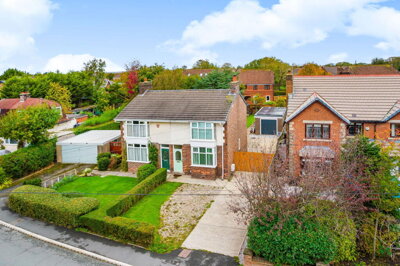
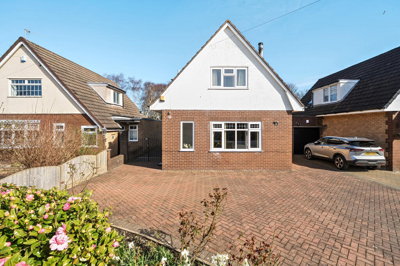
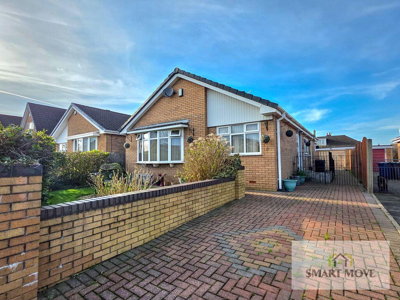
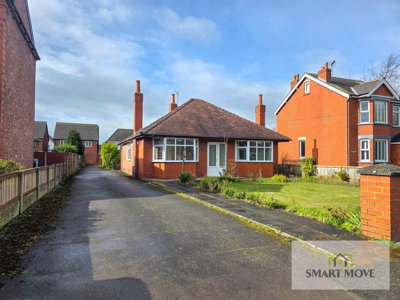
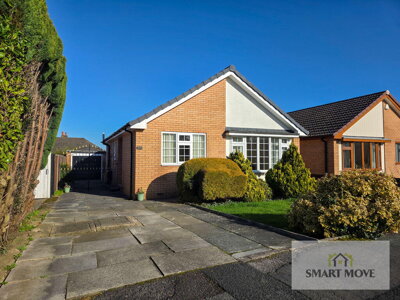
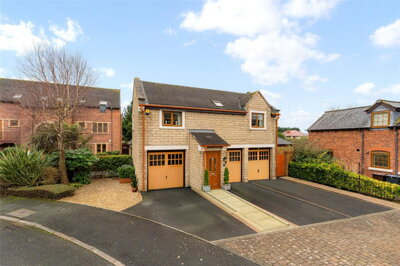
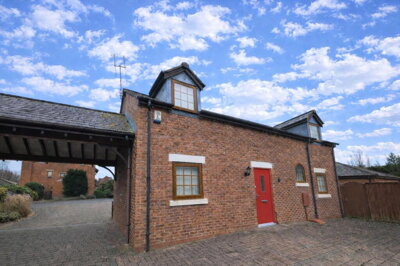
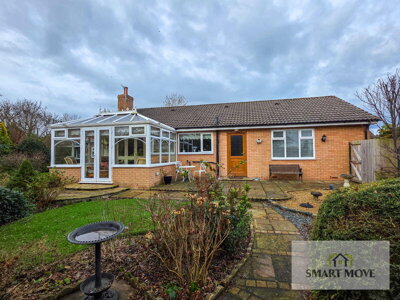
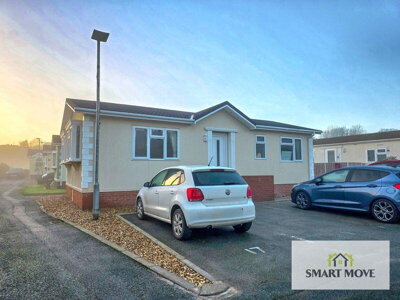
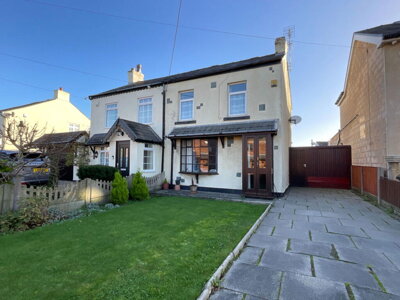
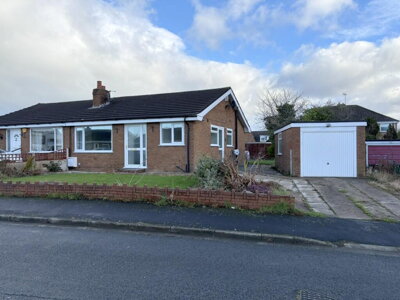
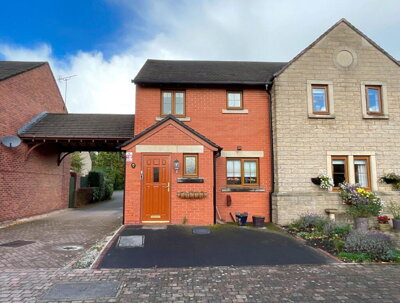
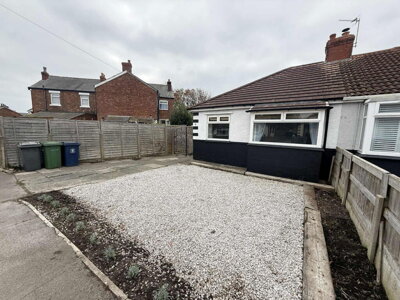
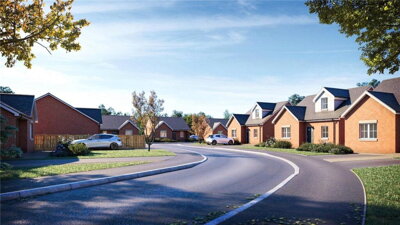
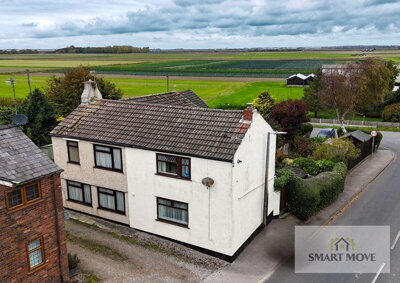
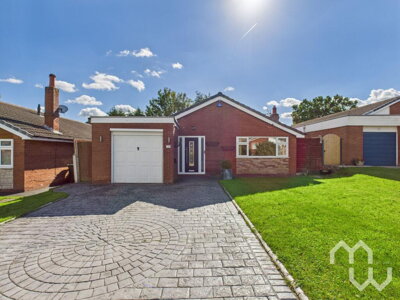
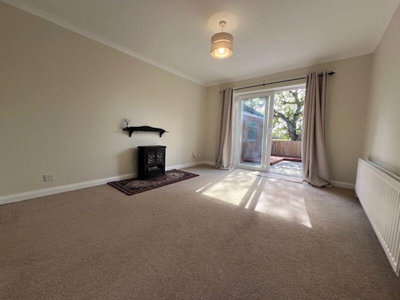
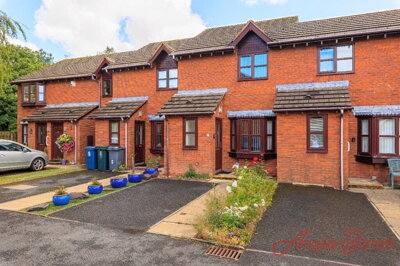
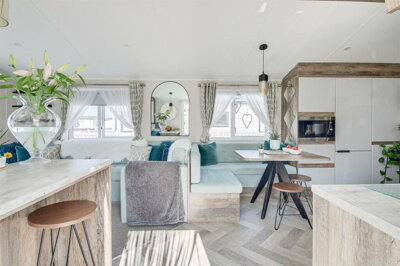
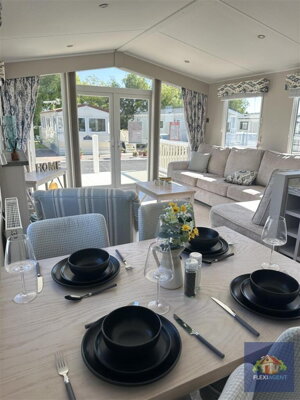
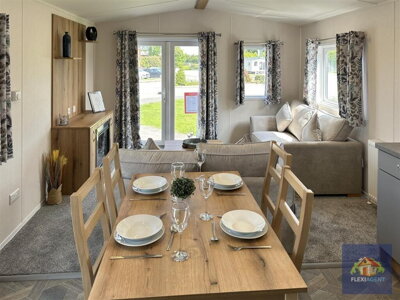
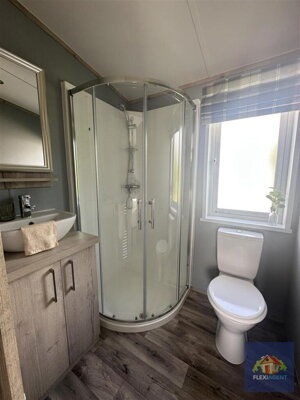
Browse 22 homes for sale in Tarleton, West Lancashire from local estate agents.
The 2 bed house market features detached, semi-detached, and terraced properties with two separate bedrooms plus living spaces. Properties in Tarleton range from Victorian and Edwardian period homes to modern new builds, with pricing varying across different neighbourhoods.
£0k
0
0
0
Source: home.co.uk
Showing 0 results for 2 Bedroom Houses for sale in Tarleton, West Lancashire.
The Eglingham property market reflects its rural character and historic significance, with prices typically sitting between £350,000 and £400,000 for properties across all types. Detached homes command the highest values, with many traditional stone-built properties exceeding £450,000 and premium examples reaching £600,000 or more. The scarcity of terraced housing and the complete absence of a flat market means that demand consistently outstrips supply for what little variety exists in this small village. Given that only 34 property transactions were recorded across the wider NE66 postcode area in the past year, each sale in Eglingham village itself represents a rare event that attracts serious buyers quickly.
Semi-detached properties in Eglingham generally fall within the £250,000 to £350,000 range, offering more accessible entry points for buyers seeking the village lifestyle without the premium attached to larger detached homes. The market here moves slowly compared to urban areas, which benefits buyers who take time to research and view properties thoroughly. There are no active new-build developments within the village itself, as planning restrictions and the Conservation Area designation limit large-scale construction. Any new properties that do appear tend to be single self-builds or barn conversions, which themselves carry significant character and often command prices comparable to established village homes.
The low transaction volume means properties in Eglingham rarely appear on mainstream property portals for extended periods. Savvy buyers work directly with local agents who understand the village market and can alert them to upcoming listings before they reach the wider market. This relationship-based approach to property hunting is essential in villages like Eglingham where properties change hands through networks rather than high-profile marketing campaigns.

Life in Eglingham centres on the village's rich heritage and the rhythms of rural Northumberland. The civil parish had a population of approximately 396 residents according to the 2011 census, though this tight-knit community continues to attract newcomers seeking escape from urban pressures. The village is dominated by its architectural treasures, including Eglingham Hall, a Grade II* listed manor house, and St Maurice's Church, which holds Grade I listed status as one of the finest medieval churches in the county. The village green and surrounding farmland create an atmosphere of timeless tranquility that has attracted families and individuals for centuries.
The local economy relies heavily on agriculture, with farms throughout the surrounding countryside providing employment and shaping the landscape. Tourism plays an increasingly important role in the wider Northumberland economy, with visitors drawn to historic sites, the Northumberland National Park, and the stunning coastline near Bamburgh and Holy Island. Residents of Eglingham benefit from this strategic position, enjoying easy access to tourist amenities while residing in a village largely insulated from the busier tourism hotspots. The community spirit remains strong, with village events and the local church providing social focal points throughout the year.
The surrounding area offers excellent walking and outdoor activities, with public footpaths crossing farmland and leading to nearby villages. The proximity to Alnwick, with its famous castle and gardens, provides additional cultural and recreational opportunities within a short drive. Many residents appreciate the sense of belonging that comes with village life, where neighbours know each other and community events draw participation from across the parish.

Families considering a move to Eglingham will find educational provision centred on nearby villages and towns, reflecting the rural nature of the area. Primary education is available at schools in surrounding villages, with the nearest primary schools typically serving communities within a few miles of Eglingham. These smaller schools often benefit from close relationships between teachers and students, providing attentive care that parents frequently praise. For secondary education, pupils generally travel to Alnwick, approximately eight miles away, where they can access a broader range of GCSE and A-Level courses.
Alnwick's secondary schools have established reputations within the region, serving students from across south Northumberland including those from the Eglingham parish. Parents should research current catchment areas and admission arrangements, as these can change and may influence which school a child can attend. For families seeking private education, several independent schools operate in the wider region, including institutions in Newcastle upon Tyne that offer boarding options. The limited local provision means that school commutes are a normal part of family life for Eglingham residents, though many parents consider this a worthwhile trade for the village lifestyle their children enjoy.
Transport arrangements for schoolchildren typically rely on private vehicles or school bus services operated by Northumberland Council. Parents should factor these logistics into their decision-making process, particularly for families with younger children who require daily transportation. The drive to Alnwick schools takes approximately 20 minutes by car, and several families organise car pools to share the commute responsibility among neighbours.
Eglingham sits in a relatively rural location, with the nearest railway stations located in larger towns that offer connections across the region. Alnwick station provides access to the East Coast Main Line, with services connecting to Newcastle upon Tyne, Edinburgh, and other major cities. The journey to Newcastle typically takes around 40 minutes by train from Alnwick, making day trips and commuting feasible for those who work in the city but prefer rural living. For international travel, Newcastle Airport offers flights across Europe and beyond, located approximately 35 miles from Eglingham.
Road access centres on the A1 trunk road, which runs nearby and provides the primary route for journeys by car throughout the region. The road connects Eglingham to Alnwick to the north and Newcastle to the south, with the drive to central Newcastle taking roughly 45 minutes under normal traffic conditions. Daily commuting by car is practical for those with flexible working arrangements or hybrid arrangements, while bus services connect Eglingham to surrounding villages and towns, though frequencies are limited compared to urban routes. Many residents of Eglingham combine occasional office attendance with remote working, taking advantage of the peaceful environment that supports concentration and productivity.
Those considering Eglingham as a base for regular commuting should note that traffic conditions on the A1 can vary significantly during peak holiday periods, particularly during summer months when tourist traffic increases substantially. Planning for flexible working or alternative routes during these times can help manage the impact of seasonal congestion on daily routines.
Understanding the construction methods used in Eglingham properties is essential for any prospective buyer evaluating the local housing stock. The majority of traditional properties in this Conservation Area village were built using local sandstone, typically a warm light brown or grey stone quarried from Northumberland formations. This vernacular material defines the distinctive character of the village streetscene and requires specific maintenance approaches that differ from brick or rendered properties. Sandstone walls are porous by nature, meaning traditional properties rely on breathable lime-based mortars and renders rather than modern cement products to prevent moisture trapping and subsequent deterioration.
Roofing throughout Eglingham predominantly features either natural slate or traditional clay tiles, both of which have proven durable over many decades but require periodic inspection and maintenance. The steep pitches common on older properties reflect the historic need for effective rainwater shedding in Northumberland's wet climate. Prospective buyers should budget for eventual roof maintenance, including repointing of ridge tiles, replacement of slipped or damaged slates, and inspection of lead flashing around chimneys and valleys. These are standard maintenance items on period properties and should not be viewed as defects but as expected ongoing costs of owning a character home.
Many properties in Eglingham feature solid wall construction rather than cavity walls, which affects thermal performance and insulation options. Installing modern insulation in solid wall properties requires careful consideration of vapour permeability and breathability to avoid trapping moisture within the wall structure. Standard cavity wall insulation products are not suitable for these properties, and specialist advice from a heritage-aware surveyor can help owners understand appropriate options for improving energy efficiency without compromising building fabric. Understanding these construction characteristics helps buyers appreciate both the charm and the practical realities of owning a traditional Northumberland property.
Spend time exploring Eglingham at different times of day and week to understand the community, traffic patterns, and noise levels. Visit local amenities in nearby towns like Alnwick to assess daily convenience. Drive the routes to schools and stations you would use regularly to gauge realistic commute times and identify any seasonal variations in road conditions.
Contact lenders or brokers to obtain a mortgage agreement in principle before viewing properties. This strengthens your position when making offers and shows sellers you are a serious buyer with financing already assessed. Given the rural location and property values in Eglingham, some specialist lenders may be required for certain property types, particularly if the property is a Listed Building or non-standard construction.
Work with local estate agents to arrange viewings of suitable properties. Given the limited market, be prepared to move quickly when a suitable property becomes available, as demand for village homes is consistent. Ask agents about upcoming listings in the village, as many properties sell quietly before reaching major portals. View properties multiple times if possible, including at different times of day and in varying weather conditions.
Eglingham's older properties often require professional surveys to assess their condition. A Level 2 Homebuyer Report costs between £400 and £900+ and identifies defects common to traditional stone-built homes including damp, roof issues, and timber defects. For Listed Buildings or properties with complex conservation considerations, consider whether a more detailed RICS Level 3 Building Survey would be more appropriate to fully assess the property's condition and any required works.
Appoint a conveyancing solicitor to handle the legal aspects of your purchase. They will conduct searches, review contracts, and manage the transfer of ownership through to completion. Ensure your solicitor has experience with Conservation Area and Listed Building transactions, as these involve additional searches and considerations that differ from standard purchases. Request that they specifically check for any enforcement notices or planning conditions that affect the property.
Once searches are satisfactory and all parties agree, you will exchange contracts and pay a deposit. Completion typically follows within weeks, after which you will receive keys and take ownership of your new Eglingham home. Factor in time for moving logistics in a rural location, including potential delivery delays for large items and arranging appropriate insurance cover for the property from exchange date.
Properties in Eglingham require careful inspection due to their age and traditional construction methods. The village's Conservation Area status means all properties fall under stricter planning controls, which can affect permitted development rights and restrictions on alterations. Buyers should investigate whether any proposed changes to a property require Conservation Area consent from Northumberland Council. Listed Buildings carry additional obligations, requiring listed building consent for virtually any structural or exterior alterations, making specialist surveys essential for these properties.
The local geology presents specific considerations for prospective buyers. Eglingham sits on glacial till deposits containing significant clay content, which creates a moderate shrink-swell risk for foundations and ground structures. Properties with large trees nearby or those built on variable ground may show signs of movement that require professional assessment. While the village is not in a major coal mining area, it is prudent to request a Coal Authority report as part of the conveyancing process to check for any historical mining activity in the wider region that might affect ground stability.
Surface water flooding can occur during heavy rainfall due to the rural topography and drainage characteristics, so buyers should review any flood risk information and consider drainage surveys for properties in lower-lying positions. Given the prevalence of traditional sandstone construction, rising damp and penetrating damp frequently affect older properties, particularly those with solid walls and limited ventilation. A thorough survey will check for these common issues and assess the condition of timber elements including floor joists, roof timbers, and any wooden structural components that may be susceptible to wet rot, dry rot, or woodworm activity.
Purchasing a property in Eglingham involves several costs beyond the purchase price itself. Stamp Duty Land Tax applies to all transactions above £250,000 at standard rates, meaning a buyer purchasing a typical £350,000 detached home would pay £7,500 in stamp duty. First-time buyers benefit from relief on the first £425,000, potentially reducing their stamp duty bill to zero on properties within this threshold. Buyers purchasing higher-value properties above £625,000 do not qualify for first-time buyer relief, so planning for the full stamp duty liability is essential.
Additional costs include solicitor fees for conveyancing, which typically range from £500 to £1,500 depending on complexity and whether the property is leasehold or freehold. Most Eglingham properties are freehold, which simplifies the transaction compared to leasehold purchases. Survey costs are particularly important for Eglingham given the age of the housing stock, with RICS Level 2 Surveys priced between £400 and £900+ depending on property size and value. Local searches through Northumberland Council cover drainage, planning history, and environmental factors specific to the village's geology and flood risk profile.
Factor in removal costs, potential renovation expenses for traditional properties, and the ongoing costs of maintaining older homes with heritage features. Properties in Conservation Areas may require specialist materials and tradespeople for any works, which can increase maintenance costs compared to modern properties. Buildings insurance premiums for older stone properties may also be higher than average, and buyers should obtain quotes before completing to accurately budget for all costs associated with their Eglingham purchase.
Average property prices in Eglingham typically range between £350,000 and £400,000 based on available market data for the surrounding area. Detached homes with traditional stone construction commonly fetch £450,000 to £600,000 or more, while semi-detached properties generally range from £250,000 to £350,000. The very low volume of transactions in the village means specific averages are not published by major property portals, so working with a local agent provides the most accurate current pricing information for this tight-knit village market.
Properties in Eglingham fall under Northumberland Council's jurisdiction for council tax purposes. Band allocations vary by property based on valuation, but most traditional stone homes in the village would typically fall within bands C through E, reflecting their character and construction quality. Prospective buyers should verify the specific band for any property they are considering, as this affects ongoing annual costs. Properties with higher rateable values, such as larger detached homes and Listed Buildings, may fall into higher bands F or G.
Eglingham itself does not have schools within the village boundary. Primary education is available at schools in surrounding villages, while secondary education is provided at schools in Alnwick, approximately eight miles away. Parents should contact Northumberland Council for current school admission information and catchment area details, as these can influence educational placement. Many families in the Eglingham parish opt for the school in the neighbouring village of Longframlington, which provides primary education for several surrounding communities and offers a small, community-focused learning environment.
Public transport options in Eglingham are limited due to its rural location. Bus services connect the village to nearby towns and villages, though frequencies are lower than in urban areas with services perhaps running two or three times per weekday. The nearest railway station is in Alnwick, offering East Coast Main Line connections to Newcastle and Edinburgh. Many residents rely on car ownership for daily transportation, with the A1 trunk road providing road access to the wider region. Those without cars should factor in the logistics of school runs and supermarket trips when considering daily life in the village.
Eglingham appeals to buyers seeking countryside character rather than high rental yields. The village's Conservation Area status, historic properties, and limited supply create stable demand from families and retirees seeking rural living. Property values have shown resilience in the wider Northumberland area, though the low transaction volume means capital growth data is limited. Investment buyers should consider the costs of maintaining traditional stone properties and factor in planning restrictions that may limit alteration potential. Barn conversions and character cottages tend to attract the most interest from buyers seeking the village lifestyle, making these property types the most liquid in what is otherwise a thin market.
Stamp Duty Land Tax rates for 2024-25 are 0% on the first £250,000 of residential property value, 5% on £250,001 to £925,000, 10% on £925,001 to £1.5 million, and 12% on amounts exceeding £1.5 million. First-time buyers receive relief on the first £425,000, paying 5% between £425,001 and £625,000. For a typical Eglingham property at £350,000, a standard buyer would pay £7,500 in stamp duty, while a first-time buyer would pay £0. Given the typical property values in Eglingham, most buyers will fall within the basic rate band and should budget accordingly.
While Eglingham itself is not located in a major coal mining area, Northumberland does have a historic mining heritage in certain regions, and it is prudent for buyers to commission appropriate searches as part of their conveyancing. A Coal Authority mining report checks for past mining activity and can identify any recorded coal seams or mining features that might affect ground stability. Properties in areas with superficial glacial till deposits, like Eglingham, can experience clay-related shrink-swell movement, particularly where trees and vegetation affect soil moisture levels. Your survey should specifically assess foundation conditions and look for any signs of historic or ongoing ground movement.
Traditional properties in Eglingham require ongoing maintenance that differs from modern homes. Sandstone walls need periodic repointing with appropriate lime mortar, typically every 30-50 years depending on exposure and weather conditions. Roofs of slate or clay tile require regular inspection and occasional replacement of individual slates or tiles. Properties with solid walls may have limited insulation, and improving thermal performance requires breathable materials suitable for historic buildings. Many older properties will have timber windows that can be sympathetically restored rather than replaced, maintaining character while improving weather tightness. Budget for regular maintenance of around 1-2% of property value annually to keep a traditional home in good condition.
Secure financing for your Eglingham home purchase
From 4.5% APRC
Expert legal support for your property transaction
From £499
Professional condition survey for your Eglingham property
From £400
Energy performance certificate for your new home
From £80
Properties for Sale In London

Properties for Sale In Plymouth

Properties for Sale In Liverpool

Properties for Sale In Glasgow

Properties for Sale In Sheffield

Properties for Sale In Edinburgh

Properties for Sale In Coventry

Properties for Sale In Bradford

Properties for Sale In Manchester

Properties for Sale In Birmingham

Properties for Sale In Bristol

Properties for Sale In Oxford

Properties for Sale In Leicester

Properties for Sale In Newcastle

Properties for Sale In Leeds

Properties for Sale In Southampton

Properties for Sale In Cardiff

Properties for Sale In Nottingham

Properties for Sale In Norwich

Properties for Sale In Brighton

Properties for Sale In Derby

Properties for Sale In Portsmouth

Properties for Sale In Northampton

Properties for Sale In Milton Keynes

Properties for Sale In Bournemouth

Properties for Sale In Bolton

Properties for Sale In Swansea

Properties for Sale In Swindon

Properties for Sale In Peterborough

Properties for Sale In Wolverhampton

Enter your details to see if this property is within your budget.
Loans, cards, car finance
Estimated property budget
Borrowing + deposit
You could borrow between
Typical borrowing
Monthly repayment
Est. at 4.5%
Loan-to-value
This is an estimate only. Your actual budget may vary depending on interest rates, credit history, and personal circumstances. For an accurate affordability assessment, speak to one of our free mortgage advisors.
This calculator provides estimates for illustrative purposes only and does not constitute financial advice. Your home may be repossessed if you do not keep up repayments on your mortgage. Estimates based on 4.5% interest rate, repayment mortgage. Actual rates depend on your circumstances.
Homemove is a trading name of HM Haus Group Ltd (Company No. 13873779, registered in England & Wales). Homemove Mortgages Ltd (Company No. 15947693) is an Appointed Representative of TMG Direct Limited, trading as TMG Mortgage Network, which is authorised and regulated by the Financial Conduct Authority (FRN 786245). Homemove Mortgages Ltd is entered on the FCA Register as an Appointed Representative (FRN 1022429). You can check registrations at NewRegister or by calling 0800 111 6768.

We use cookies to show you personalised content and improve your experience of our website. Find out more in our Privacy policy and Cookie policy.