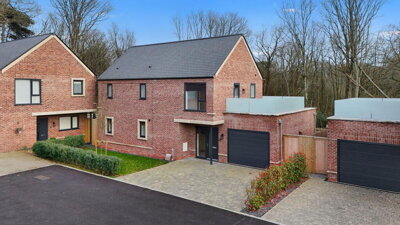
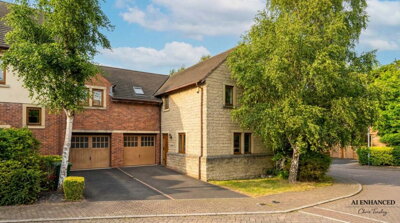
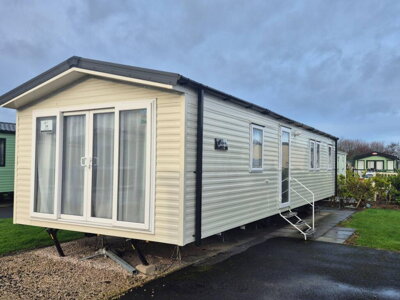
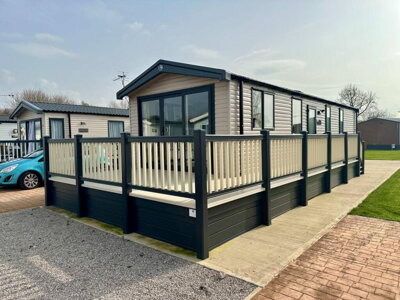
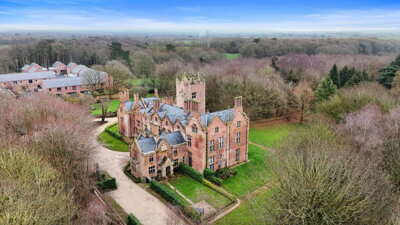
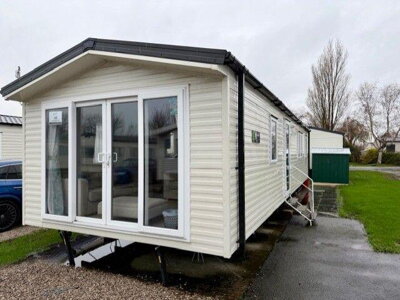
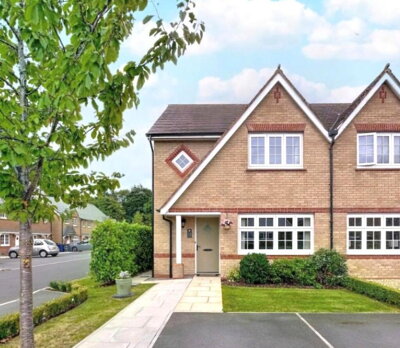
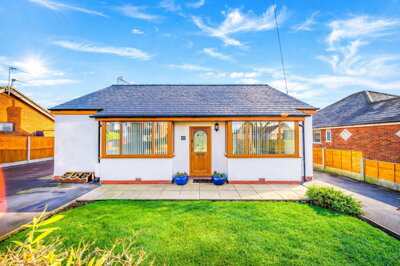
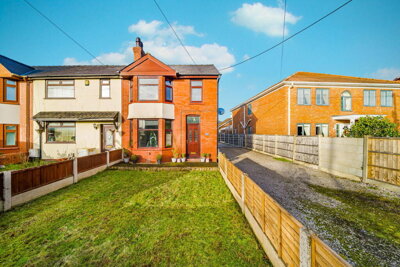
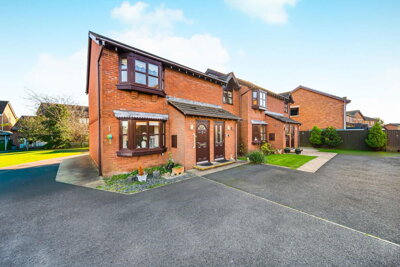
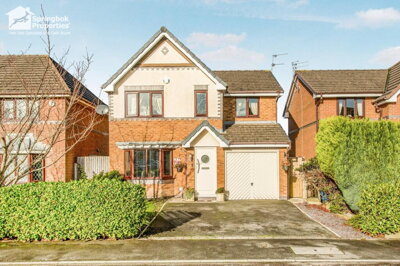
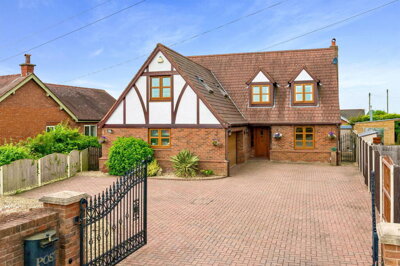
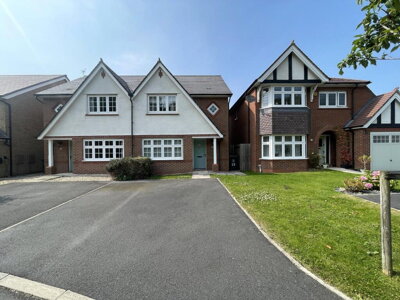
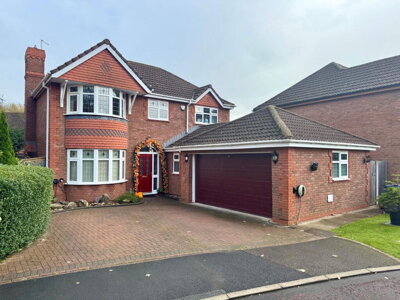
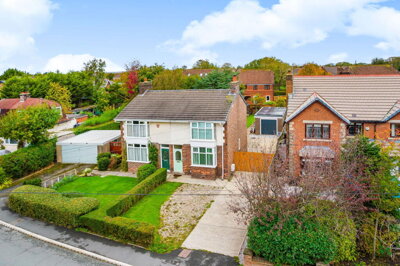
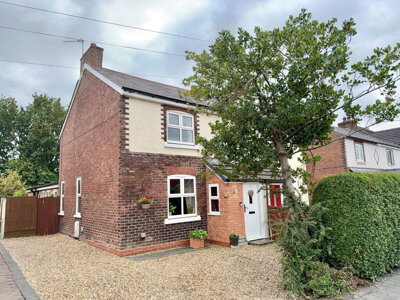
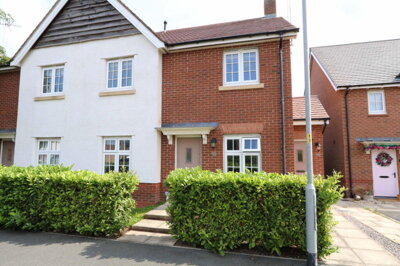
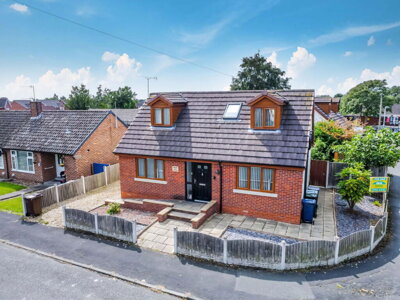
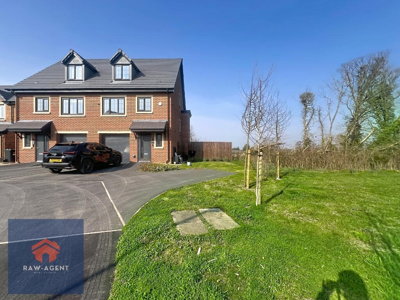
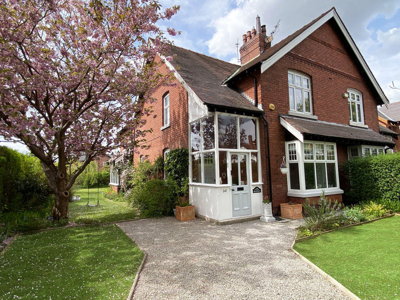
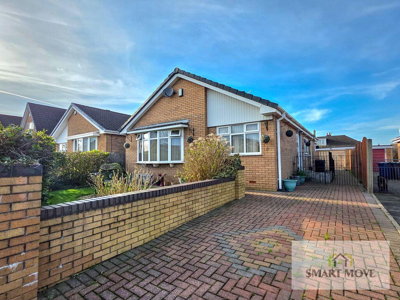
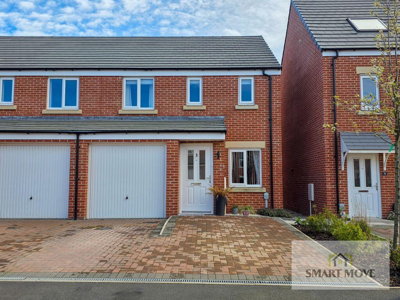
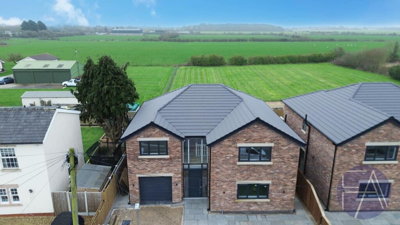
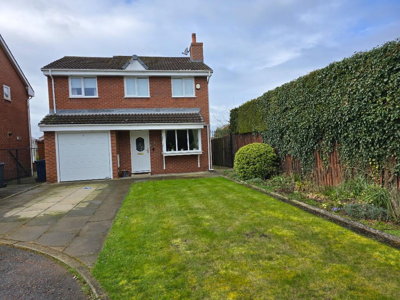
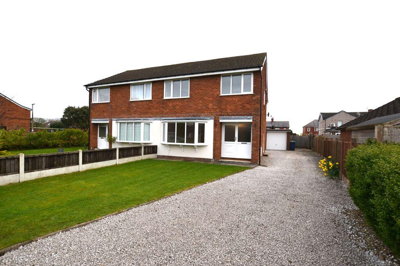
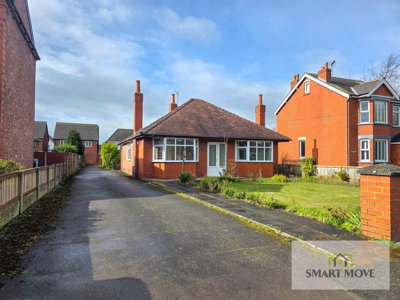
Browse 169 homes for sale in Tarleton, West Lancashire from local estate agents.
£363k
40
5
112
Source: home.co.uk
Source: home.co.uk
Detached
21 listings
Avg £478,562
Detached Bungalow
6 listings
Avg £321,650
Semi-Detached
4 listings
Avg £356,250
Caravan
3 listings
Avg £43,330
Park Home
3 listings
Avg £121,667
Apartment
1 listings
Avg £99,950
Flat
1 listings
Avg £105,000
Semi-Detached Bungalow
1 listings
Avg £209,950
Source: home.co.uk
Source: home.co.uk
The Eglingham property market is characterised by its scarcity and its charm. Detached properties, many of them traditional stone-built homes dating from the 18th and 19th centuries, typically command prices ranging from £450,000 to over £600,000, reflecting both their generous size and their desirable rural position. Semi-detached cottages and smaller farm workers' dwellings offer more accessible entry points, generally ranging from £250,000 to £350,000. Terraced properties are exceptionally rare in Eglingham, and flats are virtually non-existent, as the village has never been developed for high-density housing. The market here moves slowly but steadily, with properties often selling through word of mouth or to buyers who have specifically targeted this picturesque location.
New build activity in Eglingham is essentially non-existent. There are no large-scale housing developments within the village boundary, and planning restrictions due to the Conservation Area designation make significant new construction unlikely. Any new homes that do appear tend to be single self-build projects or barn conversions, which often come to market at premium prices reflecting the quality of the renovation and the rarity of such opportunities. The broader Northumberland property market has shown modest growth in recent years, though the low transaction volume in Eglingham itself makes it difficult to track precise price movements. Buyers investing in Eglingham properties are purchasing a piece of English heritage as much as a home.
The tight supply of Eglingham properties means that competition among buyers is relatively limited, but those seeking a home here must act decisively when a suitable property appears. Properties in the village rarely remain on the market for extended periods once listed, particularly those offering traditional stone construction, generous gardens, or views across the surrounding farmland. Working with local estate agents who understand the nuances of this rural market can give buyers a crucial advantage, as many properties may never reach the major property portals before being sold.

Eglingham is a village of approximately 400 residents in the wider civil parish, offering an intimate community feel that is increasingly rare in modern Britain. The village centre centres around the historic church and a small cluster of farms and cottages, many of which are protected as Listed Buildings or lie within the designated Conservation Area. The surrounding countryside forms part of the Northumberland National Park hinterland, with the distinctive landscape of the Northumberland moors rising gently to the north and west. The geology of the area consists primarily of Carboniferous sedimentary rocks, with glacial till deposits creating the rich agricultural soils that have sustained farming communities here for centuries.
The character of Eglingham is defined by its traditional Northumbrian architecture: warm sandstone buildings with slate roofs, farmsteads with their characteristic groupings, and the gentle curves of drystone walls crossing the hillsides. Local amenities within the village are limited, as is typical for settlements of this size, but the strong sense of community more than compensates. The village hall hosts events throughout the year, from agricultural shows to coffee mornings, and the nearby farms often sell fresh produce directly to residents. For those seeking a quieter life, excellent walking, and a genuine connection to Northumberland's heritage, Eglingham delivers in abundance. The nearest major supermarkets and services are located in Alnwick, an 18-minute drive to the south, while the stunning Northumberland coastline lies within easy reach to the east.
Agricultural activity remains central to the Eglingham economy, with farms in the surrounding area producing livestock and crops that contribute to Northumberland's reputation for quality local produce. The farming calendar shapes village life, with lambing season in spring, harvest in late summer, and agricultural shows bringing the community together throughout the year. Many residents enjoy direct relationships with local farmers, purchasing eggs, meat, and vegetables that never appear on supermarket shelves. This connection to the land is a defining feature of life in Eglingham and something that newcomers often cite as one of the most rewarding aspects of rural living in this part of Northumberland.

Families considering a move to Eglingham will find educational options within reasonable driving distance. The village falls within the catchment area of several primary schools in the surrounding villages, with the nearest being located in the nearby town of Longframlington, approximately 6 miles away. These small rural primary schools offer excellent teacher-to-pupil ratios and strong community links, though they serve small year groups. For secondary education, pupils typically travel to Alnwick Academy, a comprehensive school offering GCSE and A-Level qualifications, or to the Duke's Secondary School in Alnwick. Parents should verify current catchment boundaries and admissions policies with Northumberland County Council, as these can change and may affect school placements.
The wider Northumberland area offers a good selection of independent schooling options for those seeking private education. Schools in Newcastle upon Tyne are accessible for daily commuting by families willing to travel, with several highly-regarded independent schools in the city centre and surrounding suburbs. For sixth form and further education, students have options including Northumberland College in Ashington, and the excellent universities of Newcastle and Durham are within commuting distance for older students. The rural nature of Eglingham means that school transport arrangements are important to consider, and parents should factor in transportation logistics when evaluating the area for family moves.
School transport in rural Northumberland is coordinated through the county council, with bus services operating designated routes to transport pupils to their catchment schools. These services can be particularly valuable for families in Eglingham, as they reduce the daily burden of school runs across country roads. Many families find that the journey to Alnwick Academy, while taking 20-30 minutes by car, passes quickly on the designated school bus, allowing children to use the time for homework or socialising with friends. Parents should apply for school transport passes well in advance of the academic year to secure places on these services.
Transport connections from Eglingham reflect its rural character: the village is accessed via country lanes rather than major A-roads, and while this contributes to its peaceful atmosphere, it does mean that car ownership is virtually essential for residents. The A1 trunk road passes nearby to the east, providing direct access to Edinburgh to the north and Newcastle to the south, with the journey to Newcastle city centre taking approximately 45 minutes in normal traffic. The nearest train stations are located in Alnwick and Berwick-upon-Tweed, with regular services to Edinburgh, Newcastle, and beyond via the East Coast Main Line. Berwick-upon-Tweed station offers direct trains to Edinburgh in around 45 minutes and to Newcastle in approximately 90 minutes.
Bus services in rural Northumberland are limited, with weekday and limited weekend services connecting Eglingham to Alnwick and the surrounding villages. Residents planning to use public transport should check current timetables carefully, as services may be reduced compared to urban areas. Cycling is popular in the area, with quiet country lanes and designated routes connecting to the National Cycle Network. However, the hilly terrain and variable weather conditions of Northumberland mean that cycling is more of a leisure activity than a daily commuting option for most residents. For international travel, Newcastle International Airport offers flights to destinations across Europe and beyond, reachable within an hour's drive from Eglingham.
Remote working has transformed the viability of living in villages like Eglingham for those employed in professional sectors. Fast broadband, while not always as reliable as in urban areas, has improved significantly in recent years, enabling residents to work from home while enjoying the benefits of rural life. The post-pandemic shift toward flexible working has increased demand for properties in locations like Eglingham, as workers seek more space, access to countryside, and a better quality of life without sacrificing their careers. Many Eglingham residents now commute to work in Newcastle or Edinburgh on an occasional basis, using the excellent rail connections from Berwick or Alnwick for those days when home working is not practical.
Take time to explore Eglingham thoroughly before committing to a purchase. Visit at different times of day and week, speak to residents about what living in the village is really like, and understand the implications of the Conservation Area designation on any future plans you may have for the property.
Before viewing properties, obtain a mortgage agreement in principle from a lender. This will give you a clear budget and demonstrate to sellers that you are a serious buyer. Eglingham properties, given their value, may require larger mortgages, so exploring your options early is advisable.
Work with local estate agents who know the Eglingham area intimately. Given the small number of properties on the market at any time, being on agents' books and ready to move quickly when a suitable property appears is advantageous.
Given the age of most properties in Eglingham, a thorough RICS Level 2 Survey is essential. This will identify any structural issues, damp problems, roof defects, or timber issues common in older stone-built properties. For Listed Buildings or particularly historic properties, consider a Level 3 Building Survey instead.
Appoint a conveyancing solicitor with experience in rural Northumberland properties. They will handle searches, check the title, and ensure all planning and Listed Building consents are in order for any work already undertaken on the property.
Once all searches are satisfactory and your mortgage offer is confirmed, you can proceed to exchange contracts and set a completion date. On completion day, the keys are yours and you can begin your new life in Eglingham.
Purchasing a property in Eglingham requires careful attention to several area-specific factors. The village's Conservation Area status means that any external alterations, extensions, or significant changes to properties may require planning permission from Northumberland County Council, even where permitted development rights might apply elsewhere. Buyers should verify that any works already carried out on a property have received appropriate consents, as this can affect mortgageability and future saleability. Listed Buildings, of which there are many in the village, have additional restrictions under the Planning (Listed Buildings and Conservation Areas) Act, and English Heritage or Historic England guidance may apply to any proposed works.
The age of Eglingham's housing stock means that buyers should be vigilant about common issues in older properties. Many homes are built with solid walls rather than cavity insulation, meaning thermal performance may be below modern standards. The local sandstone construction can be prone to weathering and may require repointing, while older roof structures should be checked for slipped slates, timber decay, and signs of past or present leaks. Electrical and plumbing systems in period properties often require updating to meet current standards. Properties on the clay-rich glacial till deposits common in Northumberland may be susceptible to ground movement, so a thorough survey is particularly important. Flood risk in Eglingham itself is low, though surface water flooding can occur during heavy rainfall, and buyers should check Environment Agency maps for any specific concerns.
Our inspectors frequently identify specific issues when surveying Eglingham properties, including rising damp in solid wall constructions, deterioration of traditional lime mortar pointing in sandstone buildings, and timber defects in suspended wooden floors and roof structures. We also commonly find that electrical installations in older properties do not meet current standards and require upgrading before purchase. Properties that have been extended or converted over the years may present complex histories that require careful investigation, particularly where Listed Building consents may not have been obtained for previous alterations.
Eglingham's architectural heritage is dominated by traditional Northumbrian building methods that have shaped the village for centuries. The predominant construction material is local sandstone, typically a warm, light brown or grey stone quarried from the surrounding area, which gives the village its distinctive and cohesive appearance. Many properties feature thick solid walls constructed from this stone, often exceeding 400mm in thickness, which provides excellent thermal mass but requires different considerations for insulation compared to modern cavity wall construction. Traditional features such as chamfered door surrounds, crow-stepped gables, and carved datestones can be found on older properties, reflecting the craftsmanship of local builders and masons who worked in the area during the Georgian and Victorian periods.
Roofing throughout Eglingham predominantly uses natural slate, quarried from regions such as the Lake District or Welsh slate deposits, though some properties retain traditional clay tiles. The timber roof structures are typically formed using traditional cut rafters with sarking boards beneath the covering, a construction method that allows for ventilation but can be susceptible to timber decay over time. Our team regularly identifies issues with these traditional roof constructions during surveys, particularly where original lime mortar pointing has deteriorated, allowing water penetration that leads to rot in the underlying timbers. Regular maintenance of slate roofs is essential, as individual slates can become loose or cracked over time, leading to leaks that may not become apparent until significant damage has occurred.
Ground floor construction in older Eglingham properties is typically suspended timber, with joists spanning between supporting walls and air bricks providing underfloor ventilation. This traditional construction method can be vulnerable to dampness if ventilation is restricted, if ground levels have been raised, or if air bricks have become blocked. We often find evidence of wet rot or dry rot in these floor structures during surveys, particularly in properties where damp proof courses are absent or have failed. The stone or brick dwarf walls that support these floor joists can also suffer from deterioration, especially where mortar has washed out or where vegetation has grown into the sub-floor void.
Agricultural buildings in the village, many now converted to residential use, add to the architectural diversity of Eglingham. These structures were originally built for practical purposes, with high eaves to accommodate large hay bales, wide door openings, and robust construction to house livestock and equipment. When converting such buildings, developers have often added modern insulation and services while retaining original features such as exposed beams, stone floors, and farmhouse-style kitchens. These conversions can offer excellent value for buyers seeking character properties with practical modern living spaces, though they may require ongoing maintenance to preserve their traditional fabric.
Specific average house price data for Eglingham village alone is not publicly available due to the low volume of transactions. However, based on the wider NE66 postcode area, average prices typically range from £350,000 to £400,000. Detached properties command £450,000 to over £600,000, while semi-detached homes generally range from £250,000 to £350,000. The market moves slowly but steadily, with properties retaining value well due to the village's desirable character and limited supply. First-time buyers should note that the SDLT nil rate band starts at £250,000 for standard purchases, meaning most Eglingham properties will attract some tax liability.
Properties in Eglingham fall under Northumberland County Council's tax bands. Band values are assigned based on the property's open market value as of 1991. Given the rural nature of the village and the quality of the housing stock, many properties fall into Bands D through G. You can check the specific band for any property through the Valuation Office Agency website or your solicitor during the conveyancing process. Council tax payments fund local services including education, road maintenance, and refuse collection, all of which residents of Eglingham rely upon despite the limited facilities within the village itself.
Eglingham itself does not have a school within the village. Primary school pupils typically attend schools in surrounding villages, with those in the Longframlington area being most accessible. Womerleannes First School serves several rural communities in the wider area and benefits from small class sizes that allow individual attention for each pupil. Secondary education is provided at Alnwick Academy, which serves the wider catchment area and offers a range of GCSE and A-Level subjects. Parents should verify current admissions policies and catchment boundaries with Northumberland County Council, as these can change and may affect school placements.
Public transport connections from Eglingham are limited, reflecting its rural character. There is no train station in the village itself; the nearest mainline stations are in Alnwick and Berwick-upon-Tweed, both offering East Coast Main Line services to Edinburgh, Newcastle, and London. Bus services operate on reduced timetables compared to urban areas, with weekday services connecting Eglingham to Alnwick and nearby villages, though weekend services are particularly limited. For daily commuting or accessing services without a car, these limitations are important to factor in when considering a move to Eglingham.
Eglingham can be a sound investment for buyers seeking a genuine rural lifestyle rather than rapid capital growth. The village's Conservation Area status and limited development potential mean that property supply will always be constrained, which supports long-term values. The growing demand for rural properties, accelerated by remote working trends, has increased interest in villages like Eglingham. However, investors should be aware that the small market size means liquidity is limited, and properties may take longer to sell than in urban areas. The best properties in Eglingham, such as well-presented period cottages with gardens or farmhouses with land, tend to hold their value well even during broader market downturns.
Stamp Duty Land Tax (SDLT) applies to all residential property purchases in England. For standard purchases, there is no SDLT on the first £250,000 of the purchase price, 5% on the portion from £250,001 to £925,000, 10% on the portion from £925,001 to £1.5 million, and 12% on any amount above £1.5 million. First-time buyers enjoy relief on the first £425,000, with 5% applied between £425,001 and £625,000. For a typical £400,000 Eglingham property, standard buyers would pay £7,500 in SDLT, while first-time buyers would pay nothing due to the increased threshold.
While Eglingham is not a major former coal mining area, Northumberland does have a history of mining activity in the wider region. The presence of glacial till clay deposits means that some properties may be at risk of ground movement due to shrink-swell conditions, particularly where trees are present near foundations. Our surveyors always check for signs of subsidence or structural movement during inspections. A Coal Authority mining report can be obtained during the conveyancing process to check for any past mining activity that might affect the property, and this is particularly recommended for properties in the wider Alnwick area.
When viewing Eglingham properties, pay particular attention to the condition of the stonework, looking for signs of spalling, cracking, or failed pointing. Check the roof for missing or slipped slates, and look inside the property for signs of damp such as staining, peeling wallpaper, or musty smells. Properties with solid walls may feel colder and cost more to heat, so ask about insulation standards and recent energy performance certificate ratings. Given the village's Conservation Area status, verify that any works already carried out have received appropriate planning and Listed Building consents.
From 4.5%
Competitive mortgage rates for your Eglingham purchase
From £499
Expert legal services for your property purchase
From £400
Essential survey for older properties in Eglingham
From £60
Energy performance certificate
When budgeting for a property purchase in Eglingham, it is essential to factor in costs beyond the purchase price. Stamp Duty Land Tax is calculated on a tiered basis, with the first £250,000 of any purchase attracting zero SDLT. For most Eglingham properties, which typically sell for £350,000 to £600,000, this means SDLT will apply to the amount above £250,000 at 5%, resulting in costs ranging from approximately £5,000 to £17,500. First-time buyers may benefit from increased thresholds, paying nothing on the first £425,000 and 5% between £425,001 and £625,000. Your solicitor will calculate the exact SDLT liability and submit the return to HMRC on your behalf.
Additional purchase costs include survey fees, with RICS Level 2 Surveys in the Eglingham area typically ranging from £400 to £900 depending on property size and value. Given the age and character of properties in this Conservation Area village, a thorough survey is money exceptionally well spent. Conveyancing costs generally start from around £500 to £1,500 for standard purchases, though more complex transactions involving Listed Buildings or unusual titles may cost more. Search fees, mortgage arrangement fees, and Land Registry registration costs add a few hundred pounds more. On a typical £400,000 property in Eglingham, buyers should budget approximately £3,000 to £5,000 for these additional costs on top of their mortgage deposit and SDLT.
Property valuation fees are required by your mortgage lender and typically cost between £150 and £500 depending on the property value and lender requirements. While this is a separate assessment from a full RICS survey, many buyers choose to commission a combined valuation and Level 2 survey to ensure thorough coverage. Local searches from Northumberland County Council, including drainage and water searches, local land charges, and environmental searches, typically cost around £250 to £400. These searches are essential for identifying any planning issues, contamination risks, or highways matters that might affect your enjoyment or the value of the property.
Properties for Sale In London

Properties for Sale In Plymouth

Properties for Sale In Liverpool

Properties for Sale In Glasgow

Properties for Sale In Sheffield

Properties for Sale In Edinburgh

Properties for Sale In Coventry

Properties for Sale In Bradford

Properties for Sale In Manchester

Properties for Sale In Birmingham

Properties for Sale In Bristol

Properties for Sale In Oxford

Properties for Sale In Leicester

Properties for Sale In Newcastle

Properties for Sale In Leeds

Properties for Sale In Southampton

Properties for Sale In Cardiff

Properties for Sale In Nottingham

Properties for Sale In Norwich

Properties for Sale In Brighton

Properties for Sale In Derby

Properties for Sale In Portsmouth

Properties for Sale In Northampton

Properties for Sale In Milton Keynes

Properties for Sale In Bournemouth

Properties for Sale In Bolton

Properties for Sale In Swansea

Properties for Sale In Swindon

Properties for Sale In Peterborough

Properties for Sale In Wolverhampton

Enter your details to see if this property is within your budget.
Loans, cards, car finance
Estimated property budget
Borrowing + deposit
You could borrow between
Typical borrowing
Monthly repayment
Est. at 4.5%
Loan-to-value
This is an estimate only. Your actual budget may vary depending on interest rates, credit history, and personal circumstances. For an accurate affordability assessment, speak to one of our free mortgage advisors.
This calculator provides estimates for illustrative purposes only and does not constitute financial advice. Your home may be repossessed if you do not keep up repayments on your mortgage. Estimates based on 4.5% interest rate, repayment mortgage. Actual rates depend on your circumstances.
Homemove is a trading name of HM Haus Group Ltd (Company No. 13873779, registered in England & Wales). Homemove Mortgages Ltd (Company No. 15947693) is an Appointed Representative of TMG Direct Limited, trading as TMG Mortgage Network, which is authorised and regulated by the Financial Conduct Authority (FRN 786245). Homemove Mortgages Ltd is entered on the FCA Register as an Appointed Representative (FRN 1022429). You can check registrations at NewRegister or by calling 0800 111 6768.

We use cookies to show you personalised content and improve your experience of our website. Find out more in our Privacy policy and Cookie policy.