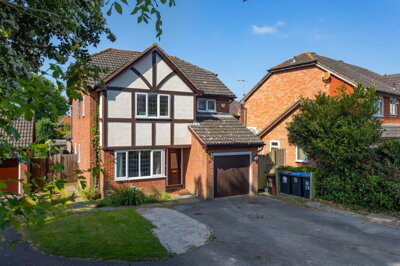
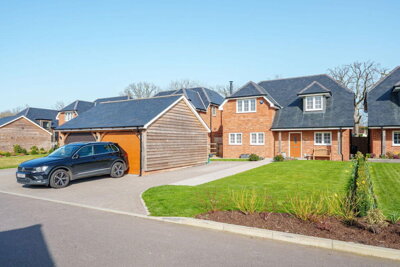
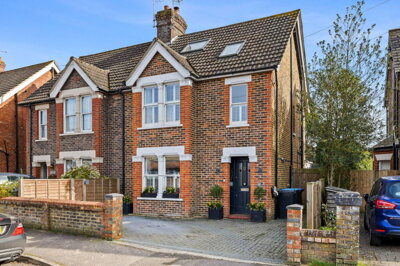
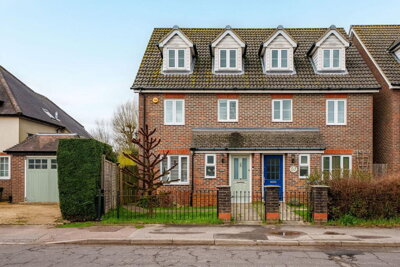
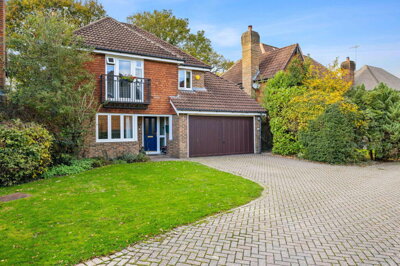
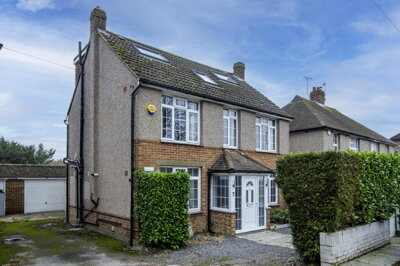
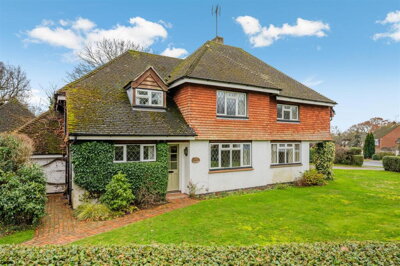
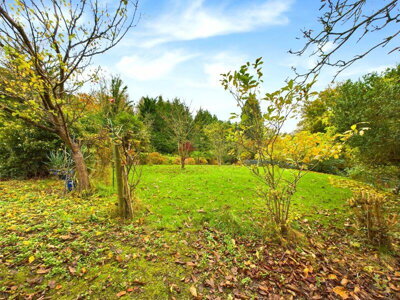
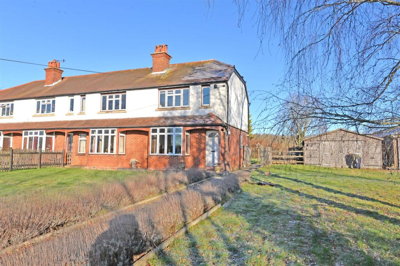
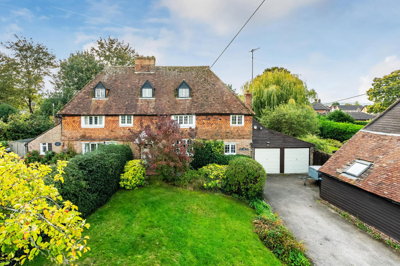
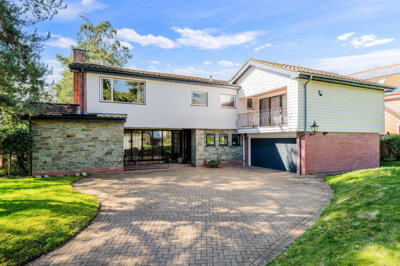
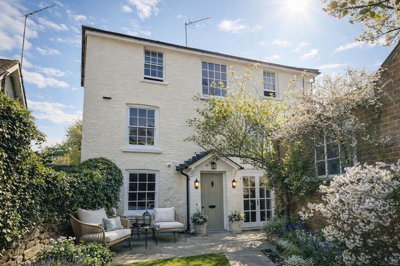
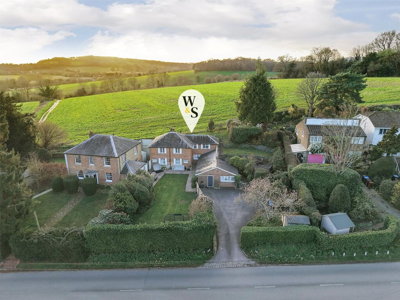
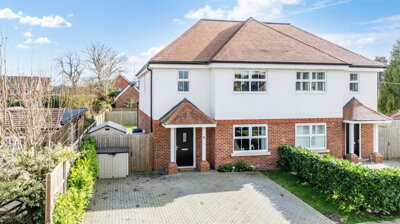
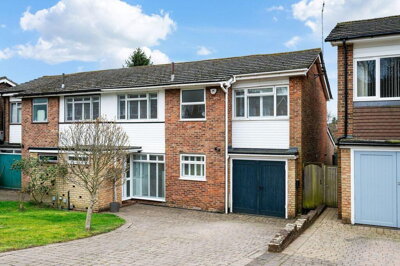
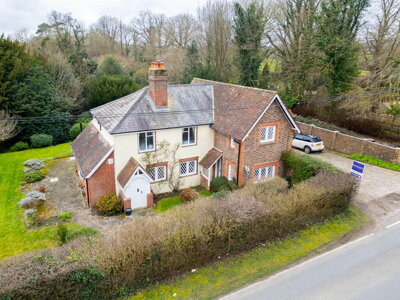
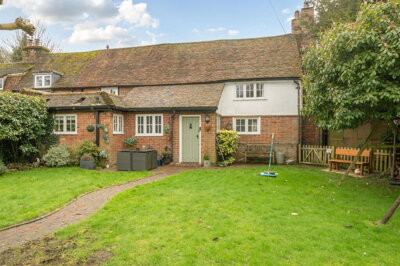
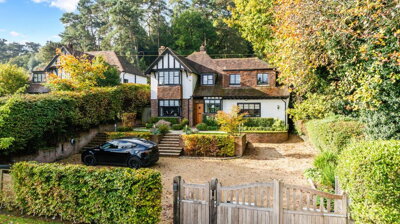
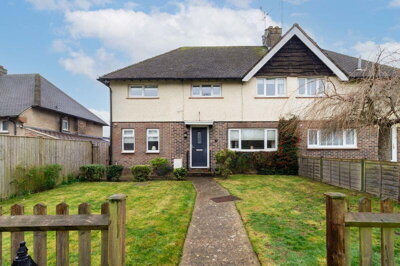
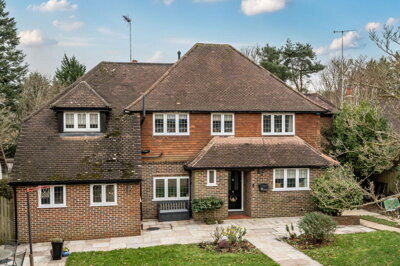
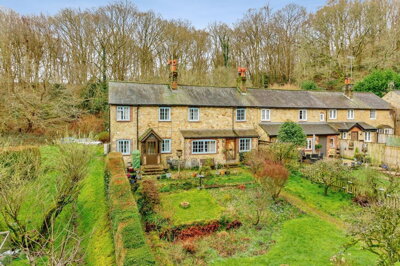
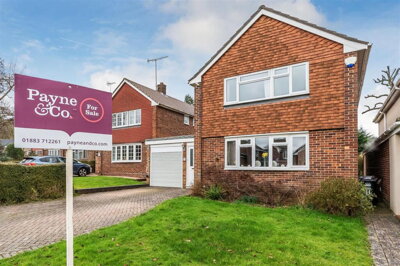
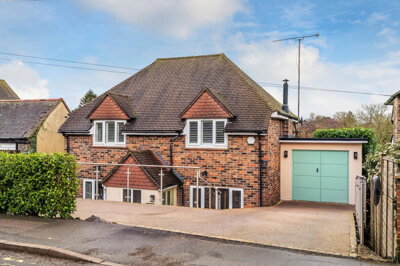
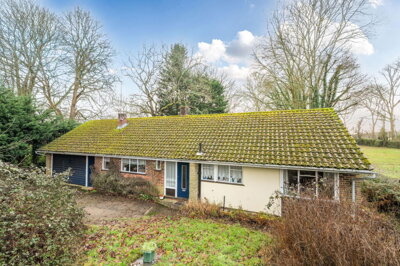
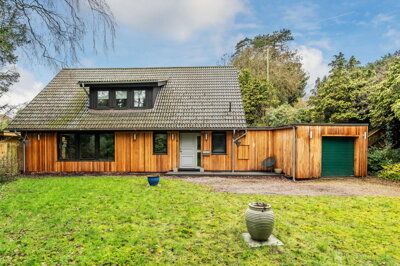
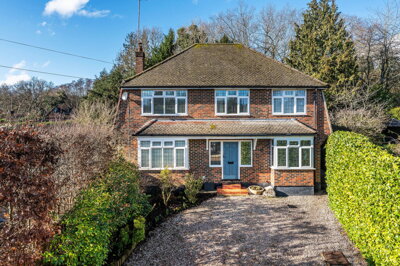
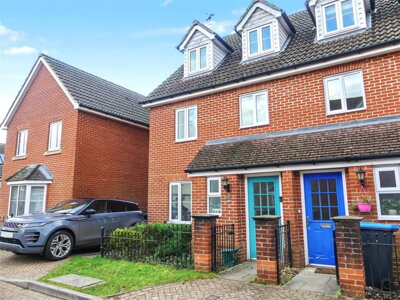
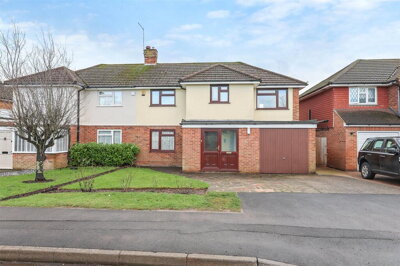
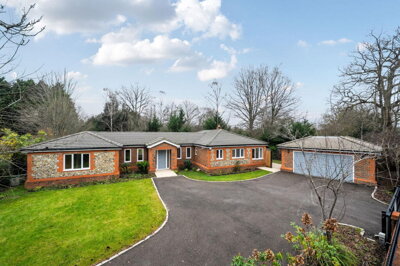
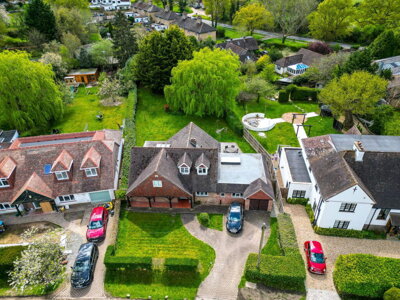
Browse 60 homes for sale in Tandridge from local estate agents.
The larger property sector typically features multiple bathrooms, substantial reception space, and private gardens or off-street parking. Four bedroom houses in Tandridge span detached, semi-detached, and occasionally terraced configurations, with styles ranging from period properties to modern executive homes.
The Tandridge property market demonstrates remarkable stability, with overall prices showing a minimal decline of just 0.21% over the past twelve months. Detached properties command the highest prices, averaging £976,013, which reflects strong demand from families seeking generous living space and larger gardens. Semi-detached homes have proven particularly resilient, with prices increasing by 0.22% to an average of £528,737, suggesting sustained interest in this property type from first-time buyers and those upsizing from terraced properties.
Terraced properties in Tandridge average £447,243 with prices showing a modest increase of 0.27% over the past year, indicating continued demand for more affordable entry points to the local market. Flats remain the most affordable option at approximately £290,250, though this segment has seen a slight decline of 0.36%, potentially offering opportunities for first-time buyers or investors. The balanced price movements across different property types suggest a healthy market where buyers can find options suitable for various budgets without significant price distortions.
The area offers an impressive variety of property types to suit different lifestyles and budgets. Our listings include traditional tile-hung cottages in picturesque village locations, substantial Victorian and Edwardian family homes in established residential roads, and contemporary new-build properties on modern developments. Several significant new-build sites are currently active within the district, including Oxted Place by Bellway offering two to five-bedroom homes, The Oaks in South Godstone by David Wilson Homes, The Grange in Lingfield by Cala Homes, and The Nurseries development in Hurst Green by Shanly Homes.

Tandridge District encompasses a population of approximately 88,100 residents across 35,600 households, creating a vibrant community atmosphere that balances village charm with urban conveniences. The housing stock reflects the area's rich heritage, with nearly half of all properties being detached homes set within generous plots. This predominance of family-sized accommodation contributes to the semi-rural character that makes Tandridge so appealing to those seeking space away from the city while remaining within practical commuting distance.
The local economy benefits significantly from its proximity to London and Gatwick Airport, attracting professionals who appreciate the area's excellent transport connections and quality of life. Key employment sectors include professional services, education, healthcare, and retail, with many residents commuting to offices in central London or working at Gatwick. The equestrian and agricultural industries continue to play meaningful roles in the rural parts of the district, contributing to the character of villages like Limpsfield, Godstone, and South Godstone where stables and farmland remain prominent features.
Traditional building materials throughout the district include characteristic red and brown brick, distinctive tile-hanging, and rendered finishes that reflect the Surrey vernacular style. The housing age profile shows significant proportions built before 1919, particularly in village centres where timber-framed structures with original features can still be found. Inter-war properties from the 1920s and 1930s form a substantial part of suburban areas, while post-war expansion through the 1950s to 1970s brought family housing estates that now offer mature gardens and established neighbourhoods. Numerous conservation areas protect the special architectural character of villages including Oxted, Limpsfield, Godstone, and Lingfield, ensuring that historic buildings and streetscapes are preserved for future generations.

Education provision in Tandridge serves families well, with a selection of primary and secondary schools available throughout the district. Primary schools in the area cater to children from Reception through to Year 6, with many receiving positive ratings from Ofsted for teaching quality and pupil development. The district's primary schools serve villages spread across the area, meaning catchment areas can be relatively wide compared to more urban locations, making proximity to specific schools an important factor when choosing where to buy.
Secondary education is well-represented, with several established schools offering comprehensive curricula and strong extracurricular programmes for students aged eleven through sixteen. Schools in nearby Oxted and the surrounding villages provide secondary education serving families across the district, with options for both academic and vocational pathways. The presence of good schools significantly influences property values in certain neighbourhoods, with homes within catchment areas often commanding premium prices of five to fifteen percent above comparable properties outside popular school zones.
Sixth form provision allows older students to continue their education locally, with options for A-level study and vocational qualifications at college level. Families relocating to Tandridge should research specific school catchments carefully, as admission policies can be competitive in popular areas. Our platform allows you to explore properties alongside school locations, helping you find a home that meets your family's educational requirements while offering the lifestyle you desire. Properties in areas like Limpsfield, which benefits from several well-regarded schools, often attract a premium from families prioritising educational outcomes, so understanding school catchments should form a key part of your property search strategy.
Transport connectivity ranks among Tandridge's most significant advantages for London commuters and those working further afield. The district benefits from regular train services from stations including Oxted, Lingfield, and Hurst Green, providing direct connections to London Victoria and London Bridge. Journey times to the capital typically range from around 40 to 55 minutes depending on the specific station and service, making daily commuting a practical reality for professionals who need to reach the city centre. Oxted station, being the closest to the M25, is particularly popular with commuters, while Lingfield offers a more peaceful station experience with good parking facilities.
Road connectivity is equally strong, with the M25 and M23 motorways providing access to the wider South East road network. The M25 runs to the north of the district, offering connections to London, Heathrow, and the Channel ports, while the M23 provides a direct route south to Crawley and Brighton. Gatwick Airport lies within easy reach for those who travel internationally for business or pleasure, typically around 20 to 30 minutes by car from most parts of the district. This proximity to a major international airport adds significant value for frequent travellers and those working in industries connected to aviation.
Local bus services connect the various villages and towns within Tandridge, offering options for those who prefer public transport for shorter journeys. Services run between major villages including Oxted, Lingfield, Godstone, and Caterham, providing essential connectivity for those without cars. Parking provision varies across the district, with larger properties typically offering off-street parking while town centre locations may have more limited options. Given the parking challenges in village centres, properties with garages or allocated parking command additional premiums, particularly near railway stations where commuters require reliable vehicle storage.
Start by exploring our listings to understand the Tandridge property market, comparing prices across different property types and neighbourhoods. Consider factors such as school catchments, transport links, and local amenities when narrowing your search. The variety of housing stock, from period cottages to modern developments, means initial research is essential to identify which villages and price ranges best match your requirements.
Before arranging viewings, obtain a mortgage agreement in principle from a lender. This demonstrates your buying credentials to estate agents and sellers, strengthening your position when making an offer on a property. Given the relatively high average property prices in Tandridge, with many detached homes exceeding £900,000, securing suitable mortgage financing early is particularly important for buyers seeking premium properties.
Contact our featured estate agents to schedule viewings on properties that match your requirements. Take notes during each viewing and ask questions about the property's history, recent renovations, and any planning permissions granted. Given the number of older properties in Tandridge, pay particular attention to signs of damp, structural movement, and the condition of original features that may require maintenance or renovation.
When you find your ideal home, submit a competitive offer through the selling agent. Be prepared to negotiate on price and terms, keeping in mind current market conditions and comparable sales in the area. The stable price trends in Tandridge, with minimal annual fluctuations, suggest a balanced market where well-priced properties attract genuine interest quickly.
Choose a conveyancing solicitor to handle the legal aspects of your purchase. They will conduct searches, review contracts, and manage the transfer of funds through to completion. Your solicitor should be familiar with local issues including flood risk areas around the River Eden tributaries and conservation area restrictions that may affect properties in villages like Limpsfield and Godstone.
Arrange a RICS Level 2 Survey to assess the property's condition, particularly important given the number of older properties in Tandridge with potential issues such as subsidence from clay soils. Once satisfied with results, exchange contracts and pay your deposit. For properties in conservation areas or listed buildings, your surveyor may recommend a more detailed Level 3 Building Survey to assess the implications of restrictions on future alterations.
Prospective buyers in Tandridge should be aware of specific local factors that can affect property condition and value. The underlying geology of the area, dominated by Wealden Clay and Upper Greensand formations, creates a moderate to high shrink-swell risk for properties with shallow foundations. This means that subsidence and ground movement issues can occur, particularly in older properties with original foundations that were not designed to cope with modern loading or moisture changes. A thorough RICS Level 2 Survey is strongly recommended before completing your purchase to identify any structural concerns early in the process.
Given that over half of Tandridge's housing stock was built before 1980, several common defects may be encountered depending on the property's age and construction type. Pre-1919 properties often feature solid wall construction with original timber elements that may show signs of rot or woodworm, alongside outdated electrical systems that require full rewiring. Inter-war properties from the 1920s and 1930s frequently display original wood floors, period fireplaces, and single-glazed windows that will need updating. Post-war properties may suffer from concrete construction issues or original roof coverings that have reached the end of their serviceable life. Properties built before 1980 commonly exhibit damp issues due to original construction methods lacking modern damp-proof courses, while roof deterioration including slipped tiles and failing leadwork affects many period properties across the district.
Flood risk varies across different parts of the district, with low-lying areas around Lingfield, Godstone, and Oxted more susceptible to river flooding from the River Eden and its tributaries. Surface water flooding can also occur during periods of heavy rainfall due to the combination of clay soils with low permeability and the natural topography of the Weald. Properties in these areas should be investigated thoroughly for flood resilience measures and previous flood incidents. Conservation area status affects many villages in Tandridge, which means certain alterations, extensions, and works to trees may require planning permission from Tandridge District Council. Buyers should also consider the distinction between freehold and leasehold properties, as service charges and ground rents can add to ongoing ownership costs, particularly relevant for any apartments within the district.
The average house price in Tandridge District is currently £639,150, as of February 2026. Detached properties average £976,013, semi-detached homes are around £528,737, terraced properties average £447,243, and flats are priced at approximately £290,250. Over the past twelve months, prices have remained relatively stable with a minimal decline of 0.21% overall, suggesting a healthy and balanced market. This price stability makes Tandridge an attractive option for buyers concerned about market volatility, as the semi-rural character and limited new development supply help maintain consistent demand.
Council tax bands in Tandridge District are set by Tandridge District Council, and bands vary significantly depending on the property's assessed value. Most family homes in the area fall within bands D through H, with larger detached properties often in higher bands due to their assessed values. Terraced properties and smaller semis typically occupy bands C and D, while premium family homes in villages like Limpsfield frequently attract bands F and above. Prospective buyers should check the specific band for any property they are considering, as this forms part of the ongoing cost of ownership alongside other local charges.
Tandridge offers good educational provision with several primary and secondary schools serving the district. Primary schools across the villages provide education for children from Reception through to Year 6, with many receiving positive Ofsted ratings for teaching quality and pupil development. Secondary schools in Oxted and surrounding areas serve students from age eleven through to sixth form, offering a range of academic and vocational qualifications. The district attracts families specifically for its schooling options, and homes within strong school catchments often command premium prices of five to fifteen percent above comparable properties outside popular catchment zones. Parents should research individual school Ofsted ratings and admission policies when considering where to buy, as catchment boundaries can change and competition for places can be intense in sought-after areas.
Tandridge benefits from excellent transport connections, with train services from Oxted, Lingfield, and Hurst Green providing regular routes to London Victoria and London Bridge. Journey times to the capital typically range from 40 to 55 minutes, with Oxted offering the fastest connections given its proximity to the M25. The M25 and M23 motorways are easily accessible for road travel, and Gatwick Airport is approximately 20 to 30 minutes away by car, making the area particularly attractive to commuters and frequent travellers. Local bus services connect the various villages, providing essential transport for those without private vehicles, though frequency may be limited compared to urban areas.
The Tandridge property market has demonstrated consistent performance with strong demand from commuters seeking access to London while enjoying a semi-rural lifestyle. Over 542 properties have sold in the district over the past twelve months, indicating healthy market activity with stable price trends across most property types. The combination of limited new development, excellent transport links maintained by regular train services, and strong local amenities supports continued demand. Detached family homes have proven particularly resilient, making Tandridge attractive for investors seeking stable, long-term returns from a district that continues to draw buyers prioritising quality of life alongside practical commuting requirements.
Stamp duty land tax rates for 2024-25 apply as follows: zero percent on the first £250,000 of any residential purchase, five percent on the portion between £250,001 and £925,000, ten percent between £925,001 and £1,500,000, and twelve percent on any amount exceeding £1,500,000. First-time buyers may qualify for relief on properties up to £625,000, paying zero percent on the first £425,000 and five percent between £425,001 and £625,000. Given the average Tandridge property price of £639,150, most buyers will fall into the five percent bracket on the amount above £250,000, resulting in approximately £19,458 in stamp duty for standard buyers. First-time buyers could save approximately £8,750 under the current relief scheme, making this relief particularly valuable for those entering the market in this price range.
Flood risk varies across Tandridge District, with areas near the River Eden and its tributaries, particularly around Lingfield, Godstone, and Oxted, having a higher risk of river flooding. Surface water flooding can affect many parts of the district during heavy rainfall due to local topography and clay soils that have low permeability. Properties in low-lying areas near watercourses should be investigated for flood resilience measures including property-level flood barriers, raised electrical sockets, and non-return valves on drainage. A thorough property survey and drainage inspection are recommended for any property in affected areas, and buyers should request flood risk information from the Environment Agency and local authority planning department before completing a purchase.
Given that a significant proportion of Tandridge's housing stock was built before 1980, several common defects may be encountered across different property ages and types. Pre-1919 properties often feature original timber construction, solid walls without cavity insulation, and outdated electrical systems that will require comprehensive rewiring to meet modern standards. Clay soil geology means that properties with shallow foundations can experience subsidence or heave due to moisture changes, particularly during drought periods or where trees are located near structures. Older properties commonly show signs of damp including rising damp and penetrating damp, roof deterioration with slipped tiles or failing leadwork, and timber defects including rot and woodworm that affect original wooden elements. Properties in conservation areas may face additional requirements for specialist surveys and consents before undertaking repairs, as alterations must respect the building's historic character.
From 3.89%
Get expert mortgage advice for your Tandridge purchase
From £499
Expert legal services for your property purchase
From £400
Comprehensive survey recommended for all Tandridge properties
From £85
Energy performance certificate for your new home
Understanding the full costs of buying a property in Tandridge helps you budget accurately and avoid surprises during the transaction. Beyond the property price, buyers should budget for solicitor fees, typically ranging from £500 to £1,500 depending on complexity, as well as search fees, land registry fees, and electronic transfer charges. Search fees in Tandridge should include local authority searches covering planning history, highway information, and environmental searches that investigate potential flood risk from the River Eden and surface water sources. Your solicitor will also conduct drainage and water searches, essential given the varying ground conditions across the district.
Survey costs for a RICS Level 2 HomeBuyer Report typically range from £400 to £800+ for properties in the area, with larger or more complex homes at the higher end of the scale. For premium detached properties averaging £976,013, survey fees may exceed £800 due to the increased inspection requirements for larger homes. Given the number of older properties in Tandridge built before 1980, we strongly recommend budgeting for a thorough survey to identify potential defects including subsidence risk from clay soils, damp issues, and roof deterioration that are common in period properties across the district.
For a typical Tandridge property priced at the district average of £639,150, stamp duty land tax for a standard buyer would amount to approximately £19,458, calculated at five percent on the amount exceeding £250,000. First-time buyers benefiting from relief would pay around £10,708, saving approximately £8,750 on their purchase. Additional costs include moving expenses, potential renovation or repair work, and ongoing costs such as council tax, utility bills, and buildings insurance. We recommend obtaining a mortgage agreement in principle before beginning your property search, as this strengthens your position when making offers and helps you understand your true budget including all associated purchase costs.
Properties for Sale In London

Properties for Sale In Plymouth

Properties for Sale In Liverpool

Properties for Sale In Glasgow

Properties for Sale In Sheffield

Properties for Sale In Edinburgh

Properties for Sale In Coventry

Properties for Sale In Bradford

Properties for Sale In Manchester

Properties for Sale In Birmingham

Properties for Sale In Bristol

Properties for Sale In Oxford

Properties for Sale In Leicester

Properties for Sale In Newcastle

Properties for Sale In Leeds

Properties for Sale In Southampton

Properties for Sale In Cardiff

Properties for Sale In Nottingham

Properties for Sale In Norwich

Properties for Sale In Brighton

Properties for Sale In Derby

Properties for Sale In Portsmouth

Properties for Sale In Northampton

Properties for Sale In Milton Keynes

Properties for Sale In Bournemouth

Properties for Sale In Bolton

Properties for Sale In Swansea

Properties for Sale In Swindon

Properties for Sale In Peterborough

Properties for Sale In Wolverhampton

Enter your details to see if this property is within your budget.
Loans, cards, car finance
Estimated property budget
Borrowing + deposit
You could borrow between
Typical borrowing
Monthly repayment
Est. at 4.5%
Loan-to-value
This is an estimate only. Your actual budget may vary depending on interest rates, credit history, and personal circumstances. For an accurate affordability assessment, speak to one of our free mortgage advisors.
This calculator provides estimates for illustrative purposes only and does not constitute financial advice. Your home may be repossessed if you do not keep up repayments on your mortgage. Estimates based on 4.5% interest rate, repayment mortgage. Actual rates depend on your circumstances.
Homemove is a trading name of HM Haus Group Ltd (Company No. 13873779, registered in England & Wales). Homemove Mortgages Ltd (Company No. 15947693) is an Appointed Representative of TMG Direct Limited, trading as TMG Mortgage Network, which is authorised and regulated by the Financial Conduct Authority (FRN 786245). Homemove Mortgages Ltd is entered on the FCA Register as an Appointed Representative (FRN 1022429). You can check registrations at NewRegister or by calling 0800 111 6768.

We use cookies to show you personalised content and improve your experience of our website. Find out more in our Privacy policy and Cookie policy.