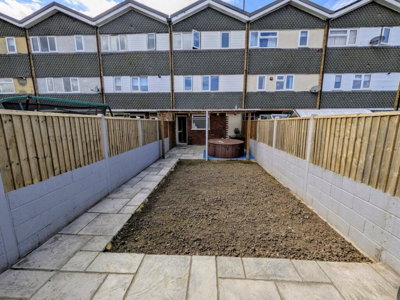
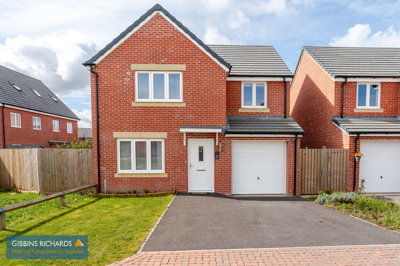
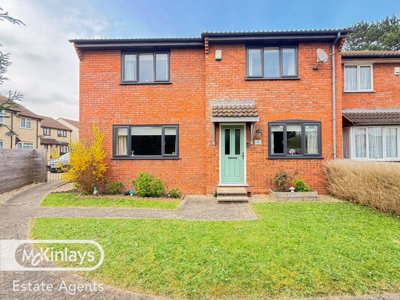
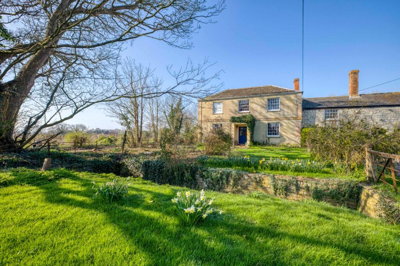
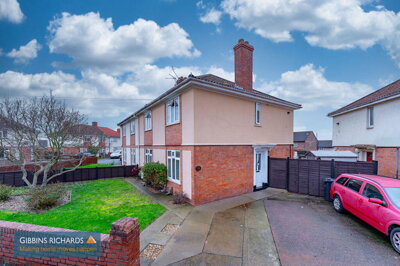
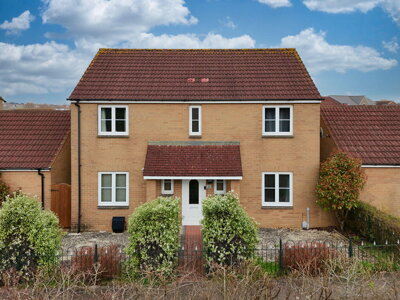
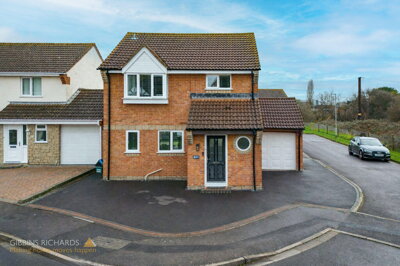
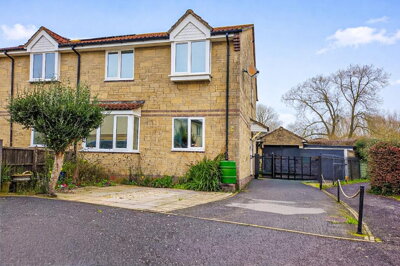
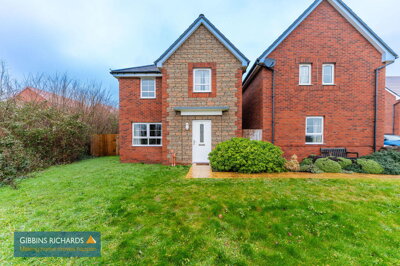
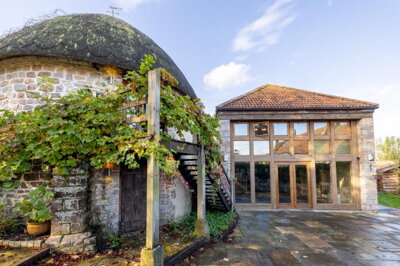
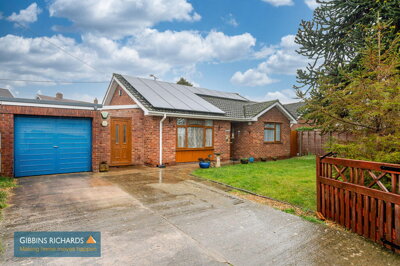
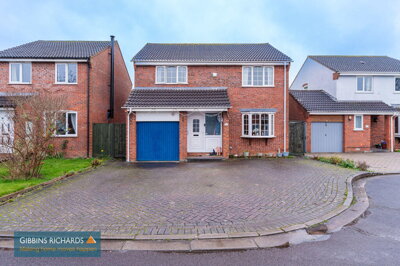
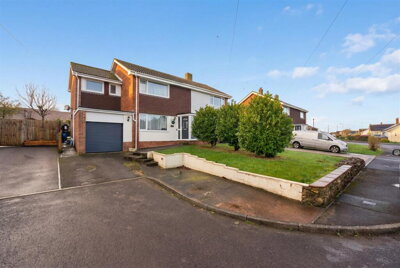
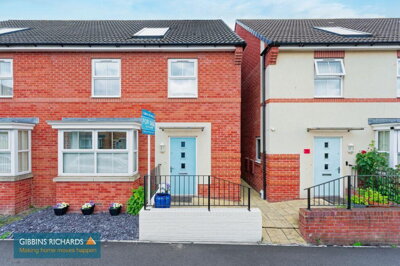
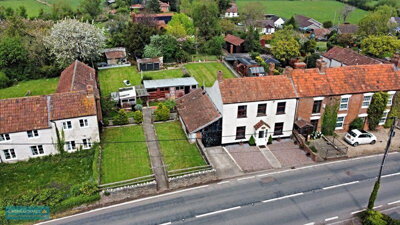
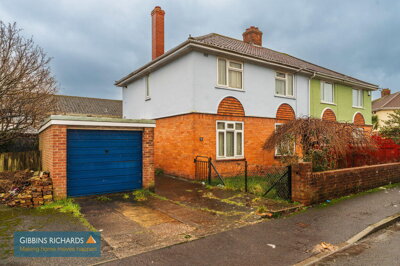
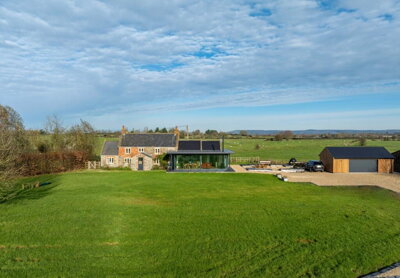
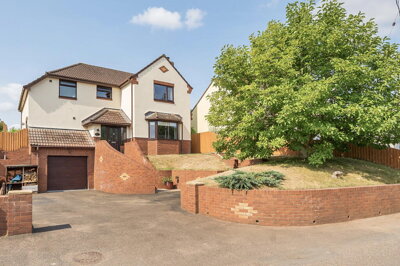
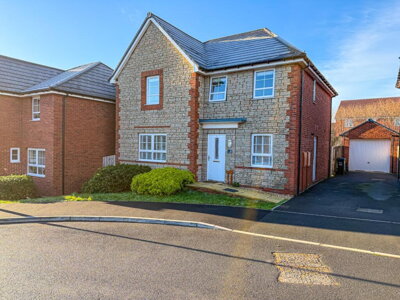
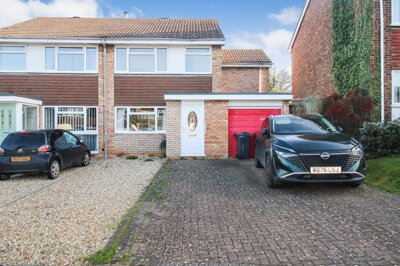
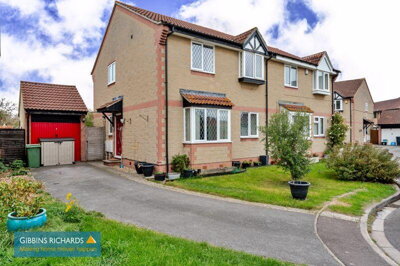
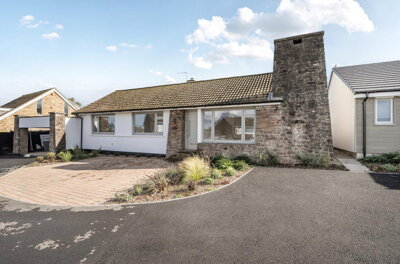
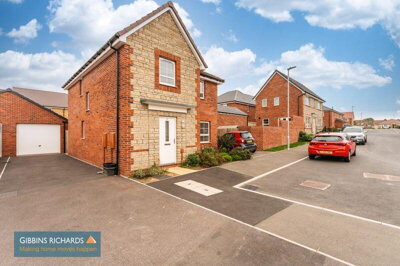
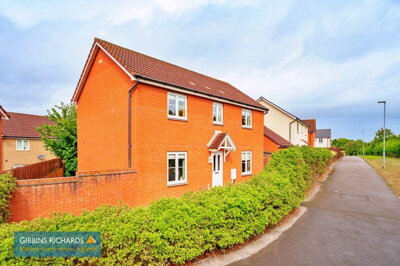
Browse 180 homes for sale in TA7 from local estate agents.
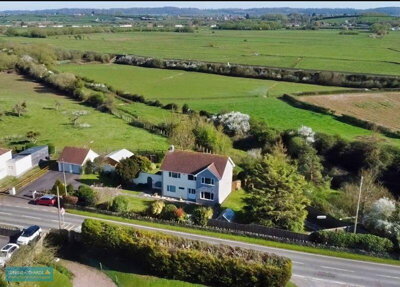
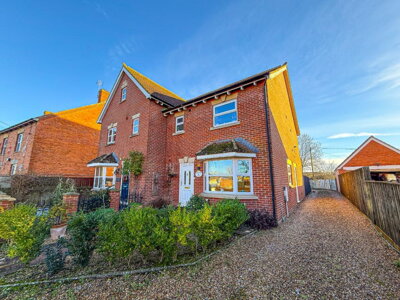
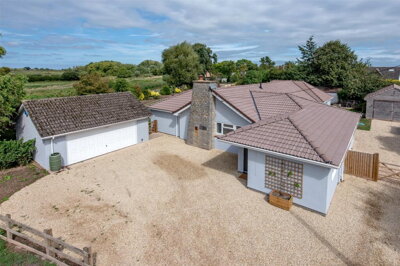
The larger property sector typically features multiple bathrooms, substantial reception space, and private gardens or off-street parking. Four bedroom houses in TA7 span detached, semi-detached, and occasionally terraced configurations, with styles ranging from period properties to modern executive homes.
£465k
39
6
126
Source: home.co.uk
Showing 39 results for 4 Bedroom Houses for sale in TA7. 6 new listings added this week. The median asking price is £465,000.
Source: home.co.uk
Detached
32 listings
Avg £505,776
Semi-Detached
7 listings
Avg £468,564
Source: home.co.uk
Source: home.co.uk
The TA7 property market demonstrates steady performance with approximately 150 to 200 sales recorded in the postcode area over the past twelve months. Property values have shown modest stability with slight increases of around 1 to 3 percent over the year, reflecting a healthy market that continues to attract buyers seeking more affordable options than larger South West cities. Detached properties command the highest prices, typically ranging from £350,000 to £380,000, while semi-detached homes offer excellent value at £240,000 to £260,000. First-time buyers will find terraced properties particularly accessible, with prices ranging from £190,000 to £210,000, and flats available from just £120,000 to £140,000.
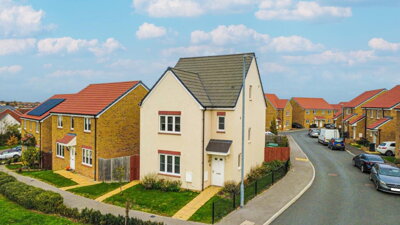
Three significant new-build developments are currently active in the TA7 area, providing opportunities for buyers seeking modern homes with contemporary fixtures and energy-efficient designs. Kings Down, developed by David Wilson Homes in Bawdrip, offers three to five-bedroom properties priced from approximately £320,000 to over £500,000. The Levels development by Bovis Homes in Puriton presents two to five-bedroom homes ranging from £260,000 to £450,000. Meadow View by Persimmon Homes in Woolavington provides more affordable options with two to four-bedroom homes from £230,000 to £380,000. These developments continue to reshape the housing landscape of the area while maintaining strong demand from both owner-occupiers and investors.
The rental market in TA7 has remained active, driven partly by workers associated with the Hinkley Point C project seeking temporary accommodation and by local families awaiting their forever home purchase. Rental yields in the area typically range from 4 to 6 percent for standard properties, with higher yields available for smaller flats and terraced homes. Investors considering buy-to-let should factor in the flood risk profile of specific properties and the potential for voids during tenant changeover periods.

The TA7 postcode encompasses a collection of distinctive villages and rural communities set within the stunning Somerset Levels landscape, characterised by low-lying wetlands, winding rivers, and extensive farmland that has shaped the region for centuries. The area supports a population of approximately 15,000 to 18,000 residents across roughly 6,000 to 7,500 households, creating close-knit communities where neighbours often know one another and local events foster genuine social connections. Villages such as Puriton, Woolavington, Bawdrip, and other hamlets retain their historic character through conservation areas featuring traditional Somerset architecture built from local Blue Lias limestone and sandstone, alongside charming period cottages and farmhouses that reflect the agricultural heritage of the region.
The predominant housing stock in TA7 reflects its diverse development history, with approximately 35 to 40 percent detached properties, 30 to 35 percent semi-detached homes, 15 to 20 percent terraced houses, and a smaller proportion of flats at 5 to 10 percent. Properties built before 1919 form a significant element of village centres, representing around 20 to 25 percent of the housing stock, while post-war construction from 1945 to 1980 accounts for a substantial 30 to 35 percent, reflecting the area's growth during the mid-twentieth century. The economic profile of TA7 benefits from major employment drivers including the Hinkley Point C nuclear power station project, which has injected significant investment into the wider Bridgwater area, while agriculture remains important for rural communities and logistics companies benefit from proximity to the M5 motorway junction 23 at Bridgwater.
The Somerset Levels provide a unique living environment where flooding has shaped both the landscape and the communities that call TA7 home. Residents have adapted to this risk over generations, with improved flood defences and warning systems providing greater protection than in previous decades. The network of rhines (drainage ditches) and pumps maintained by the Internal Drainage Board helps manage water levels across the Levels, while the surrounding hills of the Quantocks and Poldens provide scenic backdrops to the flat wetland terrain. The River Parrett, which flows through the heart of the Levels, remains both a defining geographical feature and a reminder of the water management challenges that come with living in this beautiful corner of Somerset.

Families considering a move to TA7 will find a selection of primary and secondary educational options within the Bridgwater area, serving the communities of this Somerset postcode. The local education landscape includes several primary schools serving villages across TA7, with many institutions offering good standards of teaching in settings that allow children to develop within familiar community environments. Willow Primary School in Puriton and Woolavington Primary provide education for younger children within the TA7 villages themselves, while other primary-aged children may attend schools in nearby Bridgwater. These village schools benefit from smaller class sizes and strong community connections, though parents should verify current Ofsted ratings and capacity when planning their move.
Secondary education options in the wider Bridgwater area include The Castle School, a well-established secondary with specialist status in the arts, and Robert Blake Science College, which has earned a strong reputation for STEM subjects. Pupils from TA7 villages typically travel to these schools via dedicated school bus services or family transport, with journey times of 15 to 30 minutes depending on the specific village and school. The Bridgwater area has seen ongoing investment in school infrastructure, partly funded by the economic growth driven by the Hinkley Point C project, resulting in improved facilities at several local schools. Parents should research specific catchment areas and admissions policies when considering properties in TA7, as school places can be competitive in popular villages and catchments may span significant distances in rural areas.
For families seeking faith-based education or specialist schooling, options exist within reasonable commuting distance from TA7. St Mary's Catholic Primary School and other faith schools in the Bridgwater area provide alternatives for parents with specific educational preferences. Sixth form provision in the Bridgwater area offers diverse A-level programmes for students continuing their education locally, with courses available across sciences, humanities, and vocational subjects. Sedgemoor Grammar School provides an academic track for students who pass the eleven-plus examination. The presence of the University of Somerset and Bridgwater and Taunton College within the region provides progression opportunities for older students, making TA7 a practical choice for families at all stages of their educational journey. Families should note that some village primary schools feed into specific secondary schools, making it essential to confirm admissions arrangements before committing to a property purchase.
TA7 benefits from excellent transport connectivity that makes it attractive to commuters and those needing to travel for work, with the M5 motorway providing direct access to Bristol, Exeter, and the wider national motorway network. Junction 23 at Bridgwater places TA7 communities within minutes of the M5, opening up commuting possibilities to major employment centres while maintaining the lifestyle benefits of rural Somerset living. The A39 and A38 roads provide additional local connectivity, linking villages within TA7 to each other and to nearby towns including Taunton and Weston-super-Mare. For residents working in Bristol, the M5 provides a straightforward route that typically takes 45 to 60 minutes in normal traffic conditions, though rush hour travel should be factored into any commuting plans.
Public transport options in the TA7 area include bus services connecting villages to Bridgwater town centre and surrounding areas, though frequencies may be limited on less busy routes, making car ownership practical for most residents. The Xamper bus service provides a regular connection between Bridgwater and surrounding villages including Woolavington and Puriton, with stops at key locations including supermarkets and healthcare facilities. Rail connections are available from Bridgwater railway station, offering services to Bristol Temple Meads, Exeter, and beyond, with journey times to Bristol typically around 45 minutes to an hour. Great Western Railway operates services from Bridgwater, connecting passengers to the wider national rail network with regular trains to major cities. For those working in the growing Hinkley Point C sector, dedicated transport arrangements have been established to accommodate workers travelling to the nuclear power station site, with park-and-ride facilities operating from strategic locations.
Cycling infrastructure continues to develop across Somerset, with flat terrain in parts of TA7 making bike commuting feasible for shorter journeys. The River Parrett trail provides a scenic route for cyclists and pedestrians connecting Bridgwater to villages downstream, offering car-free travel for recreation and commuting. Road cycling is popular in the area, with quiet country lanes providing routes to nearby towns and villages. However, the M5 creates a significant barrier for cycling routes heading north towards Bristol, making car or rail travel the practical options for longer commutes. For residents working from home or locally, the flat terrain of the Levels is particularly suited to cycling, and several village communities have invested in secure bike storage facilities.
Before beginning your property search in TA7, obtain a mortgage agreement in principle from a lender to understand your budget and demonstrate your credibility to sellers when making offers. This pre-approval gives you a clear picture of what you can afford and strengthens your position when competing against other buyers in a market where properties, particularly those on new developments like Kings Down or The Levels, can attract multiple offers.
Use Homemove to browse all available properties in TA7, setting up alerts for new listings. Consider working with a local estate agent who knows the villages and developments in this Somerset postcode area. Agents with specific knowledge of Puriton, Woolavington, and Bawdrip can provide insights into local market conditions, upcoming listings, and the nuances that differentiate village properties from those in nearby Bridgwater.
Schedule viewings of shortlisted properties, taking time to explore the neighbourhood at different times of day. Pay attention to flood risk indicators, property condition, and proximity to amenities you will need. In TA7, checking for flood markers on walls, condition of drainage systems, and proximity to watercourses is particularly important given the Somerset Levels location.
Given that 60 to 70 percent of properties in TA7 are over 50 years old, a professional survey is essential to identify defects such as damp, potential subsidence from shrink-swell clay, and roof condition issues. The clay geology underlying much of the Somerset Levels means that foundations on older properties can be susceptible to ground movement, particularly those built before modern building regulations addressed these risks. A thorough survey will assess these risks and flag any concerns requiring further investigation before you commit to purchase.
Choose a solicitor experienced in Somerset property transactions to handle legal searches, review contracts, and manage the conveyancing process through to completion. Your solicitor will conduct crucial searches including flood risk assessments, local authority queries, and environmental searches that are particularly important in the Somerset Levels. They will also investigate any planning constraints that may affect the property, including conservation area controls in villages like Puriton and Woolavington.
Once all searches are satisfactory and financing is confirmed, your solicitor will exchange contracts and arrange completion, typically within 28 days of the agreed date. On completion day, you will receive the keys to your new TA7 home and can begin settling into your chosen village community. Remember to notify relevant parties of your change of address and arrange buildings insurance, which should be in place from the point of contract exchange.
Property buyers in TA7 should pay particular attention to flood risk when evaluating any home, as the area's position within the Somerset Levels means significant portions of the postcode face elevated flood risk from rivers including the River Parrett and River Brue, as well as surface water and tidal influences. Properties in low-lying areas near watercourses require careful consideration, and buyers should review Environment Agency flood maps, check property history for flood incidents, and consider the condition of any existing flood defences or barriers. Home insurance costs may be higher in flood-risk properties, and mortgage lenders may require additional flood risk assessments before approving finance. The Somerset Levels have a long history of flooding, though improved defences including the River Parrett flood scheme have reduced risk in recent decades.
The geological conditions in TA7 present specific considerations for property buyers, with the underlying shrink-swell clay soils posing potential risks of ground movement that can affect foundations, particularly for older properties built before modern building regulations. Properties near large trees may face additional heave risk as moisture changes in clay soils affect their behaviour. A thorough survey will assess these geological risks and recommend further investigation if needed, potentially saving buyers from costly structural problems. Older properties constructed from traditional materials such as Blue Lias limestone with lime mortar require understanding of their maintenance needs, and any signs of cracking or movement should be professionally assessed before purchase.
The predominant construction methods in TA7 properties reflect the era of their building, with traditional solid-walled cottages in village centres requiring different assessment criteria than modern cavity-wall properties. Properties built before 1919 typically feature solid walls using local Blue Lias limestone or traditional brick with lime mortar pointing, which allows the building to breathe in ways that modern cement-based mortries do not. These older properties often have timber roof structures with slate or clay tile coverings that may require ongoing maintenance or renewal. Post-war properties built between 1945 and 1980 commonly feature cavity wall construction with brick or rendered blockwork and concrete tiled roofs, offering different thermal and structural characteristics.
Buyers should also investigate conservation area restrictions in villages like Puriton, Woolavington, and Bawdrip, where planning controls protect architectural heritage and may limit permitted development rights. Listed buildings require special consideration as alterations must respect their historic character and may need Listed Building Consent from Sedgemoor District Council. For properties on new-build developments, review leasehold terms, service charges, and any ongoing management company fees that could affect long-term costs. Understanding the proportion of leasehold versus freehold properties in your chosen development will help avoid unexpected charges. New developments typically fall under covenants and conditions that regulate external appearance and garden maintenance, which new buyers should review carefully.
The construction of properties in TA7 reflects both the local geology and the availability of building materials throughout the area's development history. Traditional properties in the villages use local Blue Lias limestone, a sedimentary rock quarried from the Jurassic limestone deposits that underlie parts of the Somerset Levels. This stone provides excellent weather resistance and thermal mass, but properties built with it typically feature solid walls without cavity insulation, resulting in different heating requirements compared to modern homes. Red brick was also commonly used, particularly in more recent Victorian and Edwardian properties, often imported from the Midlands or produced in local yards.
Roof construction varies significantly by property age in TA7, with traditional properties featuring hand-cut timber rafters, sarking, and coverings of Welsh slate or local clay tiles. Many period cottages retain their original clay tile roofs, though the supporting timber structure may show signs of deterioration or previous repair. Post-war properties typically use prefabricated timber roof trusses with concrete tiles, which offer durability but may have different insulation properties. Our understanding of local building methods helps identify properties where roof work may be needed or where insulation improvements could be beneficial.
Foundation types in TA7 vary with ground conditions, with strip foundations common for traditional properties on stable ground while deeper or wider foundations may be required in areas with variable soil conditions. The shrink-swell clay present in parts of the postcode can affect foundations, particularly for trees whose root systems extract moisture from the soil during dry periods. Properties with original foundations may show signs of movement, with cracking patterns providing clues to the underlying cause. Properties on new-build developments such as Kings Down, The Levels, and Meadow View benefit from modern building regulations and foundation designs appropriate for local ground conditions, though these should still be professionally assessed.
The current average house price in the TA7 postcode area ranges from £265,000 to £275,000 according to recent market data. Detached properties average £350,000 to £380,000, while semi-detached homes typically sell for £240,000 to £260,000. Terraced properties offer more affordable entry points at £190,000 to £210,000, and flats can be found from £120,000 to £140,000. The market has shown modest price stability with increases of around 1 to 3 percent over the past twelve months, reflecting steady demand from buyers attracted to the area's combination of affordability and connectivity.
Properties in TA7 fall under Sedgemoor District Council administration and span council tax bands A through to F, depending on property value and type. Most standard family homes in the area fall within bands B through D, with band D properties currently paying around £1,800 to £2,000 annually. Detached family homes and larger properties may fall into higher bands, while smaller flats and terraced properties often occupy the lower bands. Prospective buyers should request the specific council tax band for any property they are considering and check Sedgemoor's current schedule for accurate figures.
The TA7 area is served by several primary schools located in villages across the postcode, with Willow Primary School in Puriton and Woolavington Primary serving local communities with generally good Ofsted ratings. Secondary education is provided by schools in the wider Bridgwater area, including The Castle School and Robert Blake Science College, accessible via school transport or daily commutes of 15 to 30 minutes. Parents should research individual school performance data using the government comparison website, admissions catchment areas, and any faith-based or specialist provisions available. School places can be competitive in popular villages, so understanding the admissions process is important when choosing where to buy in TA7.
TA7 has moderate public transport connectivity, with the Xamper bus providing regular services between Bridgwater town centre and villages including Woolavington and Puriton. Bridgwater railway station provides access to Great Western Railway services running to Bristol Temple Meads, Exeter, and London Paddington via interchange at Exeter or Bristol Parkway. Journey times from Bridgwater to Bristol Temple Meads take approximately 45 minutes to an hour. The M5 motorway junction 23 at Bridgwater provides convenient road access for those with cars, making TA7 best suited to buyers who can accommodate car ownership as part of their lifestyle costs.
The TA7 property market presents several investment considerations worth examining carefully before committing funds. The ongoing Hinkley Point C nuclear power station project continues to drive employment and housing demand in the wider Bridgwater area, with thousands of workers requiring accommodation and supporting services. Rental demand may be steady given the mix of workers seeking accommodation, local families waiting to purchase, and students attending nearby colleges. However, buyers must carefully weigh flood risk in certain locations, ongoing maintenance costs for older properties built from traditional materials, and the potential impact of major infrastructure projects reaching completion. As with any property investment, thorough local research and realistic rental yield projections are essential before committing.
Stamp duty land tax rates for 2024-25 apply zero percent duty on the first £250,000 of residential property purchases, five percent on the portion from £250,001 to £925,000, ten percent from £925,001 to £1.5 million, and twelve percent above £1.5 million. First-time buyers relief raises the nil-rate threshold to £425,000 with five percent applying between £425,001 and £625,000, though no relief is available above £625,000. Most properties in TA7 fall within the lower tax brackets, meaning many buyers will only pay stamp duty on amounts exceeding £250,000. For example, a £265,000 terraced property would incur no stamp duty for first-time buyers, while a £350,000 detached home would attract approximately £5,000 in charges.
Flood risk is a significant consideration for property buyers in TA7 due to the area's position within the Somerset Levels and proximity to rivers including the Parrett and Brue. Properties in low-lying areas face risks from river flooding, surface water flooding, and tidal flooding in locations closer to the Bristol Channel. The Environment Agency maintains flood warning systems and operates flood defences including embankments and pumping stations across the Levels. Buyers should check Environment Agency flood maps, review any flood history for the specific property, and consider the implications for insurance costs and mortgage availability. Properties in high flood risk areas may face higher insurance premiums or difficulty obtaining mortgage finance without additional assessment.
The TA7 area has seen significant development activity in recent years, with three active new-build sites currently offering properties across various price points. Kings Down in Bawdrip, developed by David Wilson Homes, offers larger family homes from £320,000, while The Levels in Puriton from Bovis Homes provides two to five-bedroom options. Meadow View in Woolavington by Persimmon Homes offers more affordable new-build options starting from £230,000. Beyond current developments, the Hinkley Point C project continues to drive economic growth and housing demand in the wider Bridgwater area, with ongoing investment in local infrastructure including roads, schools, and community facilities that may benefit TA7 residents in coming years.
From 4.5% APR
Get competitive mortgage rates from trusted lenders
From £499
Expert property solicitors for your TA7 purchase
From £450
Professional property survey by qualified inspectors
From £80
Energy performance certificate for your new home
Understanding the full costs of buying property in TA7 requires careful budgeting beyond the purchase price itself, and stamp duty land tax represents one of the most significant expenses for buyers. For a typical semi-detached property in TA7 priced around £250,000, first-time buyers would pay no stamp duty under current thresholds, while other buyers would also benefit from the nil-rate band on the first £250,000. A typical family detached home at £350,000 would incur stamp duty of approximately £5,000, calculated at five percent on the £100,000 portion above the £250,000 threshold. Properties at the upper end of the TA7 market around £500,000 would attract higher charges as the rate increases on portions above £925,000.
Beyond stamp duty, buyers should budget for solicitor conveyancing costs typically ranging from £500 to £1,500 depending on complexity, plus local authority searches which in Sedgemoor area usually cost £250 to £400. Additional search costs may include environmental searches to check for contamination risks and water authority searches, which together add another £150 to £300. Survey costs for a standard three-bedroom semi-detached property in TA7 range from £450 to £650, rising to £550 to £800 or more for larger detached homes. These surveys prove particularly valuable given the age of much of the housing stock and the specific risks from shrink-swell clay geology and flood conditions affecting properties in this Somerset postcode.
An energy performance certificate adds approximately £80 to £150, while mortgage arrangement fees typically range from zero to £2,000 depending on the lender and product chosen. Removal costs vary significantly based on volume and distance, with local moves within TA7 or from nearby areas typically costing £500 to £2,000. Buildings insurance must be in place from contract exchange and typically costs £200 to £500 annually for standard properties, though flood-risk homes may face higher premiums. Land Registry fees for registering your ownership add around £200 to £500 depending on property value. First-time buyers should also factor in moving costs and potential furniture purchases when setting their total budget for moving to TA7.
Properties for Sale In London

Properties for Sale In Plymouth

Properties for Sale In Liverpool

Properties for Sale In Glasgow

Properties for Sale In Sheffield

Properties for Sale In Edinburgh

Properties for Sale In Coventry

Properties for Sale In Bradford

Properties for Sale In Manchester

Properties for Sale In Birmingham

Properties for Sale In Bristol

Properties for Sale In Oxford

Properties for Sale In Leicester

Properties for Sale In Newcastle

Properties for Sale In Leeds

Properties for Sale In Southampton

Properties for Sale In Cardiff

Properties for Sale In Nottingham

Properties for Sale In Norwich

Properties for Sale In Brighton

Properties for Sale In Derby

Properties for Sale In Portsmouth

Properties for Sale In Northampton

Properties for Sale In Milton Keynes

Properties for Sale In Bournemouth

Properties for Sale In Bolton

Properties for Sale In Swansea

Properties for Sale In Swindon

Properties for Sale In Peterborough

Properties for Sale In Wolverhampton

Enter your details to see if this property is within your budget.
Loans, cards, car finance
Estimated property budget
Borrowing + deposit
You could borrow between
Typical borrowing
Monthly repayment
Est. at 4.5%
Loan-to-value
This is an estimate only. Your actual budget may vary depending on interest rates, credit history, and personal circumstances. For an accurate affordability assessment, speak to one of our free mortgage advisors.
This calculator provides estimates for illustrative purposes only and does not constitute financial advice. Your home may be repossessed if you do not keep up repayments on your mortgage. Estimates based on 4.5% interest rate, repayment mortgage. Actual rates depend on your circumstances.
Homemove is a trading name of HM Haus Group Ltd (Company No. 13873779, registered in England & Wales). Homemove Mortgages Ltd (Company No. 15947693) is an Appointed Representative of TMG Direct Limited, trading as TMG Mortgage Network, which is authorised and regulated by the Financial Conduct Authority (FRN 786245). Homemove Mortgages Ltd is entered on the FCA Register as an Appointed Representative (FRN 1022429). You can check registrations at NewRegister or by calling 0800 111 6768.

We use cookies to show you personalised content and improve your experience of our website. Find out more in our Privacy policy and Cookie policy.