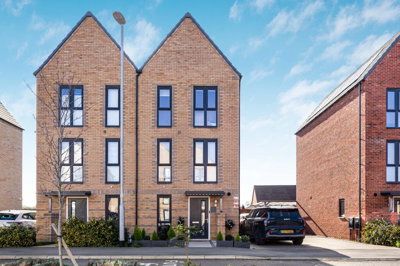
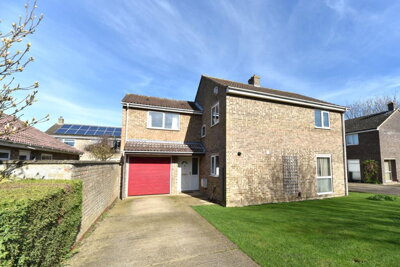
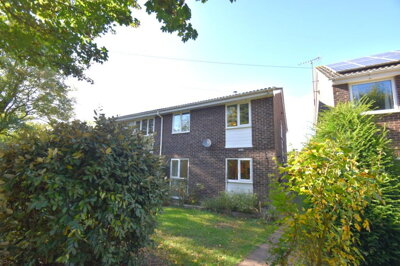
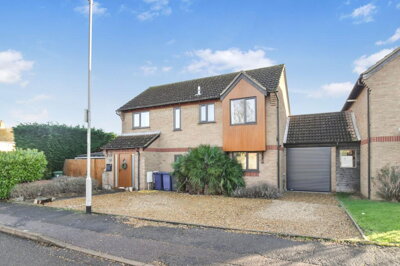
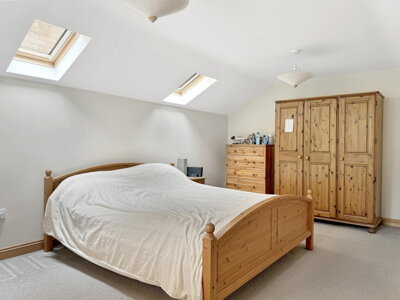
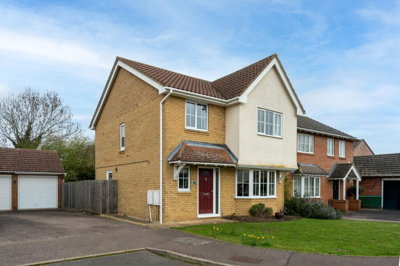
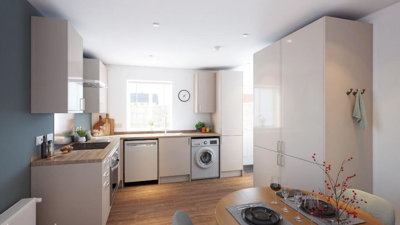
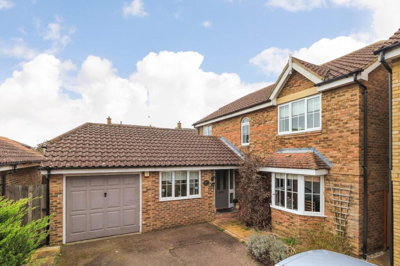
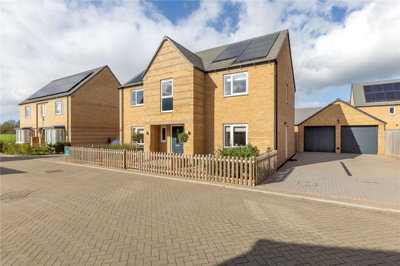
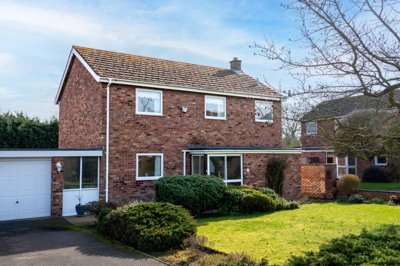
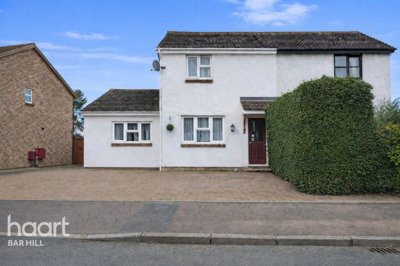
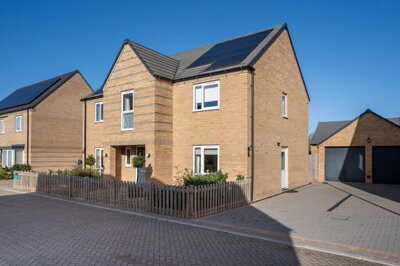
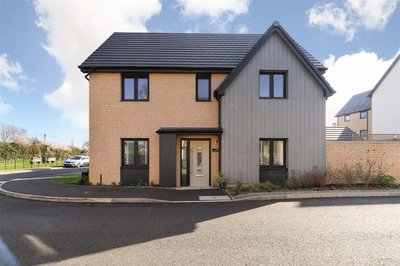
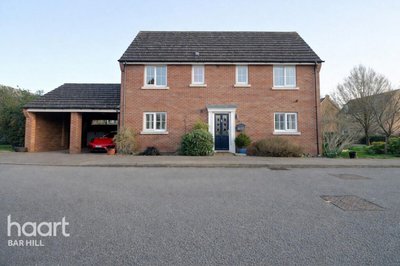
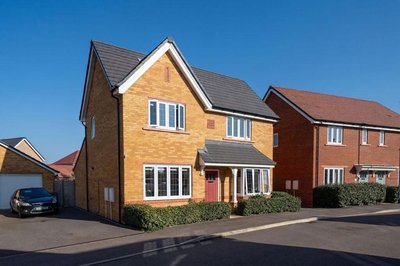
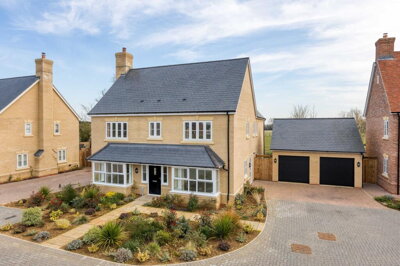
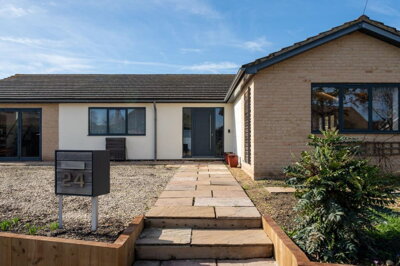
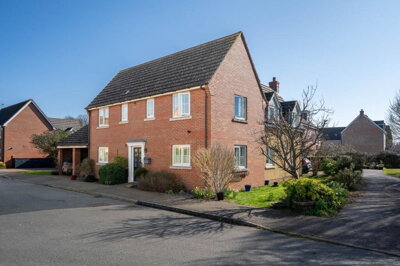
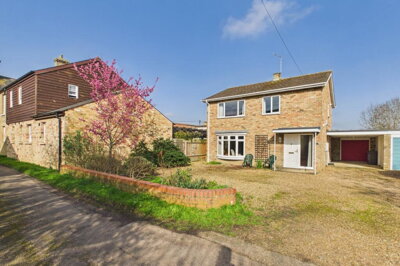
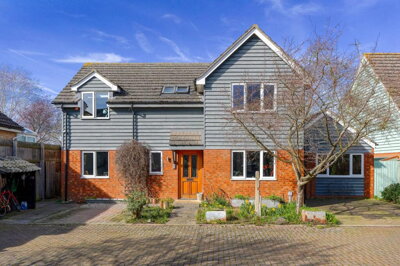
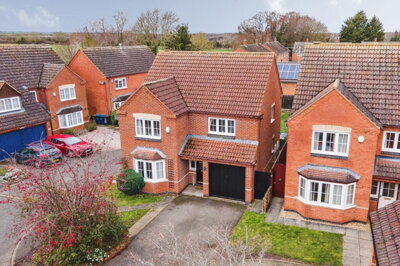
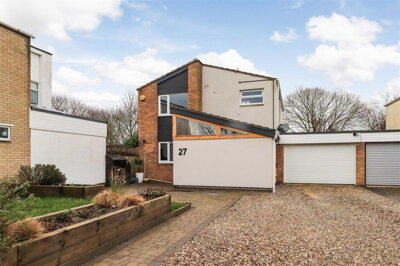
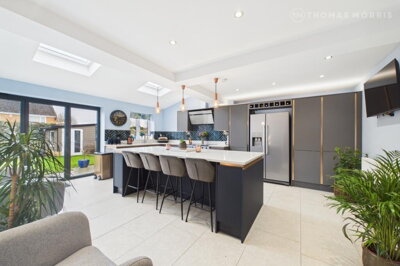
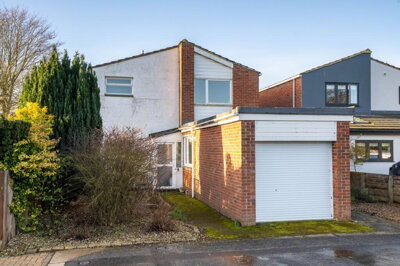
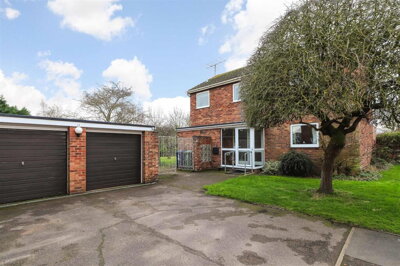
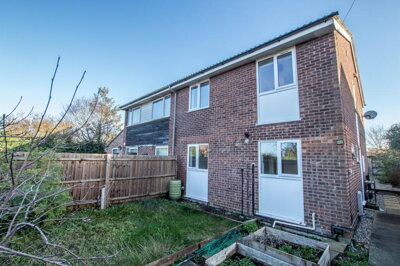
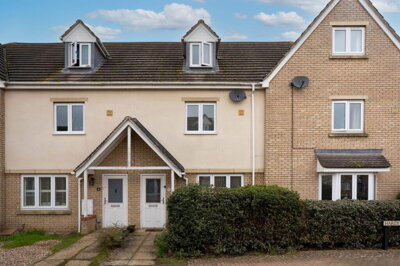
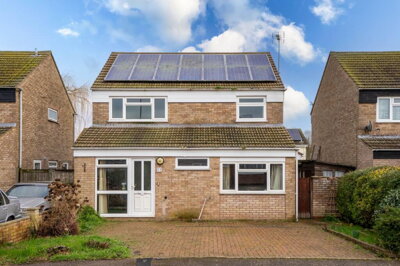
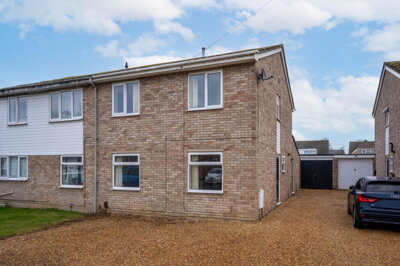
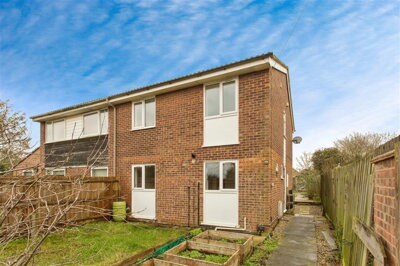
Browse 51 homes for sale in Swavesey, South Cambridgeshire from local estate agents.
The larger property sector typically features multiple bathrooms, substantial reception space, and private gardens or off-street parking. Four bedroom houses in Swavesey span detached, semi-detached, and occasionally terraced configurations, with styles ranging from period properties to modern executive homes.
£468k
6
0
126
Source: home.co.uk
Showing 6 results for 4 Bedroom Houses for sale in Swavesey, South Cambridgeshire. The median asking price is £467,500.
Source: home.co.uk
Detached
3 listings
Avg £708,333
Semi-Detached
3 listings
Avg £361,667
Source: home.co.uk
Source: home.co.uk
The Swavesey property market presents a diverse range of housing options to suit different budgets and preferences. Detached properties command the highest prices, averaging around £575,000, reflecting the demand for generous space and privacy that village living affords. Semi-detached homes, which represent approximately 30% of the local housing stock, typically sell for around £380,000, making them an attractive option for families seeking a balance between affordability and size. Our listings include a good selection of both property types, ensuring buyers can find homes that meet their specific requirements.
Terrace properties in Swavesey average approximately £300,000, offering an entry point to the local market for first-time buyers or those seeking a more compact residence. Flats remain relatively rare in the village, with only around 5% of the housing stock, averaging £200,000. The market has shown steady growth, with prices increasing by 2.5% over the past 12 months, indicating healthy demand and sustained interest in this desirable Cambridgeshire village.
Looking at the age of properties in Swavesey, approximately 20% of the housing stock dates from the pre-1919 period, giving the village its distinctive historic character along streets such as The Green, High Street, and Fen Drayton Road. A further 15% of properties were constructed between 1919 and 1945, with the largest proportion, around 35%, built during the post-war boom years of 1945 to 1980. Properties constructed after 1980 make up approximately 30% of the market. No large-scale new build developments were identified within the CB24 4 postcode area, meaning the market primarily consists of existing properties with established character and history.

Life in Swavesey revolves around a close-knit community atmosphere that is characteristic of Cambridgeshire's villages. With a population of approximately 2,900 residents across around 1,100 households, the village strikes an ideal balance between having a vibrant community spirit and maintaining a peaceful, unhurried pace of life. The village centre features essential amenities including a convenience store, post office, and several local businesses serving day-to-day needs. Community events throughout the year bring residents together, from village fairs to church activities, fostering the connections that make village living so rewarding.
The surrounding Cambridgeshire countryside provides an idyllic backdrop for outdoor activities and recreation. Footpaths and bridleways crisscross the agricultural landscape, offering excellent opportunities for walking, cycling, and exploring the natural beauty of the region. The proximity to the River Great Ouse and its tributaries adds to the rural charm, though residents should be aware of the local flood risk in certain low-lying areas. The village's historic core, designated as a Conservation Area, preserves the character of period properties around The Green, High Street, and Fen Drayton Road, maintaining Swavesey's distinctive appearance and heritage for future generations.
The local economy benefits from its strategic position near the A14, with residents commuting to Cambridge for employment in the technology, education, and healthcare sectors. Small businesses within the village serve the local community, while agricultural enterprises continue to operate in the surrounding farmland. The village hall and local church provide focal points for social activities, while nearby Cambourne offers additional shopping and service facilities for residents seeking more comprehensive amenities.

Education provision in Swavesey serves families with children of all ages, with the village primary school catering to younger pupils before they progress to secondary education in surrounding towns. The local primary school maintains strong ties to the community, providing education for children from Reception through to Year 6. Parents should research current catchment areas and admission arrangements, as these can influence school placement decisions. Secondary options in the wider South Cambridgeshire area include well-regarded schools in Cambourne, Comberton, and other nearby towns, with school transport arrangements available for eligible pupils.
For families considering private education or sixth form provision, Cambridge city offers a range of prestigious independent schools and sixth form colleges within commuting distance. The presence of Cambridge University and its associated colleges creates a strong educational culture in the region, with excellent state and independent options available at all levels. When purchasing property in Swavesey, parents should factor school catchment information into their decision-making, as Ofsted ratings and school performance data can significantly impact property values and demand in specific areas.
The proximity to Cambridge also means families have access to specialist educational resources and enrichment activities not always available in smaller towns. The Cambourne area has seen significant investment in educational facilities in recent years, with several primary and secondary schools serving the growing population. Transport links along the A14 corridor make it practical for secondary school pupils to access schools in Cambridge itself, should local provision not meet specific requirements.
Swavesey benefits from excellent road connections that make commuting to Cambridge and beyond highly practical. The village is situated near the A14, a major trunk road connecting Cambridge to Felixstowe and the wider motorway network. The recent upgrades to the A14 have significantly reduced journey times and improved traffic flow, making the daily commute more manageable for those working in Cambridge or the surrounding business parks. Access to the M11 motorway is available via Cambridge, providing connections to London and the north.
Public transport options include bus services connecting Swavesey to Cambridge city centre and surrounding villages, though frequencies may be limited on weekends and evenings. For rail travel, Cambridge station offers regular services to London Liverpool Street, with journey times of approximately 50 minutes to the capital. Cambridge North station provides additional options for those working in the north of the city or commuting to locations with good access to the Guided Busway. Cyclists benefit from dedicated infrastructure and relatively flat terrain, making cycling a viable option for the commute into Cambridge for those willing to brave all weather conditions.
The improved A14 connections have made Swavesey increasingly attractive to professionals working at the Cambridge Science Park, Cambourne Business Park, and other employment hubs in the surrounding area. Journey times to Cambridge city centre by car typically take around 25-30 minutes outside peak hours, though this can increase significantly during rush hour. The village's position also provides reasonable access to the market towns of St Ives and Huntingdon, broadening employment options for residents.
Before viewing properties, obtain a mortgage agreement in principle from a lender to understand your budget and demonstrate your seriousness to sellers. In the current market, having your finances arranged gives you a competitive edge when making an offer on desirable village properties.
Explore current listings, recent sales data, and neighbourhood characteristics to identify suitable streets and property types within your budget. Our team can provide detailed information on specific developments, property ages, and local market trends to help you narrow your search effectively.
Schedule viewings of shortlisted properties, taking time to assess the property condition, local area, and proximity to amenities, schools, and transport links. We recommend viewing properties at different times of day to gauge noise levels, traffic patterns, and community atmosphere.
Our inspectors recommend commissioning a RICS Level 2 Survey to identify any defects, particularly important given Swavesey's clay geology and the number of older properties in the village. The survey will assess structural issues, damp, roofing, and other potential concerns that may not be visible during a standard viewing.
Appoint a solicitor to handle the legal aspects of your purchase, including searches, contracts, and registration with HM Land Registry. Your solicitor will conduct local searches with South Cambridgeshire District Council and investigate any planning or environmental matters affecting the property.
Once all checks are satisfactory, exchange contracts with the seller and arrange for completion, when ownership transfers and you receive your keys. We recommend arranging building insurance and utility transfers in advance to ensure a smooth transition to your new home.
Properties in Swavesey require careful scrutiny due to local geological and environmental factors that buyers should understand. The underlying geology consists of superficial deposits of alluvium and river terrace deposits overlying the Gault Formation clay. This composition indicates a moderate to high shrink-swell risk, which can lead to subsidence or heave issues in properties with inadequate foundations or those situated near mature trees. Our inspectors frequently identify foundation concerns in older properties, particularly those built before modern building regulations were introduced. A thorough RICS Level 2 Survey is essential for identifying any structural movement or signs of subsidence, particularly in older properties built before 1980.
The predominant construction method in Swavesey involves traditional brick building, typically featuring red brick with some render finishes and occasional timber cladding on extensions or more recent additions. Pre-war properties often feature solid wall construction without cavity insulation, meaning they can be more susceptible to condensation and damp issues compared to newer builds. Roofs in the village commonly feature pitched construction with clay tiles or slate, and our inspectors regularly find evidence of age-related deterioration including slipped tiles, degraded pointing, and issues with lead flashing or gutters.
Flood risk awareness is important when considering properties in Swavesey, particularly those in low-lying areas or near watercourses. Surface water flooding can affect certain parts of the village, while proximity to the River Great Ouse and its tributaries poses additional fluvial flood risk. We recommend requesting information about flood history from vendors and reviewing Environment Agency data before committing to a purchase. Properties within the designated Conservation Area may be subject to planning restrictions affecting alterations and extensions, so prospective buyers should consult South Cambridgeshire District Council planning records before making changes to any period property.
Given that approximately 70% of properties in Swavesey were built before 1980, issues such as damp, outdated electrics, and plumbing problems are relatively common. Older properties may feature solid wall construction without cavity insulation, original single-glazed windows, and wiring that does not meet current standards. Properties listed as Grade II within the Conservation Area, including historic houses and the Church of St Andrew, require special consideration as any works may need Listed Building Consent and must comply with conservation regulations. Timber defects including woodworm and rot can affect older structural elements, especially in areas with poor ventilation or evidence of previous damp penetration. We strongly recommend factoring potential renovation costs into your budget when purchasing older properties, and our RICS Level 2 Surveys will provide detailed cost estimates for any remedial work identified.
Our inspectors have extensive experience examining properties across Swavesey and regularly encounter several recurring defect patterns that buyers should be aware of. Damp issues feature prominently in survey reports, with rising damp, penetrating damp, and condensation problems frequently identified in older properties. These issues often stem from the age of the construction, lack of modern damp-proofing measures, or inadequate ventilation within the property. Properties with solid walls are particularly susceptible to condensation, especially during winter months when temperature differentials between inside and outside can create ideal conditions for moisture buildup.
Roof condition problems represent another common finding during property surveys in Swavesey. Older pitched roofs, particularly those constructed with traditional clay tiles or slate, often show signs of wear including slipped or cracked tiles, degraded mortar in the verges and ridges, and failing lead flashings around chimneys and junctions. Gutters and downpipes frequently require attention, with joints becoming loose or seals deteriorating over time. Water overflow from blocked or damaged gutters can cause penetrating damp in external walls, leading to internal damage that may not be immediately apparent during a viewing.
Electrical and plumbing systems in pre-1980 properties frequently require updating to meet current safety standards. Our inspectors check the condition of consumer units, wiring, and socket outlets during every survey. Properties built before the 1980s may still contain aluminium wiring in some circuits, and original fuse boards rarely meet modern requirements. Similarly, plumbing systems in older properties often feature galvanised steel or copper pipes that may have corroded or scaled internally, potentially affecting water pressure and quality.
The shrink-swell clay geology in the Swavesey area creates particular challenges for property foundations, and our inspectors always assess for signs of subsidence or heave movement. Properties with shallow foundations, those situated near mature trees, or homes that have undergone significant changes to surrounding drainage can exhibit cracking in walls, sticking doors or windows, and uneven floors. Where movement is suspected, our surveyors will recommend further investigation and may advise on the need for underpinning or other structural remedial works.
The average house price in Swavesey is approximately £450,000 as of recent market data. Detached properties average around £575,000, semi-detached homes around £380,000, terraced properties approximately £300,000, and flats around £200,000. The market has shown steady growth with prices increasing by 2.5% over the past 12 months, indicating sustained demand for property in this desirable South Cambridgeshire village. Approximately 45 property sales were recorded in the area over the past year, representing a healthy level of market activity for a village of this size.
Council tax bands in Swavesey vary depending on the property value and type, ranging from Band A through to Band H. Most standard three-bedroom homes in the village fall into Band C or Band D, with larger detached properties potentially in higher bands. Prospective buyers should check specific properties with South Cambridgeshire District Council or the listing details for accurate council tax banding information. The local council tax rate for South Cambridgeshire provides funding for essential services including education, waste collection, and local infrastructure.
Swavesey has a village primary school serving younger children, with secondary education available in nearby towns including Cambourne, Cambridgeshire, and Comberton. Parents should research current admission criteria and catchment areas, as these can change annually and can significantly affect which schools children attend. Cambridge city offers additional options including well-regarded state and independent schools for families seeking broader educational choices within commuting distance. The Cambourne area has seen significant investment in educational facilities, with several primary and secondary schools serving the growing local population.
Swavesey has bus services connecting to Cambridge and surrounding villages, though frequencies may be limited outside peak hours. Cambridge railway station provides regular services to London Liverpool Street in approximately 50 minutes, with direct access to Cambridge North station also available via the Guided Busway for those working in the northern part of the city. The nearby A14 offers excellent road connections to Cambridge and the wider motorway network, making car travel highly practical for most commuters. Journey times by car to Cambridge city centre typically take 25-30 minutes outside rush hour.
Swavesey offers solid investment potential due to its proximity to Cambridge, strong transport connections, and desirable village character. The steady 2.5% annual price growth reflects consistent demand from buyers seeking village life with city access. Rental demand is likely supported by commuters working in Cambridge or the surrounding technology and research hubs, including the Cambridge Science Park and Cambourne Business Park. Properties in good condition within the Conservation Area tend to hold their value well, and the lack of new build development in the CB24 4 postcode area means demand for existing properties remains stable.
Stamp duty rates start at 0% on the first £250,000 of residential property purchases, rising to 5% on the portion between £250,001 and £925,000. For properties above £925,000, rates increase to 10% up to £1.5 million, then 12% above that threshold. First-time buyers purchasing properties up to £425,000 would pay no Stamp Duty on qualifying purchases, while those buying between £425,001 and £625,000 would pay 5% on the amount above £425,000. Always verify current thresholds with HMRC as these can change with each Budget announcement.
Swavesey has areas with surface water flood risk, particularly in low-lying parts of the village where drainage may be less effective during heavy rainfall. Proximity to the River Great Ouse and its tributaries also poses fluvial flood risk to properties near the watercourses, and buyers should review Environment Agency flood maps before committing to a purchase. The underlying geology featuring alluvium deposits in some areas can affect local drainage patterns. We recommend requesting flood history from vendors, checking appropriate insurance is available, and considering the potential impact on property value and insurability.
Given Swavesey's clay geology and the fact that approximately 70% of properties were built before 1980, watch for signs of subsidence, damp, and structural movement during your property search. Cracks in walls, especially those wider than 3mm, sticking doors or windows, and any evidence of previous underpinning or structural repairs should be investigated thoroughly. A RICS Level 2 Survey is essential for older properties and will assess foundations, evidence of underpinning, roof condition, and the state of electrical and plumbing systems. Properties in the Conservation Area may have planning restrictions affecting what alterations are permitted, and any Grade II listed buildings require Listed Building Consent for works.
Understanding the full cost of purchasing property in Swavesey is essential for budgeting effectively. Beyond the property price, buyers should budget for Stamp Duty Land Tax, legal fees, survey costs, and moving expenses. For a typical £380,000 semi-detached property, Stamp Duty would be calculated at 0% on the first £250,000 and 5% on the remaining £130,000, totaling £6,500 for standard buyers. First-time buyers purchasing properties up to £425,000 would pay no Stamp Duty on qualifying purchases, making village property more accessible for those entering the market.
RICS Level 2 Surveys in Swavesey typically cost between £500 and £750 for a standard three-bedroom property, with larger detached homes potentially incurring fees of £800-1,000 due to the additional inspection time required. Flats and smaller terraced properties might be at the lower end of this range. Our team can provide specific quotes based on the property type and size you are considering, ensuring you understand the survey costs before proceeding.
Conveyancing costs generally start from around £499 for standard transactions, though leasehold properties or those with complexities may incur additional charges. Search fees, land registry fees, and mortgage arrangement fees should also be factored into your total budget. We recommend obtaining quotes from multiple providers to ensure competitive pricing on all services. The total buying costs, excluding Stamp Duty, typically amount to around 2-3% of the property price, so budgeting accordingly will help ensure a smooth transaction.
Properties for Sale In London

Properties for Sale In Plymouth

Properties for Sale In Liverpool

Properties for Sale In Glasgow

Properties for Sale In Sheffield

Properties for Sale In Edinburgh

Properties for Sale In Coventry

Properties for Sale In Bradford

Properties for Sale In Manchester

Properties for Sale In Birmingham

Properties for Sale In Bristol

Properties for Sale In Oxford

Properties for Sale In Leicester

Properties for Sale In Newcastle

Properties for Sale In Leeds

Properties for Sale In Southampton

Properties for Sale In Cardiff

Properties for Sale In Nottingham

Properties for Sale In Norwich

Properties for Sale In Brighton

Properties for Sale In Derby

Properties for Sale In Portsmouth

Properties for Sale In Northampton

Properties for Sale In Milton Keynes

Properties for Sale In Bournemouth

Properties for Sale In Bolton

Properties for Sale In Swansea

Properties for Sale In Swindon

Properties for Sale In Peterborough

Properties for Sale In Wolverhampton

Enter your details to see if this property is within your budget.
Loans, cards, car finance
Estimated property budget
Borrowing + deposit
You could borrow between
Typical borrowing
Monthly repayment
Est. at 4.5%
Loan-to-value
This is an estimate only. Your actual budget may vary depending on interest rates, credit history, and personal circumstances. For an accurate affordability assessment, speak to one of our free mortgage advisors.
This calculator provides estimates for illustrative purposes only and does not constitute financial advice. Your home may be repossessed if you do not keep up repayments on your mortgage. Estimates based on 4.5% interest rate, repayment mortgage. Actual rates depend on your circumstances.
Homemove is a trading name of HM Haus Group Ltd (Company No. 13873779, registered in England & Wales). Homemove Mortgages Ltd (Company No. 15947693) is an Appointed Representative of TMG Direct Limited, trading as TMG Mortgage Network, which is authorised and regulated by the Financial Conduct Authority (FRN 786245). Homemove Mortgages Ltd is entered on the FCA Register as an Appointed Representative (FRN 1022429). You can check registrations at NewRegister or by calling 0800 111 6768.

We use cookies to show you personalised content and improve your experience of our website. Find out more in our Privacy policy and Cookie policy.