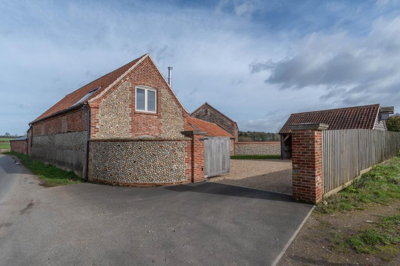
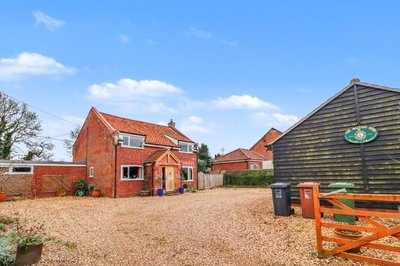
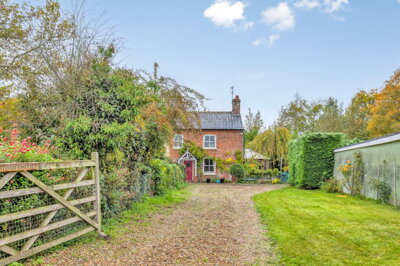
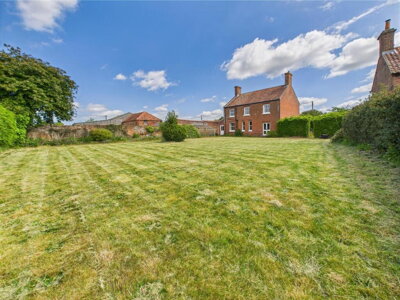
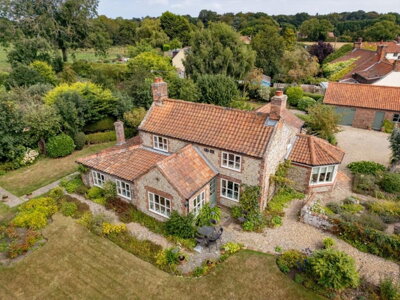
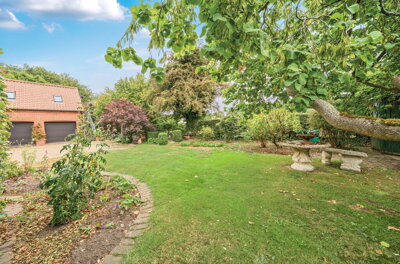
Browse 6 homes for sale in Swanton Novers from local estate agents.
The larger property sector typically features multiple bathrooms, substantial reception space, and private gardens or off-street parking. Four bedroom houses in Swanton Novers span detached, semi-detached, and occasionally terraced configurations, with styles ranging from period properties to modern executive homes.
The Swanton Novers property market reflects the dynamics of rural North Norfolk, where limited supply meets consistent demand from buyers seeking countryside living. As of February 2026, the average house price stands at £435,000, with detached properties commanding the majority of sales in this predominantly residential category. The market has shown a modest correction over the past twelve months, with prices declining by approximately 1.15 percent, suggesting a stable environment where dramatic price fluctuations are uncommon. This stability makes Swanton Novers an attractive proposition for buyers prioritising long-term investment over short-term speculation.
Transaction volumes in Swanton Novers remain characteristically low for a village of its size, with only 2 property sales recorded in the past twelve months. This scarcity of available properties means that opportunities to purchase here arise infrequently, and when they do, they tend to attract attention from buyers drawn to the North Norfolk lifestyle. Prospective purchasers should be prepared to act decisively while understanding that the limited pool of properties requires patience and flexibility in their search criteria. Properties that do come to market often sell privately or through word of contact before reaching mainstream portals, making local estate agent relationships valuable.
The housing stock in Swanton Novers predominantly consists of detached properties, reflecting the rural nature of the village and the absence of modern apartment developments. Semi-detached homes and terraces are rare, while flats are virtually non-existent within the village boundary. This homogeneity in property type means that buyers seeking smaller accommodation may need to consider nearby villages or market towns for suitable options. The majority of available properties date from the pre-1919 period, with post-1980 construction accounting for only a small fraction of the total housing stock.

Life in Swanton Novers revolves around the rhythms of the Norfolk countryside, offering residents a genuine sense of rural community that has diminished in many parts of England. The village sits within a landscape characterised by rolling farmland, mature hedgerows, and scattered woodland, creating an environment that changes beautifully with the seasons. Local amenities are limited by necessity, as is typical of villages of this size, but the surrounding area compensates with an abundance of market towns, coastal villages, and natural attractions within a short drive. The nearby Norfolk Coast Areas of Outstanding Natural Beauty offer exceptional walking and wildlife watching opportunities just a short journey away.
The traditional building materials of Norfolk are much in evidence throughout Swanton Novers, where properties commonly feature Norfolk red brick, flint construction, and rendered exteriors that reflect centuries of local building practice. Timber framing appears in many older properties, adding to the architectural character that has earned the area its distinctive appearance. The village contains several listed buildings, including St Peter's Church and historic farmhouses, which collectively contribute to an atmosphere of timelessness that appeals to those seeking a property with genuine heritage and character. These traditional construction methods, while visually appealing, often require specialised maintenance knowledge that buyers should factor into their ownership plans.
The local economy centres primarily on agriculture, with several working farms in the surrounding area contributing to the village's rural character. Many residents commute to larger towns including Fakenham, Holt, and Norwich for employment, taking advantage of the reasonable road connections provided by the A148. Tourism plays a supporting role in the regional economy, with visitors drawn to North Norfolk for its coastline, nature reserves, and culinary offerings including local seafood and artisan producers. This blend of agricultural heritage and growing tourism sector helps sustain local services and community facilities that might otherwise struggle in a village of Swanton Novers' size.

Families considering a move to Swanton Novers will find educational provision centred on nearby villages and market towns within reasonable travelling distance. The village itself falls within the catchment area for primary schools in surrounding communities, where small class sizes often provide a nurturing environment for younger children. The nearest primary schools are typically located within a 10-minute drive, serving villages across the surrounding countryside and offering the kind of close-knit educational experience that larger towns cannot replicate. Parents should verify specific catchment areas with Norfolk County Council before committing to a property purchase.
Secondary education options include schools in towns such as Fakenham and Holt, which serve as educational hubs for the wider North Norfolk area and offer a range of GCSE and A-level programmes. Fakenham Academy provides secondary education with a strong reputation for arts and sciences, while Holt's offerings include both state and independent options for families seeking alternative educational approaches. Journey times from Swanton Novers to these secondary schools typically range from 15 to 30 minutes by car, depending on the specific institution and traffic conditions. School transport arrangements should be confirmed with Norfolk County Council before purchase.
For those seeking independent schooling, the North Norfolk coast and surrounding towns host several well-regarded independent schools that have served families from across the region for generations. Schools in towns such as Norwich and King's Lynn offer boarding and day options, though these involve longer journey times that may necessitate weekly boarding arrangements. Parents should note that transport arrangements are typically necessary for school-aged children, as the rural nature of Swanton Novers means that walking to school is rarely practical. Planning for school commutes should form part of any house-hunting decision, particularly for families with children at secondary level where journey times to schools in nearby towns may extend to thirty minutes or more by car.
Swanton Novers occupies a relatively accessible position within North Norfolk, with the village situated off the A148 main road that connects King's Lynn to Cromer via Fakenham and Holt. This arterial route provides relatively straightforward access to the broader road network, including the A47 which runs between Norwich and King's Lynn. For commuters working in Norwich, the journey takes approximately forty minutes by car under normal traffic conditions, while King's Lynn can be reached in around the same time frame, making day commuting feasible for those whose employment is based in either city. The A1065 provides an alternative route to the coast and Brandon, further expanding connectivity options.
Public transport options reflect the rural character of the area, with bus services connecting Swanton Novers to nearby market towns on limited frequencies that require advance planning. The Coastliner bus service operates through the region, providing connections to destinations including Wells-next-the-Sea, Burnham Market, and Hunstanton, though service frequencies are oriented toward seasonal tourism rather than daily commuter needs. Most residents of Swanton Novers rely on private vehicle ownership as their primary means of transport, and prospective buyers should factor this into their calculations regarding household running costs and lifestyle requirements.
The nearest railway stations are located in King's Lynn and Norwich, offering connections to Cambridge and London Liverpool Street respectively via the Fen Line and the Bittern Line along the coast. Norwich station provides access to London Liverpool Street with journey times of approximately 90 minutes, making day commuting to the capital a realistic option for those working from a London base several days per week. King's Lynn station offers similar connectivity via the Fen Line, with services to Cambridge and onward connections to London King's Cross. However, both stations are approximately 40 minutes from Swanton Novers by car, necessitating careful consideration of parking arrangements and transport logistics.
Understanding the construction methods prevalent in Swanton Novers helps prospective buyers appreciate both the character and potential challenges of local properties. The geology of the area consists predominantly of chalk bedrock, often overlain by glacial tills, sands, and gravels that have shaped building practices over centuries. This geological foundation influences foundation design and can contribute to specific structural considerations that differ from properties built on clay or alluvial soils. Our inspectors frequently encounter these geological factors when conducting surveys on properties throughout the North Norfolk area.
Traditional properties in Swanton Novers typically feature solid brick walls constructed from Norfolk red brick, a distinctive local material fired from clay found in the region. Flint construction is also prevalent, particularly in ecclesiastical and agricultural buildings, where the locally abundant flints from chalk deposits were combined with brick quoins and dressings to create durable structures. Rendered exteriors provide weatherproofing for these solid walls, though the condition of render and the underlying structure requires careful inspection, as moisture penetration behind render can lead to hidden timber decay.
Many properties incorporate timber framing, particularly those dating from the seventeenth and eighteenth centuries when this construction method was standard across Norfolk. These timber-framed buildings typically feature oak or elm frames with infill panels of brick, wattle and daub, or later brick nogging. The structural integrity of these frames depends on the condition of the timbers, which can be vulnerable to both wet rot and dry rot if exposed to sustained moisture. Our surveyors pay particular attention to junction points, sole plates, and any areas where timbers meet brickwork, as these are the most common locations for decay to occur in older properties of this type.
Properties in Swanton Novers share common defects associated with their age and construction methods, making professional surveys particularly valuable for prospective buyers. Rising damp affects many period properties with solid floors and inadequate damp-proof courses, manifesting as tide marks on walls, peeling paint, and deterioration of skirting boards. Our inspectors assess the extent of any damp issues and recommend appropriate remediation, which may range from improving sub-floor ventilation to installing chemical damp-proof courses.
Roof condition represents another significant area of concern in older North Norfolk properties, where traditional coverings of clay tiles or slate have exceeded their intended lifespan. Lead flashing around chimneys, valleys, and abutments commonly shows signs of deterioration, with cracks and splits allowing water penetration into roof structures. Timbers in roof spaces may show evidence of woodworm activity or fungal decay, particularly where ventilation has been compromised by loft insulation installations. Our inspectors examine all accessible roof areas and report on the condition of coverings, flashings, and structural timbers.
The clay content within local superficial deposits creates potential for shrink-swell ground movement, particularly where mature trees are present close to buildings. This subsidence risk manifests as cracking to walls, displaced door and window frames, and uneven floor levels that require professional assessment. Properties with significant nearby vegetation, particularly oak, elm, and poplar trees, should be subject to detailed foundation assessment and monitoring. Our surveyors note any signs of current or historic movement and recommend specialist structural engineering inspection where appropriate.
Begin by exploring the Swanton Novers property market through Homemove, reviewing current listings and understanding price points in this niche rural market. Given the limited number of properties that become available, establishing what you can expect from the local housing stock will help you move quickly when the right property appears. Set up property alerts through our platform to receive immediate notification when new listings match your criteria, as properties in this village can sell very quickly once marketed.
Before viewing properties, secure a mortgage agreement in principle from a lender. This demonstrates to sellers that you are a serious buyer with financing in place, which is particularly important in a market where sellers may receive multiple enquiries. Contact Homemove's mortgage partners to compare rates and find the most suitable deal for your circumstances. For properties at the current average price of £435,000, most lenders offer residential mortgages up to 75-85 percent loan-to-value, though better rates are available for those with larger deposits.
Schedule viewings of properties that match your criteria, taking the time to assess not only the property itself but also the surrounding area and proximity to local amenities. In Swanton Novers, consider factors such as distance to nearest towns for shopping and services, mobile phone signal strength, and broadband connectivity, which can vary significantly in rural locations. Visit the village at different times of day and week to gauge traffic levels and community activity, particularly if you are relocating from an urban area.
For older properties, which predominate in Swanton Novers, a RICS Level 2 Survey is essential to identify any structural issues, damp, or timber defects before proceeding. Given the prevalence of pre-1919 properties and listed buildings in the village, professional surveys typically cost between £400 and £900 depending on property size and specification. Our inspectors are experienced in assessing traditional Norfolk construction and will provide detailed reports on all aspects of the property condition.
Once your offer has been accepted, instruct a conveyancing solicitor to handle the legal transfer of ownership. Your solicitor will conduct searches, review the contract, and coordinate with the seller's representatives to ensure a smooth transaction. Searches should include local authority queries, drainage and water authority searches, and environmental data specific to the North Norfolk area. Homemove's conveyancing partners offer competitive fixed fees for property purchases in Norfolk.
The final stage involves exchanging contracts, paying your deposit, and completing on your new Swanton Novers home. Your solicitor will arrange the transfer of funds and registration of your ownership with the Land Registry, after which you will receive the keys to your property. Allow time for final walkthrough inspections and meter readings to be taken before completion day to ensure everything is in order.
Properties in Swanton Novers require careful inspection before purchase, particularly given the prevalence of older construction methods and the potential for defects common to rural Norfolk housing. The local geology includes clay deposits within superficial deposits that can cause shrink-swell movement, especially where mature trees are present close to buildings. This subsurface condition may manifest as cracking in walls or movement in door and window frames, and any signs of structural movement should be investigated thoroughly before committing to a purchase. Our inspectors have extensive experience assessing properties across North Norfolk and understand the specific challenges posed by local ground conditions.
The presence of listed buildings throughout Swanton Novers means that certain properties may be subject to additional planning constraints that affect future alterations or extensions. Listed Building Consent is required for any significant works to designated properties, and prospective buyers should satisfy themselves that any existing alterations were carried out with appropriate permissions. Your surveyor should be briefed to note any features that may indicate previous works that lack the necessary consents, as this could create complications when you come to sell. Properties near St Peter's Church may also be subject to Article 4 directions that restrict permitted development rights.
Flood risk in Swanton Novers is primarily from surface water rather than river or coastal sources, given the village's inland position. Environment Agency mapping indicates some areas of potential surface water flooding, particularly during periods of heavy rainfall when local drainage may be challenged. A thorough property survey should assess the drainage situation around the property, including guttering, downpipes, and surface water disposal systems, and identify any previous instances of flooding that might influence your decision or require specific insurance considerations. Properties on lower-lying ground near watercourses or drainage ditches warrant particular attention.
As of February 2026, the average property price in Swanton Novers stands at £435,000, with detached properties representing the primary sales category in this rural village. The market has experienced a modest 12-month price decline of approximately 1.15 percent, indicating a stable rather than volatile local market. Given the limited number of transactions, typically only 2 sales per year, each property sale can have a significant effect on average figures, so buyers should treat averages as indicative rather than definitive. Individual properties may command premiums or sit below the average depending on their condition, location within the village, and specific features.
Properties in Swanton Novers fall under North Norfolk District Council for council tax purposes. Bands are assigned based on property valuation as of April 1991 and vary according to the specific property, with most traditional detached cottages and farmhouses likely to fall in bands C through E. For accurate band information on a particular property, check the Valuation Office Agency website or request the information during the conveyancing process when local authority searches are conducted. Council tax charges for North Norfolk District Council typically range from around £1,400 to £2,200 annually depending on the band.
Swanton Novers itself does not have a school, with primary education served by schools in surrounding villages such as those in the Fakenham cluster and secondary education available in nearby market towns including Fakenham and Holt. Schools in Fakenham and Holt provide the nearest secondary options, with Fakenham Academy offering GCSE and A-level programmes across a broad curriculum. North Norfolk hosts several well-regarded independent schools for families seeking alternatives to state education, and parents should research specific school performance data and catchment areas before committing to a property purchase. School transport arrangements through Norfolk County Council may be available for qualifying families.
Public transport connectivity in Swanton Novers is limited, reflecting the rural nature of the village and the wider North Norfolk area. Bus services operate on reduced frequencies and primarily connect to nearby towns rather than major cities, with services oriented toward market day and essential shopping trips rather than daily commuting. Most residents rely entirely on private vehicles for daily transport, and the nearest railway stations are located in King's Lynn and Norwich, both approximately 40 minutes away by car. Prospective buyers should ensure they have access to private transport or are comfortable with planning journeys around limited public transport timetables before committing to a purchase in this village.
Property investment in Swanton Novers should be approached with realistic expectations regarding rental demand and capital growth. The village's small size and limited amenities mean that rental demand may be subdued compared to towns or more accessible rural locations, though properties suitable for families or those seeking weekend retreats may attract tenants. Capital growth potential exists for those who can take a long-term view, particularly as demand for rural properties with good connectivity continues to strengthen across the region. Properties requiring renovation or those with planning potential may offer value opportunities for investors willing to undertake works.
Stamp duty Land Tax rates from April 2025 start at zero percent on the first £250,000 of property value, with 5 percent charged between £250,001 and £925,000, 10 percent between £925,001 and £1.5 million, and 12 percent on any amount above £1.5 million. First-time buyers benefit from relief on the first £425,000, with 5 percent charged between £425,001 and £625,000. On a typical £435,000 property in Swanton Novers, standard buyers would pay £9,250 in stamp duty, while first-time buyers would pay £500 after applying their relief entitlement.
From 4.5%
Expert mortgage advice for Swanton Novers buyers
From £499
Fixed-fee solicitors for property purchases
From £400
Professional property surveys by qualified inspectors
From £600
Detailed structural surveys for period properties
Understanding the full costs of purchasing property in Swanton Novers requires consideration of stamp duty Land Tax alongside solicitor fees, survey costs, and moving expenses. For a property priced at the current average of £435,000, standard rate buyers should budget approximately £9,250 in stamp duty under current thresholds effective from April 2025. First-time buyers may benefit from reduced liability, with costs potentially limited to £500 if the property qualifies for first-time buyer relief, making a meaningful difference to upfront cash requirements. These calculations should be verified with HMRC or your solicitor as individual circumstances may affect liability.
Beyond stamp duty, purchasing a character property in Swanton Novers typically involves solicitor fees of around £500 to £1,500 for conveyancing, plus disbursements for local authority searches, Land Registry fees, and bankruptcy checks that can add several hundred pounds to costs. Local authority searches with North Norfolk District Council typically include drainage and water enquiries, local land charges searches, and environmental data specific to the North Norfolk area. Survey fees for a RICS Level 2 Survey on a detached property typically range from £400 to £900 depending on property size, with larger or more complex properties commanding higher fees. Those considering older or listed properties should budget for a more comprehensive RICS Level 3 Survey if structural concerns arise during initial inspections.
Moving costs for household goods and furniture should also be factored into your budget, with quotes varying considerably depending on volume and distance from your current location. Given that many properties in Swanton Novers contain period features, antique furniture, or items requiring careful handling by experienced movers, engaging removal firms with experience of rural Norfolk properties is advisable. Setting aside a contingency fund equivalent to at least 1.5 percent of the purchase price is prudent to cover unforeseen expenses that frequently arise during property purchases, particularly for older properties where hidden defects may require remedial work following completion.
Properties for Sale In London

Properties for Sale In Plymouth

Properties for Sale In Liverpool

Properties for Sale In Glasgow

Properties for Sale In Sheffield

Properties for Sale In Edinburgh

Properties for Sale In Coventry

Properties for Sale In Bradford

Properties for Sale In Manchester

Properties for Sale In Birmingham

Properties for Sale In Bristol

Properties for Sale In Oxford

Properties for Sale In Leicester

Properties for Sale In Newcastle

Properties for Sale In Leeds

Properties for Sale In Southampton

Properties for Sale In Cardiff

Properties for Sale In Nottingham

Properties for Sale In Norwich

Properties for Sale In Brighton

Properties for Sale In Derby

Properties for Sale In Portsmouth

Properties for Sale In Northampton

Properties for Sale In Milton Keynes

Properties for Sale In Bournemouth

Properties for Sale In Bolton

Properties for Sale In Swansea

Properties for Sale In Swindon

Properties for Sale In Peterborough

Properties for Sale In Wolverhampton

Enter your details to see if this property is within your budget.
Loans, cards, car finance
Estimated property budget
Borrowing + deposit
You could borrow between
Typical borrowing
Monthly repayment
Est. at 4.5%
Loan-to-value
This is an estimate only. Your actual budget may vary depending on interest rates, credit history, and personal circumstances. For an accurate affordability assessment, speak to one of our free mortgage advisors.
This calculator provides estimates for illustrative purposes only and does not constitute financial advice. Your home may be repossessed if you do not keep up repayments on your mortgage. Estimates based on 4.5% interest rate, repayment mortgage. Actual rates depend on your circumstances.
Homemove is a trading name of HM Haus Group Ltd (Company No. 13873779, registered in England & Wales). Homemove Mortgages Ltd (Company No. 15947693) is an Appointed Representative of TMG Direct Limited, trading as TMG Mortgage Network, which is authorised and regulated by the Financial Conduct Authority (FRN 786245). Homemove Mortgages Ltd is entered on the FCA Register as an Appointed Representative (FRN 1022429). You can check registrations at NewRegister or by calling 0800 111 6768.

We use cookies to show you personalised content and improve your experience of our website. Find out more in our Privacy policy and Cookie policy.