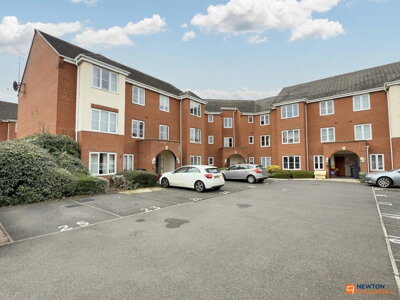
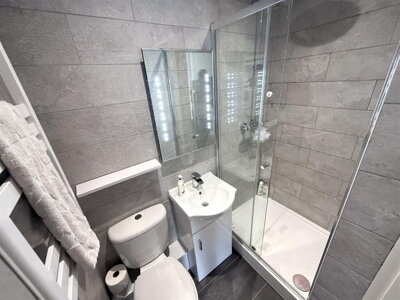
Browse 2 homes for sale in Swannington, North West Leicestershire from local estate agents.
The 2 bed flat sector typically includes two separate bedrooms, dedicated living areas, and bathroom facilities. Properties in Swannington span purpose-built blocks, converted period houses, and modern apartment complexes on various floors.
£0k
0
0
0
Source: home.co.uk
Showing 0 results for 2 Bedroom Flats for sale in Swannington, North West Leicestershire.
The Featherstone property market presents a diverse range of options across all price points, with the current average price sitting at £183,165 as of early 2026. Detached properties command the highest prices, averaging around £290,000, reflecting the demand for generous living space and gardens that appeal to families. Semi-detached homes, which form a significant portion of the local housing stock, average approximately £180,000, offering excellent value for buyers seeking three bedrooms and an established neighbourhood character. Terraced properties provide the most affordable entry point at around £130,000 on average, while flats can be found from approximately £90,000, making Featherstone accessible for first-time buyers and investors alike.
New build activity has been steady in Featherstone, with several major developments adding quality homes to the local market. The Sycamores development by Harron Homes offers three, four, and five-bedroom properties starting from £289,995, targeting families seeking modern specifications and energy-efficient designs. Featherstone Gardens from Avant Homes provides a range of three and four-bedroom homes from £264,995, while The Poplars development by Miller Homes offers additional options for buyers interested in new construction. These developments represent significant investment in the local area and provide alternatives to the older housing stock that dominates many neighbourhoods in Featherstone.
Price growth across all property types has remained consistent over the past twelve months, with terraced properties showing the strongest appreciation at 1.75%, followed closely by detached homes at 1.75%. Semi-detached properties increased by 1.72%, while flats saw the highest percentage growth at 1.79%, suggesting increasing demand for more affordable housing options in the area. This measured growth indicates a stable market rather than speculative activity, which is encouraging for buyers seeking long-term value in the Featherstone area.

Featherstone is a town with deep roots in West Yorkshire history, having grown from a small agricultural settlement into a thriving community of approximately 15,000 residents. The town centre retains much of its traditional character, with a selection of independent shops, cafes, and pubs that line the main streets, creating an atmosphere distinct from the larger nearby cities. Local amenities include supermarkets, pharmacies, medical practices, and a library, providing everything residents need for daily life without requiring a journey to larger towns. The community spirit remains strong, with regular events, local clubs, and organisations bringing people together across all age groups.
The surrounding landscape of Featherstone reflects the natural beauty of the Yorkshire countryside, with rolling hills and green spaces providing recreational opportunities for residents. The town benefits from several parks and open areas where families can enjoy outdoor activities, and the nearby countryside offers scenic walking and cycling routes. The River Went flows through the area, contributing to the local environment though potential buyers should note that proximity to watercourses can bring some flood risk considerations. The town's mining heritage is commemorated in local landmarks and the names of various areas, giving Featherstone a distinctive cultural identity that newer residents quickly come to appreciate.
Housing in the area predominantly features traditional brick construction, with many properties dating from the inter-war and post-war periods, giving neighbourhoods a mature and established feel. The housing stock splits between semi-detached and terraced properties, reflecting the housing development patterns of the early to mid-twentieth century. Many streets feature the characteristic red or brown brick that is typical of West Yorkshire, with some properties incorporating stone detailing or rendered sections that add visual variety to the streetscape. The combination of established housing with newer developments creates diverse neighbourhoods suitable for different buyer preferences and budgets.

Education provision in Featherstone serves families well, with a selection of primary and secondary schools within the town and surrounding areas. Primary schools in Featherstone include Featherstone Primary School and Girnhill Infant and Junior Schools, providing education for children from reception through to Year 6. These schools serve the local community and are generally within walking distance for most residents, making the town particularly attractive to families with younger children. Parents should research individual school performance and consider catchment areas when property hunting, as these factors can significantly impact educational outcomes and property values in specific streets.
Secondary education options in the wider Wakefield district include Featherstone High School, which serves students from the age of 11 through to sixth form. For families seeking grammar school options, the nearby Pontefract area offers several selective schools accessible to Featherstone residents, though admission is based on the 11-plus examination and competitive entry. Further education opportunities are available at Wakefield College and other providers in the wider district, providing clear progression routes for students completing their GCSEs. The presence of good schools makes Featherstone particularly popular with families, and proximity to well-performing schools often influences property selection in specific neighbourhoods.
When searching for property near schools in Featherstone, buyers should be aware that catchment areas can change annually based on school capacity and demand patterns. Properties on streets immediately adjacent to popular schools often command a premium due to guaranteed admission, while homes slightly further away may offer better value with the possibility of securing a place through the appeals process. Our property search tool allows filtering by proximity to schools, helping families identify homes within walking distance of their preferred educational establishments. It is worth visiting schools directly and speaking to administrative staff about current admission arrangements before committing to a particular area.
Featherstone enjoys exceptional road connectivity that makes it highly attractive to commuters working in Leeds, Wakefield, and the surrounding areas. The town sits close to the M62 motorway, providing direct access to Manchester to the west and Hull to the east, while the A1(M) runs nearby offering connections to Newcastle, Leeds, and London via the motorway network. For those working in Leeds city centre, the journey typically takes around 25 to 30 minutes by car, making Featherstone a viable option for professionals seeking more affordable housing while maintaining urban employment. Traffic management on local roads has improved in recent years, though peak hour congestion on routes toward major employment centres remains a consideration for daily commuters.
Public transport options connect Featherstone to the wider region through bus services operating throughout the day. Bus routes link the town to Wakefield, Pontefract, and surrounding villages, providing alternatives to car travel for those who prefer not to drive. Rail connectivity is available through nearby stations in the area, with regular services to major northern cities accessible from stations in the wider Wakefield district. For cyclists, local infrastructure continues to develop, with routes connecting residential areas to town centre amenities and beyond. Parking availability in Featherstone town centre is generally good, with free parking options available at various locations, making shopping trips and visits to local services convenient for residents.
The M62 corridor has made Featherstone increasingly popular with logistics workers and distribution industry employees, as the motorway provides direct access to major warehouse and fulfillment centres across West Yorkshire. Many residents also commute to manufacturing facilities in the wider Wakefield district, where employers value the skilled workforce that towns like Featherstone provide. The relatively quick access to major employment centres without city centre living costs makes the area attractive to a diverse range of working professionals, supporting both the local housing market and rental demand.
Spend time exploring different neighbourhoods in Featherstone to understand which areas match your lifestyle preferences and budget. Consider factors like proximity to schools, transport links, and local amenities. Our property search tool allows you to filter listings by price, property type, and number of bedrooms to narrow down your options efficiently. Pay particular attention to the differences between older mining-era terraces in areas like Girnhill and the newer developments near the A1(M), as each area offers distinct character and property types.
Before viewing properties, obtain a mortgage agreement in principle from a lender to understand your budget and demonstrate your seriousness to sellers. This document shows estate agents and sellers that you have finance arranged, giving you a competitive edge when making offers in what can be a busy market with 165 properties available. With most Featherstone properties priced under the national average, many buyers find they can access higher loan-to-value mortgages than in more expensive areas, though it is worth comparing products from multiple lenders.
Schedule viewings of properties that match your criteria, paying attention to the property condition, neighbourhood character, and any signs of potential issues. Given Featherstone's mining history and clay geology, look for any cracks in walls, signs of damp, or other concerns that might warrant further investigation. Take time to visit the area at different times of day, including evening visits to assess noise levels and the atmosphere of the neighbourhood, and speak to local residents if possible to gain insights into life in that specific street or area.
Once you have had an offer accepted, arrange a thorough property survey to assess the condition of the home. For Featherstone properties, particularly those built before 1980, a Level 2 survey is essential to identify common issues including damp, roof condition, and potential subsidence related to the local geology and mining legacy. Our team of qualified surveyors know Featherstone well and understand the specific construction methods and defect patterns found in local housing stock, providing you with detailed insights before you commit to your purchase.
Appoint a solicitor to handle the legal aspects of your purchase, including searches related to local planning, mining records, and flood risk. Your solicitor will liaise with the seller's legal team, handle land registry checks, and ensure all documentation is in order before completion. In Featherstone, we strongly recommend requesting a mining search given the town's coal mining heritage, as this can reveal historical workings that might affect property foundations. A drainage and water search is also essential, particularly for properties near the River Went where flood risk and surface water issues require careful assessment.
Once all searches are satisfactory and your mortgage offer is confirmed, your solicitor will exchange contracts with the seller and agree on a completion date. On completion day, the remaining funds are transferred, and you receive the keys to your new Featherstone home. We recommend arranging buildings insurance to start from the date of contract exchange, as this is when you become legally responsible for the property. Our recommended conveyancing solicitors can guide you through this final stage, ensuring all documentation is properly completed and registered with the Land Registry.
Purchasing property in Featherstone requires awareness of several area-specific factors that can affect your investment and daily life. The local geology presents unique considerations, as Featherstone sits on Coal Measures geological formations with clay-rich soils that can experience shrink-swell movement. This means foundations may be affected by seasonal moisture changes, particularly in older properties with potentially shallower foundations. Properties near trees or in areas with poor drainage may show more movement, so a thorough structural survey is strongly recommended before committing to a purchase. The glacial till deposits common in the area can amplify these effects, making professional assessment particularly valuable for older properties.
The former coal mining activity in Featherstone means that ground stability should be investigated as part of the conveyancing process. A mining report can reveal any historical mining activity beneath or near the property that might affect structural integrity. While many properties have stood successfully for decades, understanding the mining history helps you make an informed decision and factor any necessary remediation into your purchase plans. Surface water and fluvial flood risk also exists in parts of Featherstone, particularly near the River Went and in low-lying areas, so checking these risks before purchasing is essential. Our inspectors regularly find that properties near the river require particular attention to drainage and basement or cellar conditions.
The local housing stock includes numerous properties dating from the post-industrial expansion period between 1919 and 1980, which may require updating of electrical systems, plumbing, and insulation to meet modern standards. Older properties may contain asbestos in textured coatings, insulation materials, or building boards, particularly those constructed before 2000. When viewing properties, look for signs of damp, which is common in older homes with solid walls or inadequate ventilation, and check the condition of roofs, which may show wear on properties of this age. Properties near listed buildings, such as Featherstone Hall or local churches, may have planning restrictions affecting what alterations are permitted, so verify any restrictions with the local planning authority before proceeding.
Common defects our surveyors identify in Featherstone properties include cracking to external walls from thermal movement or minor subsidence, deteriorating ridge tiles and flashing on older roofs, and damp readings in properties with solid brick walls or compromised damp-proof courses. Timber decay, including woodworm activity, can affect roof structures and ground floor timbers where ventilation is poor, particularly in properties with suspended timber floors that have been affected by damp over the years. Our detailed RICS Level 2 Survey reports flag these issues with specific recommendations for repair, allowing you to negotiate on the purchase price or request that the seller address problems before completion.
The average house price in Featherstone is currently £183,165 according to recent market data. Detached properties average around £290,000, semi-detached homes approximately £180,000, terraced properties about £130,000, and flats starting from £90,000. Prices have increased by 1.76% over the past twelve months, showing consistent but measured growth in the local market. With 165 property sales recorded in the last year, Featherstone maintains active market conditions with good selection across all property types.
Properties in Featherstone fall under Wakefield Metropolitan Borough Council, which sets council tax bands from A through to H based on property valuation. Most terraced properties and smaller semi-detached homes typically fall into bands A to C, while larger semi-detached properties and detached homes may be in bands D to F. You can check the specific band for any property through the Valuation Office Agency website using the property address, as bands directly affect your annual council tax liability. As a guide, a band A property in the Featherstone area typically pays around £1,200 to £1,400 annually, while a band D property may be closer to £1,800 to £2,100, making this an important factor in your overall household budgeting.
Featherstone Primary School and the Girnhill Infant and Junior Schools serve the primary education needs of local children with good reputations among residents. Featherstone High School provides secondary education through to sixth form, and several primary schools in the surrounding area have good Ofsted ratings. For families interested in grammar school options, schools in nearby Pontefract are accessible, though entry requires passing the 11-plus examination. Parents should verify current school performance data and understand catchment area boundaries when searching for properties, as these can significantly impact which schools your children can attend. The Girnhill area in particular is popular with families due to its proximity to good primary schools and the neighbourhood's established character with mature trees and green spaces.
Featherstone is well connected by bus services operating throughout the day, with routes linking the town to Wakefield, Pontefract, and surrounding villages. While the town does not have its own railway station, nearby stations in the wider Wakefield district provide rail connections to major cities across the north. The excellent road network, including proximity to the M62 and A1(M), makes car travel to Leeds, Wakefield, and beyond straightforward, with typical journey times of 25 to 30 minutes to Leeds city centre. For commuters working in Manchester, the M62 provides a direct route with journey times of around 45 minutes to an hour, depending on traffic conditions and the specific destination.
Featherstone offers several factors that make it attractive for property investment, including more affordable average prices compared to nearby Leeds while maintaining steady price growth of around 1.76% annually. The strong commuter connections to major employment centres and ongoing new build developments suggest continued demand for housing in the area. Rental demand is supported by local workers, commuters, and the student population attending further education in the region. However, as with any property investment, you should consider factors like potential flood risk in specific locations, mining history, and future local development plans. The newer developments at Sycamores and Featherstone Gardens tend to attract families seeking modern finishes, while the older terraced stock appeals to first-time buyers and investors looking for rental opportunities.
For standard purchases, stamp duty land tax in England applies at 0% on the first £250,000 of property value, 5% on the portion from £250,001 to £925,000, 10% on the amount from £925,001 to £1.5 million, and 12% on any value exceeding £1.5 million. First-time buyers benefit from relief on the first £425,000, with 5% charged between £425,001 and £625,000, though no relief applies above £625,000. Most Featherstone properties fall well below these thresholds, meaning many buyers will pay minimal or no stamp duty. For example, a first-time buyer purchasing a typical £180,000 semi-detached home in Featherstone would pay zero stamp duty, while a home mover would also pay nothing since the entire purchase price falls below the standard nil-rate threshold.
The primary risks to understand when buying in Featherstone relate to the local geology and mining heritage. Properties may be affected by ground movement due to clay soils and historical coal mining activity, making a thorough structural survey essential. Flood risk exists in areas near the River Went and in low-lying parts of the town, so checking flood risk reports before purchasing is advisable. Older properties may have outdated electrics, plumbing, or insulation requiring updating, while some may contain asbestos in materials from before 2000. Understanding these risks and factoring necessary works into your budget ensures you can make an informed purchase decision. Our surveyors can advise on specific properties and flag any concerns during the viewing stage, even before you make an offer.
A RICS Level 2 Survey is particularly valuable in Featherstone because a significant proportion of the local housing stock dates from periods when construction standards and building regulations differed considerably from today. Our inspectors regularly find issues with older properties including inadequate foundations suited to clay soils, original wiring that would not meet current electrical safety standards, and roof structures affected by decades of weathering. Given the mining heritage and clay geology in the Featherstone area, we often identify signs of past movement or recommend further investigation of foundations before purchase. The cost of a survey typically ranges from £400 to £600 for a standard three-bedroom property, which is modest compared to the potential cost of discovering serious defects after completion.
From 3.89%
Compare mortgage deals from leading lenders
From £499
Expert solicitors for your property purchase
From £400
Thorough condition reports from qualified surveyors
From £25
Essential for Featherstone properties given mining history
Understanding the full costs of buying property in Featherstone helps you budget accurately and avoid unexpected expenses during the purchase process. Stamp duty land tax applies to all freehold property purchases in England, though first-time buyers can benefit from relief on properties up to £625,000. For a typical semi-detached property in Featherstone at around £180,000, a first-time buyer would pay no stamp duty, while a home mover would pay nothing on the first £250,000, also resulting in zero liability. These thresholds mean that the majority of Featherstone properties fall below the stampable amount, making the town particularly attractive to first-time buyers.
Beyond stamp duty, buyers should budget for solicitor fees, which typically range from £500 to £1,500 depending on the complexity of the transaction and whether the property is freehold or leasehold. Local searches, including drainage and water searches and the local authority search, usually cost between £200 and £400. A mining search is particularly important for Featherstone given the area's history, typically costing around £25 to £50. Survey costs vary by property type and report level, with a RICS Level 2 survey for a typical three-bedroom home ranging from £400 to £600. Mortgage arrangement fees, if applicable, can range from zero to over £2,000 depending on the lender and product chosen. Factor in removal costs, potential stamp duty on a new mortgage, and a buffer for furniture or immediate repairs when setting your overall budget for moving to Featherstone.
When budgeting for your Featherstone purchase, remember that the average property price of £183,165 means most buyers will benefit from lower-than-average stamp duty costs compared to national norms. This saving can be redirected toward higher-quality fittings, professional surveys, or simply retained as a financial buffer. Our recommended solicitors and surveyors offer competitive rates for Featherstone transactions and understand the specific requirements of the local market, including the importance of comprehensive mining searches and geological assessments that may be recommended for certain properties.
Properties for Sale In London

Properties for Sale In Plymouth

Properties for Sale In Liverpool

Properties for Sale In Glasgow

Properties for Sale In Sheffield

Properties for Sale In Edinburgh

Properties for Sale In Coventry

Properties for Sale In Bradford

Properties for Sale In Manchester

Properties for Sale In Birmingham

Properties for Sale In Bristol

Properties for Sale In Oxford

Properties for Sale In Leicester

Properties for Sale In Newcastle

Properties for Sale In Leeds

Properties for Sale In Southampton

Properties for Sale In Cardiff

Properties for Sale In Nottingham

Properties for Sale In Norwich

Properties for Sale In Brighton

Properties for Sale In Derby

Properties for Sale In Portsmouth

Properties for Sale In Northampton

Properties for Sale In Milton Keynes

Properties for Sale In Bournemouth

Properties for Sale In Bolton

Properties for Sale In Swansea

Properties for Sale In Swindon

Properties for Sale In Peterborough

Properties for Sale In Wolverhampton

Enter your details to see if this property is within your budget.
Loans, cards, car finance
Estimated property budget
Borrowing + deposit
You could borrow between
Typical borrowing
Monthly repayment
Est. at 4.5%
Loan-to-value
This is an estimate only. Your actual budget may vary depending on interest rates, credit history, and personal circumstances. For an accurate affordability assessment, speak to one of our free mortgage advisors.
This calculator provides estimates for illustrative purposes only and does not constitute financial advice. Your home may be repossessed if you do not keep up repayments on your mortgage. Estimates based on 4.5% interest rate, repayment mortgage. Actual rates depend on your circumstances.
Homemove is a trading name of HM Haus Group Ltd (Company No. 13873779, registered in England & Wales). Homemove Mortgages Ltd (Company No. 15947693) is an Appointed Representative of TMG Direct Limited, trading as TMG Mortgage Network, which is authorised and regulated by the Financial Conduct Authority (FRN 786245). Homemove Mortgages Ltd is entered on the FCA Register as an Appointed Representative (FRN 1022429). You can check registrations at NewRegister or by calling 0800 111 6768.

We use cookies to show you personalised content and improve your experience of our website. Find out more in our Privacy policy and Cookie policy.