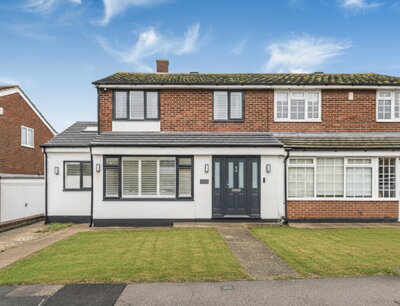
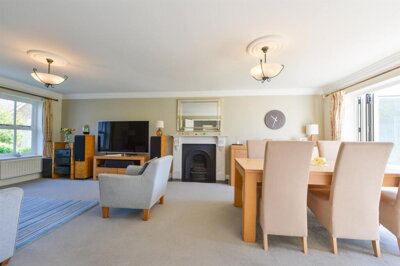
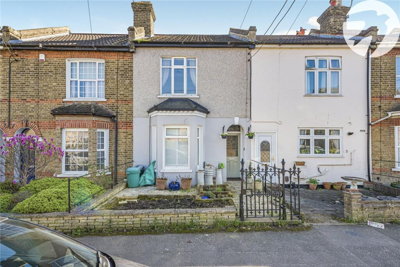
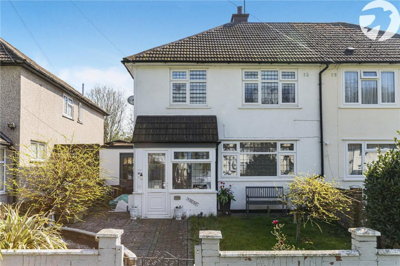
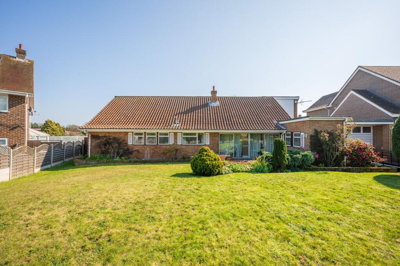
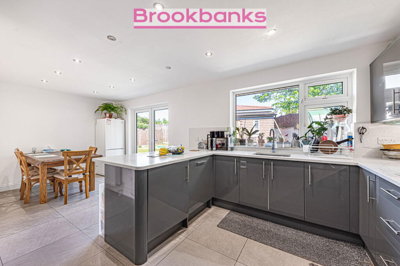
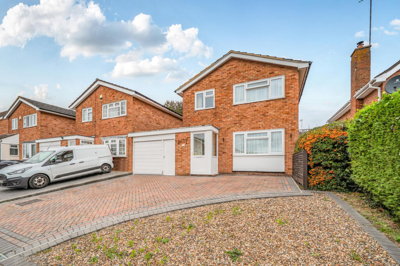
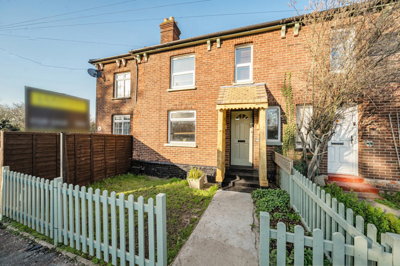
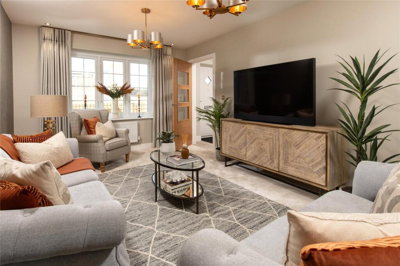
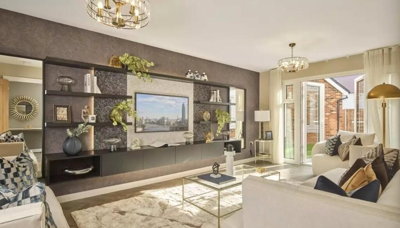
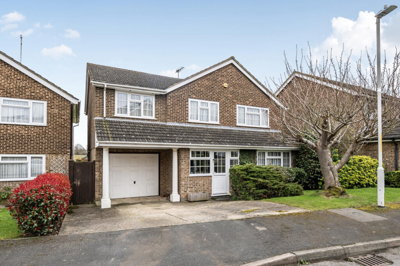
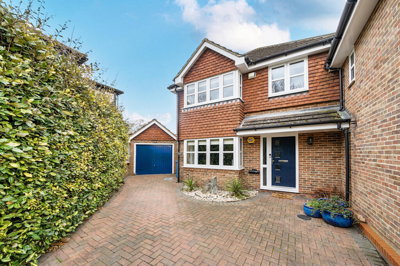
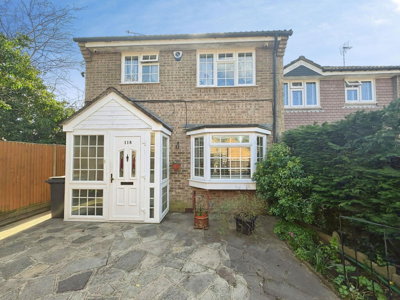
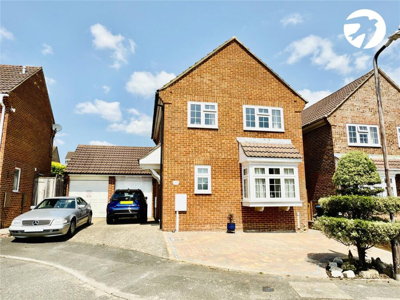
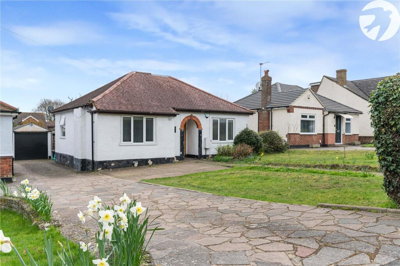
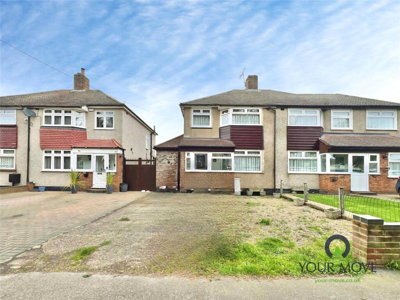
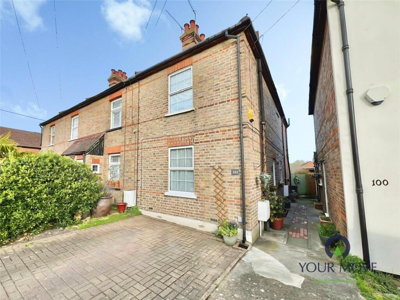
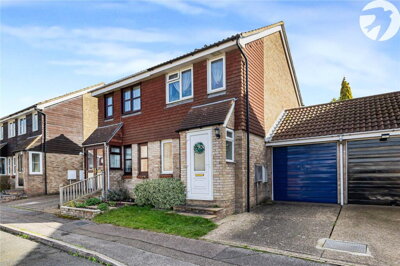
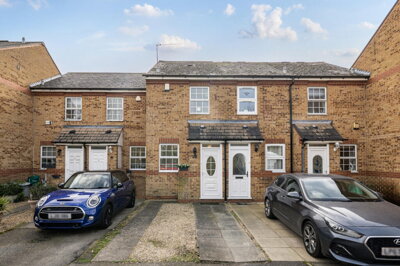
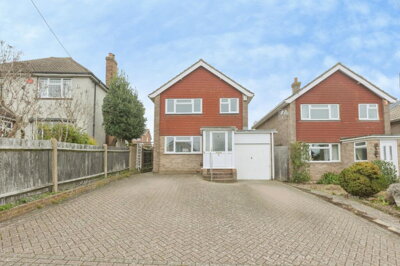
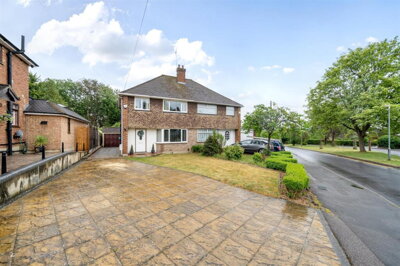
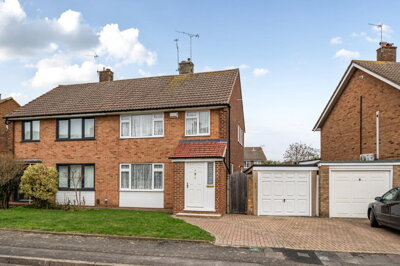
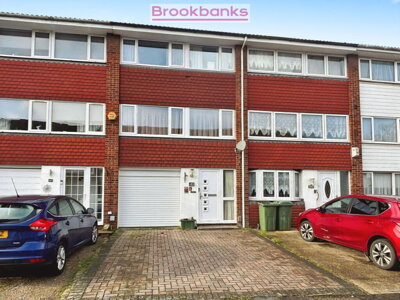
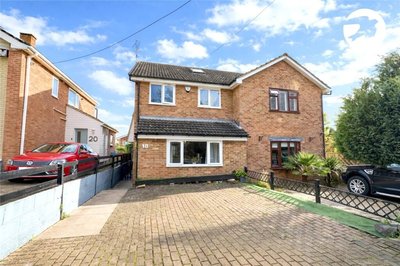
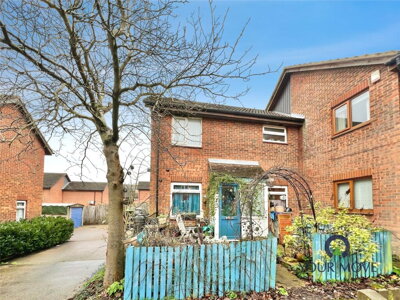
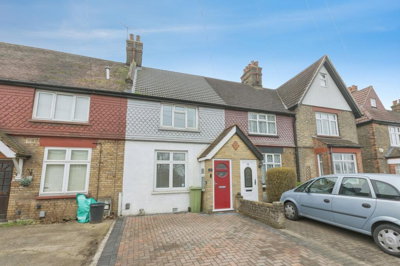
Browse 228 homes for sale in Swanley, Sevenoaks from local estate agents.
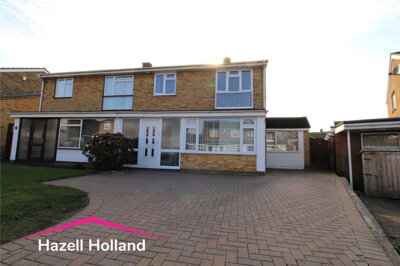
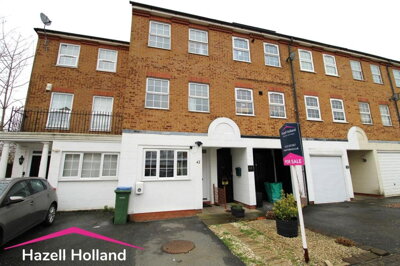
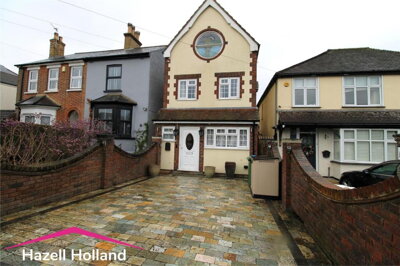
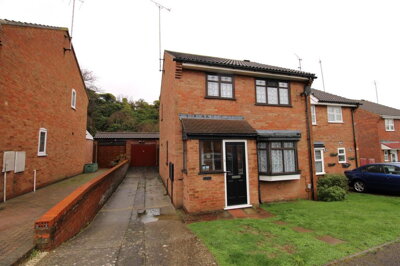
The Swanley property market offers detached, semi-detached, and terraced houses spanning various price ranges and neighbourhoods. Each listing includes detailed property information, photographs, and direct contact with the marketing agent.
£525k
36
0
95
Source: home.co.uk
Showing 36 results for Houses for sale in Swanley, Sevenoaks. The median asking price is £525,000.
Source: home.co.uk
Detached
17 listings
Avg £921,468
Semi-Detached
14 listings
Avg £479,643
Terraced
5 listings
Avg £355,000
Source: home.co.uk
Source: home.co.uk
The Swanley property market offers a diverse range of housing types to suit different budgets and lifestyles. Semi-detached properties dominate the sales in the area, with an average price of £453,640, while terraced homes provide more affordable options at around £373,516. Detached family homes command higher prices averaging £549,166, offering generous space and gardens that appeal to growing families seeking room to spread out in this convenient Kent location.
New build opportunities are available at Highlands Grange, a Bellway development on the north-east edge of Swanley off Highlands Hill. This development offers two, three, and four-bedroom houses starting from £411,000, with four-bedroom detached homes available up to £675,000. The site also includes affordable housing options through shared ownership and low-cost rent schemes, making it easier for first-time buyers to get onto the property ladder in this well-connected area.
Price trends across different neighbourhoods within Swanley show varying rates of growth. Swanley Lane has performed strongest with a 12% increase over the past year, now 8% above its 2020 peak of £362,071. Swanley Station has seen 10% growth, reaching 5% above its 2018 peak, with flats in this area averaging around £272,272. Swanley Village maintains the highest average prices, though values have dipped 3% from the 2022 peak. These variations offer smart buyers opportunities depending on their priorities and budget.
The housing stock reflects the area's diverse development history, with 82% being houses or bungalows and 18% flats. The majority of properties sold over the last year were semi-detached, consistent with the post-war expansion of the town. Investment interest remains strong given Swanley's commuter credentials, with rental demand supported by professionals working in London who appreciate the balance of affordability and connectivity.

Swanley evolved from a small settlement of just a few homesteads in the 11th century into the thriving commuter town it is today, largely thanks to the arrival of the railway in 1861. The historic Swanley Village Conservation Area, designated in 1984 and expanded several times since, preserves the character of the original village street from Highlands Farm to Coldharbour Farm. Eighteen Grade II listed buildings dot the area, including the Church of Saint Paul, The Old Place, and Highlands Farmhouse, giving the neighbourhood a tangible connection to its past.
The local geology of Swanley Village sits on both Thanet Sand and chalk formations, providing the foundations for the traditional craftsmanship evident in original building materials and architectural features throughout the area. The Victorian heritage is particularly strong, with an important group of Victorian buildings including the church, school, and vicarage still standing as testaments to the town's 19th-century development. The entire conservation area falls within the Metropolitan Green Belt, protecting the rural character that makes Swanley Village special.
The 2021 Census recorded Swanley's population at 17,826 residents, with 64% of households owning their homes outright or with a mortgage. The remaining 36% are split between social housing at 26% and private rented accommodation at 10%. Historically, horticulture was the predominant industry through the Swanley Horticultural College, which opened in 1887 and established the area's reputation for learning. Today, Swanley functions primarily as a commuter and distribution centre, relying on its rail links to central London and proximity to the M25 motorway, with a mainly lower-middle and working-class population supporting the local economy.
Beyond the listed buildings, architectural highlights include distinctive structures such as the Coal Taxpost Obelisk on the north side of the railway 500 yards west of Swanley Station, and the Swanley War Memorial which commemorates local residents who served in conflicts. The Priory, Stables to the east of The Old Place, and the Coach House to the south east of The Old Place represent the historical estate character that shaped the original village. Downs Cottages, Elizabethan Cottage, and The Old Cottage showcase the diverse architectural heritage preserved within the conservation boundaries.

Education provision in Swanley serves families with children of all ages, from nursery through to further education. The town developed its educational heritage through the Swanley Horticultural College, which opened in 1887 and established the area's reputation for learning. Today, parents researching schools near Swanley will find a range of primary and secondary options within the Sevenoaks district, with varying Ofsted ratings that buyers should research thoroughly when choosing an area to relocate to.
Several primary schools serve the Swanley area, catering to children from reception through to Year 6. The town centre provides convenient access to these schools for families living in newer developments like those at Highlands Grange. Secondary education options include both comprehensive and grammar schools, with Kent's selective education system meaning some students may sit the 11-plus examination to gain entry to grammar schools in the wider Sevenoaks area. Parents should verify current catchment areas and admission policies directly with Kent County Council, as these can change and significantly impact which schools children can access.
For sixth form and further education, students have options both within Swanley and in nearby towns like Dartford and Sevenoaks. The proximity to the M25 and good rail connections means that sixth form colleges and further education institutions across Kent and south-east London are accessible to Swanley residents. Families moving to the area should research school performance data, Ofsted reports, and admission arrangements well in advance of any purchase to ensure their children can attend their preferred schools.
The presence of strong educational institutions has historically supported property values in commuter towns, and Swanley's established schools continue to attract families to the area. Given the mix of housing from Victorian terraces to new-build developments, parents should consider school proximity when narrowing down property searches, particularly for families with younger children who benefit most from consistent schooling through their formative years.
Swanley railway station provides essential commuter links to central London, with services running to London Victoria and London Bridge making it practical for professionals working in the capital. The station sits on the Chatham Main Line and offers regular trains throughout the day, allowing residents to enjoy the benefits of Kent living while maintaining city careers. Journey times to London terminals typically range from around 40 minutes to an hour depending on the service and whether changes are required.
Road connectivity from Swanley is excellent, with the M25 motorway providing access to the wider motorway network and connections to London, the Channel ports, and the rest of the South East. The A20 passes through Swanley, offering direct routes to Maidstone and Folkestone. For those travelling by car to Canary Wharf or the City, the orbital road network makes the journey manageable despite not being as direct as some more central locations. The proximity to junction 3 of the M25 places Swanley conveniently within the motorway network for those who drive to work.
Local bus services connect Swanley with surrounding towns and villages, providing options for those who prefer not to drive or who wish to reduce their carbon footprint. Cycling infrastructure exists in the area, though the Kent countryside and surrounding towns are perhaps better suited to car travel for most daily needs. The combination of rail and road links has cemented Swanley's reputation as a successful commuter town, with many residents choosing to live here specifically for the balance between transport connectivity and more affordable housing compared to zones closer to central London.
Beyond London commuting, the strategic position near the M25 offers access to major employment centres across the South East, including Gatwick Airport, the Channel ports at Dover and Folkestone, and commercial hubs in Maidstone and Dartford. This flexibility in commuting options has historically supported Swanley property values, as residents appreciate the optionality rather than being reliant solely on one route into the capital.
Before viewing properties, research Swanley's different neighbourhoods to understand which areas match your lifestyle needs. Swanley Lane offers strong recent price growth at 12% annually, while Swanley Village provides period character within a conservation area. Get a mortgage agreement in principle from a lender to know exactly what you can afford, factoring in the average price of £421,655 for the area and your deposit amount.
Use Homemove to browse all available properties for sale in Swanley, setting up alerts for new listings. Once you find properties that match your criteria, book viewings to see them in person and assess their condition, location, and potential. Take time to explore different neighbourhoods at various times of day to understand noise levels, traffic patterns, and community atmosphere.
When you find your ideal home, make an offer through the estate agent. Negotiate on price and conditions, then once accepted, formally instruct your conveyancing solicitor and apply for your mortgage if not already done. Given the mix of property types from Victorian through to new build, be prepared for different negotiation dynamics depending on the property age and condition.
Commission a RICS Level 2 Survey to assess the property's condition and identify any defects. Given Swanley's mix of Victorian and later properties, a survey is valuable for uncovering issues that might not be visible during a viewing, from roof condition to damp penetration. For listed buildings or properties in the conservation area, consider whether a more comprehensive Level 3 Building Survey might be appropriate given the additional complexities.
Your solicitor will handle searches, title checks, and contracts while your mortgage lender arranges valuation. Once all checks are satisfactory, you exchange contracts and pay your deposit, becoming legally committed to the purchase. For properties in Swanley Village, ensure your solicitor investigates any planning conditions relating to the conservation area designation.
Before completion day, do a final walkthrough to confirm the property's condition matches your expectations. On completion day, your solicitor transfers the remaining funds and you receive the keys to your new Swanley home. At Highlands Grange, note that construction continues until late 2025 or early 2026, so factor this into your timeline if purchasing a new build property.
Properties in Swanley span different eras of construction, from Victorian buildings in the historic village centre to post-war housing developments and contemporary new builds. When viewing properties, pay attention to the age of the construction and any signs of wear that might indicate maintenance needs. Older Victorian properties may have charming original features but could require updating of electrics, plumbing, or insulation to modern standards. Many properties dating from the post-war period may have solid floor constructions and single-glazed windows that would benefit from modernisation.
Swanley Village is a designated Conservation Area, and there are 18 Grade II listed buildings throughout the area. If you are considering a property within the conservation area or a listed building, be aware that planning restrictions may limit what alterations or extensions you can carry out. Listed building consent is required for any changes that might affect the building's character, and works to properties in conservation areas may require permission for certain types of demolition or alteration. Properties like The Old Place, Highlands Farmhouse, and Priory Cottage represent the historic fabric that buyers must preserve.
The geology of Swanley Village includes Thanet Sand and chalk, which can affect foundation conditions and drainage characteristics. For properties in areas with clay subsoils, which are common across Kent, subsidence and heave can be concerns, particularly for older buildings with shallow foundations. Specific flood risk data for individual properties requires detailed enquiries and searches during the conveyancing process. For flats and apartments, investigate the lease terms carefully, including ground rent arrangements and service charges. The 18% of properties that are flats in Swanley will have varying lease lengths and management arrangements that significantly affect their value and future saleability.
Properties near Swanley station appeal to commuters but may experience higher noise levels from passing trains. The railway line also creates a physical boundary within the town, with some neighbourhoods requiring level crossings or longer routes to access station facilities. When viewing properties, assess the journey to the station on foot, particularly during darker winter evenings, and consider the availability of parking at the station for those driving to catch trains.
The average house price in Swanley is £421,655 based on sales over the last year. Detached properties average £549,166, semi-detached homes cost around £453,640, and terraced properties sell for approximately £373,516. Flats near Swanley Station average around £272,272. The market has shown steady growth of 5% over the past 12 months, returning to similar levels as the 2022 peak of £417,791, with Swanley Lane performing strongest at 12% annual growth.
Properties in Swanley fall under Sevenoaks District Council for council tax purposes. Bandings range from A to H depending on the property's assessed value. Exact bands for individual properties can be checked through the Valuation Office Agency website or on any listing that includes this information. Prospective buyers should verify the specific band for any property they are considering purchasing, as council tax costs form part of the ongoing cost of ownership.
Swanley offers several primary schools serving the local community, though parents should research current Ofsted ratings and performance data to identify the best options for their children. For secondary education, Kent's selective system means some students may access grammar schools in the wider Sevenoaks district including those with excellent reputations. The proximity to Dartford and Maidstone provides additional options for secondary and further education, all accessible via the excellent road and rail connections that make Swanley a practical base for families.
Swanley railway station provides regular services to London Victoria and London Bridge, with journey times around 40 minutes to an hour depending on the service taken. The M25 motorway is easily accessible via junction 3 for car travel, connecting Swanley to the wider South East road network. Local bus services link Swanley with surrounding towns, though a car is beneficial for accessing local amenities and the Kent countryside beyond the immediate town centre.
Swanley offers strong investment potential due to its commuter town status and relative affordability compared to closer-to-London locations. The new build development at Highlands Grange shows ongoing investment in the area, and the 5% price growth over the past year indicates sustained demand. Rental yields may be attractive given the commuter population, with around 10% of households in private rented accommodation. The proposed Swanley Centre development for 450 residential units suggests future growth in housing supply that could influence long-term investment returns.
Standard stamp duty rates start at 0% for properties up to £250,000, then 5% on the portion from £250,001 to £925,000. For properties priced between £925,001 and £1.5 million, the rate is 10%, and above £1.5 million it rises to 12%. First-time buyers benefit from relief on properties up to £425,000, paying 5% on the amount between £425,001 and £625,000, with no relief above that threshold. Given Swanley's average price of £421,655, many properties fall within the relief threshold.
Swanley Village contains Victorian buildings and 18 Grade II listed properties within a Conservation Area where the Metropolitan Green Belt designation restricts development. When buying period properties here, arrange a detailed survey to check for damp, roof condition, and the state of original features. Listed building status means you cannot alter the property without consent, so factor this into any renovation plans. The conservation area designation also restricts certain external changes to maintain the village character, which is important to understand before purchasing if you have plans to extend or modify the property.
Highlands Grange by Bellway is the main active new build development in Swanley, located off Highlands Hill on the north-east edge of the town. The development offers two, three, and four-bedroom houses starting from £411,000, with four-bedroom detached homes priced up to £675,000. First residents moved in by late 2024, with construction expected to complete by late 2025 or early 2026. The development includes affordable housing options through shared ownership and low-cost rent schemes, making it a significant addition to the local housing market.
From £376
A detailed inspection of the property condition, ideal for conventional properties in Swanley
From £499
Solicitors to handle your legal transfer
From 3.84%
Compare rates for your Swanley property purchase
From £85
Energy performance certificate for your property
Understanding the full costs of buying a property in Swanley is essential for budgeting effectively. Beyond the property price, buyers should account for stamp duty land tax, solicitor fees, survey costs, and mortgage arrangement fees. For a typical Swanley property at the current average price of £421,655, standard stamp duty for a buyer who is not a first-time purchaser would be calculated at 0% on the first £250,000 and 5% on the remaining £171,655, totalling £8,582.75.
First-time buyers purchasing properties up to £425,000 pay no stamp duty under current relief, meaning those buying at the lower end of the Swanley market could save thousands. For properties between £425,001 and £625,000, first-time buyer relief applies at 5% on that portion. Properties above £625,000 do not qualify for first-time buyer relief. Given Swanley's average price of £421,655, many properties fall within the relief threshold, making the area particularly attractive for those taking their first step onto the property ladder.
Additional costs to budget for include mortgage arrangement fees typically ranging from £500 to £2,000, surveyor fees for a Level 2 HomeBuyer Report from around £376 to £930 depending on property value, and conveyancing costs from £499 to over £1,500 for more complex transactions. Searches, Land Registry fees, and moving costs add further expense. Using Homemove's partner services for mortgages, conveyancing, and surveys can help streamline these costs while ensuring you receive quality professional support throughout your Swanley purchase.
For buyers considering the Highlands Grange development, additional costs may include new build snagging inspections and higher insurance premiums initially. Leasehold properties, which make up around 18% of Swanley's housing stock, carry ongoing costs including ground rent and service charges that should be factored into the total cost of ownership calculation over the expected holding period.
Properties for Sale In London

Properties for Sale In Plymouth

Properties for Sale In Liverpool

Properties for Sale In Glasgow

Properties for Sale In Sheffield

Properties for Sale In Edinburgh

Properties for Sale In Coventry

Properties for Sale In Bradford

Properties for Sale In Manchester

Properties for Sale In Birmingham

Properties for Sale In Bristol

Properties for Sale In Oxford

Properties for Sale In Leicester

Properties for Sale In Newcastle

Properties for Sale In Leeds

Properties for Sale In Southampton

Properties for Sale In Cardiff

Properties for Sale In Nottingham

Properties for Sale In Norwich

Properties for Sale In Brighton

Properties for Sale In Derby

Properties for Sale In Portsmouth

Properties for Sale In Northampton

Properties for Sale In Milton Keynes

Properties for Sale In Bournemouth

Properties for Sale In Bolton

Properties for Sale In Swansea

Properties for Sale In Swindon

Properties for Sale In Peterborough

Properties for Sale In Wolverhampton

Enter your details to see if this property is within your budget.
Loans, cards, car finance
Estimated property budget
Borrowing + deposit
You could borrow between
Typical borrowing
Monthly repayment
Est. at 4.5%
Loan-to-value
This is an estimate only. Your actual budget may vary depending on interest rates, credit history, and personal circumstances. For an accurate affordability assessment, speak to one of our free mortgage advisors.
This calculator provides estimates for illustrative purposes only and does not constitute financial advice. Your home may be repossessed if you do not keep up repayments on your mortgage. Estimates based on 4.5% interest rate, repayment mortgage. Actual rates depend on your circumstances.
Homemove is a trading name of HM Haus Group Ltd (Company No. 13873779, registered in England & Wales). Homemove Mortgages Ltd (Company No. 15947693) is an Appointed Representative of TMG Direct Limited, trading as TMG Mortgage Network, which is authorised and regulated by the Financial Conduct Authority (FRN 786245). Homemove Mortgages Ltd is entered on the FCA Register as an Appointed Representative (FRN 1022429). You can check registrations at NewRegister or by calling 0800 111 6768.

We use cookies to show you personalised content and improve your experience of our website. Find out more in our Privacy policy and Cookie policy.