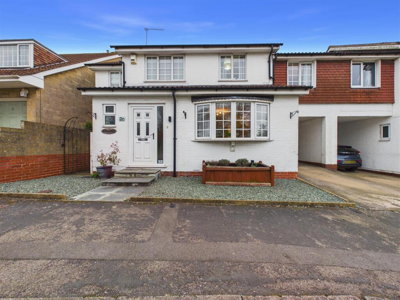
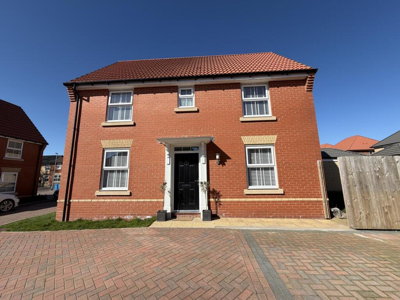
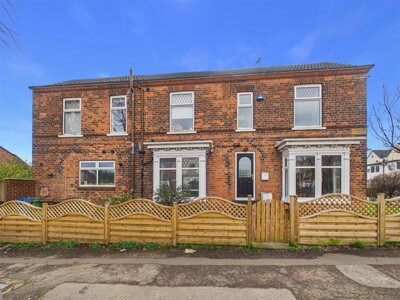
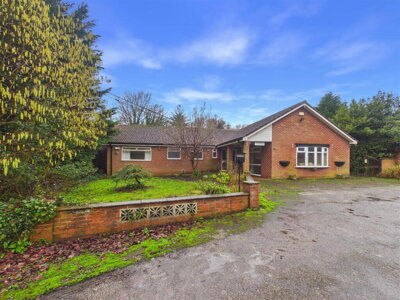
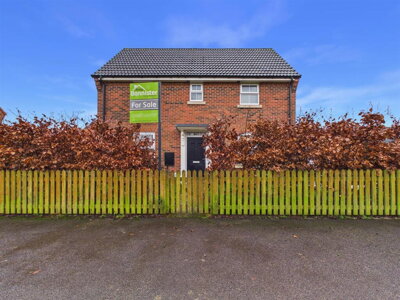
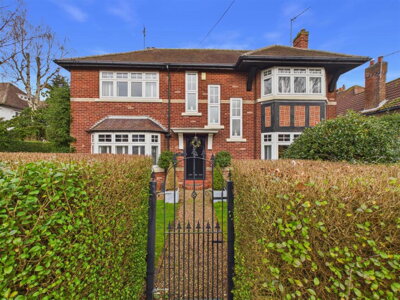
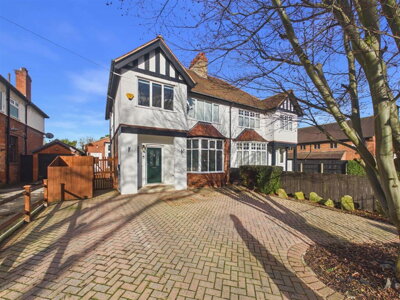
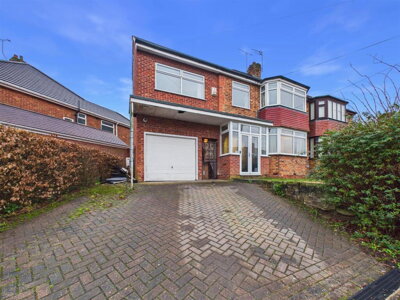
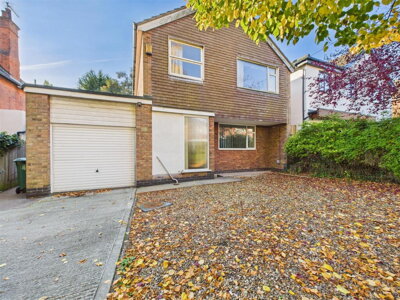
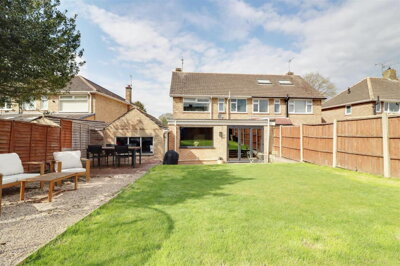
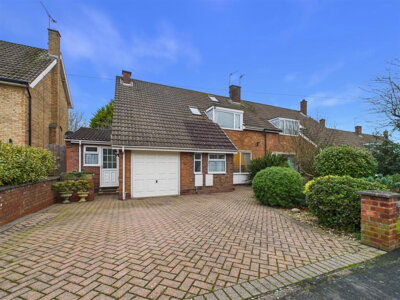
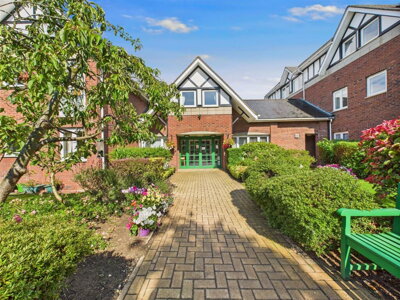
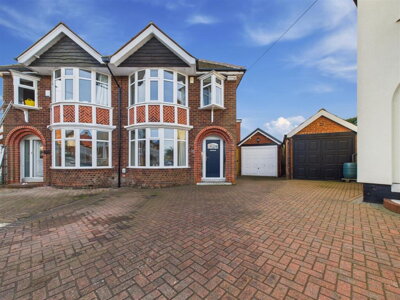
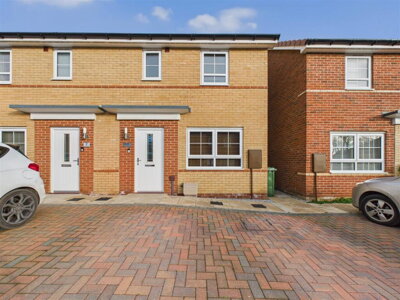
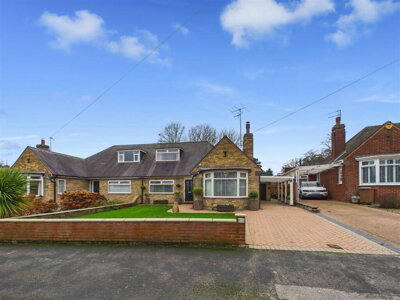
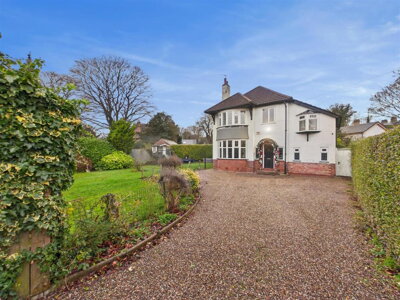
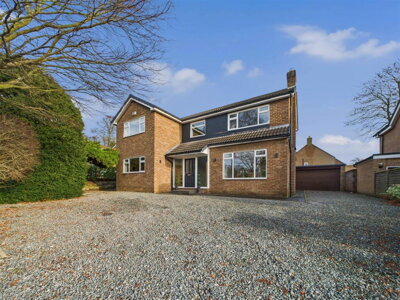
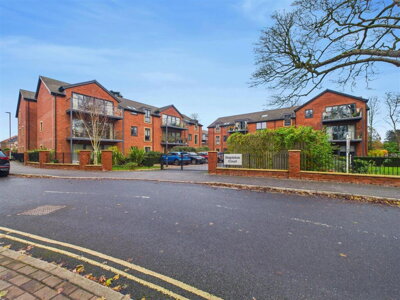
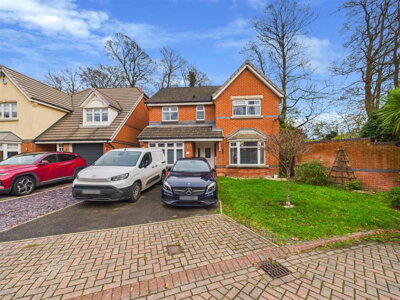
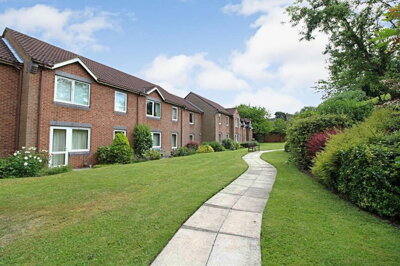
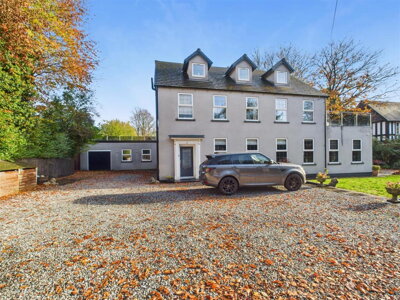
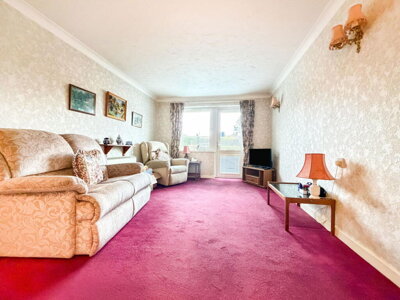
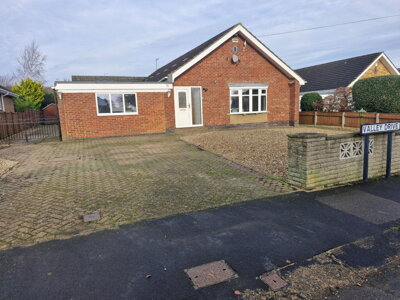
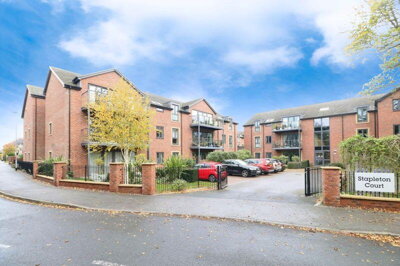
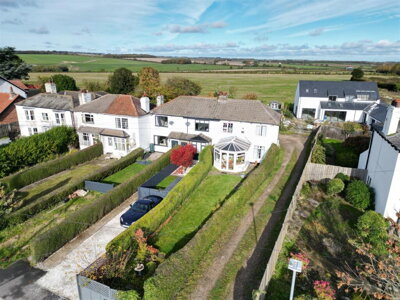
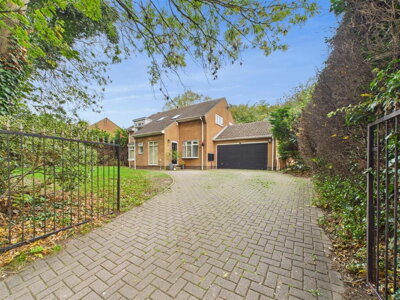
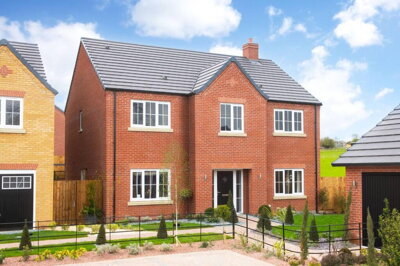
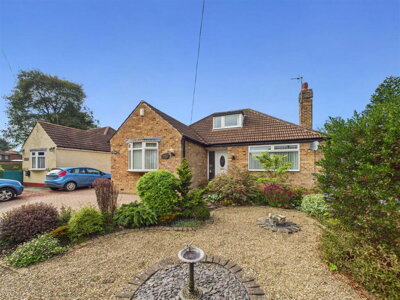
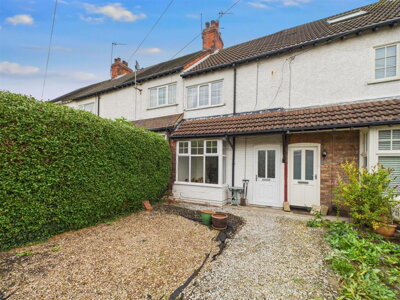
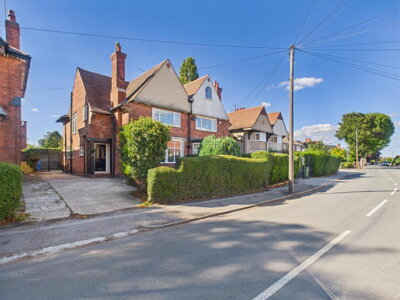
Browse 366 homes for sale in Swanland, East Riding of Yorkshire from local estate agents.
£330k
73
3
153
Source: home.co.uk
Source: home.co.uk
Detached
27 listings
Avg £647,587
Semi-Detached
8 listings
Avg £272,988
Detached Bungalow
7 listings
Avg £384,271
Apartment
5 listings
Avg £250,590
Flat
5 listings
Avg £186,990
Terraced
5 listings
Avg £161,230
Link Detached House
3 listings
Avg £338,317
Semi-Detached Bungalow
3 listings
Avg £227,667
End of Terrace
2 listings
Avg £302,475
Mews
2 listings
Avg £279,975
Source: home.co.uk
Source: home.co.uk
The Swanland property market offers a diverse range of housing options to suit different buyer requirements. Detached properties dominate the upper end of the market, with average prices of £517,552 reflecting the popularity of large family homes with generous gardens in this sought-after village location. Semi-detached properties provide more accessible entry points to the Swanland market, averaging £218,985, while flats remain the most affordable option at around £112,250. This price gradient means Swanland caters to first-time buyers through to those seeking premium family homes.
Property prices in Swanland have demonstrated strong performance over recent years, with the current average of £396,343 representing a 5% increase on the previous year. While this is 10% below the 2023 peak of £439,154, the market shows signs of renewed momentum. Street-level data reveals significant variation across the village. Premium addresses such as Swanland Garth in North Ferriby command prices averaging £709,000, up 17% on the previous year, though still 11% below the 2020 peak. More modest properties on roads like West End offer entry points starting from £68,875, demonstrating the range of housing available in this diverse village market.
Swanland Main Street properties average £369,181, reflecting the strong demand for homes in the historic village centre. At the upper end of the market, Kemp Road properties average £915,000, though this street has seen a 26% reduction from its 2022 peak. This street-level variation means buyers should research specific addresses carefully, as prices can differ substantially within the same village. The current housing stock spans Victorian and Edwardian period properties in the Conservation Area, interwar houses, and post-war developments from the 1960s through to the 1990s, with newer high-specification properties also appearing on the market.

Swanland village centre centres around the historic village pond, a focal point framed by mature trees and period buildings that create an unmistakably English rural atmosphere. The Conservation Area, designated by East Riding of Yorkshire Council in 1999, preserves the linear street pattern of predominantly two-storey Victorian and Edwardian housing that gives the village much of its character. The village pond remains a beloved feature, offering a pleasant outlook for residents and visitors alike, with approximately two-thirds of buildings in the village area being clearly historic.
Swanland is home to around ten entries on the Listed Buildings Register, reflecting its rich architectural heritage. Swanland Hall, built in 1760 and extended during the 19th and 20th centuries, stands as the village's historical significance. The historic Congregational Chapel with its attached screen walls and Sunday Schools represents another important heritage asset. Other listed properties include Mere Cottage and Attached Garden Wall, Post Office, Swanland House (built 1862), Toft House, Holgate Cottages, and a distinctive K8 Telephone Kiosk on Main Street. Properties at West End (Nos. 14-16A) feature early 18th century or earlier ranges, with some timber-framed cottages dating to the late 16th or early 17th century.
Local amenities in Swanland include a Morrisons Daily convenience store, post office, library, and heritage centre, providing everyday necessities without the need to travel to Hull. The village supports an active community with various clubs, societies, and events that contribute to its strong social fabric. The economy has evolved from its historical roots in agriculture and milling to embrace residential living and small-scale commerce. Swanland Primary School serves as a significant local employer, alongside small businesses serving the village population. The village sits between 50 and 90 metres above sea level, with the western outskirts reaching 92 metres, offering elevated views across the rolling Yorkshire Wolds countryside.

Education provision in Swanland is anchored by Swanland Primary School, which serves the local community and is a significant factor for families considering relocation to the village. The school provides education for children from reception through to Year 6, with strong community ties reflecting the village atmosphere. For secondary education, students typically travel to nearby towns where several well-regarded secondary schools serve the surrounding area. The presence of quality primary education makes Swanland particularly attractive to families with young children, and the village maintains its appeal throughout the primary school years.
Beyond statutory education, Swanland benefits from proximity to further and higher education opportunities in Hull and the wider East Riding. The University of Hull offers a range of undergraduate and postgraduate programmes across multiple faculties, making higher education accessible for residents who do not wish to travel far from home. Further education colleges in the region provide vocational qualifications and professional development courses for those seeking career advancement or retraining. For families prioritising educational outcomes, Swanland's village primary school combined with access to quality secondary options in surrounding towns creates a comprehensive educational pathway.
When searching for property in Swanland, parents should verify specific school catchment areas and admission arrangements with East Riding of Yorkshire Council, as these can influence property values and availability in certain streets. School performance data changes over time, so we recommend checking current Ofsted ratings and examination results before committing to a purchase. Properties in specific school catchment zones often command a premium, so understanding these boundaries can help buyers make informed decisions about which area of Swanland best suits their family's educational needs.
Swanland enjoys excellent connectivity despite its village setting, with Hull city centre accessible within approximately 20 minutes by car via the A164 and Humber Bridge approach roads. For public transport users, an hourly bus service provides regular links to Hull city centre, enabling commuters and shoppers to access the full range of urban amenities without relying on a car. This public transport option is particularly valued by residents who work in Hull but prefer village living, offering a practical balance between rural charm and urban accessibility. The village also has good connections to the wider East Riding, with surrounding towns and villages accessible for work, shopping, and leisure purposes.
The strategic location of Swanland provides efficient access to major road networks, with the A63 trunk road running to the south and providing connections to the M62 motorway network beyond Hull. This road connectivity opens commuting possibilities to Leeds, Sheffield, and other major Yorkshire cities for those working further afield. For air travel, Humberside International Airport is within reasonable driving distance, offering domestic flights and connections to European destinations. The Key Employment Site at Melton, located to the west of Swanland, provides local job opportunities in various sectors.
Daily commuting to Hull is practical for most residents, whether by car or public transport, and many Swanland residents enjoy the best of both worlds: the peaceful village environment at home combined with easy access to one of Yorkshire's major cities for work and leisure activities. The village sits in the foothills of the Yorkshire Wolds, approximately two miles north of the Humber Estuary, providing attractive countryside walks and outdoor pursuits within easy reach. Historical small-scale chalk extraction from pits occurred outside the village, and the elevated rolling countryside including Welton Wold and Welton Dale to the west offers stunning scenery for residents to explore.
Start by exploring property listings in Swanland to understand the range of homes available, from Victorian cottages in the Conservation Area to modern detached houses in post-war developments. Consider your budget against current prices, with detached homes averaging £517,552 and semi-detached properties around £218,985. Use street-level data to identify specific areas within Swanland that match your requirements and budget.
Before scheduling viewings, obtain a mortgage agreement in principle from a lender. This strengthens your position when making offers and demonstrates to sellers that you have financing in place. Several lenders offer competitive rates for properties in this price range, and a broker can help find the best deal for your circumstances. Given Swanland's average price of £396,343, most buyers will fall within standard mortgage lending criteria.
View properties in person to assess their condition, character, and suitability. Pay particular attention to properties in the Conservation Area, noting any planning restrictions, and check for signs of damp or structural issues common in Victorian and Edwardian properties. Inspect the condition of roofs, windows, and any original features that may require maintenance or restoration.
Once your offer is accepted, commission a RICS Level 2 survey to assess the property condition. Given Swanland's mix of period properties, this survey is particularly valuable for identifying issues such as damp, roof condition, and outdated electrics common in older homes. Properties in Swanland with solid walls, timber frames, or listed status may require additional specialist assessment.
Appoint a solicitor to handle the legal aspects of your purchase, including searches, contracts, and registration with the Land Registry. Local property specialists understand Swanland's specific characteristics including Conservation Area requirements and any planning conditions that may affect the property. Searches will include local authority enquiries, drainage and water checks, and environmental assessments.
Finalise your mortgage, complete your survey, and proceed to exchange of contracts followed by completion. On moving day, collect your keys and begin settling into your new Swanland home. Factor in moving costs, potential renovation expenses, and any immediate repairs identified in your survey report.
Property buyers in Swanland should be aware of several area-specific considerations that can affect their purchase. Properties within the Conservation Area are subject to planning restrictions designed to preserve the village's historic character, which may limit permitted development rights for extensions, alterations, or outbuilding construction. The Conservation Area covers the linear street pattern of Victorian and Edwardian housing around the village pond, and any significant works may require consent from East Riding of Yorkshire Council. Buyers considering period properties should factor these restrictions into their renovation plans and budget expectations.
The predominant building materials in Swanland reflect the village's Yorkshire heritage. Buildings typically feature brick or white painted render with natural clay pantile or slate roofs. Rosemary tiles also appear throughout the village, and chimneys are a strong feature of the roofscape. Properties in the Conservation Area specifically exhibit a varied character of white render and brick buildings with slate and pantiled roofs, and any renovation work should respect these traditional materials. New development is encouraged to incorporate these materials to maintain the village's distinctive appearance.
Given the variety of property ages in Swanland, from timber-framed cottages dating to the late 16th or early 17th century at West End through to 1990s developments, buyers should commission appropriate surveys to identify potential issues. Victorian and Edwardian properties often feature solid walls without cavity insulation, original single-pane windows, and potentially outdated electrical systems and plumbing including lead pipework. The historic properties on West End represent some of the oldest buildings in Swanland and may require specialist surveys beyond a standard RICS Level 2 assessment.
Common defects found in Swanland's older properties include dampness issues, particularly rising damp at low level in solid-walled Victorian and Edwardian homes built before cavity wall construction and modern damp-proof courses. Roofing problems are also prevalent, including deteriorating ridge mortar, slipped or cracked tiles, and failing flashings that can lead to water ingress and timber decay. Outdated plumbing and electrical systems in older homes may not meet modern safety standards, and properties built before 1999 may contain asbestos in floor tiles, pipe cement, or other building materials. Timber defects including wet rot, dry rot, and woodworm occur where ventilation is poor or dampness is present.
Post-war development in Swanland, particularly from the 1960s onwards, saw a range of brick colours and roof tile types used, with less local distinctiveness in style compared to the older housing stock. These properties may offer better insulation than period homes but could have their own construction issues typical of mid-to-late 20th century building. Historical chalk extraction from pits outside the village means buyers should consider ground stability in their survey assessment, though no specific subsidence risk has been documented for the village. For properties within the Conservation Area or those listed on the Register, specialist surveys may be required due to their unique construction and the need to preserve their architectural or historic interest.
The average house price in Swanland is currently £396,343, representing a 5% increase over the previous year. Detached properties average £517,552, semi-detached homes cost around £218,985, and flats average £112,250. While prices fell 10% from the 2023 peak of £439,154, the market has shown renewed strength with consistent year-on-year growth. Zoopla reports a slightly different average of £371,908, while OnTheMarket shows an average of £355,000 as of early 2026, reflecting the variation in data sources and recent market activity.
Properties in Swanland fall under East Riding of Yorkshire Council's jurisdiction. Specific council tax bands vary by property depending on the valuation band assigned by the Valuation Office Agency. You can check individual property bands via the East Riding of Yorkshire Council website or your solicitor during conveyancing searches. The bands range from A to H, with the amount you pay determined by the band and the council's annual charge per band.
Swanland Primary School serves the local community for children aged 5 to 11 in the village itself. The school is well-regarded within the village and surrounding area, with strong community ties reflecting Swanland's village atmosphere. For secondary education, students typically attend schools in nearby towns including North Ferriby, Hessle, or Hull, which offer a range of GCSE and A-level programmes across different specialisms. Always verify current school performance data via official league tables and check catchment area boundaries with East Riding of Yorkshire Council before purchasing property.
Swanland has an hourly bus service providing links to Hull city centre, taking approximately 30-40 minutes depending on traffic conditions. The village is approximately seven miles from Hull, with car journeys to the city centre taking around 20 minutes via the A164 and Humber Bridge approach roads. Major road networks including the A63 trunk road to the south and the M62 motorway beyond Hull are readily accessible for wider travel to Leeds, Sheffield, and other major Yorkshire cities.
Swanland offers strong fundamentals for property investment based on its proximity to Hull, quality local schools, and attractive Conservation Area setting that maintains consistent demand. The East Riding Local Plan identifies Swanland as a Primary Village with 175 new homes proposed over the plan period, including the significant Land West of Sykes Close development with capacity for up to 150 dwellings. The current average price of £396,343 and demonstrated price resilience suggest solid long-term prospects, though all property investment carries risk and you should seek professional financial advice before committing to any purchase.
Stamp duty rates from April 2025 are 0% on the first £250,000, 5% on £250,001 to £925,000, 10% on £925,001 to £1,500,000, and 12% above £1,500,000. First-time buyers relief applies 0% on the first £425,000 and 5% on £425,001 to £625,000. For a typical Swanland property at £396,343, most buyers would pay zero stamp duty on the first £250,000 and 5% on the remaining £146,343, totalling approximately £7,317. First-time buyers purchasing at this price point would pay no stamp duty at all.
Swanland is designated as a Primary Village in the East Riding Local Plan with 175 new homes proposed over the plan period. The most significant development is Land West of Sykes Close on the western edge of Swanland, next to Swanland Equestrian Centre within Westfield Farm, with planning permission granted for up to 150 dwellings. At the last update, 17 dwellings remained available on this site. Construction is underway in the area north and west of this location, with new high-specification properties already appearing on the market. These new homes will add to the existing stock and may influence both rental and sale prices in the village.
Swanland is located approximately two miles north of the Humber Estuary, and while no specific flood risk zones are documented for the village itself, proximity to the estuary means buyers should check Environment Agency flood maps for their specific property location. Historical small-scale chalk extraction from pits occurred outside the village, and the underlying geology of the Yorkshire Wolds foothills means a geological survey may be advisable for properties in certain areas, particularly those with large gardens or near the western outskirts where elevation reaches 92 metres.
From 4.5%
Get competitive mortgage rates for your Swanland purchase
From £499
Expert property solicitors for Swanland purchases
From £350
Essential survey for Swanland's mix of period properties
From £60
Energy performance certificate for your property
Understanding the full costs of buying property in Swanland is essential for budgeting effectively. The purchase price of £396,343 for an average Swanland home represents the largest expense, but additional costs include stamp duty, solicitor fees, survey costs, and moving expenses. Stamp duty under current rates (from April 2025) applies at 0% on the first £250,000, 5% on the portion from £250,001 to £925,000, 10% from £925,001 to £1,500,000, and 12% above £1,500,000. For a typical Swanland property priced at the average of £396,343, most buyers would pay zero stamp duty on the first £250,000 and 5% on the remaining £146,343, totalling approximately £7,317.
First-time buyers benefit from increased thresholds, paying 0% on the first £425,000 and 5% on the portion between £425,001 and £625,000. This means a first-time buyer purchasing at the Swanland average of £396,343 would pay no stamp duty at all, making significant savings compared to previous thresholds. The stamp duty savings for first-time buyers can amount to thousands of pounds, making property purchase in Swanland more accessible for those entering the housing market for the first time.
Solicitor conveyancing costs typically range from £500 to £1,500 depending on complexity and whether the property is freehold or leasehold. Local property specialists familiar with Swanland's characteristics including Conservation Area requirements can provide efficient service. A RICS Level 2 survey costs between £380 and £630 depending on property size and value, with larger detached homes at the upper end of this range. For a four or five-bedroom detached property in Swanland averaging £517,552, expect survey costs around £495-£559. Listed buildings or properties over 100 years old may incur additional charges of £150-£400 due to the specialist expertise required. These costs are manageable when factored into your overall budget from the outset, ensuring no surprises as you progress through your Swanland purchase.
Properties for Sale In London

Properties for Sale In Plymouth

Properties for Sale In Liverpool

Properties for Sale In Glasgow

Properties for Sale In Sheffield

Properties for Sale In Edinburgh

Properties for Sale In Coventry

Properties for Sale In Bradford

Properties for Sale In Manchester

Properties for Sale In Birmingham

Properties for Sale In Bristol

Properties for Sale In Oxford

Properties for Sale In Leicester

Properties for Sale In Newcastle

Properties for Sale In Leeds

Properties for Sale In Southampton

Properties for Sale In Cardiff

Properties for Sale In Nottingham

Properties for Sale In Norwich

Properties for Sale In Brighton

Properties for Sale In Derby

Properties for Sale In Portsmouth

Properties for Sale In Northampton

Properties for Sale In Milton Keynes

Properties for Sale In Bournemouth

Properties for Sale In Bolton

Properties for Sale In Swansea

Properties for Sale In Swindon

Properties for Sale In Peterborough

Properties for Sale In Wolverhampton

Enter your details to see if this property is within your budget.
Loans, cards, car finance
Estimated property budget
Borrowing + deposit
You could borrow between
Typical borrowing
Monthly repayment
Est. at 4.5%
Loan-to-value
This is an estimate only. Your actual budget may vary depending on interest rates, credit history, and personal circumstances. For an accurate affordability assessment, speak to one of our free mortgage advisors.
This calculator provides estimates for illustrative purposes only and does not constitute financial advice. Your home may be repossessed if you do not keep up repayments on your mortgage. Estimates based on 4.5% interest rate, repayment mortgage. Actual rates depend on your circumstances.
Homemove is a trading name of HM Haus Group Ltd (Company No. 13873779, registered in England & Wales). Homemove Mortgages Ltd (Company No. 15947693) is an Appointed Representative of TMG Direct Limited, trading as TMG Mortgage Network, which is authorised and regulated by the Financial Conduct Authority (FRN 786245). Homemove Mortgages Ltd is entered on the FCA Register as an Appointed Representative (FRN 1022429). You can check registrations at NewRegister or by calling 0800 111 6768.

We use cookies to show you personalised content and improve your experience of our website. Find out more in our Privacy policy and Cookie policy.