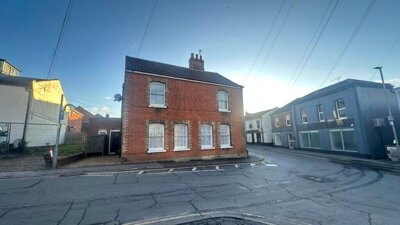
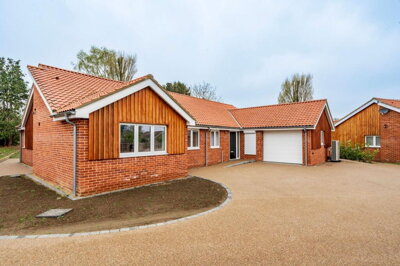
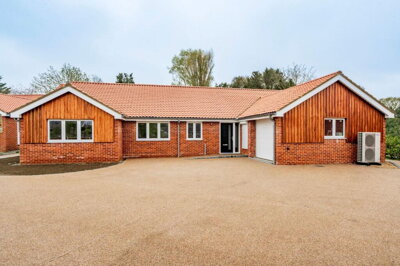
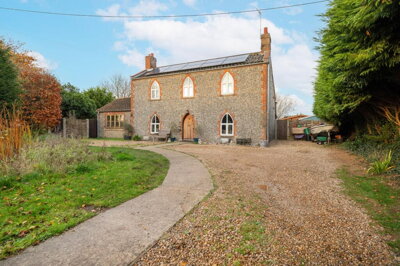
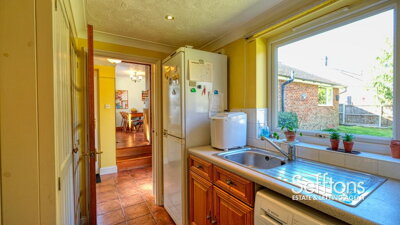
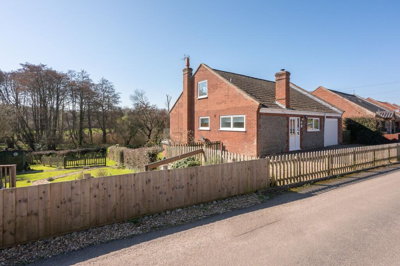
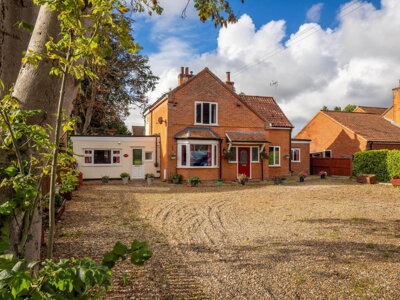
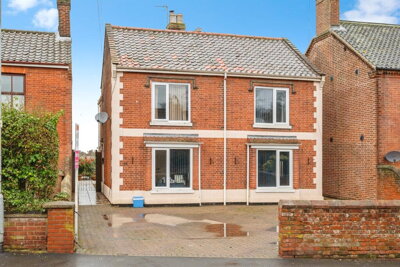
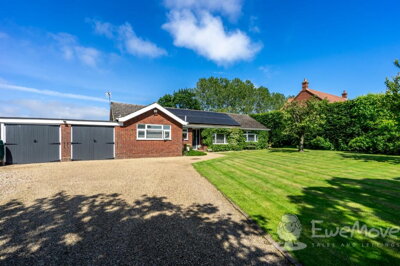
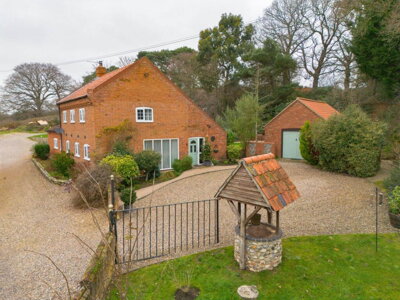
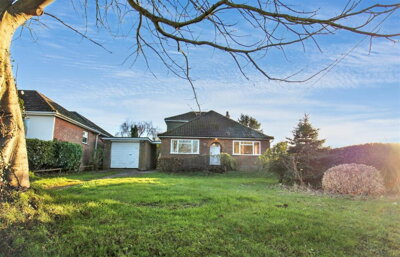
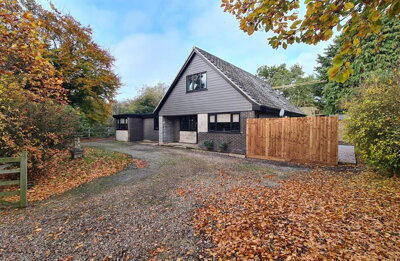
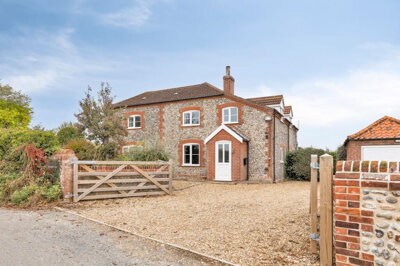
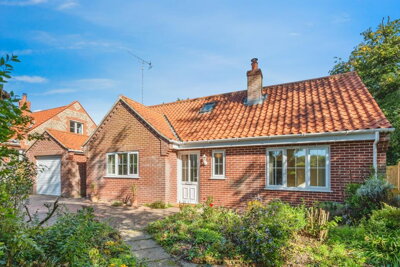
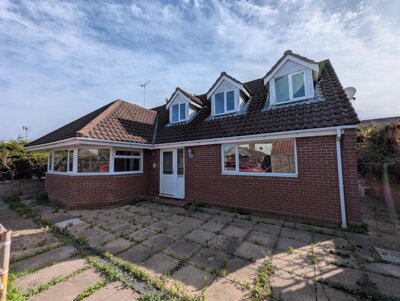
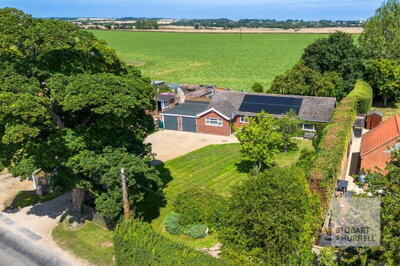
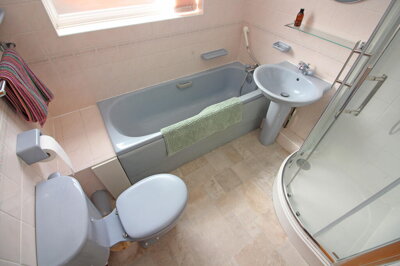
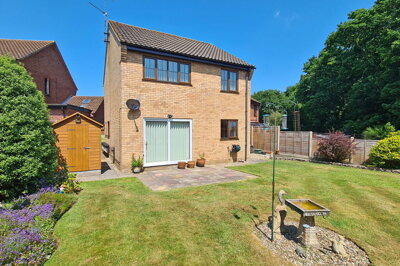
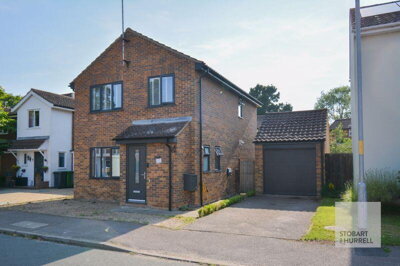
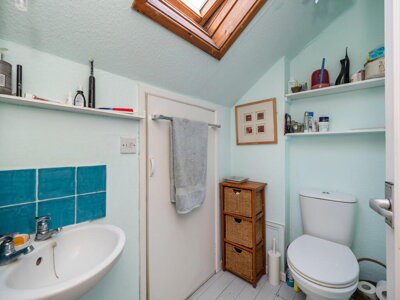
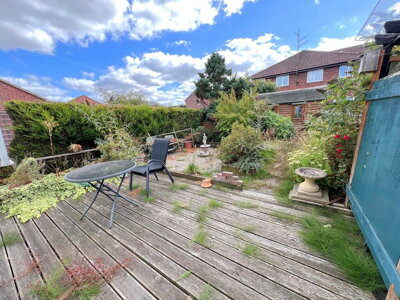
Browse 25 homes for sale in Swafield, North Norfolk from local estate agents.
The larger property sector typically features multiple bathrooms, substantial reception space, and private gardens or off-street parking. Four bedroom houses in Swafield span detached, semi-detached, and occasionally terraced configurations, with styles ranging from period properties to modern executive homes.
£595k
1
0
140
Source: home.co.uk
Showing 1 results for 4 Bedroom Houses for sale in Swafield, North Norfolk. The median asking price is £595,000.
Source: home.co.uk
Detached
1 listings
Avg £595,000
Source: home.co.uk
Source: home.co.uk
The Swafield property market has experienced significant correction over the past year, with the average house price declining by 29% compared to the previous year and sitting 46% below the 2023 peak of £371,667. This cooling period, while challenging for existing homeowners, creates genuine opportunities for first-time buyers and investors entering the market at a more accessible price point. Our data shows approximately 7 properties have changed hands in the past 12 months according to Zoopla records, indicating steady but measured activity in this village market.
The village offers a mix of property types reflecting its historic character, with particular concentration of brick and flint properties that speak to Norfolk's traditional building heritage. No active new-build developments exist within Swafield itself, which helps preserve the village's established character and limited housing supply. For buyers seeking modern accommodation, neighbouring areas like North Walsham are seeing significant development, including proposals for approximately 1,800 new homes at the North Walsham West Sustainable Urban Extension, though these fall outside the Swafield parish boundary.
Individual property sales in the NR28 area reveal a variety of housing stock, from traditional cottages to larger period properties. The limited supply within Swafield itself means that properties coming to market attract interest from buyers drawn to the village's heritage status and peaceful setting. Buyers should be prepared to act decisively when a suitable property becomes available, as the small village market can move quickly despite the broader market cooling.
Life in Swafield centres around community and the stunning Norfolk countryside that surrounds the village on all sides. The North Norfolk landscape slopes gently towards the coast, offering residents panoramic views across farmland and the promise of coastal days at beaches within easy reach. The village sits within the Ant river valley, with the historic North Walsham and Dilham Canal passing through the area and crossing at the notable Swafield Bridge, providing peaceful walking routes for residents to enjoy.
The local economy reflects the broader North Norfolk pattern, characterised by an ageing population, low unemployment, and economic activity centred on retailing, tourism, manufacturing, and health services. Within the village itself, local employers include Swafield Barns Limited, which operates from converted agricultural buildings, and Tavern Tasty Meats, a popular farm shop serving the wider community. The nearby town of North Walsham provides additional employment options, with major employers including Waitrose and the Victory Housing Trust, ensuring residents have access to varied job opportunities without excessive commuting.
The North Walsham and Dilham Canal, which runs through Swafield and passes beneath Swafield Bridge, represents a significant local amenity. This waterway, part of the River Ant system, offers scenic walks and wildlife observation opportunities, with kingfishers, herons, and waterfowl commonly spotted along its reaches. The canal also connects to the wider Norfolk Broads network for those with boats, providing direct waterway access to one of Britain's most treasured natural landscapes. For families, the countryside surrounding Swafield offers endless opportunities for exploration, with public footpaths crossing farmland and leading to neighbouring villages like Bradfield, where the Grade II* listed Church of St Giles awaits visitors.

Swafield possesses an exceptional concentration of listed buildings that reflect centuries of continuous habitation and agricultural prosperity. The village is dominated architecturally by the Church of St Nicholas, a Grade II* listed building that has stood the community since medieval times. Also noteworthy is the Friends Meeting House on Mundesley Road, another Grade II* structure that speaks to the nonconformist religious traditions of Norfolk and remains the village's long history of diverse worship.
The traditional building material throughout Swafield is brick and flint, a technique particularly associated with Norfolk where Quaternary Flint occurs naturally in the soil and has been used as a building stone for centuries. Properties like Swafield Hall showcase this craftsmanship, featuring brick and flint construction with colourwashed facades and distinctive Tudor detailing. Historic brick sizes in the village vary from 2.25 inches for 16th century work to 2.5 inches for late 17th century additions, revealing the evolution of building techniques over time. Stone Cottage on Bradfield Road exemplifies this tradition, described simply as a "brick and flint house" in its listing description.
Two First World War pillboxes on Bradfield Common add military heritage to the village's collection of protected structures, reminders of Norfolk's strategic importance during the 20th century. These concrete fortifications, built to defend against potential invasion, stand as silent witnesses to a turbulent period in British history. Additional listed buildings include Swafield House, Old Mill House, Bridge Farmhouse, and several barns positioned around the village, including structures standing 20 metres west of the Mews and 40 metres south west of the Beeches, all contributing to Swafield's status as a village of significant architectural importance.

Understanding brick and flint construction is essential for anyone buying property in Swafield, as this traditional building method presents both advantages and specific maintenance requirements. The technique involves courses of knapped flint set in thick mortar joints, often combined with brick quoins and dressings at corners and window openings. Norfolk's Quaternary Flint, deposited during glacial periods, provides an ideal building material that is extremely hard and weather-resistant when properly maintained. The contrast between the dark flint and warm mortar creates the distinctive appearance that defines Norfolk's rural architecture.
For buyers, the key concern with brick and flint properties is moisture penetration. Unlike solid brick walls, flint construction relies heavily on the integrity of the mortar joints to keep water out. Over time, weathering causes mortar erosion, and where mortar fails, moisture can penetrate behind the flint facings and cause damage to the structural timber frame that many older properties contain. When viewing a brick and flint property, look carefully at the condition of mortar joints, particularly on north and west-facing walls where weathering is most severe. Any signs of bulging or displacement in the flint work should be flagged for professional assessment.
The historic brick sizes found in Swafield properties also tell a story about the building's age and construction. Properties with 2.25 inch bricks likely date from the 16th century, while those with 2.5 inch bricks are typically late 17th or early 18th century additions. This variation is important for renovation planning, as matching original brickwork requires sourcing appropriate reclaimed materials. Any extensions or alterations to listed brick and flint properties will require careful consideration of materials and techniques to maintain the building's character while meeting modern building regulations.
Families considering a move to Swafield will find educational options available in the surrounding area, with North Walsham serving as the primary hub for schooling at all levels. The town hosts primary schools serving the local catchment area, while secondary education is available at schools within reasonable daily travelling distance. The village's own Former Swafield School building, now a listed structure, stands as testament to the community's historic commitment to education, though parents should verify current catchments and admissions criteria with Norfolk County Council.
For families requiring sixth form or further education provision, the wider North Norfolk area offers several options, with colleges and sixth form centres accessible via public transport or car. The proximity to North Walsham means that older children can access educational progression without the family needing to relocate to a larger town. Sixth form colleges in Norwich are reachable via the Bittern Line railway service from North Walsham, making A-level and further education options broadly accessible for older students.
Prospective buyers with school-age children should conduct thorough research into current Ofsted ratings and admissions policies, as these can significantly impact the suitability of a property purchase for family needs. The village's rural location means that school transport arrangements should also be confirmed, as bus services to schools in North Walsham may have specific routes and schedules that affect daily routines.
Swafield enjoys practical connectivity despite its rural village setting, with the nearby market town of North Walsham providing rail links connecting residents to Norwich, Cambridge, and beyond. The Bittern Line railway service operates from North Walsham station, offering regular connections to Norwich where travellers can access the wider national rail network. Norwich station provides direct services to London Liverpool Street, with journey times of approximately two hours, making Swafield viable for commuters who work in the capital but live in rural Norfolk.
Road connections from Swafield provide access to the North Norfolk coast and inland destinations, with the A149 coastal road passing through nearby villages offering routes to Cromer, Great Yarmouth, and the Broads National Park. The village sits between the A149 and the A148, giving residents choice in routes to larger centres. Local bus services connect Swafield with North Walsham and surrounding villages, providing essential access for those without private vehicles, though rural bus frequencies mean that a car remains advantageous for daily life.
Cycling infrastructure in Norfolk has improved in recent years, and the flat terrain makes cycling a practical option for shorter journeys, particularly to local shops and amenities in North Walsham. The North Norfolk Heritage Cycle Route passes through the region, offering scenic routes for leisure cycling. For commuters, the flat landscape means that electric bikes are particularly effective, extending practical cycling range to destinations further afield. The Norfolk Greenway Plan continues to improve cycling and walking links between villages, gradually enhancing sustainable transport options across the district.
The underlying geology of Swafield presents specific considerations for property buyers that are worth understanding before committing to a purchase. The North Walsham area, including Swafield, sits on up to 50 metres of sand, clay, and other material overlying chalk bedrock, deposited by melting glaciers during the last Ice Age. This sequence includes thick, stiff Boulder Clay alongside sands and gravels, creating a complex foundation profile that varies across even small distances. The Ant valley, where Swafield sits, also contains great thicknesses of peat formed during a wetter, cooler period in prehistoric times.
The presence of clay-rich soils means that shrink-swell risk affects properties throughout Swafield. Clay soils expand when wet and contract when dry, a process that can cause movement in foundations and structures above. The East of England is identified as a higher-risk area for subsidence due to its soil type, and Norfolk's clay deposits make this a genuine consideration for property buyers. Properties with mature trees nearby face particular risk, as tree roots extract moisture from clay soils during dry summer periods, potentially causing ground movement that affects foundations.
When purchasing in Swafield, your survey should specifically address foundation condition and any evidence of previous subsidence or heave damage. Look for signs of cracking in walls, particularly diagonal cracks emanating from window and door openings, or uneven floors that may indicate historic ground movement. Your solicitor should ensure that appropriate drainage and ground condition reports are obtained, and insurance arrangements should account for the geological context. Properties on the valley floor near the canal may face additional considerations related to the high water table and proximity to watercourses.
While current flood warnings for the Swafield area indicate very low immediate risk with no active warnings in place, properties may face long-term flood risk from rivers, the sea, surface water, or groundwater according to official assessments. The 2011 Preliminary Flood Risk Assessment for Norfolk highlighted high risk of flooding from local sources across the county, particularly from surface water and in combination with other sources such as main rivers and the sea. Swafield sits in a rural landscape, and its position in the Ant valley means that water flows through the area from higher ground towards the coast.
The North Walsham and Dilham Canal runs through Swafield, passing beneath Swafield Bridge, and this waterway forms part of the River Ant system. While the canal itself is controlled and managed, its presence means that local drainage patterns have been altered from natural conditions over centuries. Properties closest to the canal and watercourses warrant careful investigation, including requesting specific flood history for any property and checking the gov.uk flood risk checker for detailed assessment data for the exact location.
For buyers, the practical steps include verifying that adequate building insurance is obtainable at reasonable cost before committing to purchase. Some older properties may have flood resilience measures already installed, such as raised electrical sockets or water-resistant floor finishes, which are positive indicators. Your survey should note any signs of previous water damage or damp conditions, and the conveyancing solicitor should obtain relevant drainage and water search results that address flood risk and the condition of local watercourses. Properties in lower-lying areas of the village may face different risk profiles than those on slightly elevated ground, so location within Swafield matters.
Begin by exploring current property listings in Swafield using Homemove, comparing prices against the village average of £200,000. Understanding the recent price trends, including the 29% year-on-year decline, helps buyers negotiate effectively and identify genuinely competitive properties. Given the small village market with approximately 7 properties changing hands annually, patience may be required to find the right property, but the price correction creates favourable conditions for those entering the market.
Once you have identified properties of interest, schedule viewings through the listed estate agents. Given Swafield's small community, agents will have detailed local knowledge about individual properties and can often arrange viewings at short notice. Consider visiting at different times of day to assess noise levels, traffic, and the neighbourhood atmosphere. For brick and flint properties, afternoon viewings allow you to assess how properties retain warmth and whether damp issues become apparent as the property cools.
Before making an offer, secure a mortgage agreement in principle from a lender. This demonstrates your financial credibility to sellers and estate agents, strengthening your position in negotiations. With the average property price at £200,000, most standard mortgage products will be available, though a broker can help navigate options for unique or non-standard properties including listed buildings that may require specialist lending arrangements.
Given the age of many Swafield properties and their traditional brick and flint construction, a comprehensive RICS Level 2 Survey is essential. In Norfolk, these typically cost between £375 and £500 depending on property size and value, with higher fees for listed buildings requiring additional specialist assessment. The survey will identify any structural concerns, moisture issues in flint construction, and foundation condition relevant to the local clay soils, providing essential information before you commit to purchase.
Appoint a conveyancing solicitor to handle the legal aspects of your purchase. They will conduct searches specific to the area, including checking for any planning constraints, rights of way, or environmental considerations that might affect the property. Given Norfolk's clay soils and potential shrink-swell risks, your solicitor should ensure adequate drainage and ground condition reports are obtained, and they should check the planning register for any consents relating to the many listed buildings in the village.
Once all searches are satisfactory and your mortgage is fully approved, you will exchange contracts and pay your deposit. Completion typically follows within days or weeks, after which you will receive the keys to your new Swafield home. Budget for buildings insurance from exchange of contracts, as this is typically required before contracts can legally complete.
Properties in Swafield require careful inspection due to the prevalence of traditional brick and flint construction methods. This building style, while durable when properly maintained, can present challenges including mortar deterioration, flint displacement, and moisture penetration if not regularly maintained. Prospective buyers should look for signs of damp in older properties, particularly in ground floor rooms where flint walls may be more exposed to groundwater. Any cracking in internal walls should be assessed by a qualified surveyor, as clay soil movement can affect even well-constructed foundations.
The village's geology presents specific considerations for property buyers. Norfolk's boulder clay deposits, which underlie the Swafield area, create potential for shrink-swell movement when moisture levels fluctuate. Properties with mature trees nearby may be particularly susceptible to ground movement as root systems extract moisture from clay soils during dry periods. Your RICS Level 2 Survey should specifically address foundation condition and any evidence of previous subsidence or heave damage. Properties in flood-risk areas, even those with very low current risk ratings, should be questioned about their long-term flood history and any flood resilience measures installed.
For buyers considering listed buildings in Swafield, additional responsibilities and restrictions apply. Grade II listed properties require planning permission for most external alterations, and some internal changes may also need consent. Maintenance costs for historic buildings often exceed those for modern equivalents, and specialist contractors may be required for traditional building techniques. However, these constraints also help preserve the village's character and can make listed properties excellent long-term investments that maintain their distinctive appearance and heritage value.
When viewing properties in Swafield, pay particular attention to the condition of roofs, as traditional properties often have older roof coverings that may need eventual replacement. The condition of rainwater goods is especially important for brick and flint properties, as blocked or leaking gutters allow water to run down walls and penetrate the mortar joints. Check the condition of original windows, as timber sash windows in listed properties may require expensive restoration work to meet modern standards while retaining heritage character. Electrical systems in older properties should be verified as meeting current requirements, as rewiring can be disruptive and costly in traditional construction.
The average house price in Swafield currently stands at approximately £200,000 based on the last 12 months of sales data. This represents a significant 29% decrease compared to the previous year and is 46% down from the 2023 peak of £371,667. The market has corrected substantially, creating potential opportunities for buyers who missed the previous peak. Specific prices vary considerably depending on property type, size, condition, and whether the property is listed, with character homes in the village centre typically commanding premiums reflecting their heritage value and the limited supply of traditional brick and flint cottages in this sought-after Norfolk village.
Properties in Swafield fall under North Norfolk District Council, and council tax bands range from A through to H depending on property value and character. Most traditional village cottages and terraced properties typically fall within bands A to C, while larger detached homes, converted barns, and farm buildings may be placed in higher bands. Prospective buyers should verify the specific band for any property through the Valuation Office Agency website or their solicitor during conveyancing, as bands can affect ongoing running costs significantly. Given the number of converted agricultural buildings in the village, including those at Swafield Barns, buyers should confirm the exact band as these can vary considerably.
Swafield itself does not have a currently operating primary school, with the nearest educational establishments located in North Walsham approximately one mile away. North Walsham provides primary school options within walking or short driving distance, and secondary schools serve the wider catchment area including the North Norfolk Academy. Families should contact Norfolk County Council admissions team to confirm current catchment schools for any specific Swafield address, as admissions policies can change and oversubscription criteria apply to popular schools in the area. The village's Former Swafield School building, now a listed structure, serves as a reminder of the community's historic commitment to education.
Swafield benefits from proximity to North Walsham, which offers regular rail services on the Bittern Line connecting to Norwich and the national rail network beyond. Bus services link Swafield with North Walsham and surrounding villages, providing essential access for residents without private vehicles. Norwich city centre is accessible within approximately 30 minutes by train, making day trips and commuting feasible for those working in the county town. However, prospective buyers should note that rural bus services may be less frequent than urban equivalents, and owning a car will significantly enhance practical daily living in the village given the limited amenities within Swafield itself.
Swafield offers several characteristics that may appeal to property investors. The village's rural Norfolk location, heritage buildings including numerous listed structures, and proximity to the North Norfolk coast suggest potential for long-term value retention. The recent price correction to approximately £200,000 means properties are available at levels not seen since before the 2023 peak, potentially offering margin for appreciation as the market stabilises. However, investors should consider the limited rental market in such a small village with only 123 households, transaction volumes that remain modest at around 7 properties annually, and the maintenance demands of older brick and flint construction when calculating potential returns.
Stamp Duty Land Tax (SDLT) rates from 2024-25 apply as follows: 0% on purchases up to £250,000, 5% on the portion between £250,001 and £925,000, 10% between £925,001 and £1.5 million, and 12% above £1.5 million. First-time buyers benefit from relief on the first £425,000, paying 0% up to that threshold and 5% between £425,001 and £625,000. With most Swafield properties priced around the £200,000 average, many buyers will pay minimal or no SDLT, though this depends on your purchase price, buyer status, and whether you own other properties.
Current flood warnings for the Swafield area indicate very low immediate risk with no active warnings in place. However, properties may face long-term flood risk from rivers, the sea, surface water, or groundwater according to official assessments. Swafield sits in the Ant valley with the North Walsham and Dilham Canal passing through the village and crossing at Swafield Bridge, and the 2011 Norfolk Flood Risk Assessment identified high risk from local sources across the county. Buyers should request specific flood history for any property, check the gov.uk flood risk checker, and ensure adequate building insurance is obtainable before committing to purchase. Properties near the canal or in lower-lying areas warrant particularly careful investigation.
Swafield falls within North Norfolk District Council's planning authority, which has 84 designated conservation areas across the district. While no specific Swafield Conservation Area was formally identified in searches, the village's high concentration of listed buildings means planning controls are significant. Any external alterations to listed structures require listed building consent, and new developments face scrutiny given the village's heritage character. The North Norfolk Local Plan governs larger-scale development, and prospective buyers should consult the planning register for any specific restrictions affecting a property of interest. Properties like Swafield Hall, Swafield House, and the many barns listed around the village are subject to these additional protections.
Given the predominance of brick and flint construction in Swafield, mortar joint deterioration represents the most common maintenance issue affecting properties in the village. The historic mortar used in these buildings is typically softer than modern equivalents and requires careful repointing using appropriate lime-based mortars to avoid trapping moisture within the flint work. Roof coverings on traditional properties often use Norfolk pantiles or slate, both of which require periodic inspection and replacement of damaged tiles. Properties with thatched roofs, if present, require specialist contractors for maintenance. The clay soils underlying the village mean that drainage maintenance is essential, with regular cleaning of gutters and inspection of below-ground drainage systems helping to prevent moisture-related problems.
Commuters from Swafield can access the Bittern Line railway service from North Walsham station, providing regular connections to Norwich with onward links to Cambridge and London Liverpool Street. The journey to Norwich takes approximately 30 minutes, making day commuting feasible for those working in the city. Road access is via the A149 coastal road or routes connecting to the A148, both providing access to larger employment centres. For those working in North Walsham itself, which hosts employers including Waitrose and Victory Housing Trust, cycling is a practical option given the flat terrain and short distance of approximately one mile. Norwich is approximately 20 miles distant by road, with the journey taking around 40 minutes in normal traffic conditions.
From £375
Essential for assessing brick and flint construction and clay soil foundations
From £499
Legal services for your property purchase
From 4.5%
Finance your Norfolk property
From £85
Energy performance certificate
Purchasing a property in Swafield involves several costs beyond the purchase price that buyers should factor into their budget from the outset. The most significant additional cost is Stamp Duty Land Tax (SDLT), which applies to all purchases above £250,000 at the standard rate from 2024-25. For a property at Swafield's average price of £200,000, most buyers will pay no SDLT, though this depends on whether you qualify as a first-time buyer and whether you own other property. Standard rates progress from 5% on the portion between £250,001 and £925,000, rising to 10% and 12% for higher-value properties.
Conveyancing costs for buying in Swafield typically range from £500 to £1,500 depending on property value and complexity, with listed buildings or those with additional complications costing more. Your solicitor will conduct searches specific to Norfolk and the North Norfolk District, including local authority searches, drainage and water searches, and environmental searches that may reveal ground conditions relevant to Swafield's clay soils. Survey costs vary based on property type and size, with RICS Level 2 Surveys in Norfolk averaging between £375 and £500. For older brick and flint properties, a more detailed survey may be advisable given the specialist maintenance requirements of traditional construction.
Moving costs, furniture, and immediate repairs should also feature in your budget calculations. Many properties in Swafield are older and may require updating upon purchase, so setting aside funds equivalent to 5-10% of the purchase price for unexpected works is prudent. Buildings insurance must be arranged from exchange of contracts, and contents insurance can be timed to begin on completion day. By accounting for these costs early in your planning, you can approach your Swafield purchase with confidence and avoid financial surprises at critical stages of the transaction.
Properties for Sale In London

Properties for Sale In Plymouth

Properties for Sale In Liverpool

Properties for Sale In Glasgow

Properties for Sale In Sheffield

Properties for Sale In Edinburgh

Properties for Sale In Coventry

Properties for Sale In Bradford

Properties for Sale In Manchester

Properties for Sale In Birmingham

Properties for Sale In Bristol

Properties for Sale In Oxford

Properties for Sale In Leicester

Properties for Sale In Newcastle

Properties for Sale In Leeds

Properties for Sale In Southampton

Properties for Sale In Cardiff

Properties for Sale In Nottingham

Properties for Sale In Norwich

Properties for Sale In Brighton

Properties for Sale In Derby

Properties for Sale In Portsmouth

Properties for Sale In Northampton

Properties for Sale In Milton Keynes

Properties for Sale In Bournemouth

Properties for Sale In Bolton

Properties for Sale In Swansea

Properties for Sale In Swindon

Properties for Sale In Peterborough

Properties for Sale In Wolverhampton

Enter your details to see if this property is within your budget.
Loans, cards, car finance
Estimated property budget
Borrowing + deposit
You could borrow between
Typical borrowing
Monthly repayment
Est. at 4.5%
Loan-to-value
This is an estimate only. Your actual budget may vary depending on interest rates, credit history, and personal circumstances. For an accurate affordability assessment, speak to one of our free mortgage advisors.
This calculator provides estimates for illustrative purposes only and does not constitute financial advice. Your home may be repossessed if you do not keep up repayments on your mortgage. Estimates based on 4.5% interest rate, repayment mortgage. Actual rates depend on your circumstances.
Homemove is a trading name of HM Haus Group Ltd (Company No. 13873779, registered in England & Wales). Homemove Mortgages Ltd (Company No. 15947693) is an Appointed Representative of TMG Direct Limited, trading as TMG Mortgage Network, which is authorised and regulated by the Financial Conduct Authority (FRN 786245). Homemove Mortgages Ltd is entered on the FCA Register as an Appointed Representative (FRN 1022429). You can check registrations at NewRegister or by calling 0800 111 6768.

We use cookies to show you personalised content and improve your experience of our website. Find out more in our Privacy policy and Cookie policy.