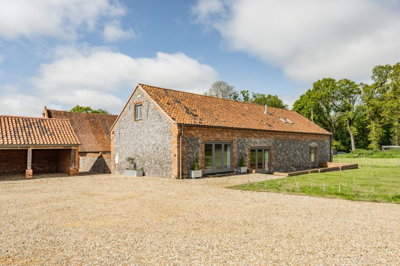
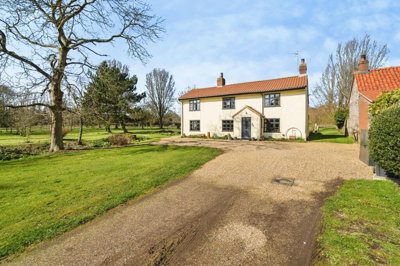
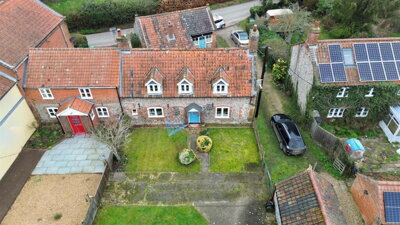
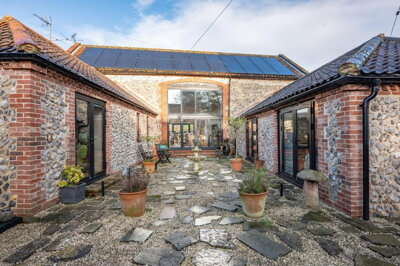
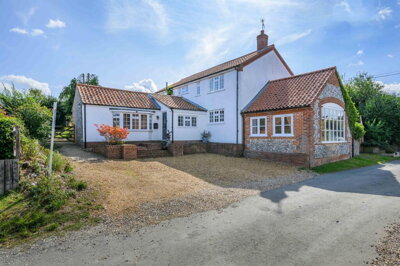
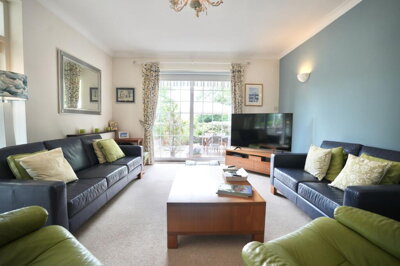
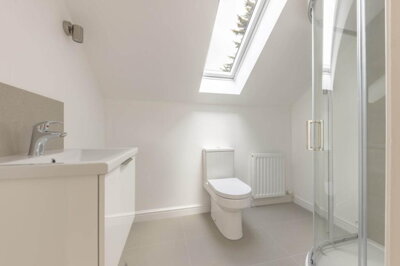
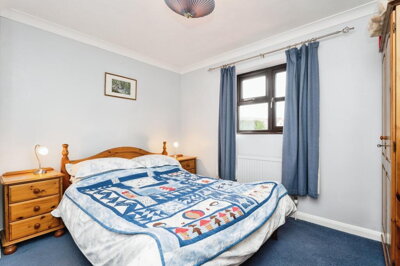
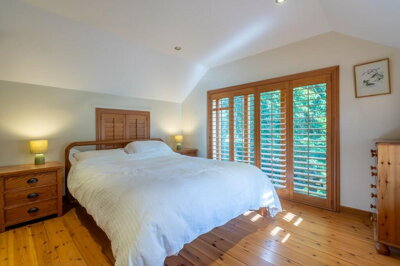
Browse 9 homes for sale in Sustead, North Norfolk from local estate agents.
The larger property sector typically features multiple bathrooms, substantial reception space, and private gardens or off-street parking. Four bedroom houses in Sustead span detached, semi-detached, and occasionally terraced configurations, with styles ranging from period properties to modern executive homes.
£0k
0
0
0
Source: home.co.uk
Showing 0 results for 4 Bedroom Houses for sale in Sustead, North Norfolk.
The property market in Sustead and the surrounding NR11 postcode area reflects the broader appeal of North Norfolk as a desirable location for buyers seeking rural tranquility without sacrificing connectivity. Our data shows that 365 properties have sold in the NR11 area over the past twelve months, indicating a healthy level of market activity despite the national economic headwinds. Price trends have shown a modest decline of 2.35% over the past year, which presents opportunities for buyers looking to enter this sought-after market at more accessible entry points than in previous years.
Property types in the area skew heavily towards detached homes, with the NR11 postcode recording 53.6% of housing stock as detached properties. This preference for spacious living reflects the rural character of the area and the desire of buyers to enjoy generous gardens, countryside views, and privacy. Detached properties in the area command an average price of £409,000, while semi-detached homes average £272,000 and terraced properties offer more accessible pricing at around £206,000. Flats in the NR11 area average £147,000, though these are less common in Sustead itself, where the housing stock predominantly consists of individual houses rather than apartments.
The age profile of properties in North Norfolk reveals why the area holds such appeal for those who appreciate architectural character and traditional building methods. Some 25.4% of properties in the district were built before 1919, featuring construction techniques and materials such as flint walls, red brick, and pantile or slate roofs that define the visual character of villages like Sustead. A further 20.3% of properties date from the 1965-1982 period, representing post-war expansion that brought modern conveniences while maintaining the area's aesthetic coherence. New build activity in the immediate Sustead area remains limited, with development concentrated in larger towns, which helps preserve the village's historic atmosphere and surrounding farmland.
Life in Sustead embodies the essence of North Norfolk living, where the rhythm of the seasons shapes daily routines and the natural landscape provides endless opportunities for recreation and relaxation. The village sits on chalk geology characteristic of much of Norfolk, with the underlying Upper Chalk formation providing the free-draining soils that contribute to the area's agricultural productivity. The surrounding countryside is a patchwork of arable fields, hedgerows, and small woodlands, offering scenic walks and cycling routes that attract visitors throughout the year. The proximity to the North Norfolk Heritage Coast means that beaches at Cromer, Sheringham, and beyond are within easy driving distance for days at the seaside.
The local economy of Sustead and the broader North Norfolk area is shaped by agriculture, tourism, and small local businesses that serve both residents and the significant visitor population drawn to the region. Many residents commute to larger towns for employment, with Norwich offering a major employment hub approximately 20 miles south of the village. The presence of second homes and holiday lets in the wider area reflects Norfolk's popularity as a tourist destination and retirement location, which influences the local property market and the availability of long-term rental accommodation. Local pubs, farm shops, and artisan producers contribute to a food scene that celebrates the region's agricultural bounty and coastal catches.
Community life in Sustead centres on the village hall and the historic church, which host events throughout the year and provide vital social infrastructure for a village of its size. The close-knit nature of the community means that new residents are quickly made welcome, and the village benefits from the kind of mutual support and neighbourliness that is harder to find in larger towns and cities. For families and individuals seeking an escape from urban pressures while remaining connected to essential services and transport links, Sustead offers an compelling proposition that continues to attract buyers from across the UK.
Education provision in the Sustead area reflects the rural nature of the village, with primary schools located in nearby villages serving the local population. For families considering a move to Sustead, researching local school performance and catchment areas is essential, as primary school admissions are typically determined by proximity. The NR11 postcode area contains several primary schools serving rural villages, with the nearest typically located within a few miles of Sustead in villages such as Aylsham, which offers a range of primary educational options. Parents should verify current Ofsted ratings and admission policies directly with Norfolk County Council, as these can change and may influence which schools serve specific addresses within the village.
Secondary education in the area is centred on schools in nearby market towns, with some students travelling to larger schools in Norwich or the coastal towns of Cromer and Sheringham. Grammar school provision in Norfolk means that selective education is available for academically gifted students, with entrance determined by the eleven-plus examination taken in primary school. For sixth form and further education, students typically look to schools in Norwich or colleges in towns such as Fakenham and King's Lynn, which offer a broader range of A-level and vocational courses than may be available in smaller rural settings. Families moving to Sustead from other areas should carefully consider their secondary school options and plan school transport arrangements, as journey times from rural villages to secondary schools can be significant.
Transport connections from Sustead reflect its status as a small rural village, with residents typically relying on cars for daily travel while benefiting from regional rail links accessible in nearby towns. The nearest major road connection is the A140, which runs north-south through Norfolk connecting Norwich to Cromer, passing through nearby villages and providing access to the A47 for travel further afield. Norwich city centre is approximately 20 miles south of Sustead, with the journey by car taking around 40 minutes under normal traffic conditions, making it feasible for regular commuters who work in the city while living in the countryside.
Rail services from Norfolk connect the region to London and other major destinations, with Norwich station offering direct trains to London Liverpool Street with journey times of approximately one hour 50 minutes. For residents commuting to Norwich, the village offers a viable base for those who can work flexibly or travel on certain days of the week, while the broader appeal for remote workers is significant given the quality of life offered by rural Norfolk. Bus services in the area are limited, as is typical for villages of Sustead's size, making car ownership essential for most residents. Local cycling is popular for short journeys and leisure, with the flat Norfolk landscape making cycling accessible for a range of abilities, while dedicated cycle routes and quiet country lanes provide safer options than busier A-roads.
Spend time exploring Sustead and surrounding villages to understand the local property market, speak with estate agents, and get a feel for what different properties offer. Visit at different times of day and week, and speak with residents to learn about the community, local services, and any issues that might affect your decision.
Before viewing properties seriously, obtain a mortgage agreement in principle from a lender. This demonstrates to sellers that you are a serious buyer with financing in place, strengthening your position when making offers.
Work with local estate agents to arrange viewings of properties that match your criteria. Take notes, ask questions about the property's history, any works undertaken, and what is included in the sale. For older properties, be prepared to look beyond cosmetic issues to understand the true condition of the building.
Given that approximately 73.7% of properties in North Norfolk were built before 1983, a professional survey is essential. The RICS Level 2 HomeBuyer Report will identify structural issues, damp, roof condition, and other defects that may not be visible during viewings. For listed buildings or period properties, a more detailed Level 3 survey may be advisable.
Once your offer is accepted, instruct a conveyancing solicitor to handle the legal aspects of your purchase. They will conduct searches, handle contracts, and ensure the transfer of ownership proceeds smoothly.
After all searches are satisfactory and contracts are signed, you will exchange deposits and agree a completion date with the seller. On completion day, your solicitor will transfer the remaining funds and you will receive the keys to your new home in Sustead.
Buying a property in Sustead requires careful consideration of factors specific to rural Norfolk properties, including construction materials, flood risk, and planning considerations that differ from urban house purchases. The traditional building materials found in many Sustead properties, including flint walls, render, and pantile or slate roofs, require ongoing maintenance and specialist knowledge when repairs are needed. Flint walls, while durable, can be susceptible to frost damage and may require repointing over time, while the presence of traditional lime mortar rather than modern cement can affect how walls breathe and respond to moisture. Prospective buyers should factor the age and condition of these elements into their offer price and budget for potential maintenance.
Flood risk in Sustead warrants careful investigation despite the village not being on a major river or the coast. Surface water flooding represents the primary risk, particularly in low-lying areas or where natural depressions in the landscape can collect rainfall. The Environment Agency's flood maps indicate some areas with medium to high surface water flood risk, which should be verified for any specific property under consideration. Properties on chalk geology generally benefit from good drainage, but the presence of clay-rich glacial till in superficial deposits can create localised issues with shrink-swell behaviour, especially where mature trees draw moisture from the soil, potentially affecting foundations and causing subsidence or heave.
Listed buildings in Sustead, including St Peter and St Paul's Church and several historic farmhouses and cottages, are subject to additional planning controls that affect what works can be undertaken without consent. If you are considering purchasing a listed property, specialist surveys and pre-purchase negotiations with Norfolk planning authority are essential to understand the implications for any future alterations or extensions. Buildings insurance for listed properties may also cost more and require specialist providers, so obtaining quotes before completing your purchase is advisable. The absence of a conservation area designation in Sustead itself does not negate the need for planning permission on listed buildings, which requires application to North Norfolk District Council.
The NR11 postcode area, which encompasses Sustead, records an average house price of £321,200 as of February 2026. Detached properties average £409,000, semi-detached homes £272,000, terraced properties £206,000, and flats around £147,000. Price trends have shown a modest decline of 2.35% over the past twelve months, which may present buying opportunities in the current market. Given Sustead's small population of 224 residents and limited property stock, actual prices for specific properties may vary significantly depending on condition, size, and whether they are period homes with character or more modern constructions.
Properties in Sustead fall under North Norfolk District Council for council tax purposes. Bands range from A to H based on property value, with the majority of period homes in the village typically falling in bands B to E. Prospective buyers should verify the specific band for any property they are considering, as this affects annual running costs and is a factor in budgeting for total move-in costs. Council tax information is available through the Valuation Office Agency website or by contacting North Norfolk District Council directly.
Primary schools in the Sustead area are located in nearby villages, with parents advised to check current Ofsted ratings and admission catchment areas through Norfolk County Council. Secondary education is available in market towns such as Aylsham, Cromer, and Sheringham, with grammar school options for those who passed the eleven-plus examination. For families with older children requiring sixth form or further education provision, schools and colleges in Norwich offer a wider range of A-level and vocational courses. School transport arrangements should be confirmed before committing to a purchase, as journey times from rural villages can be significant.
Sustead is a rural village where car ownership is essential for most daily activities, as bus services are limited and the nearest train stations are located in nearby towns. Norwich railway station, offering direct services to London Liverpool Street in under two hours, is approximately 20 miles south of the village. The A140 provides the main road connection, with Norwich accessible by car in around 40 minutes. For commuters to London, the rail journey from Norwich makes day commuting feasible for those with flexible working arrangements, while the village is particularly well-suited for remote workers who need occasional rather than daily travel.
Sustead and the wider North Norfolk market offer investment potential through the area's appeal to buyers seeking rural lifestyles, retirement destinations, and holiday homes. The tourism draw of the North Norfolk Heritage Coast supports demand for holiday lets, subject to planning permission and market conditions. Property values in the NR11 postcode have shown relative stability with modest recent declines, while the character of period properties and limited new build supply suggests long-term value retention for quality homes. Investors should consider the impact of second home ownership on the local community and any regulatory changes affecting holiday lets when calculating returns.
Stamp duty rates for 2024-25 apply to all buyers, with the nil-rate threshold currently at £250,000 for residential purchases. Buyers pay 5% on the portion from £250,001 to £925,000, 10% from £925,001 to £1.5 million, and 12% above £1.5 million. First-time buyers benefit from relief on properties up to £625,000, with 5% payable between £425,001 and £625,000 and no relief above that threshold. For a typical Sustead property around the NR11 average of £321,200, standard buyers would pay no stamp duty, while first-time buyers would benefit from full relief on qualifying purchases.
Approximately 73.7% of North Norfolk properties were built before 1983, meaning older properties in Sustead are likely to require ongoing maintenance and may have issues such as damp, outdated electrics, and timber defects. The shrink-swell risk from clay-rich glacial till in some areas, combined with mature trees, can cause subsidence or heave affecting foundations. Surface water flooding affects some localised areas, and listed buildings require specialist consideration for any works. A thorough RICS Level 2 survey is essential before purchase to identify these issues and allow informed negotiation on price.
Understanding the full costs of buying a property in Sustead is essential for budgeting effectively and avoiding surprises during the transaction. Beyond the property price and mortgage borrowing, buyers should budget for stamp duty land tax, legal fees, survey costs, and various other charges that can add several thousand pounds to the total outlay. For a property at the NR11 average price of £321,200, a standard buyer would pay no stamp duty under current thresholds, representing a meaningful saving compared to properties in higher-value areas. However, this threshold should be verified against your personal circumstances, as additional properties or recent purchases may affect your liability.
First-time buyers purchasing properties under £425,000 will pay no stamp duty at all under the first-time buyer relief, while those buying between £425,001 and £625,000 will pay 5% on the portion above £425,000. For properties above £625,000, first-time buyer relief does not apply and standard rates must be paid. The upper thresholds mean that the majority of properties in Sustead and the surrounding North Norfolk area fall within the lower or nil-rate bands, making the region relatively accessible for first-time buyers compared to London and the Southeast. Buyers should also factor in land registry fees, searches, and potential for SDLT supplement on additional properties owned.
Beyond stamp duty, solicitor conveyancing fees in the Sustead area typically start from around £499 for standard purchases, with more complex transactions involving listed buildings or unusual titles potentially costing more. Survey costs for older properties are strongly recommended, with RICS Level 2 surveys ranging from £400 to over £900 depending on property size and value. Removal costs, mortgage arrangement fees, and buildings insurance should also be budgeted, along with any immediate repairs or renovations you plan to undertake after moving in. Taking a comprehensive approach to budgeting ensures a smoother path to completing your Sustead purchase.
Properties for Sale In London

Properties for Sale In Plymouth

Properties for Sale In Liverpool

Properties for Sale In Glasgow

Properties for Sale In Sheffield

Properties for Sale In Edinburgh

Properties for Sale In Coventry

Properties for Sale In Bradford

Properties for Sale In Manchester

Properties for Sale In Birmingham

Properties for Sale In Bristol

Properties for Sale In Oxford

Properties for Sale In Leicester

Properties for Sale In Newcastle

Properties for Sale In Leeds

Properties for Sale In Southampton

Properties for Sale In Cardiff

Properties for Sale In Nottingham

Properties for Sale In Norwich

Properties for Sale In Brighton

Properties for Sale In Derby

Properties for Sale In Portsmouth

Properties for Sale In Northampton

Properties for Sale In Milton Keynes

Properties for Sale In Bournemouth

Properties for Sale In Bolton

Properties for Sale In Swansea

Properties for Sale In Swindon

Properties for Sale In Peterborough

Properties for Sale In Wolverhampton

Enter your details to see if this property is within your budget.
Loans, cards, car finance
Estimated property budget
Borrowing + deposit
You could borrow between
Typical borrowing
Monthly repayment
Est. at 4.5%
Loan-to-value
This is an estimate only. Your actual budget may vary depending on interest rates, credit history, and personal circumstances. For an accurate affordability assessment, speak to one of our free mortgage advisors.
This calculator provides estimates for illustrative purposes only and does not constitute financial advice. Your home may be repossessed if you do not keep up repayments on your mortgage. Estimates based on 4.5% interest rate, repayment mortgage. Actual rates depend on your circumstances.
Homemove is a trading name of HM Haus Group Ltd (Company No. 13873779, registered in England & Wales). Homemove Mortgages Ltd (Company No. 15947693) is an Appointed Representative of TMG Direct Limited, trading as TMG Mortgage Network, which is authorised and regulated by the Financial Conduct Authority (FRN 786245). Homemove Mortgages Ltd is entered on the FCA Register as an Appointed Representative (FRN 1022429). You can check registrations at NewRegister or by calling 0800 111 6768.

We use cookies to show you personalised content and improve your experience of our website. Find out more in our Privacy policy and Cookie policy.