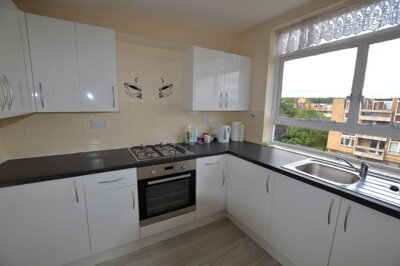
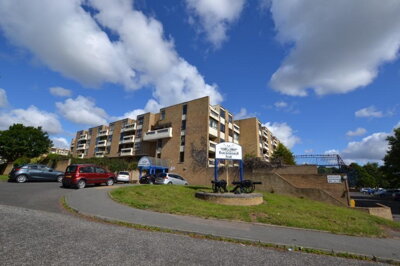
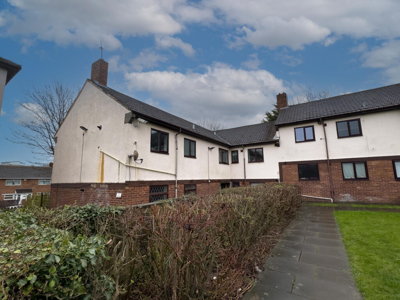
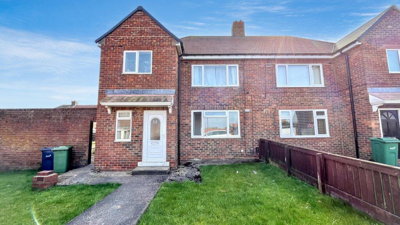
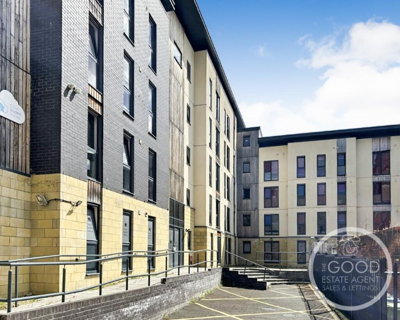
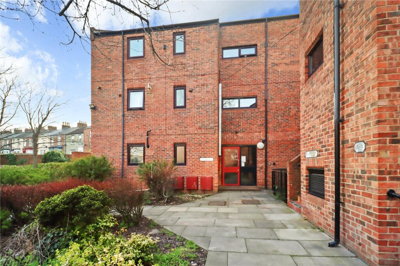
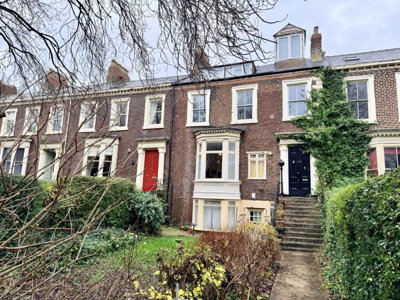
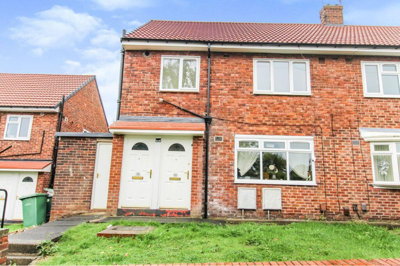
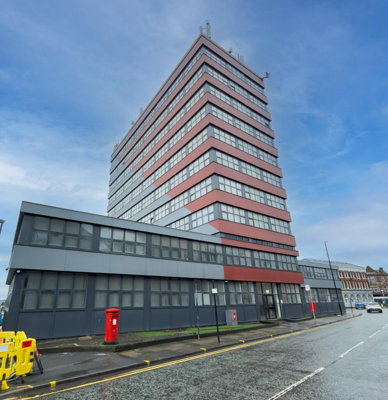
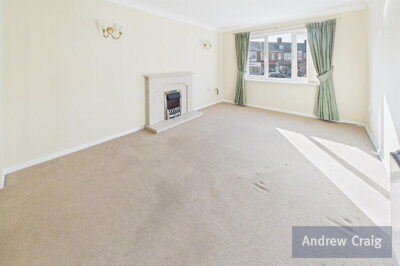
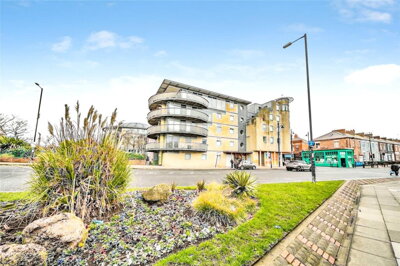
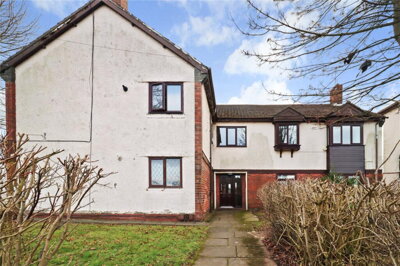
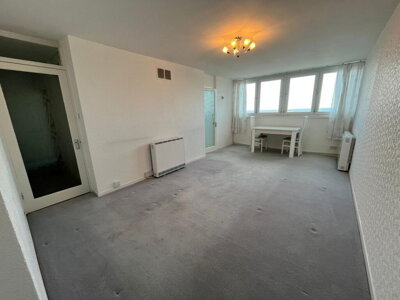
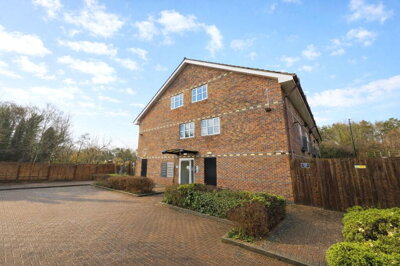
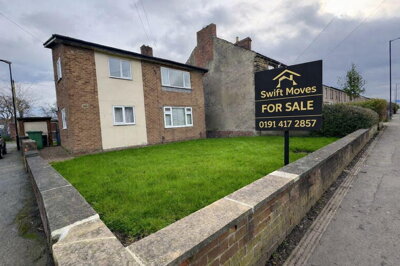
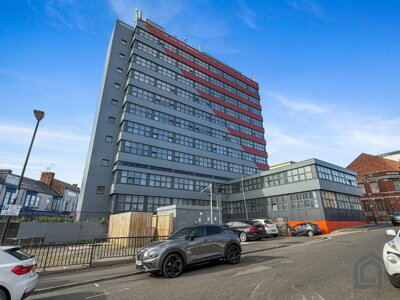
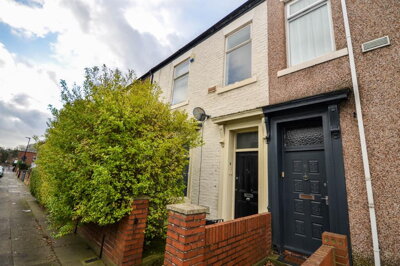
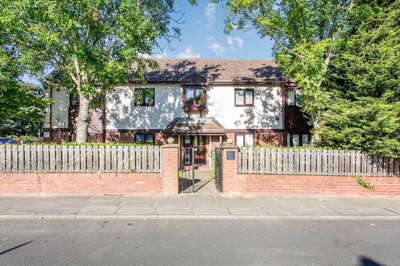
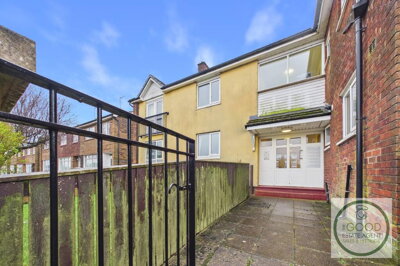
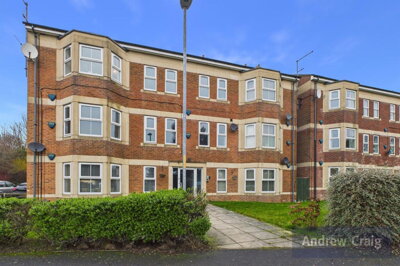
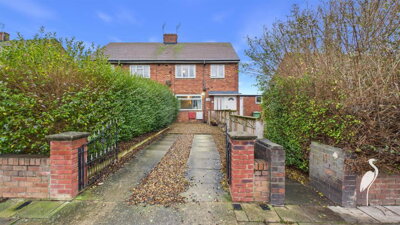
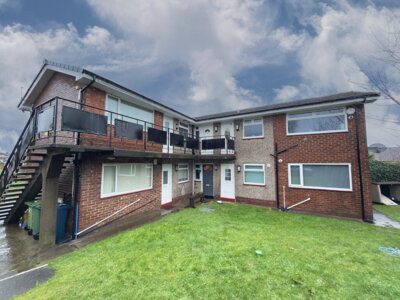
Browse 90 homes for sale in Sunderland, North East from local estate agents.
One bed apartments provide a separate bedroom alongside distinct living space, bathroom, and kitchen areas. Properties in Sunderland are available in various building types including mansion blocks, contemporary developments, and house conversions.
£45k
32
2
183
Source: home.co.uk
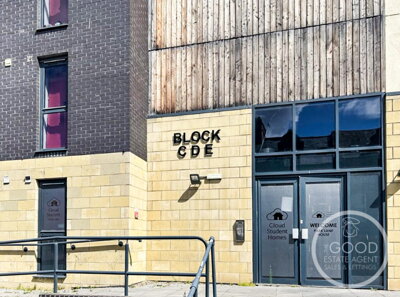
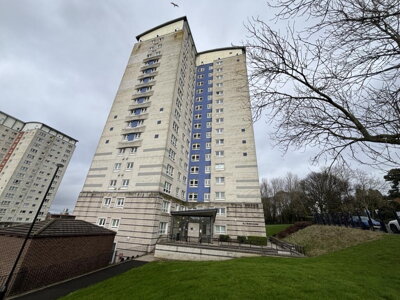
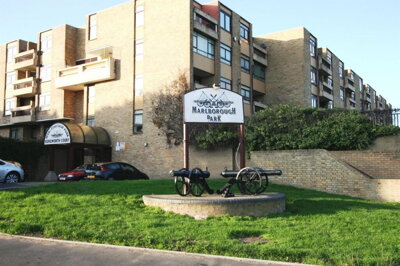
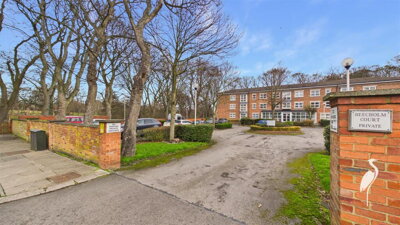
Showing 32 results for 1 Bedroom Flats for sale in Sunderland, North East. 2 new listings added this week. The median asking price is £45,000.
Source: home.co.uk
Flat
32 listings
Avg £50,084
Source: home.co.uk
Source: home.co.uk
Sunderland's housing market offers impressive variety at accessible price points, making it one of the most affordable major cities in England. Detached properties average £268,695, while semi-detached homes come in at around £160,865, making them particularly attractive for families seeking more space without the premium prices seen in southern England. Terraced properties, which represent nearly a third of the housing stock at 32.7%, typically sell for approximately £120,417, providing an excellent entry point for first-time buyers or those seeking character homes in established neighbourhoods. Flats and apartments average £84,888, offering affordable city centre living for professionals and downsizers alike.
The city is seeing active new build development across several sites, with properties available across different price points and specifications. Miller Homes offers 3 and 4 bedroom homes at Potter's Hill and Cherry Tree Park in the SR3 postcode area (both from £209,995), while Bellway's The View development provides family homes from £224,995 in SR3. For more affordable options, Persimmon Homes at North Moor offers 2, 3, and 4 bedroom properties from just £164,995. Avant Homes at South Hylton (SR4) provides larger family homes from £229,995. These new build developments are particularly concentrated in the SR3 and SR4 postcode areas, offering modern specifications and energy-efficient designs for buyers seeking a move-in ready home.
Price growth across different property types has been remarkably consistent, with detached homes increasing by 2.08%, semi-detached by 2.17%, terraced by 2.19%, and flats by 2.05% over the past year. This steady growth pattern indicates a stable market rather than volatile price swings, which can be reassuring for both buyers and sellers. The consistency across property types suggests balanced supply and demand across the market, meaning buyers have genuine choice regardless of their preferred property type. With 2,827 property sales completed in the past year, there is sufficient transaction volume to indicate genuine market activity and validate these pricing trends.

Sunderland is a city that successfully balances its industrial heritage with modern regeneration and cultural investment. The housing stock reflects this evolution, with semi-detached properties comprising 36.1% of homes, terraced houses at 32.7%, and a growing proportion of flats and apartments at 16.6% serving the city centre population. The population of approximately 277,400 creates a lively urban community while retaining the neighbourly feel of a city where people know their local area well. This balance between urban amenities and community atmosphere makes Sunderland particularly appealing to families and those seeking a slower pace of life compared to larger cities.
Major employers shape the character of different neighbourhoods throughout Sunderland. Nissan's automotive manufacturing plant remains a cornerstone of the local economy, providing thousands of skilled manufacturing jobs and attracting workers to surrounding areas in Washington and the southern parts of the city. The University of Sunderland attracts students and academics to the surrounding areas of Centenary Quarter and the central campus, supporting a vibrant rental market for investors. Sunderland Royal Hospital provides significant healthcare employment, and the city's growing technology and digital sectors are creating new opportunities that draw younger residents to the area. These employment centres create distinct residential micro-markets throughout the city, from the family-oriented suburbs near Nissan to the student accommodation areas near the university.
The Riverside Sunderland masterplan is transforming the riverside with new residential, commercial, and leisure developments. The City Hall development and the upcoming major residential schemes along the Wear are reshaping the central waterfront, making areas like Monkwearmouth and the riverside increasingly desirable for professionals who want to live close to work and amenities. The seafront and coastal areas at Seaburn and Roker provide popular recreational destinations, while the National Trust's Souter Lighthouse draws visitors to the coast. Within the city, residents enjoy access to parks, leisure centres, restaurants, and cultural venues including the Empire Theatre and Sunderland Museum and Winter Gardens, providing entertainment options that rival much larger cities.

Education is a significant factor for families considering a move to Sunderland, and the city offers a comprehensive range of schooling options across all levels. Primary schools in the area include well-regarded options such as St Mary's Primary School, Grindon Hall Christian Primary School, and Southwick Primary School, serving communities across the city from the suburban estates to more central locations. Secondary education includes both community schools and academy options, with institutions feeding into respected secondary schools across the city. Parents should research individual school performance data and admission catchment areas, as these can significantly impact property values in specific neighbourhoods and should be factored into any house-hunting decision.
For higher education and further study, the University of Sunderland itself offers undergraduate and postgraduate degrees across multiple disciplines including business, computing, engineering, and health sciences. The university's growing reputation, particularly for its nursing and maritime programmes, attracts students nationally and internationally, supporting a consistent demand for rental accommodation in areas close to campus. For students and residents seeking vocational qualifications, the college sector provides pathways into trades, business, and technology careers, with strong links to local employers including Nissan for apprenticeships and technical qualifications.
The city's educational infrastructure extends beyond formal schooling to include excellent leisure facilities for young people. The Sunderland Aquatic Centre and the city's network of sports clubs provide opportunities for children and teenagers to pursue activities outside school hours. Libraries, community centres, and youth services across the city provide additional support for families. Properties in catchment areas for well-performing schools often command a premium, so for families with school-age children, researching the local school landscape before house-hunting can help prioritise which neighbourhoods to focus on and potentially save money by avoiding premium areas if school catchment boundaries are not a priority.
Sunderland offers excellent connectivity that makes it attractive to commuters and those needing regional access. The city sits on the Durham Coast Line, with regular train services from Sunderland railway station providing direct connections to Newcastle in approximately 30 minutes, and onward travel to other major cities including Leeds, Manchester, York, and London King's Cross. The Tyne and Wear Metro system extends to Sunderland, with stations at Sunderland itself, Park Lane, University, and Monkwearmouth, providing integrated public transport across the region for those who prefer rail travel for daily commuting or leisure trips.
Road connectivity is strong, with the A19 trunk road running north-south through the city, providing straightforward access to Newcastle, the A1(M), and connections to the wider motorway network. For those travelling south, the A1(M) links Sunderland to Durham, Newcastle, and onwards to the rest of the country. The strategic road position means that major employment centres in the North East are accessible within reasonable commute times. The city is approximately 15 miles from Newcastle International Airport, offering domestic flights and connections to European destinations, making international travel straightforward from Sunderland. The Port of Sunderland provides freight connections and industrial employment, while the proximity to the coast makes the city attractive for those who want coastal living with city amenities.
Within the city itself, the road network is well-developed, with the Northern Relief Road and the Iveagh Roundabout improving traffic flow in recent years. Parking availability varies significantly by neighbourhood, with city centre flats typically offering permit parking schemes while suburban areas generally provide driveways or on-street parking. The Washington Road corridor and surrounding areas offer good access to the A19 while remaining within easy reach of local amenities. For commuters to Newcastle, the route via the A19 and the Tyne Tunnel provides the most direct access, though traffic levels during peak hours should be factored into journey time estimates. The combination of road, rail, and metro options gives Sunderland residents genuine flexibility in how they travel.
Contact a mortgage broker or bank to obtain an agreement in principle before viewing properties. Sunderland's housing market moves steadily with around 2,827 sales annually, and having your finances confirmed strengthens your offer position. With average prices at £156,762, many buyers will find they can borrow more than they might expect, particularly with competitive rates currently available.
Explore different areas based on your priorities - consider proximity to schools if you have children, commute times to Newcastle or other employment centres, and the character of each neighbourhood from city centre apartments in the regenerating riverside area to suburban family homes in SR3 and SR4 postcodes. Each area has distinct characteristics in terms of property types, price ranges, and local amenities.
Use Homemove to browse the full range of properties for sale across Sunderland, saving listings that match your criteria and arranging viewings through the listed estate agents. Take time to visit properties at different times of day and consider the neighbourhood atmosphere, local traffic, and proximity to amenities.
Before completing your purchase, arrange a homebuyers report to assess the property condition. For a typical Sunderland property, expect to pay £450-600 for a 3-bedroom semi-detached or £550-750 for a larger detached home. Given Sunderland's significant proportion of older properties with potential mining legacy or construction issues, a survey is particularly valuable.
Appoint a solicitor experienced in Sunderland property transactions to handle the legal work, local authority searches, drainage searches, and contract negotiations. A local solicitor will be familiar with Sunderland-specific issues including mining reports and any local development plans that might affect the property.
Once all searches are satisfactory, your mortgage offer is confirmed, and any issues identified in your survey have been addressed or considered, you will exchange contracts and set a completion date. This is typically 2-4 weeks after exchange, at which point you will receive your keys to your new Sunderland home.
Sunderland's housing stock reflects its industrial heritage and subsequent development phases, with distinct construction methods found across different property ages and areas. The predominant building material is brick, typically red brick, which characterises the Victorian and Edwardian terraces of neighbourhoods like Bishopwearmouth, Ashbrooke, and the areas surrounding the Stadium of Light. These older properties, dating from the pre-1919 period, often feature solid wall construction rather than modern cavity walls, which affects insulation performance and may require specialist surveys to assess their condition accurately.
Properties built between 1919 and 1945 typically incorporate traditional cavity wall construction, though the cavity width may be narrower than modern standards. Timber suspended floors were common on ground floors during this period, and these can be susceptible to rot or woodworm if ventilation has been compromised. The post-war to 1980 period saw significant housing development across Sunderland's suburbs, with semi-detached and terraced properties built using cavity wall construction with slate or clay tile roofs. Many of these properties now fall into the 50-plus age bracket where issues such as outdated electrics, original windows, and aging plumbing systems become increasingly common.
The city's industrial legacy means that many areas have underlying Coal Measures which can affect ground conditions. Properties in former mining areas, particularly in Houghton-le-Spring, Herrington, and other former mining districts, may have historical mine workings beneath them that require specific reports during conveyancing. Additionally, some areas of Sunderland may have elevated radon levels, and while not a high-risk area overall, a radon test might be recommended in certain circumstances. Understanding the construction and geological context of your potential purchase helps inform both the survey requirements and the long-term maintenance considerations for the property.
When purchasing property in Sunderland, understanding the common defects found in the local housing stock can help you make an informed decision and prioritise your survey requirements. Damp is one of the most frequently encountered issues, particularly in older terraced and semi-detached properties. This can manifest as rising damp due to failed or missing damp proof courses, penetrating damp from deteriorated render or brickwork, or condensation issues resulting from inadequate ventilation. Properties in conservation areas may have restricted options for addressing some of these issues due to planning requirements, so specialist surveys are recommended for period properties.
Roof condition is another common concern across Sunderland's housing stock, with issues including slipped tiles, damaged or deteriorated flashing, and general wear and tear on older roof coverings. Many properties built before the 1980s still retain original roof coverings that may be approaching the end of their serviceable life. Leadwork around chimneys, valleys, and junctions can deteriorate over time, leading to water ingress. During your survey, pay particular attention to the roof structure, especially in properties where theloft space shows signs of damp or timber deterioration, as repairs can be costly.
Timber defects including wet rot, dry rot, and woodworm can affect properties of any age but are particularly common where ventilation has been compromised or where damp issues have gone unaddressed. Our inspectors frequently find evidence of woodworm in floor timbers, staircases, and roof structures, particularly in properties with suspended wooden floors. Properties with original single-glazed windows and timber frames often show signs of decay in the frame members, particularly at the bottom of casements and frames where condensation runoff collects. Upgrading to double-glazed units can address both thermal and security concerns, though this should be considered alongside any heritage considerations for period properties.
Electrical and plumbing systems in older properties frequently require attention. Rewiring to meet current standards can be disruptive and expensive, particularly in properties with solid walls where chasing is required. Original fuse boxes and consumer units should be upgraded, and modern requirements for RCD protection mean that older installations may not meet current regulations. Similarly, plumbing systems in older properties may use galvanized steel or lead pipes that restrict water flow and may pose health concerns. Budgeting for these upgrades when purchasing an older property is prudent, and your survey report should highlight any immediate concerns or recommendations for further investigation by specialist contractors.
Sunderland's location on the North East coast and the presence of the River Wear running through the city creates specific flood risk considerations for property buyers. Properties near the riverbanks, particularly in South Hylton and along the riverside regeneration areas, face elevated flood risk from river flooding during periods of heavy rainfall or when combined with tidal conditions. The Environment Agency maintains flood risk data that should be consulted during the property search process, and your conveyancing solicitor should obtain appropriate drainage and water searches to identify any flood risk associated with a specific property.
Coastal areas of Sunderland, including parts of Seaburn and Roker, are susceptible to tidal and storm surge events, particularly during severe weather conditions. While significant flood defences protect much of the urban area, low-lying coastal properties should be researched carefully. Surface water flooding can occur during heavy rainfall, especially in urban areas with significant impermeable surfaces where drainage systems may be overwhelmed. Properties in hollows, dips, or areas with poor natural drainage are particularly susceptible to surface water flooding, and this risk may not always be apparent from a visual inspection alone.
Given Sunderland's geological context, ground conditions should also be considered. The Magnesian Limestone bedrock generally provides stable foundations, but areas with superficial deposits of glacial till (boulder clay) can experience some shrink-swell movement, particularly where clay content is high and trees or large shrubs are nearby. Properties built over or near historical coal mine workings require specific attention, and a mining report should be obtained as part of your conveyancing process. While significant subsidence events are relatively rare, minor ground movement can affect foundations, particularly in older properties that may not have been designed with modern load requirements in mind.
Sunderland's conservation areas, including Sunniside, Bishopwearmouth, and Ashbrooke, impose restrictions on external alterations and renovations that property buyers should understand. Properties within these designated areas require planning permission or listed building consent for many alterations including window replacement, roof changes, extensions, and significant external modifications. These restrictions aim to preserve the architectural character and historic value of these neighbourhoods, but they can limit what changes you can make to a property and may increase the cost and complexity of renovation projects.
Listed buildings in Sunderland range from the Grade I listed Sunderland Minster and other significant civic structures to numerous Grade II listed Victorian and Edwardian homes scattered throughout older residential areas. Listed Building Consent is required for most works to listed structures, inside and out, and consent is typically only granted where works respect the building's historic character and are carried out using appropriate materials and techniques. Properties that are listed buildings may require more specialist surveys and almost certainly involve higher maintenance costs, as traditional materials and methods must often be used for repairs.
If you are considering a period property in a conservation area or a listed building, a RICS Level 3 Building Survey (formerly a Full Structural Survey) is generally recommended rather than a standard Level 2 survey. The Level 3 survey provides more detailed analysis of construction, materials, and defects, and is better suited to historic or complex properties where a thorough understanding of the building's condition and any issues is essential before purchase. Your surveyor should be experienced in historic buildings and familiar with the specific requirements of conservation areas in the Sunderland context.
The average house price in Sunderland is currently £156,762, based on recent sales data. Property prices vary significantly by type, with detached homes averaging £268,695, semi-detached properties at £160,865, terraced houses at £120,417, and flats at £84,888. Prices have increased by 2.15% over the past 12 months, with remarkably consistent growth across all property types, showing steady and consistent growth that reflects Sunderland's stable housing market and growing appeal to buyers seeking value for money compared to other UK cities. With 2,827 property sales completed in the past year, the market demonstrates genuine activity and liquidity.
Sunderland falls under Sunderland City Council, and council tax bands vary by property based on its assessed value. Bands range from A (the lowest) to H (the highest), with most residential properties falling in bands A through D. The actual amounts are set annually by the council and can be confirmed through the local authority website or your solicitor during the conveyancing process. Properties in newer developments or larger detached homes typically fall into higher bands, and the band can affect both your ongoing annual costs and the overall affordability calculation when budgeting for your purchase. Checking the council tax band before committing to a purchase is straightforward and should be part of your due diligence.
Sunderland offers a good selection of primary and secondary schools across the city. Well-regarded primary schools include St Mary's Primary School, Grindon Hall Christian Primary School, and Southwick Primary School, serving communities across the city from suburban estates to more central locations. For secondary education, there are various options including community schools and academies, with reputations varying by institution, and parents should research individual school Ofsted ratings when house-hunting. The University of Sunderland provides higher education options with growing national recognition in several subject areas, while further education colleges serve students seeking vocational qualifications and apprenticeships.
Sunderland benefits from excellent public transport links that make commuting practical and straightforward. The city is served by the Tyne and Wear Metro system, providing integrated travel across the region with stops at Sunderland, University, Monkwearmouth, and Park Lane. Sunderland railway station offers direct train services to Newcastle (approximately 30 minutes), with connections to cities nationwide including London King's Cross, Leeds, and Manchester. The A19 provides straightforward road access to Newcastle and the wider motorway network, while Newcastle International Airport is approximately 15 miles away, offering domestic and European flights.
Sunderland offers several attractions for property investors seeking rental income or capital growth. The average price of £156,762 provides accessible entry points compared to many UK cities, while steady price growth of 2.15% annually demonstrates consistent demand without the volatility seen in some markets. Major employers including Nissan, the University of Sunderland with its growing student population, and growing technology sectors provide stable employment that supports tenant demand. The city centre regeneration and new build developments are enhancing the area's appeal to renters seeking modern accommodation. However, investors should consider factors including mining legacy issues that may affect certain properties, the prevalence of leasehold flats with service charges, and should factor in void periods and maintenance costs when calculating yields.
For standard purchases, stamp duty (SDLT) applies at 0% on the first £250,000, 5% on £250,001 to £925,000, 10% on £925,001 to £1.5 million, and 12% above £1.5 million. As a first-time buyer, you pay 0% on the first £425,000, 5% on £425,001 to £625,000, with no relief above that threshold. Given Sunderland's average price of £156,762, most standard purchases would attract no stamp duty at all, while first-time buyers purchasing at or below the average price would pay no SDLT whatsoever, representing significant savings compared to buying in more expensive regions. Your solicitor will handle the SDLT submission and payment on your behalf as part of the conveyancing process.
Given Sunderland's specific characteristics, there are several area-specific considerations for buyers to bear in mind. The mining legacy across many parts of the city means that obtaining a mining report is advisable, particularly for properties in Houghton-le-Spring, Herrington, and other former mining districts. Flood risk varies by location, with properties near the River Wear in South Hylton and along the riverside facing elevated risk, so drainage and flood risk searches should be reviewed carefully. For conservation area or listed properties in Bishopwearmouth, Ashbrooke, and Sunniside, understand that external alterations will require consent and may be restricted. Your RICS Level 2 survey should specifically address construction type, roof condition, damp and timber defects, which our inspectors find are among the most common issues in Sunderland's older housing stock.
When purchasing property in Sunderland, using a solicitor with local experience can be advantageous given the area-specific issues that may arise during conveyancing. Look for a solicitor who is familiar with Sunderland property transactions and can advise on local issues including mining reports, flood risk searches, and any local development plans that might affect the property. Many conveyancing solicitors offer fixed-fee packages for standard transactions, with typical fees starting from around £499 for residential purchases. Always confirm what is included in the quote, as additional searches or complexity can incur extra costs. Your mortgage broker or estate agent may be able to recommend local conveyancing firms with good reputations.
From 4.5%
Get competitive mortgage deals tailored to Sunderland property values
From £499
Local solicitors experienced in Sunderland property transactions
From £450
Professional survey by RICS qualified inspectors
From £85
Energy performance certificate for your new home
Properties for Sale In London

Properties for Sale In Plymouth

Properties for Sale In Liverpool

Properties for Sale In Glasgow

Properties for Sale In Sheffield

Properties for Sale In Edinburgh

Properties for Sale In Coventry

Properties for Sale In Bradford

Properties for Sale In Manchester

Properties for Sale In Birmingham

Properties for Sale In Bristol

Properties for Sale In Oxford

Properties for Sale In Leicester

Properties for Sale In Newcastle

Properties for Sale In Leeds

Properties for Sale In Southampton

Properties for Sale In Cardiff

Properties for Sale In Nottingham

Properties for Sale In Norwich

Properties for Sale In Brighton

Properties for Sale In Derby

Properties for Sale In Portsmouth

Properties for Sale In Northampton

Properties for Sale In Milton Keynes

Properties for Sale In Bournemouth

Properties for Sale In Bolton

Properties for Sale In Swansea

Properties for Sale In Swindon

Properties for Sale In Peterborough

Properties for Sale In Wolverhampton

Enter your details to see if this property is within your budget.
Loans, cards, car finance
Estimated property budget
Borrowing + deposit
You could borrow between
Typical borrowing
Monthly repayment
Est. at 4.5%
Loan-to-value
This is an estimate only. Your actual budget may vary depending on interest rates, credit history, and personal circumstances. For an accurate affordability assessment, speak to one of our free mortgage advisors.
This calculator provides estimates for illustrative purposes only and does not constitute financial advice. Your home may be repossessed if you do not keep up repayments on your mortgage. Estimates based on 4.5% interest rate, repayment mortgage. Actual rates depend on your circumstances.
Homemove is a trading name of HM Haus Group Ltd (Company No. 13873779, registered in England & Wales). Homemove Mortgages Ltd (Company No. 15947693) is an Appointed Representative of TMG Direct Limited, trading as TMG Mortgage Network, which is authorised and regulated by the Financial Conduct Authority (FRN 786245). Homemove Mortgages Ltd is entered on the FCA Register as an Appointed Representative (FRN 1022429). You can check registrations at NewRegister or by calling 0800 111 6768.

We use cookies to show you personalised content and improve your experience of our website. Find out more in our Privacy policy and Cookie policy.