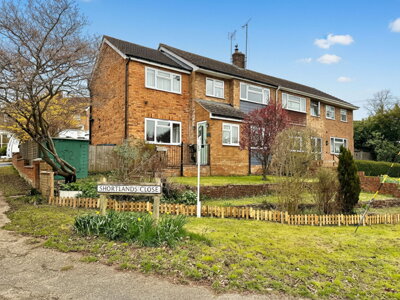
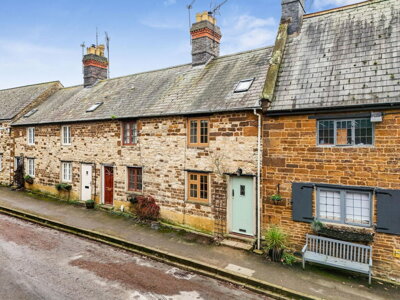
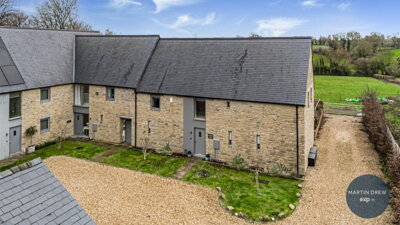
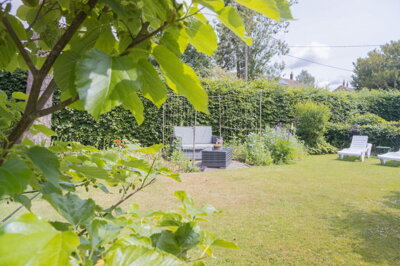
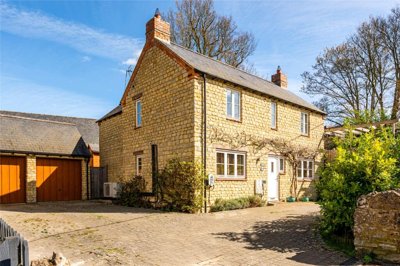
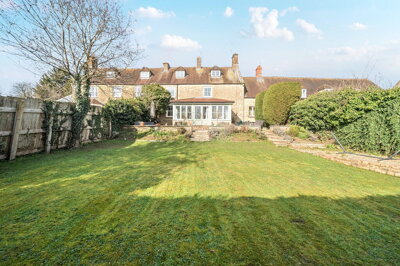
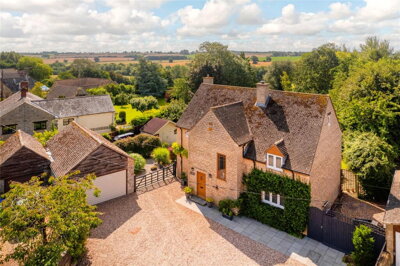
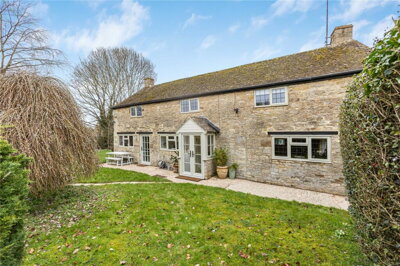
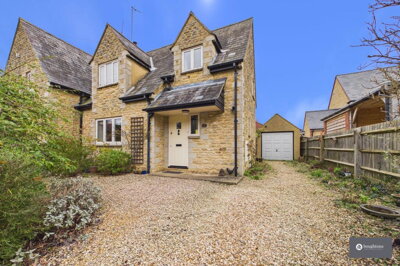
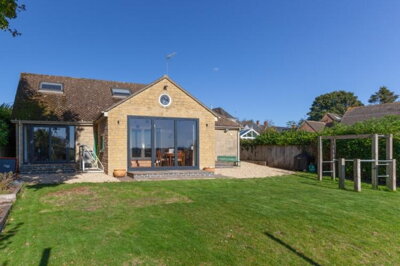
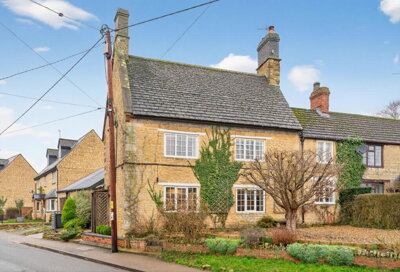
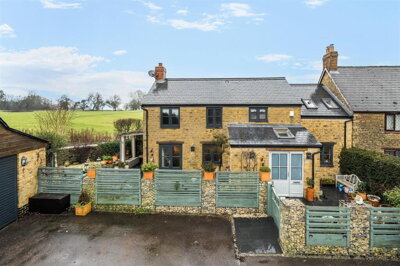
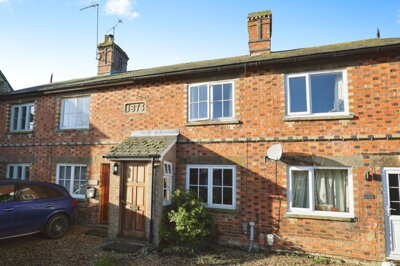
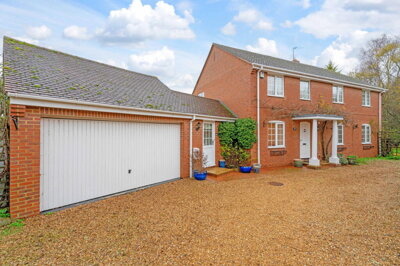
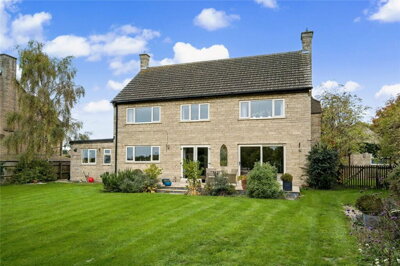
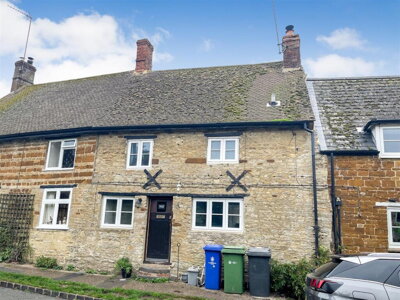
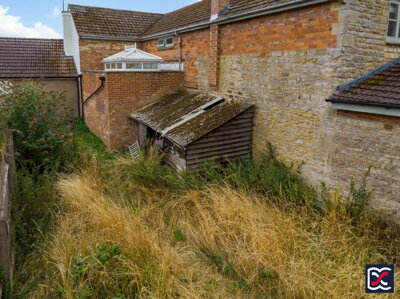
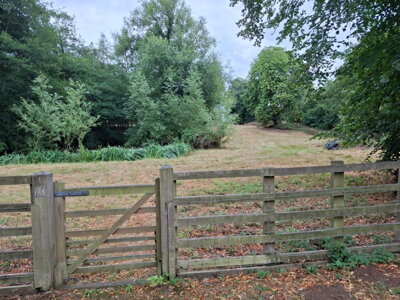
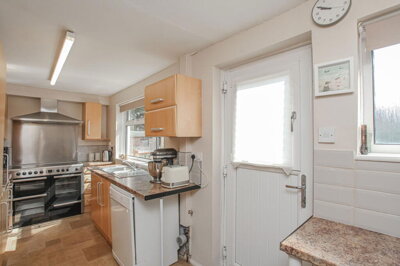
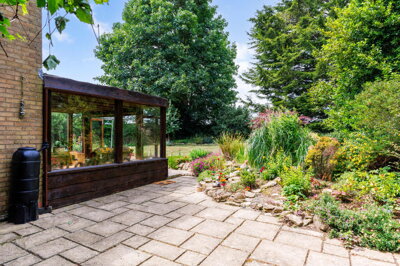
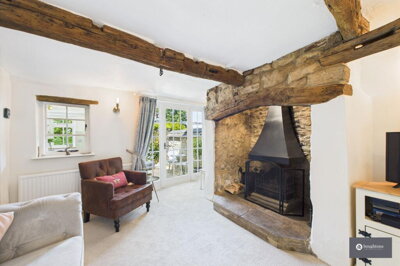
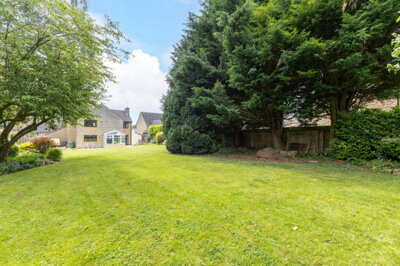
Browse 32 homes for sale in Sulgrave, West Northamptonshire from local estate agents.
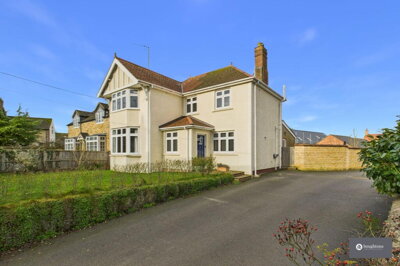
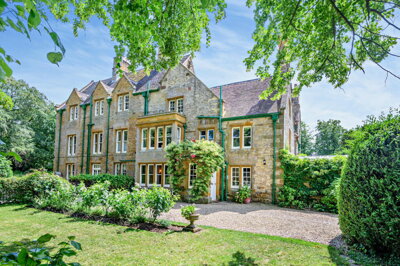
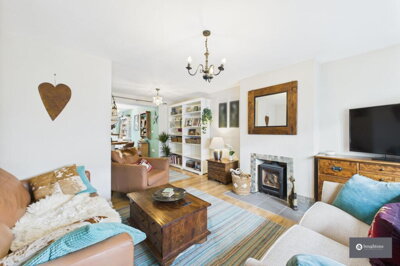
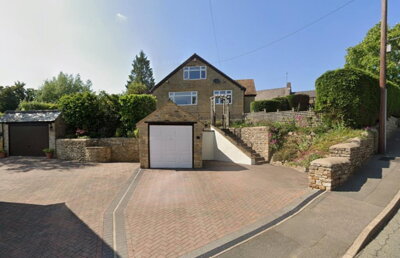
The Sulgrave property market offers detached, semi-detached, and terraced houses spanning various price ranges and neighbourhoods. Each listing includes detailed property information, photographs, and direct contact with the marketing agent.
£0k
0
0
0
Source: home.co.uk
Showing 0 results for Houses for sale in Sulgrave, West Northamptonshire.
The Sulgrave property market reflects the village's premium position within the local area, with detached properties commanding the highest prices at an average of approximately £722,000. These substantial homes typically offer generous gardens, traditional stone construction, and the spacious plots that characterise this sought-after village. Semi-detached properties in Sulgrave average around £685,000, while terraced homes provide a more accessible entry point at approximately £461,000. The market remains active despite economic pressures, with prices rising 13% over the previous year and currently sitting 4% above the 2022 peak of £724,132.
Detached houses dominate the sales activity in Sulgrave, accounting for 54.55% of all transactions over the past two years. This reflects the strong demand for spacious family homes with private gardens in rural settings. The village does not have any active new-build developments within its boundaries, which means buyers seeking modern specification homes may need to consider nearby villages such as Middleton Cheney, approximately three miles away, where developments like Middleton Meadows offer contemporary 3, 4, and 5-bedroom options frombuilder Mulberry Homes. The limited supply of new properties in Sulgrave itself contributes to the robustness of prices for existing stock, particularly for character properties with original features.
The premium nature of Sulgrave property prices reflects several compounding factors. The village's Conservation Area designation restricts new development, effectively capping supply of available properties. Historic stone homes with original features command higher prices than comparable modern equivalents elsewhere. The international appeal of Sulgrave Manor, as the ancestral home of George Washington, attracts American buyers specifically seeking connections to early American history. These factors combine to create a resilient market where properties in the village tend to hold their value well, even during periods of broader market uncertainty.
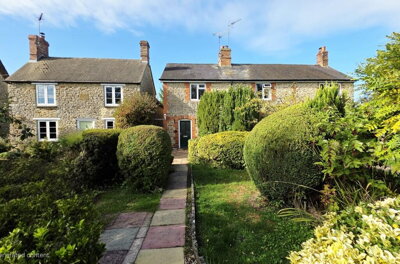
Sulgrave's distinctive character stems from its geological foundation, as the village sits on a ridge of pale grey oolitic limestone that has shaped both its architecture and identity over centuries. From the early 17th century, wooden-framed houses with wattle and daub infill were gradually replaced by stone structures using this distinctive local material, creating the cohesive visual identity that defines the village today. Some properties incorporate darker reddish-brown marlstone or ironstone from nearby villages such as Eydon or Hornton for decorative detailing, adding visual interest to window dressings, corner-pieces, and gable-parapets. The result is a streetscape where traditional craftsmanship and natural materials create an undeniably appealing village environment that continues to attract buyers who value quality construction and historical authenticity.

Sulgrave presents a quintessential English village experience, with a population of approximately 380 residents who enjoy a close-knit community atmosphere that is increasingly difficult to find in modern Britain. The village stands on a ridge of pale grey oolitic limestone, a geological feature that has shaped both its architecture and character over centuries. From the early 17th century, wooden-framed houses with wattle and daub infill were gradually replaced by stone structures using this distinctive local material, creating the cohesive visual identity that defines the village today. Some properties incorporate darker reddish-brown marlstone or ironstone from nearby villages for decorative detailing, adding visual interest to window dressings, corner-pieces, and gable-parapets.
The community spirit in Sulgrave is evident through local events, the historic parish church of St James the Less dating to the 13th and 14th centuries, and the unique cultural significance of Sulgrave Manor. This Grade I listed building served as the ancestral home of George Washington, the first President of the United States, attracting American visitors and adding international historical significance to the village. The connection to American history is celebrated locally and internationally, with the manor drawing visitors who wish to explore their ancestral connections to the founding father. Residents benefit from agricultural heritage that remains part of the local economy, alongside tourism connected to the manor and the picturesque countryside setting.
Many villagers commute to larger towns including Banbury, Brackley, Daventry, Northampton, and even London for work in sectors spanning building, catering, education, finance, industry, public service, retail, and transport. The village's proximity to the M40 motorway at Banbury makes commuting to Oxford in approximately 30 minutes and Birmingham in around 45 minutes practical for those who need regular access to these employment centres. Northamptonshire's broader economy is driven by manufacturing, advanced engineering, automotive production, logistics and distribution, and growing creative and digital industries, providing diverse employment opportunities within reasonable reach of the village.

Families considering a move to Sulgrave will find educational provision primarily located in the surrounding market towns and larger villages, with the village itself lacking school facilities within its boundaries. The village falls within the catchment area for primary schools in nearby communities, with several good and outstanding-rated options within a short drive including schools in Middleton Cheney, Byfield, and Chacombe. Parents should research specific catchment areas and admission policies, as these can significantly influence school allocations and early morning transport arrangements for younger children.
Secondary education options in the region include well-regarded schools in Banbury, approximately 6 miles from Sulgrave, where families can access comprehensive schools with strong academic records and extracurricular programmes. The town offers several secondary schools serving different catchments, with some offering sixth form provision and a range of A-level subjects. For families seeking grammar school provision, the nearest grammar schools are located in larger towns further afield, requiring careful consideration of transport arrangements and admission criteria. Several independent schools in Northamptonshire and Oxfordshire also serve the area, providing alternative educational pathways for families with specific preferences or those seeking faith-based education.
Sixth form provision is available at secondary schools in Banbury and through further education colleges in the surrounding towns, with good transport links making these accessible from Sulgrave. Families moving to the area should register interest with their preferred schools early, as catchment areas for popular schools can be competitive in this desirable rural location. School transport arrangements, including bus services and parking provision at local stations, are practical considerations for secondary aged children who will need to travel to Banbury or beyond for their education.
Despite its rural setting, Sulgrave offers reasonable transport connections that make commuting feasible for residents who work in larger towns or cities. The village is situated approximately 6 miles from Banbury, where Banbury railway station provides regular services to London Marylebone with journey times of around one hour. This direct connection to the capital makes Sulgrave attractive to commuters who need regular access to London while enjoying the benefits of countryside living. Birmingham can also be reached by train from Banbury in approximately one hour, opening employment opportunities in the West Midlands conurbation.
Road connectivity from Sulgrave is supported by the A422 and A361, which provide routes to nearby towns including Banbury, Brackley, and Daventry. The A422 passes through the village and connects southward towards Banbury, while the A361 provides access to Daventry and Northamptonshire's county town of Northampton. The M40 motorway is accessible from Banbury, offering connections to Oxford in approximately 30 minutes and Birmingham in around 45 minutes. Bus services connect Sulgrave with surrounding villages and towns, though frequencies may be limited compared to urban areas, typically running hourly or less frequently on weekdays with reduced weekend services.
Residents who commute regularly typically rely on private vehicles, and parking provision at Banbury station makes this practical with daily and season ticket options available. For those working locally, the proximity of villages like Middleton Cheney and Byfield provides access to local employment, shops, and services without lengthy journeys. Cycling is popular for shorter local journeys, with the countryside lanes offering pleasant routes between villages when weather and distance permit. The village's position off major through-routes means traffic levels remain low, contributing to the peaceful character that residents value.
The solid geology of Sulgrave includes Inferior Oolite limestone and Upper Lias clays, with the underlying geology at Sulgrave Manor specifically characterised by Upper Lias Clay deposits. This geological composition presents specific considerations for prospective buyers, as clay-rich soils are susceptible to shrink-swell behaviour caused by variations in moisture content. This volume change in the ground can lead to heave or subsidence, which is considered the most damaging geohazard in Britain and can affect property foundations over time.
Properties built on shallow foundations, which is common among older stone structures dating from the 17th century onwards, may show signs of movement or subsidence over their lifespan. The village's older properties typically have traditional strip foundations that may not extend to the depth that modern building regulations would require for new construction. Before purchasing any property in Sulgrave, review any survey reports carefully and consider commissioning a RICS Level 3 Building Survey for older or more complex properties that may be more susceptible to ground movement issues.
Flood risk in Sulgrave is generally low, as the village sits inland away from major rivers, though a small brook flows north of the village before joining the River Tove. This brook poses minimal flood risk to the village itself during normal conditions, though extreme weather events could potentially cause localised surface water accumulation in low-lying areas. Surface water flooding risk should be assessed using Environment Agency mapping tools, and specific property searches will reveal whether any flooding has affected individual plots. Sulgrave is an inland location, so there is no coastal flood risk to consider.
Explore our listings to understand the range of properties available in Sulgrave, from historic stone cottages to substantial detached family homes. The village offers limited new-build options, so focus your search on existing properties, many of which feature traditional limestone construction and character features. Understanding price points for different property types will help you set realistic expectations and prioritise properties that meet your requirements.
Before arranging viewings, obtain a mortgage agreement in principle from a lender to confirm your borrowing capacity. Properties in Sulgrave command premium prices, with detached homes averaging £722,000, so having your finance confirmed strengthens your position when making offers. Our mortgage partners can help you compare rates and find the most suitable product for your circumstances, whether you are a first-time buyer or moving from another property.
Visit multiple properties in Sulgrave to compare their condition, character, and suitability for your needs. Pay particular attention to the construction materials, as many properties are built from local limestone and may require specific maintenance approaches including lime mortar pointing rather than cement. Our platform connects you with local estate agents who can arrange viewings and provide insights into the history and condition of individual properties.
Given the prevalence of older properties in Sulgrave, including many listed buildings and Conservation Area restrictions, a thorough survey is essential. A RICS Level 2 Survey typically costs between £416 and £639 nationally, rising for higher-value properties in this premium location. For the historic stone homes common in this village, specialist surveys can identify issues related to traditional construction methods, listed building considerations, and the condition of older plumbing and electrical systems.
Once your offer is accepted, instruct a conveyancing solicitor to handle the legal aspects of your purchase. Your solicitor will conduct searches, handle land registry documentation, and manage the transfer of ownership, including checking for any planning conditions related to the Conservation Area status. Completion typically takes 8-12 weeks for standard transactions, though the presence of listed building or conservation considerations in Sulgrave may require additional time for due diligence.
The geology of Sulgrave presents specific considerations for prospective buyers, as the underlying Upper Lias Clay creates potential for shrink-swell ground movement that can affect property foundations. Properties built on shallow foundations, which is common among older stone structures, may show signs of movement or subsidence over time. Before purchasing, review any survey reports carefully and consider commissioning a RICS Level 3 Building Survey for older or more complex properties. The presence of listed building status or Conservation Area designation will also influence what alterations and improvements are permissible.
Many properties in Sulgrave feature original features such as thatched or stone slate roofs, timber-framed windows, and traditional lime-based pointing that require ongoing maintenance and specialist repair skills. Thatched roofs, traditionally made from wheatstraw, need re-rendering every 20-40 years depending on materials and exposure, while stone slate roofs from sources such as Collyweston or Stonesfield are durable but require careful handling when repairs are needed. Lime mortar pointing on stone walls should be maintained rather than replaced with cement, as cement can trap moisture and cause stone deterioration in traditional construction. Buyers should factor these maintenance considerations into their budget and understand that older properties may require more frequent upkeep than modern equivalents.
Flood risk in Sulgrave is generally low, as the village sits inland away from major rivers, though a small brook flows north of the village before joining the River Tove. Surface water flooding risk should be assessed using Environment Agency mapping tools, and specific property searches will reveal whether any flooding has affected individual plots. Sulgrave is an inland location, so there is no coastal flood risk to consider. The village's position on elevated ground generally provides protection from river flooding, though buyers should still review flood risk assessments for specific properties they are considering.
The average property price in Sulgrave stands at approximately £750,000, with detached properties averaging £722,000, semi-detached homes around £685,000, and terraced properties at approximately £461,000. Prices have risen 13% over the past year and are currently 4% above the 2022 peak of £724,132, indicating strong demand for properties in this sought-after village location. The village's Conservation Area status and lack of new-build development contribute to the premium pricing of existing properties.
Properties in Sulgrave fall under West Northamptonshire Council, with most residential properties in this rural village likely falling within council tax bands C through F depending on their valuation. The specific band depends on the property's assessed value, and you can verify the exact band through the Valuation Office Agency website or your solicitor during the conveyancing process. Banding affects monthly costs for utilities and council services, so this is worth confirming before committing to a purchase.
Sulgrave itself does not have schools within the village boundary, but primary schools in nearby villages such as Middleton Cheney, Byfield, and Chacombe serve the local area with good and outstanding Ofsted ratings. Secondary education is available in Banbury, approximately 6 miles away, with several secondary schools and sixth form colleges providing comprehensive educational options for families moving to the area. School catchment areas can be competitive, so parents should research specific allocations before making an offer on a property.
Public transport options in Sulgrave are limited, with bus services connecting the village to surrounding communities but at frequencies lower than urban areas, typically running hourly on weekdays. The nearest railway station is Banbury, approximately 6 miles away, offering direct services to London Marylebone in around one hour and Birmingham in approximately one hour, making the village attractive to commuters who work in the capital. Most residents rely on private vehicles for daily commuting and errands, and parking at Banbury station is practical for regular rail users.
Sulgrave offers strong investment fundamentals, with property prices showing consistent growth of 13% over the past year and limited new-build supply maintaining demand for existing properties. The village's Conservation Area status, historic character, and connection to American heritage through Sulgrave Manor help preserve property values over time. Rental demand may be modest given the village's size and the predominance of owner-occupier properties, but the premium nature of properties here suggests resilient long-term capital growth potential for investors with a medium to long-term horizon.
For properties purchased at the current average price of around £750,000, standard stamp duty rates apply with no SDLT on the first £250,000, 5% on the next £250,000, and 10% on the remainder, totalling £27,500 for standard buyers. First-time buyers purchasing properties up to £625,000 may qualify for relief, paying 0% on the first £425,000 and 5% on the amount between £425,001 and £625,000, reducing their SDLT to around £16,250. Properties above £625,000 do not qualify for first-time buyer relief, so higher value purchases in Sulgrave's premium market will attract standard rates.
Properties in Sulgrave frequently involve complexities that benefit from specialist legal knowledge, including Conservation Area restrictions that affect what alterations are permitted and listed building consents required for changes to the fabric of historic structures. A solicitor familiar with traditional stone construction and historic property issues can ensure that local authority searches reveal any relevant conditions, planning restrictions, or historic designations that might affect your intended use of the property. Given that many properties in the village are centuries old, understanding the implications of title deeds, restrictive covenants, and rights of way is essential for a smooth transaction.
Purchasing a property in Sulgrave involves several costs beyond the purchase price, with stamp duty land tax being a significant consideration for most buyers at the premium price points this village commands. For a typical property at the current average price of £750,000, buyers would calculate SDLT at 0% on the first £250,000 of the purchase price, 5% on the next £250,000, and 10% on the remaining £250,000. This results in a total SDLT bill of £27,500 for standard buyers, though first-time buyer relief can reduce this to around £16,250 for eligible purchasers who meet the criteria for properties up to £625,000.
Additional buying costs to budget for include solicitor fees for conveyancing, which typically range from £500 to £1,500 depending on complexity and whether the property is leasehold or freehold. Survey costs should also be factored in, with a RICS Level 2 Survey costing between £416 and £639 for a standard property, potentially higher for the larger or more complex homes common in Sulgrave where higher property values and older construction may increase inspection time. Given the prevalence of historic properties in the village, your solicitor should conduct thorough local authority searches, including any planning restrictions related to the Conservation Area status and checks on whether the property is listed.
Financial advisory fees, removal costs, and potential renovation expenses for period properties should also be considered when planning your overall budget for moving to Sulgrave. Properties with original features such as thatched roofs, timber windows, or historic pointing may require specialist maintenance that differs from standard property upkeep. Factor in potential costs for rewiring older electrical systems, upgrading plumbing, or improving insulation to modern standards while respecting the character of historic stone construction. Building regulations compliance and listed building consent requirements can add both time and cost to any renovation project in this village.
From 3.5%
Expert mortgage advice tailored to your circumstances. Work with advisors who understand the Sulgrave property market.
From £499
Specialist conveyancing solicitors to handle your Sulgrave property purchase. We work with firms experienced in historic and listed properties.
From £455
A comprehensive inspection of your Sulgrave property, ideal for standard construction and modern homes.
From £600
Detailed structural survey recommended for older stone properties, listed buildings, and properties showing signs of movement.
From £60
Energy Performance Certificate required for all property sales.
Properties for Sale In London

Properties for Sale In Plymouth

Properties for Sale In Liverpool

Properties for Sale In Glasgow

Properties for Sale In Sheffield

Properties for Sale In Edinburgh

Properties for Sale In Coventry

Properties for Sale In Bradford

Properties for Sale In Manchester

Properties for Sale In Birmingham

Properties for Sale In Bristol

Properties for Sale In Oxford

Properties for Sale In Leicester

Properties for Sale In Newcastle

Properties for Sale In Leeds

Properties for Sale In Southampton

Properties for Sale In Cardiff

Properties for Sale In Nottingham

Properties for Sale In Norwich

Properties for Sale In Brighton

Properties for Sale In Derby

Properties for Sale In Portsmouth

Properties for Sale In Northampton

Properties for Sale In Milton Keynes

Properties for Sale In Bournemouth

Properties for Sale In Bolton

Properties for Sale In Swansea

Properties for Sale In Swindon

Properties for Sale In Peterborough

Properties for Sale In Wolverhampton

Enter your details to see if this property is within your budget.
Loans, cards, car finance
Estimated property budget
Borrowing + deposit
You could borrow between
Typical borrowing
Monthly repayment
Est. at 4.5%
Loan-to-value
This is an estimate only. Your actual budget may vary depending on interest rates, credit history, and personal circumstances. For an accurate affordability assessment, speak to one of our free mortgage advisors.
This calculator provides estimates for illustrative purposes only and does not constitute financial advice. Your home may be repossessed if you do not keep up repayments on your mortgage. Estimates based on 4.5% interest rate, repayment mortgage. Actual rates depend on your circumstances.
Homemove is a trading name of HM Haus Group Ltd (Company No. 13873779, registered in England & Wales). Homemove Mortgages Ltd (Company No. 15947693) is an Appointed Representative of TMG Direct Limited, trading as TMG Mortgage Network, which is authorised and regulated by the Financial Conduct Authority (FRN 786245). Homemove Mortgages Ltd is entered on the FCA Register as an Appointed Representative (FRN 1022429). You can check registrations at NewRegister or by calling 0800 111 6768.

We use cookies to show you personalised content and improve your experience of our website. Find out more in our Privacy policy and Cookie policy.