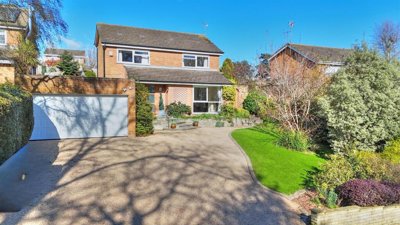
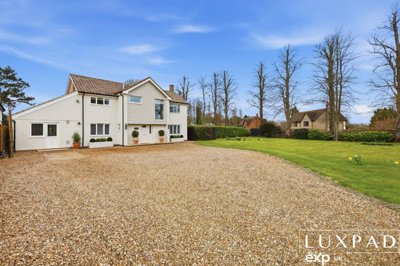
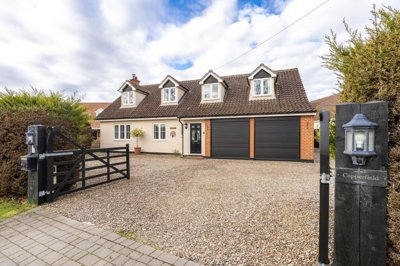
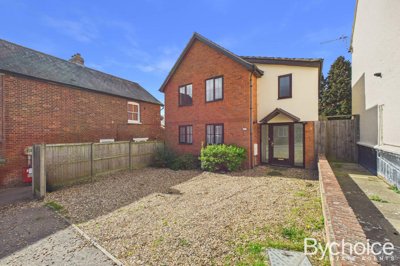
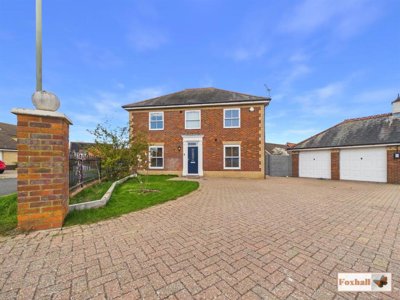
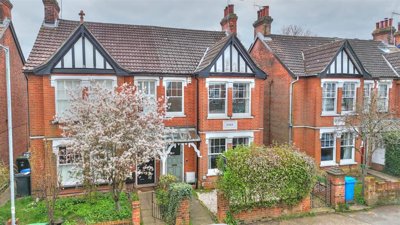
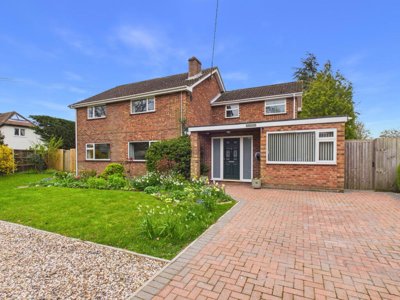
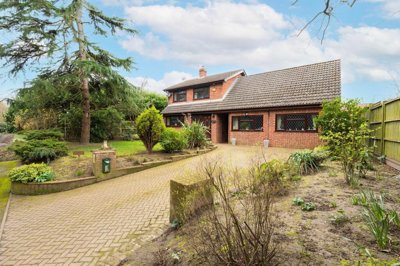
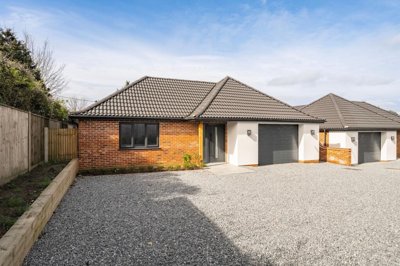
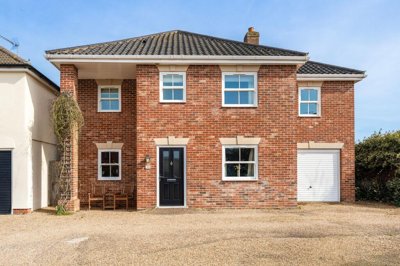
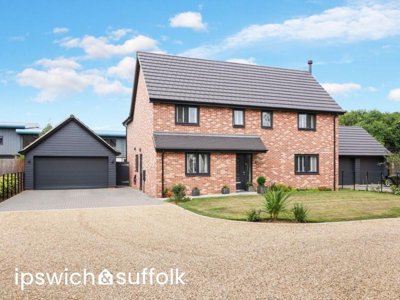
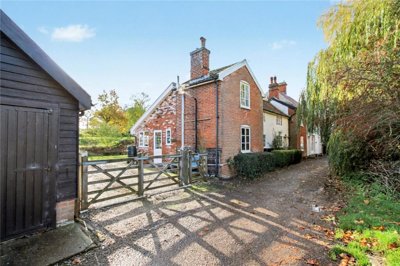
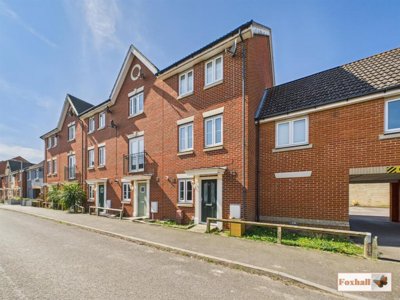
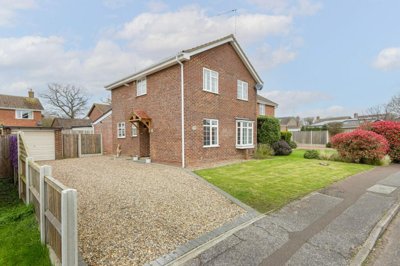
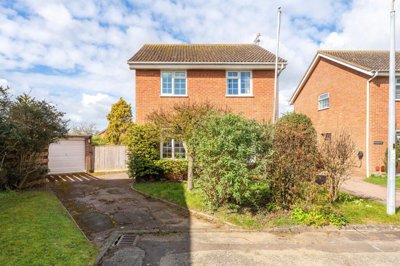
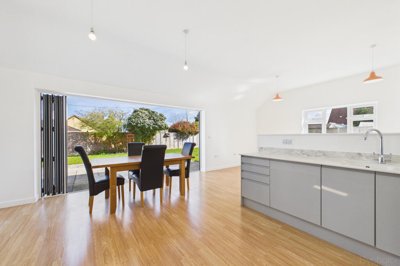
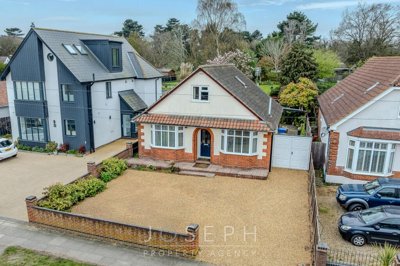
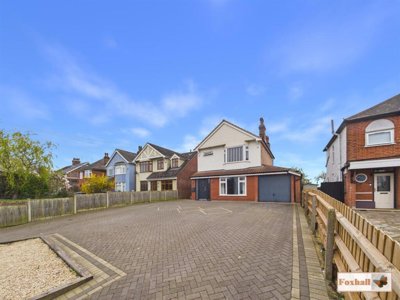
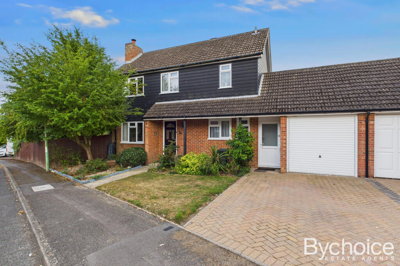
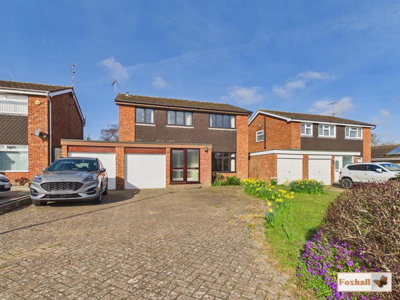
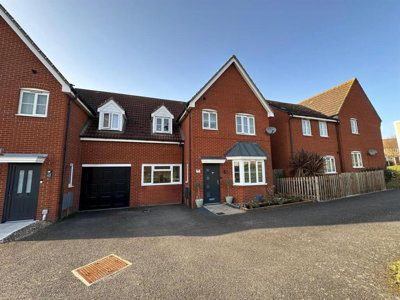
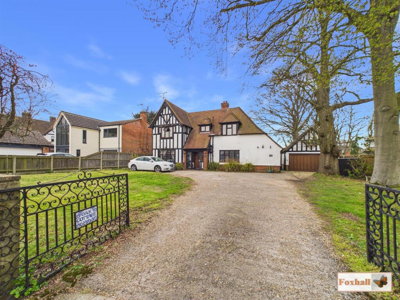
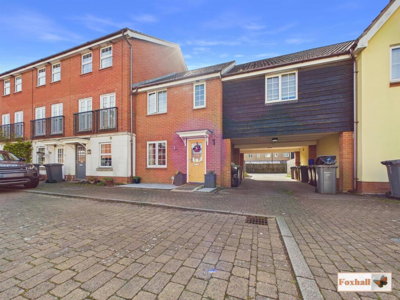
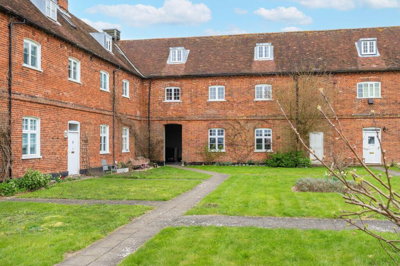
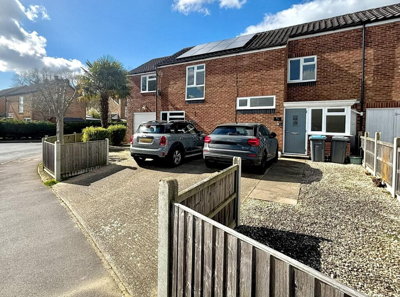
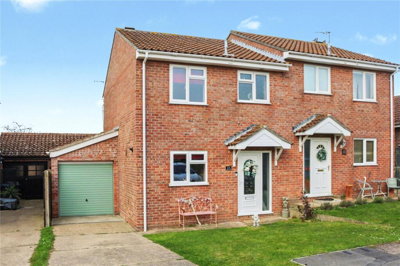
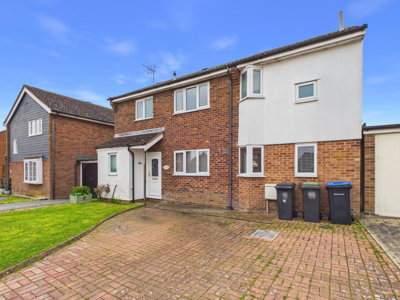
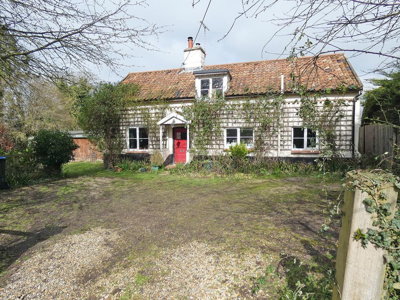
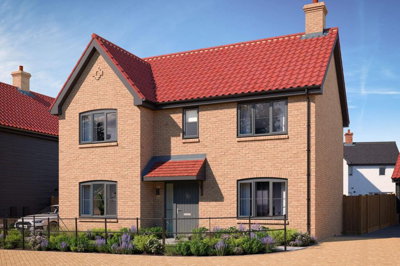
Browse 2,498 homes for sale in Suffolk, England from local estate agents.
The larger property sector typically features multiple bathrooms, substantial reception space, and private gardens or off-street parking. Four bedroom houses in Suffolk span detached, semi-detached, and occasionally terraced configurations, with styles ranging from period properties to modern executive homes.
£475k
1,036
79
102
Source: home.co.uk
Showing 1,036 results for 4 Bedroom Houses for sale in Suffolk, England. 79 new listings added this week. The median asking price is £475,000.
Source: home.co.uk
Detached
851 listings
Avg £558,411
Semi-Detached
133 listings
Avg £409,658
Terraced
52 listings
Avg £385,356
Source: home.co.uk
Source: home.co.uk
The Suffolk property market offers exceptional variety for buyers across all budget levels, with prices reflecting the county's diverse range of properties from coastal retreats to rural estates. Detached properties command an average price of £485,027, reflecting the county's abundance of spacious family homes and rural estates set on plots ranging from quarter-acre gardens to larger smallholding-sized land. Semi-detached homes average £302,360, making them popular choices for families seeking good value without sacrificing space, particularly in towns like Bury St Edmunds, Ipswich, and Felixstowe where school catchment areas drive demand. Terraced properties, averaging £258,895, represent excellent opportunities for first-time buyers looking to enter this desirable county, with many featuring the distinctive local red brick and flint construction typical of Suffolk market towns.
New build activity remains strong across Suffolk with several major developments offering modern homes at various price points to suit different budgets and family requirements. The Laurels in Bury St Edmunds, IP32 7GF, from Taylor Wimpey provides 2 to 5 bedroom homes from £299,995 to £649,995, located within easy reach of the town centre and its excellent transport links. Orchard Green in Thurston, IP31 3SH, offers David Wilson Homes properties from £349,995 to £649,995 in a village setting with local amenities, ideal for families seeking a quieter lifestyle while remaining connected to larger towns. For those seeking more affordable options, The Greenways in Red Lodge, IP28 8FD, by Persimmon Homes starts from £260,000 for 2 to 5 bedroom homes, while Kingfisher Place in Stowmarket, IP14 1YJ, from Bellway offers 2 to 4 bedroom homes from £269,995 to £429,995 in this important market town. Hopkins Homes' Longwood Fields development in Hadleigh, IP7 6BE, ranges from £325,000 to £695,000, providing characterful properties built using traditional Norfolk and Suffolk brickwork that complement the town's conservation area architecture.

Suffolk's housing stock reflects centuries of architectural development, creating neighbourhoods with genuine character and variety that appeals to buyers seeking properties with history and soul. The ONS Census 2021 data reveals that detached properties comprise 37.8% of all homes, offering the generous proportions many families desire, while semi-detached properties account for 30.2% providing good balance between space and efficiency. Terraced homes at 19.4% and flats making up 12.0% complete the picture, giving buyers genuine choice between spacious family homes and more compact options suitable for first-time buyers or investors. This balance offers buyers the flexibility to choose properties that match their lifestyle and budget requirements.
Property ages range dramatically across Suffolk's 326,700 households, with 20.1% of homes pre-dating 1919 offering beautiful period features like timber framing, original pargeting (decorative plasterwork), and fireplaces alongside wattle and daub infill panels. A further 12.3% of properties were built between 1919 and 1945, featuring brick cavity wall construction introduced after the First World War, while 30.5% date from the post-war period through to 1980. The remaining 37.1% post-date 1980 with modern insulation standards and construction methods, meaning buyers have excellent options across all price ranges and property ages. Traditional building materials in Suffolk include distinctive local red brick, flint (particularly in areas like Southwold and Aldeburgh where flint knapping was a local craft), and timber framing, particularly in historic market towns like Bury St Edmunds, Lavenham, and Framlingham where conservation areas protect the architectural heritage.
The local economy supports the housing market through diverse employment opportunities that attract buyers seeking stable careers without sacrificing quality of life. The Port of Felixstowe handles millions of containers annually, providing significant employment in logistics and distribution, while the energy sector with Sizewell B nuclear power station and offshore wind developments along the coast offers skilled engineering positions. Advanced manufacturing, life sciences, healthcare, and tourism all contribute to stable employment across the county, with agricultural processing remaining important in rural areas. The presence of the University of Suffolk in Ipswich and further education colleges in Bury St Edmunds, Ipswich, and Lowestoft ensures continued investment in local education and skills development.

Suffolk offers families a strong selection of educational options across all age groups, making it a popular choice for buyers with children who want excellent schooling within a manageable commute. The county features several highly-rated primary schools, including Sebert Wood Primary in Bury St Edmunds and East Bergholt Primary School, both rated Good by Ofsted and serving their respective communities with strong academic foundations. Secondary education is served by excellent institutions such as King Edward VI School in Bury St Edmunds, a specialist maths and computing college, and the highly-regarded grammar schools in Ipswich including Northgate High School and Ipswich High School for Girls, providing academic pathways for secondary-age children who meet the entrance criteria.
Parents should research specific catchment areas when considering properties, as school placements can significantly impact which neighbourhoods best suit family needs and influence property prices in popular catchment zones. For example, areas around Bury St Edmunds such as Great Barton, Rougham, and Stanton command premium prices due to their proximity to sought-after primary schools and the town's grammar school system. Similarly, villages within the Ipswich grammar school catchment areas, including areas like Kesgrave, Woodbridge, and Martlesham, see sustained demand from families prioritising educational access. The market towns of Sudbury and Colchester also serve their surrounding villages with good secondary options, making them attractive to families seeking more affordable properties while maintaining educational standards.
Beyond school education, Suffolk supports lifelong learning through the University of Suffolk in Ipswich, which offers undergraduate and postgraduate degrees across various disciplines including business, health, and creative industries. Further education colleges in Bury St Edmunds, Ipswich, and Lowestoft provide vocational courses and apprenticeships for those seeking practical qualifications, with the Suffolk New College in Ipswich offering pathways into construction trades, hospitality, and digital skills that align with local employment sectors. For families considering older properties, it is worth noting that approximately 62.9% of Suffolk's housing stock exceeds 40 years old, and many properties pre-date modern insulation standards, factors that may influence decisions when children are young or if the property requires updating to meet contemporary energy efficiency requirements.

Transport connectivity from Suffolk varies significantly depending on your specific location within the county, making it essential to understand local routes and journey times before committing to a purchase. Major rail connections include services from Ipswich to London Liverpool Street with journey times of around 80 minutes, making daily commuting feasible for those working in the capital while enjoying Suffolk's lower cost of living and superior quality of life. Bury St Edmunds offers direct trains to Cambridge and Norwich, opening employment opportunities in those university cities and providing connections to the wider rail network including services to London from Ely. Lowestoft has services to Norwich, from where connections to Cambridge and London are available, while Colchester station provides faster services to London Liverpool Street in around 50 minutes.
The county benefits from the A14 trunk road running through its heart, connecting Felixstowe port directly to the national motorway network via Cambridge and providing crucial freight and commuter routes through the county. For those working in Norwich, the A140 provides a direct route from Bury St Edmunds and the surrounding villages, while the A12 runs along the coast connecting Lowestoft, Southwold, and Aldeburgh to Colchester and London via the M25. The A11 provides fast access from the west of the county including Newmarket to Cambridge and the M11 corridor, making that university city accessible within approximately 45 minutes from towns like Haverhill and Clare.
Daily commuters should factor travel times carefully when choosing a location, as rural villages may offer idyllic settings but require vehicle ownership and longer journeys to reach stations, potentially adding significant time to daily routines. Bus services connect larger towns but can be limited in more remote areas, with services to smaller villages often running only hourly or less on weekdays. Parking availability at stations varies considerably: Bury St Edmunds station offers both short-stay and long-stay parking but can fill quickly during peak periods, while smaller stations like Thurston or Elmswell offer free parking but less frequent services. Cyclists will find some dedicated routes and quieter country lanes, though the predominantly flat Suffolk landscape makes cycling more accessible than in hilly regions, and the National Cycle Network Route 1 passes through the county along the coast.

Consider what matters most to you, whether proximity to schools, commuting routes, coastal access, or countryside walks. Suffolk offers coastal towns like Aldeburgh and Southwold with their beach huts and sailing clubs, historic market towns like Bury St Edmunds with its twice-weekly markets and architectural heritage, and rural villages such as Lavenham and Clare with their medieval guildhalls and conservation status. Each location has distinct character, property types reflecting local building traditions, and price variations ranging from affordable village terraces to premium coastal homes.
Before viewing properties, obtain a mortgage agreement in principle from a lender to understand your borrowing capacity and demonstrate your budget to estate agents and sellers. Suffolk's average price of £341,902 means many buyers require mortgage financing, with most first-time buyers needing to borrow between £200,000 and £350,000 depending on deposit size. Having your finances prepared strengthens your position when making offers and speeds up the purchasing process considerably, as vendors often favour buyers who can demonstrate clear financial capability.
Use Homemove to browse available properties and schedule viewings with local estate agents who know their patches intimately. When viewing, note property conditions, construction materials reflecting local building traditions, and any signs of damp or structural issues common in older Suffolk homes built on clay soils. Properties over 50 years old may require updating particularly regarding insulation and electrical systems, and homes in conservation areas may have restrictions on external alterations that affect your plans.
Once your offer is accepted, arrange a RICS Level 2 Survey before proceeding to exchange contracts, as this provides essential protection and detailed information about the property's condition. For Suffolk properties, expect to pay between £400 and £800 depending on property size and value, with higher fees for larger homes or those in more remote locations requiring additional surveyor travel time. This survey identifies defects including damp prevalent in period properties, timber issues in timber-framed homes, subsidence risk from clay soils, and roofing problems common in older properties with original slate or clay tile coverings.
Your solicitor will handle legal searches, investigate flood risk given Suffolk's coastal and river valley exposures, check local authority matters including planning conditions and conservation area restrictions, and manage the transfer of ownership through to completion. Coastal properties in areas like Lowestoft, Felixstowe, Aldeburgh, and Southwold may require additional searches regarding tidal flood and erosion risk, while homes in conservation areas require planning condition checks to ensure any previous works had proper consents. Local authority searches in Suffolk typically include searches with Babergh, Mid Suffolk, East Suffolk, West Suffolk, and Ipswich Borough Council depending on property location.
Once all searches are satisfactory and finances confirmed with your mortgage lender, you will exchange contracts and pay your deposit typically 10% of the purchase price, legally committing to the purchase. Completion typically follows within two to four weeks after exchange, when you receive keys and take ownership of your new Suffolk home, whether it is a modern new build in a development like Longwood Fields or a historic timber-framed cottage in a conservation village.
Property buyers in Suffolk should be aware of several area-specific factors that can affect purchasing decisions and ongoing costs, from ground conditions to planning restrictions that are unique to this historic county. The county's geology, characterised by Crag deposits overlaying London Clay in many areas, creates moderate to high shrink-swell risk that can lead to subsidence or ground movement affecting properties with inadequate foundations or those built on shallow footings. This risk is particularly relevant for properties near large trees where root moisture extraction can cause clay shrinkage, a particular concern in the county's many gardens with mature specimen trees including those in historic parks and large plots surrounding period properties. Prospective buyers should check whether properties have had previous subsidence issues and review foundation depth records where available.
Flood risk varies significantly across Suffolk, with coastal areas including Lowestoft, Felixstowe, Aldeburgh, and Southwold susceptible to tidal surges particularly during storm conditions when North Sea surges combine with high tides. River valleys of the Waveney, Deben, Stour, and Orwell face fluvial flooding risks, with areas like Halesworth, Woodbridge, and Manningtree requiring particular care when assessing flood history. Surface water flooding can occur during heavy rainfall across both urban and rural areas, and the Environment Agency maintains flood maps showing historical and predicted flood extents that should be consulted before purchase. Insurance costs and mortgage availability may be affected for properties in known flood zones, making thorough drainage and flood history searches essential before committing to a purchase.
Many Suffolk towns including Bury St Edmunds, Lavenham, Kersey, Framlingham, Southwold, and various coastal villages fall within conservation areas, imposing restrictions on alterations, extensions, and external changes that affect what owners can do to properties without planning permission. The county's rich heritage includes numerous listed buildings, particularly medieval timber-framed properties with Grade II or higher listings that restrict modifications to preserve their historic character, from changing windows to extending the property or adding solar panels. Buyers considering older properties should verify planning permissions, check whether renovation work was conducted under permitted development rights, and factor potential future restriction costs into their budgeting, as Listed Building Consent may be required for changes that would otherwise be straightforward.

The average house price in Suffolk was £341,902 as of January 2026, based on HM Land Registry data for the county. Property prices vary significantly by type and location, with detached homes averaging £485,027, semi-detached properties at £302,360, terraced homes at £258,895, and flats at £165,372 reflecting their typically smaller size and shared ownership arrangements. The market has shown steady growth with a 0.5% increase over the twelve months to January 2026, with terraced properties seeing the strongest growth at 0.9% and detached homes lagging at 0.2%. This stability makes Suffolk an attractive choice for property investment without the volatility seen in some other regions.
Suffolk hosts several highly-regarded schools across primary and secondary levels, with Ofsted-rated outstanding and good institutions in towns including Bury St Edmunds, Ipswich, Colchester, and Sudbury that serve their surrounding villages and rural communities. The county has grammar schools providing academic pathways, particularly in Bury St Edmunds where King Edward VI School serves the town and surrounding villages, and in Ipswich where schools like Northgate High School and Ipswich High School for Girls offer selective education for students who pass the entrance examinations. Parents should verify current Ofsted ratings and understand local catchment boundaries, as school admissions depend heavily on geographic location and properties in popular catchment areas command premium prices.
Suffolk's main rail connections run through Ipswich, offering services to London Liverpool Street in approximately 80 minutes, making day commuting feasible for those working in the capital while enjoying Suffolk's lower property prices and superior quality of life. Bury St Edmunds provides direct train links to Cambridge and Norwich, while Lowestoft has services to Norwich with connections to London. The A14 trunk road runs through central Suffolk connecting Felixstowe port to the national motorway network via Cambridge, the A12 coastal route links eastern towns to Colchester and London, and the A11 provides access to Cambridge from the western parts of the county. Bus services connect larger towns but are limited in rural areas, making car ownership essential for many residents living outside the main urban centres.
Suffolk offers several advantages for property investors, including relatively affordable prices compared to Greater London and the Southeast, with the average property at £341,902 representing good value for the quality of life on offer. Stable population growth and diverse employment opportunities including the Port of Felixstowe, growing renewable energy sector, and tourism industry support continued demand for housing from both owner-occupiers and renters. Rental yields vary by location, with university towns like Ipswich offering different investment profiles to coastal holiday areas like Southwold and Aldeburgh where seasonal demand drives rental income. The county's strategic location near major ports and logistics hubs benefits those working in distribution and trade sectors, while the growing life sciences and advanced manufacturing clusters provide skilled employment that supports sustainable housing demand.
Standard Stamp Duty Land Tax rates for 2024-25 are 0% on the first £250,000 of the purchase price, 5% on the portion from £250,001 to £925,000, 10% on £925,001 to £1.5 million, and 12% above £1.5 million. First-time buyers receive relief on the first £425,000 with 5% applied between £425,001 and £625,000, enabling many first-time buyers in Suffolk to purchase without paying any stamp duty. For a typical Suffolk property at the average price of £341,902, a standard buyer without first-time buyer status would pay £4,595 in stamp duty calculated as £0 on the first £250,000 plus 5% on the remaining £91,902. First-time buyers purchasing at the average price would pay nothing as the entire amount falls within their nil-rate band.
Council tax bands in Suffolk vary by property and local authority area, with bands A through H based on property value as assessed by the Valuation Office Agency at the time of the last revaluation. The major local authorities covering Suffolk include Suffolk County Council for education and social services, along with district councils including Babergh, Mid Suffolk, East Suffolk, West Suffolk, and Ipswich Borough Council, each setting their own council tax rates for their portion of the total bill. Buyers should verify the specific council tax band and current charges for any property they are considering, as annual charges can significantly impact running costs, with Band A properties typically paying around £1,400 annually while Band H properties can pay over £2,800 depending on the local authority.
Common defects in Suffolk properties vary by age but include damp issues particularly in period properties built before 1919 that may lack proper damp-proof courses or have solid walls without cavity insulation, leading to moisture penetration through the fabric. Timber defects such as woodworm and wet or dry rot affect older timber-framed homes, which are common in the county's historic housing stock, particularly in properties with oak beams and elm floorboards that were traditionally used in local construction. Subsidence risk from the county's clay-rich geology affects properties with inadequate foundations or those near mature trees where root activity can cause clay shrinkage, and this risk is covered in our survey reports so you can factor it into your purchase decision.
We strongly recommend arranging a RICS Level 2 Survey before purchasing any property in Suffolk, particularly given the county's significant proportion of older properties that may have hidden defects not visible during viewings. With approximately 62.9% of Suffolk's housing stock exceeding 40 years of age and many properties dating from periods when different construction standards applied, professional surveys commonly identify issues including outdated electrical wiring in properties built before the 1980s, inadequate insulation in older homes, and roofing problems on period properties with original coverings. For properties priced at the Suffolk average of £341,902, survey costs of £400 to £800 represent excellent value given the potential to negotiate the purchase price or condition requirements based on survey findings.
From 3.84%
Expert mortgage advice with access to lenders across the market
From £499
Expert legal services for your Suffolk property purchase
From £400
Professional survey by qualified RICS inspectors
From £80
Energy performance certificate for your new home
Understanding the full costs of buying property in Suffolk helps you budget accurately and avoid financial surprises during the purchasing process that could delay or derail your transaction. Beyond the property price, buyers should factor in Stamp Duty Land Tax, solicitor fees for conveyancing typically ranging from £800 to £1,500 depending on complexity and whether the transaction involves a chain, and mortgage arrangement fees of £0 to £2,000 depending on lender and deal type. For a property at the Suffolk average price of £341,902, a standard buyer without first-time buyer status would pay £4,595 in stamp duty calculated at 5% on the amount above £250,000, while those qualifying for first-time buyer relief would pay nothing on the first £425,000.
Additional costs include mortgage valuation fees typically between £150 and £1,500 depending on property value and lender requirements, local authority searches which can take several weeks to return and include drainage and water searches, environmental searches covering flood and ground conditions, and Land Registry fees for registration. Buildings insurance should be arranged from the completion date to protect your investment, and buyers purchasing flats should budget for service charges and ground rent which vary significantly between developments, with some newer leasehold properties charging annual ground rents of £200 to £400. For older properties, setting aside funds for immediate renovations or repairs identified during survey is prudent, as approximately 62.9% of Suffolk's homes exceed 40 years of age and may require updating to modern standards, whether for insulation, electrical rewiring, or replacing dated heating systems.

Properties for Sale In London

Properties for Sale In Plymouth

Properties for Sale In Liverpool

Properties for Sale In Glasgow

Properties for Sale In Sheffield

Properties for Sale In Edinburgh

Properties for Sale In Coventry

Properties for Sale In Bradford

Properties for Sale In Manchester

Properties for Sale In Birmingham

Properties for Sale In Bristol

Properties for Sale In Oxford

Properties for Sale In Leicester

Properties for Sale In Newcastle

Properties for Sale In Leeds

Properties for Sale In Southampton

Properties for Sale In Cardiff

Properties for Sale In Nottingham

Properties for Sale In Norwich

Properties for Sale In Brighton

Properties for Sale In Derby

Properties for Sale In Portsmouth

Properties for Sale In Northampton

Properties for Sale In Milton Keynes

Properties for Sale In Bournemouth

Properties for Sale In Bolton

Properties for Sale In Swansea

Properties for Sale In Swindon

Properties for Sale In Peterborough

Properties for Sale In Wolverhampton

Enter your details to see if this property is within your budget.
Loans, cards, car finance
Estimated property budget
Borrowing + deposit
You could borrow between
Typical borrowing
Monthly repayment
Est. at 4.5%
Loan-to-value
This is an estimate only. Your actual budget may vary depending on interest rates, credit history, and personal circumstances. For an accurate affordability assessment, speak to one of our free mortgage advisors.
This calculator provides estimates for illustrative purposes only and does not constitute financial advice. Your home may be repossessed if you do not keep up repayments on your mortgage. Estimates based on 4.5% interest rate, repayment mortgage. Actual rates depend on your circumstances.
Homemove is a trading name of HM Haus Group Ltd (Company No. 13873779, registered in England & Wales). Homemove Mortgages Ltd (Company No. 15947693) is an Appointed Representative of TMG Direct Limited, trading as TMG Mortgage Network, which is authorised and regulated by the Financial Conduct Authority (FRN 786245). Homemove Mortgages Ltd is entered on the FCA Register as an Appointed Representative (FRN 1022429). You can check registrations at NewRegister or by calling 0800 111 6768.

We use cookies to show you personalised content and improve your experience of our website. Find out more in our Privacy policy and Cookie policy.