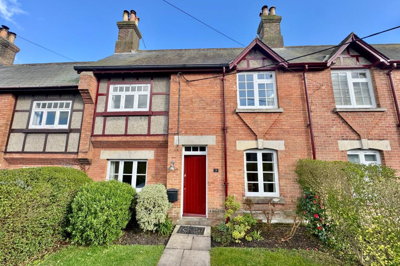
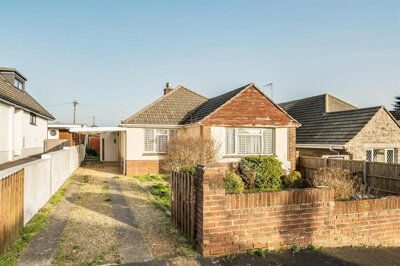
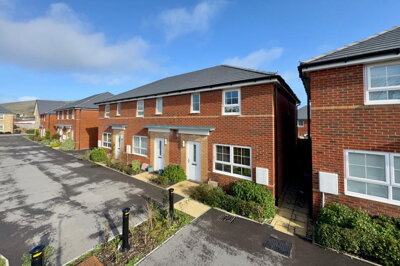
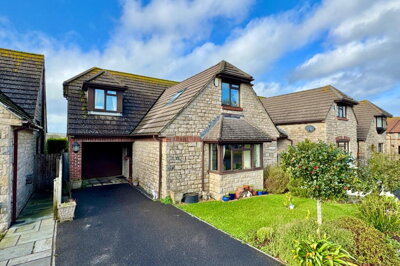
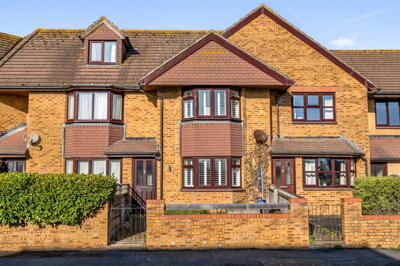
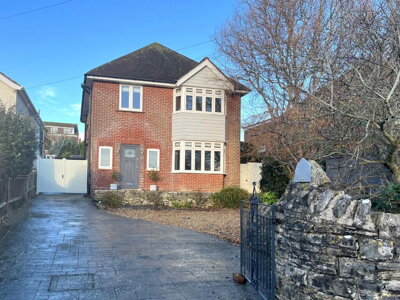
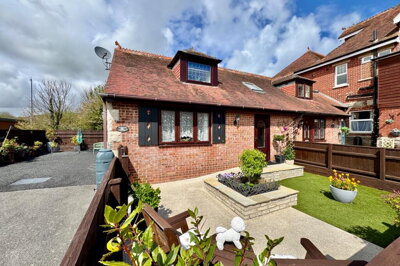
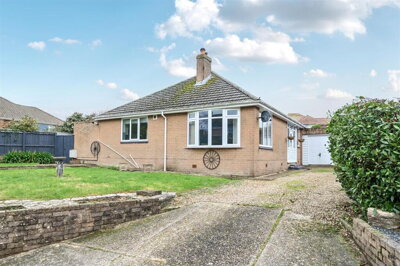
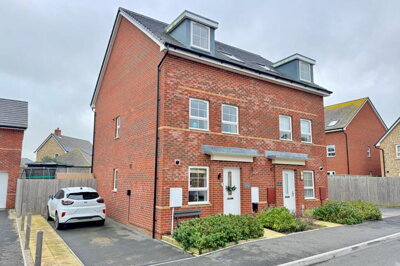
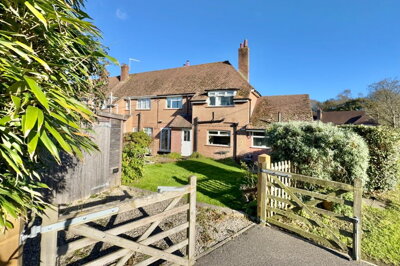
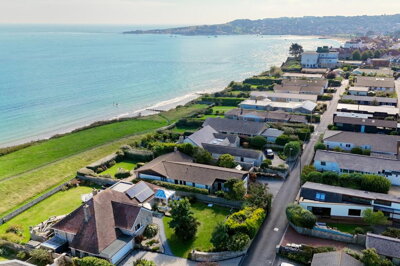
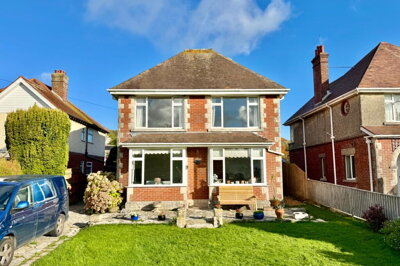
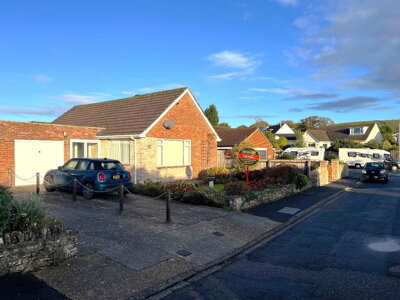
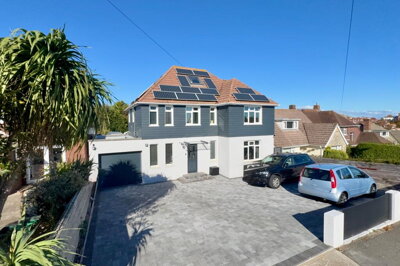
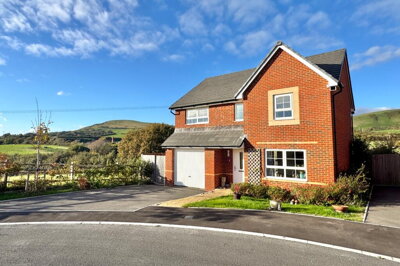
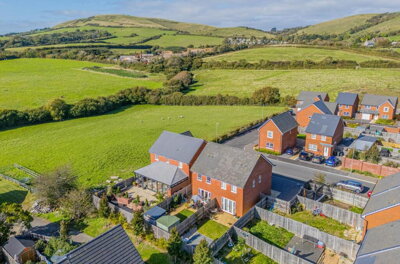
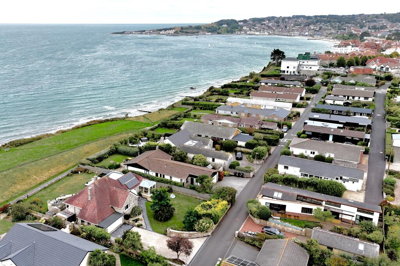
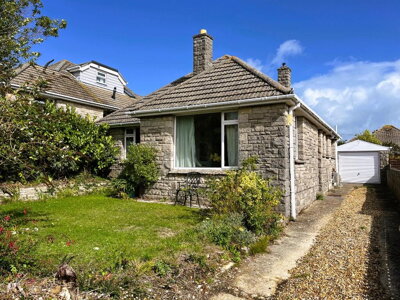
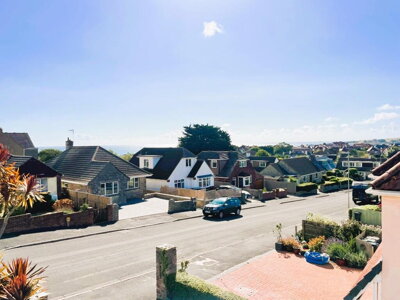
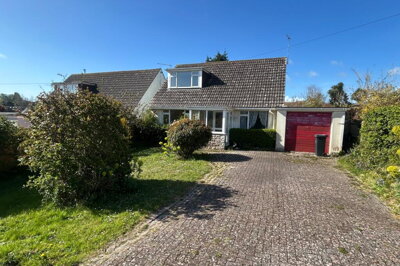
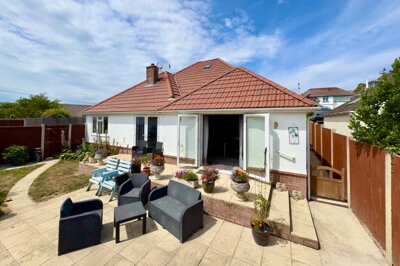
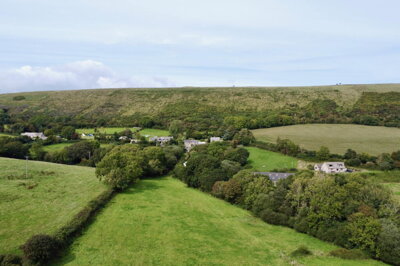
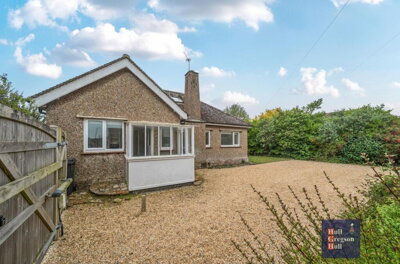
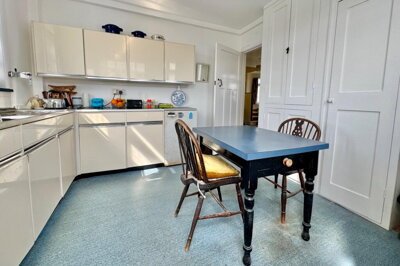
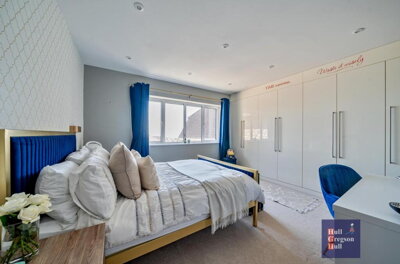
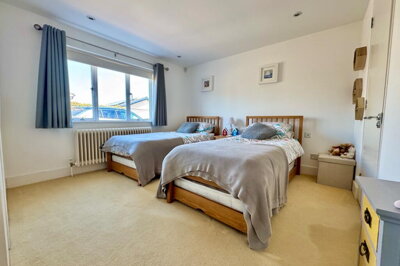
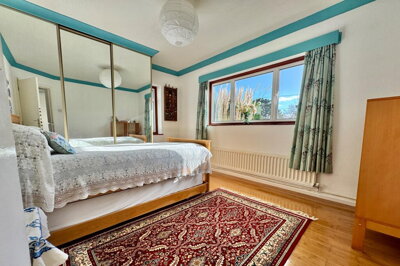
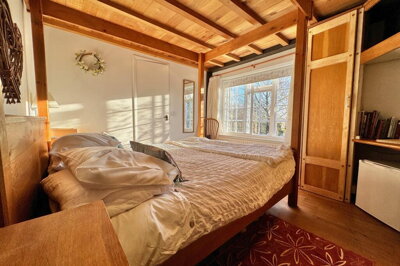
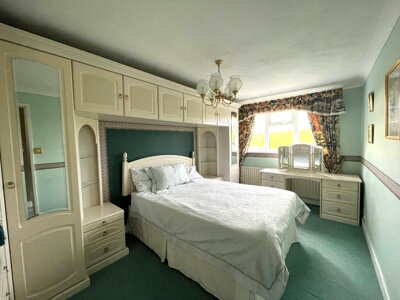
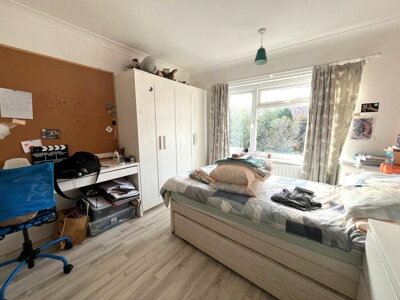
Browse 65 homes for sale in Studland, Dorset from local estate agents.
The Studland property market offers detached, semi-detached, and terraced houses spanning various price ranges and neighbourhoods. Each listing includes detailed property information, photographs, and direct contact with the marketing agent.
£1.44M
6
0
124
Source: home.co.uk
Showing 6 results for Houses for sale in Studland, Dorset. The median asking price is £1,435,000.
Source: home.co.uk
Detached
5 listings
Avg £2.11M
Terraced
1 listings
Avg £795,000
Source: home.co.uk
Source: home.co.uk
The South Perrott property market reflects its status as a sought-after rural village within Dorset, with detached properties commanding an average of £390,000 and semi-detached homes averaging £315,000 according to recent sales data. The housing stock is predominantly detached, accounting for 55.1% of dwellings according to the 2021 Census, with a further 32.7% semi-detached properties providing family-sized accommodation. This skewed distribution means that buyers seeking smaller terraced properties or flats will find limited options within the village itself, though examples such as Owl Cottage, which sold for £247,500 in August 2018, demonstrate that more affordable entry points do become available periodically.
A 2-bedroom end terrace house was listed at £310,000 in August 2025, indicating continued demand for smaller properties from first-time buyers and downsizers alike. The market has experienced a notable correction from the 2010 peak of £615,000, with current prices sitting approximately 41% below that high point. This significant adjustment has created attractive entry points for buyers who may have been priced out during the previous boom. For those considering investment in the area, the village's position within the Dorset AONB provides a degree of price support that may appeal to longer-term property investors seeking stable rural locations.
Property types available include substantial period farmhouses like Pickett Farmhouse (Grade II* listed), traditional Dorset cottages with rubble-stone walls and Roman-tile roofs, and conversions of historic agricultural buildings that retain their period character while accommodating modern living requirements. No active new-build developments exist within the DT8 3 postcode area, meaning buyers seeking modern construction will need to consider properties in nearby villages such as Misterton or Mosterton, or look for properties within the village that have undergone contemporary renovation. Our database shows 34 properties with active listings, with sales data indicating transactions as recent as March 2025 and February 2025.

Life in South Perrott offers an authentic taste of Dorset village living, centred around the historic parish church and a small cluster of facilities serving the local community. The village falls within the Dorset Area of Outstanding Natural Beauty, placing it within one of England's most protected and scenic landscapes. Residents enjoy immediate access to rolling farmland, hedgerow-lined lanes ideal for walking and cycling, and the gentle presence of the River Parrett which flows through the village's northern boundary. The combination of traditional architecture using local materials, including the characteristic rubble-stone walls and Roman-tile roofs found throughout the historic core, creates a picturesque environment that has been preserved through generations.
The village community benefits from its proximity to nearby larger villages and market towns, providing access to everyday amenities while maintaining a peaceful rural atmosphere. South Perrott's population centres around families drawn to the area for its educational opportunities, professionals seeking countryside living with commuter access, and retirees looking to downsize without leaving the Dorset AONB. The presence of numerous listed buildings, from the grand Pickett Farmhouse (Grade II* listed) to traditional cottages like Rose Cottage, demonstrates the architectural heritage that residents choose to preserve. Local cultural attractions include the historic Church of St Mary with its 15th-century tower and the various farmsteads that have been converted into residential properties while retaining their period character.
Community life in South Perrott revolves around traditional village activities, with local events often centred around the Church of St Mary and the surrounding historic buildings. The village benefits from an active community spirit typical of smaller Dorset settlements, where neighbours know each other and local events draw participation from across the surrounding area. For residents seeking more extensive facilities, the market towns of Crewkerne and Yeovil provide shopping, healthcare, and entertainment options within a reasonable drive, offering the best of both worlds for those willing to travel occasionally for specific services or amenities.

Families considering a move to South Perrott will find educational options available within reasonable driving distance, reflecting the village's position within the Dorset educational framework. Primary education is typically provided through local village schools in the surrounding area, with several rated schools within a 5-mile radius serving younger children from South Perrott and neighbouring villages. The rural nature of the location means that school transport arrangements are an important consideration for families, with many parents choosing properties based on catchment area boundaries and available bus services. Primary schools in similar Dorset villages often achieve good Ofsted ratings, providing solid foundations for children's education within a small-school environment that many families prefer over larger urban settings.
Secondary education options for South Perrott residents include schools in nearby market towns, which typically offer a broader range of subjects and facilities than village primaries. These establishments often feature sixth-form provision, allowing students to continue their education locally through to 18 without the need to travel further afield. For families prioritising academic excellence, grammar school access may be available depending on catchment arrangements, with several highly-regarded options within Dorset and Somerset. The nearest secondary schools typically serve students from across the surrounding rural area, creating diverse student populations drawn from multiple villages.
Parents are advised to research specific school performance data and admission policies when considering properties, as catchment areas can vary significantly and property prices often reflect school quality in desirable village locations. School bus services operate from South Perrott to schools in nearby towns, though timings and routes should be confirmed with local education authorities before committing to a purchase. The proximity of South Perrott to both Dorset and Somerset schools provides families with options when selecting educational provision, though this also means that school placement cannot be guaranteed solely on the basis of living in the village itself.
Transport connectivity from South Perrott combines the peaceful reality of rural living with practical access to major transport routes and urban centres. The village sits near the A356 and A30 roads, providing driving connections to Crewkerne, Yeovil, and the wider South West road network. Journey times by car typically reach around 30 minutes to Yeovil for everyday shopping and services, with Bristol accessible in approximately one hour and Exeter in roughly 45 minutes under normal traffic conditions. The rural lane network surrounding South Perrott is generally well-maintained, though some narrower routes common in Dorset villages may require care when passing oncoming traffic, particularly during harvest season when agricultural vehicles use the lanes more frequently.
Public transport options are more limited, reflecting the village's small population, with bus services running on reduced frequencies compared to urban areas. The nearest railway stations are located in nearby towns, connecting residents to the broader national rail network for commuting to larger employment centres. Crewkerne station provides access to services connecting to Bristol, Exeter, and London, while Yeovil station offers additional options for those travelling further afield. Most residents rely on private vehicles as their primary transport method, making car ownership essential for those considering a move to South Perrott.
For those working from home or pursuing a quieter lifestyle, South Perrott offers an enviable position within the Dorset countryside with excellent walking routes and community facilities nearby. Cycling enthusiasts appreciate the scenic lanes and the challenge of Dorset's rolling terrain, with routes available for various fitness levels from gentle riverside paths to more demanding hill climbs. The proximity to major road networks provides flexibility for those who need to travel occasionally for work or leisure purposes, with the M5 motorway accessible via the A30 for longer journeys. Weekend connectivity to coastal destinations in Dorset and Somerset provides additional recreational opportunities for residents who appreciate both rural and coastal environments.
Before viewing properties, spend time exploring South Perrott at different times of day and on weekends to understand the community, traffic patterns, and noise levels. Check flood risk information for specific addresses using the Environment Agency flood warning system, as the village falls within the River Parrett (upper) flood warning area. Explore the various property types available, from traditional cottages to converted farmhouses, and consider how each suits your lifestyle requirements and budget.
Speak to lenders or brokers to obtain a mortgage agreement in principle before starting your property search. This strengthens your position when making offers and helps establish your realistic budget, which for South Perrott typically ranges from £247,500 for terraced properties to over £600,000 for substantial period farmhouses. Given the prevalence of older properties in the village, lenders may require specific documentation regarding property condition and valuation methodology for listed buildings.
Work with local estate agents to arrange viewings of suitable properties. Given the village's heritage and prevalence of listed buildings, attend viewings with questions about property condition, recent renovations, and any planning permissions obtained. When you find the right property, submit a competitive offer with your financial position clearly documented. For listed properties, ensure you understand any restrictions that may affect your intended use or renovation plans.
Once your offer is accepted, arrange a suitable property survey to assess the condition of the property. For South Perrott's older properties featuring traditional construction methods like rubble-stone walls and Roman-tile roofs, consider whether a comprehensive survey might be warranted, particularly for listed buildings or properties over 100 years old. Survey costs typically range from £400 to £800 depending on property size and complexity, with older properties sometimes incurring additional charges.
Choose a conveyancing solicitor to handle the legal aspects of your purchase, including local searches, title checks, and coordination with your mortgage lender. Ensure they are familiar with rural property transactions and any specific considerations for properties within the Dorset AONB, including listed building consent requirements and any conservation area restrictions that may apply.
Work with your solicitor and mortgage lender to finalise all documentation before exchange of contracts. On completion day, the remaining balance transfers and you receive the keys to your new South Perrott home. Allow time for setting up utilities, redirecting mail, and registering with local services. Consider joining community groups and local facilities to integrate into village life following your move.
South Perrott presents a compelling proposition for buyers seeking authentic Dorset village life within easy reach of essential services and transport connections. The village's position within the Dorset Area of Outstanding Natural Beauty ensures that the surrounding landscape remains protected, preserving the rural character that makes the location desirable in the first place. Properties in South Perrott range from traditional Dorset cottages with original features to substantial period farmhouses offering generous accommodation, providing options across various price points and lifestyle requirements.
The current market conditions offer particular appeal for buyers entering the South Perrott property market. With prices sitting approximately 41% below the 2010 peak, there are opportunities to purchase properties that may have been beyond reach during the previous boom period. The village's small population creates an intimate community atmosphere that larger settlements cannot replicate, while the proximity to market towns ensures that everyday needs can be met without excessive travel. For those seeking a permanent residence rather than a holiday property, the village provides a practical base from which to work remotely or commute to larger employment centres.
The architectural heritage of South Perrott adds character and interest to properties in the village, with numerous listed buildings showcasing traditional Dorset construction methods and materials. Properties like Pickett Farmhouse (Grade II* listed), Rose Cottage (Grade II listed), and the Church of St Mary (Grade I listed) demonstrate the depth of historical significance present in this small village. While listed status imposes certain restrictions on alterations, many buyers find that the character and authenticity of heritage properties outweigh the additional considerations required for their maintenance and renovation.
Properties in South Perrott require careful consideration of several location-specific factors that may not be immediately apparent during viewings. The flood risk along the River Parrett should be investigated thoroughly for any property near the watercourse or in low-lying areas, with historical flood records available through local searches and the Environment Agency database. While there are currently no flood warnings in force for the South Perrott gauge, the River Parrett (upper) from South Perrott to Thorney flood warning area designation indicates that river flooding remains a possibility that buyers should acknowledge and plan for accordingly. Properties on higher ground within the village will generally carry lower flood risk than those adjacent to the river or in valley locations.
The prevalence of listed buildings in South Perrott means that many properties will carry listed status, imposing restrictions on alterations and requiring Listed Building Consent for certain works. Properties such as the Grade II* listed Pickett Farmhouse or the numerous Grade II listed cottages throughout the village offer character and heritage but come with responsibilities for preservation. Prospective buyers should factor in the additional costs and considerations associated with maintaining listed properties, including requirements for using appropriate materials and traditional construction methods when undertaking repairs or renovations. Estate agents marketing properties in South Perrott should be able to confirm listed status and any relevant restrictions.
Building materials throughout the village, including rubble-stone walls and Roman-tile roofs, reflect traditional Dorset construction but may require specialist maintenance knowledge. These materials were chosen for their availability locally and their suitability for the regional climate, but they perform differently from modern construction methods and may show signs of age differently than newer buildings. Prospective buyers should check for evidence of damp, roof condition issues, and the standard of electrics, which are common concerns in older rural properties. Survey reports should be reviewed carefully, with particular attention to any recommendations for further investigation of structural elements or construction that deviates from modern standards.
The built environment of South Perrott reflects centuries of continuous development using materials sourced locally from the Dorset countryside. The predominant construction material in the historic core is rubble-stone, typically obtained from local quarries and laid in irregular courses that give the buildings their characteristic appearance. This traditional building method requires specific expertise to repair and maintain, and prospective buyers should ensure that any renovation work is undertaken by contractors experienced with traditional construction methods to preserve both the structural integrity and visual character of these heritage properties.
Roman-tile roofs dominate the village skyline, although thatch, slate, and various plain and curved tiles also appear on different properties throughout South Perrott. The age of properties ranges from the 13th-century Church of St Mary with its 15th-century tower to traditional 18th-century cottages like Rose Cottage and modern infill developments designed to complement the traditional streetscape. This variety in property age means that building conditions and maintenance requirements can vary significantly between adjacent properties, and each property should be assessed individually rather than assuming that age correlates with condition in any particular way.
Modern properties within the village have been built using contemporary materials including brick, render, and artificial stone, often designed to blend with the traditional architecture of the surrounding area. The Marnhull Corallian limestone found in nearby villages also appears in some South Perrott properties, demonstrating how local geology has influenced building practices across the region. When purchasing a property in South Perrott, understanding the construction materials and methods used can help you anticipate maintenance requirements and plan appropriately for the future care of your property, whether it features traditional rubble-stone walls or more modern construction.
Stamp Duty Land Tax represents a significant cost for property buyers in South Perrott, and understanding the current thresholds helps you budget accurately for your purchase. For standard residential purchases from April 2025, no SDLT is payable on the first £250,000 of the property value, with 5% charged on the portion between £250,001 and £925,000. For a typical South Perrott property priced at the current average of £365,000, this results in SDLT of £5,750 on the amount above the threshold. Properties priced between £925,001 and £1.5 million attract 10% on the balance, while those exceeding £1.5 million incur 12% above that threshold.
First-time buyers benefit from enhanced relief, with SDLT abolished on the first £425,000 of a purchase, and 5% charged on the portion between £425,001 and £625,000. This means a first-time buyer purchasing a typical South Perrott property at £365,000 would pay no SDLT at all under current first-time buyer relief provisions. However, first-time buyer relief does not apply to purchases above £625,000, so those seeking larger period properties or family homes above this price point will pay standard rates. The availability of first-time buyer relief for most properties in South Perrott may make the village particularly attractive to buyers at the start of their property ownership journey.
Beyond SDLT, buyers should budget for solicitor fees typically ranging from £500 to £2,000 for conveyancing depending on complexity, with rural properties sometimes incurring additional charges for matters such as agricultural drainage rights or commons registration. Survey costs range from £400 to £800 for a standard RICS Level 2 report, with older properties or those with non-standard construction potentially attracting higher fees. Moving expenses vary significantly based on distance and volume of belongings, while ongoing costs including council tax, utilities, and building insurance should also be factored into your overall budget for purchasing in South Perrott.
The average house price in South Perrott over the past year is £365,000 according to available sales data. Detached properties average £390,000, while semi-detached homes average £315,000. Prices have decreased by 4% over the last 12 months and sit approximately 41% below the 2010 peak of £615,000, creating potentially favourable conditions for buyers entering the market. Individual property prices vary significantly based on type, condition, and specific location within the village, with terraced properties available from around £247,500 and substantial period homes exceeding £600,000.
Properties in South Perrott fall under Dorset Council administration, with council tax bands assigned based on property value as assessed by the Valuation Office Agency. Most period properties and cottages in the village typically fall within bands B through E, while larger detached houses and converted farmhouses may be assessed in higher bands. Exact bands vary by individual property and can be confirmed through the Dorset Council website or your conveyancing solicitor during the purchase process. Council tax payments fund local services including education, waste collection, and road maintenance throughout the Dorset area.
South Perrott itself is a small village without a school on-site, but families benefit from good primary school options in surrounding villages and the wider Dorset area. Several local primary schools achieve positive Ofsted ratings and serve the village community, with transport arrangements typically available for families living within school catchment boundaries. Secondary education is provided through schools in nearby towns, many of which offer strong academic records and sixth-form provision for older students continuing through to 18.
Public transport connectivity in South Perrott reflects its status as a small rural village, with bus services operating on limited frequencies rather than the hourly services found in urban areas. The nearest railway stations are located in nearby towns, providing access to the national rail network for journeys to Bristol, Exeter, London, and other destinations. Most residents rely on private vehicles as their primary transport method, though the village's position near the A356 and A30 roads provides reasonable driving connections to Crewkerne, Yeovil, and the surrounding region for those with access to a car.
South Perrott offers several factors that may appeal to property investors, including its position within the Dorset Area of Outstanding Natural Beauty, which helps preserve property values in the long term by limiting development and protecting the rural character of the area. The village's character properties and listed buildings maintain demand from buyers seeking rural charm and heritage features. However, the small population and limited local employment may constrain rental demand, and any investment should account for the 41% price decline from the 2010 peak and the village's reliance on the broader regional economy for employment opportunities.
For a property priced at the current average of £365,000, standard buyers pay SDLT of £5,750, calculated as 5% on the £115,000 portion above the £250,000 threshold. First-time buyers purchasing properties up to £425,000 pay no SDLT at all under current first-time buyer relief, meaning many properties in South Perrott would incur no stamp duty for qualifying purchasers. Properties above £625,000 do not qualify for first-time buyer relief, and those above £925,000 move into higher rate bands where 10% applies to the portion between £925,001 and £1.5 million.
South Perrott falls within the River Parrett (upper) from South Perrott to Thorney flood warning area, indicating a risk of river flooding that buyers should investigate before purchasing. Properties located near the River Parrett or in low-lying areas of the village carry higher flood risk than those on higher ground. While there are currently no active flood warnings for the South Perrott gauge as of February 2026, the Environment Agency recommends checking specific property addresses against flood records and considering flood resilience measures when purchasing in affected areas. Buildings insurance may also cost more for properties in designated flood risk zones.
Property types in South Perrott include traditional Dorset cottages with rubble-stone walls and Roman-tile roofs, substantial period farmhouses (some listed), and conversions of historic agricultural buildings. Detached properties make up 55.1% of the housing stock, with semi-detached properties at 32.7%. Terraced properties and flats are relatively scarce in the village. No active new-build developments exist within the DT8 3 postcode area, so buyers seeking modern construction may need to consider nearby villages or properties within South Perrott that have undergone contemporary renovation.
South Perrott contains numerous listed buildings including the Grade I listed Church of St Mary (13th century) and the Grade II* listed Pickett Farmhouse. Many cottages and farmhouses throughout the village carry Grade II listing, imposing restrictions on alterations and requiring Listed Building Consent for certain works. While listed status preserves the character of these heritage properties, it also requires owners to maintain them using appropriate materials and traditional construction methods. Buyers considering listed properties should budget for potentially higher maintenance costs and longer project timelines when undertaking renovations.
From 4.5%
Finding the right mortgage helps you budget for your South Perrott property purchase
From £499
Legal services for your property purchase in South Perrott
From £400
Professional property survey for South Perrott homes
From £600
Comprehensive survey for older South Perrott properties
Properties for Sale In London

Properties for Sale In Plymouth

Properties for Sale In Liverpool

Properties for Sale In Glasgow

Properties for Sale In Sheffield

Properties for Sale In Edinburgh

Properties for Sale In Coventry

Properties for Sale In Bradford

Properties for Sale In Manchester

Properties for Sale In Birmingham

Properties for Sale In Bristol

Properties for Sale In Oxford

Properties for Sale In Leicester

Properties for Sale In Newcastle

Properties for Sale In Leeds

Properties for Sale In Southampton

Properties for Sale In Cardiff

Properties for Sale In Nottingham

Properties for Sale In Norwich

Properties for Sale In Brighton

Properties for Sale In Derby

Properties for Sale In Portsmouth

Properties for Sale In Northampton

Properties for Sale In Milton Keynes

Properties for Sale In Bournemouth

Properties for Sale In Bolton

Properties for Sale In Swansea

Properties for Sale In Swindon

Properties for Sale In Peterborough

Properties for Sale In Wolverhampton

Enter your details to see if this property is within your budget.
Loans, cards, car finance
Estimated property budget
Borrowing + deposit
You could borrow between
Typical borrowing
Monthly repayment
Est. at 4.5%
Loan-to-value
This is an estimate only. Your actual budget may vary depending on interest rates, credit history, and personal circumstances. For an accurate affordability assessment, speak to one of our free mortgage advisors.
This calculator provides estimates for illustrative purposes only and does not constitute financial advice. Your home may be repossessed if you do not keep up repayments on your mortgage. Estimates based on 4.5% interest rate, repayment mortgage. Actual rates depend on your circumstances.
Homemove is a trading name of HM Haus Group Ltd (Company No. 13873779, registered in England & Wales). Homemove Mortgages Ltd (Company No. 15947693) is an Appointed Representative of TMG Direct Limited, trading as TMG Mortgage Network, which is authorised and regulated by the Financial Conduct Authority (FRN 786245). Homemove Mortgages Ltd is entered on the FCA Register as an Appointed Representative (FRN 1022429). You can check registrations at NewRegister or by calling 0800 111 6768.

We use cookies to show you personalised content and improve your experience of our website. Find out more in our Privacy policy and Cookie policy.