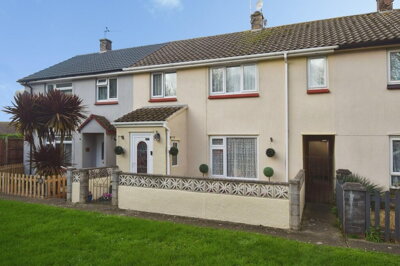
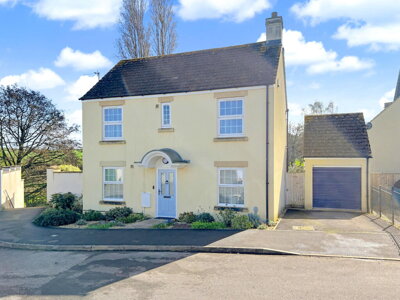
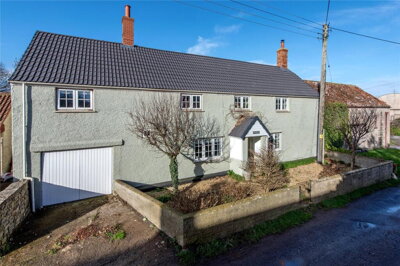
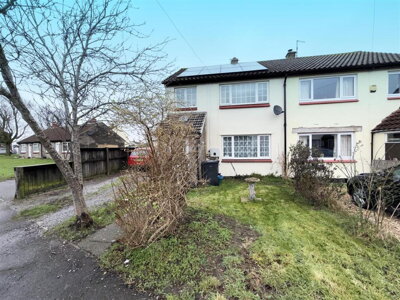
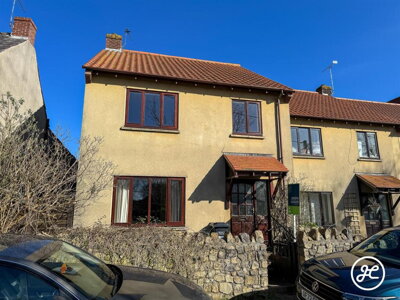
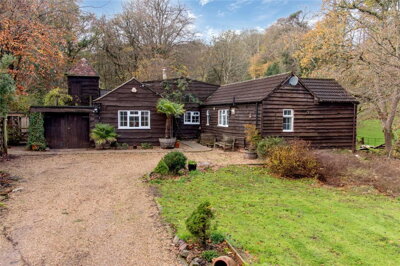
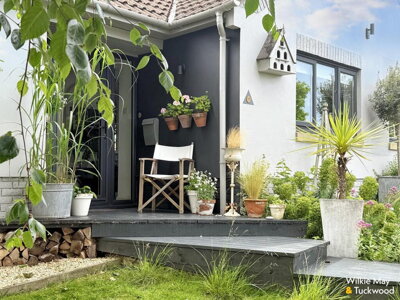
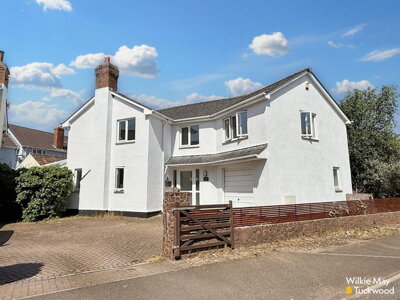
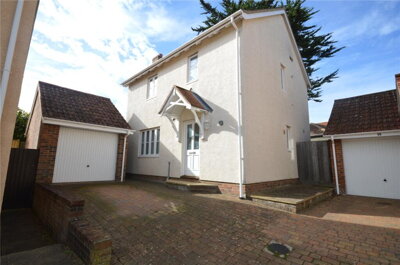
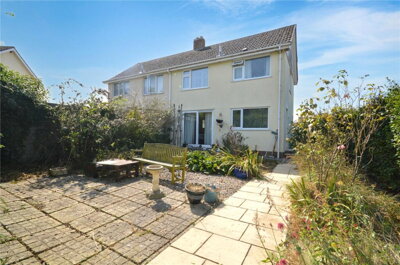
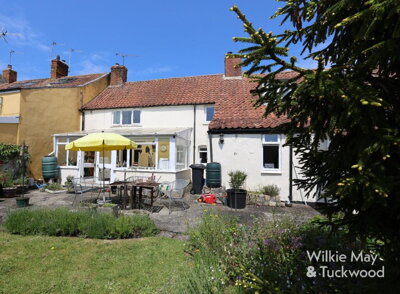
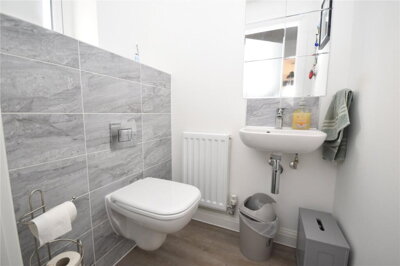
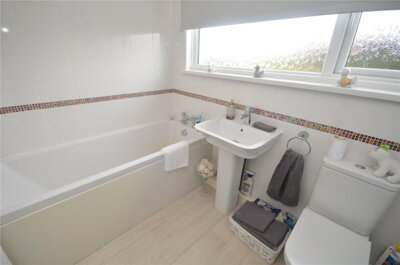
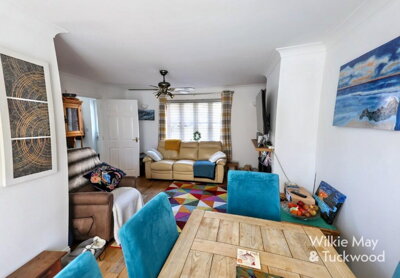
Browse 14 homes for sale in Stringston, Somerset from local estate agents.
Three bedroom properties represent a significant portion of the Stringston housing market, offering space for families with multiple reception rooms and gardens in many cases. Browse detached, semi-detached, and terraced options ranging from period character homes to contemporary developments.
£0k
0
0
0
Source: home.co.uk
Showing 0 results for 3 Bedroom Houses for sale in Stringston, Somerset.
The Sunk Island property market operates as a niche segment within the East Riding of Yorkshire housing landscape. Detached properties form the backbone of available listings, with average prices reaching approximately £560,000 for this property type. The premium reflects the generous plot sizes, countryside settings, and the relative scarcity of properties coming to market in this isolated coastal location. Our platform tracks listings across local estate agents, giving buyers comprehensive visibility into what remains a limited pool of available homes. The village's position on reclaimed land means most properties benefit from substantial grounds, a characteristic increasingly rare in modern housing markets.
Recent price trends demonstrate significant volatility in this small market. Over the last year, average sold prices in Sunk Island surged 181% compared to the previous year, with the current average of £477,500 standing 43% above the 2023 peak of £333,000. This surge reflects limited stock availability and growing interest in rural coastal properties. Individual streets show divergent patterns: Village Road properties increased 17% on their 2020 peak of £480,000, while East Bank Road saw a 32% decline from its 2011 peak of £580,000, and Sunk Island Road dropped 71% from a 2015 peak of £1,000,000. These variations highlight the importance of street-level analysis when evaluating property values in this market.
Semi-detached properties in Sunk Island average around £395,000, offering a more accessible entry point for buyers seeking the area's unique lifestyle. No new build developments currently operate within the Sunk Island postcode area, meaning all available stock consists of existing properties. This situation ensures the village maintains its traditional character while presenting buyers with properties that typically feature older construction methods and established gardens. The absence of new build activity also means buyers cannot access modern energy efficiency standards without undertaking retrofitting work on existing stock.
The limited transaction volume in Sunk Island means price data should be interpreted with appropriate caution. Small numbers of sales can produce dramatic percentage movements that may not reflect broader market conditions. Buyers should consider both recent comparable sales and longer-term trends when assessing value. Working with local estate agents who understand the nuances of this niche market helps ensure realistic expectations about property values and market conditions.

Life in Sunk Island revolves around the rhythms of coastal and agricultural life. The village sits on reclaimed marshland that stretches toward the Humber Estuary, creating a landscape of wide horizons, drainage channels, and expansive farmland. Residents describe a pace of life that prioritizes community connection and outdoor pursuits, with walking, birdwatching, and fishing forming popular activities. The area attracts those seeking to escape urban congestion while maintaining access to larger towns for employment and services. The distinctive landscape, shaped by centuries of land reclamation efforts, offers a rare combination of wild coastline and productive farmland.
The village itself contains essential local amenities serving day-to-day needs, while comprehensive shopping, healthcare, and entertainment options require travel to nearby towns such as Hull. Community facilities typically include a local pub or village hall where residents gather for events and social occasions. The surrounding landscape offers extensive public footpaths crossing farmland and coastal margins, providing opportunities for countryside exploration throughout the year. The East Riding coast offers exceptional birdwatching, with the Humber Estuary attracting significant populations of wintering waders and wildfowl.
Demographics in similar East Riding coastal villages tend toward an older population profile, with families drawn to the space and lifestyle, and residents often remaining in the community for decades. The coastal setting means exposure to maritime weather patterns, with strong winds and salt air affecting property maintenance requirements. Prospective buyers should consider that proximity to agricultural land means occasional farm vehicle traffic and seasonal activities including harvest operations. Understanding these lifestyle factors proves essential for those considering a move to this distinctive location.
The community atmosphere in Sunk Island reflects traditional village life where neighbours know each other and local events bring residents together. New arrivals often comment on the welcome they receive, with the small population creating genuine connections rather than the anonymity of larger settlements. However, prospective buyers should recognise that this isolation also means limited access to emergency services and essential amenities requires planning. Those comfortable with rural living arrangements typically find the lifestyle rewards significant.

Transport connectivity from Sunk Island reflects its rural and coastal positioning. The village sits away from major trunk roads, requiring vehicle travel to access motorway networks and railway stations. Hull city centre lies approximately 20 miles distant, offering the closest major employment hub and transport hub with national rail connections. The journey by car typically takes 35-45 minutes depending on route conditions, making Sunk Island practical for those working in Hull while maintaining countryside residence. The A63 provides access to the national motorway network via Hull, connecting to the M1 for travel further south.
Bus services connect Sunk Island with surrounding villages and market towns, though frequencies match the rural nature of the area with limited evening and Sunday provision. Routes typically serve key destinations including Hull, Withernsea, and the surrounding villages of the Holderness coast. Residents relying on public transport typically combine bus journeys with rail travel from Hull, requiring careful schedule planning. For those commuting to Leeds or other major northern cities, the drive to Hull's railway station represents a necessary first leg, with subsequent train journeys of 1-2 hours depending on destination.
Local road infrastructure consists primarily of single-lane rural lanes, requiring confident handling of narrow passages and farm traffic. The coastal location means proximity to scenic drives along the estuary and toward coastal resorts further north. Key routes including Sunk Island Road and East Bank Road connect the village to the wider highway network, though these remain unclassified rural lanes without dedicated walking or cycling infrastructure. Parking at properties in Sunk Island typically benefits from generous off-street provision, reflecting the rural setting and absence of parking restrictions found in urban areas.
For commuters working in Hull, the daily drive represents manageable distance, though fuel costs and vehicle wear should feature in budget calculations. The A1077 provides a scenic route toward Hull via South Cave and North Ferriby, while alternative routes through Withernsea offer coastal views. Those with flexible working arrangements increasingly find Sunk Island practical for hybrid commuting patterns, combining home working with occasional office presence.
Education provision for Sunk Island families relies primarily on schools in nearby villages and towns. Primary school-aged children typically attend schools in surrounding communities such as Ottringham, Roos, or Patrington, with these village primaries serving local catchment areas. Parents should verify current catchment arrangements with East Riding of Yorkshire Council, as school places can be competitive during peak enrollment periods. The journey to primary school often involves short drives rather than walking for those living in the village centre.
Secondary education options include schools in larger nearby towns, with students generally traveling daily to establishments offering broader curriculum choices and extracurricular activities. The East Riding maintains several well-regarding secondary schools in the region, with Good and Outstanding Ofsted ratings across the area providing families with quality educational options. Transport arrangements for secondary students often involve school bus services connecting rural villages to town schools, with journey times varying based on location and route.
For families considering sixth form or further education, Hull colleges and sixth form colleges offer comprehensive post-16 provision. The University of Hull provides higher education opportunities within reasonable commuting distance for those choosing to study while living in Sunk Island. Early planning proves essential given the rural location, with school transport arrangements and journey times requiring consideration alongside property decisions. Families should factor school transportation costs into their overall budget when calculating the true cost of property purchase.
The East Riding school transport policy provides free transport to the nearest suitable school for primary pupils living more than two miles away and secondary pupils living more than three miles away. However, these distances are measured by available walking routes rather than straight-line distance, meaning the rural location of Sunk Island may not always qualify for free transport to all schools. Planning school arrangements before property purchase helps avoid unexpected complications after moving.
Property buyers considering Sunk Island should carefully evaluate environmental factors associated with the coastal and low-lying location. The village's position on reclaimed marshland near the Humber Estuary means parts of the area carry potential flood risk from both tidal and surface water sources. Commissioning a thorough survey before purchase provides essential understanding of any flood history, current drainage conditions, and property vulnerability. RICS Level 2 surveys offer comprehensive assessment suitable for traditional construction properties common in the area. The Environment Agency flood risk maps indicate varying risk levels across the postcode area, with lowest-lying properties closest to drainage channels facing the highest potential exposure.
The age of properties in Sunk Island means buyers should anticipate maintenance requirements typical of older housing stock. Traditional construction methods used in rural Yorkshire properties can include features requiring specialized attention: solid walls rather than cavity insulation, older electrical systems, and original joinery and roofing materials. Surveyors assess these elements comprehensively, identifying where maintenance has been deferred or where upgrades would benefit the property. The coastal exposure also accelerates weathering, meaning roof conditions and exterior joinery warrant particularly careful inspection.
Planning considerations in this rural area differ from urban contexts, with permitted development rights often more restricted and planning applications subject to countryside protection policies. Buyers should verify any planned modifications or extensions with East Riding of Yorkshire Council planning department before committing to purchase. The predominance of detached properties on generous plots means most transactions involve freehold ownership, though thorough investigation of title documents remains essential for every purchase. Agricultural land included with some properties may carry additional use restrictions or rights of way affecting enjoyment.
Property insurance costs in coastal locations can exceed urban premiums, reflecting the perceived risk from weather exposure and potential flooding. Buyers should obtain insurance quotes before completion to understand this ongoing cost, as some properties may face difficulties securing cover from mainstream providers. Specialist insurers exist for high-risk properties, though premiums can be substantial. Properties with documented flood history may face particular challenges, making pre-purchase surveys essential for understanding full cost implications.
Explore available listings on Homemove and attend viewings to understand what properties offer at different price points. Given limited stock in this small village, maintaining flexibility on requirements broadens options. Our platform aggregates listings from multiple estate agents, saving you time when comparing available properties. Understanding the local market context, including recent price movements on roads like Village Road and East Bank Road, helps inform realistic expectations about property values and negotiation strategies.
Contact lenders to secure an agreement in principle before making offers. This strengthens your position when competing for properties in a niche market where vendors expect financially prepared buyers. Given the higher average property values in Sunk Island compared to regional averages, ensuring mortgage capacity covers your target properties proves essential. Brokers familiar with rural and coastal properties can advise on appropriate lending products and realistic borrowing limits for the area.
Commission a RICS Level 2 survey to assess the property condition thoroughly. For older rural properties, this investment identifies structural issues, damp, and maintenance needs before completion. Our inspectors understand the construction types common in East Riding villages and can identify issues specific to properties on reclaimed land. The survey report provides documented evidence of property condition supporting negotiation or, in serious cases, purchase withdrawal.
Appoint a solicitor experienced with rural and coastal properties to handle legal work. They will conduct searches including local authority, drainage, and environmental risk assessments specific to the Sunk Island area. Searches should include flood risk data, drainage authority records, and any planning constraints affecting the property. Rural properties sometimes involve unusual title arrangements or rights of way requiring specialist attention.
Once searches satisfy and financing confirms, exchange contracts with a set completion date. Your solicitor handles final payments including Stamp Duty Land Tax before keys release. At the Sunk Island average price of £477,500, standard buyer SDLT amounts to approximately £11,375. First-time buyers benefit from reduced rates, potentially lowering this to around £2,625. Ensure building insurance is in place from completion day, as lenders require evidence of cover before releasing funds.
The average house price in Sunk Island currently stands at approximately £477,500 based on recent sales data. Detached properties average around £560,000, while semi-detached properties tend toward £395,000. The market has shown significant price movement recently, with average prices rising 181% compared to the previous year and reaching 43% above the 2023 peak of £333,000. Individual street performance varies considerably, with Village Road properties trading 17% above their 2020 peak while Sunk Island Road properties remain 71% below their 2015 peak, illustrating the importance of property-specific analysis in this small market.
Properties in Sunk Island fall under East Riding of Yorkshire Council jurisdiction. Council tax bands range from A through H based on property value, with most traditional rural properties in the area typically falling within bands A to D. Exact bands should be confirmed for any specific property through the local authority or Land Registry records. The council tax banding reflects the property's assessed value at 1991 prices, meaning newer valuations do not affect current banding.
Primary education near Sunk Island includes village schools in surrounding communities such as Ottringham, Roos, and Patrington. These schools serve their local catchment areas, with journey times typically involving short drives rather than walking distances. Secondary options include schools in nearby market towns, several of which hold Good or Outstanding Ofsted ratings from their most recent inspections. Parents should verify current catchment boundaries with East Riding of Yorkshire Council, as these can change and affect school placement eligibility.
Public transport connectivity from Sunk Island reflects its rural location, with bus services providing limited connections to surrounding villages and towns. The nearest major railway station is in Hull, approximately 20 miles away, with the journey typically taking 35-45 minutes by car. Bus services operate on reduced frequencies compared to urban routes, with limited evening and Sunday provision common across rural East Riding. Daily commuting without private transport requires careful journey planning and typically involves combined bus and rail travel.
Property investment in Sunk Island presents both opportunities and considerations tied to the coastal location and limited market size. Price volatility reflects small transaction volumes rather than broad market trends, meaning dramatic percentage movements may not indicate sustainable value changes. The lifestyle appeal of rural coastal living continues attracting buyers seeking this character, potentially supporting long-term demand. However, investors should factor in environmental considerations including potential flood risk and the costs of maintaining older properties, along with the challenges of limited rental demand in this small community.
Stamp Duty Land Tax rates for standard buyers start at 0% on the first £250,000 of property value, rising to 5% on the portion between £250,001 and £925,000. For a property at the Sunk Island average price of £477,500, this would result in SDLT of approximately £11,375, calculated as 5% on the £227,500 portion above the threshold. First-time buyers benefit from relief on the first £425,000, reducing their SDLT liability to approximately £2,625 on a property at this price. Additional 3% surcharge applies for second homes and investment properties, significantly increasing total tax liability for portfolio buyers.
Given Sunk Island's position on reclaimed marshland near the Humber Estuary, flood risk warrants careful evaluation before purchase. Properties in lowest-lying areas face potential exposure to tidal flooding from the estuary and surface water during heavy rainfall events. Commissioning a survey that specifically addresses drainage and flood history helps identify properties with elevated risk profiles. Insurance availability and premiums can be significantly affected by flood risk assessment, making this factor essential to understand before committing to purchase.
No new build developments currently operate within the Sunk Island postcode area, meaning all available stock consists of existing properties. This situation ensures the village maintains its traditional character while presenting buyers with properties that typically feature older construction methods and established gardens. The absence of new build activity also means buyers cannot access modern energy efficiency standards without undertaking retrofitting work on existing stock. Properties in the area therefore tend toward traditional construction including solid wall structures rather than cavity-insulated modern equivalents.
Calculating total purchase costs for a property in Sunk Island requires accounting for Stamp Duty Land Tax alongside legal fees, survey costs, and moving expenses. At the current average price of £477,500, a standard buyer without additional properties would pay approximately £11,375 in SDLT, calculated as 5% on the amount between £250,000 and £477,500. This figure assumes the purchase completes after April 2025 when standard thresholds revert from the current temporary increase. First-time buyers purchasing at the Sunk Island average price would benefit from first-time buyer relief, paying 0% on the first £425,000 and 5% on the remaining £52,500, resulting in SDLT of approximately £2,625.
Investors and those purchasing additional properties should budget for the 3% supplementary charge applied to SDLT rates, significantly increasing total tax liability. For a second property at the average price, SDLT would amount to approximately £25,775, comprising the standard SDLT plus the 3% surcharge on the entire purchase price. This differential tax treatment makes investment in Sunk Island properties relatively more expensive than principal residence purchases, potentially affecting rental yield calculations.
Beyond Stamp Duty, buyers should budget approximately £500-£1,500 for conveyancing costs including legal fees, search fees, and Land Registry charges. A RICS Level 2 survey typically costs between £350-£600 depending on property size and value. Removal costs vary based on distance and volume, while mortgage arrangement fees, if applicable, add further costs. Building insurance must be in place from completion, with coastal and rural properties sometimes attracting higher premiums than urban equivalents.
Setting aside 3-5% of the purchase price for these additional costs ensures buyers avoid financial pressure as completion approaches. For a property at the Sunk Island average price of £477,500, this translates to approximately £14,325-£23,875 in additional costs beyond the purchase price itself. Budgeting carefully before property search begins helps prevent complications during the transaction process when funds become committed.
Properties for Sale In London

Properties for Sale In Plymouth

Properties for Sale In Liverpool

Properties for Sale In Glasgow

Properties for Sale In Sheffield

Properties for Sale In Edinburgh

Properties for Sale In Coventry

Properties for Sale In Bradford

Properties for Sale In Manchester

Properties for Sale In Birmingham

Properties for Sale In Bristol

Properties for Sale In Oxford

Properties for Sale In Leicester

Properties for Sale In Newcastle

Properties for Sale In Leeds

Properties for Sale In Southampton

Properties for Sale In Cardiff

Properties for Sale In Nottingham

Properties for Sale In Norwich

Properties for Sale In Brighton

Properties for Sale In Derby

Properties for Sale In Portsmouth

Properties for Sale In Northampton

Properties for Sale In Milton Keynes

Properties for Sale In Bournemouth

Properties for Sale In Bolton

Properties for Sale In Swansea

Properties for Sale In Swindon

Properties for Sale In Peterborough

Properties for Sale In Wolverhampton

Enter your details to see if this property is within your budget.
Loans, cards, car finance
Estimated property budget
Borrowing + deposit
You could borrow between
Typical borrowing
Monthly repayment
Est. at 4.5%
Loan-to-value
This is an estimate only. Your actual budget may vary depending on interest rates, credit history, and personal circumstances. For an accurate affordability assessment, speak to one of our free mortgage advisors.
This calculator provides estimates for illustrative purposes only and does not constitute financial advice. Your home may be repossessed if you do not keep up repayments on your mortgage. Estimates based on 4.5% interest rate, repayment mortgage. Actual rates depend on your circumstances.
Homemove is a trading name of HM Haus Group Ltd (Company No. 13873779, registered in England & Wales). Homemove Mortgages Ltd (Company No. 15947693) is an Appointed Representative of TMG Direct Limited, trading as TMG Mortgage Network, which is authorised and regulated by the Financial Conduct Authority (FRN 786245). Homemove Mortgages Ltd is entered on the FCA Register as an Appointed Representative (FRN 1022429). You can check registrations at NewRegister or by calling 0800 111 6768.

We use cookies to show you personalised content and improve your experience of our website. Find out more in our Privacy policy and Cookie policy.