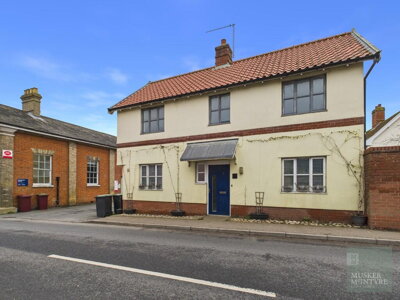
Browse 1 home for sale in Stradbroke, Mid Suffolk from local estate agents.
One bed apartments provide a separate bedroom alongside distinct living space, bathroom, and kitchen areas. Properties in Stradbroke are available in various building types including mansion blocks, contemporary developments, and house conversions.
£125k
1
0
57
Source: home.co.uk
Showing 1 results for 1 Bedroom Flats for sale in Stradbroke, Mid Suffolk. The median asking price is £125,000.
Source: home.co.uk
Flat
1 listings
Avg £125,000
Source: home.co.uk
Source: home.co.uk
The All Cannings property market reflects the village's desirable position within the Wiltshire countryside. Our data shows that the current average sold price stands at £438,500, representing a 22% decrease compared to the previous year and a 16% reduction from the 2023 peak of £520,633. This correction follows a period of significant growth and presents opportunities for buyers who may have previously found the market beyond their reach. The market has demonstrated its resilience through varying conditions, with specific streets showing markedly different performance from the overall trend.
Property types in All Cannings span a range of styles and price points to suit different requirements. Detached properties command the highest average prices at approximately £650,000, reflecting the premium associated with standalone homes with private gardens in a village setting. Terraced properties average around £372,500, while semi-detached homes fetch approximately £359,000. These figures illustrate the range of entry points available within the village, from more accessible terraced cottages to expansive detached family homes that dominate the upper end of the market.
New build activity within All Cannings remains limited to small-scale plot subdivisions rather than large developments. Recent planning permissions include a three-bedroom detached dwelling at Tumlins with full planning permission granted in 2022, and a self-build plot for a three-bedroom home in the village centre approved in 2019. A building plot at 46 The Street carries an implemented planning permission for a two-bedroom red brick end-of-terrace property, offering potential for two family homes. For buyers seeking newly constructed homes, surrounding towns such as Devizes and Melksham host larger developments including Marshalls Green, Zephyr Place, and Rowden Chase.

All Cannings embodies the timeless appeal of rural Wiltshire, with a population of approximately 588 residents living in a community that traces its roots back to at least the 12th century. The village clusters around its historic church, the Church of All Saints, a Grade II* listed building that serves as both a spiritual centre and architectural landmark. The village name derives from its position on the ancient Cannings Brook, reflecting the importance of watercourses in shaping settlement patterns across the Wiltshire chalklands. Residents describe a close-knit community where neighbours know one another and village events bring people together throughout the year.
The architectural heritage of All Cannings distinguishes it from many modern developments, with properties dating back to the 16th and 17th centuries featuring prominently in the village streetscape. Cottages bear datestones marking 1647, while timber-framed farmhouses such as Rustic Farmhouse and Cliff Farmhouse showcase the construction techniques of earlier centuries. The Old Rectory exemplifies the transition between building materials, with sarsen stone on the ground floor rising to brickwork above, using limestone ashlar for quoins and structural detailing. Many village cottages feature traditional thatched roofs, a characteristic that contributes significantly to the picturesque character protected by the Conservation Area designation.
The local economy reflects the broader Wiltshire pattern of predominantly rural activity, with the county's average salary around £33,000. All Cannings residents enjoy access to the natural landscape through an extensive network of public footpaths and bridleways that traverse the surrounding farmland and link to neighbouring villages. The Vale of Pewsey offers outstanding landscape beauty, with the northern areas of the parish extending onto the Marlborough Downs where Upper Cretaceous Chalk creates the distinctive rolling topography of this part of Wiltshire. Local amenities include the village hall, which hosts community events, and the Bethel Strict Baptist Chapel, another Grade II listed building that reflects the nonconformist traditions of the area.
Understanding the traditional construction methods used throughout All Cannings helps buyers appreciate the character of village properties and anticipate maintenance requirements. The predominant building materials reflect the local geology and historical building practices that have shaped the Wiltshire countryside for centuries. Many cottages throughout the village feature traditional thatched roofs, which require specialist maintenance but contribute significantly to the thermal insulation and aesthetic appeal of these historic homes. The combination of materials creates distinctive visual character while also determining how properties perform in terms of energy efficiency and weather resistance.
Historic timber-framed houses represent a significant portion of the older housing stock, with properties such as Rustic Farmhouse and Cliff Farmhouse dating from the late 16th and early 17th centuries. These buildings feature traditional oak framing with panel infill, often finished with lime-based mortars and renders that allow the structure to breathe. The Old Rectory showcases an interesting transitional approach, with sarsen stone construction on the ground floor rising to brickwork above, with limestone ashlar used for quoins and structural detailing. This combination of materials reflects changing availability and fashion across different periods of construction.
The underlying geology of All Cannings directly influences the building materials available locally and the potential challenges facing property owners. The southern part of the parish lies within the Vale of Pewsey while the northern areas extend onto the Marlborough Downs, which are predominantly underlain by Upper Cretaceous Chalk. Exposures of Upper Greensand also appear around the village, creating a complex geological environment. Clay-with-flints deposits are present across parts of the chalk plateau, which can create shrink-swell subsidence risks where large trees stand near properties with shallow foundations. Properties built before the introduction of modern building regulations often feature solid-walled construction without cavity insulation, which can affect moisture management and thermal performance.
Properties in All Cannings require careful inspection due to their age and traditional construction methods. The majority of village homes were built before modern building standards were introduced, meaning they lack features that contemporary buyers expect. A thorough survey can identify issues that might not be immediately visible during a viewing, potentially saving buyers significant money on future repairs. Understanding the typical defects found in historic Wiltshire properties helps buyers make informed decisions and negotiate appropriate terms.
Dampness represents one of the most frequent issues affecting older properties throughout All Cannings. Solid-walled construction predating modern damp-proof courses creates vulnerability to both rising damp and penetrating damp through aging brickwork or stonework. Poor ventilation, leaking roofs, defective weatherproofing, and failed damp-proof courses all contribute to moisture problems that can develop over time. The village's proximity to Moor Brook and the underlying chalk geology, which can create high groundwater conditions during wet periods, may exacerbate these issues in some properties.
Roof defects commonly affect historic properties in the village, with issues ranging from broken or missing tiles to sagging roof lines and deteriorating ridge mortar. The replacement of original clay tiles with heavier modern alternatives on older properties can lead to structural problems including roof spread, where the weight of new tiles causes the roof structure to deform over time. Flashing failures around chimneys, dormers, and valleys create vulnerable points where water can penetrate into the structure, potentially causing hidden damage to timbers and ceiling finishes.
Structural movement requires careful assessment in any property purchase within the village. Diagonal or step-like cracks exceeding 5mm width, uneven floors, and misaligned doors or windows can indicate ongoing movement that may need attention. The presence of clay-with-flints deposits in parts of the parish means that shrink-swell subsidence represents a potential risk, particularly where large trees stand near properties with shallow foundations. Prolonged dry weather can exacerbate this risk as clay soils contract and allow foundations to settle unevenly. We recommend that buyers commission a detailed survey before completing any purchase in All Cannings.
Families considering a move to All Cannings will find a selection of educational options within reasonable travelling distance. The village itself falls within the catchment area for primary schools in nearby villages and market towns, with several well-regarded primary schools serving the surrounding communities. Parents should research specific school catchments and admissions policies, as these can significantly influence property values in particular streets and influence the overall appeal of different areas within the village.
Secondary education options in the region include schools in Devizes, which offers several secondary schools with strong academic records and comprehensive facilities. The Wiltshire school system follows national curriculum guidelines, with schools regularly inspected by Ofsted to ensure educational standards are maintained. For families seeking alternative educational approaches, the surrounding area includes faith schools and schools with particular specialisms that may suit specific learning requirements or interests.
For families with children requiring sixth form education or further education, the nearby towns provide comprehensive options. Devizes School offers sixth form provision, while larger towns like Swindon, Trowbridge, and Salisbury host colleges offering a wider range of A-level subjects and vocational courses. Transport connections from All Cannings to these educational centres are generally good, with bus services connecting the village to surrounding towns during school term times. Parents are advised to check current school performance data, admissions criteria, and transport arrangements when considering properties, as these factors can significantly impact daily family routines.
All Cannings enjoys a strategic position within Wiltshire, offering reasonable connectivity to major employment centres while retaining the tranquility of rural village life. The village sits approximately six miles north of Devizes, the nearest market town, which provides everyday shopping, banking, and healthcare services. The A361, a major route connecting Swindon to Taunton, passes through nearby villages and provides access to the wider road network including the M4 motorway, which runs north of the county and connects London to South Wales.
Public transport options centre on bus services connecting All Cannings to surrounding towns and villages. These services provide essential connectivity for residents without private vehicles, connecting to railway stations where available. The nearest mainline railway stations are located in Swindon, offering direct services to London Paddington, Bristol, and the south-west. Regional bus services operate on varying frequencies, with some routes providing only limited weekday services, making private vehicle ownership practical necessity for many residents.
For cyclists and pedestrians, the network of quiet country lanes and public footpaths provides excellent opportunities for recreational travel and short-distance commuting. The surrounding countryside offers scenic routes between villages, though the hilly terrain in some areas, particularly where the parish extends onto the Marlborough Downs, requires varying levels of fitness. Road parking within the village is generally adequate for residential purposes, though the narrow lanes in the historic core can present challenges for larger vehicles. The village's position between the A360 and A342 provides multiple route options to surrounding towns, reducing pressure on any single road.
Explore current listings in All Cannings and understand price trends. With the market showing a 22% year-on-year correction from previous peaks, buyers have improved purchasing power compared to recent years. Research specific streets as they can perform very differently from the overall average. Property prices in The Glebe, for example, have risen 55% over the previous year, while other areas have experienced different pressures.
Schedule viewings of properties that match your requirements. Given the village's Conservation Area status and concentration of listed buildings, viewings offer valuable opportunity to assess the condition of older properties and understand the implications of these designations. Pay particular attention to the construction materials, roof conditions, and any signs of damp or structural movement.
Before making an offer, secure a mortgage agreement in principle from a lender. This strengthens your position as a serious buyer and helps you understand your true budget range, which is essential given the varied price points across property types in the village. A mortgage broker familiar with rural properties can help navigate the specific requirements for older buildings.
For properties over 50 years old, which represent a significant proportion of All Cannings housing stock, a RICS Level 2 Survey is essential. These surveys identify defects common in historic properties including dampness, roof condition, and structural movement, providing negotiating leverage or highlighting necessary repairs. For Listed Buildings, a more detailed RICS Level 3 Building Survey may be more appropriate.
Appoint a solicitor experienced in rural property transactions to handle the legal aspects of your purchase. They will conduct searches, handle local authority queries, and ensure smooth transfer of ownership, including any specific considerations for Conservation Areas or Listed Buildings. Additional searches related to flooding risk and environmental conditions may be advisable given local geology.
Once all searches are satisfactory and finances are confirmed, exchange contracts and set a completion date. Complete your purchase and collect your keys to begin your new chapter in All Cannings. Budget for removal costs, potential renovation works, and the ongoing maintenance requirements of your historic property.
Purchasing property in All Cannings requires awareness of several local-specific factors that may not apply in urban markets. The village's Conservation Area status imposes additional planning controls on external alterations, extensions, and certain works that might be permitted without consent elsewhere. Prospective buyers should understand that permission may be required for works including dormer windows, satellite dishes, and significant landscaping, and that the character of the area must be preserved in any alterations.
The concentration of Listed Buildings throughout the village adds another layer of consideration for buyers. Properties listed at Grade II or Grade II* are protected for their national importance, and any works that would affect their character or structural integrity require Listed Building Consent from the local planning authority. The Church of All Saints holds Grade II* status, while buildings including The Old Rectory, Rustic Farmhouse, and Cliff Farmhouse are Grade II listed. These requirements can affect renovation costs and future flexibility, though they also protect property values by maintaining the village's distinctive character.
Flood risk assessment should form part of any purchase decision in All Cannings. The village faces potential risks from surface water flooding when heavy rainfall overwhelms local drainage systems, and from groundwater flooding where a high water table causes water to emerge at the surface. Moor Brook flows through the village, and properties located near watercourses or in lower-lying areas warrant particularly careful investigation. The chalk geology of the surrounding downs can create conditions where groundwater levels rise significantly during wet periods, potentially affecting basements or low-level extensions.
The average sold price for properties in All Cannings over the past year stands at £438,500 according to our data. Detached properties average approximately £650,000, terraced properties around £372,500, and semi-detached homes approximately £359,000. The market has experienced a correction of approximately 22% compared to the previous year and sits 16% below the 2023 peak of £520,633, offering improved affordability for buyers entering the market. Specific streets within the village show markedly different performance, with The Glebe prices rising 55% over the previous year while the overall market has corrected from recent highs.
Properties in All Cannings fall under Wiltshire Council administration for council tax purposes. The village's older housing stock, including the numerous listed buildings dating from the 16th and 17th centuries, typically falls within Bands C through E under the current valuation system. Specific bandings depend on the Valuation Office Agency's assessment of individual properties, which considers factors including property size, age, and construction method. Historic properties with traditional building materials may have been assessed under different criteria in the past. Buyers should verify the council tax band for any specific property through the Wiltshire Council website or the property's listing details before completing a purchase.
All Cannings is served by primary schools in nearby villages and the surrounding area, with several well-regarded options within a reasonable travelling distance. The village falls within Wiltshire's education authority, which maintains information on school catchments, latest Ofsted ratings, and admissions policies on its website. Parents should research specific catchments as school admissions are determined by distance from the school for most primary and secondary places. Secondary schools in nearby Devizes provide comprehensive education options, and families should check current performance data, admissions criteria, and transport arrangements when considering properties.
Public transport connectivity from All Cannings centres on regional bus services connecting to Devizes and surrounding towns. The village sits approximately six miles from Devizes, which provides access to everyday services and connects to the wider transport network. The A361 provides road access to the wider network, with the M4 motorway accessible for travel to Swindon, Reading, and London. Mainline railway services are available in Swindon, offering direct connections to London Paddington with journey times of approximately one hour. Private vehicle ownership remains practical for most residents given the limited frequency of rural bus services.
A professional survey is strongly recommended for any property purchase in All Cannings given the significant number of historic buildings throughout the village. Properties dating from the 16th and 17th centuries, traditional construction methods including timber framing and solid-walled construction, and the presence of clay-with-flints deposits in the local geology all create potential issues that require expert assessment. Our RICS Level 2 Surveys start from £395 for properties in the village price range. For Listed Buildings or properties showing signs of structural movement, a more comprehensive RICS Level 3 Building Survey may be more appropriate despite the higher cost.
Stamp duty rates from April 2025 onwards apply at 0% on the first £250,000 of residential property purchases, 5% on the portion from £250,001 to £925,000, 10% on the portion from £925,001 to £1.5 million, and 12% on any amount above £1.5 million. First-time buyers benefit from relief on the first £425,000 with 5% applied between £425,001 and £625,000. For a typical £438,500 property in All Cannings, a first-time buyer would pay no stamp duty while a subsequent buyer would pay approximately £9,425. These calculations should be confirmed with a solicitor or mortgage adviser as individual circumstances may vary.
All Cannings offers several factors that may appeal to property buyers. The village's Conservation Area status and concentration of historic properties suggest limited potential for inappropriate development that might alter the local character. The correction in prices from the 2023 peak may present buying opportunities for long-term investors seeking to enter the village market. The demand for countryside living within reach of major employment centres continues to support values in villages like All Cannings. However, the rural location and limited local employment mean rental demand may be more modest than in urban areas, and any investment should account for the specific considerations around Listed Buildings and Conservation Areas.
From 4.5%
Compare mortgage rates from leading lenders for your All Cannings purchase
From £499
Expert legal services for your property purchase in All Cannings
From £395
Essential survey for older properties in All Cannings, identifying defects common in historic homes
From £85
Energy Performance Certificate required for all property sales
Understanding the full costs of purchasing property in All Cannings extends beyond the advertised asking price. The stamp duty land tax implications for a typical All Cannings property at the current average price of £438,500 require careful calculation. For standard purchasers, stamp duty applies at 0% on the first £250,000, then 5% on the amount between £250,001 and £438,500, resulting in total SDLT of approximately £9,425. First-time buyers benefit from increased thresholds, paying 0% on the first £425,000, meaning many first-time buyers purchasing at or near the average price would pay no stamp duty at all.
Beyond stamp duty, buyers should budget for solicitor fees which typically range from £500 to £1,500 depending on complexity and property value. Given the concentration of Listed Buildings and Conservation Area properties in All Cannings, transactions may require additional searches and specialist advice, potentially increasing legal costs. Survey costs for a RICS Level 2 HomeBuyer Report average around £395 to £470 for properties in the village price range, while an RICS Level 3 Building Survey for a historic property may cost £600 or more depending on size and complexity. An Energy Performance Certificate is mandatory and typically costs between £85 and £150.
Additional costs include mortgage arrangement fees, which vary significantly between lenders and products but commonly range from 0% to 1.5% of the loan amount. Land Registry fees for registering the transfer of ownership are relatively modest at around £20 to £455 depending on property value. Removal costs, potential redecoration and renovation expenses, and building insurance from completion date should all factor into your overall budget. For buyers purchasing older properties in All Cannings, setting aside funds for potential repairs identified during survey, particularly for historic buildings with specific maintenance requirements, represents prudent financial planning.
Properties for Sale In London

Properties for Sale In Plymouth

Properties for Sale In Liverpool

Properties for Sale In Glasgow

Properties for Sale In Sheffield

Properties for Sale In Edinburgh

Properties for Sale In Coventry

Properties for Sale In Bradford

Properties for Sale In Manchester

Properties for Sale In Birmingham

Properties for Sale In Bristol

Properties for Sale In Oxford

Properties for Sale In Leicester

Properties for Sale In Newcastle

Properties for Sale In Leeds

Properties for Sale In Southampton

Properties for Sale In Cardiff

Properties for Sale In Nottingham

Properties for Sale In Norwich

Properties for Sale In Brighton

Properties for Sale In Derby

Properties for Sale In Portsmouth

Properties for Sale In Northampton

Properties for Sale In Milton Keynes

Properties for Sale In Bournemouth

Properties for Sale In Bolton

Properties for Sale In Swansea

Properties for Sale In Swindon

Properties for Sale In Peterborough

Properties for Sale In Wolverhampton

Enter your details to see if this property is within your budget.
Loans, cards, car finance
Estimated property budget
Borrowing + deposit
You could borrow between
Typical borrowing
Monthly repayment
Est. at 4.5%
Loan-to-value
This is an estimate only. Your actual budget may vary depending on interest rates, credit history, and personal circumstances. For an accurate affordability assessment, speak to one of our free mortgage advisors.
This calculator provides estimates for illustrative purposes only and does not constitute financial advice. Your home may be repossessed if you do not keep up repayments on your mortgage. Estimates based on 4.5% interest rate, repayment mortgage. Actual rates depend on your circumstances.
Homemove is a trading name of HM Haus Group Ltd (Company No. 13873779, registered in England & Wales). Homemove Mortgages Ltd (Company No. 15947693) is an Appointed Representative of TMG Direct Limited, trading as TMG Mortgage Network, which is authorised and regulated by the Financial Conduct Authority (FRN 786245). Homemove Mortgages Ltd is entered on the FCA Register as an Appointed Representative (FRN 1022429). You can check registrations at NewRegister or by calling 0800 111 6768.

We use cookies to show you personalised content and improve your experience of our website. Find out more in our Privacy policy and Cookie policy.