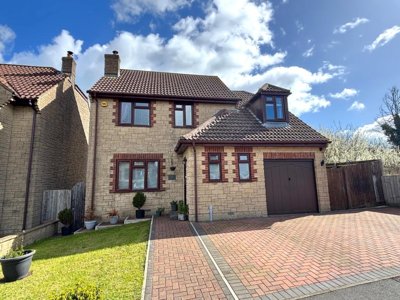
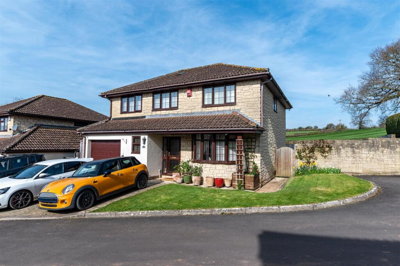
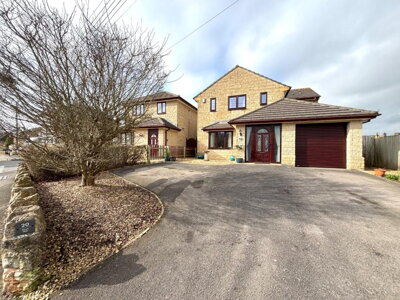
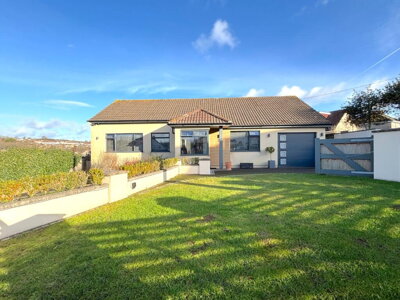
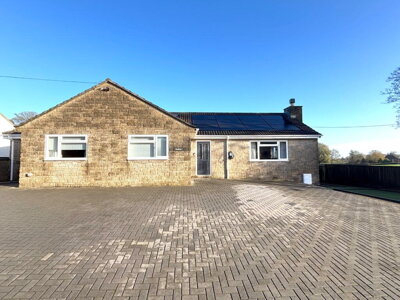
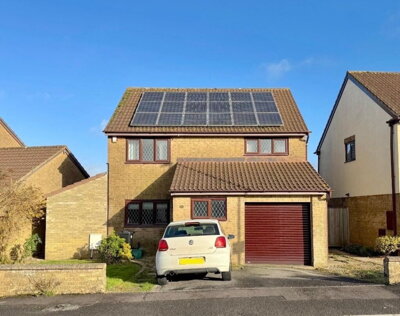
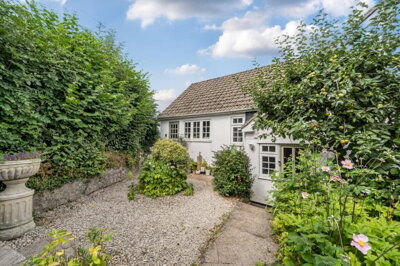
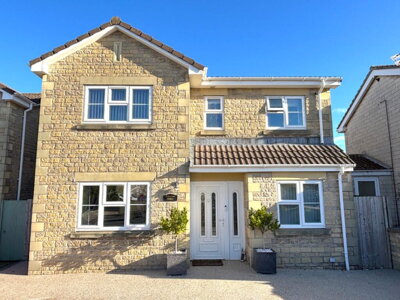
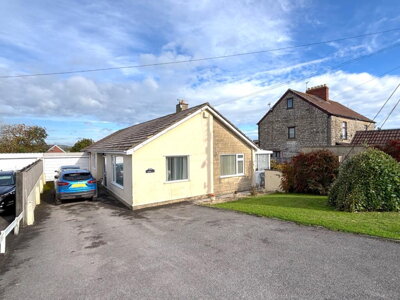
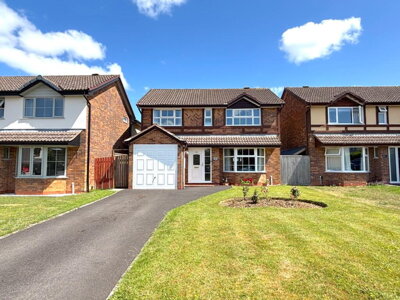
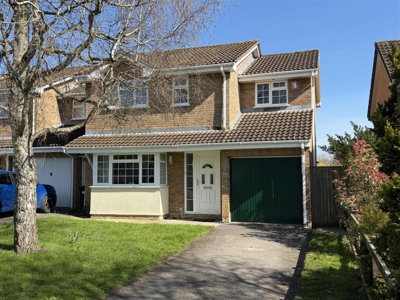
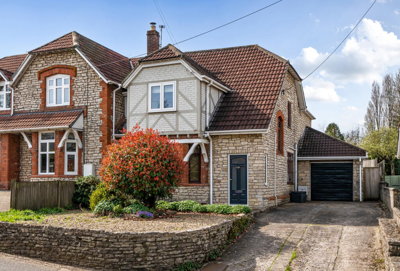
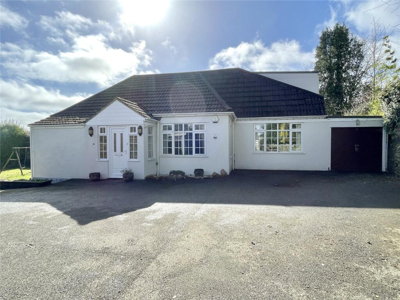
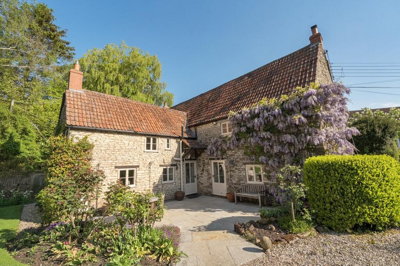
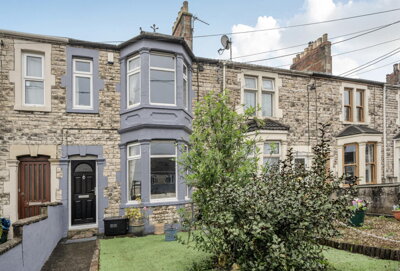
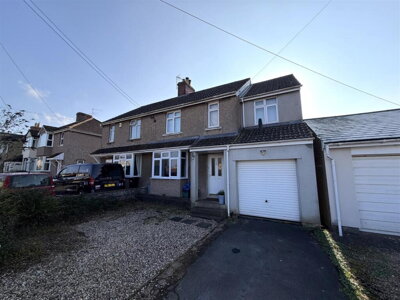
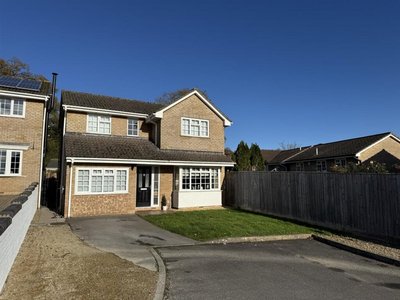
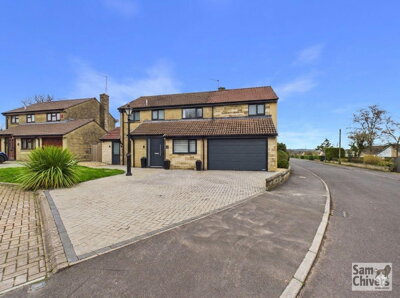
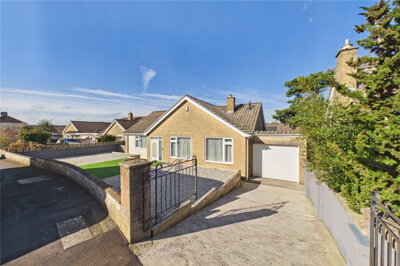
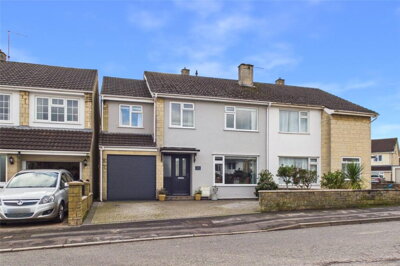
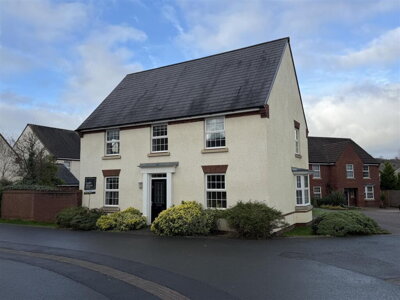
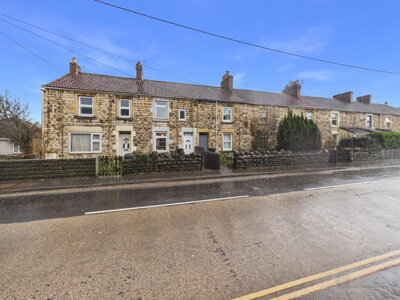
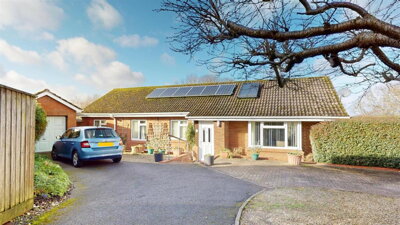
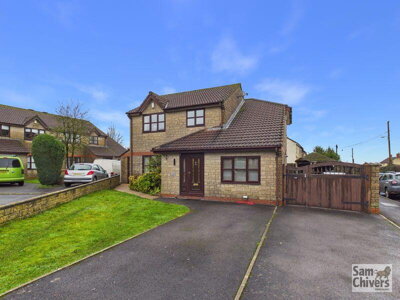
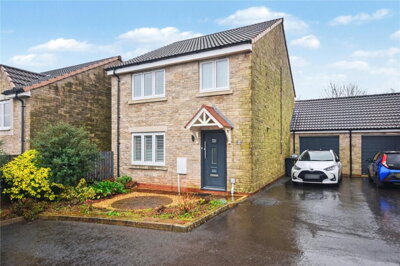
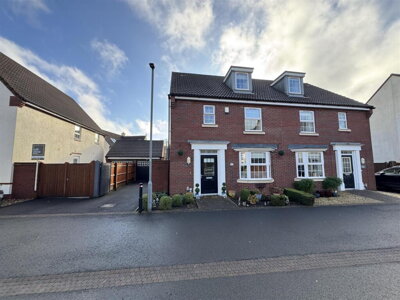
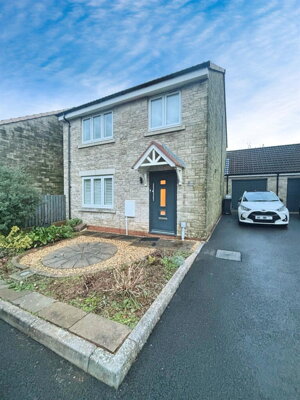
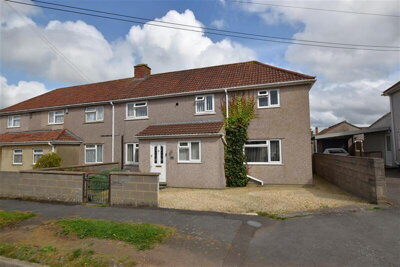
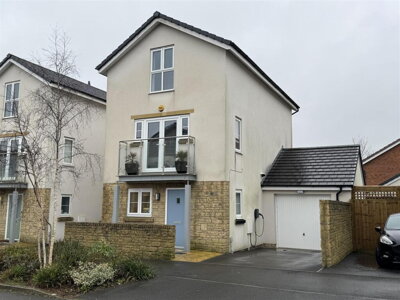
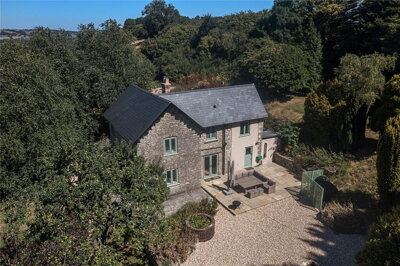
Browse 64 homes for sale in Ston Easton from local estate agents.
The larger property sector typically features multiple bathrooms, substantial reception space, and private gardens or off-street parking. Four bedroom houses in Ston Easton span detached, semi-detached, and occasionally terraced configurations, with styles ranging from period properties to modern executive homes.
The Ston Easton property market presents an intriguing opportunity for buyers in 2026. The average sold house price currently stands at £300,000, reflecting a significant shift from the 2023 peak of £658,200. Over the past year, prices have fallen approximately 23% compared to the previous year, with a 32.2% decline over the last 12 months for completed sales. This cooling period offers savvy buyers the chance to enter the Ston Easton market at more accessible price points than seen in recent years. The market correction follows a pattern observed across rural Somerset, where post-pandemic price surges are gradually normalising.
Property types available in Ston Easton reflect its village character and historical heritage. Detached family homes command premium prices, with a five-bedroom detached house recently listed at £580,000 in February 2026. Semi-detached properties have sold for around £300,000, while those with additional development potential fetch higher prices. A three-bedroom semi-detached house with planning permission for conversion was listed at £500,000, demonstrating the value placed on properties offering expansion opportunities. At the upper end of the market, Ston Easton Park - a magnificent 20-bedroom Grade I Listed Georgian mansion - is available for £4,500,000, representing one of Somerset's most prestigious residential offerings.
Our inspectors who survey properties throughout Somerset frequently encounter the distinctive characteristics of Mendip stone construction. We have identified recurring issues in older Ston Easton properties, including weathering of Carboniferous Limestone walls, deterioration of traditional lime mortar pointing, and occasional signs of structural movement related to the underlying geology. When evaluating properties in this village, we recommend paying particular attention to the condition of stonework, as repair costs for traditional lime-based construction can exceed those for modern brickwork by a significant margin.
Source: Homemove property data, February 2026
Ston Easton is a linear village stretching along the A37 road, characterised by its distinctive honey-coloured limestone buildings that reflect the local Carboniferous Limestone geology of the Mendip Hills. The village maintains an intimate, community-focused atmosphere with approximately 631 residents calling the parish home according to the 2021 Census, having grown from 550 in the 2011 Census. The village's layout means that amenities and residential properties are concentrated along the main road, creating a traditional English village character where neighbours are never far away. This compact nature fosters a strong sense of community that newcomers often cite as a major draw.
The Mendip Hills provide an extraordinary backdrop for daily life, with extensive public footpaths, cycling routes, and natural beauty right on the doorstep. The underlying geology of the area - primarily Carboniferous Limestone with areas of Dolomitic Conglomerate - has shaped not only the landscape but also the architectural heritage, with buildings constructed from locally quarried stone using traditional techniques. The Carboniferous Limestone bedrock was formed around 350 million years ago and creates the dramatic gorges, caves, and scree slopes that make the Mendips so visually striking. The Dolomitic Conglomerate found on the southern flanks of the hills, including around Ston Easton, has traditionally been used for rubblestone walling, lintels, and gateposts throughout the village.
The Grade I Listed Ston Easton Park and its associated Grade II* Listed stables represent the architectural jewels of the village. Built between 1750 and 1760 in the Palladian style, the house dominates the local landscape and serves as a reminder of the village's aristocratic past. Local amenities in the surrounding area include village pubs, farm shops, and artisan producers, while the nearby towns of Midsomer Norton and Radstock offer broader retail and service provision. The BA3 postcode area surrounding Ston Easton has seen new housing developments in recent years, with David Wilson Homes' Somer Meadows development in Midsomer Norton offering modern alternatives to the village's traditional housing stock.
Our team has surveyed numerous properties across the Ston Easton area and we understand the specific challenges that come with owning traditional Mendip stone construction. Many properties here feature solid walls without cavity insulation, which means thermal efficiency relies heavily on the thickness of stone walls and the quality of secondary glazing. We frequently advise buyers to consider the energy performance of older stone homes, as upgrading insulation in solid-walled properties requires different approaches than those used in modern cavity-wall construction.
Families considering a move to Ston Easton will find educational provision primarily located in the surrounding towns and villages of Somerset. The village falls within the Mendip district, which maintains a network of primary and secondary schools serving the local population. Primary education in the nearby area includes schools in villages such as Chewton Mendip, which serves the immediate rural community, while more comprehensive options are available in the market towns of Shepton Mallet and Wells. The quality of education in the Mendip district is supported by the local authority's commitment to school improvement and access to learning facilities that reflect the needs of both rural and semi-rural communities.
For secondary education, students typically travel to schools in nearby towns, with several well-regarded options within reasonable driving distance. The catchment areas for secondary schools are determined by the home address, making the location of your property purchase particularly relevant for families with school-age children. Parents should verify current catchment boundaries and admission arrangements directly with Somerset Council, as these can change annually. The nearest secondary schools include those in Shepton Mallet, Wells, and Frome, all of which offer GCSE and A-Level programmes with good transport links from the Ston Easton area.
Sixth form provision is available at secondary schools in larger nearby towns, while further education colleges in Bath, Bristol, and Taunton offer comprehensive post-16 programmes for students pursuing vocational or academic qualifications beyond GCSE level. For families prioritising school access when buying in Ston Easton, we recommend researching specific school performance data through the Government KS4 and KS5 performance tables. Properties in certain parts of the village may fall within different catchment areas, so confirming school placements before committing to a purchase is essential.
Ston Easton enjoys a strategic position for commuters, with the A37 providing direct road connections to the major cities of Bristol and Bath, both approximately 11 miles away. The A37 is the main arterial route through the village, connecting to the A39 and to the M5 motorway at junction 22, enabling straightforward access to Exeter, Plymouth, and the South West peninsula. Bristol Airport, offering international flights, is within reasonable reach, making Ston Easton practical for those who travel frequently for work or leisure. However, as with many rural villages, car ownership is considered essential for daily commuting and accessing amenities.
Public transport options are more limited, reflecting the village's small scale and rural location. Bus services operate along the A37 route, connecting Ston Easton with neighbouring villages and towns, though frequencies are typically reduced compared to urban services. The nearest railway stations are located in towns such as Bath Spa and Bristol Temple Meads, offering mainline services to London Paddington, Birmingham, and the wider national rail network. From Bath Spa, travellers can reach London Paddington in approximately 90 minutes, while Bristol Temple Meads offers connections to the West Country and Wales.
For cyclists, the Mendip Hills offer challenging but rewarding routes, while the National Cycle Network provides connections to surrounding villages and towns for those who prefer two wheels for shorter journeys. The Sustrans Route 3 passes through the region, offering traffic-free cycling where possible. For those working from home, Ston Easton's location makes it feasible for commuters who only need to travel to the office two or three days per week, with Bristol and Bath both accessible within 30-45 minutes by car outside peak hours.
Start by exploring available properties in Ston Easton through Homemove and understanding recent sale prices. With average prices at £300,000 and the market currently showing corrections from the 2023 peak, timing your purchase carefully can yield significant savings. Consider engaging a local estate agent who knows the village intimately.
Before viewing properties, obtain a mortgage agreement in principle from a lender. This demonstrates your seriousness to sellers and helps you understand your true budget. For properties in Ston Easton, remember that many are older stone buildings that may require surveys, so factor this into your overall costs. Our mortgage partners can provide competitive rates starting from 3.5% APR.
Visit multiple properties to compare the character, condition, and potential of homes in the village. Pay particular attention to the condition of stone walls, roofs, and any signs of damp common in older properties. Ston Easton's listed buildings may have specific maintenance requirements that affect your renovation plans.
Given Ston Easton's predominantly older housing stock, we recommend a RICS Level 2 Survey for most properties to identify any structural issues, damp, or required repairs. For Grade II Listed or more complex period properties, a Level 3 Building Survey may be more appropriate. Our surveyors understand the specific construction methods used in Mendip stone buildings and can identify issues that generic surveys might miss.
Once your offer is accepted, instruct a conveyancing solicitor to handle the legal aspects of your purchase. They will conduct searches, review contracts, and manage the transfer of ownership through the Land Registry. Our conveyancing partners offer competitive rates from £499.
Your solicitor will coordinate the exchange of contracts and set a completion date. On completion day, the remaining funds are transferred and you receive the keys to your new Ston Easton home. We recommend arranging buildings insurance from this date onwards.
Properties in Ston Easton are predominantly constructed from local Carboniferous Limestone and Dolomitic Conglomerate, materials that define the village's distinctive character but require specific maintenance considerations. When viewing properties, examine the condition of stone walls for signs of weathering, mortar degradation, or structural movement. The Mendip Hills geology includes areas where clay-rich superficial deposits exist, which can cause shrink-swell behaviour affecting foundations. Look for signs of subsidence such as diagonal cracks in walls, uneven floors, or doors that stick - issues that may indicate ground movement requiring further investigation.
Our inspectors have identified several recurring concerns when surveying properties in Ston Easton and the surrounding Mendip villages. Rising damp is common in older stone properties that lack modern damp-proof courses, and we frequently observe deterioration of traditional lime mortar pointing that allows water penetration into solid walls. Penetrating damp often affects stone walls where pointing has failed or where flashings around chimneys and roof intersections have degraded over time. We check these areas carefully during every survey and recommend budget allocations for remedial works where necessary.
The presence of listed buildings throughout Ston Easton, including Grade I and Grade II* structures, suggests that parts of the village may fall within a Conservation Area. If your target property is listed or within a conservation designation, you will need Listed Building Consent for certain alterations, and these properties often require specialist maintenance using traditional materials and techniques. Always check with Mendip District Council planning department regarding any restrictions that may apply. Additionally, verify the tenure of any property - while houses in the village are likely freehold, flats or retirement properties in the area may be leasehold with associated service charges and ground rent implications.
Older properties in Ston Easton may also contain outdated electrical systems, plumbing with lead or galvanised steel pipes, and insufficient insulation by modern standards. Our RICS Level 2 Survey reports identify these issues and provide cost estimates for bringing services up to current standards. For listed buildings, any electrical rewiring or plumbing work may require Listed Building Consent, so factor this into your renovation timeline and budget.
Our inspectors who work throughout Somerset have built up detailed knowledge of the specific defects that affect properties in the Ston Easton area. The combination of traditional Mendip stone construction, the age of much of the housing stock, and the local geology creates a set of issues that buyers should be aware of before completing a purchase. Understanding these common problems helps buyers make informed decisions and negotiate appropriate prices when issues are identified.
Structural movement related to the underlying geology is a significant concern in parts of the Mendip area. While the primary bedrock is limestone, superficial deposits of clay-rich material can cause shrink-swell behaviour during periods of drought or heavy rainfall. This ground movement can affect foundations, particularly those of older properties built before modern building regulations. Our surveyors check for signs of subsidence including crack patterns, door and window sticking, and uneven floor levels that may indicate foundation movement.
Timber decay affects many older properties in the village, with both wet rot and dry rot presenting risks where moisture can penetrate stone walls or roof structures. We inspect roof timbers, floor joists, and structural woodwork for signs of decay, insect infestation, or previous remedial work. Properties with a history of roof leaks or penetrating damp should be examined particularly carefully, as hidden timber damage can be extensive even when surface conditions appear acceptable.
Roof defects are frequently identified during surveys of traditional Ston Easton properties. Missing or slipped tiles, degraded ridge tiles, and failing lead flashings around chimneys are common issues that allow water ingress into the structure. Our inspectors assess roof condition from both inside and outside the property, checking for daylight penetration, wet timbers, and adequate ventilation that prevents condensation buildup in roof spaces.
The average sold house price in Ston Easton is currently £300,000 as of February 2026. This represents a significant correction from the 2023 peak of £658,200, with prices falling approximately 32.2% over the last 12 months. Individual properties range from traditional cottages to substantial detached family homes, with Ston Easton Park available at £4,500,000 for those seeking an exceptional country house purchase. The current market conditions offer buyers an opportunity to enter the Ston Easton property market at more accessible price points than seen during the recent peak.
Properties in Ston Easton fall under Mendip District Council and Somerset Council for council tax purposes. Bands range from A to H depending on the property's assessed value. Most traditional stone cottages and terraced properties tend to fall in bands A to D, while larger detached homes and period properties may be in higher bands. The specific council tax band for any property should be confirmed through the Valuation Office Agency website or by contacting Mendip District Council directly, as bands can affect ongoing ownership costs.
Ston Easton itself is a small village, so primary schools are located in surrounding villages such as Chewton Mendip which serves the immediate rural community. For secondary education, students typically attend schools in nearby towns including Shepton Mallet, Wells, or Frome, depending on catchment area boundaries determined by Somerset Council. The nearest secondary schools are accessible by school transport, though parents should verify current catchment boundaries and consider transport arrangements when choosing a property location. School performance data is available through Government KS4 and KS5 performance tables to help families make informed decisions.
Public transport options in Ston Easton are limited due to its rural village setting. Bus services operate along the A37 connecting to neighbouring towns and villages including Midsomer Norton, though frequencies are reduced compared to urban areas. The nearest railway stations are in Bath Spa and Bristol Temple Meads, requiring car travel to reach these hubs. From Bath Spa, London Paddington is accessible in approximately 90 minutes. Bristol Airport is approximately 30 minutes away by car, making Ston Easton practical for regular flyers despite limited public transport options.
Ston Easton offers a compelling investment case for those seeking countryside living with access to major cities. The current market correction has brought prices to more accessible levels, with the average price at £300,000 following significant reductions from the 2023 peak. The village's Grade I Listed heritage, Mendip Hills setting, and limited housing supply suggest long-term value retention. Properties requiring renovation or offering development potential, such as those with planning permission for conversions, may present particular opportunities for investors seeking to add value through careful renovation.
Stamp Duty Land Tax applies to all property purchases in England. For residential properties, the standard thresholds are 0% on the first £250,000, 5% on £250,001 to £925,000, 10% on £925,001 to £1.5 million, and 12% above £1.5 million. First-time buyers receive relief on purchases up to £625,000, paying 0% on the first £425,000 and 5% on £425,001 to £625,000. A typical £300,000 purchase would incur £2,500 in SDLT for standard buyers or £0 for first-time buyers under current thresholds. SDLT calculators are available through HMRC to confirm exact liabilities before completing a purchase.
Ston Easton sits on the southern flanks of the Mendip Hills, where the underlying geology is primarily Carboniferous Limestone formed around 350 million years ago. Buildings historically used local Dolomitic Conglomerate stone for rubblestone walling, lintels, and gateposts. Some areas may have clay-rich superficial deposits that can cause shrink-swell ground movement, potentially affecting foundations. The historic lead and zinc mining activity in the broader Mendip area means some locations may have historic mine workings that could affect ground stability. A RICS Level 2 Survey can identify any signs of subsidence or structural issues related to ground conditions, and this is particularly advisable for older properties with traditional construction.
Ston Easton contains several listed buildings including Ston Easton Park (Grade I Listed) and its stables (Grade II* Listed), and the village's historic character suggests likely conservation area designation. Properties in these areas require Listed Building Consent for alterations to preserve their historic character, and permitted development rights may be restricted. Mendip District Council has 28 Conservation Areas within its jurisdiction, and any significant works, extensions, or changes to the exterior of properties in these designations will be subject to planning controls. Our inspectors can advise on likely planning restrictions when surveying period properties in the village.
Given the age and traditional construction of most properties in Ston Easton, we recommend a RICS Level 3 Building Survey rather than a Level 2 for most cases. The Level 3 provides a more thorough inspection of complex period properties and includes detailed assessment of construction methods, defect identification, and repair recommendations specific to traditional stone buildings. For modern properties in reasonable condition, a Level 2 Survey remains appropriate and costs between £376 and £930 depending on property value. Our team can advise on the most suitable survey type based on the specific property you are purchasing.
Understanding the full costs of buying property in Ston Easton is essential for budgeting effectively. The purchase price of your property is just the starting point. Stamp Duty Land Tax (SDLT) applies based on the purchase price, with standard rates of 0% on the first £250,000, rising to 5% on the portion between £250,001 and £925,000. For a typical Ston Easton property at the current average price of £300,000, this would mean SDLT of £2,500 for most buyers. First-time buyers benefit from increased thresholds, paying 0% on the first £425,000, which would result in zero SDLT for qualifying purchases at this price point.
Beyond SDLT, budget for solicitor conveyancing fees typically ranging from £500 to £1,500 depending on complexity. A RICS Level 2 Survey costs between £376 and £930 depending on property value, while an EPC assessment is typically £60 to £120. For properties in Ston Easton with mortgages, arrangement fees and valuation costs vary by lender. Buildings insurance should be arranged from completion day, and you may need to budget for removals, new furnishings, and any immediate repairs or improvements to your new home. Always retain a contingency fund of at least 5% of the purchase price for unexpected costs that frequently arise during property purchases.

From £376
Comprehensive inspection of your Ston Easton property
From £600
Detailed survey for older or complex properties
From £60
Energy performance certificate for your property
From £499
Expert legal support for your purchase
Properties for Sale In London

Properties for Sale In Plymouth

Properties for Sale In Liverpool

Properties for Sale In Glasgow

Properties for Sale In Sheffield

Properties for Sale In Edinburgh

Properties for Sale In Coventry

Properties for Sale In Bradford

Properties for Sale In Manchester

Properties for Sale In Birmingham

Properties for Sale In Bristol

Properties for Sale In Oxford

Properties for Sale In Leicester

Properties for Sale In Newcastle

Properties for Sale In Leeds

Properties for Sale In Southampton

Properties for Sale In Cardiff

Properties for Sale In Nottingham

Properties for Sale In Norwich

Properties for Sale In Brighton

Properties for Sale In Derby

Properties for Sale In Portsmouth

Properties for Sale In Northampton

Properties for Sale In Milton Keynes

Properties for Sale In Bournemouth

Properties for Sale In Bolton

Properties for Sale In Swansea

Properties for Sale In Swindon

Properties for Sale In Peterborough

Properties for Sale In Wolverhampton

Enter your details to see if this property is within your budget.
Loans, cards, car finance
Estimated property budget
Borrowing + deposit
You could borrow between
Typical borrowing
Monthly repayment
Est. at 4.5%
Loan-to-value
This is an estimate only. Your actual budget may vary depending on interest rates, credit history, and personal circumstances. For an accurate affordability assessment, speak to one of our free mortgage advisors.
This calculator provides estimates for illustrative purposes only and does not constitute financial advice. Your home may be repossessed if you do not keep up repayments on your mortgage. Estimates based on 4.5% interest rate, repayment mortgage. Actual rates depend on your circumstances.
Homemove is a trading name of HM Haus Group Ltd (Company No. 13873779, registered in England & Wales). Homemove Mortgages Ltd (Company No. 15947693) is an Appointed Representative of TMG Direct Limited, trading as TMG Mortgage Network, which is authorised and regulated by the Financial Conduct Authority (FRN 786245). Homemove Mortgages Ltd is entered on the FCA Register as an Appointed Representative (FRN 1022429). You can check registrations at NewRegister or by calling 0800 111 6768.

We use cookies to show you personalised content and improve your experience of our website. Find out more in our Privacy policy and Cookie policy.