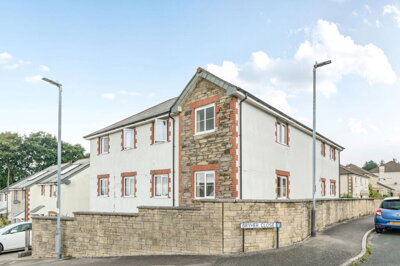
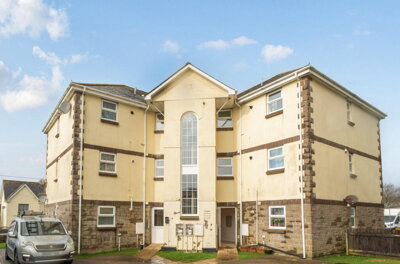
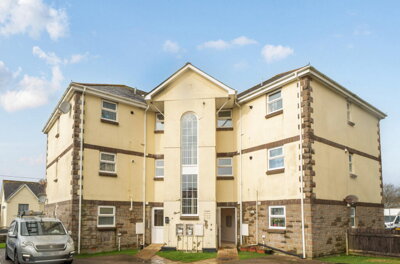
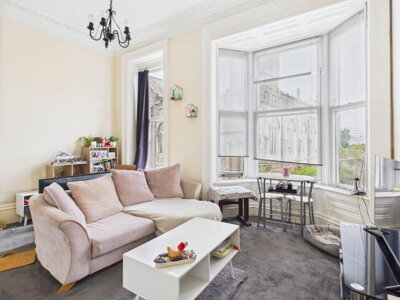
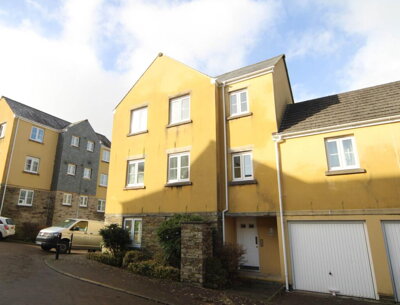
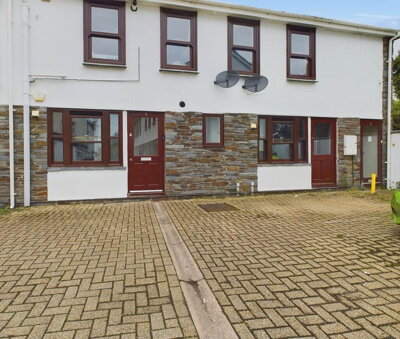
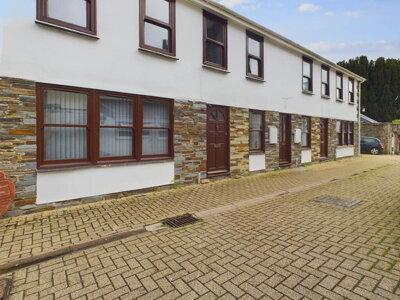
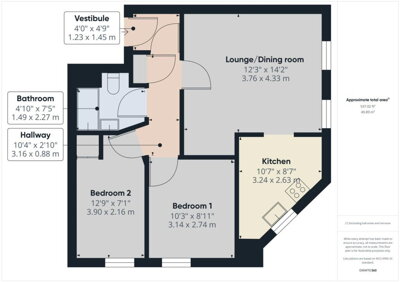
Browse 8 homes for sale in Stokeclimsland, Cornwall from local estate agents.
Studio apartments feature open-plan living spaces without separate bedrooms, incorporating sleeping, living, kitchen, and bathroom facilities. The Stokeclimsland studio market includes properties in modern apartment complexes, converted Victorian and Georgian buildings, and purpose-built developments.
£0k
0
0
0
Source: home.co.uk
Showing 0 results for Studio Flats for sale in Stokeclimsland, Cornwall.
The South Tyneside property market presents a diverse range of opportunities for buyers at various price points. Detached properties command the highest prices, with averages reaching £323,000, while semi-detached homes average £195,000 and terraced properties sit at around £158,000. Flats and maisonettes offer the most affordable entry point at approximately £98,000, making the area accessible for those on tighter budgets or buy-to-let investors seeking rental yields in an established residential area. The price differential between property types provides options across all segments, from starter flats to spacious family homes.
Recent market activity has been brisk, with 1,339 property sales recorded in South Tyneside throughout 2025. The market has demonstrated particular strength in the semi-detached sector, where prices rose by 9.5% year-on-year, while flats also performed well with a 4.5% increase. New build activity remains modest, comprising just 2.6% of all sales, though this provides opportunities for buyers seeking modern specifications and energy-efficient homes. The combination of stable property values, strong price growth, and a wide variety of property types makes South Tyneside an appealing choice for both owner-occupiers and investors looking for long-term capital growth.
Housing stock in South Tyneside reflects its industrial heritage and subsequent development phases. Victorian and Edwardian terraces dominate many established neighbourhoods near town centres, featuring traditional brick construction with solid walls that require careful assessment during surveys. Semi-detached properties from the interwar period provide popular family accommodation, while post-war housing estates and more recent developments offer modern layouts with improved energy performance. Understanding the construction era and building materials helps buyers anticipate potential issues such as asbestos in older properties or thermal performance concerns in uninsulated solid-wall homes.

South Tyneside offers a distinctive blend of coastal living and urban convenience that sets it apart from other North East areas. The borough stretches along the River Tyne to its confluence with the North Sea, providing residents with stunning riverside walks, sandy beaches at South Shields, and the dramatic cliffs of The Leas. The area has a rich industrial heritage that has been thoughtfully transformed, with former shipyards and manufacturing sites now housing modern developments while preserving historic architecture in designated Conservation Areas such as Westoe Village, Cleadon Village, and East Boldon. This balance of old and new creates neighbourhoods with genuine character and visual appeal.
The local communities maintain strong identities rooted in their history while embracing contemporary living. South Shields town centre provides comprehensive shopping, dining, and entertainment facilities, while Jarrow offers traditional high street amenities and cultural attractions linked to its role in the 1936 Jarrow March. Hebburn has undergone significant regeneration in recent years, with new housing developments complementing established residential areas. The borough benefits from excellent recreational facilities including parks, sports centres, and the stunning South Shields seafront, where visitors and residents enjoy the beach, promenade, and Ocean Beach Pleasure Park.
Green spaces are abundant throughout the borough, with parklands, coastal paths, and nature reserves providing recreational opportunities for families and outdoor enthusiasts. The River Tyne corridor offers scenic walks and cycle routes, while the coastline provides access to beaches and cliff-top paths. Local nature reserves such as Little Haven Beach and the bespoke wildlife areas attract birdwatchers and nature lovers. The combination of affordable living costs, strong community spirit, and excellent access to both natural landscapes and urban amenities creates a quality of life that keeps residents choosing to stay in South Tyneside for generations.

Education provision across South Tyneside serves students of all ages through a network of primary and secondary schools, further education colleges, and training providers. The borough maintains several primary schools that have achieved good or outstanding Ofsted ratings, providing strong foundations for young learners in communities throughout South Shields, Jarrow, Hebburn, and the surrounding villages. Primary school catchments vary across the area, so buyers with children should research specific schools and their admission boundaries when considering properties, as catchment areas can significantly impact property values and daily routines.
Secondary education in South Tyneside includes both comprehensive schools and selective grammar schools that serve students from across the borough and beyond. The grammar school system in South Tyneside allows academically able students to access selective education, with exams typically taken at age 11. Sixth form provision enables students to continue their education locally, with South Tyneside College offering further education courses and vocational training for school leavers and adult learners. The college provides pathways into healthcare, construction, business, and other vocational sectors, supporting local employment and skills development.
The presence of good educational facilities enhances the appeal of South Tyneside for families, and properties within sought-after school catchments often command premiums in the local market. Westoe Village and Cleadon Village are particularly noted for their popular primary schools, while secondary school performance varies between institutions. Prospective buyers should consult the latest Ofsted reports and school performance data when evaluating properties for families with school-age children. Properties near schools with outstanding Ofsted ratings in areas like East Boldon and Whitelea often attract strong family interest and maintain their values well during market fluctuations.
South Tyneside enjoys strong connectivity despite its coastal and riverside location, with multiple transport options serving residents who commute to Newcastle, Sunderland, and beyond. The Tyne and Wear Metro system provides frequent rail services from stations including South Shields, Jarrow, and Hebburn, offering direct connections to Newcastle Central Station and Newcastle Airport. Journey times to Newcastle city centre typically range from 30 to 45 minutes by Metro, making South Tyneside viable for city workers seeking more affordable housing away from the urban core. The Metro service runs from early morning until late evening, with reduced services on Sundays.
Road connections are equally well-developed, with the A194 and A19 providing swift access to the wider North East road network. The Tyne Tunnel offers a direct crossing to the south bank of the river, connecting South Tyneside to the A1 and onward to Gateshead, Durham, and the motorway network heading south. This makes the area particularly convenient for those working in sectors such as logistics, manufacturing, and distribution centred around the A19 corridor. The new test track for the A19 has improved traffic flow, reducing journey times to Sunderland and Teesside. The Port of Tyne, located within South Tyneside, also generates employment in logistics and maritime sectors.
Bus services operated by Stagecoach and other providers offer comprehensive coverage throughout the borough, connecting residential areas to town centres, Metro stations, and neighbouring areas. Key routes include the X1 and X2 between Newcastle and South Shields, providing an alternative to Metro for those preferring surface transport. For those who prefer cycling, the coastal paths and riverside routes provide scenic options for shorter journeys, while dedicated cycle lanes are being developed to encourage sustainable transport choices. The Borough's cycling strategy aims to increase active travel options, with new infrastructure planned for major routes.
Before beginning your property search in South Tyneside, obtain a mortgage agreement in principle from a lender. This strengthens your position when making offers and demonstrates to sellers that you are a serious, prepared buyer with verified borrowing capacity. Getting pre-approved also helps you understand exactly what you can afford, avoiding disappointment later in the search process.
Explore different neighbourhoods across South Tyneside, South Shields, Jarrow, and Hebburn to understand which areas match your lifestyle needs and budget. Consider factors including local schools, transport links, amenities, and the character of different residential areas. Property prices vary significantly between areas, with coastal positions near The Leas commanding premiums over properties in more utilitarian locations further from the seafront.
Once you have identified suitable properties, schedule viewings through Homemove or directly with estate agents listing homes in South Tyneside. View multiple properties to compare condition, space, and value before deciding on properties to pursue. During viewings, note the property condition, ask about recent renovations, and check for signs of damp, subsidence, or other structural concerns that might require investigation.
When you find your ideal home, submit a competitive offer through the selling agent. On acceptance, instruct a conveyancing solicitor to handle the legal aspects of your purchase, including searches, contracts, and registration. Solicitors with experience in South Tyneside transactions will be familiar with local issues such as former mining activity, conservation area restrictions, and flood risk considerations specific to the borough.
Arrange a RICS Level 2 Homebuyer Report or Level 3 Building Survey to assess the property condition. Our inspectors have extensive experience surveying properties throughout South Tyneside and understand the common issues affecting local housing stock, from Victorian terrace defects to modern new build snags. Your solicitor will conduct local authority, environmental, and drainage searches specific to South Tyneside.
After satisfactory survey results and agreed terms, exchange contracts with the seller and pay your deposit. On completion day, receive the keys to your new South Tyneside home and arrange moving logistics. Our team can recommend local removal firms and utility providers to help you settle into your new property quickly and efficiently.
Property buyers in South Tyneside should be aware of several location-specific factors that can affect their purchase decision and future ownership costs. The geology of the area, characterised by Coal Measures and glacial till deposits, means that some properties may be situated in areas with moderate to high shrink-swell clay risk. This can lead to subsidence issues in properties with shallow foundations or those affected by tree roots, so a thorough survey is essential, particularly for older properties constructed before modern building regulations.
The legacy of coal mining in parts of South Tyneside means that some properties may be located in former mining areas where ground stability could be a concern. Your solicitor should conduct a mining search for properties in areas with historical mining activity, particularly in neighbourhoods near former collieries and associated housing built for miners. While many properties have stood successfully for decades, understanding the mining history helps buyers appreciate potential risks and insurance implications.
Flood risk varies across South Tyneside due to its coastal and riverside position. Properties near the River Tyne in Jarrow and Hebburn face river flooding risks, while coastal areas of South Shields are susceptible to tidal surges. Surface water flooding can affect urban areas during heavy rainfall. Prospective buyers should request flood risk searches and consider the flood history of specific properties before committing to a purchase. Properties in flood risk areas may face higher insurance premiums and mortgage conditions, so understanding these factors early in the purchase process is essential.
Buildings in Conservation Areas such as Westoe Village and Cleadon Village may face planning restrictions on alterations and extensions, which buyers should investigate if they anticipate making changes to the property. Conservation area consent may be required for demolition, extension, or significant alterations to the external appearance of a property. Listed buildings, which include some historic properties throughout the borough, face additional controls that affect what works can be carried out without Listed Building Consent from South Tyneside Council.
Understanding the costs involved in purchasing property in South Tyneside is essential for budgeting effectively. Stamp Duty Land Tax applies to all residential purchases above £250,000, calculated at 5% on the portion between £250,001 and £925,000. For a typical South Tyneside property averaging £166,000, most buyers would not reach the SDLT threshold, though higher-value detached properties at around £323,000 would incur stamp duty of approximately £3,650. This makes South Tyneside particularly attractive for first-time buyers who can benefit from the threshold being raised to £425,000 for those without previous property ownership.
First-time buyers benefit from relief on purchases up to £425,000, paying no stamp duty on the first £425,000 of their property purchase. Properties priced above £625,000 do not qualify for first-time buyer relief. For a first-time buyer purchasing a typical South Tyneside flat at £98,000, no stamp duty would be payable at all, significantly reducing overall purchase costs compared to many other areas of England where even average properties attract SDLT charges.
Beyond stamp duty, buyers should budget for solicitor conveyancing fees typically ranging from £500 to £1,500, survey costs between £350 and £1,500 depending on property value and survey type, and mortgage arrangement fees which vary by lender. Moving costs, including removal services and reconnection fees, should also be factored into your overall budget when purchasing in South Tyneside. Buildings insurance must be arranged from the point of contract exchange, and life insurance or income protection may be advisable when committing to a mortgage.
The average house price in South Tyneside was £166,000 as of December 2025, according to provisional ONS data. This makes the area significantly more affordable than many other parts of England where average prices exceed £300,000. Property prices vary considerably by type, with detached homes averaging £323,000, semi-detached properties at £195,000, terraced houses at £158,000, and flats at approximately £98,000. Prices have risen by 8.3% over the past year, outpacing the regional North East average of 4.6%, indicating strong buyer demand in the area.
Council tax bands in South Tyneside follow the standard England banding system from A to H. Most terraced properties and smaller flats fall into bands A to C, while larger semi-detached and detached homes typically occupy bands D to F. The exact band depends on the property valuation and is assessed by South Tyneside Council based on the property's value as of April 1991. You can check specific bands using the property address on the Valuation Office Agency website, which provides online search facilities for all properties in England.
South Tyneside offers a range of educational options across primary and secondary levels. The borough has several primary schools that have achieved good or outstanding Ofsted ratings, serving communities across South Shields, Jarrow, Hebburn, and the surrounding villages including East Boldon and Cleadon. Secondary education includes both comprehensive schools and grammar schools serving students from across the area. Westoe Village and the surrounding area in South Shields is particularly noted for its popular primary schools that consistently achieve good Ofsted ratings. Prospective buyers should consult the latest Ofsted reports and performance league tables when evaluating schools, and consider catchment areas when choosing a property.
South Tyneside benefits from excellent public transport links through the Tyne and Wear Metro system, with stations at South Shields, Jarrow, and Hebburn providing direct services to Newcastle city centre and Newcastle Airport. Journey times to Newcastle typically take 30 to 45 minutes by Metro, making daily commuting practical for city workers. Comprehensive bus services operated by Stagecoach and other providers connect all parts of the borough, while the A194 and A19 provide efficient road connections to the wider North East including Gateshead, Sunderland, and Teesside. The Tyne Tunnel provides quick access to the A1 and motorway network.
South Tyneside presents compelling investment opportunities given its affordable property prices, strong rental demand, and consistent price growth. House prices have increased by 8.3% over the past year, significantly above the regional average, indicating capital growth potential. The area attracts tenants due to its good transport links to Newcastle, affordable living costs, and variety of employment opportunities in sectors including retail, healthcare, manufacturing, and logistics. Flats and terraced properties offer particular appeal for buy-to-let investors seeking lower entry costs and stable rental yields. The significant gap between average property prices at £166,000 and national averages makes South Tyneside accessible for investors with smaller deposits.
Most properties in South Tyneside, with average prices around £166,000, fall below the standard SDLT threshold of £250,000, meaning no stamp duty would be payable for standard purchases. For properties priced between £250,001 and £925,000, stamp duty is charged at 5% on the amount above £250,000. A detached property at the average of £323,000 would incur approximately £3,650 in stamp duty. First-time buyers pay no SDLT on purchases up to £425,000, providing significant savings for those purchasing their first home in the area and making South Tyneside an excellent choice for those taking their first step onto the property ladder.
Properties in South Tyneside face varying levels of flood risk depending on their specific location. Coastal areas of South Shields are susceptible to tidal flooding and high waves, particularly during severe weather events when storm surges coincide with high tides. Properties near the River Tyne in Jarrow and Hebburn face river flooding risks during periods of high water, especially where water levels are elevated by heavy rainfall in the Tyne catchment upstream. Surface water flooding can affect urban areas during heavy rainfall events when drainage capacity is exceeded. Your solicitor will conduct appropriate flood risk searches as part of the conveyancing process, and we recommend requesting a detailed flood risk assessment before purchasing any property in the borough.
The South Tyneside property market offers considerable variety to suit different buyer requirements. Victorian and Edwardian terraced houses are common in established residential areas near town centres, often featuring high ceilings, original fireplaces, and generous room sizes that reflect the construction standards of the industrial era. Semi-detached properties from various eras provide family accommodation with gardens, with interwar examples particularly popular for their practical layouts. Modern detached homes can be found in newer developments, while purpose-built flats and converted apartments serve buyers seeking lower-maintenance living or investment properties. Current market prices show detached averaging £323,000, semi-detached around £195,000, terraced at £158,000, and flats at £98,000.
Properties for Sale In London

Properties for Sale In Plymouth

Properties for Sale In Liverpool

Properties for Sale In Glasgow

Properties for Sale In Sheffield

Properties for Sale In Edinburgh

Properties for Sale In Coventry

Properties for Sale In Bradford

Properties for Sale In Manchester

Properties for Sale In Birmingham

Properties for Sale In Bristol

Properties for Sale In Oxford

Properties for Sale In Leicester

Properties for Sale In Newcastle

Properties for Sale In Leeds

Properties for Sale In Southampton

Properties for Sale In Cardiff

Properties for Sale In Nottingham

Properties for Sale In Norwich

Properties for Sale In Brighton

Properties for Sale In Derby

Properties for Sale In Portsmouth

Properties for Sale In Northampton

Properties for Sale In Milton Keynes

Properties for Sale In Bournemouth

Properties for Sale In Bolton

Properties for Sale In Swansea

Properties for Sale In Swindon

Properties for Sale In Peterborough

Properties for Sale In Wolverhampton

Enter your details to see if this property is within your budget.
Loans, cards, car finance
Estimated property budget
Borrowing + deposit
You could borrow between
Typical borrowing
Monthly repayment
Est. at 4.5%
Loan-to-value
This is an estimate only. Your actual budget may vary depending on interest rates, credit history, and personal circumstances. For an accurate affordability assessment, speak to one of our free mortgage advisors.
This calculator provides estimates for illustrative purposes only and does not constitute financial advice. Your home may be repossessed if you do not keep up repayments on your mortgage. Estimates based on 4.5% interest rate, repayment mortgage. Actual rates depend on your circumstances.
Homemove is a trading name of HM Haus Group Ltd (Company No. 13873779, registered in England & Wales). Homemove Mortgages Ltd (Company No. 15947693) is an Appointed Representative of TMG Direct Limited, trading as TMG Mortgage Network, which is authorised and regulated by the Financial Conduct Authority (FRN 786245). Homemove Mortgages Ltd is entered on the FCA Register as an Appointed Representative (FRN 1022429). You can check registrations at NewRegister or by calling 0800 111 6768.

We use cookies to show you personalised content and improve your experience of our website. Find out more in our Privacy policy and Cookie policy.