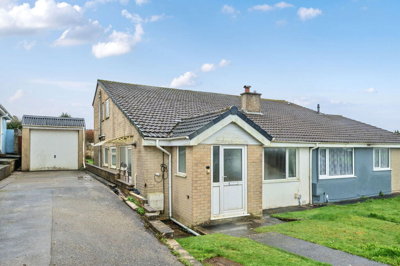
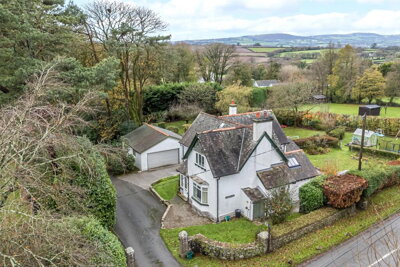
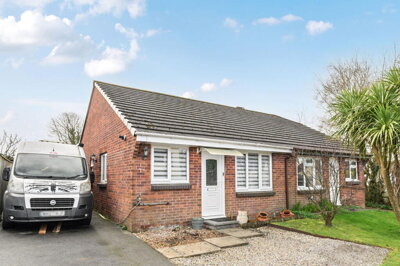
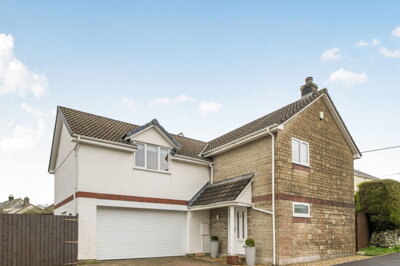
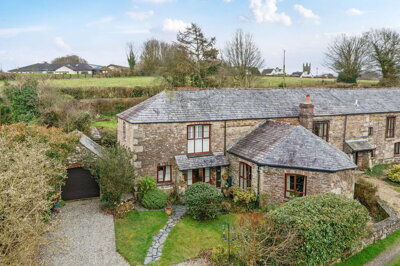
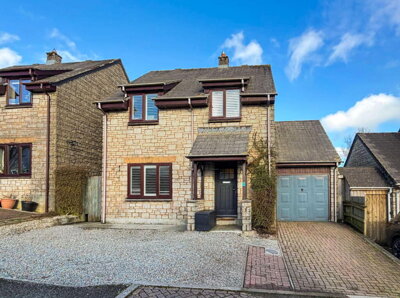
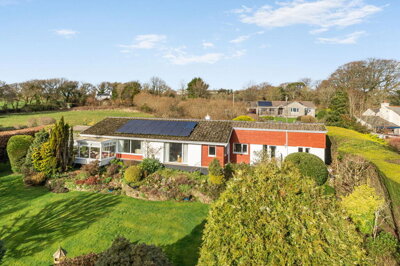
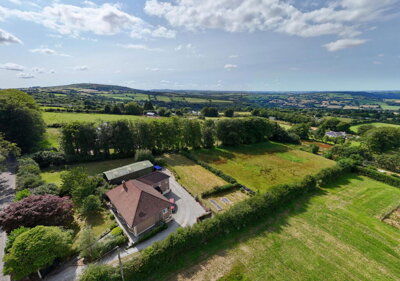
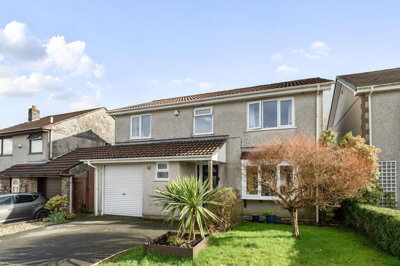
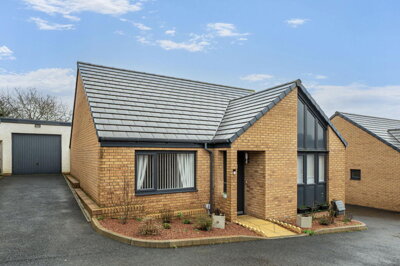
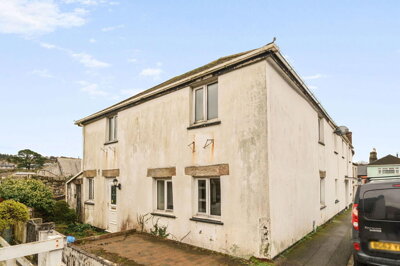
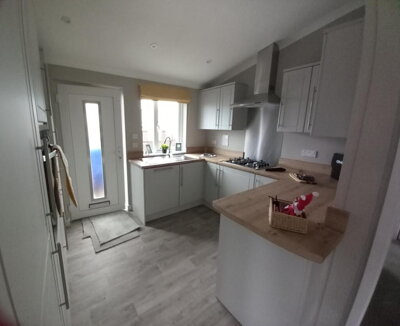
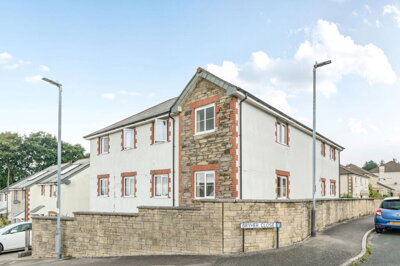
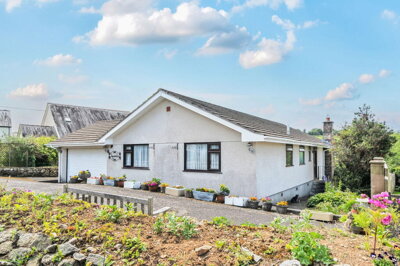
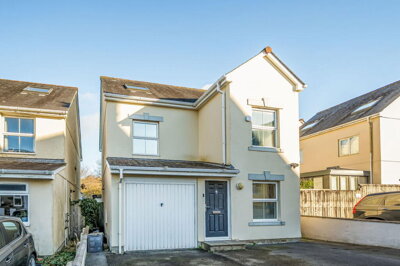
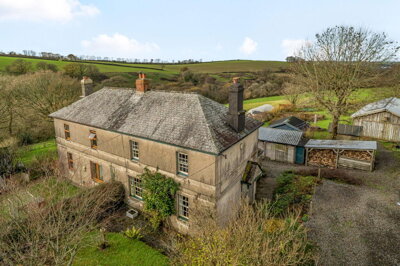
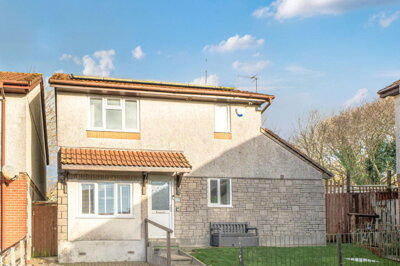
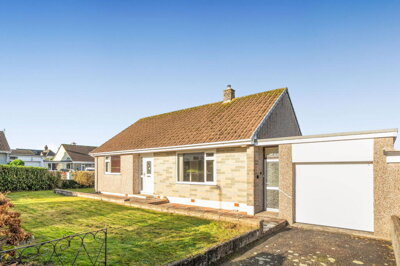
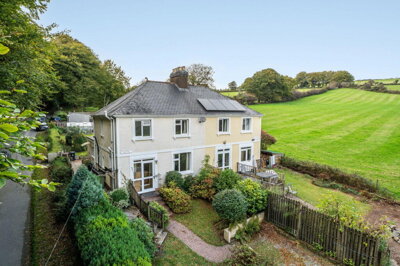
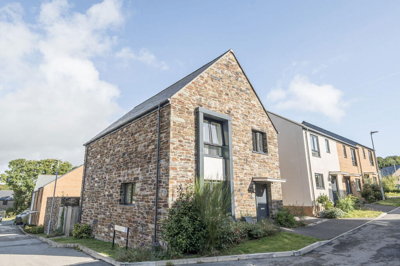
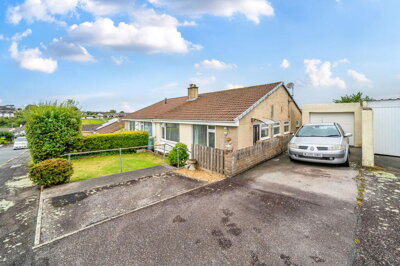
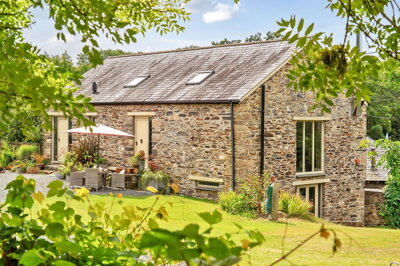
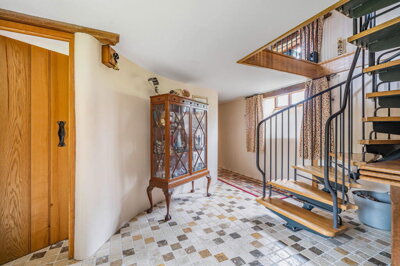
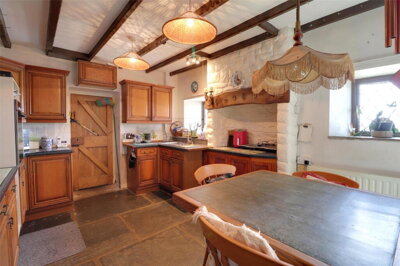
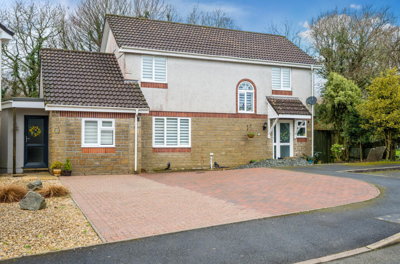
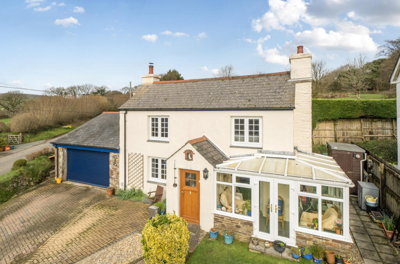
Browse 134 homes for sale in Stokeclimsland, Cornwall from local estate agents.
£625k
13
0
230
Source: home.co.uk
Source: home.co.uk
Detached
10 listings
Avg £772,500
Barn Conversion
1 listings
Avg £525,000
cottage
1 listings
Avg £235,000
detached
1 listings
Avg £419,950
Source: home.co.uk
Source: home.co.uk
The South Tyneside property market offers diverse options across all price brackets, with property types to suit every budget and lifestyle. Detached properties command the highest prices, averaging around £323,000, while semi-detached homes provide excellent value at approximately £195,000. Terraced properties, which form a significant portion of the local housing stock, average £158,000, making them particularly popular among first-time buyers seeking character homes at accessible prices. Flats and maisonettes represent the most affordable entry point, with average prices around £98,000, ideal for those seeking a foothold on the property ladder or looking to downsize.
Market activity in South Tyneside remains healthy, with approximately 1,339 property sales recorded in 2025. Semi-detached properties showed the strongest price growth, rising by 9.5% year-on-year, while flats also demonstrated solid appreciation at 4.5%. The market has attracted buyers seeking value beyond the more expensive markets in surrounding areas, with South Shields specifically showing a 5% increase in average property prices over the past twelve months. New build activity remains modest, accounting for just 2.6% of all sales, meaning most properties on the market are established homes with character and mature neighbourhoods.
Current asking prices in South Shields average £210,780 according to the latest market data, though sold prices tend to average slightly lower at around £159,000 to £171,000. This difference reflects the typical negotiation margin and property condition factors. For buyers, the market offers opportunities across all segments, with terraced properties showing modest price growth of 2.0% and flats appreciating by 4.8%. The combination of competitive prices, strong price growth, and diverse housing stock makes South Tyneside an attractive proposition for both owner-occupiers and property investors looking for properties with rental potential.

South Tyneside stretches along the River Tyne estuary on the North East coast, encompassing the towns of South Shields, Jarrow, Hebburn, and the villages of Boldon, Cleadon, and East Boldon. The geology of the area is characterised by Coal Measures, with underlying sandstone, mudstone, and coal seams that have shaped both the landscape and the industrial heritage of the region. Superficial deposits include glacial till, locally known as boulder clay, which covers much of the area and contributes to the fertile agricultural land found in surrounding areas. This geological foundation has influenced everything from local building materials to current drainage considerations.
The coastline and riverside locations define much of the character of South Tyneside, with areas like South Shields offering direct access to the North Sea and the scenic River Tyne estuary. The seafront at South Shields features the acclaimed Littlehaven Beach and promenade, popular with families and walkers throughout the year. Historic architecture enriches the borough, with several designated Conservation Areas including Westoe Village, Cleadon Village, and Jarrow Town Centre preserving the special character of these neighbourhoods. Listed buildings, ranging from medieval churches to Victorian public buildings, punctuate the urban landscape and reflect the area's rich heritage dating back to Anglo-Saxon times when Jarrow was home to one of England's most important monasteries.
The predominant building material in South Tyneside is brick, with traditional properties featuring either solid brick walls or cavity wall construction. Many older homes showcase the robust craftsmanship of Victorian and Edwardian builders, with terraced houses particularly common in areas like South Shields town centre and Westoe. The housing stock includes a mix of Victorian terraces, inter-war semi-detached houses, post-war council housing, and more recent developments. Flood risk is a consideration in certain areas, particularly those adjacent to the River Tyne such as Jarrow and Hebburn, where tidal surges and river flooding can occur. Coastal flooding affects areas near the estuary, while surface water accumulation can occur in urbanised zones with intensive rainfall. South Tyneside Council maintains a Local Flood Risk Management Strategy to address these challenges, and buyers should investigate specific flood risk for individual properties using official flood maps.

Education provision in South Tyneside serves students from nursery through sixth form, with a range of primary and secondary schools available across the borough. The area includes several primary schools serving local communities, with many schools in areas like Westoe, Cleadon, and East Boldon catchment zones attracting particular interest from families. Secondary education options include both comprehensive schools and the nearby St. Mary's Catholic School in Whickham, which draws students from across the region as a selective school. Parents researching schools should verify current Ofsted ratings directly, as inspection outcomes can change and will significantly impact both educational quality and property values in specific catchment areas.
For families considering secondary education, South Tyneside offers several mainstream secondary schools including South Shields School, Jarrow School, and Hebburn Comprehensive School. The borough's proximity to Sunderland and Newcastle also provides access to additional educational options, including grammar schools in those cities for students who pass the entrance examination. Post-16 education is available through school sixth forms and colleges, with South Tyneside College offering vocational and academic courses. The educational landscape continues to evolve, and prospective buyers with school-age children should research individual school performance data and admission policies before committing to a property purchase in a specific catchment area.
Early years education is well represented throughout South Tyneside, with numerous nursery schools and preschool providers supporting families with young children. Primary schools across the borough provide Reception through Year 6 education, with class sizes and provision varying by location. Areas with newer housing developments may see varying demand for primary school places, and local authority school admission teams can provide guidance on current allocation patterns. The presence of good schools significantly influences property values in South Tyneside, with homes in popular catchment areas commanding premiums over comparable properties in neighbouring zones. Parents should note that school admission policies consider proximity, faith criteria, and sibling links, meaning the location of a property within a catchment area can affect the likelihood of securing a place.
South Tyneside enjoys excellent transport connections that make commuting to nearby cities practical and convenient. The Tyne and Wear Metro system serves South Shields with direct trains to Newcastle Central Station and Newcastle Airport, with journey times to Newcastle taking approximately 40 minutes. The Nexus network connects major employment centres across the region, making South Tyneside particularly attractive to workers who need access to Newcastle's business districts, healthcare facilities, and educational institutions. The Metro service operates seven days a week with frequent trains, providing a reliable alternative to car travel for daily commuters.
For those who prefer road travel, the A194 and A19 provide direct road connections to Newcastle, Sunderland, and the wider North East road network. The Tyne Tunnel offers convenient access to the northern side of the river, connecting South Tyneside to areas like Wallsend and North Shields. The A1(M) provides long-distance connections to Edinburgh, Leeds, and beyond. Bus services operated by Stagecoach and other providers connect towns within South Tyneside and link to surrounding areas, with the 100 series buses providing frequent services between South Shields, Jarrow, and Newcastle. Parking availability varies by location, with town centre car parks serving shopping and leisure trips, while residential areas generally offer on-street parking.
Cycling infrastructure has improved in recent years, with cycle paths along the coast and river providing scenic routes for leisure and commuter cycling. National Cycle Route 1 passes through South Tyneside, connecting the coast to Scotland and the south of England. For international and long-distance travel, Newcastle International Airport offers flights to destinations across Europe and beyond, accessible via the Metro direct from South Shields. The Port of Tyne in South Shields provides ferry connections and cruise facilities, adding to the maritime character of the area. These transport links contribute significantly to the appeal of South Tyneside for buyers who work in Newcastle or Sunderland but seek more affordable housing in a coastal setting.
Before viewing properties, obtain a mortgage agreement in principle from a lender. This demonstrates your budget to estate agents and sellers, giving you a competitive edge when making offers. South Tyneside properties are selling quickly, with the market showing strong year-on-year growth, so being financially prepared helps you act fast when you find the right home.
Explore different neighbourhoods in South Tyneside, from the seafront areas of South Shields to the village character of Cleadon and East Boldon. Consider commute times, school catchment areas, local amenities, and flood risk for specific postcodes. Each area offers different advantages, and understanding these differences helps narrow your search effectively.
Contact estate agents listing properties you are interested in and schedule viewings. Take measurements and photographs during viewings, and ask about the age of the property, recent renovations, lease terms for flats, and any planned maintenance or improvements. Properties in conservation areas may have restrictions on external alterations.
When you find your ideal home, submit an offer through your estate agent. The average sold price in South Tyneside is currently around £159,000 to £171,000, though asking prices average higher at approximately £210,000 in South Shields. Negotiate on price and any conditions, keeping in mind comparable sales and property condition.
Before completing your purchase, commission a professional survey to assess the property's condition. Given the local geology and potential for clay-related subsidence in some areas, a thorough survey is essential. For flats and maisonettes, review service charges, ground rent terms, and the condition of communal areas.
Once your mortgage is approved and surveys completed, instruct your conveyancing solicitor to handle the legal transfer. On completion day, collect your keys and take possession of your new South Tyneside home. Register with local services and enjoy exploring your new neighbourhood.
Several location-specific factors deserve careful attention when purchasing property in South Tyneside. Flood risk varies significantly across the borough, with areas near the River Tyne including Jarrow and Hebburn facing river flooding concerns, while coastal areas like South Shields are susceptible to tidal flooding. Properties in these areas should be checked against official Environment Agency flood maps, and buyers should review the property's history of flooding and any flood prevention measures in place. Surface water flooding can also occur in urbanised zones during periods of heavy rainfall, particularly where drainage capacity is limited.
Conservation areas are prevalent throughout South Tyneside, including Westoe Village, Cleadon Village, Jarrow Town Centre, and South Shields Town Centre. Properties within these designated areas may be subject to planning restrictions that limit external alterations, demolitions, or significant changes without consent from South Tyneside Council. These restrictions can affect renovation plans and future resale value, so understanding the implications before purchase is important. Listed buildings scattered throughout the borough enjoy additional protections, with owners required to obtain Listed Building Consent for any works that might affect the building's character or structure.
The predominant brick construction of South Tyneside properties is generally robust, though older properties may have solid walls without cavity insulation, affecting energy efficiency and heating costs. Properties with original single-glazed windows and older heating systems may require investment to bring them up to modern standards. For leasehold properties, which are common among flats and some houses, review the remaining lease term, annual ground rent, and service charge carefully. The geology of the area, characterised by Coal Measures and clay deposits, means some properties may be prone to subsidence, particularly if trees or vegetation are affecting foundations. A thorough building survey can identify any structural concerns before you commit to purchase.
Understanding the full costs of buying a property in South Tyneside helps you budget accurately and avoid surprises during the transaction. The most significant cost for many buyers is Stamp Duty Land Tax, though the good news is that South Tyneside's average property price of £166,000 means many buyers will pay little or no stamp duty under current thresholds. Standard buyers pay nothing on the first £250,000, meaning the average South Tyneside property falls entirely within the zero-rate band. First-time buyers benefit from even more generous thresholds, paying nothing on the first £425,000, which covers the vast majority of properties available in the area.
Beyond stamp duty, buyers should budget for solicitor conveyancing costs, which typically range from £500 to £1,500 depending on the complexity of the transaction and whether the property is freehold or leasehold. Survey costs vary depending on the level of inspection required, with a basic RICS Condition Report starting around £250, while a comprehensive Level 3 Survey suitable for older or complex properties may cost £600 or more. Mortgage arrangement fees can add £500 to £2,000 depending on the lender and deal chosen, though many buyers choose to add these to their mortgage rather than pay upfront. An EPC assessment is legally required before marketing a property and costs approximately £60 to £120.
Additional costs to factor in include mortgage valuation fees (typically £150 to £500 depending on property value), land registry fees for registering your ownership (usually under £200), and searches including local authority, water and drainage, and environmental searches (approximately £250 to £400 total). For properties in flood risk areas or those with potential ground instability, additional specialist surveys may be advisable, adding to the upfront costs but providing valuable . Building insurance must be in place from completion day, and removals costs vary significantly depending on the volume of belongings and distance moved. On average, buyers should expect to pay approximately 2% to 3% of the property price in buying costs excluding mortgage and stamp duty, though South Tyneside's relatively affordable prices mean these costs represent a smaller financial burden than in many other parts of the country.
The average house price in South Tyneside was approximately £166,000 as of December 2025, according to provisional ONS data. Other sources report slightly higher figures, with Rightmove showing an average of £188,807 and OnTheMarket reporting £171,000. Property prices vary significantly by type, with detached homes averaging £323,000, semi-detached at £195,000, terraced at £158,000, and flats at £98,000. The market has shown strong growth, with prices increasing by 8.3% year-on-year, outpacing the broader North East region.
Council tax bands in South Tyneside range from Band A for the lowest-value properties through to Band H for the most expensive homes, with the majority of properties falling in Bands A through D. The specific band depends on the property's assessed value as of April 1991. South Tyneside Council sets the annual council tax rates, with Band A properties paying the lowest amounts and Band H paying the highest. Buyers can check the council tax band for any specific property through the Valuation Office Agency website before purchase.
South Tyneside offers a range of primary and secondary schools, with several schools in the borough performing well in national assessments. Primary schools in areas like Westoe, Cleadon, and East Boldon are particularly sought after by families. For secondary education, parents should research individual school performance data and Ofsted reports, which are updated following inspections. The proximity to grammar schools in nearby Newcastle and Sunderland provides additional options for secondary-age students. School admission policies consider catchment areas, faith criteria, and sibling links, making early research essential for families with school-age children.
South Tyneside benefits from excellent public transport connections, primarily through the Tyne and Wear Metro system which provides direct services from South Shields to Newcastle Central Station and Newcastle Airport. The Metro journey to Newcastle takes approximately 40 minutes, making daily commuting practical. Bus services operated by Stagecoach connect towns within the borough and provide links to Sunderland and other regional destinations. The A194 and A19 roads provide direct access to surrounding cities, and the nearby Port of Tyne and Newcastle International Airport offer long-distance travel options.
South Tyneside offers several attractive features for property investors, including relatively affordable purchase prices compared to national averages and consistent demand from tenants. The average property price of around £166,000 is significantly below the England and Wales average, potentially offering better value for investors with limited capital. The local rental market is supported by MOD civilian workers, NHS staff, and university students attending institutions in Newcastle and Sunderland. The 8.3% annual price increase demonstrates strong capital growth, though rental yields will vary by property type and location. Investors should consider factors like lease terms for flats, service charges, and void periods when calculating returns.
Stamp Duty Land Tax rates for standard buyers start at 0% on the first £250,000 of property value, rising to 5% on the portion between £250,001 and £925,000, then 10% up to £1.5 million, and 12% on any value above that. First-time buyers enjoy increased thresholds, paying 0% on the first £425,000 and 5% between £425,001 and £625,000, though no relief applies above £625,000. For a typical South Tyneside property averaging £166,000, most buyers would pay no stamp duty at all under current thresholds, making the area particularly attractive for first-time purchasers entering the property market.
New build activity in South Tyneside remains relatively limited, with new builds accounting for only 2.6% of total sales in 2025. Some new development activity has occurred in areas like South Shields, with sites such as River's Edge offering contemporary properties. However, the majority of housing stock in South Tyneside consists of established properties, many of which were built during the Victorian, Edwardian, and inter-war periods. Buyers seeking new build homes may need to explore a wider geographic area or consider purchasing off-plan from developers with active sites.
From 3.89%
Compare mortgage deals from trusted lenders
From £499
Expert solicitors to handle your property transaction
From £350
Professional property survey by qualified inspectors
From £60
Energy performance certificate for your property
Properties for Sale In London

Properties for Sale In Plymouth

Properties for Sale In Liverpool

Properties for Sale In Glasgow

Properties for Sale In Sheffield

Properties for Sale In Edinburgh

Properties for Sale In Coventry

Properties for Sale In Bradford

Properties for Sale In Manchester

Properties for Sale In Birmingham

Properties for Sale In Bristol

Properties for Sale In Oxford

Properties for Sale In Leicester

Properties for Sale In Newcastle

Properties for Sale In Leeds

Properties for Sale In Southampton

Properties for Sale In Cardiff

Properties for Sale In Nottingham

Properties for Sale In Norwich

Properties for Sale In Brighton

Properties for Sale In Derby

Properties for Sale In Portsmouth

Properties for Sale In Northampton

Properties for Sale In Milton Keynes

Properties for Sale In Bournemouth

Properties for Sale In Bolton

Properties for Sale In Swansea

Properties for Sale In Swindon

Properties for Sale In Peterborough

Properties for Sale In Wolverhampton

Enter your details to see if this property is within your budget.
Loans, cards, car finance
Estimated property budget
Borrowing + deposit
You could borrow between
Typical borrowing
Monthly repayment
Est. at 4.5%
Loan-to-value
This is an estimate only. Your actual budget may vary depending on interest rates, credit history, and personal circumstances. For an accurate affordability assessment, speak to one of our free mortgage advisors.
This calculator provides estimates for illustrative purposes only and does not constitute financial advice. Your home may be repossessed if you do not keep up repayments on your mortgage. Estimates based on 4.5% interest rate, repayment mortgage. Actual rates depend on your circumstances.
Homemove is a trading name of HM Haus Group Ltd (Company No. 13873779, registered in England & Wales). Homemove Mortgages Ltd (Company No. 15947693) is an Appointed Representative of TMG Direct Limited, trading as TMG Mortgage Network, which is authorised and regulated by the Financial Conduct Authority (FRN 786245). Homemove Mortgages Ltd is entered on the FCA Register as an Appointed Representative (FRN 1022429). You can check registrations at NewRegister or by calling 0800 111 6768.

We use cookies to show you personalised content and improve your experience of our website. Find out more in our Privacy policy and Cookie policy.