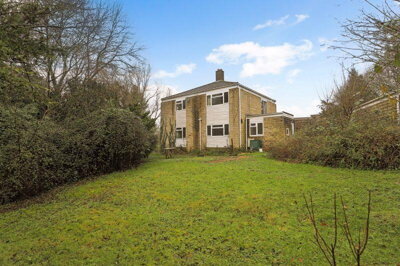
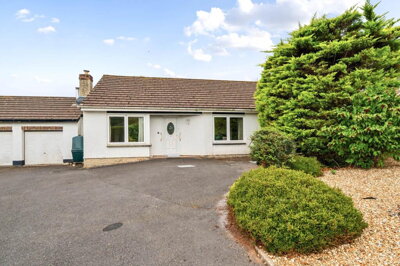
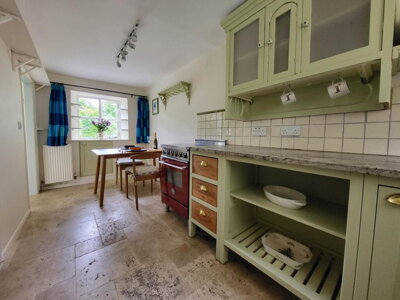
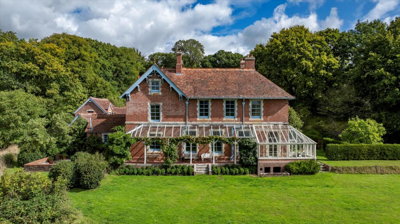
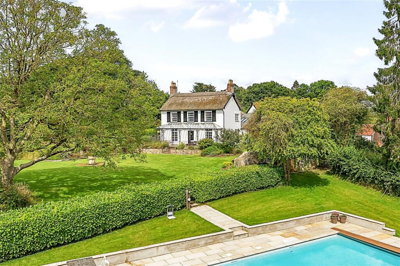
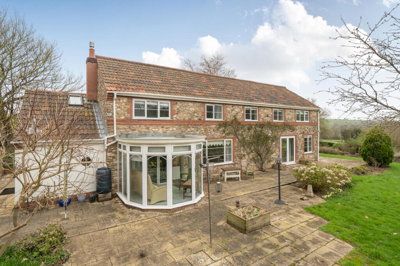
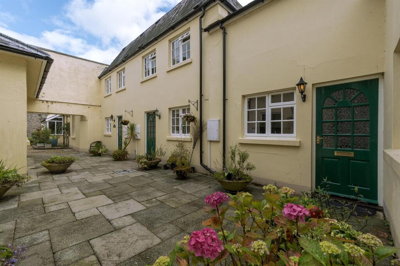
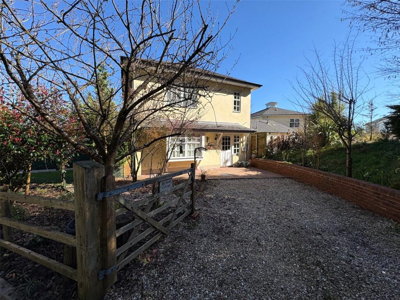
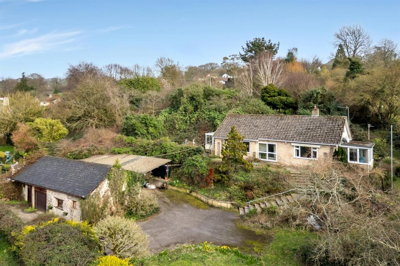
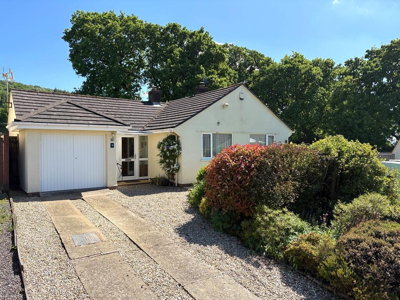
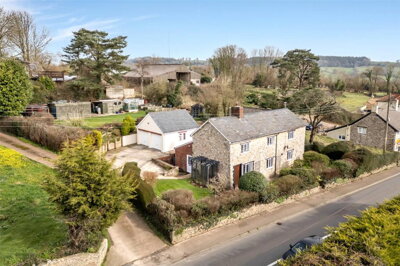
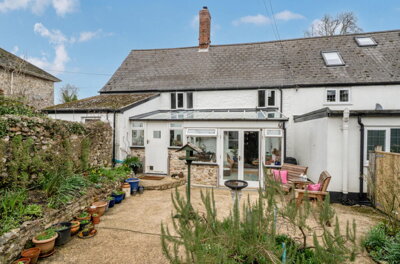
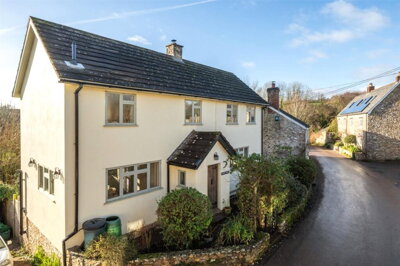
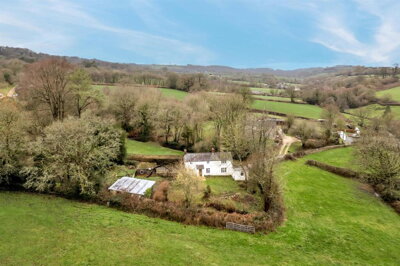
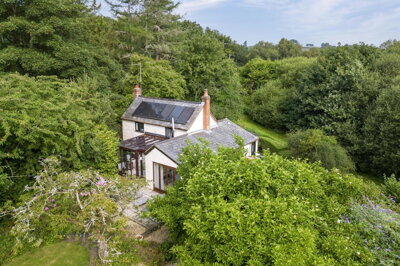
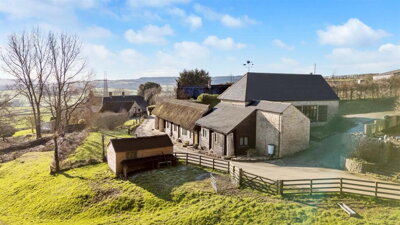
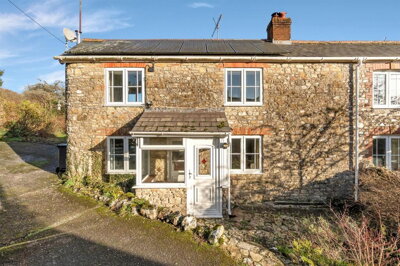
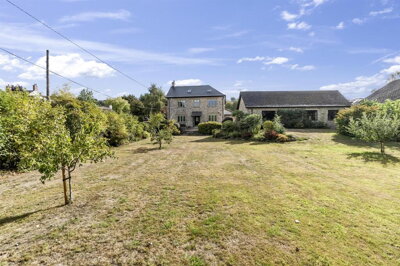
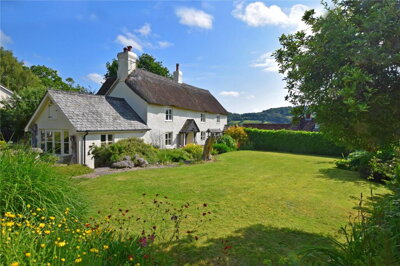
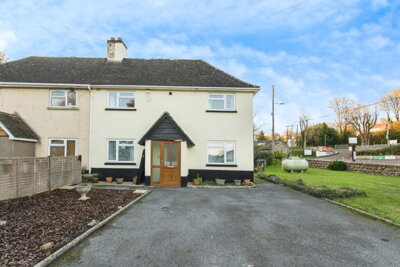
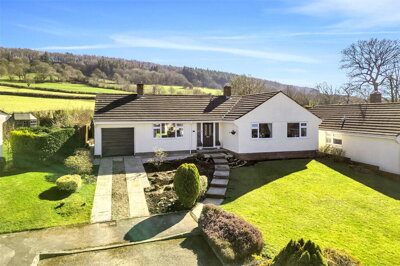
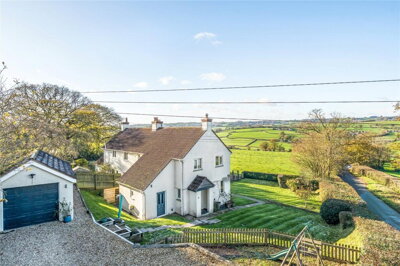
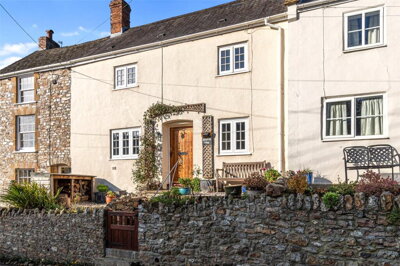
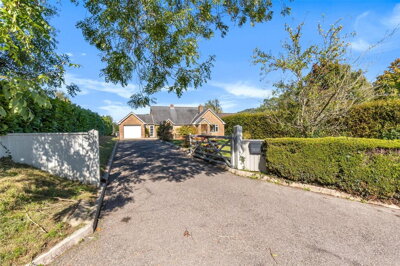
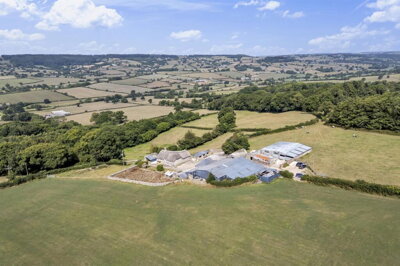
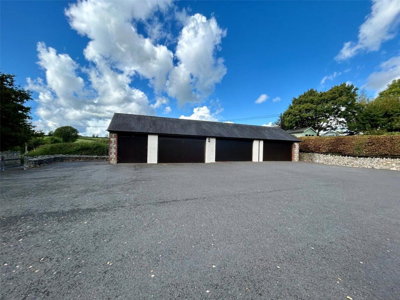
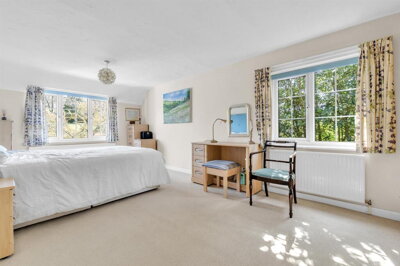
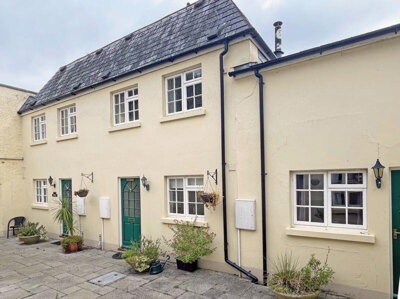
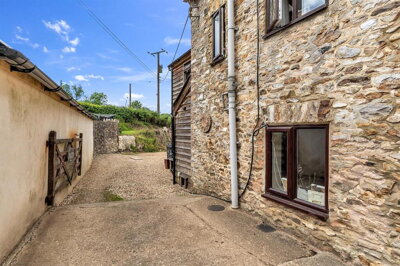
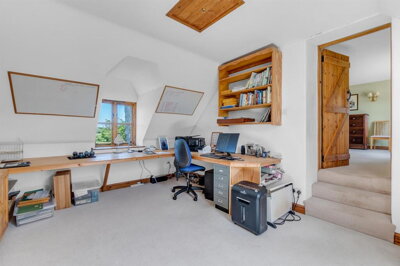
Browse 35 homes for sale in Stockland, East Devon from local estate agents.
The Stockland property market offers detached, semi-detached, and terraced houses spanning various price ranges and neighbourhoods. Each listing includes detailed property information, photographs, and direct contact with the marketing agent.
£550k
7
0
250
Source: home.co.uk
Showing 7 results for Houses for sale in Stockland, East Devon. The median asking price is £550,000.
Source: home.co.uk
Detached
7 listings
Avg £721,429
Source: home.co.uk
Source: home.co.uk
The Stockland property market reflects its status as a desirable rural village within the Blackdown Hills AONB. Our data shows that detached properties dominate the local market, with average prices reaching approximately £533,083 over the past year according to Rightmove. Semi-detached homes in the village typically command prices around £304,500, offering more affordable options for first-time buyers or those seeking a smaller footprint. The market has experienced a correction in recent months, with sold prices down 18% year-on-year and 22% below the 2023 peak of £607,500, creating potential opportunities for buyers who act decisively in the current conditions.
Historic properties form a significant part of Stockland's housing stock, with the village boasting 17th-century cob homes and at least one notable Grade II* Listed 13th-century farmhouse that has come onto the market. These heritage properties appeal to buyers seeking character and authenticity, though they require careful consideration during the purchase process. The cob construction typical of older Devon farmhouses and cottages requires specialist assessment, as traditional lime-based materials behave differently from modern construction methods. Given the age of much of the local housing stock, including properties constructed from traditional cob materials, we strongly recommend arranging a thorough RICS Level 2 Survey before committing to purchase any property in the village.
New build activity within Stockland itself remains limited, with no active developments verified within the EX14 postcode area. This scarcity of new homes contributes to the village's unspoiled character but means that buyers generally work with the existing housing stock, which predominantly consists of period properties and more recent family homes built to complement the rural setting. For buyers seeking modern specifications and warranties, surrounding towns such as Honiton and Axminster offer newer developments, though these fall outside the village's distinctive character.

Life in Stockland revolves around community, countryside, and a pace of life that feels increasingly precious in modern Britain. The village takes its name from the old English word for a clearing in the forest, a heritage reflected in the surrounding Blackdown Hills landscape of rolling farmland, ancient hedgerows, and woodland that has stood for centuries. The parish church of St Michael and All Angels, mainly built in the 14th century, stands the village and serves as both a spiritual centre and a focal point for community gatherings throughout the year.
The local economy in Stockland and the surrounding Blackdown Hills area draws from agriculture, tourism, and local services, with several working farms still operating within the parish. The village benefits from an active community spirit, with events and activities that bring residents together throughout the seasons. Nearby Honiton, approximately 6 miles away, provides access to supermarkets, healthcare facilities, and a wider range of shops and services, while the market town of Axminster is also within easy reach for those seeking additional amenities or commuting options.
The River Yarty flows below the eastern edge of Stockland village, with the surrounding valley providing both scenic beauty and practical considerations for prospective residents. The village's position within a designated Area of Outstanding Natural Beauty means that development is carefully controlled, preserving the character and natural environment that makes Stockland such an attractive place to call home. Walking enthusiasts particularly appreciate the extensive footpaths and bridleways that crisscross the surrounding countryside, offering direct access to some of Devon's most beautiful landscapes from the village itself.
The Blackdown Hills AONB designation affects not only the physical appearance of the village but also influences planning decisions and permitted development rights. This protection ensures that Stockland retains its rural character, though it does mean that opportunities for significant extensions or outbuildings may be more limited than in non-designated areas. For buyers who value unspoiled countryside and traditional architecture, these restrictions represent a feature rather than a limitation.

Families considering a move to Stockland will find a selection of educational options within reasonable reach, consistent with the village's role as a residential community within East Devon. Primary education is typically accessed at schools in the surrounding villages and towns, with several well-regarded primary schools serving the local area. The village's position within the Blackdown Hills means that children may travel slightly further to reach school than in more urban settings, though many families consider this a worthwhile trade-off for the quality of life offered by rural living.
Several primary schools in the surrounding area serve Stockland families, with many located in nearby villages that provide education from Reception through to Year 6. These smaller rural primary schools often benefit from strong community connections and individual attention for pupils. Parents should research specific catchment areas when considering a property purchase, as admission policies can vary and may influence which school a child would attend.
Secondary education options in the wider East Devon area include schools in Honiton, Axminster, and Cullompton, with several offering strong academic records and good Ofsted ratings. Honiton Community College provides secondary education for the local area, while families may also explore options in Axminster, including Axe Valley Secondary School. Families should research specific school performance data and catchment area boundaries when considering a purchase in Stockland, as these factors can significantly influence the educational journey available to their children. Transport arrangements for secondary school pupils typically involve school bus services, which operate from the village to nearby secondary schools.
For those with older children seeking further education, the nearby towns offer access to sixth form colleges and further education facilities. Exeter College, one of the largest further education colleges in the South West, provides a comprehensive range of A-level and vocational courses and is accessible via public transport from Stockland. The village's proximity to good road connections also makes commuting to schools in surrounding towns practical for families who prefer to explore a wider range of educational options.
Stockland's position in East Devon provides a balance between rural tranquility and practical connectivity. The village sits approximately 6 miles from Honiton, which offers direct rail services to Exeter, Bristol, and London Waterloo via the West of England Main Line. From Honiton station, journey times to Exeter take approximately 30 minutes, while London Waterloo is reachable in around two and a half hours, making Stockland viable for commuters who work in larger cities but wish to enjoy the benefits of country living.
Road access from Stockland is via the A375, which connects to the A30 at Honiton, providing routes to Exeter to the west and the M5 motorway at Taunton to the north-east. The A303, one of the South West's primary trunk roads, is accessible via the A30 and provides a fast route across Hampshire and Wiltshire towards London. For those travelling to work in Exeter, the journey by car typically takes around 40 minutes, though traffic conditions on rural roads should be factored into journey planning.
Local bus services operated by Devon County Council connect Stockland with Honiton, Axminster, and surrounding villages, providing essential access for those without private vehicles. These services are particularly important for school transport and for accessing medical appointments and other essential services located in the nearby towns. Cyclists benefit from the quiet rural lanes surrounding Stockland, though the hilly terrain of the Blackdown Hills requires a reasonable level of fitness for recreational and commuting cycling.
Before viewing properties in Stockland, obtain a mortgage agreement in principle from a lender. This strengthens your position when making offers and demonstrates to sellers that you are a serious buyer. Given the rural nature of the village and the age of many properties, also consider getting specialist insurance quotes for older or listed properties, as cover for historic cob homes or Grade II* listed buildings may require specialist insurers.
Study recent sales data and current listings in Stockland and surrounding East Devon villages. With prices down 18% year-on-year, there may be negotiation opportunities. Understanding the local market dynamics, including the prevalence of historic properties and AONB planning considerations, helps you make informed decisions about value and condition. Register with local estate agents in Honiton and Axminster who handle Stockland properties, as many village homes sell quietly off-market.
Visit a range of properties in Stockland to understand what is available at different price points. Pay attention to property age, construction materials such as cob, and any signs of maintenance needs. Take notes and photographs to help compare properties after viewings. When viewing historic properties, ask about previous renovation work and any building regulations sign-offs for past alterations.
Given that much of Stockland's housing stock dates from the 17th century or earlier, always commission a RICS Level 2 Survey before purchasing. This detailed inspection identifies defects common in period properties, including damp, roof condition, and structural issues that may not be visible during a standard viewing. For cob properties especially, ensure your surveyor has experience with traditional Devon construction methods.
Choose a solicitor with experience in rural and listed property transactions in Devon. They will handle searches, handle negotiations on any issues raised in the survey, and manage the legal transfer of ownership. Stockland's position within a conservation landscape may require additional searches, and if the property is listed, your solicitor will advise on the implications for future works.
Once all searches are satisfactory and financing is confirmed, your solicitor will exchange contracts and set a completion date. On completion day, you will receive the keys to your new Stockland home and can begin settling into your new village community. Arrange building insurance to commence from exchange of contracts, as this is when you become legally responsible for the property.
Purchasing a property in Stockland requires particular attention to issues that affect rural and historic homes. The village's position in a valley above the River Yarty means that flood risk should be carefully assessed for properties located in lower areas or near watercourses. Review Environment Agency flood maps and ask your surveyor to specifically address flood risk and drainage during the RICS Level 2 Survey. Properties set higher on the valley slopes generally benefit from better natural drainage and reduced flood exposure.
Given the prevalence of cob construction in older Stockland properties, prospective buyers should understand the characteristics of this traditional Devon building material. Cob walls are generally robust but can be susceptible to damp if not properly maintained, and they require breathability in any insulation or renovation work. A thorough survey by a surveyor experienced with historic Devon properties is essential, as specialist knowledge is required to assess cob condition accurately. Always check whether any property you are considering is a listed building, as this will affect what alterations and improvements you can undertake.
Planning considerations in Stockland differ from urban areas due to the village's location within the Blackdown Hills AONB. Permitted development rights may be more restricted, and any significant extensions or outbuildings will likely require planning permission from East Devon District Council. Your solicitor should conduct thorough local authority searches to identify any planning constraints, conservation area requirements, or environmental designations that affect the property. These factors influence both your enjoyment of the property and its future resale value.
Specialist defects common to older Devon properties include timber frame issues, thatch roofing on historic cottages, and the condition of lime mortar pointing throughout external walls. Properties with original windows and doors may require refurbishment rather than replacement to maintain both character and listed building compliance. Heating systems in period properties can also require upgrading, as many historic homes still rely on older boiler systems that may be inefficient by modern standards.
Current data shows average house prices in Stockland ranging from approximately £414,000 to £475,938 depending on the source consulted, with detached properties averaging around £533,083 and semi-detached homes around £304,500. The market has experienced a notable correction, with sold prices down approximately 18% year-on-year and 22% below the 2023 peak of £607,500. This market adjustment may present opportunities for buyers seeking value in this desirable Blackdown Hills village, though prices for individual properties vary significantly based on size, condition, and whether they are listed buildings.
Properties in Stockland fall under East Devon District Council's council tax scheme. Specific band allocations depend on the property valuation, with most period cottages and smaller homes typically falling into bands A through D, while larger detached properties and farmhouses may be in higher bands. Your solicitor will confirm the exact council tax band during the conveyancing process, and prospective buyers can check current allocations through the Valuation Office Agency website using the property address.
Stockland families access primary education through schools in surrounding villages and towns, with several well-regarded options within a reasonable drive. Secondary education is available at schools in Honiton, Axminster, and nearby towns, including Honiton Community College and Axe Valley Secondary School, with specific school performance data available through the government school performance tables. Families should research Ofsted ratings and consider catchment area boundaries when choosing a property, as these can vary across the Blackdown Hills area. Exeter College provides further and higher education options accessible via the rail connection from Honiton.
Stockland is connected to surrounding towns via local bus services operated by Devon County Council, providing regular links to Honiton and Axminster. Honiton railway station, approximately 6 miles away, offers direct services to Exeter, Bristol, and London Waterloo, with journey times of around 30 minutes to Exeter and two and a half hours to London. The village's rural location means that a car is highly beneficial for daily life, though the rail connection makes occasional commuting to larger cities feasible for those with flexible working arrangements.
Stockland's location within the Blackdown Hills AONB and its limited supply of available properties suggest that the village will continue to attract buyers seeking rural character and community atmosphere. The recent price correction, with values down 18% year-on-year, may represent a buying opportunity for long-term investors, though the rural nature of the market means that liquidity is lower than in urban areas. Properties requiring renovation, particularly those with historic features, may offer value-add potential for investors willing to undertake period property restoration work.
Stamp Duty Land Tax rates for 2024-25 are 0% on the first £250,000 of residential property value, 5% on the portion between £250,001 and £925,000, 10% on the portion between £925,001 and £1.5 million, and 12% on any amount above £1.5 million. First-time buyers benefit from relief on the first £425,000, with 5% charged between £425,001 and £625,000. Most properties in Stockland, given average prices around £475,000, would attract SDLT below £12,000 for standard buyers, with first-time buyers potentially paying no SDLT on the majority of their purchase.
Stockland sits above the River Yarty, which flows through the valley below the village to the east. Properties in lower areas or those close to the river may face some flood risk, particularly during periods of heavy rainfall. The Environment Agency flood maps should be consulted for any specific property, and your RICS Level 2 Survey should address drainage and any evidence of previous flooding. Properties positioned higher on the valley slopes generally benefit from lower flood risk and better natural drainage, making elevation an important consideration when evaluating properties in the village.
Stockland contains a significant number of listed buildings reflecting its historic character. The parish church of St Michael and All Angels dates mainly from the 14th century and is a listed building, while a notable Grade II* Listed 13th-century farmhouse has recently been marketed in the village. The presence of 17th-century cob homes throughout the village means that many properties may be listed or within conservation contexts. Listed building status imposes restrictions on alterations and renovations, so prospective buyers should confirm any listing status with their solicitor and understand the implications before purchasing.
Budgeting for your Stockland purchase requires consideration of several costs beyond the property price itself. Stamp Duty Land Tax represents the most significant additional cost, with standard rates of 0% on the first £250,000, 5% between £250,001 and £925,000, 10% between £925,001 and £1.5 million, and 12% on any value above £1.5 million. For a typical Stockland property priced around the average of £475,000, a standard buyer would pay approximately £11,250 in SDLT, calculated as 5% on £225,000 above the £250,000 threshold.
First-time buyers purchasing in Stockland benefit from enhanced SDLT relief, paying nothing on the first £425,000 and 5% on the portion between £425,001 and £625,000. This means a first-time buyer purchasing a property at £475,000 would pay only £2,500 in SDLT, representing a significant saving compared to standard rates. The relief is only available to buyers who have never previously owned property anywhere in the world, and the property must be your primary residence.
Additional buying costs include solicitor fees for conveyancing, typically ranging from £500 to £2,000 depending on complexity, with rural and listed properties potentially at the higher end due to additional searches required. A RICS Level 2 Survey for a Stockland property costs from £350 and is essential given the prevalence of period construction in the village. Surveyors with experience in historic Devon properties, particularly cob construction, are recommended. An EPC assessment costs from £60 and is legally required before marketing your new home. Mortgage arrangement fees, typically 0-2% of the loan amount, should also be factored into your budget alongside any removal costs for your move to the village.
Properties for Sale In London

Properties for Sale In Plymouth

Properties for Sale In Liverpool

Properties for Sale In Glasgow

Properties for Sale In Sheffield

Properties for Sale In Edinburgh

Properties for Sale In Coventry

Properties for Sale In Bradford

Properties for Sale In Manchester

Properties for Sale In Birmingham

Properties for Sale In Bristol

Properties for Sale In Oxford

Properties for Sale In Leicester

Properties for Sale In Newcastle

Properties for Sale In Leeds

Properties for Sale In Southampton

Properties for Sale In Cardiff

Properties for Sale In Nottingham

Properties for Sale In Norwich

Properties for Sale In Brighton

Properties for Sale In Derby

Properties for Sale In Portsmouth

Properties for Sale In Northampton

Properties for Sale In Milton Keynes

Properties for Sale In Bournemouth

Properties for Sale In Bolton

Properties for Sale In Swansea

Properties for Sale In Swindon

Properties for Sale In Peterborough

Properties for Sale In Wolverhampton

Enter your details to see if this property is within your budget.
Loans, cards, car finance
Estimated property budget
Borrowing + deposit
You could borrow between
Typical borrowing
Monthly repayment
Est. at 4.5%
Loan-to-value
This is an estimate only. Your actual budget may vary depending on interest rates, credit history, and personal circumstances. For an accurate affordability assessment, speak to one of our free mortgage advisors.
This calculator provides estimates for illustrative purposes only and does not constitute financial advice. Your home may be repossessed if you do not keep up repayments on your mortgage. Estimates based on 4.5% interest rate, repayment mortgage. Actual rates depend on your circumstances.
Homemove is a trading name of HM Haus Group Ltd (Company No. 13873779, registered in England & Wales). Homemove Mortgages Ltd (Company No. 15947693) is an Appointed Representative of TMG Direct Limited, trading as TMG Mortgage Network, which is authorised and regulated by the Financial Conduct Authority (FRN 786245). Homemove Mortgages Ltd is entered on the FCA Register as an Appointed Representative (FRN 1022429). You can check registrations at NewRegister or by calling 0800 111 6768.

We use cookies to show you personalised content and improve your experience of our website. Find out more in our Privacy policy and Cookie policy.