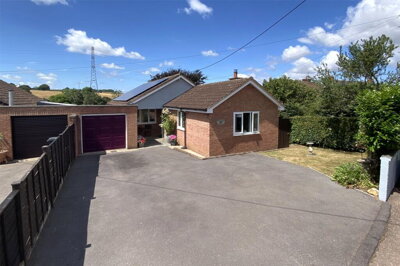
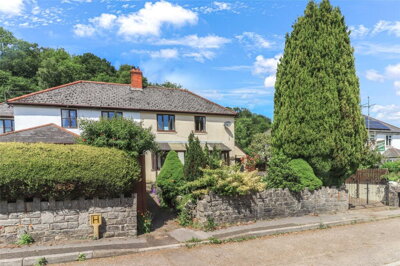
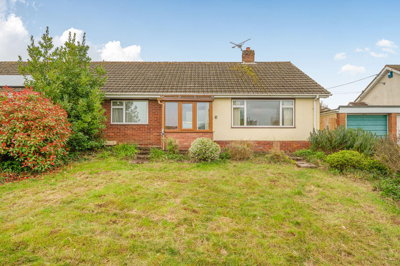
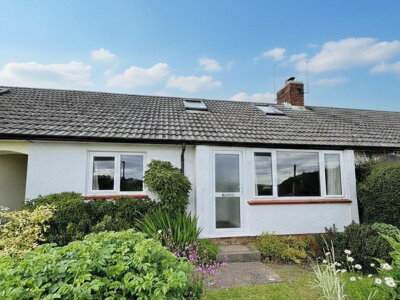
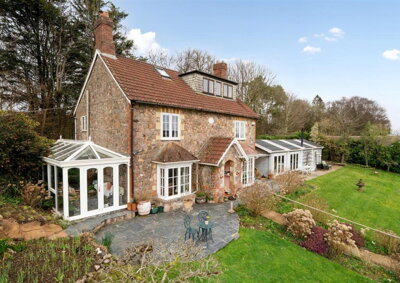
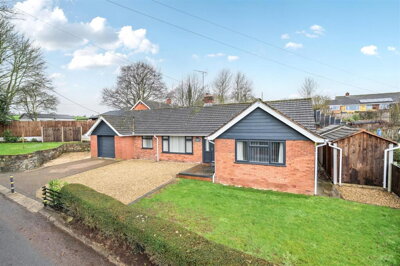
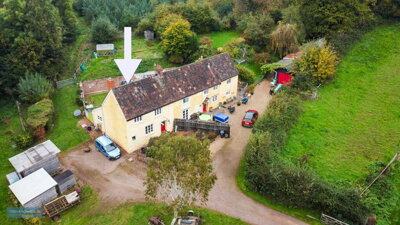
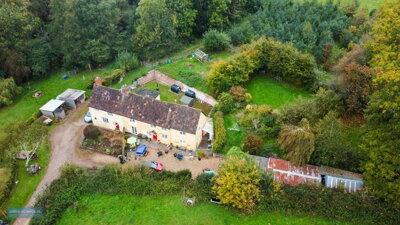
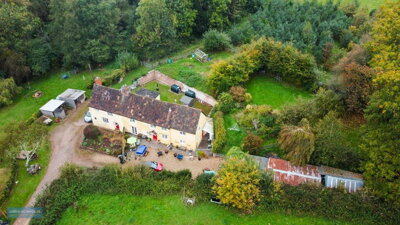
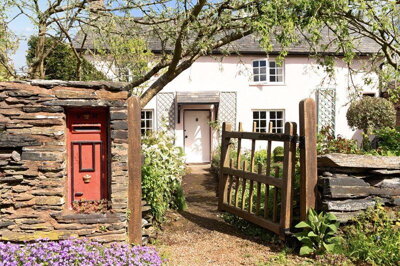
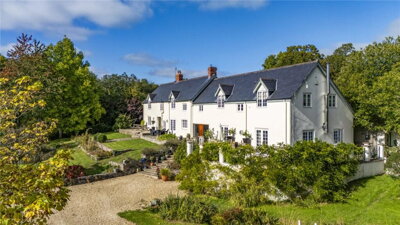
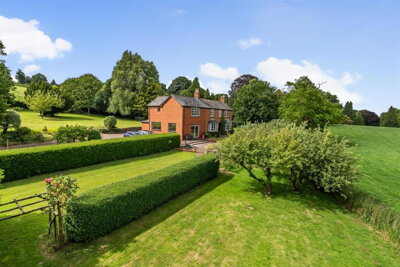
Browse 24 homes for sale in Stawley, Somerset from local estate agents.
£1.30M
3
0
274
Source: home.co.uk
Source: home.co.uk
Detached
2 listings
Avg £925,000
Equestrian Facility
1 listings
Avg £1.45M
Source: home.co.uk
Source: home.co.uk
The Croft property market demonstrates the characteristics of a stable coastal village housing sector, with overall prices rising 3% over the past year compared to the previous twelve months. This moderate increase reflects steady demand from buyers seeking coastal living without the premium prices found in more established seaside towns. However, current prices remain 16% below the 2022 peak of £298,500, suggesting opportunities for buyers who missed the previous market high. Semi-detached properties in Croft averaged £160,000, making them accessible for first-time buyers and growing families seeking value in the East Lindsey market.
Those interested in larger family homes will find detached properties commanding an average price of £339,000, reflecting the premium associated with spacious accommodation in this coastal setting. Properties on Croft Lane specifically show stronger performance, with an average price of £297,667 over the last year, representing a 19% increase compared to the previous year. This premium reflects the desirability of this particular road, where detached homes average £339,000 and semi-detached properties reach £215,000. New build activity in the village includes a Bellway Strategic Land outline planning application for up to 95 new homes at Croft Lodge Farm off Broughton Road, which would include 25% affordable housing, while Croftmarsh Limited has proposed 6 detached houses on Gibraltar Road. Both developments may influence market dynamics in the coming years as new stock becomes available.

Croft embodies the essence of traditional Lincolnshire coastal living, offering residents a peaceful village environment with the convenience of proximity to Skegness just four miles to the south-west. The village sits at the mouth of the River Steeping, creating an attractive landscape of marshland and coastal scenery that defines the local character. The parish includes Gibraltar Point National Nature Reserve within its boundaries, providing residents with direct access to important wildlife habitats and coastal walks along the North Sea shoreline. This natural environment forms a significant part of daily life for residents, offering recreation and wildlife observation opportunities that urban locations cannot match.
The village community benefits from a higher-than-average rate of home ownership, indicating an economically stable population with strong roots in the local area. The presence of historic buildings, including the Grade I listed All Saints Church dating from the 14th century, adds architectural interest to the village character. Traditional buildings throughout Croft predominantly feature red brick construction with pantile roofs, creating a cohesive aesthetic that reflects the agricultural and coastal heritage of the region. The Old Chequers Inn, an 18th-century public house, provides a traditional social hub for the community, while the Grade II listed Croft Windmill stands as a reminder of the area's agricultural past. The village also contains several other listed buildings including The Hollies Farmhouse and Bridge House, both reflecting the Georgian architectural traditions of the region.

Families considering a move to Croft benefit from proximity to educational establishments in the wider Skegness area, with several primary and secondary schools serving the local population. The village falls within the catchment areas for schools in nearby towns, with the East Lindsey area offering a range of educational options for children of all ages. Primary schools in the surrounding villages and Skegness provide foundation education, while secondary education is available at schools with sixth form provision in the regional centre. Parents should verify specific catchment areas and admissions criteria with Lincolnshire County Council, as school places are allocated based on proximity and availability.
For those seeking alternative educational pathways, the Lincolnshire coast offers access to further education colleges and vocational training providers in larger towns. Sixth form provision in Skegness and surrounding towns provides options for students continuing their education beyond GCSE level. The area's lower immigration rate compared to East Lindsey, the East Midlands region, and England as a whole contributes to stable school rolls and community continuity. When purchasing property in Croft, families should consider school transport arrangements, as some secondary schools may require bus travel to nearby towns. The stability of school rolls in this area means class sizes tend to be more manageable than in larger urban centres, which many parents find advantageous for their children's education.
Connectivity from Croft benefits from the village's position on the Lincolnshire coast, with road links connecting residents to surrounding towns and amenities. The A158 road provides the primary route connecting the Skegness area to Lincoln and inland destinations, while the coastal road network allows access to nearby villages and beach destinations. For residents needing to travel further afield, the A16 provides access to Peterborough and the broader national road network. Local bus services connect Croft to Skegness and surrounding villages, providing essential daily transport links for those without private vehicles.
The proximity to Skegness railway station, situated approximately four miles away, offers connections to essential services and longer-distance travel opportunities for commuters and visitors alike. Skegness station operates services on the East Lincolnshire Railway line, connecting to major destinations including Nottingham, Grantham, and Leicester with changes as required. For air travel, East Midlands Airport provides international connections approximately 90 miles to the west. Local cycling infrastructure allows confident cyclists to navigate the flat coastal terrain, though residents should be aware of seasonal tourism traffic on popular routes during summer months when visitor numbers increase significantly along the coastal road network.
Start by exploring our comprehensive listings for Croft, East Lindsey, to understand available properties, current prices, and market trends. With detached properties averaging £339,000 and semi-detached homes at £160,000, comparing options helps identify the best value in this coastal village market. The village currently has around 900 residents and features a mix of traditional and modern housing, with new developments potentially adding to stock in coming years.
Before scheduling viewings, obtain a mortgage agreement in principle from a lender. This strengthens your position when making offers and demonstrates to sellers that you have financing secured. First-time buyers in England can benefit from stamp duty relief on properties up to £425,000, which covers most homes in Croft given the village average of £249,500. Speaking to a mortgage broker familiar with the East Lindsey area can help navigate the specific requirements of lenders operating in coastal communities.
View multiple properties in Croft to compare condition, location, and proximity to amenities. Pay particular attention to flood risk areas, as properties on Church Lane and Croft Road have experienced flooding during high-water events. Note which properties are listed buildings or within the Coastal Conservation Area, as these may have additional planning considerations. Properties featuring traditional red brick and pantile construction may require more maintenance than newer builds.
Given Croft's housing stock includes many older properties with traditional construction, a Level 2 survey is advisable to identify any defects before purchase. The average cost ranges from £400-800 depending on property size and age, with older properties potentially incurring additional charges. For a three-bedroom property in Croft, buyers should budget approximately £437 for a Level 2 survey. Listed buildings may require a more comprehensive Level 3 survey and can incur additional costs of £150-400.
Once you have found your ideal home, submit an offer through the estate agent. With prices currently 16% below the 2022 peak, there may be room for negotiation, particularly for properties that have been on the market for some time. Properties in Croft Lane command a premium averaging £297,667, reflecting the desirability of this particular location within the village. Being aware of comparable sales on Croft Lane can help inform your negotiation strategy.
Choose a conveyancing solicitor to handle the legal transfer of ownership. They will conduct searches, handle contracts, and coordinate with your mortgage lender. Given Croft's coastal position and flood risk profile, your solicitor should specifically investigate flood risk and drainage searches as part of the conveyancing process. On completion day, you will receive the keys to your new Croft home.
Prospective buyers should carefully consider the flood risk profile of properties in Croft, given the village's coastal location and proximity to the River Steeping. Properties on Church Lane and Croft Road have been specifically affected during flood events, and the area sits within the coastal flood plain of East Lindsey with associated risks from potential sea defence breaches. The Shoreline Management Plans for East Lindsey advocate a "Hold the Line" policy for coastal defences, meaning the current sea defences will be maintained and improved where possible. When viewing properties, ask about previous flooding history, current flood defence measures, and whether the property benefits from any flood resilience features. Buildings insurance costs may be higher in flood-risk areas, and mortgage lenders may require specific conditions for properties in high-risk zones.
The presence of listed buildings and the Coastal Conservation Area significantly impacts what buyers can do with their properties after purchase. Croft contains several Grade II listed buildings and the Grade I listed All Saints Church, meaning any works to listed properties may require consent from the local planning authority. Properties within the Coastal Conservation Area face additional planning controls designed to preserve the village's character. Buyers should factor these considerations into renovation plans and budget for potentially longer planning timescales if works are proposed. Older properties in Croft, many featuring traditional red brick and pantile construction dating from the 18th and 19th centuries, may require more maintenance than newer builds and could present issues such as damp, outdated electrics, or roof condition problems that a thorough survey would identify.
When evaluating properties in Croft, pay attention to the construction materials and age of the building. Traditional red brick construction with pantile roofs, as seen in buildings like The Hollies Farmhouse and Bridge House, is characteristic of the village's Georgian heritage. Properties built before 1900 may incur additional survey costs of 20-40% due to their construction complexity and potential for hidden defects. Our inspectors are experienced in assessing traditional Lincolnshire construction methods and can identify issues specific to properties in this coastal setting.
Understanding the local construction methods used in Croft properties helps buyers appreciate the characteristics of the housing stock they may be purchasing. Traditional buildings in the village predominantly feature red brick construction with pantile roofs, a method that has been common throughout Lincolnshire for centuries. The Grade II listed Croft Windmill exemplifies this construction tradition, being built of tarred red brick with brick battlements, while The Old Chequers Inn demonstrates how these traditional methods were applied to domestic and commercial buildings alike.
The village's historic properties show variation in their construction details depending on their age and purpose. The 14th-century Grade I listed All Saints Church is built of greenstone, reflecting the use of locally available materials for ecclesiastical buildings. In contrast, Georgian farmhouses like Bridge House on Pinchbeck Lane feature brick and pantile construction typical of the period. Properties on Croft Lane, which command premium prices averaging £297,667, include examples of these traditional construction methods alongside more modern housing.
For buyers considering older properties, the traditional construction methods present both charm and potential challenges. Red brick construction, while durable, can be susceptible to damp penetration if not properly maintained, particularly in the coastal environment. Pantile roofs may require more frequent maintenance than modern tiles and can be vulnerable to wind damage in exposed coastal positions. Our surveyors assess these construction details carefully when inspecting properties in Croft, identifying any maintenance issues or structural concerns that may not be apparent during a standard viewing.
The average house price in Croft, East Lindsey over the past year was £249,500. Detached properties sold for an average of £339,000, while semi-detached properties averaged £160,000. Properties on Croft Lane command a premium, with an average price of £297,667 over the same period. Overall prices have risen 3% compared to the previous year but remain 16% below the 2022 peak of £298,500, suggesting good value opportunities for buyers entering the market at this time.
Properties in Croft fall under East Lindsey District Council jurisdiction for council tax purposes. Council tax bands in the area range from Band A to Band H depending on property value and size, with the majority of traditional village properties likely falling in the lower to middle bands given typical property values. Specific band allocations should be verified through the East Lindsey District Council website or your conveyancing solicitor during the purchase process, as bands can affect ongoing running costs significantly and may be queried if there have been significant property alterations since the last assessment.
Croft falls within the catchment area for schools in the Skegness area, approximately four miles away. Primary education is available at schools in nearby villages and the town of Skegness, with secondary education provided at local secondary schools with sixth form facilities in the wider area. Parents should contact Lincolnshire County Council admissions team to confirm their specific catchment school, as allocations depend on address and availability. School transport arrangements should be considered when purchasing, particularly for secondary-age children who may require bus travel to schools in surrounding towns.
Bus services connect Croft to Skegness and surrounding villages, providing essential daily transport links for residents without private vehicles. Skegness railway station is approximately four miles away, offering connections to destinations including Nottingham, Grantham, and Leicester via the East Lincolnshire Railway network. The A158 provides road connectivity to Lincoln and inland areas, while the A16 offers access to Peterborough and the national road network. For commuters, journey times to major employment centres will require planning around public transport schedules, and those working in Lincoln or beyond should factor in the approximately 90-mile journey to East Midlands Airport for any business travel requirements.
Croft offers several factors that may appeal to property investors, including ongoing new development activity with up to 95 new homes proposed at Croft Lodge Farm, and proximity to the Skegness Gateway development which aims to deliver significant economic investment to the wider area. The village's higher-than-average home ownership rate suggests stable demographics, while the coastal location maintains appeal for holiday let and retirement buyers seeking peaceful coastal living. However, flood risk and the small population size should be considered when evaluating investment potential, and any plans for rental or holiday let should comply with local planning regulations that apply to properties in the Coastal Conservation Area.
For standard purchases in England, stamp duty land tax applies at 0% on the first £250,000 of property value, 5% on £250,001 to £925,000, 10% on £925,001 to £1.5 million, and 12% on any amount above £1.5 million. First-time buyers benefit from relief on the first £425,000, with 5% applied between £425,001 and £625,000. For a typical Croft property at the village average of £249,500, a first-time buyer would pay no stamp duty, while other buyers would pay nothing on the first £250,000, meaning most standard purchases in Croft attract zero stamp duty.
Croft faces significant flood risk due to its coastal position at the mouth of the River Steeping and proximity to the Little River Lymn and Cowcroft Drain. Properties on Church Lane and Croft Road have experienced flooding during high-water events, and the area is within the coastal flood plain vulnerable to sea defence breaches from the North Sea. The Shoreline Management Plans for East Lindsey advocate a "Hold the Line" policy for coastal defences, meaning existing sea defences will be maintained where possible. Before purchasing, buyers should request flood history information, verify insurance availability and cost, and consider whether flood resilience measures are in place, as buildings insurance premiums may be higher in this coastal location.
Understanding the full costs of purchasing property in Croft helps buyers budget accurately and avoid surprises during the transaction. Beyond the property price, buyers should account for stamp duty land tax, which for a property at the village average of £249,500 means no SDLT for first-time buyers under the current threshold of £425,000. Other buyers pay nothing on the first £250,000, meaning standard rate buyers purchasing at the village average would also pay zero stamp duty. Properties priced above £250,000 attract 5% on the amount exceeding that threshold, so a £300,000 purchase would incur £2,500 in stamp duty for non-first-time buyers.
Additional purchase costs include conveyancing fees, which typically start from £499 for standard transactions but may increase for properties with complications such as listed building status or boundary disputes. Given Croft's coastal position and flood risk profile, your solicitor should conduct specific searches including flood risk assessments and drainage surveys, which may add to the basic conveyancing cost. A RICS Level 2 survey costs between £400 and £800 depending on property size and age, with older properties potentially incurring additional charges due to their construction complexity. For a three-bedroom property in Croft, buyers should budget approximately £437 for a Level 2 survey, while a four-bedroom detached property may cost around £495.
An Energy Performance Certificate is mandatory for all property sales and costs from £60, while buildings insurance should be arranged from completion day. Buyers in flood-risk areas like Croft should obtain insurance quotes before purchasing to understand the full cost implications of the village's coastal position, as premiums may be higher than in lower-risk locations. Properties in Croft Lane, which command premium prices averaging £297,667, may incur higher survey and conveyancing costs due to their higher values and the potentially older construction of premium properties in this sought-after location.
From 4.5%
Finding the right mortgage for your Croft purchase
From £499
Legal services for your property purchase
From £400
Professional survey for conventional properties
From £60
Energy performance certificate for your property
Properties for Sale In London

Properties for Sale In Plymouth

Properties for Sale In Liverpool

Properties for Sale In Glasgow

Properties for Sale In Sheffield

Properties for Sale In Edinburgh

Properties for Sale In Coventry

Properties for Sale In Bradford

Properties for Sale In Manchester

Properties for Sale In Birmingham

Properties for Sale In Bristol

Properties for Sale In Oxford

Properties for Sale In Leicester

Properties for Sale In Newcastle

Properties for Sale In Leeds

Properties for Sale In Southampton

Properties for Sale In Cardiff

Properties for Sale In Nottingham

Properties for Sale In Norwich

Properties for Sale In Brighton

Properties for Sale In Derby

Properties for Sale In Portsmouth

Properties for Sale In Northampton

Properties for Sale In Milton Keynes

Properties for Sale In Bournemouth

Properties for Sale In Bolton

Properties for Sale In Swansea

Properties for Sale In Swindon

Properties for Sale In Peterborough

Properties for Sale In Wolverhampton

Enter your details to see if this property is within your budget.
Loans, cards, car finance
Estimated property budget
Borrowing + deposit
You could borrow between
Typical borrowing
Monthly repayment
Est. at 4.5%
Loan-to-value
This is an estimate only. Your actual budget may vary depending on interest rates, credit history, and personal circumstances. For an accurate affordability assessment, speak to one of our free mortgage advisors.
This calculator provides estimates for illustrative purposes only and does not constitute financial advice. Your home may be repossessed if you do not keep up repayments on your mortgage. Estimates based on 4.5% interest rate, repayment mortgage. Actual rates depend on your circumstances.
Homemove is a trading name of HM Haus Group Ltd (Company No. 13873779, registered in England & Wales). Homemove Mortgages Ltd (Company No. 15947693) is an Appointed Representative of TMG Direct Limited, trading as TMG Mortgage Network, which is authorised and regulated by the Financial Conduct Authority (FRN 786245). Homemove Mortgages Ltd is entered on the FCA Register as an Appointed Representative (FRN 1022429). You can check registrations at NewRegister or by calling 0800 111 6768.

We use cookies to show you personalised content and improve your experience of our website. Find out more in our Privacy policy and Cookie policy.