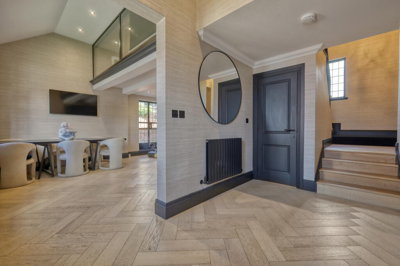
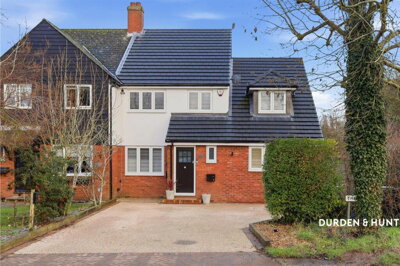
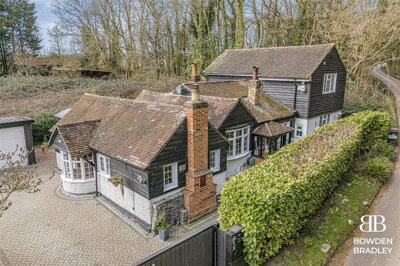
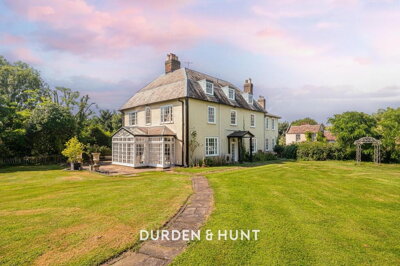
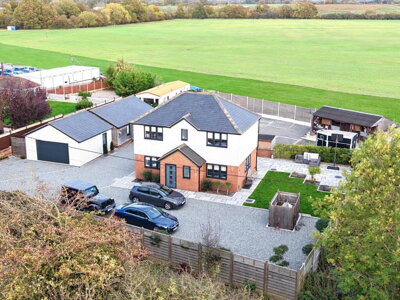
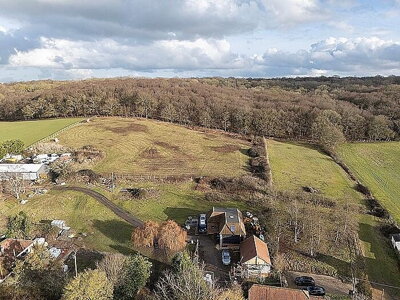
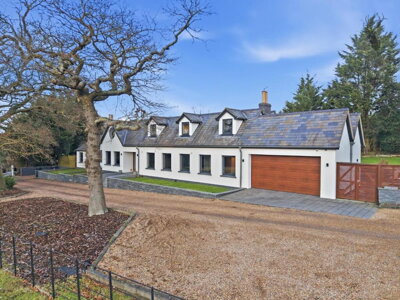
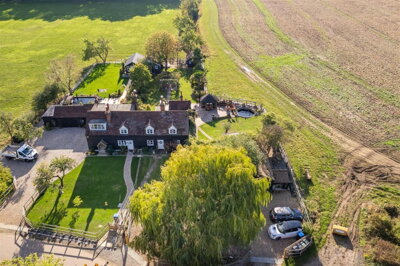
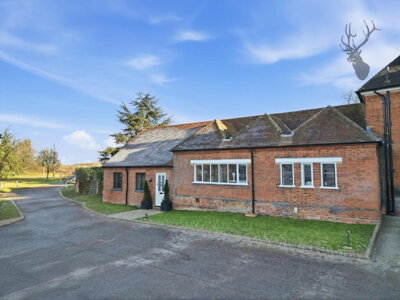
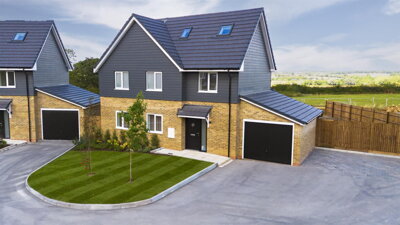
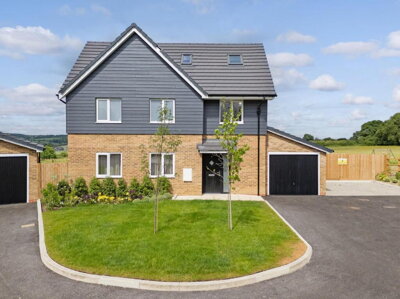
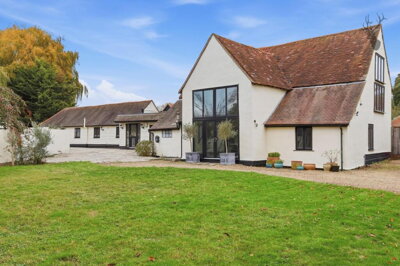
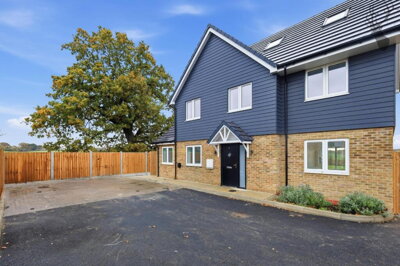
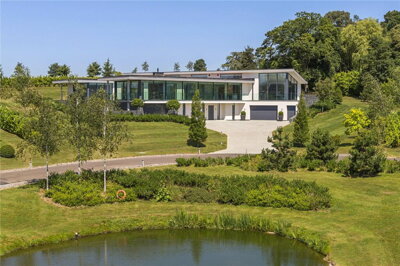
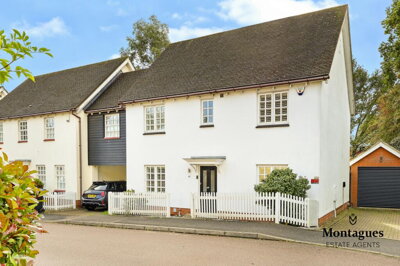
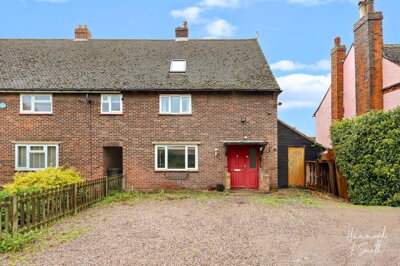
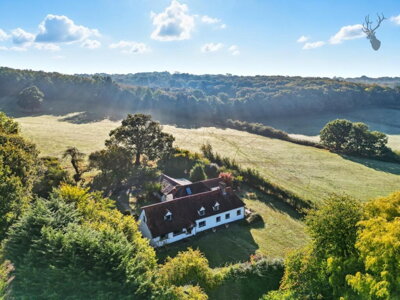
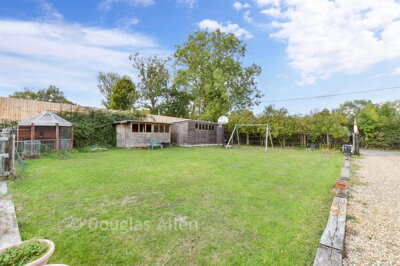
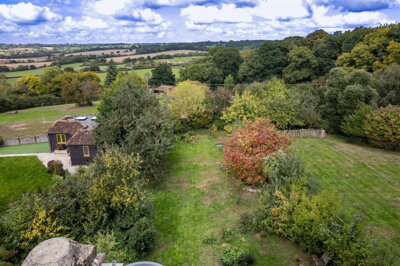
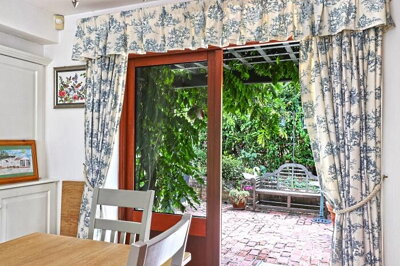
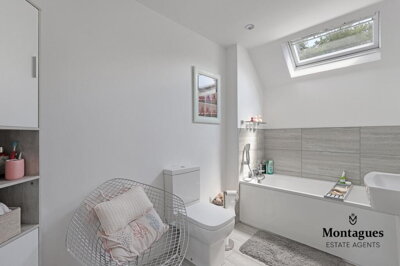
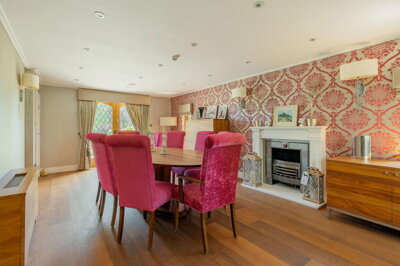
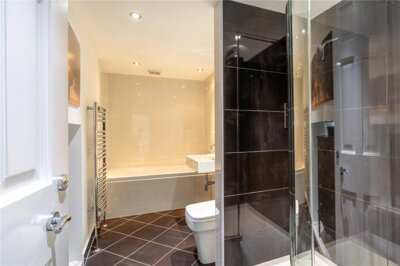
Browse 28 homes for sale in Stapleford Tawney from local estate agents.
The Hornton property market reflects the broader trends of Oxfordshire's rural housing sector, with prices showing some correction following previous years of strong growth. Rightmove data indicates an average property price of £606,250 over the last year, while OnTheMarket reports an average price paid of £698,000 as of early 2026. Zoopla's sold price data shows an average of £745,000 for properties that completed in the last twelve months. The market has experienced an 11% price reduction compared to the previous year, creating potential opportunities for buyers who were previously priced out of this sought-after village location.
Property types in Hornton predominantly consist of detached and semi-detached homes, with fewer terraced properties and flats than typical urban areas. Individual sales data reveals the range of stock available: a detached residence at Sheraton on Bell Street sold for £350,000 in 2019, while a semi-detached property at 6 Perkins Close achieved £278,000 in the same year. The village also accommodates bespoke new-build developments, with exceptional residences such as Cawley House and Linton House offering over 200 square metres of accommodation arranged across three floors for buyers seeking modern comfort within a traditional setting. This mix of property types ensures that buyers with varying budgets and preferences can find suitable options within the village.
For those considering surrounding areas, nearby West End in Hornton shows an average price of £625,000, though prices there have fallen 26% year-on-year. Hornton Lane in the Banbury area commands higher prices, with an average of £800,000 reflecting premium locations. These comparative figures help contextualise Hornton's value proposition within the local market, demonstrating that the village offers competitive pricing for Oxfordshire property while maintaining strong fundamentals as a residential location. The significant price adjustments seen across the local market suggest that careful research and timing can yield favourable outcomes for prepared buyers.

Hornton presents a compelling proposition for buyers seeking an authentic Oxfordshire village lifestyle. The village is characterised by its traditional architecture, with properties frequently constructed from the distinctive local Hornton stone, a beautiful ironstone that gives many buildings their warm, honey-coloured appearance. This architectural consistency creates an attractive streetscape that has been preserved through careful stewardship and the presence of Grade II listed buildings throughout the village, including notable homes like Cromwells, a beautifully renovated period residence that exemplifies the quality of historic properties available. The community atmosphere includes a traditional public house, providing a focal point for social interaction and village events.
As a rural village in Cherwell district, Hornton offers residents a peaceful environment surrounded by working farmland and the rolling Oxfordshire countryside. The village's position offers a balance between seclusion and accessibility, with Banbury's comprehensive amenities approximately three miles away, providing supermarkets, healthcare facilities, restaurants, and high street shopping for everyday needs. Oxford itself is accessible for those requiring additional cultural and employment opportunities, whilst retaining the village's tranquil character. The local geography contributes significantly to Hornton's appeal, with surrounding farmland and countryside walks offering recreational opportunities for residents.
The area's Jurassic limestone and clay geology, typical of this part of Oxfordshire, has shaped the traditional building methods used throughout the village. Properties here benefit from solid stone walls and traditional construction techniques that have proven durable over generations. The underlying clay soils can present shrink-swell risks affecting foundations in some properties, particularly older structures with shallower footings. Prospective buyers should arrange appropriate surveys given the age of much of the housing stock, as traditional construction methods may lack modern damp-proof courses or structural refinements found in newer properties. The combination of historic architecture, community spirit, and beautiful natural surroundings makes Hornton an attractive destination for families and professionals alike.

Families considering a move to Hornton will find educational provision available within the village and the surrounding area. Hornton Primary School serves the local community, providing education for younger children within the village itself, reducing the need for young families to travel for primary education. The school's position within the village allows children to walk to school, fostering community connections and providing a safe environment for families to establish roots. For secondary education, students typically travel to schools in nearby Banbury, which offers a selection of secondary schools and colleges.
The wider Banbury area provides additional educational options including grammar schools for academically selective students, with families residing in Hornton falling within catchment areas for these institutions. Further education opportunities are available at colleges in Banbury and the surrounding towns, whilst Oxford's universities and higher education institutions remain accessible for older students commuting from the family home. The presence of quality educational establishments within reasonable travelling distance enhances Hornton's appeal to families, ensuring that children of all ages can access appropriate schooling without requiring relocation to a larger town.
For families with specific educational requirements, Hornton's position in Cherwell district provides access to a range of school types including faith schools, academy schools, and independent options in the broader region. Parents are encouraged to research individual school performance data and admission criteria when considering property purchase, as catchment areas can be competitive in desirable rural locations. School admission policies can significantly affect which properties are most suitable for families, particularly those with children approaching secondary school age. The village's proximity to Banbury's educational facilities ensures that families have genuine choice when selecting schools appropriate for their children's needs and aspirations.
Hornton benefits from a strategic position that balances rural tranquility with practical transport connections. The village lies approximately three miles from Banbury, which serves as the primary transport hub for the surrounding area. Banbury railway station provides regular services on the Chiltern Main Line, offering direct connections to London Marylebone in approximately one hour, making the town attractive to commuters who work in the capital but prefer countryside living. Birmingham is also readily accessible via rail, providing employment opportunities and cultural amenities in a major city within reasonable commuting distance.
Road connections from Hornton provide access to the wider Oxfordshire road network. The M40 motorway passes near Banbury, connecting the area to Oxford to the south and Birmingham to the north, with Junction 11 offering straightforward access from the town. This motorway corridor has made villages like Hornton increasingly popular with commuters who require car access for work but appreciate the quality of life offered by rural Oxfordshire. Local bus services connect Hornton to Banbury, providing public transport options for those without private vehicles or for journeys to the town for shopping and appointments.
For those who cycle, the Oxfordshire countryside offers scenic routes for recreational cycling and commuting alike. The National Cycle Network and local bridleways provide opportunities for sustainable travel and outdoor recreation. Oxford Airport provides facilities for private aviation, whilst Birmingham Airport and London Heathrow offer broader international flight connections for those requiring global travel. The village is best suited to residents with access to private transport, though the bus services provide essential connectivity for those without cars, particularly for accessing Banbury's comprehensive amenities and transport hubs. The combination of rail, road, and air connections ensures that Hornton residents maintain good connectivity to the rest of the UK and beyond, whilst enjoying the considerable quality of life offered by village living.
Start by exploring current listings in Hornton and understanding price trends. With average prices around £606,250 and an 11% year-on-year adjustment, the market offers opportunities for buyers. Consider engaging with local estate agents who have specialist knowledge of this village market. Research comparable sales in the OX15 postcode area to understand how property types affect pricing.
Schedule viewings of properties that match your criteria, whether seeking a traditional stone cottage, a modern detached home, or a historic listed property. Take time to assess the property's condition, noting features like original stone construction, period features, and potential maintenance requirements. View multiple properties to establish a clear understanding of what Hornton homes offer at various price points.
Before making an offer, secure a mortgage agreement in principle from a lender. This strengthens your position as a serious buyer and helps you understand your budget. Contact our mortgage partners for competitive rates and expert guidance on financing your Hornton purchase. Having financing in place demonstrates commitment to sellers and can accelerate negotiations.
Given the age of many properties in Hornton, arrange appropriate surveys before purchase. A RICS Level 2 Survey is recommended for most properties, whilst older or listed buildings may require a more comprehensive Level 3 Building Survey. Our survey partners offer competitive rates for properties across Oxfordshire and understand the specific construction methods used in traditional stone-built homes.
Choose a solicitor to handle the legal aspects of your purchase. They will conduct searches, review contracts, and manage the transfer of ownership. Our conveyancing partners have experience with Oxfordshire properties and can ensure a smooth transaction. Searches should include drainage and water searches, local authority enquiries, and environmental searches to identify any issues affecting the property.
Once surveys are satisfactory and legal processes complete, you will exchange contracts and agree a completion date. On completion day, the property legally transfers to you, and you receive the keys to your new Hornton home. Ensure buildings insurance is arranged from exchange of contracts to protect your investment throughout the legal process.
Purchasing property in Hornton requires careful attention to factors specific to this type of Oxfordshire village. The prevalence of older, stone-built properties means that buyers should be particularly vigilant about construction quality and potential maintenance issues. Many homes in the village are likely to be over 50 years old, with some dating back centuries, meaning that traditional building methods and materials require specialist understanding. A thorough survey is essential to identify any issues with damp, structural movement, or timber defects that commonly affect period properties in this area. The local Jurassic limestone and clay geology may also influence foundation conditions in certain properties.
Damp represents one of the most common issues found in traditional stone-built properties across Oxfordshire. Rising damp, penetrating damp, and condensation frequently affect older buildings due to original construction techniques that predate modern damp-proof courses. The solid stone walls found in many Hornton properties can allow moisture to penetrate through joints and mortar lines, particularly where pointing has degraded over time. Specialist damp surveys may be advisable for properties showing signs of moisture intrusion, and buyers should budget for potential remediation costs when assessing a property's true condition.
Roof condition problems are prevalent in period properties throughout the village. Older roofs may suffer from slipped tiles, degraded pointing, leadwork deterioration, and timber decay in the roof structure. The traditional timber construction methods used in historic Oxfordshire homes can be susceptible to woodworm infestation and both wet and dry rot affecting structural beams and ceiling joists. Our surveyors frequently identify roof-related defects during inspections of traditional properties, making thorough attic inspections essential during any survey.
The underlying clay geology present in parts of Oxfordshire can create shrink-swell risks affecting property foundations. Properties with shallower traditional footings may show signs of movement or subsidence where clay soils expand and contract with moisture content changes. Buyers should investigate foundation conditions during surveys and review any historical subsidence claims or underpinning works noted in property documentation. Properties with large gardens or adjacent trees may be particularly susceptible to foundation movement due to moisture extraction by vegetation.
The presence of Grade II listed buildings in Hornton indicates that some properties will be subject to Listed Building Consent requirements for alterations or improvements. Properties such as Cromwells exemplify the quality of historic residences found throughout the village, but they also carry obligations for preservation that buyers must understand before committing to purchase. Specialist surveys for historic properties may be advisable, and prospective buyers should budget for potentially higher maintenance costs associated with preserving character features. The planning authority controls any modifications to listed properties, from structural alterations to window replacements and roofing works.
Conservation area restrictions may also apply to properties throughout the village, limiting permitted development rights that would otherwise be available for unlisted properties. These designations seek to preserve the architectural character and appearance that makes Hornton attractive to buyers in the first place. Before purchasing any property in the village, prospective buyers should consult with Cherwell District Council planning department to understand which restrictions apply and how they might affect future renovation plans or extension proposals.
Listed properties often require specialist building techniques and materials when maintenance or repairs are needed. Traditional lime mortar pointing, for example, must typically replace modern cement in historic stone walls to allow the building to breathe properly. Specialist contractors with experience in historic building conservation may command premium rates compared to standard builders. Buyers considering listed properties should factor these additional costs into their purchasing decision and seek estimates for ongoing maintenance before completing a purchase.
Average house prices in Hornton vary across property platforms, with Rightmove reporting approximately £606,250 over the last year, OnTheMarket at £698,000, and Zoopla showing £745,000 for recently sold properties. The market has experienced an 11% correction over the previous year, creating potential buying opportunities in this sought-after Oxfordshire village. Individual property prices vary significantly based on type, size, condition, and whether the property is new-build or period, with stone-built detached homes commanding premium prices compared to semi-detached alternatives.
Properties in Hornton fall under Cherwell District Council for council tax purposes. Specific band allocations vary by property depending on the valuation banding system applied by the Valuation Office Agency. Band D is commonly used as a baseline for comparison, but buyers should check individual property details on the Cherwell District Council website or through property listings to confirm the specific band applicable to any property they are considering purchasing. Council tax bands affect ongoing annual costs and should factor into overall budgeting for a property purchase.
Hornton Primary School serves the village's youngest residents, providing local primary education within the community. For secondary education, students typically attend schools in nearby Banbury, which offers various options including grammar schools for academically selective students. The Banbury area provides additional educational options including faith schools, academy schools, and independent options for families with specific preferences. Families are advised to research individual school performance data, Ofsted ratings, and admission catchment areas when making purchasing decisions, as these can significantly impact educational outcomes and school placement for children of all ages.
Hornton has limited local public transport, with bus services connecting the village to Banbury approximately three miles away. Banbury railway station provides regular services on the Chiltern Main Line, with direct trains to London Marylebone in around one hour. The M40 motorway passes near Banbury, connecting the area to Oxford and Birmingham for those with private vehicle access. The village is best suited to residents with access to private transport, though the bus services provide essential connectivity for those without cars, particularly for accessing Banbury's comprehensive amenities and transport hubs.
Hornton offers solid fundamentals for property investment, with Oxfordshire consistently ranking among the most desirable English counties and rural village properties maintaining long-term value. The 11% price correction in recent years may present buying opportunities for investors anticipating market recovery. Strong commuter connections to London and Birmingham support demand from professional buyers seeking countryside residence, whilst the village's character and community appeal ensure continued interest from families. However, investors should consider limited rental demand in small villages, potential void periods when factoring returns, and the additional costs associated with maintaining period properties when calculating prospective yields.
Stamp Duty Land Tax for residential purchases in England follows standard thresholds: 0% on the first £250,000, 5% on £250,001 to £925,000, 10% on £925,001 to £1.5 million, and 12% on amounts exceeding £1.5 million. First-time buyers receive relief on the first £425,000, with 5% payable between £425,001 and £625,000. Given Hornton's average prices around £606,250, a typical purchase would attract SDLT on the amount above £250,000, though first-time buyer relief significantly reduces this cost for eligible purchasers. On a typical Hornton property priced around £606,250, SDLT for non-first-time buyers would be approximately £17,812.
Stone-built properties in Hornton require careful inspection due to their age and traditional construction methods. Common issues include rising or penetrating damp resulting from original construction techniques that lack modern damp-proof courses, roof condition problems such as slipped tiles or degraded pointing, and potential timber defects including woodworm or rot affecting structural timbers. The underlying clay geology may present shrink-swell risks affecting foundations in some properties. A comprehensive RICS Level 2 or Level 3 Survey is strongly recommended before purchase to identify any structural or maintenance concerns specific to traditional stone construction, with listed properties requiring specialist surveyors experienced in historic building conservation.
Hornton contains several Grade II listed buildings throughout the village, with properties like Cromwells exemplifying the historic architecture that characterises this Oxfordshire settlement. Listed building status imposes restrictions on alterations and modifications, requiring planning permission for changes that would otherwise fall under permitted development rights. Properties with listed status often command premium prices due to their architectural significance but carry additional maintenance obligations and costs. Prospective buyers should understand these constraints before purchasing and factor specialist survey costs and potentially higher renovation expenses into their budgeting.
Understanding the full costs of purchasing property in Hornton helps buyers budget accurately and avoid surprises during the transaction. Beyond the property price, buyers must account for Stamp Duty Land Tax, which applies to all purchases above £250,000 for non-first-time buyers. On a typical Hornton property priced around £606,250, this would result in SDLT of approximately £17,812, calculated at 5% on the amount between £250,001 and £925,000. First-time buyers benefit from relief on the first £425,000, reducing their SDLT liability significantly on qualifying purchases. Our mortgage partners can provide detailed calculations specific to your circumstances.
Legal costs for conveyancing typically start from around £499 for straightforward transactions, though complex purchases involving listed buildings, leasehold properties, or unusual tenure arrangements may incur higher fees. Survey costs depend on property type and the level of investigation required: a RICS Level 2 Survey starts from approximately £350, whilst a comprehensive Level 3 Building Survey for older or more complex properties begins from around £600. Given the prevalence of period properties in Hornton, investing in a thorough survey can identify potential issues before completion, potentially saving significant sums on future repairs. Our survey partners understand the specific construction methods used in traditional stone-built properties across Oxfordshire.
Additional costs include mortgage arrangement fees, which vary by lender but typically range from zero to £2,000, and property searches including local authority, drainage, and environmental searches. Removal costs depend on distance and volume of belongings, whilst redecorators and furnishment budgets should reflect the condition and age of the property. Buildings insurance must be in place from exchange of contracts, and buyers should budget for mortgage valuation fees if required by their lender. Our conveyancing partners can provide detailed cost breakdowns specific to your purchase, ensuring you have complete clarity on all expenses involved in buying your Hornton home.
From 4.5% APR
Expert mortgage advice for your Hornton purchase
From £499
Complete legal work for your property purchase
From £350
Comprehensive inspection for standard properties
From £600
Detailed survey for older or complex properties
From £80
Energy performance certificate for your property
Properties for Sale In London

Properties for Sale In Plymouth

Properties for Sale In Liverpool

Properties for Sale In Glasgow

Properties for Sale In Sheffield

Properties for Sale In Edinburgh

Properties for Sale In Coventry

Properties for Sale In Bradford

Properties for Sale In Manchester

Properties for Sale In Birmingham

Properties for Sale In Bristol

Properties for Sale In Oxford

Properties for Sale In Leicester

Properties for Sale In Newcastle

Properties for Sale In Leeds

Properties for Sale In Southampton

Properties for Sale In Cardiff

Properties for Sale In Nottingham

Properties for Sale In Norwich

Properties for Sale In Brighton

Properties for Sale In Derby

Properties for Sale In Portsmouth

Properties for Sale In Northampton

Properties for Sale In Milton Keynes

Properties for Sale In Bournemouth

Properties for Sale In Bolton

Properties for Sale In Swansea

Properties for Sale In Swindon

Properties for Sale In Peterborough

Properties for Sale In Wolverhampton

Enter your details to see if this property is within your budget.
Loans, cards, car finance
Estimated property budget
Borrowing + deposit
You could borrow between
Typical borrowing
Monthly repayment
Est. at 4.5%
Loan-to-value
This is an estimate only. Your actual budget may vary depending on interest rates, credit history, and personal circumstances. For an accurate affordability assessment, speak to one of our free mortgage advisors.
This calculator provides estimates for illustrative purposes only and does not constitute financial advice. Your home may be repossessed if you do not keep up repayments on your mortgage. Estimates based on 4.5% interest rate, repayment mortgage. Actual rates depend on your circumstances.
Homemove is a trading name of HM Haus Group Ltd (Company No. 13873779, registered in England & Wales). Homemove Mortgages Ltd (Company No. 15947693) is an Appointed Representative of TMG Direct Limited, trading as TMG Mortgage Network, which is authorised and regulated by the Financial Conduct Authority (FRN 786245). Homemove Mortgages Ltd is entered on the FCA Register as an Appointed Representative (FRN 1022429). You can check registrations at NewRegister or by calling 0800 111 6768.

We use cookies to show you personalised content and improve your experience of our website. Find out more in our Privacy policy and Cookie policy.