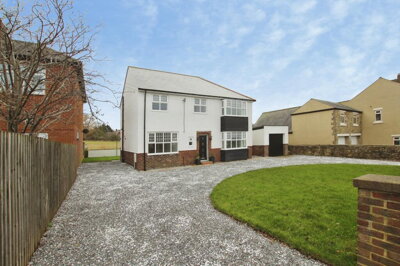
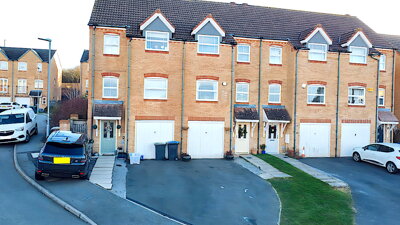
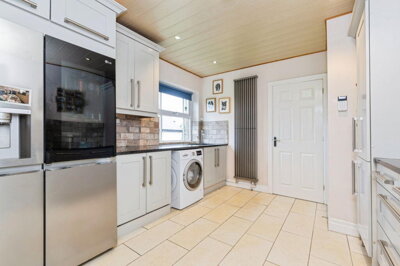
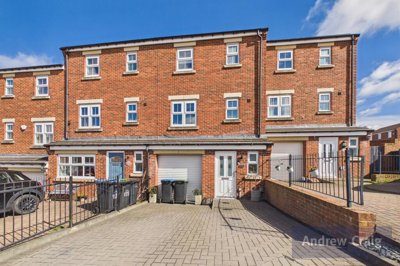
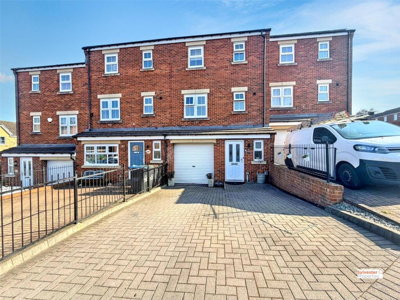
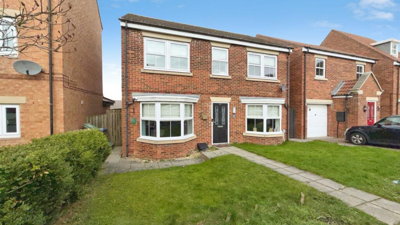
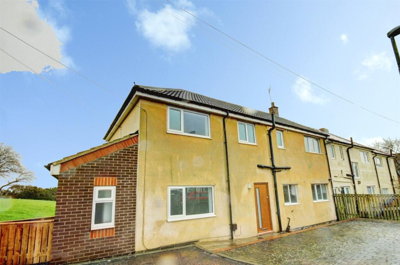
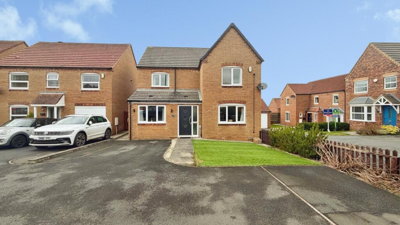
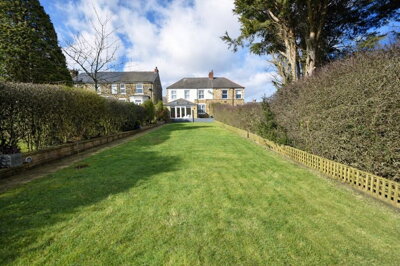
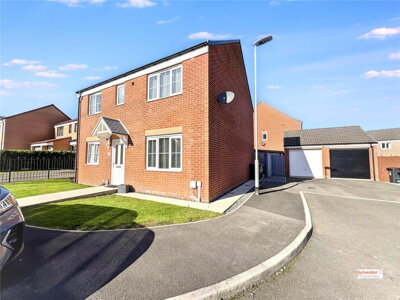
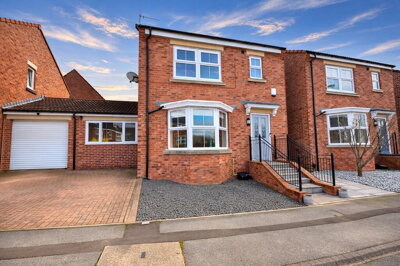
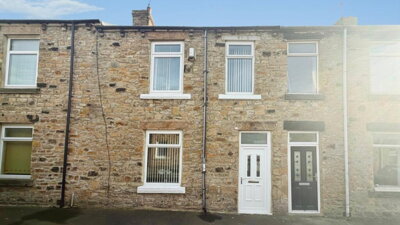
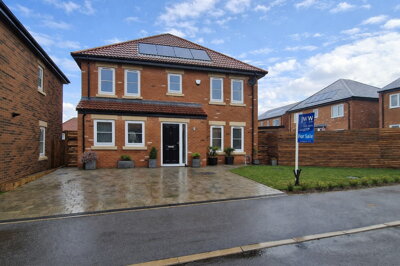
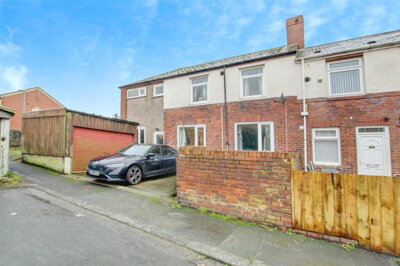
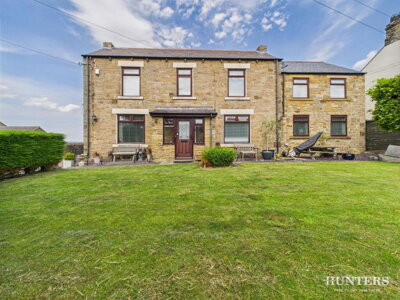
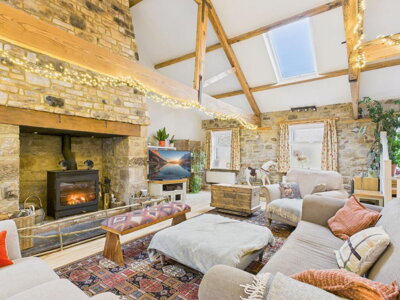
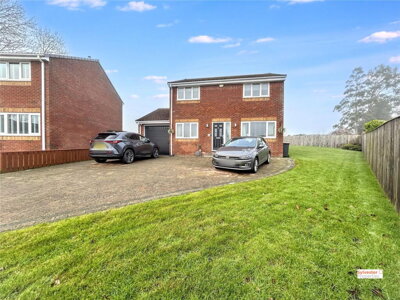
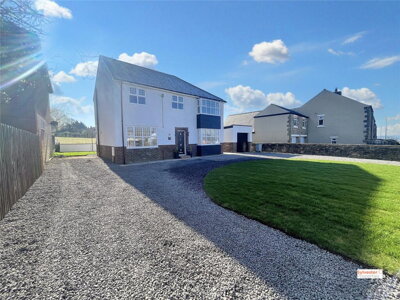
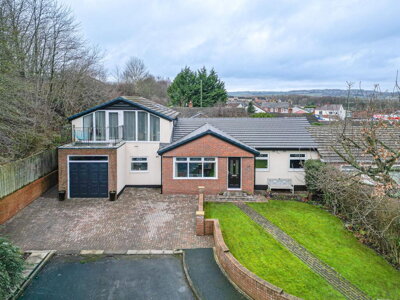
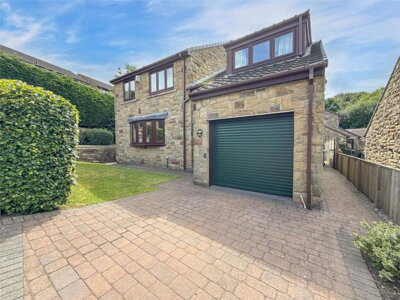
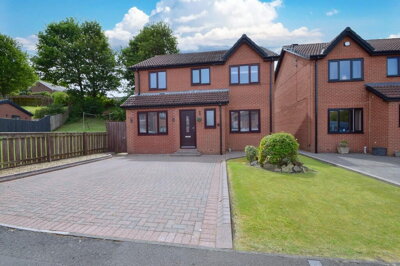
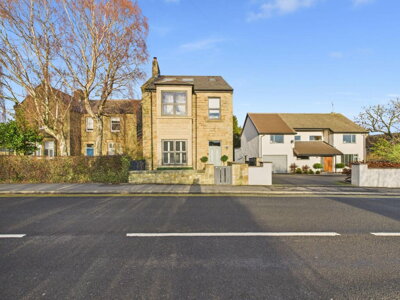
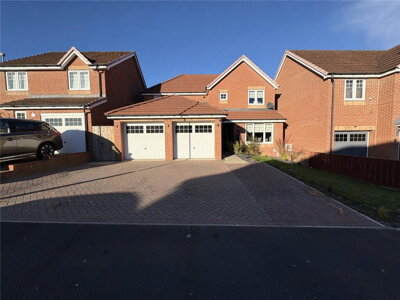
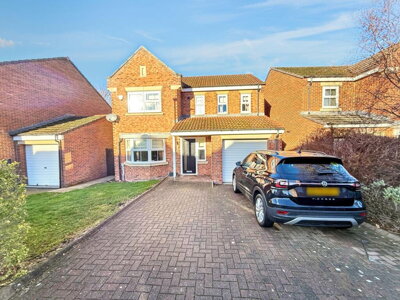
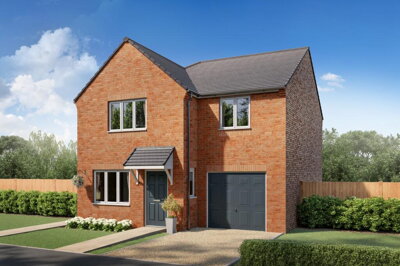
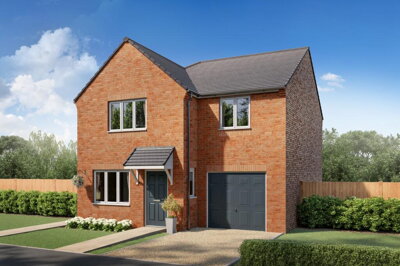
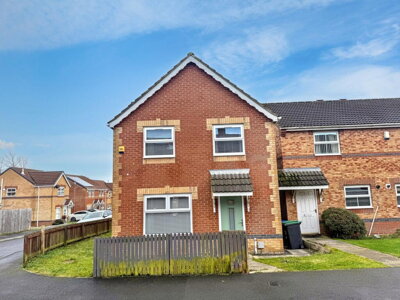
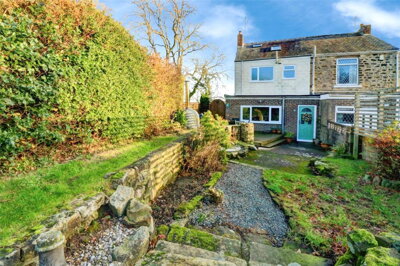
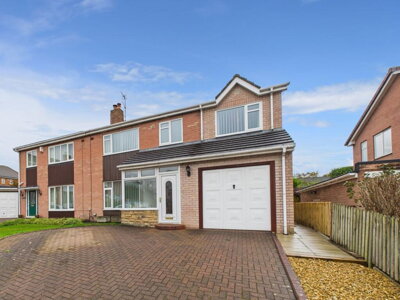
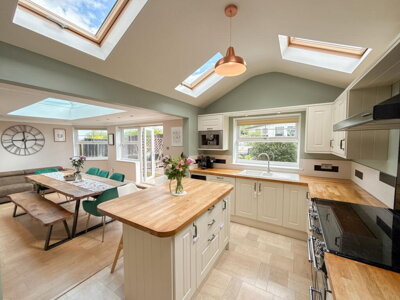
Browse 63 homes for sale in Stanley, County Durham from local estate agents.
The larger property sector typically features multiple bathrooms, substantial reception space, and private gardens or off-street parking. Four bedroom houses in Stanley span detached, semi-detached, and occasionally terraced configurations, with styles ranging from period properties to modern executive homes.
£285k
24
2
97
Source: home.co.uk
Showing 24 results for 4 Bedroom Houses for sale in Stanley, County Durham. 2 new listings added this week. The median asking price is £285,000.
Source: home.co.uk
Detached
17 listings
Avg £367,586
Terraced
4 listings
Avg £143,363
Semi-Detached
3 listings
Avg £304,333
Source: home.co.uk
Source: home.co.uk
The Stanley property market presents a diverse range of housing options to suit different budgets and lifestyles. Detached properties command the highest prices, averaging £224,960, offering generous space and gardens ideal for families. Semi-detached homes, which make up 36.3% of the local housing stock, average £142,504 and represent excellent value for money compared to nearby cities. Terraced properties, the most common housing type in Stanley at 43% of stock, average £104,784 and include many charming Victorian and Edwardian homes with original features. Flats remain the most affordable option at an average of £62,375, perfect for first-time buyers or investors looking for rental opportunities in this growing commuter town.
Recent market data shows property prices in Stanley have remained relatively stable over the past 12 months, with a modest decline of 1.03% across all property types. This stability makes Stanley an attractive prospect for buyers concerned about market volatility. Several new build developments are currently underway in the area, providing fresh options for those seeking modern homes. Miller Homes offers 3 and 4 bedroom properties at The Meadows off Shield Row Lane from £219,995, while Persimmon's The Aspens development on Shield Row starts from £199,995. Bellway's The Drive at Stanley and Avant Homes' South Moor Grange development both offer properties ranging from £219,995 to £309,995, giving buyers plenty of choice when considering new construction in the Stanley area.
The sales distribution across property types shows healthy market activity throughout 2025 and into early 2026. Of the 388 sales recorded, 73 were detached homes, 153 were semi-detached properties, 144 were terraced houses, and 18 were flats. This mix indicates strong demand across all property types, with particular activity in family-sized semi-detached homes. The terraced segment remains popular with first-time buyers and investors, while the new build developments continue to attract families seeking modern construction with developer warranties. Given that 83.9% of Stanley's housing stock was built before 1980, the market also includes significant opportunities for buyers seeking character properties with renovation potential.

Stanley has evolved from its coal mining heritage into a vibrant community town that retains its historical character while offering modern amenities. The town centre features the historic Front Street, which is designated as a conservation area, preserving its distinctive architecture and traditional market town atmosphere. Local shops, cafes, and traditional pubs line the streets, creating a welcoming environment for residents. The weekly market brings fresh produce and local goods to the town centre, fostering the community spirit that defines life in Stanley. The surrounding area includes villages such as Beamish and South Moor, each with their own unique character and amenities, expanding the options for those searching for property in the wider Stanley area.
The demographics of Stanley reflect a balanced community with families, professionals, and retirees all finding their place in the town. The population of 19,041 across 8,432 households creates a strong neighbourhood feel where neighbours know each other and community events bring people together. Key employers in the area include retail businesses, educational establishments, healthcare facilities, and local government offices. The proximity to major employers in Durham and Newcastle makes Stanley particularly appealing to commuters who want more affordable housing and better quality of life while maintaining their careers in the city. Tourism plays an increasingly important role in the local economy, with the nearby Beamish Museum drawing visitors from across the country and supporting local businesses.
The character of different neighbourhoods within Stanley varies significantly. The Front Street conservation area features traditional terraced properties and commercial buildings dating from the Victorian era, many constructed from the distinctive red brick common throughout the town. Residential streets branching from Front Street include examples of Edwardian architecture with bay windows and decorative stonework. The South Moor area, particularly around the DH9 7RL postcode, offers a mix of interwar semi-detached homes built during the 1920s and 1930s expansion period. Beamish village, to the north of Stanley, maintains its own identity with stone cottages and proximity to the open-air museum that celebrates the region's industrial heritage. Each neighbourhood presents distinct characteristics that appeal to different buyer preferences.

Education provision in Stanley caters to families at every stage of their educational journey. Primary schools in the town and surrounding villages provide strong foundations for young learners, with several schools receiving positive Ofsted ratings for their teaching quality and pupil development. The local primary schools serve their immediate communities, making them accessible to families living in different parts of the Stanley area. Secondary education is well-represented with schools offering a range of academic and vocational qualifications, preparing students for further education or employment. Parents moving to Stanley can expect good educational options within the town itself, reducing the need for lengthy school runs.
The age distribution of Stanley's housing stock reflects the town's long history, with 25.1% of properties built before 1919 and a further 20.2% constructed between 1919 and 1945. This means many families have chosen Stanley as their home for generations, creating established school communities with strong relationships between teachers, pupils, and parents. Sixth form provision allows older students to continue their education locally before moving on to university or apprenticeships. The presence of further education colleges within commuting distance provides additional options for young adults seeking vocational training or higher education. Families considering a move to Stanley should research specific school catchment areas, as property location can significantly impact school placement.
For families prioritising educational access when searching for homes for sale in Stanley, proximity to primary schools often influences property selection in areas such as the front street conservation zone, South Moor, and Beamish. Secondary schools serving Stanley students include institutions with strong academic records and varied extracurricular programmes. The established school communities benefit from the stable residential base created by families who have lived in Stanley for multiple generations. This continuity fosters strong parent-teacher associations and community involvement in school events. When viewing properties, we recommend asking local estate agents about catchment boundaries and any planned changes to school admissions arrangements that might affect your family.
Stanley enjoys convenient transport connections that make commuting to major North East cities straightforward for residents. The town sits within easy reach of major road networks, including connections to the A1(M) which provides direct access to Newcastle upon Tyne, Durham, and the wider motorway network. This road connectivity means that residents can reach Newcastle city centre in approximately 30 minutes by car, making it feasible for professionals to work in the city while enjoying the more affordable housing and peaceful surroundings of Stanley. Local bus services connect Stanley to surrounding towns and villages, providing public transport options for those without cars.
Rail connections from nearby stations offer additional commuting possibilities, with regular services to Newcastle and Durham from stations in the wider area. The strategic location of Stanley between two major employment centres gives residents flexibility in their career choices while maintaining an affordable cost of living. Cycling infrastructure in the area has improved in recent years, with quieter country roads popular with recreational cyclists and commuters alike. For air travel, Newcastle International Airport is accessible via the A1(M), offering domestic and international flights. The combination of road, rail, and air connections makes Stanley an excellent base for professionals who need to travel regularly for work.
For buyers prioritising commute times, properties along the main routes to the A1(M) such as those near Shield Row and the southern approaches to Stanley offer particularly convenient access. The bus network operating from Stanley provides connections to Durham, Chester-le-Street, and Newcastle, with journey times varying depending on traffic conditions. Morning and evening peak hours typically see increased traffic on the A1(M) approaching Newcastle, so some residents prefer to travel outside these times when possible. The relatively short commute distances compared to living within Newcastle itself represent a significant lifestyle advantage, allowing residents to enjoy suburban or semi-rural living while maintaining city employment. When searching for homes for sale in Stanley with excellent transport links, consider the proximity to bus stops, the A1(M) junction, and estimated journey times to your workplace.
Obtain a mortgage agreement in principle before viewing properties. This demonstrates to sellers that you are a serious buyer with secured funding. Stanley's average price of £137,794 means many buyers will be looking for mortgages in the £100,000-£200,000 range, which high street lenders typically accommodate well. First-time buyers purchasing flats or terraced properties around the £62,000-£105,000 mark may qualify for smaller mortgage amounts, while family buyers seeking detached homes averaging £224,960 will need larger loan facilities.
Explore current listings to understand what is available at your budget. With 388 sales in the past 12 months and prices ranging from around £60,000 for flats to over £220,000 for detached homes, you can narrow your search to properties that meet your requirements. Consider both older Victorian terraces and new build options from developments like The Meadows or The Aspens. We recommend setting up property alerts so you are notified immediately when new homes matching your criteria come onto the market in Stanley and the surrounding DH9 postcode area.
Schedule viewings of properties that interest you. Once you find your ideal home, book a RICS Level 2 Survey to identify any defects. Given that 83.9% of Stanley's housing stock was built before 1980, a thorough survey is essential to check for issues common in older properties such as damp, roof condition, and potential mining-related concerns. Our surveyors are familiar with the common defects found in Stanley properties, including those constructed from solid brick with timber suspended floors typical of Victorian and Edwardian terraces on streets like those lining the Front Street conservation area.
Appoint a conveyancing solicitor to handle the legal aspects of your purchase. They will conduct searches on the property, check for any planning restrictions, and manage the transfer of ownership. Given Stanley's mining heritage, your solicitor should obtain a mining report as part of the searches. Solicitors familiar with the DH9 area understand the importance of comprehensive mining searches for properties on former colliery land or near historical mine entries. Budget around £500-£1,500 for conveyancing fees depending on transaction complexity.
Once all searches are satisfactory and your mortgage offer is confirmed, you will exchange contracts and pay your deposit. Completion typically follows within a few weeks, and you will receive the keys to your new Stanley home. At this stage, we recommend arranging building insurance to commence from the completion date and coordinating your removal logistics. The process from offer acceptance to keys in hand typically takes 8-12 weeks in the Stanley area, though this can vary depending on mortgage provider requirements and chain dynamics.
Properties in Stanley require careful consideration of several area-specific factors before purchase. The town's mining heritage is perhaps the most important consideration for buyers. As a former coal mining area, some properties may be at risk of subsidence due to shallow mine workings beneath the surface. A mining report should be obtained alongside your survey to identify any historical mining activity that could affect the property. While modern construction techniques and ground remediation have addressed many issues, understanding the mining history of your specific location provides important protection for your investment. Many lenders require a mining report for properties in former mining areas before approving a mortgage.
The geology of Stanley presents additional considerations for prospective buyers. The area sits on Carboniferous rocks including coal measures, sandstone, and mudstone, with glacial till deposits common across the area. Clay-rich soils can cause shrink-swell issues, particularly where mature trees are present close to properties. Your survey should assess any signs of movement or subsidence that might relate to ground conditions. Flood risk in Stanley is primarily from surface water rather than rivers, so check drainage around the property and consider any history of flooding during heavy rainfall. Properties in conservation areas such as Stanley Front Street, Beamish, and South Moor have specific planning controls that may restrict modifications or extensions.
The predominant construction materials in Stanley reflect the age of much of the housing stock. Victorian and Edwardian terraces built before 1945 typically feature solid brick walls, often constructed from the distinctive red brick seen throughout the town, with slate or clay tile roofs and timber suspended floors. These older properties often have charming original features but may require updating of electrical systems and plumbing. Properties built between 1945 and 1980 commonly use cavity wall construction with concrete tiles, representing the mid-century expansion of the town. Properties in conservation areas may feature stone details and traditional construction methods that require specialist knowledge during surveys. Regardless of property age, always check for signs of dampness, roof condition, and the presence of modern double glazing. Properties with older wiring systems may need electrical upgrades to meet current safety standards.
The average property price in Stanley is £137,794 based on recent sales data covering the DH9 postcode area. Detached properties average £224,960, semi-detached homes £142,504, terraced houses £104,784, and flats £62,375. Prices have remained relatively stable over the past 12 months with a modest 1.03% decline, making Stanley an affordable option compared to nearby Newcastle and Durham where average prices are considerably higher. The variety of price points across different property types means buyers at various budgets can find suitable homes for sale in Stanley.
Properties in Stanley fall under Durham County Council's council tax banding system. Most residential properties in the area range from Band A to Band C, with Band A being the lowest and most affordable. Flats and smaller terraced properties typically fall into Band A or B, while larger semi-detached and detached family homes often sit in Band B to D. The exact band depends on the property's value and characteristics as assessed by the Valuation Office Agency. You can check specific bands via the Durham County Council website or your property's listing documents.
Stanley offers good educational provision with several primary and secondary schools serving the local community. The town has schools that have received positive Ofsted ratings, providing quality education for children of all ages. Primary schools in the Stanley area serve their immediate communities, with catchment areas typically determined by property location. Secondary schools in the town offer a range of academic and vocational qualifications. For specific school performance data, we recommend checking the Ofsted website and visiting schools directly. School catchment areas can influence property values and create desirable locations for families, so research placement options before committing to a purchase in a particular neighbourhood.
Stanley benefits from regular bus services connecting the town to surrounding areas and major cities including Durham and Newcastle. The nearby A1(M) provides straightforward road access, with Newcastle reachable by car in approximately 30 minutes. Rail stations in the wider area, including those in Durham and Chester-le-Street, offer connections to major cities, with Newcastle reachable in under an hour by public transport. For air travel, Newcastle International Airport is accessible via the A1(M). The strategic location makes Stanley practical for commuters working in larger employment centres who want to benefit from lower property prices than city centre locations while maintaining manageable journey times.
Stanley offers several advantages for property investors looking for homes for sale in the area. The average price of £137,794 is significantly below regional averages, providing accessible entry points for buy-to-let investments. The town attracts commuters seeking more affordable housing than nearby cities, ensuring consistent rental demand from professionals working in Durham and Newcastle. New build developments like The Meadows, The Aspens, and South Moor Grange offer modern properties with developer warranties that appeal to quality-conscious tenants. The mining heritage requires due diligence, but properties with appropriate surveys and mining reports can make solid investments. Rental yields in the Stanley area tend to be competitive compared to city centre locations, making it attractive for landlords building a property portfolio.
Stamp duty rates from April 2024 apply to all purchases in England. Standard rates are 0% on the first £250,000, 5% on £250,001 to £925,000, 10% on £925,001 to £1.5 million, and 12% above £1.5 million. First-time buyers pay 0% on the first £425,000 with 5% on £425,001 to £625,000. Given Stanley's average price of £137,794, most buyers purchasing at or below average will pay zero stamp duty. First-time buyers purchasing properties up to £425,000 could benefit from first-time buyer relief, meaning many first-time buyers searching for flats or terraced properties in Stanley will pay no stamp duty whatsoever. Properties priced above £250,000 will incur stamp duty at the standard rates on the amount exceeding the threshold.
Given Stanley's history as a coal mining town in the DH9 postcode area, we strongly recommend obtaining a mining report from the Coal Authority as part of your property purchase. This report identifies any past or present mining activity that might affect the property's stability, including mine entries, shallow workings, and geological hazards associated with historical coal extraction. The Stanley area sits on Carboniferous coal measures, and many properties were built during or after the active mining period. Most conveyancing solicitors in the area are familiar with obtaining these reports and will include them as standard in the conveyancing process. Combined with your RICS Level 2 Survey, this provides comprehensive information about potential risks from the area's mining legacy. Mining report costs typically range from £25-£50 and represent essential due diligence for any property in this area.
The main risks when purchasing homes for sale in Stanley relate to the area's mining heritage and the age of much of the housing stock. Properties built on former mining land may be subject to ground movement, so a Coal Authority mining report is essential alongside your survey. The high proportion of older properties (83.9% built before 1980) means issues such as damp, outdated electrics, and roof deterioration are relatively common. We recommend a thorough RICS Level 2 Survey for any property in Stanley to identify defects before purchase. Properties in conservation areas may have planning restrictions affecting future modifications. Surface water flood risk should be assessed for properties in low-lying locations. With appropriate surveys and due diligence, these risks can be identified and managed effectively, making property purchase in Stanley a sound investment for well-informed buyers.
Understanding the additional costs of buying a property helps you budget accurately for your Stanley home purchase. Beyond the property price, buyers need to account for stamp duty land tax, solicitor fees, survey costs, and moving expenses. The good news for buyers in Stanley is that the town's average property price of £137,794 falls below the standard stamp duty threshold of £250,000. This means most buyers purchasing at or below the average price will pay zero stamp duty under current rates. First-time buyers purchasing properties up to £425,000 can benefit from first-time buyer relief, which raises the zero-rate threshold to £425,000. At Stanley's average price point, many first-time buyers will pay no stamp duty whatsoever.
Solicitor fees for conveyancing typically range from £500 to £1,500 depending on the complexity of the transaction and whether the property is leasehold or freehold. Given Stanley's prevalence of older terraced and semi-detached properties, most purchases will be freehold, simplifying the legal process. Survey costs for a RICS Level 2 HomeBuyer Report typically range from £350 to £600 for properties in the Stanley area, with the exact cost depending on property size and value. Larger detached homes from developments like The Meadows or South Moor Grange will be at the higher end of this range, while smaller flats may cost less. We also recommend budgeting for a mining search report, which typically costs around £25 to £50 and is essential for properties in former coal mining areas like Stanley.
Additional costs to factor into your budget include mortgage arrangement fees (typically 0-0.5% of the loan amount), property valuation fees charged by your lender, removal costs, and buildings insurance from completion date. If the property you are purchasing requires renovations, obtain quotes for any planned works before finalising your budget to ensure you have sufficient funds available. For properties in conservation areas, factor in potential costs for obtaining planning permission or Listed Building Consent for any works. First-time buyers may also need to budget for Land Registry fees and searches. Our platform can connect you with conveyancing solicitors and surveyors familiar with the Stanley area who can provide accurate quotes based on your specific circumstances.
From £350
A detailed inspection of the property identifying defects common in Stanley's older housing stock including damp, roof issues, and mining-related concerns
From £499
Expert legal services for your property purchase including mining searches and local authority checks
From 3.5%
Competitive mortgage rates for buyers in Stanley, with products suited to properties from £60,000 flats to £300,000+ family homes
Properties for Sale In London

Properties for Sale In Plymouth

Properties for Sale In Liverpool

Properties for Sale In Glasgow

Properties for Sale In Sheffield

Properties for Sale In Edinburgh

Properties for Sale In Coventry

Properties for Sale In Bradford

Properties for Sale In Manchester

Properties for Sale In Birmingham

Properties for Sale In Bristol

Properties for Sale In Oxford

Properties for Sale In Leicester

Properties for Sale In Newcastle

Properties for Sale In Leeds

Properties for Sale In Southampton

Properties for Sale In Cardiff

Properties for Sale In Nottingham

Properties for Sale In Norwich

Properties for Sale In Brighton

Properties for Sale In Derby

Properties for Sale In Portsmouth

Properties for Sale In Northampton

Properties for Sale In Milton Keynes

Properties for Sale In Bournemouth

Properties for Sale In Bolton

Properties for Sale In Swansea

Properties for Sale In Swindon

Properties for Sale In Peterborough

Properties for Sale In Wolverhampton

Enter your details to see if this property is within your budget.
Loans, cards, car finance
Estimated property budget
Borrowing + deposit
You could borrow between
Typical borrowing
Monthly repayment
Est. at 4.5%
Loan-to-value
This is an estimate only. Your actual budget may vary depending on interest rates, credit history, and personal circumstances. For an accurate affordability assessment, speak to one of our free mortgage advisors.
This calculator provides estimates for illustrative purposes only and does not constitute financial advice. Your home may be repossessed if you do not keep up repayments on your mortgage. Estimates based on 4.5% interest rate, repayment mortgage. Actual rates depend on your circumstances.
Homemove is a trading name of HM Haus Group Ltd (Company No. 13873779, registered in England & Wales). Homemove Mortgages Ltd (Company No. 15947693) is an Appointed Representative of TMG Direct Limited, trading as TMG Mortgage Network, which is authorised and regulated by the Financial Conduct Authority (FRN 786245). Homemove Mortgages Ltd is entered on the FCA Register as an Appointed Representative (FRN 1022429). You can check registrations at NewRegister or by calling 0800 111 6768.

We use cookies to show you personalised content and improve your experience of our website. Find out more in our Privacy policy and Cookie policy.