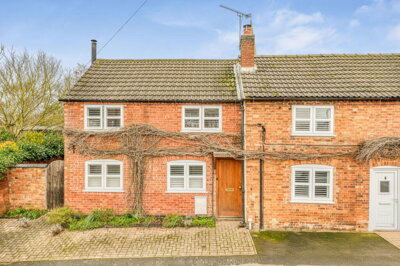
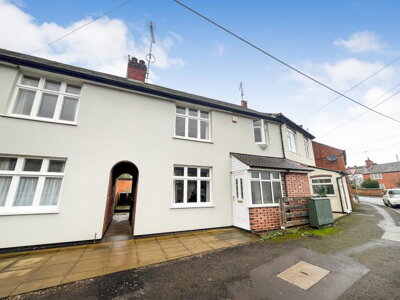
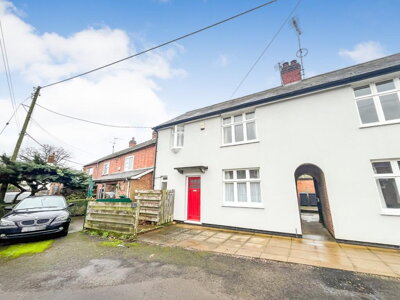
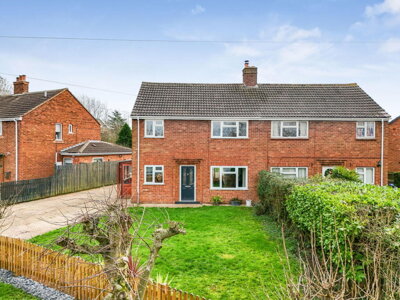
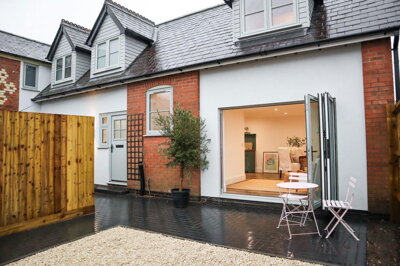
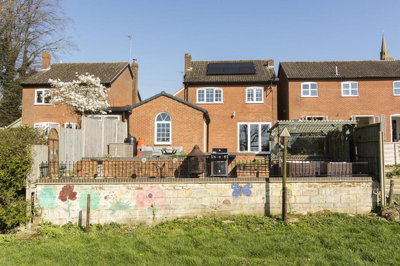
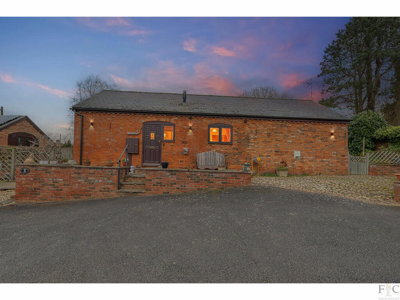
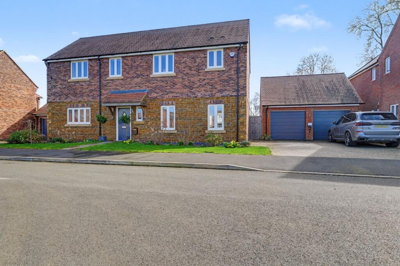
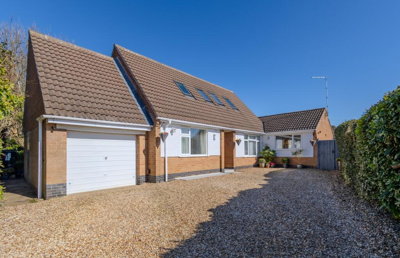
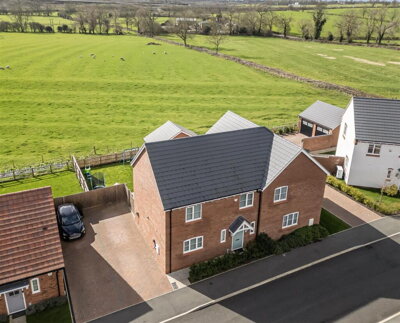
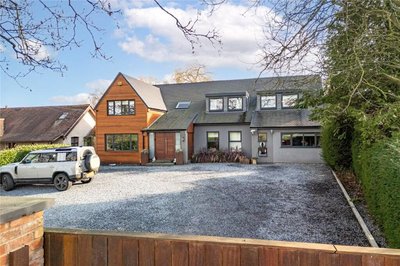
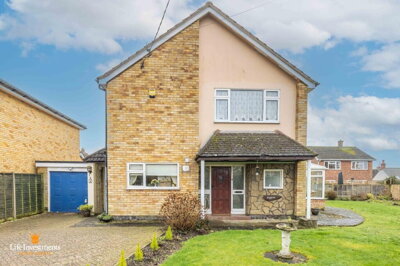
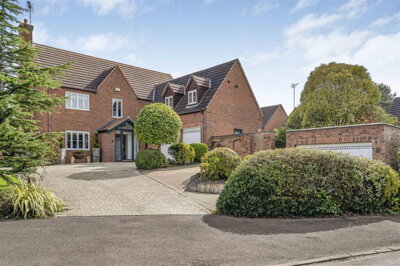
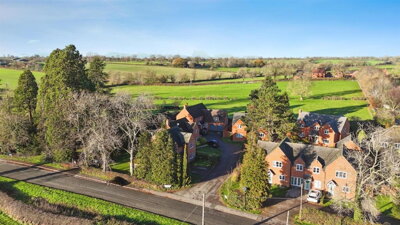
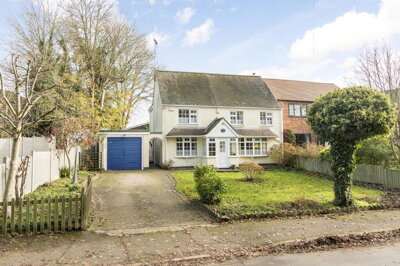
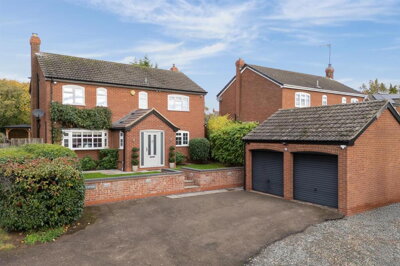
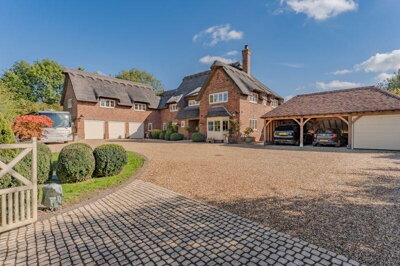
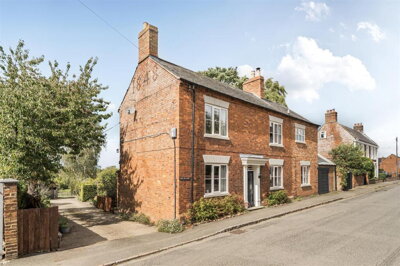
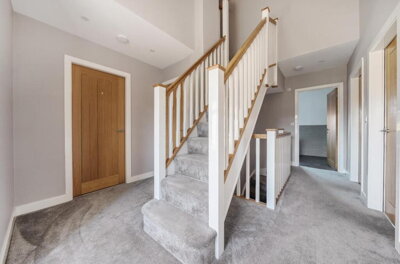
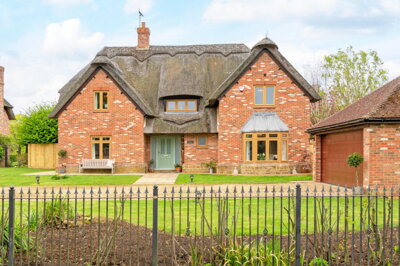
Browse 22 homes for sale in Stanford from local estate agents.
The Stanford property market has experienced notable movement over the past year, with the overall average house price standing at £517,500 based on recent sales data. This figure reflects the premium nature of the village housing stock, where period properties and traditional constructions command strong prices from buyers seeking character homes in desirable rural locations. Semi-detached properties in the area have averaged £381,250, while detached homes have achieved significantly higher values at approximately £790,000, demonstrating the strong demand for larger family properties with generous gardens and space. The price differential between property types highlights the particular appeal of substantial period homes with land and character features that simply cannot be replicated in newer constructions.
Market trends indicate that prices in Stanford have settled 19% below the previous peak recorded in 2017, when the village saw average prices reach £640,000 during the height of the national property boom. This correction brings values more in line with underlying property fundamentals and creates entry opportunities for buyers who may have been priced out during the previous high point. The 19% reduction from peak prices means that some buyers who were previously unable to afford property in Stanford may now find the village more accessible, though prices remain substantial given the village's desirable location and characterful housing stock. Understanding these market cycles helps buyers time their purchases strategically while focusing on the long-term value of period property ownership.
Across the wider West Northamptonshire region, house prices showed modest growth of 2.9% in the twelve months to December 2025, with semi-detached properties leading gains at 4.1% year-on-year. The Northamptonshire county as a whole recorded approximately 10,300 property sales during this period, though transaction volumes dropped by 13% compared to the previous year, reflecting broader national trends in property market activity. New build activity within Stanford itself remains limited, with no major developments identified in the village centre, preserving the architectural character that makes the village attractive to buyers in the first place. For those specifically seeking modern construction, expanding the search to nearby towns in the NN6 and NN17 postcode areas may reveal options, while those prioritising the village atmosphere and period properties of Stanford will find the existing stock offers genuine character and established neighbourhood appeal.

Stanford embodies the classic English village character that draws buyers to rural Northamptonshire, offering a tight-knit community atmosphere with essential local amenities within easy walking distance. The village retains much of its historical architecture, with stone-built cottages and period homes lining the main thoroughfares and creating an unmistakably traditional aesthetic. Grade II listed properties add to the visual appeal and heritage significance of the village centre, preserving the architectural character that distinguishes Stanford from more modern developments. The presence of original features such as exposed beams, inglenook fireplaces, and vaulted ceilings in many properties speaks to the craftsmanship of earlier builders and the enduring quality of traditional construction methods that have served residents well for generations.
The village setting provides residents with direct access to the surrounding Northamptonshire countryside, offering extensive walking routes, cycling paths, and outdoor recreational opportunities along the River Avon and through adjacent farmland. Local communities in this part of West Northamptonshire often organise village events, fetes, and social activities that bring residents together, fostering the neighbourly spirit that characterises village life. The average private rent in West Northamptonshire reached £1,066 per month in January 2026, though Stanford primarily attracts buyers seeking to purchase rather than rent, reflecting the stability and long-term appeal of village home ownership in this area. This rental data provides context for the housing market dynamics in the wider region, even though rental properties in Stanford itself remain relatively scarce given the predominance of owner-occupied homes.
Commuters and families appreciate how the rural setting of Stanford contrasts with the practical accessibility of nearby towns, where supermarkets, healthcare facilities, and additional services can be found within a short drive. Market towns such as Market Harborough offer comprehensive shopping facilities, restaurants, and leisure centres that serve the surrounding villages including Stanford. The village community includes residents who have lived there for decades alongside newer arrivals who have been drawn by the quality of life and sense of belonging that Stanford provides. Those considering a move to the village should visit at different times of day and week to experience the community atmosphere firsthand and speak with existing residents about what makes village life in Stanford distinctive.

Families considering a move to Stanford will find educational options within the village and the surrounding West Northamptonshire area that cater to children of all ages and academic abilities. Primary education is available through local schools in nearby villages and towns, with the broader NN6 area served by several primary schools that serve the surrounding rural communities. Many families choose to supplement local options by exploring schools in the nearby market towns, which often offer broader curricula and extensive extracurricular programmes that smaller rural schools may not provide. The village location means that school transport arrangements are an important consideration for families, with many relying on local bus services to reach schools further afield, particularly for secondary education where catchment areas may fall outside the village itself.
Secondary education options in West Northamptonshire include both comprehensive schools serving all abilities and selective grammar schools for academically able students who pass the entrance examinations. Parents should research specific catchment areas and admission policies, as these can vary between schools and change over time as local populations shift and schools adjust their admissions criteria. School performance data and Ofsted ratings are available through official registers, allowing parents to research specific schools before committing to a property purchase in or around Stanford. For families prioritising educational choice, visiting potential schools and meeting with headteachers provides valuable insight into school culture, facilities, and ethos before committing to what will likely be a long-term family home.
Sixth form provision is available at secondary schools and colleges in the nearby towns, offering A-level and vocational courses for older students pursuing higher education or career qualifications. Parents of younger children should factor school catchment boundaries into their property search, as proximity to preferred schools often influences which neighbourhood within and around Stanford proves most suitable for family needs. Properties with good access to school bus routes or within cycling distance of popular schools may command premiums in the local market, making early research into educational options an important part of the property buying process for families with children.
Stanford enjoys a strategic position within West Northamptonshire, providing residents with access to the county's main transport routes while maintaining the benefits of village living that attracts buyers to the area. The nearby A14 corridor connects the area to Northampton, Kettering, and the wider motorway network, making car travel to major employment centres straightforward for those with vehicles. The village location means that owning a car provides the most flexible commuting options, though public transport alternatives exist for those working in nearby towns or travelling to larger cities further afield. Journey times by car to Northampton typically take around 30 minutes, while Kettering is accessible in approximately 25 minutes via the A14.
Rail connections from stations in the surrounding towns provide access to the national rail network, with journey times to London and Birmingham making day commuting feasible for those willing to travel. The nearest major stations offer regular services to London Euston, with journey times typically ranging from under an hour to approximately ninety minutes depending on the specific route and service chosen. For professionals working in London or other major cities, the combination of village living and accessible rail connections makes Stanford an attractive base that balances quality of life with career requirements. Those considering the commute should research specific journey times and ticket costs, as these can vary significantly depending on time of travel and how far in advance tickets are purchased.
Bus services connect Stanford to nearby villages and towns, though frequencies may be limited compared to urban routes, making timetable research essential for those relying on public transport for regular commuting. Cyclists benefit from country lanes and designated routes that make cycling a viable option for shorter local journeys, particularly during summer months when daylight hours are longer and weather conditions are more favourable. Many residents combine cycling with public transport for longer journeys, using bikes to reach local stations before boarding trains for the main portion of their commute. Those considering Stanford as a base should evaluate their specific commuting requirements against the available transport options, potentially visiting during rush hour to test journey times before committing to a property purchase.
Explore current listings and recently sold prices to understand what your budget buys in the village and surrounding NN6 area. Review property types available, from traditional stone cottages to modern family homes, and note any differences between conservation area and general village locations. Understanding local market conditions, including the 19% price correction from the 2017 peak, helps buyers recognise when properties are fairly priced and where negotiation opportunities may exist.
Contact lenders or mortgage brokers to obtain an agreement in principle before viewing properties in Stanford. This document demonstrates to sellers that you have financing in place and strengthens your position when making offers, which is particularly important in a village market where multiple buyers may be competing for desirable period properties. Brokers familiar with rural property values and the NN6 postcode area can provide accurate affordability assessments based on current market conditions.
Visit multiple homes in Stanford to compare features, conditions, and neighbourhoods. Take detailed notes on each property and ask about specific details like council tax bands, utility providers, and any planning permissions granted in the area. For period and listed properties, inquire about maintenance history, previous renovations, and any building regulations compliance documentation that demonstrates proper care of the property.
Given the prevalence of period and Grade II listed properties in Stanford, a thorough homebuyer survey is essential before committing to a purchase. This report identifies defects common in older properties, including damp, roof condition issues, and outdated electrics that may not be apparent during a visual viewing. Identifying defects early provides negotiating leverage and ensures buyers understand the true cost of ownership before completing their purchase.
Choose a solicitor with experience handling rural property transactions in West Northamptonshire to manage the legal work for your Stanford purchase. They will conduct local authority searches, review the property title thoroughly, and guide you through the conveyancing process specific to properties in this part of Northamptonshire. Specialist knowledge of listed building regulations and conservation area restrictions proves invaluable when purchasing heritage properties in the village.
Once surveys and searches are satisfactory, your solicitor will exchange contracts and agree a completion date that suits both parties. Arrange buildings insurance from the day of completion onwards, as this is a legal requirement before keys can be released. Notify utility providers of your moving date and consider scheduling meter readings to ensure you only pay for your own consumption from the point of completion.
The prevalence of period and Grade II listed properties in Stanford means that buyers should pay particular attention to the condition and maintenance history of older homes before committing to a purchase. Properties dating from the early 19th century often require more maintenance than modern constructions, with traditional building materials including stone, timber, and traditional lime-based mortars requiring specialist care that differs from standard building practices. Understanding the maintenance obligations associated with listed building status is essential, as any alterations or improvements to Grade II listed properties may require planning permission from West Northamptonshire Council. Budget estimates for period property maintenance should allow for higher costs than modern properties, as specialist tradespeople and traditional materials command premiums in the marketplace.
Drainage and soakaway conditions on individual plots warrant careful investigation, as these can affect property foundations over time in areas with clay soils that are common throughout Northamptonshire. Clay soils pose a shrink-swell risk, meaning that ground conditions can change with moisture levels, potentially affecting foundations and causing structural movement in older properties that may not have been built with modern foundation depths. Subsidence risk, while not specifically identified as a known issue in Stanford, should be considered for any older property showing signs of movement, cracking, or doors and windows that no longer close properly. A thorough building survey will identify these issues and help buyers understand the true condition of the property they are considering.
Flood risk should be investigated for any property in Stanford, particularly those located near watercourses or in lower-lying areas of the village. While specific flood risk data for properties near the River Avon requires verification with the local authority and Environment Agency records, buyers should examine the property's flood history and any flood prevention measures that may be in place. Properties in conservation areas or those with listed status require understanding of the planning restrictions and obligations that protect village character but also impose constraints on what owners can do with their homes. Checking local planning applications in the surrounding area should form part of due diligence, as new developments nearby could affect views, privacy, and the overall village character that attracted buyers to Stanford in the first place.
Many properties in Stanford feature traditional construction methods including exposed timber beams, inglenook fireplaces, and vaulted ceilings that contribute to the character and appeal of period homes in the village. These features require understanding and appreciation, as they may involve different maintenance approaches than modern equivalents and can affect insurance requirements and rebuild costs for buildings insurance purposes. Service charges, ground rent terms, and the condition of communal areas should be examined for any leasehold properties in the village, though freehold houses predominate in Stanford and the surrounding NN6 area. A RICS Level 2 Survey provides detailed information about construction methods, defect identification, and maintenance recommendations that prove invaluable for buyers considering period properties in the village.
The average house price in Stanford, West Northamptonshire, is currently around £517,500 based on recent sales data, reflecting the premium nature of the village housing stock. Semi-detached properties have averaged £381,250, while detached homes have achieved approximately £790,000, demonstrating the strong demand for larger family properties in the village. Prices have settled 19% below the previous 2017 peak of £640,000, offering more accessible entry points for buyers compared to the height of the previous market cycle. The wider West Northamptonshire region saw prices rise by 2.9% in the twelve months to December 2025, suggesting gradual market stabilisation that may create further buying opportunities as the market finds equilibrium.
Properties in Stanford fall under West Northamptonshire Council's jurisdiction for council tax purposes, and specific band allocations vary by property depending on the valuation and characteristics of each home. Period and listed properties may have unique band assignments that reflect their historical status, construction type, and special features that distinguish them from standard residential properties. Prospective buyers should verify the council tax band for any specific property through the local authority's online portal or by requesting this information during the conveyancing process. Council tax bands affect ongoing running costs and should be factored into the overall budget when comparing properties in the village.
Stanford is served by local primary schools in nearby villages and towns, with families often choosing to explore options within the broader NN6 postcode area before making decisions about where to buy. Secondary education options include comprehensive schools and grammar schools in the surrounding West Northamptonshire towns, with grammar schools offering selective admission based on academic ability. School performance data and Ofsted ratings are available through official registers, allowing parents to research specific schools before committing to a property purchase. Catchment areas can influence school placement significantly, so verifying which schools serve specific addresses is essential for families with school-age children who have preferences for particular educational settings.
Stanford benefits from bus services connecting the village to nearby towns and railway stations, though frequencies are lower than in urban areas and timetable research is essential for those relying on public transport regularly. The nearest railway stations provide access to national rail services, with journey times to London and Birmingham making commuting feasible for those working in major cities while living in the village. The A14 corridor offers straightforward road connections to Northampton, Kettering, and the wider motorway network for car travel, with typical journey times of 25-30 minutes to nearby towns. Visitors and residents should check current timetables and consider whether public transport options meet their specific commuting needs before committing to a property purchase.
Stanford offers potential for buyers seeking long-term stability in a desirable rural village setting where period properties and Grade II listed homes represent a finite housing stock. The 19% price correction from the 2017 peak may present buying opportunities for investors who believe in the enduring appeal of village living and the historical character that makes Stanford distinctive. However, rental demand in the village is likely to be modest compared to urban areas, so capital appreciation rather than rental yield may be the primary investment consideration for Stanford properties. Buyers should consider their investment horizon and priorities, weighing the lifestyle benefits of village living against financial return expectations.
Stamp Duty Land Tax rates for residential properties in England start at 0% on the first £250,000 of purchase price, rising to 5% on the portion between £250,001 and £925,000. Higher rates of 10% apply to the portion between £925,001 and £1.5 million, with 12% charged on any amount above £1.5 million. First-time buyers may qualify for relief on the first £425,000, with 5% charged between £425,001 and £625,000. Given the average property price in Stanford of £517,500, a typical home would attract standard SDLT at approximately £13,375, though first-time buyer relief could reduce this significantly to around £4,625 for eligible purchasers.
The Stanford housing market is dominated by period and traditional properties, including stone-built cottages dating from the early 19th century, semi-detached family homes, and substantial detached properties with generous gardens. Many properties feature original character features such as exposed beams, inglenook fireplaces, and vaulted ceilings that reflect the traditional construction methods used by builders of the era. Grade II listed properties form a significant portion of the village housing stock, offering buyers access to heritage homes with distinctive architectural features. New build activity within Stanford itself remains limited, preserving the village character but meaning that buyers seeking modern construction may need to consider nearby towns in the wider NN6 and NN17 postcode areas.
There are no restrictions on foreign nationals or non-UK residents purchasing property in Stanford, though additional documentation requirements may apply for overseas buyers completing the conveyancing process. Properties in Stanford are predominantly freehold, which simplifies ownership as there are no ground rent or lease renewal concerns that affect some other property types. For listed properties, buyers should understand that any future renovation or improvement works may require consent from West Northamptonshire Council and potentially Historic England, adding complexity to any future works. Standard mortgage arrangements and legal processes apply to property purchases in the village, and engaging local solicitors experienced with period properties helps navigate any unique requirements.
From £350
A thorough survey for conventional properties, ideal for Stanford's period homes. Identifies defects common in older properties including damp, roof issues, and structural concerns.
From £500
A comprehensive building survey recommended for older, larger, or altered properties. Particularly suitable for Grade II listed homes in Stanford.
From £60
Energy Performance Certificate required for all property sales. Assess your Stanford property's energy efficiency.
From £499
Expert legal services for your Stanford property purchase. Solicitors experienced with period properties and rural transactions.
From 4.5%
Competitive mortgage rates for your Stanford home purchase. Expert advice on financing your village property.
Understanding the full cost of purchasing property in Stanford requires careful consideration of Stamp Duty Land Tax alongside other expenses that accumulate during the transaction process. For a typical Stanford property priced around £517,500, standard SDLT rates would apply to the portion above £250,000, resulting in a tax liability of approximately £13,375. First-time buyers meeting eligibility criteria could benefit from relief on the first £425,000, reducing their SDLT liability significantly to around £4,625, provided the property price falls within the relief threshold and the buyer meets all qualification requirements.
Beyond Stamp Duty, buyers should budget for solicitor conveyancing fees, which typically start from around £499 for a straightforward transaction and can increase depending on the complexity of the sale, particularly for period or listed properties that may require additional due diligence. A RICS Level 2 Survey is strongly recommended for properties in Stanford given the prevalence of period and listed buildings, with costs starting from approximately £350 depending on property size and value. Survey fees represent money well spent, as identifying defects early provides negotiating leverage and helps buyers understand the true cost of ownership before completing their purchase. Additional costs include Land Registry fees, local authority search fees, mortgage arrangement fees, and removals expenses, which together can add several thousand pounds to the total purchase cost.
Mortgage arrangement fees vary between lenders and products, ranging from flat fees to percentage-based charges that can add hundreds or thousands of pounds to borrowing costs depending on the loan amount and specific product chosen. Some borrowers choose to add these fees to their mortgage, though this increases total interest paid over the loan term and should be factored into affordability calculations. Buildings insurance must be in place from the day of completion, and life insurance or income protection may be sensible additions for those with large mortgages who want to protect their investment and their family's financial security. Taking time to understand all costs before committing to a purchase helps ensure that buyers can proceed confidently once they find their ideal Stanford property and avoid any last-minute surprises that could delay or derail their purchase.
Properties for Sale In London

Properties for Sale In Plymouth

Properties for Sale In Liverpool

Properties for Sale In Glasgow

Properties for Sale In Sheffield

Properties for Sale In Edinburgh

Properties for Sale In Coventry

Properties for Sale In Bradford

Properties for Sale In Manchester

Properties for Sale In Birmingham

Properties for Sale In Bristol

Properties for Sale In Oxford

Properties for Sale In Leicester

Properties for Sale In Newcastle

Properties for Sale In Leeds

Properties for Sale In Southampton

Properties for Sale In Cardiff

Properties for Sale In Nottingham

Properties for Sale In Norwich

Properties for Sale In Brighton

Properties for Sale In Derby

Properties for Sale In Portsmouth

Properties for Sale In Northampton

Properties for Sale In Milton Keynes

Properties for Sale In Bournemouth

Properties for Sale In Bolton

Properties for Sale In Swansea

Properties for Sale In Swindon

Properties for Sale In Peterborough

Properties for Sale In Wolverhampton

Enter your details to see if this property is within your budget.
Loans, cards, car finance
Estimated property budget
Borrowing + deposit
You could borrow between
Typical borrowing
Monthly repayment
Est. at 4.5%
Loan-to-value
This is an estimate only. Your actual budget may vary depending on interest rates, credit history, and personal circumstances. For an accurate affordability assessment, speak to one of our free mortgage advisors.
This calculator provides estimates for illustrative purposes only and does not constitute financial advice. Your home may be repossessed if you do not keep up repayments on your mortgage. Estimates based on 4.5% interest rate, repayment mortgage. Actual rates depend on your circumstances.
Homemove is a trading name of HM Haus Group Ltd (Company No. 13873779, registered in England & Wales). Homemove Mortgages Ltd (Company No. 15947693) is an Appointed Representative of TMG Direct Limited, trading as TMG Mortgage Network, which is authorised and regulated by the Financial Conduct Authority (FRN 786245). Homemove Mortgages Ltd is entered on the FCA Register as an Appointed Representative (FRN 1022429). You can check registrations at NewRegister or by calling 0800 111 6768.

We use cookies to show you personalised content and improve your experience of our website. Find out more in our Privacy policy and Cookie policy.