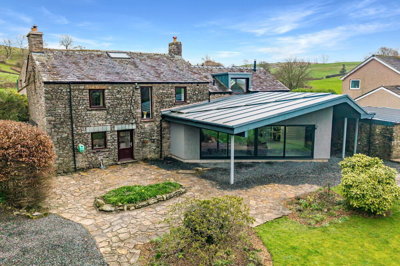
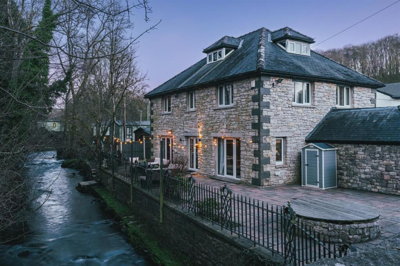
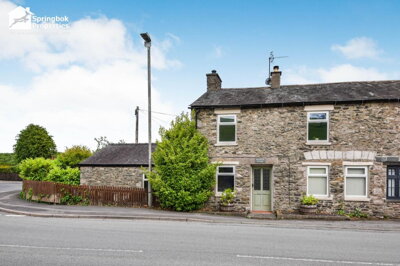
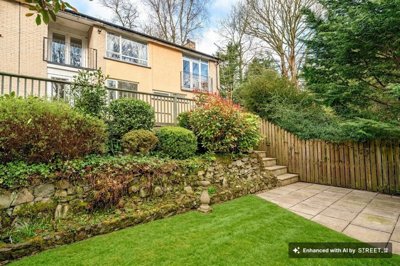
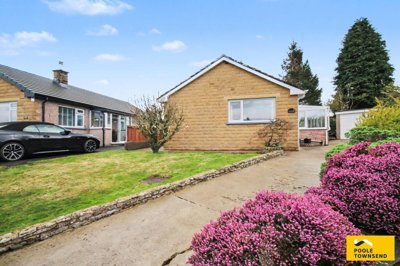
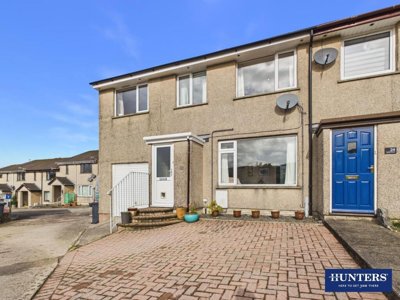
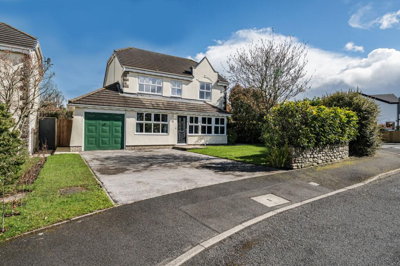
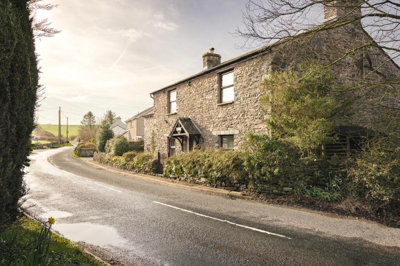
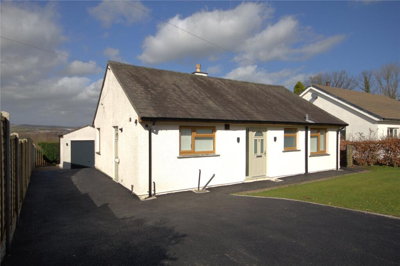
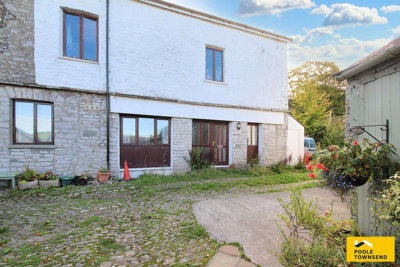
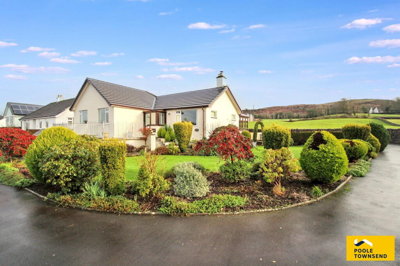
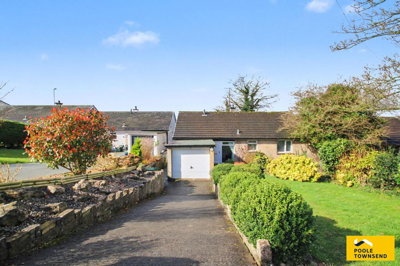
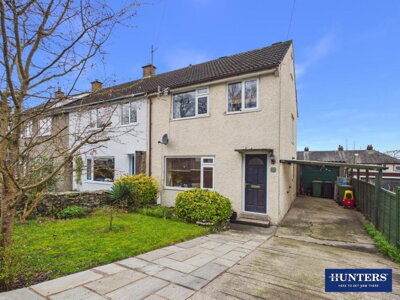
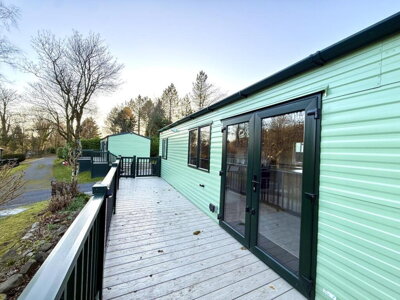
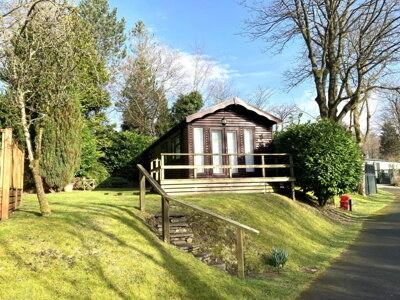
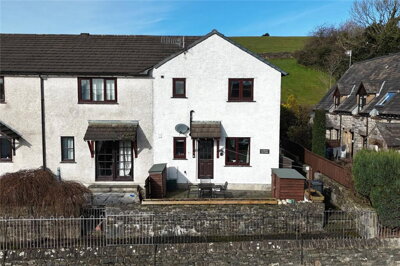
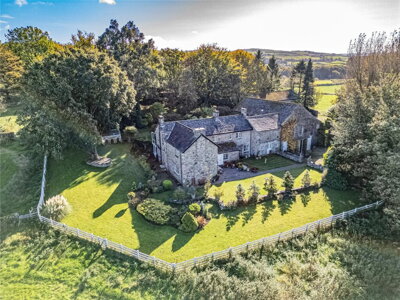
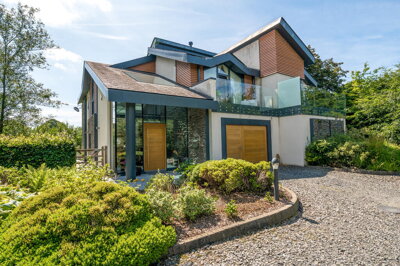
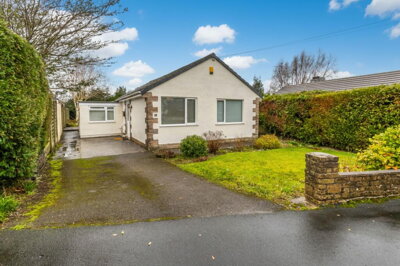
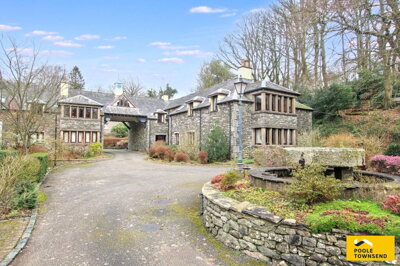
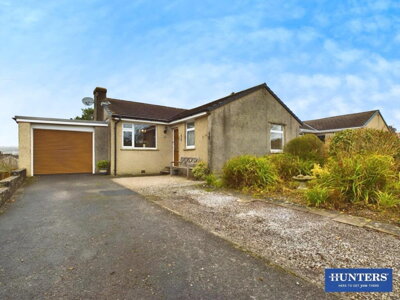
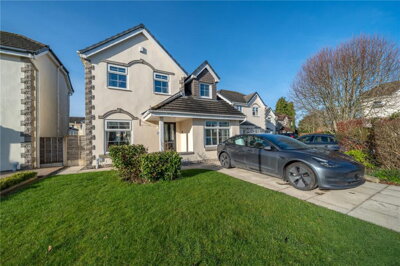
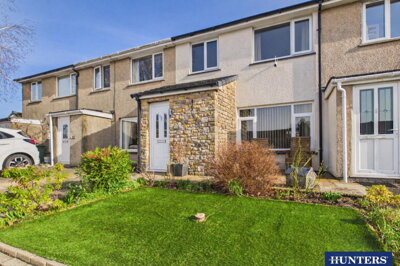
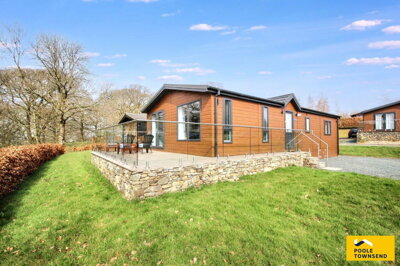
Browse 125 homes for sale in Stainton from local estate agents.
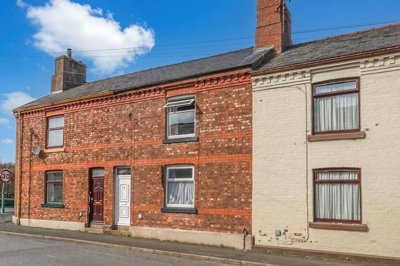
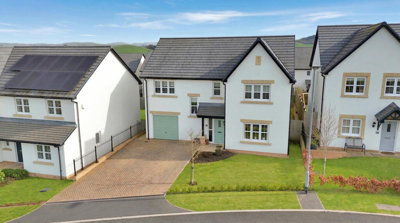
The Stainton property market presents an attractive proposition for buyers seeking value in rural Cumbria. Detached properties command an average price of around £482,900, reflecting the premium associated with larger homes with ample outdoor space. Semi-detached homes offer more accessible entry points at approximately £291,667, making them popular choices for first-time buyers and growing families looking to establish roots in the area. Terraced properties in Stainton average £307,500, representing strong value for buyers who prioritise location and character over extensive grounds.
Our data shows that prices in Stainton, Kendal (LA8 postcode area) have increased by an average of 0.3% since November 2024, with the sales market demonstrating impressive long-term growth of 33.4% over the past decade. For buyers considering the nearby Stainton-with-Adgarley area, properties in Stone Close have achieved an overall average of £445,000, with sold prices sitting 9% above the 2023 peak of £408,000. The broader Westmorland and Furness area recorded a provisional average house price of £228,000 in December 2025, with property values growing by 4.7% over the year to October, indicating robust market conditions across the region.
Across Cumbria as a whole, there were 6,800 property sales recorded in the twelve months to December 2025, though this represents a decrease of 16.9% compared to the previous year. Despite this reduction in transaction volumes, average prices in the Westmorland and Furness district have remained stable, suggesting continued buyer interest in the area. The sales breakdown by property type across the county shows terraced properties dominate at 38.1% of transactions, followed by semi-detached at 28.9%, detached at 24.8%, and flats at just 8.1%, reflecting the predominantly rural nature of the housing stock.

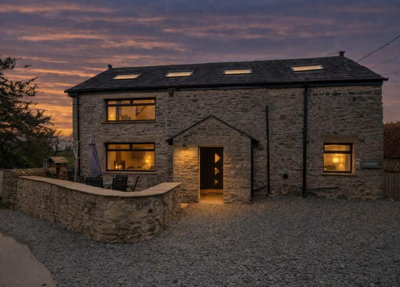
Properties in Stainton and the surrounding Westmorland and Furness area predominantly feature traditional construction methods that reflect centuries of building heritage in Cumbria. Traditional stone properties, built using locally quarried limestone and sandstone, dominate the older housing stock, with many homes featuring thick solid walls that provide excellent thermal mass. These period constructions often incorporate Lakeland slate for roofing, a distinctive feature of buildings throughout the Lake District region, which has been quarried locally for generations and gives properties their characteristic grey-blue appearance.
The dominant property type in the LA8 postcode area, which includes Stainton near Kendal, consists of period houses built between 1800 and 1911. These Victorian and Edwardian properties typically feature solid floor constructions rather than suspended timber floors, original single-glazed windows, and older plumbing and electrical systems that may require updating. Understanding the construction era and materials helps buyers anticipate potential maintenance requirements and budget accordingly for any necessary improvements to modern standards.
More recent additions to the housing stock include properties built with brick cavity walls, which offer improved insulation compared to solid stone construction. However, even modern properties in the area often incorporate stone facades or rendering to maintain visual consistency with the local vernacular. When purchasing any property in Stainton, we recommend considering the specific construction materials and their implications for energy efficiency, maintenance schedules, and potential renovation projects.
Properties in Stainton, particularly those dating from the Georgian and Victorian eras, commonly exhibit issues that reflect their age and traditional construction methods. Our inspectors frequently identify damp as a concern in period properties, arising from a variety of causes including rising damp through solid walls, penetrating damp through degraded stonework or pointing, and condensation resulting from inadequate ventilation in properties that have been fitted with modern windows but lack corresponding ventilation improvements. A RICS Level 2 Survey will thoroughly assess all visible and accessible areas for evidence of damp and recommend appropriate remediation measures.
Roof condition represents another significant consideration when purchasing traditional Stainton properties. Many homes feature original slate or stone tile roofs that, while durable, have finite lifespans and may require partial or complete re-roofing within the property's ownership period. Our surveyors check for slipped tiles, damaged ridges, degraded mortar, and the condition of fascias and soffits. Replacement costs for traditional slate roofing can be substantial, making roof condition an important factor in negotiating property prices and budgeting for future maintenance.
Electrical systems in older properties often require assessment, with fuse boards, wiring, and socket outlets potentially falling below current safety standards. Properties with original electrics from the mid-twentieth century or earlier should be tested by a qualified electrician before purchase. Similarly, plumbing systems featuring galvanised steel or lead pipes may need replacement due to corrosion and potential water quality concerns. Your RICS Level 2 Survey will flag any electrical or plumbing issues identified during inspection, allowing you to factor remediation costs into your purchasing decision.
Stainton embodies the essence of Cumbrian village life, offering residents a tranquil environment surrounded by rolling countryside and dramatic landscapes. The village forms part of a close-knit community where neighbours know each other by name and local events bring people together throughout the year. Traditional stone cottages and farmhouses dominate the architectural character, many featuring characteristic Lakeland slate roofs and thick walls built to withstand the Cumbrian climate. The surrounding farmland creates a patchwork of fields, drystone walls, and hedgerows that define the countryside character so valued by residents.
The broader Westmorland and Furness area benefits from a diverse economy driven by tourism, agriculture, and light industrial sectors. Local employment opportunities include work at nearby farms, tourism-related businesses serving visitors to the Lake District, and retail and hospitality roles in surrounding towns. The area attracts professionals who appreciate the balance between remote working capabilities and access to essential amenities. Community facilities in Stainton typically include a village hall, local pub, and proximity to farm shops selling locally produced food.
The area's geography creates opportunities for outdoor pursuits including walking, cycling, and wildlife watching across the surrounding countryside. Residents enjoy access to the Lake District National Park, an Area of Outstanding Natural Beauty that attracts visitors from across the UK and beyond. The slower pace of life, clean air, and strong sense of community make Stainton particularly appealing to families and retirees seeking an escape from urban congestion. For those who value space, natural beauty, and authentic community connections, Stainton offers a compelling proposition that continues to attract new residents to the area.

Families considering a move to Stainton will find a range of educational options within reasonable travelling distance. Primary education in the surrounding area includes several village schools that provide small class sizes and strong community connections, ideal for young children beginning their educational journey. Schools such as the primaries in nearby Storth and Hale typically serve the local population, offering students a nurturing environment where teachers know each pupil individually. These smaller schools often achieve good results despite their size, with Ofsted ratings reflecting the dedication of teaching staff in rural settings.
Secondary education options for Stainton residents include schools in Kendal, such as the highly regarded Kendal Grammar School and various comprehensive schools serving the wider area. Parents should research specific catchment areas, as admission policies can affect which schools children can access based on home address. The presence of good secondary schools within commuting distance adds to Stainton's appeal for families with older children. Transport arrangements to secondary schools typically involve school bus services, though journey times should be factored into family logistics.
Sixth form and further education provision is available at colleges in Kendal and Barrow-in-Furness, offering A-levels and vocational courses that prepare students for university or careers. The Westmorland and Furness area also benefits from further education opportunities in Carlisle for those seeking a broader range of vocational pathways. Prospective buyers with school-age children should contact Westmorland and Furness Council for the most current information on school admissions and catchment boundaries, as these can change and significantly impact which schools children can attend from a given address.
Transport connectivity from Stainton combines the benefits of rural tranquility with practical access to major transport networks. The village sits within reasonable distance of the A591 and A590 trunk roads, providing car users with connections to the M6 motorway at junction 36, approximately 20 miles south of the area. This puts Manchester, Liverpool, and the wider motorway network within approximately two hours drive, making Stainton viable for professionals who need occasional access to major cities while maintaining countryside residence. Parking availability in the village generally meets resident needs, though availability may vary during peak tourist seasons when visitors explore the surrounding countryside.
Public transport options serve the local community through bus services connecting Stainton to surrounding towns including Kendal and Barrow-in-Furness. The nearest railway stations can be found in Kendal and Ulverston, offering connections to the national rail network via the West Coast Main Line at Lancaster and Oxenholme. From Oxenholme station, direct trains reach London Euston in around two hours forty minutes, making day trips to the capital practical for business or leisure. Manchester Airport provides international travel connections within approximately two hours drive.
For commuters who work from home some days but need office access others, Stainton's location offers a workable balance between rural peace and urban connectivity. Many residents take advantage of the area's broadband connectivity to work remotely for the majority of the week, commuting only when necessary. The nearby market towns of Kendal and Ulverston provide everyday shopping, healthcare appointments, and leisure facilities without requiring lengthy journeys, reducing the frequency of longer-distance travel for day-to-day needs.
Explore Stainton's village character, nearby amenities, and current property listings to understand whether the area matches your lifestyle priorities. Consider visiting at different times of day and week to experience traffic, noise levels, and community atmosphere. Speak to residents where possible to gain authentic insights into what daily life in the village involves.
Speak to a mortgage broker about your borrowing capacity and obtain an Agreement in Principle before viewing properties. This strengthens your position when making offers and demonstrates to sellers that you are a serious, qualified buyer with financing arranged. Given average Stainton property prices of around £384,941, most buyers will require mortgage financing rather than cash purchases.
View multiple properties in Stainton to compare options, taking note of property condition, garden sizes, parking, and proximity to schools and transport links. Ask estate agents about the local market, recent sales in the area, and any planned developments or changes to local infrastructure. Pay particular attention to the construction era and materials used, as many local properties are period homes requiring specific maintenance approaches.
Commission a Homebuyer Report to assess the property condition thoroughly. Given that many Stainton properties are period homes built in the 1800s to early 1900s, a professional survey can identify issues such as damp, structural concerns, or outdated electrics and plumbing that may not be visible during a standard viewing. Your surveyor will check the condition of roofs, walls, foundations, and all accessible systems.
Choose a conveyancing solicitor to handle the legal aspects of your purchase, including searches, contract review, and registration with the Land Registry. Your solicitor will liaise with the seller's representatives and coordinate the transaction through to completion. Local searches will include drainage and water authority checks, environmental searches, and planning history verification.
Once all searches are satisfactory and finances are confirmed, your solicitor will exchange contracts and set a completion date. On completion day, you receive the keys to your new Stainton home and can begin settling into your new Cumbrian village community. Arrange buildings insurance from the point of exchange to protect your investment.
Properties in Stainton often include historic features that require careful consideration during the buying process. Many homes date from the Georgian or Victorian eras, featuring original fireplaces, exposed beams, and stone walls that contribute to their character but may also require ongoing maintenance. Prospective buyers should investigate the condition of roofs, as traditional slate and stone tile coverings have finite lifespans and replacement costs can be significant. Period properties may also feature solid floor constructions rather than suspended timber, which can be prone to damp issues in certain conditions.
Flood risk represents an important consideration for Cumbrian properties, particularly those near watercourses or in low-lying areas. While specific flood risk data for Stainton itself is limited, the proximity to rivers and the area's topography mean that due diligence is advisable. Your RICS Level 2 Survey will assess visible signs of damp, water damage, or structural movement that might indicate past flooding or ongoing damp issues. We recommend checking the Environment Agency flood risk maps and discussing any concerns with your surveyor during the inspection.
Properties in conservation areas may be subject to planning restrictions that limit permitted development rights, affecting your ability to extend or alter the property in future. Always check with Westmorland and Furness Council Planning Department regarding any relevant designations before committing to a purchase. Listed building status may also apply to some traditional properties, requiring Listed Building Consent for certain alterations. Your solicitor will typically investigate these matters during the conveyancing process, but early enquiries can prevent surprises later.
The average property price in Stainton currently sits at approximately £384,941 according to recent market data. Detached properties command higher prices averaging around £482,900, while semi-detached homes offer more accessible entry at approximately £291,667. Terraced properties average £307,500 and flats around £115,000 where available. The market has shown steady growth with prices rising 3.7% over the past year, indicating healthy demand for property in this Cumbrian village location. Properties in the nearby Stainton-with-Adgarley area have achieved even higher averages, with Stone Close properties averaging £445,000 over the past year.
Properties in Stainton fall under Westmorland and Furness Council jurisdiction. Council tax bands range from A to H based on property valuation, with most traditional village properties typically falling in bands B through E. Exact bands depend on the specific property valuation and can significantly affect annual running costs. You can check current council tax rates on the Westmorland and Furness Council website or contact the council directly for band confirmation on specific properties.
Primary schools in the surrounding area serve local children through small village schools that offer intimate learning environments. Schools in nearby settlements such as Storth and Hale provide early years and primary education with the benefit of small class sizes and strong community integration. Secondary education options include schools in Kendal, with several grammar and comprehensive schools within reasonable commuting distance. Specific school performance data, including Ofsted ratings, is available through the Ofsted website. Parents should verify current catchment areas with Westmorland and Furness Council as admissions policies can affect school placement.
Stainton benefits from bus services connecting to nearby towns including Kendal and Barrow-in-Furness, providing essential public transport options for residents without cars. The nearest railway stations are located in Kendal and Ulverston, offering connections to the national rail network. Oxenholme station provides direct access to London Euston in approximately two hours forty minutes, while Ulverston offers connections to the Furness line. However, prospective buyers should note that rural bus services may have limited frequency, making car ownership practical for full participation in community life and employment opportunities.
Stainton's property market has demonstrated consistent growth with prices rising 33.4% over the past decade in the nearby Kendal LA8 area. The broader Westmorland and Furness region showed 4.7% price growth over the year to October, suggesting continued market strength despite national uncertainty. The area attracts buyers seeking rural lifestyles while maintaining reasonable connectivity to urban centres. Properties in desirable Cumbrian villages tend to hold their value well, and the limited supply of properties coming to market in popular villages supports price stability. For investors, rental demand in the area is driven by professionals working locally or commuting to larger centres.
Stamp Duty Land Tax rates for 2024-25 are 0% on the first £250,000 of property value, 5% between £250,001 and £925,000, 10% between £925,001 and £1.5 million, and 12% above £1.5 million. First-time buyers benefit from increased thresholds with 0% duty up to £425,000 and 5% between £425,001 and £625,000. Given the average Stainton property price of around £384,941, a standard rate buyer would pay approximately £6,747 in SDLT, while most first-time buyers would qualify for zero stamp duty under current relief provisions.
Many Stainton properties are period homes built between 1800 and 1911, requiring careful inspection of structural elements, roof condition, and potential damp issues. Traditional construction features such as solid walls, single-glazed windows, and older electrical systems may need upgrading to meet modern standards. We recommend commissioning a RICS Level 2 Survey before purchase to identify any defects that might require remediation. Specific concerns for traditional stone properties include the condition of pointing and mortar work, which can deteriorate in the Cumbrian climate, and the presence of traditional lime mortar rather than cement, which allows walls to breathe and prevents moisture retention.
The geology of Westmorland and Furness includes areas of limestone, slate, and glacial deposits, which can affect ground conditions and foundation requirements for properties. Areas with significant clay content may be prone to shrink-swell movement, though specific shrink-swell risk assessments for Stainton require localised geological investigation. Cumbrian properties near rivers or watercourses should be checked for flood risk using Environment Agency data. Your solicitor will typically commission environmental searches during the conveyancing process, which will reveal any recorded flooding, ground instability, or mining activity in the vicinity of the property.
Understanding the full cost of purchasing property in Stainton helps you budget accurately and avoid surprises during the transaction. Beyond the property price, buyers should budget for Stamp Duty Land Tax, solicitor fees, survey costs, and various third-party charges including local searches and land registry fees. For a typical Stainton property priced around the average of £384,941, a standard rate buyer would pay no stamp duty on the first £250,000 and 5% on the remaining £134,941, totalling approximately £6,747 in SDLT. First-time buyers purchasing properties up to £425,000 would pay no stamp duty at all under current relief provisions.
Solicitor fees for conveyancing typically range from £500 to £1,500 depending on the complexity of the transaction and whether the property is freehold or leasehold. Additional costs include search fees (approximately £250-400), Land Registry fees for registration (approximately £150-500 depending on property value), and bank transfer charges. Your solicitor will also conduct local authority searches, drainage and water searches, and environmental searches, all of which contribute to the overall cost of the transaction.
A RICS Level 2 Survey costs between £350 and £800 depending on property size and value, providing essential protection against costly defects that may not be visible during viewings. An Energy Performance Certificate is required before marketing and costs approximately £80-120, while your mortgage arrangement fees will vary based on the lender and product chosen. Buildings insurance should be arranged from the point of exchange, and you may also need to consider removal costs and any immediate renovation or decoration expenses for your new Stainton home. Setting aside a contingency budget of around 5% of the property price for unexpected works is prudent, particularly for period properties that may reveal hidden defects once renovation begins.
Properties for Sale In London

Properties for Sale In Plymouth

Properties for Sale In Liverpool

Properties for Sale In Glasgow

Properties for Sale In Sheffield

Properties for Sale In Edinburgh

Properties for Sale In Coventry

Properties for Sale In Bradford

Properties for Sale In Manchester

Properties for Sale In Birmingham

Properties for Sale In Bristol

Properties for Sale In Oxford

Properties for Sale In Leicester

Properties for Sale In Newcastle

Properties for Sale In Leeds

Properties for Sale In Southampton

Properties for Sale In Cardiff

Properties for Sale In Nottingham

Properties for Sale In Norwich

Properties for Sale In Brighton

Properties for Sale In Derby

Properties for Sale In Portsmouth

Properties for Sale In Northampton

Properties for Sale In Milton Keynes

Properties for Sale In Bournemouth

Properties for Sale In Bolton

Properties for Sale In Swansea

Properties for Sale In Swindon

Properties for Sale In Peterborough

Properties for Sale In Wolverhampton

Enter your details to see if this property is within your budget.
Loans, cards, car finance
Estimated property budget
Borrowing + deposit
You could borrow between
Typical borrowing
Monthly repayment
Est. at 4.5%
Loan-to-value
This is an estimate only. Your actual budget may vary depending on interest rates, credit history, and personal circumstances. For an accurate affordability assessment, speak to one of our free mortgage advisors.
This calculator provides estimates for illustrative purposes only and does not constitute financial advice. Your home may be repossessed if you do not keep up repayments on your mortgage. Estimates based on 4.5% interest rate, repayment mortgage. Actual rates depend on your circumstances.
Homemove is a trading name of HM Haus Group Ltd (Company No. 13873779, registered in England & Wales). Homemove Mortgages Ltd (Company No. 15947693) is an Appointed Representative of TMG Direct Limited, trading as TMG Mortgage Network, which is authorised and regulated by the Financial Conduct Authority (FRN 786245). Homemove Mortgages Ltd is entered on the FCA Register as an Appointed Representative (FRN 1022429). You can check registrations at NewRegister or by calling 0800 111 6768.

We use cookies to show you personalised content and improve your experience of our website. Find out more in our Privacy policy and Cookie policy.