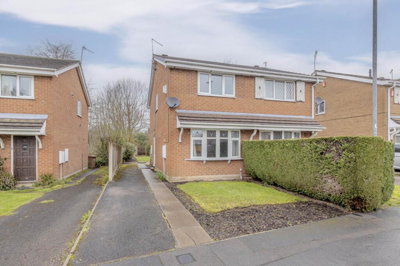
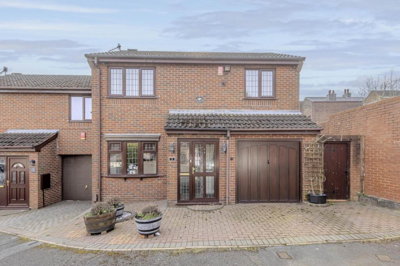
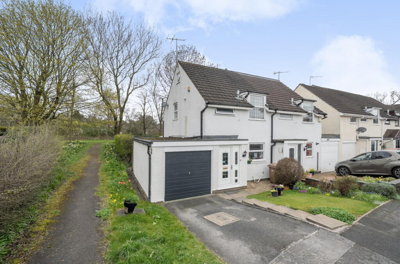
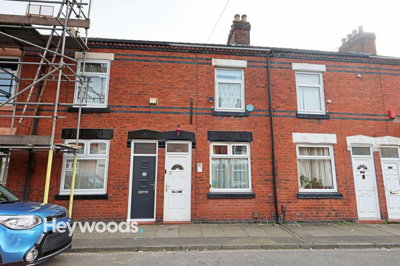
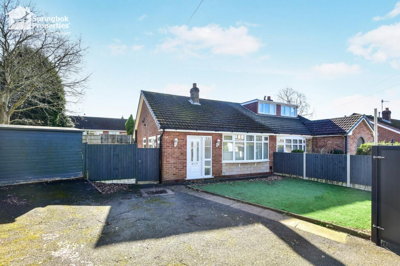
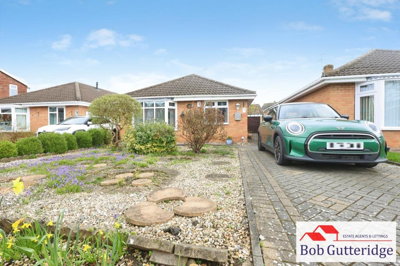
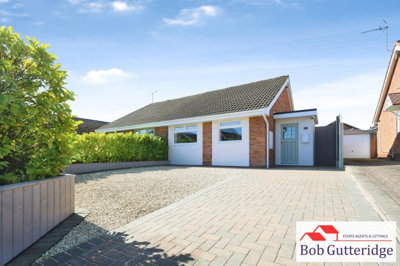
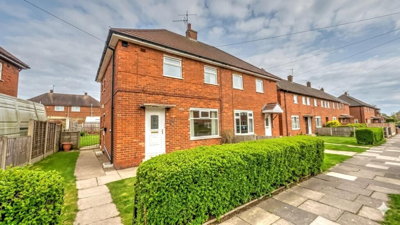
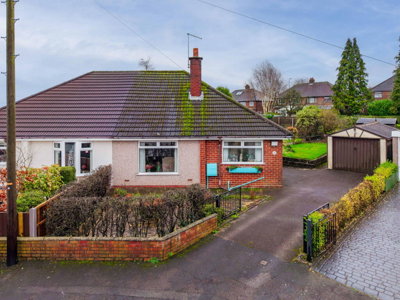
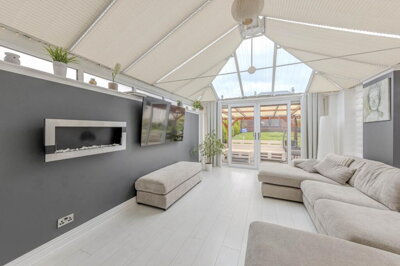
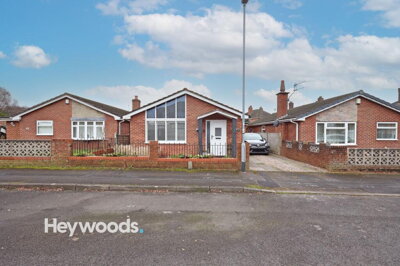
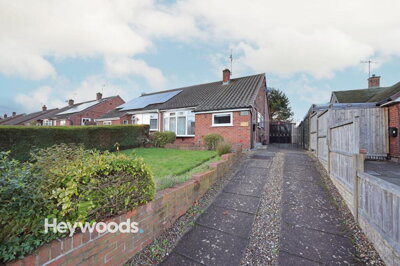
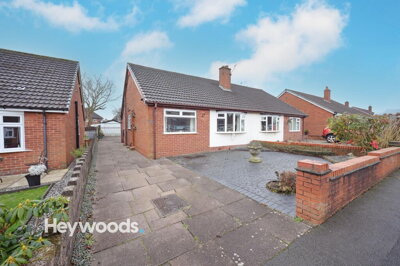
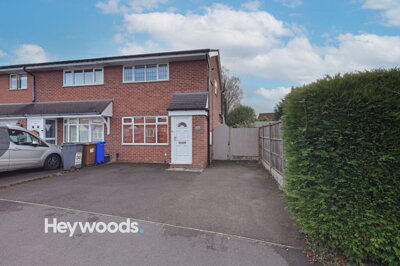
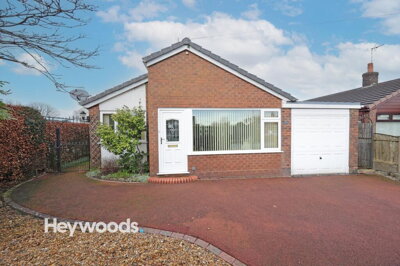
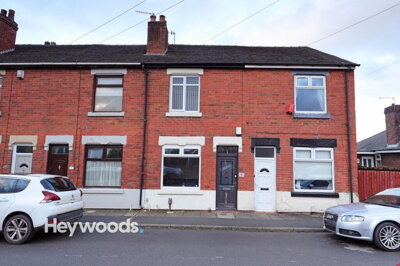
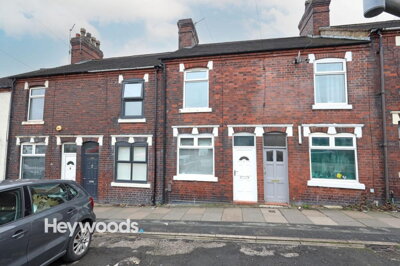
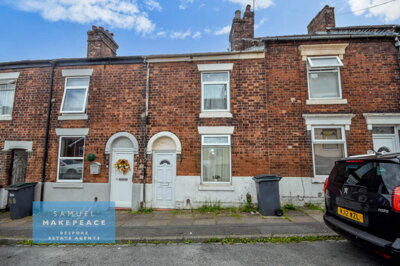
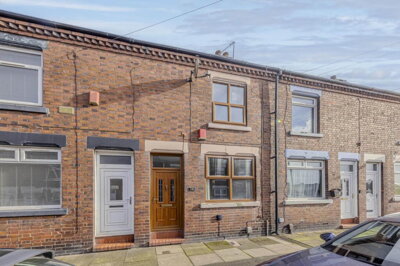
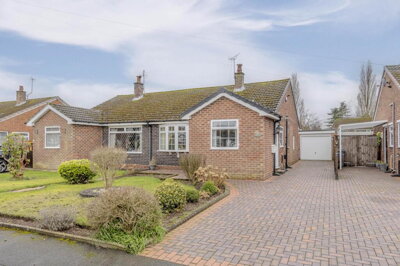
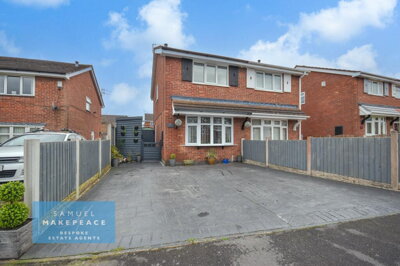
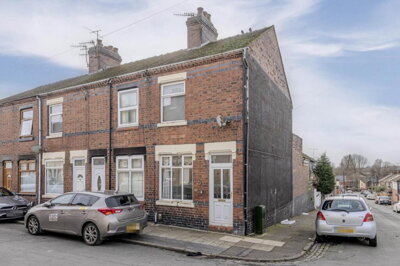
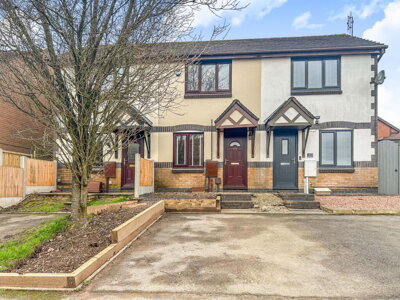
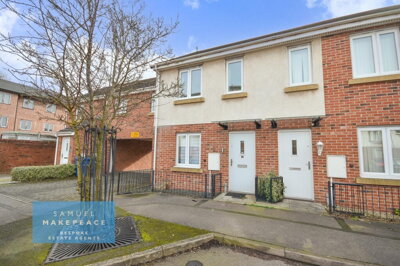
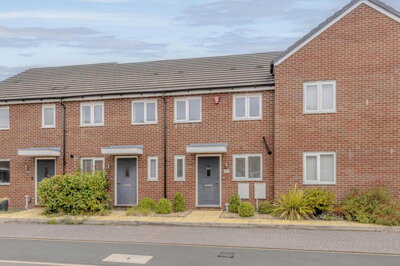
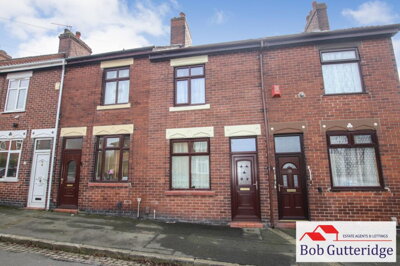
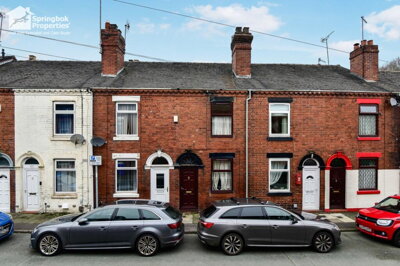
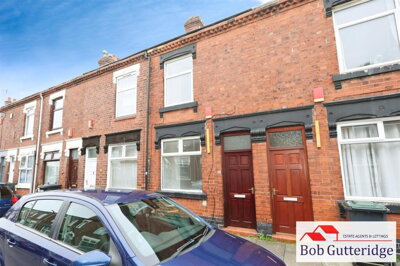
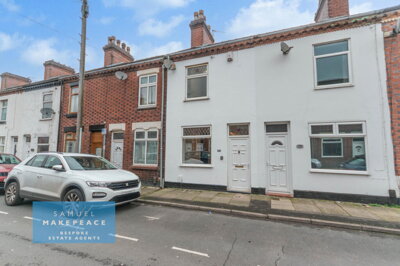
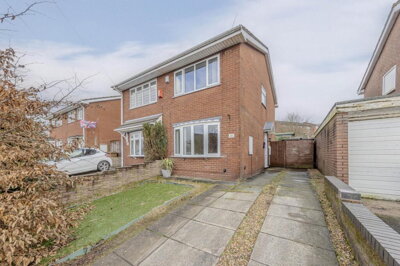
Browse 369 homes for sale in ST3 from local estate agents.
The 2 bed house market features detached, semi-detached, and terraced properties with two separate bedrooms plus living spaces. Properties in ST3 range from Victorian and Edwardian period homes to modern new builds, with pricing varying across different neighbourhoods.
£150k
27
3
76
Source: home.co.uk
Showing 27 results for 2 Bedroom Houses for sale in ST3. 3 new listings added this week. The median asking price is £150,000.
Source: home.co.uk
Semi-Detached
20 listings
Avg £160,173
Terraced
7 listings
Avg £120,714
Source: home.co.uk
Source: home.co.uk
The ST3 property market offers diverse options across all property types, with semi-detached homes forming the backbone of the housing stock. These properties averaged £181,201 over the last 12 months, providing practical family homes at accessible prices. Detached properties command a premium at around £270,004, offering larger gardens and additional bedrooms that appeal to growing families seeking more space. The terraced sector remains popular for first-time buyers, with properties averaging £134,817, while flats in areas like ST3 3 start from approximately £87,833, representing one of the most affordable entry points into the local market.
Recent transaction data reveals encouraging trends across most sub-postcode areas, with the ST3 1DR sector showing prices 36% higher than the previous year and 18% above its 2022 peak. This localised growth demonstrates confidence in specific neighbourhoods within the broader ST3 district. Rightmove and Zoopla listings show continued sales activity, indicating a healthy market where properties attract genuine interest from motivated buyers. New build activity in the immediate ST3 area has been limited in recent years, meaning most buyers purchase existing properties with character derived from the area's industrial heritage.
The ST3 property market benefits from its position within the wider Stoke-on-Trent area, where ongoing regeneration investment supports property values. The city has seen significant development in recent years, with funds directed towards town centre improvements, transport infrastructure, and community facilities. These investments enhance the appeal of residential areas like ST3, particularly for buyers seeking properties with growth potential. The rental market in ST3 also demonstrates stability, with demand from professionals working at the Royal Stoke University Hospital and the logistics sector that serves the M6 corridor.

ST3 encompasses several distinct neighbourhoods within Stoke-on-Trent, each with its own character shaped by the city's famous pottery industry heritage. The area developed extensively during the 19th and early 20th centuries to house factory workers, creating the characteristic Victorian and Edwardian terraced streets that still define much of the housing stock. Brick construction dominates throughout, reflecting both the local brick-making tradition and the practical needs of industrial-era housing. Today, these historic homes have been updated by successive generations of owners while retaining their period charm and solid construction fundamentals.
Local amenities in ST3 include shopping centres, supermarkets, and independent retailers serving everyday needs. Green spaces such as local parks provide recreational opportunities for families, while the broader Stoke-on-Trent area offers cultural attractions including museums dedicated to the pottery industry and regular markets in town centres. The economy has diversified beyond ceramics, with healthcare, logistics, education, and manufacturing providing employment. The Royal Stoke University Hospital stands as a major local employer, while the central location attracts distribution centres and manufacturing operations. Community life remains strong, with local schools, pubs, and sports facilities fostering neighbourly connections.
The residential character of ST3 varies between quieter residential streets and more bustling areas near local shopping provision. Streets like those in the Meir and Blurton areas offer family-friendly environments with good access to primary schools and local parks. The proximity to the city centre means residents can access broader amenities including theatres, restaurants, and sporting facilities without lengthy journeys. Weekend markets and local events throughout Stoke-on-Trent provide opportunities for community engagement and add vibrancy to the area. The cost of living in ST3 remains competitive compared to larger UK cities, making it attractive for families seeking space without premium city prices.
Families considering a move to ST3 will find a range of educational options across all phases. Primary schools serve the local community, providing education for children from reception through to Year 6. Secondary schools in the wider Stoke-on-Trent area cater to older children, with several institutions offering GCSE and A-Level programmes. Parents should research individual school performance data and Ofsted ratings to identify the best matches for their children's needs. Catchment areas vary between schools, so property buyers with school-age children should verify which institutions serve their potential new address before committing to a purchase.
Further education opportunities include colleges and training providers in the Stoke-on-Trent area, supporting students pursuing vocational qualifications and career development. Staffordshire University maintains a presence in the city, offering degree programmes and continuing education courses. Keele University, situated nearby in Newcastle-under-Lyme, extends higher education options for residents willing to commute short distances. For young families, the availability of before and after-school care varies between schools and neighbourhoods, an important practical consideration for working parents assessing the area's suitability.
The educational landscape in ST3 reflects the broader Stoke-on-Trent commitment to providing accessible schooling for all ages. Local primary schools often have strong community ties, with events and activities that help new families integrate quickly. Secondary school options in the area include both comprehensive schools serving all abilities and selective grammar schools for academically able students, with grammar school admission based on distance from the school and results from the entrance examination. Parents should factor school quality into property decisions, as properties within good school catchments often retain value well and attract consistent demand from families.
Transport connectivity ranks among ST3's strongest attributes, positioning the area as practical for commuters working across the wider region. Stoke-on-Trent railway station provides regular services to major cities, with direct connections to Manchester, Birmingham, and Liverpool. Journey times appeal to professionals seeking more affordable housing while maintaining careers in larger urban centres. The station sits within reasonable distance of the ST3 postcode, with local bus services completing the connection for those without direct access to a vehicle. Peak-time rail services support the daily commute, while off-peak frequencies remain adequate for leisure travel.
Road infrastructure serves ST3 through connections to the A500 and broader motorway network, providing access to the M6 corridor for those preferring car travel. Commuters to Birmingham find the journey manageable by both rail and road, while Manchester remains accessible for work or leisure. Local bus services operate throughout the area, connecting ST3 neighbourhoods with town centres and surrounding villages. Parking availability varies by specific location, with some areas offering permit schemes while others rely on on-street parking. Cycling infrastructure exists in patches, though dedicated cycle lanes remain less comprehensive than in larger cities.
The strategic location of ST3 within the Midlands makes it particularly attractive for workers who need regional access. The journey time to Manchester by car typically takes around an hour under normal traffic conditions, while Birmingham is approximately 45 minutes away via the M6. Rail services from Stoke-on-Trent station to Birmingham New Street take roughly 45 minutes, and Manchester Piccadilly is accessible in around 50 minutes. This connectivity means residents can tap into employment opportunities in larger cities while enjoying the lower housing costs that ST3 offers compared to these major urban centres.
Spend time exploring different areas within ST3 before committing. Each street and estate has its own character, and proximity to schools, transport links, and local amenities significantly affects daily life. Use our property search to set up alerts for new listings matching your criteria.
Once you identify properties of interest, arrange viewings through our platform and visit at different times of day. Before making offers, obtain a mortgage agreement in principle from a lender to demonstrate your position to sellers.
When you find your ideal property, submit an offer through the estate agent. On acceptance, instruct a conveyancing solicitor immediately to handle the legal work. Your solicitor will conduct searches, raise enquiries, and manage the contract exchange process.
Given ST3's predominantly older housing stock, we strongly recommend a RICS Level 2 Survey to identify any structural issues, mining concerns, or property defects before you commit. This protects your investment and provides negotiating leverage if problems are found.
Your solicitor will coordinate the final checks and land registry searches before exchange. On completion day, the remaining funds transfer and you receive the keys to your new ST3 home.
The mining history of Stoke-on-Trent introduces specific considerations for property buyers in ST3 that are less relevant in other areas. Properties may sit above former mine workings from the coal mining era, meaning subsidence risk requires careful assessment. The underlying geology includes Carboniferous rocks with coal measures, mudstones, and sandstones that can affect ground stability. A mining report should be obtained as part of the conveyancing process, and any signs of structural movement, cracks, or uneven floors warrant professional investigation. Buildings insurance may carry higher premiums in affected areas, a cost factor to factor into your budget calculations. Your survey will highlight these concerns and may recommend specialist investigation.
Given the age of much housing stock in ST3, damp represents one of the most frequently identified issues during property surveys. Rising damp occurs in properties without modern damp-proof courses or where these have failed, while penetrating damp can affect walls where pointing has deteriorated or where roof defects allow water ingress. Condensation issues commonly affect properties with limited ventilation, particularly during winter months when heating is used. Our inspectors check all accessible walls, floors, and joinery for evidence of damp, measuring moisture levels to assess severity and recommend appropriate remediation.
Roof condition demands careful attention when purchasing in ST3, where many properties retain their original or early replacement coverings. Missing or slipped tiles, worn felt underlay, and defective flashings around chimneys and valleys commonly require attention. Timber rafters and joists should be inspected for signs of rot or woodworm activity, particularly in properties where roof voids have not been maintained. The age of the covering material provides guidance on likely remaining lifespan, with slate roofs generally lasting longer than concrete or clay tiles. Our surveyors document roof condition thoroughly, enabling buyers to budget for any necessary repairs.
Electrical and plumbing systems in older ST3 properties often require updating to meet modern standards. Original fuse boards with re-wirable fuses, limited socket outlets, and outdated wiring configurations are commonly encountered. Consumer units should feature RCD protection and adequate circuit separation, while earth bonding must be present for all relevant pipework. Plumbing materials range from lead and copper to more modern plastic configurations, with the condition and age of pipework directly affecting potential failure risk. Your survey report will advise on the condition of these essential services and recommend specialist assessment where necessary.
The age of much of the housing stock in ST3 means buyers should pay particular attention to the condition of roofs, plumbing, and electrical systems. Victorian and Edwardian properties may retain original features requiring updating to modern standards, while others have been comprehensively renovated. Ask vendors about the age of boilers, rewiring work, and any renovation projects undertaken. Damp issues occasionally affect older properties, particularly those with solid walls rather than cavity insulation, and should be investigated during survey. Properties in conservation areas, if any exist within ST3, may face restrictions on alterations affecting the street appearance.
The geology of ST3 creates specific challenges that buyers should understand before purchasing. Clay soils present in the area can undergo shrink-swell movement during dry periods, potentially affecting foundations and causing structural movement. Properties built on uncompacted fill or with shallow foundations may be more susceptible to these ground conditions. Our surveyors assess the property for signs of movement, including crack patterns, door and window sticking, and floor unevenness, which may indicate foundation issues requiring investigation.
Leasehold properties, common in some areas, require careful examination of service charges, ground rent obligations, and remaining lease terms. Freehold properties offer straightforward ownership but may still carry annual maintenance charges for shared facilities. Understanding these ongoing costs helps you budget accurately for your new home. Energy performance certificates indicate heating efficiency, and older properties with poor insulation may incur higher utility bills than newer alternatives.
Understanding how properties in ST3 were constructed helps buyers appreciate the characteristics and potential issues they may encounter. Traditional brick construction dominates the Victorian and Edwardian terraces that make up much of the housing stock. These properties typically feature solid brick external walls, timber suspended floors, and pitched roofs covered with slate or clay tiles. The solid wall construction means these properties lack cavity insulation unless retrofitted, potentially resulting in higher heating costs compared to modern properties.
Semi-detached and detached properties built during the post-war period through to the 1980s often feature cavity wall construction, though insulation levels vary significantly depending on when (or if) retrofitting occurred. Many of these properties were constructed with concrete tile roofs that may have reached the end of their lifespan and require re-covering. Foundation depths in these properties generally comply with building regulations of their era, though ground conditions can vary across the area. Your survey report will assess construction type and identify any deviations from current best practice that may require attention.
Properties built before the 1970s typically feature gas, electric, or solid fuel heating systems that may require replacement. Original fireplaces sometimes remain in place, though many have been blocked or converted. Original timber windows in period properties often require restoration or replacement, while later uPVC double glazing represents a later addition that may itself be reaching the end of its serviceable life. The construction methods used across ST3 reflect the practical, functional approach of the industrial era when these homes were built, prioritising durability and practicality over premium finishes.
Understanding the full costs of purchasing property in ST3 helps you budget accurately and avoid surprises during the transaction. The Stamp Duty Land Tax bill represents one of the most significant upfront costs, though many ST3 buyers find their property falls below the standard threshold. For properties priced at the area average of £192,062, most buyers pay no SDLT at all. First-time buyers purchasing under £425,000 benefit from full relief, while those buying above £250,000 face a 5% charge on the amount exceeding this threshold up to £925,000.
Beyond SDLT, budget for solicitor fees averaging £500-£1,500 for conveyancing work including searches, contract preparation, and registration. A RICS Level 2 Survey typically costs between £400 and £900 depending on property size, money well spent given the age of much ST3 housing stock. An Energy Performance Certificate costs around £80-£120 and is legally required before marketing. Mortgage arrangement fees vary between lenders, commonly 0.5-1.5% of the loan amount. Survey fees are particularly important in ST3 given the potential for mining-related issues and older property conditions identified in the research data.
Moving costs should also feature in your budget, including removal firms, disconnection and reconnection of utilities, and any minor repairs or decorating you plan to undertake immediately. Buildings insurance must be in place from completion day, and content insurance is advisable from the same date. Factor in potential renovation costs if purchasing an older property requiring updating. Obtaining a mortgage agreement in principle before property viewings demonstrates your seriousness to sellers and speeds up the formal mortgage application process once your offer is accepted.
The average house price in ST3 over the past 12 months stands at £192,062 according to recent sales data. Property types command different prices, with detached homes averaging £270,004, semi-detached properties at £181,201, terraced houses at £134,817, and flats from approximately £87,833 in certain sub-postcode areas. The market has shown positive movement, rising 3% year-on-year and 8% above the 2022 peak, indicating sustained demand in this Stoke-on-Trent district. Specific sub-postcode areas like ST3 1DR have shown even stronger growth, with prices 36% higher than the previous year.
Properties in ST3 fall under Stoke-on-Trent City Council jurisdiction. Council tax bands range from A through H, with most standard terraced and semi-detached homes typically falling into bands A to C, meaning monthly charges start from around £100-£140 for properties in lower bands. The specific band depends on the property's assessed value, and buyers can verify the exact band using the Valuation Office Agency website before purchase. Properties in higher bands include larger detached homes and those in more sought-after locations within the ST3 postcode.
ST3 and the surrounding Stoke-on-Trent area offer a variety of primary and secondary schools. Parents should consult the latest Ofsted inspection reports and performance league tables when evaluating options. School catchment areas directly affect eligibility, so buyers with children should confirm which schools serve their specific address. Secondary options in the area include both comprehensive schools and selective grammar schools for academically able students, with admission based on distance and test results respectively. Primary schools in the ST3 area include several that serve local neighbourhoods, and families should research individual school performance data to identify the best matches for their children's educational needs.
ST3 benefits from good public transport links, primarily through Stoke-on-Trent railway station which offers regular services to Manchester, Birmingham, Liverpool, and other major destinations. Local bus services operate throughout the ST3 postcode, connecting residents with town centres, shopping facilities, and surrounding areas. The A500 provides road access to the M6 motorway, placing Birmingham within approximately 45 minutes by car and Manchester within roughly an hour under normal traffic conditions. Rail journey times from Stoke-on-Trent station to Birmingham New Street take around 45 minutes, with Manchester Piccadilly accessible in approximately 50 minutes.
ST3 presents several factors attractive to property investors. The average price of £192,062 remains significantly below the national average, potentially offering more accessible entry points for landlords. Rental demand exists from professionals, small families, and students attending local educational institutions. The area's transport connections make it practical for commuters seeking more affordable housing while maintaining employment in larger cities. However, investors should research rental yields in specific postcodes and consider void periods when calculating returns. The stable employment base from the Royal Stoke University Hospital and logistics sector provides underlying tenant demand.
Stamp Duty Land Tax applies to purchases above £250,000 for standard buyers, with rates of 5% on the portion between £250,001 and £925,000. A property priced at the ST3 average of £192,062 would fall entirely below the threshold, meaning no SDLT applies for most buyers. First-time buyers benefit from relief on purchases up to £625,000, with zero SDLT on the first £425,000. Always verify your individual position with HMRC or a financial adviser, as your tax liability depends on your buyer status and whether you own other properties.
Stoke-on-Trent has a significant coal mining legacy that affects properties throughout the ST3 postcode area. Properties may sit above former mine workings, and ground instability from historic mining activity can cause subsidence, structural movement, and other issues. Your solicitor should obtain a mining report as part of the conveyancing process. Buildings insurance premiums may be higher in affected areas. During your property survey, our inspectors check for signs of movement including cracking, uneven floors, and doors or windows that stick. Any concerns identified will be documented with recommendations for specialist investigation if needed.
A RICS Level 2 Survey proves particularly valuable for properties in ST3 due to the age and construction type of much of the housing stock. The majority of properties in the area are over 50 years old, meaning they may exhibit common defects associated with older construction including damp, roof deterioration, outdated electrics, and potential mining-related issues. Our surveyors identify defects that may not be apparent during a standard viewing, providing you with negotiating leverage and accurate budget information for any necessary repairs. The relatively affordable purchase prices in ST3 make survey costs a small proportion of the overall investment while providing essential protection.
From 4.5% APR
Compare mortgage deals from leading lenders
From £499
Expert property solicitors for your ST3 purchase
From £400
Thorough inspection of your ST3 property before purchase
From £80
Energy performance certificate for your new home
Properties for Sale In London

Properties for Sale In Plymouth

Properties for Sale In Liverpool

Properties for Sale In Glasgow

Properties for Sale In Sheffield

Properties for Sale In Edinburgh

Properties for Sale In Coventry

Properties for Sale In Bradford

Properties for Sale In Manchester

Properties for Sale In Birmingham

Properties for Sale In Bristol

Properties for Sale In Oxford

Properties for Sale In Leicester

Properties for Sale In Newcastle

Properties for Sale In Leeds

Properties for Sale In Southampton

Properties for Sale In Cardiff

Properties for Sale In Nottingham

Properties for Sale In Norwich

Properties for Sale In Brighton

Properties for Sale In Derby

Properties for Sale In Portsmouth

Properties for Sale In Northampton

Properties for Sale In Milton Keynes

Properties for Sale In Bournemouth

Properties for Sale In Bolton

Properties for Sale In Swansea

Properties for Sale In Swindon

Properties for Sale In Peterborough

Properties for Sale In Wolverhampton

Enter your details to see if this property is within your budget.
Loans, cards, car finance
Estimated property budget
Borrowing + deposit
You could borrow between
Typical borrowing
Monthly repayment
Est. at 4.5%
Loan-to-value
This is an estimate only. Your actual budget may vary depending on interest rates, credit history, and personal circumstances. For an accurate affordability assessment, speak to one of our free mortgage advisors.
This calculator provides estimates for illustrative purposes only and does not constitute financial advice. Your home may be repossessed if you do not keep up repayments on your mortgage. Estimates based on 4.5% interest rate, repayment mortgage. Actual rates depend on your circumstances.
Homemove is a trading name of HM Haus Group Ltd (Company No. 13873779, registered in England & Wales). Homemove Mortgages Ltd (Company No. 15947693) is an Appointed Representative of TMG Direct Limited, trading as TMG Mortgage Network, which is authorised and regulated by the Financial Conduct Authority (FRN 786245). Homemove Mortgages Ltd is entered on the FCA Register as an Appointed Representative (FRN 1022429). You can check registrations at NewRegister or by calling 0800 111 6768.

We use cookies to show you personalised content and improve your experience of our website. Find out more in our Privacy policy and Cookie policy.