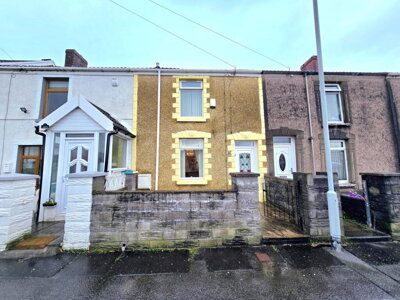
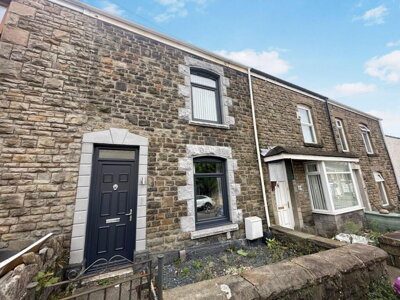
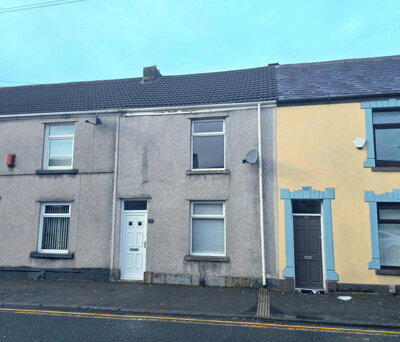
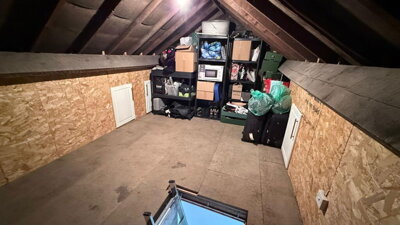
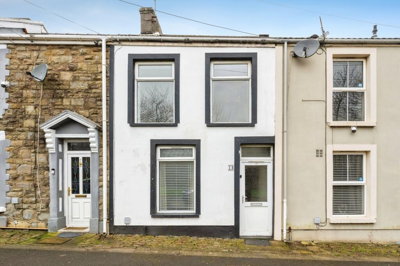
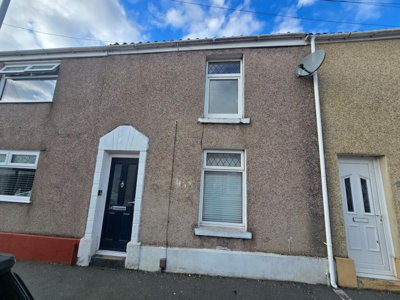
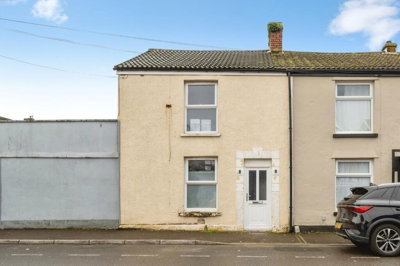
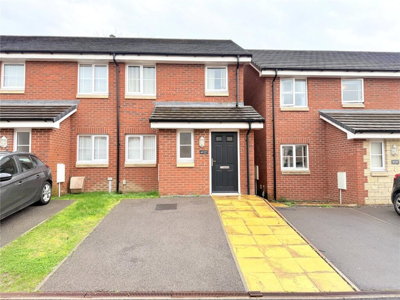
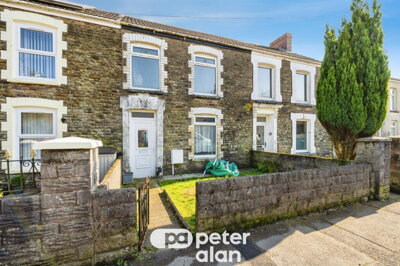
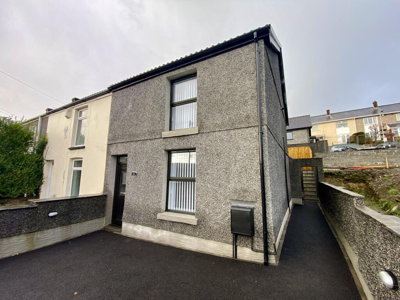
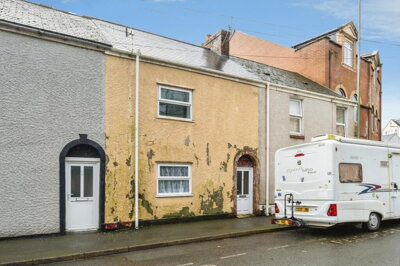
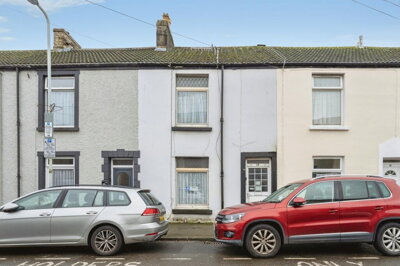
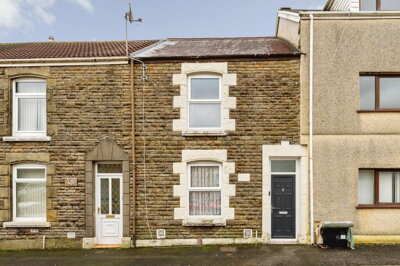
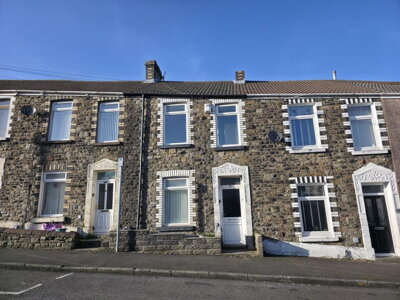
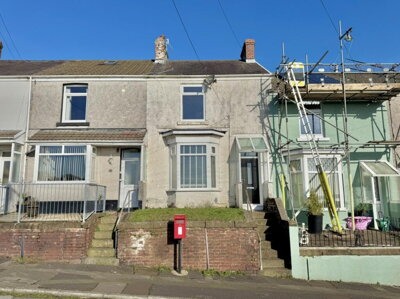
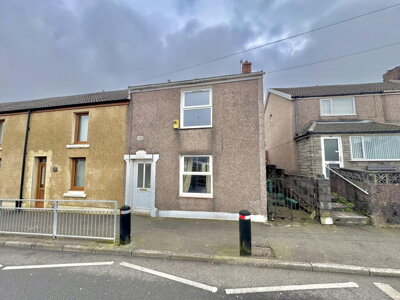
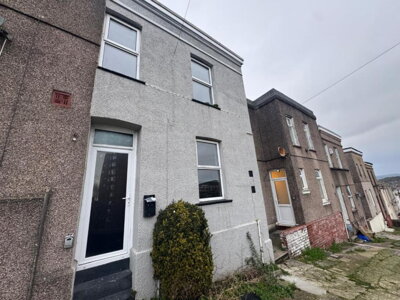
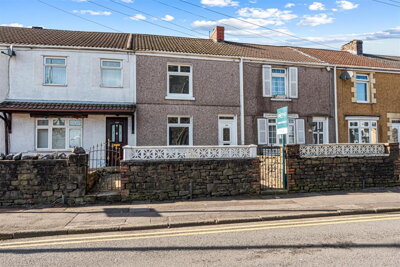
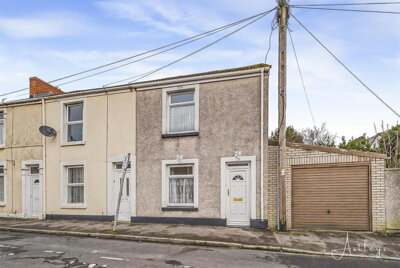
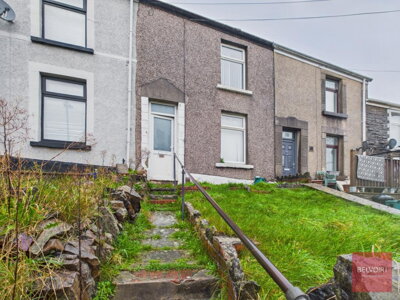
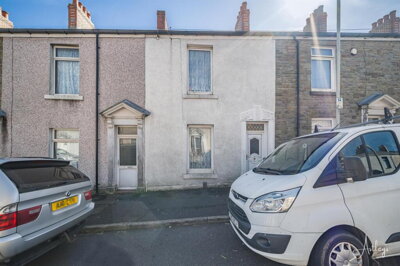
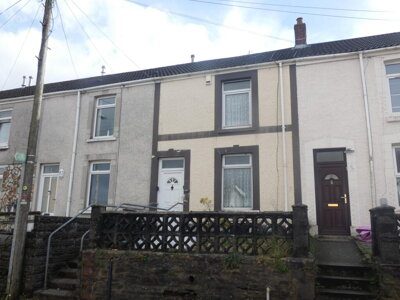
Browse 63 homes for sale in St. Thomas from local estate agents.
Thomas. The 2 bed house market features detached, semi-detached, and terraced properties with two separate bedrooms plus living spaces. Properties in St. Thomas range from Victorian and Edwardian period homes to modern new builds, with pricing varying across different neighbourhoods.
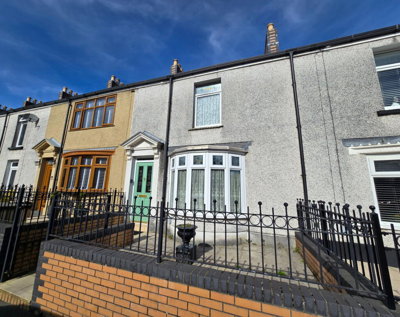
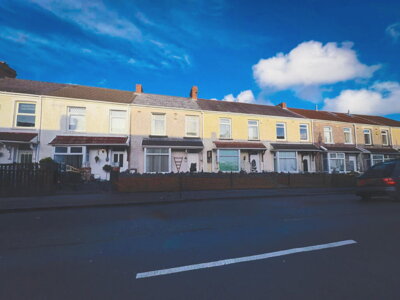
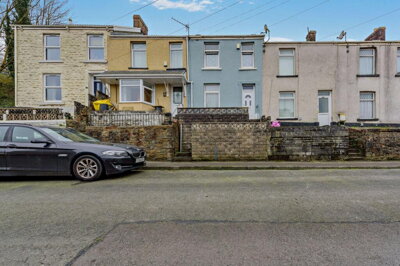
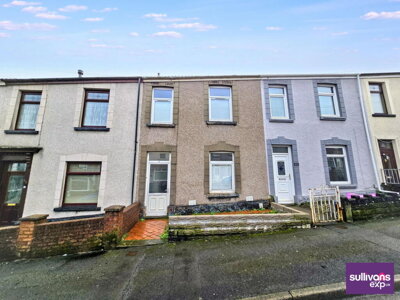
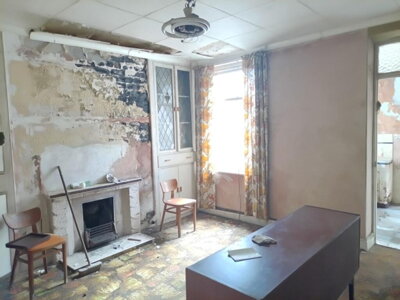
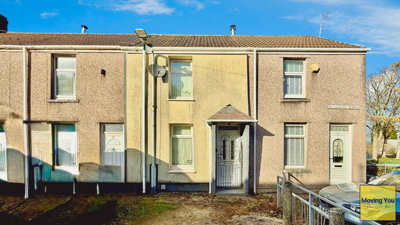
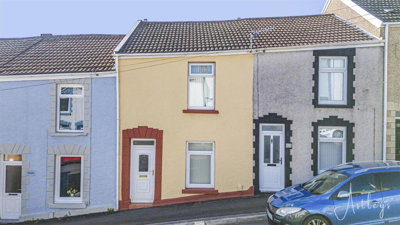
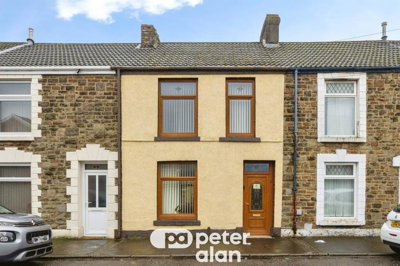
The St. Thomas housing market in Swansea offers attractive opportunities for buyers seeking properties below the Swansea average price point. The area predominantly features Victorian and Edwardian terraced homes, which represent excellent value compared to more prestigious suburbs. These properties often come with traditional features such as high ceilings, original fireplaces, and period sash windows that appeal to buyers seeking character homes with renovation potential. Terraced properties in St. Thomas typically range from £80,000 to £150,000 depending on condition and specific location within the district.
Semi-detached properties in St. Thomas provide family accommodation with gardens and additional space, commanding prices generally between £120,000 and £200,000 depending on condition and exact location. Purpose-built and converted flats cater to first-time buyers and investors, offering lower entry costs into the local property market. Newer developments have introduced modern apartments and houses to the area, expanding housing options for those preferring contemporary fittings and energy efficiency. The variety of property types available in St. Thomas makes it suitable for a wide range of buyer requirements and budgets.
The older housing stock in St. Thomas is predominantly constructed from solid brick walls with timber suspended floors and pitched timber roofs, with slate and tile roofing materials common throughout the Victorian and Edwardian terraces. These solid wall constructions lack cavity insulation found in more modern properties, which can affect thermal efficiency and should be considered when assessing heating costs. Properties within the St. Thomas conservation area may require planning permission for alterations that would affect the external appearance of the property, and buyers should factor any conservation requirements into renovation budgets.

St. Thomas, Swansea is a distinctive district with a strong Welsh identity and a welcoming atmosphere. The area has deep roots in Swansea's industrial heritage, with many streets lined by red-brick terraces built to house workers in the nearby docks and factories. Today, this heritage is evident in the architectural character of the district, where Victorian terraces stand alongside more modern developments, creating a varied streetscape that tells the story of Swansea's evolution from industrial port to modern city.
The River Tawe waterfront offers pleasant walking and cycling routes, connecting St. Thomas residents to Swansea Marina and the city centre. Local shops and cafes along the main thoroughfares provide everyday necessities, while regular bus services make commuting straightforward. The community spirit in St. Thomas remains strong, with local events, traditional pubs, and community facilities fostering connections among residents. For those seeking an authentic Welsh neighbourhood with genuine character and convenient city access, St. Thomas delivers a lifestyle that larger, more impersonal suburbs cannot match.
The St. Thomas ward has a population of approximately 6,431 residents across 2,907 households according to recent census data, creating a close-knit community atmosphere while still offering the benefits of proximity to a major city. The area features a mix of long-term residents and newcomers drawn by the affordable property prices and convenient location, contributing to a vibrant local community with established social networks and welcoming attitudes toward new residents.
Families considering a move to St. Thomas will find a selection of primary and secondary education options within reasonable distance. Primary schools serving the area include St. Thomas Community Primary School and other local authority schools in the surrounding Swansea districts. Secondary school options in the wider area provide good educational standards, with several schools available via school transport or regular bus services from St. Thomas.
Further education opportunities are accessible through colleges and universities in Swansea city centre. The University of Wales Trinity Saint David has a campus in Swansea, offering undergraduate and postgraduate programmes across various disciplines. The nearby Swansea University campus in Singleton Park is also reachable via public transport, making St. Thomas a practical base for students and academic staff seeking affordable housing with city connectivity.
Parents should research specific catchment areas and school performance data when considering properties in St. Thomas, as admission policies can affect placement eligibility. Consulting the latest Estyn inspection reports and Swansea Council school admission policies will help identify the most suitable options for your children. School transport availability and bus routes should also be verified, particularly for secondary school aged children, as catchment boundaries can extend beyond walking distance in some cases.
St. Thomas benefits from excellent transport connections that make commuting and travel throughout the Swansea region straightforward. Regular bus services operate along key routes, connecting the district to Swansea city centre, the train station, the seafront, and surrounding suburbs. The Swansea railway station offers connections to major UK destinations including Cardiff, London Paddington, and Manchester Piccadilly, with journey times to Cardiff of approximately one hour making day trips and business travel highly practical.
For drivers, St. Thomas provides easy access to the M4 motorway via the A483 Fabian Way, connecting residents to Neath, Port Talbot, and the wider motorway network heading east toward Bristol and London or west toward Carmarthen. The district sits conveniently between Swansea's city centre and the enterprise zones along the waterfront, reducing commute times for those working in regeneration areas. Cardiff Wales Airport is accessible via the M4 for those requiring international travel connections, typically taking around one hour by car.
Key employers in the wider Swansea region include the University of Wales Trinity Saint David, local NHS trusts, Swansea Council, and various retail and service industries in the city centre. St. Thomas's location makes it attractive to workers in these sectors who seek affordable housing with straightforward commuting options. The area itself has local shops and services along the main thoroughfares, reducing the need to travel for everyday necessities.
Contact a mortgage broker or bank to obtain an Agreement in Principle before viewing properties. This demonstrates your financial readiness to estate agents and sellers, strengthening your position when making an offer on a home in St. Thomas. Having this in place shows sellers that you are a serious buyer capable of proceeding quickly, which can be advantageous in a competitive market.
Explore St. Thomas thoroughly, visiting at different times of day and checking local amenities, transport links, schools, and community facilities. Understanding the neighbourhood ensures your purchase meets your long-term living requirements. Take time to walk the streets, visit local shops, and speak to residents to get a genuine feel for the area before committing to a purchase.
Work with estate agents to arrange viewings of properties matching your criteria. Take notes, photograph properties, and ask about the history, condition, and any planned local developments that might affect your purchase decision. Viewing multiple properties helps establish what represents fair value in the current market and identifies which properties offer the best potential.
Before committing to purchase, book a RICS Level 2 Survey to assess the property condition and identify any structural issues, damp, or defects that might require negotiation or repair work. Our inspectors will check the roof, walls, plumbing, electrics, and overall structure, providing a detailed report on the property condition.
Once you find your ideal home, submit an offer through your estate agent. Be prepared to negotiate on price based on survey findings or market comparisons with other properties sold in St. Thomas. Survey findings can provide legitimate reasons to request price reductions or require the seller to address issues before completion.
Choose a conveyancing solicitor to handle the legal transfer of ownership. They will conduct searches, handle contracts, and coordinate with your mortgage lender through to completion. Personal recommendations and comparison quotes can help you find a solicitor who offers good value without compromising on service quality.
Your solicitor will arrange the contract exchange, typically requiring a deposit of 10%. On completion day, the remaining balance is transferred, and you receive the keys to your new St. Thomas home. Ensure you have buildings insurance in place from the point of contract exchange to protect your investment.
Properties in St. Thomas include a significant proportion of Victorian and Edwardian terraced homes, which often feature solid brick construction and traditional materials. When viewing these older properties, pay close attention to signs of damp, particularly in ground-floor rooms and basements where moisture ingress can be more prevalent due to the age of original damp-proof courses. The condition of roof coverings, timber sash windows, and original fireplaces should all be assessed, as renovation costs for period features can accumulate quickly.
Flood risk is a consideration for properties close to the River Tawe in lower-lying areas of St. Thomas. Request information about any previous flooding incidents and check Environment Agency flood risk data before purchasing. Surface water flooding can also occur in some streets during periods of heavy rainfall, particularly in areas with older drainage infrastructure. Understanding the specific flood risk for your intended property location is essential for making an informed purchase decision.
Buildings in the St. Thomas conservation area may have planning restrictions affecting renovations or extensions, so verify any proposed works with Swansea Council planning department before committing to a purchase. Properties with long leaseholds or high service charges should be scrutinised carefully, as these ongoing costs can affect both affordability and future saleability. Our surveyors can identify many of these issues during a property inspection, helping you avoid costly surprises after purchase.
Understanding the construction methods used in St. Thomas properties helps buyers appreciate the characteristics and potential issues of different property types. Victorian and Edwardian terraces in the area were typically built with solid brick external walls, often two bricks thick, supporting timber suspended ground floors and pitched timber roof structures. These solid wall constructions lack the cavity insulation found in modern properties, which affects thermal performance and heating costs. Our inspectors regularly assess these traditional construction methods and can identify issues related to age and original building techniques.
Common defects in older St. Thomas properties include damp affecting walls and timbers due to inadequate or failed damp-proof courses, timber defects such as rot and woodworm in floor joists and window frames, and roof issues including worn tiles, defective leadwork, and general deterioration. Electrical systems in period properties often require upgrading to meet current safety standards, as original wiring may not cope with modern usage demands. Plumbing systems in older homes may also need replacement due to corroded pipes and outdated fittings.
The geology of the Swansea area includes variable ground conditions that can affect foundations in some properties. Localised clay deposits exist in some areas, and where large trees are planted near foundations, some properties may show signs of movement related to soil conditions. Our surveyors check for signs of subsidence, settlement cracking, and other foundation-related issues during inspections. Properties on less stable ground or with shallow foundations may require more detailed assessment before purchase.
St. Thomas, Swansea offers properties generally priced below the Swansea city average, with terraced homes typically ranging from £80,000 to £150,000 depending on condition and location. Semi-detached properties and larger family homes command higher prices, often between £120,000 and £200,000. For current accurate pricing, search the Homemove platform for live listings in St. Thomas, as property values fluctuate based on market conditions and individual property features. Price trends in the area have shown modest increases over recent years as more buyers discover the value proposition St. Thomas offers compared to more expensive Swansea suburbs.
Properties in St. Thomas, Swansea fall under Swansea Council administration. Council tax bands range from A to H depending on the property valuation, with the majority of terraced homes in the area typically falling into bands A to C. Band A properties in Swansea currently pay around £1,400 per year, while Band D properties pay approximately £1,900 annually. Council tax bands can be verified on the Swansea Council website or through the Land Registry property details.
St. Thomas has access to several primary schools within reasonable walking distance, including St. Thomas Community Primary School and other local authority schools in surrounding districts. Secondary school options in the wider Swansea area include established schools with good reputations accessible via school transport or bus services. Parents should consult the latest Estyn inspection reports and Swansea Council school admission policies to identify the most suitable options for their children, as catchment areas can influence placement decisions and may extend beyond walking distance in some cases.
St. Thomas enjoys excellent public transport connectivity with regular bus services operating between the district and Swansea city centre, the railway station, and surrounding suburbs. Swansea railway station offers direct services to Cardiff, London, Birmingham, and Manchester, making St. Thomas practical for commuters working throughout the region or travelling further afield. The M4 motorway is easily accessible via the A483 Fabian Way for car journeys, connecting residents to the wider motorway network.
St. Thomas presents investment opportunities for buyers seeking more affordable entry into the Swansea property market. Terraced properties can offer attractive rental yields, particularly for tenants working in the city centre or studying at nearby educational institutions including the University of Wales Trinity Saint David and Swansea University. Regeneration projects in surrounding Swansea areas may positively influence property values over time. As with any investment, thorough research into rental demand, void periods, and maintenance costs is essential before purchasing. Properties requiring renovation may offer additional value opportunity for investors with appropriate budgets and timelines.
Stamp Duty Land Tax applies to purchases over £250,000 for standard buyers at 5% on the portion between £250,001 and £925,000. First-time buyers purchasing properties up to £425,000 benefit from SDLT relief, paying nothing on the first £425,000 of the purchase price. A typical £120,000 terraced property in St. Thomas would attract no SDLT for first-time buyers or a minimal amount for other purchasers, making this an accessible market segment for tax purposes. Properties priced between £250,000 and £425,000 would incur SDLT for non-first-time buyers but would qualify for first-time buyer relief.
Properties near the River Tawe in lower-lying areas of St. Thomas should be carefully assessed for flood risk. Surface water flooding can occur in some streets during periods of heavy rainfall. Prospective buyers should request information about any historical flooding incidents, check Environment Agency maps for their specific property location, and consider whether flood resilience measures such as property level protection are in place or would be required. Properties closer to the riverbanks and the Exe Flood Relief Channel face higher river flooding risk, while surface water flooding can affect low-lying areas regardless of distance from the main river channel.
From £400
A detailed inspection of the property condition, ideal for standard properties in St. Thomas
From £600
Comprehensive survey for older or complex properties including Victorian and Edwardian homes
From £80
Energy Performance Certificate required for property sales
From 4.5% APR
Competitive mortgage deals from leading lenders
From £499
Expert legal services for property transactions
Understanding the full costs of buying property in St. Thomas extends beyond the purchase price to include stamp duty, legal fees, and survey costs. For standard buyers purchasing a property over £250,000, Stamp Duty Land Tax applies at 5% on the portion between £250,001 and £925,000. A £150,000 terraced property in St. Thomas would attract no SDLT, while a £300,000 semi-detached home would incur approximately £2,500 in stamp duty. First-time buyers purchasing properties up to £425,000 benefit from SDLT relief, paying nothing on the first £425,000 of the purchase price, which applies to the entire purchase price for most terraced properties and many semi-detached homes in St. Thomas.
Additional costs include mortgage arrangement fees typically ranging from £500 to £2,000 depending on the lender and deal type, survey fees of £400 to £700 for a RICS Level 2 Survey on an average 3-bedroom property in St. Thomas, and conveyancing costs of £500 to £1,500 depending on complexity. Local search fees, Land Registry fees, and bankruptcy checks typically add around £300 to £500 to legal costs. Budgeting for these costs alongside your deposit and purchase price ensures a smooth transaction through to completion.
Other costs to budget for include removal expenses typically ranging from £500 to £2,000 depending on distance and volume of belongings, buildings insurance which must be in place from contract exchange, and potential renovation costs identified during survey. Setting aside funds for immediate repairs or improvements identified by the surveyor can prevent financial strain after purchase. Our surveyors provide detailed reports that help you prioritise and budget for any necessary work following your property purchase in St. Thomas.
Properties for Sale In London

Properties for Sale In Plymouth

Properties for Sale In Liverpool

Properties for Sale In Glasgow

Properties for Sale In Sheffield

Properties for Sale In Edinburgh

Properties for Sale In Coventry

Properties for Sale In Bradford

Properties for Sale In Manchester

Properties for Sale In Birmingham

Properties for Sale In Bristol

Properties for Sale In Oxford

Properties for Sale In Leicester

Properties for Sale In Newcastle

Properties for Sale In Leeds

Properties for Sale In Southampton

Properties for Sale In Cardiff

Properties for Sale In Nottingham

Properties for Sale In Norwich

Properties for Sale In Brighton

Properties for Sale In Derby

Properties for Sale In Portsmouth

Properties for Sale In Northampton

Properties for Sale In Milton Keynes

Properties for Sale In Bournemouth

Properties for Sale In Bolton

Properties for Sale In Swansea

Properties for Sale In Swindon

Properties for Sale In Peterborough

Properties for Sale In Wolverhampton

Enter your details to see if this property is within your budget.
Loans, cards, car finance
Estimated property budget
Borrowing + deposit
You could borrow between
Typical borrowing
Monthly repayment
Est. at 4.5%
Loan-to-value
This is an estimate only. Your actual budget may vary depending on interest rates, credit history, and personal circumstances. For an accurate affordability assessment, speak to one of our free mortgage advisors.
This calculator provides estimates for illustrative purposes only and does not constitute financial advice. Your home may be repossessed if you do not keep up repayments on your mortgage. Estimates based on 4.5% interest rate, repayment mortgage. Actual rates depend on your circumstances.
Homemove is a trading name of HM Haus Group Ltd (Company No. 13873779, registered in England & Wales). Homemove Mortgages Ltd (Company No. 15947693) is an Appointed Representative of TMG Direct Limited, trading as TMG Mortgage Network, which is authorised and regulated by the Financial Conduct Authority (FRN 786245). Homemove Mortgages Ltd is entered on the FCA Register as an Appointed Representative (FRN 1022429). You can check registrations at NewRegister or by calling 0800 111 6768.

We use cookies to show you personalised content and improve your experience of our website. Find out more in our Privacy policy and Cookie policy.