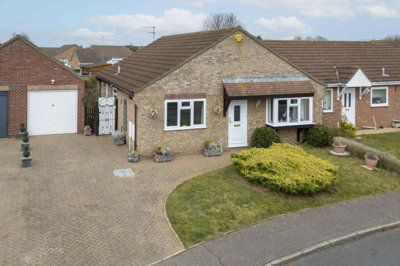
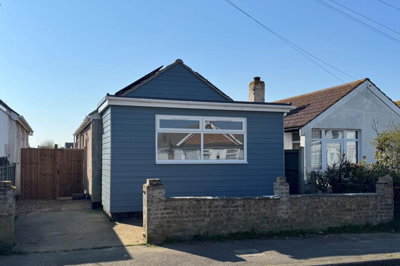
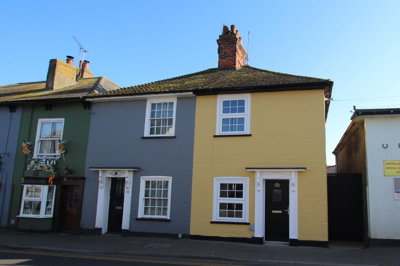
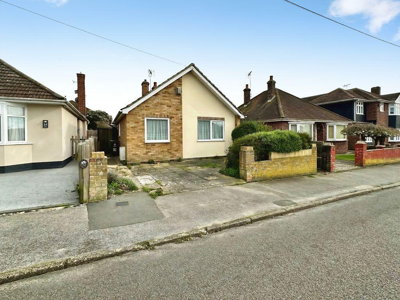
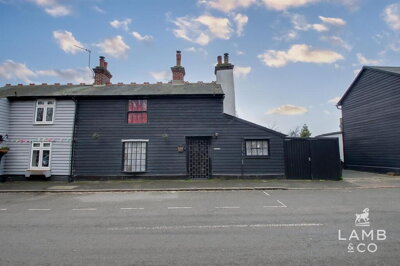
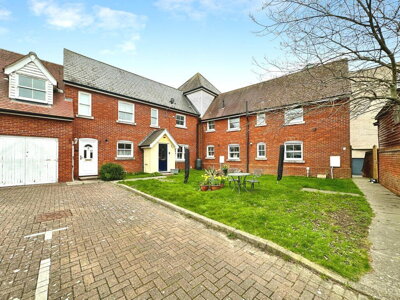
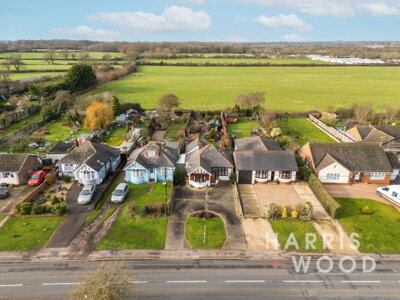
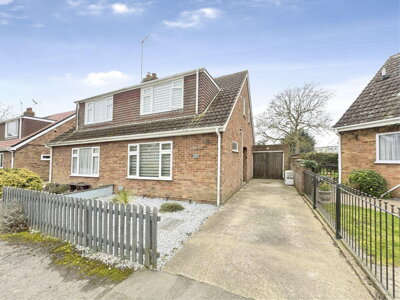
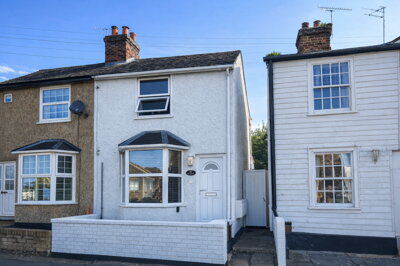
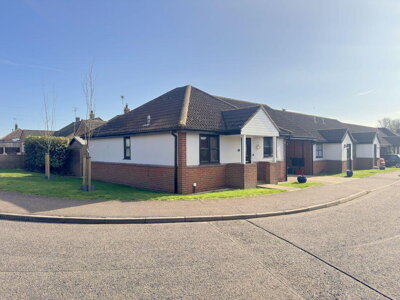
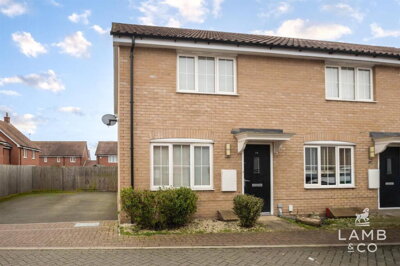
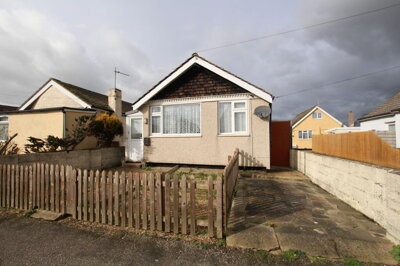
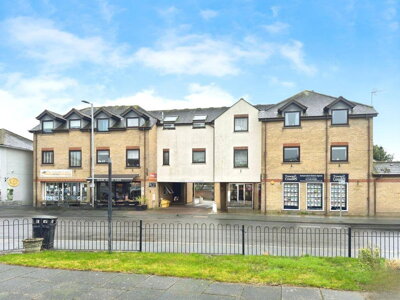
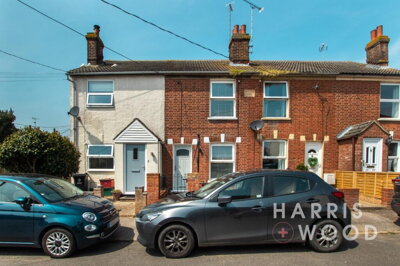
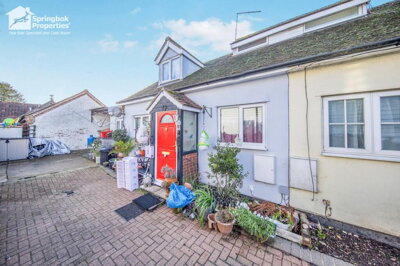
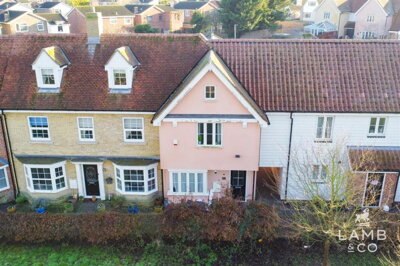
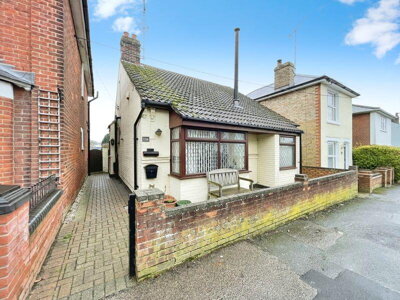
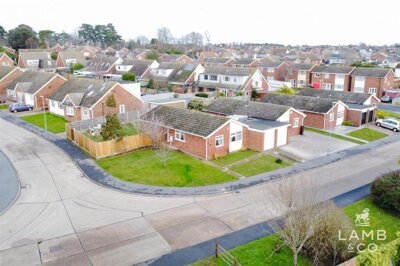
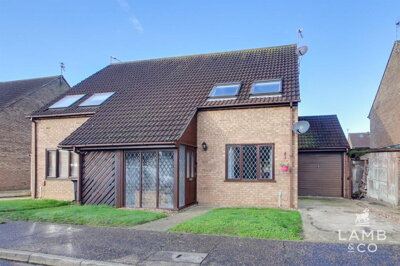
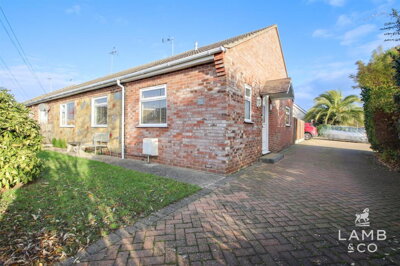
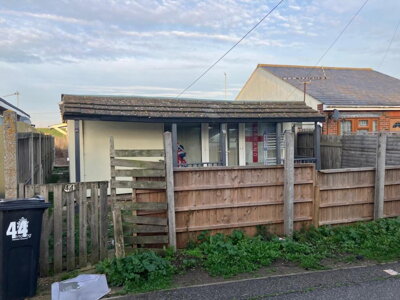
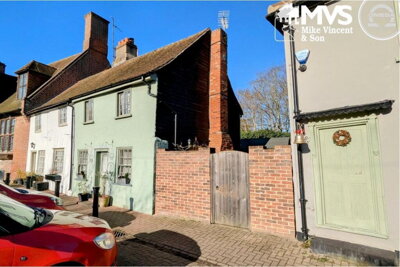
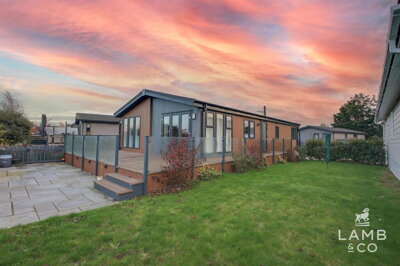
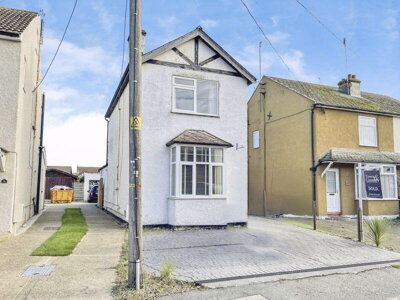
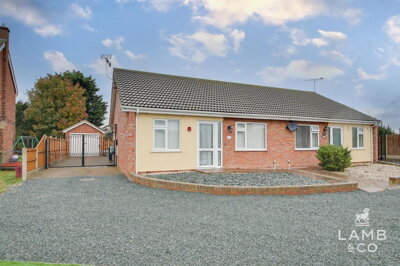
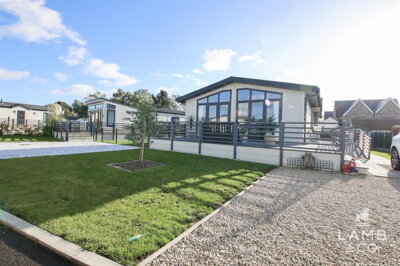
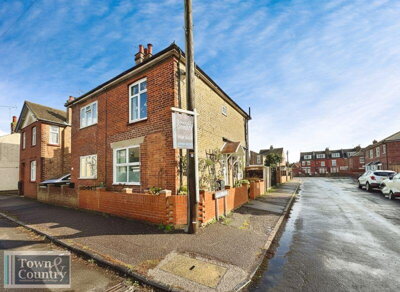
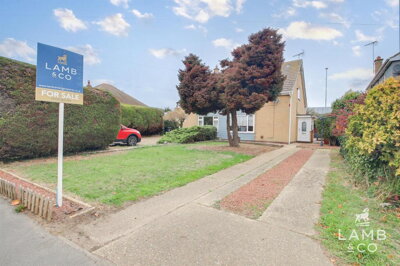
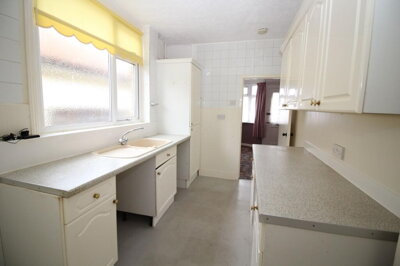
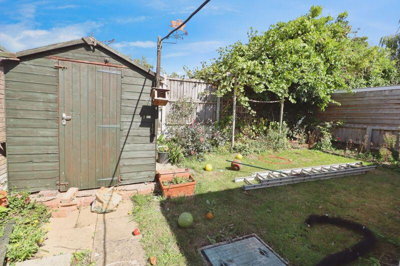
Browse 216 homes for sale in St. Osyth from local estate agents.
Osyth. The 2 bed house market features detached, semi-detached, and terraced properties with two separate bedrooms plus living spaces. Properties in St. Osyth range from Victorian and Edwardian period homes to modern new builds, with pricing varying across different neighbourhoods.
The St. Osyth property market offers properties across all price brackets, with detached homes commanding the highest prices at an average of £372,450 to £376,591. Semi-detached properties have sold at an average of £279,329 over the past year, making them a popular choice for families seeking more space without the premium attached to detached homes. Terraced properties in the village average £189,100, providing an affordable option for first-time buyers or those seeking a foothold in this desirable coastal location. Flats are available in the village, though specific average prices for this property type remain unverified in current market data.
Market trends show a softening in prices over the past twelve months, with Rightmove data indicating sold prices are 7% down on the previous year and 21% down from the 2023 peak of £354,906. OnTheMarket reports a more modest 2.0% fall over the last twelve months. This price adjustment presents opportunities for buyers who may have been priced out of the market during the peak period, with properties now available at more realistic valuations. The average asking price on OnTheMarket as of February 2026 stands at approximately £240,000, suggesting continued market normalisation.
New build developments are adding fresh inventory to the local market. The Priory Fields development by City and Country offers 2 to 5 bedroom homes near St Osyth Priory, with prices ranging from £290,000 to £685,000 and first residents expected from summer 2026. For those seeking bungalows, Stoneridge Estates is developing 3 bedroom detached bungalows in the CO16 area priced between £360,000 and £380,000. Park home options are available at St Osyth Place on Cockett Wick Lane, where 2 and 3 bedroom lodges start from £179,995, though these operate under a 12-month holiday licence rather than permanent residential use.

St. Osyth is a village with remarkable historical depth, boasting buildings that represent hundreds of years of English history. The centre of the village is dominated by the medieval remains of St Osyth Priory, a monastic settlement that began in 1118 and evolved into one of the most architecturally and historically important heritage estates in Essex. The parish contains 112 listed buildings and structures, including the 900-year-old Anglican Church of St Peter and St Paul and the 16th century Witches' Cage, a historic prison structure that stands as a tangible connection to the village's darker past. The Priory itself features red brick, ashlar, black diapering, and septaria chequer-work construction that visitors can admire throughout the village.
The village benefits from a well-provided local centre along Clacton Road, offering small shops, pubs, and food outlets to serve everyday needs. The community atmosphere is genuine and welcoming, with traditional village events and a strong sense of local identity. The parish covers 3,221 hectares, giving residents ample space to enjoy the rural surroundings while remaining connected to essential amenities. The village centre has evolved around what was once a marketplace, with the historic layout still evident in the street pattern today.
The natural environment defines much of daily life in St. Osyth. Two sides of the parish are flanked by water: Flag Creek to the northwest, the River Colne to the west, and the North Sea to the south. St Osyth Creek, a tributary of the tidal estuary, skirts the Conservation Area and joins these waterways. Much of the coastline consists of saltmarsh, mud, and sand, protected by seawalls that create areas of freshwater marsh grazing. The Colne Estuary National Nature Reserve lies nearby, making the area internationally significant for wildlife and offering world-class birdwatching opportunities for residents and visitors alike.
Outdoor pursuits thrive in the area given the proximity to water and natural landscapes. Sailing and fishing are popular activities on the estuary, while paddleboarding has grown in popularity along the creeks. The flat terrain is suitable for cycling, though exposed coastal conditions can make some routes challenging. Walking routes across the marshes and along the sea walls provide excellent opportunities to observe the diverse birdlife that inhabits the estuary throughout the year.
Families considering a move to St. Osyth will find educational options within the village and the surrounding Tendring area. Primary education is served by local schools that cater to children from the village and surrounding countryside, with the historical nature of the area reflected in some school buildings that form part of the community's heritage fabric. The village has served educational needs for generations, with school buildings in some cases occupying historic structures that contribute to the community character.
Secondary education options are available in nearby towns, with school transport links connecting St. Osyth to secondary schools in the Tendring district. Students typically travel to schools in Clacton-on-Sea, which offers several secondary options serving the wider area. Bus services provide transport for students, though families should check current routes and timings as these can vary. The Tendring district has undergone educational improvements in recent years, with schools working to raise standards and provide better facilities for students.
Parents should research individual school performance through official Ofsted reports and government league tables to identify the best options for their children's education. School catchment areas are determined by Essex County Council and Tendring District Council, and property purchases should be verified against current catchment boundaries before committing to a specific location. The catchment area system means that proximity to a school does not guarantee admission, and waiting lists can be competitive for popular schools.
For families with children requiring specialist educational support or those considering private education, additional options exist in Colchester and surrounding areas. Sixth form and further education provision is primarily located in Clacton-on-Sea and Colchester, both accessible via regular bus services from St. Osyth. The village's proximity to Colchester, home to the University of Essex, also opens opportunities for higher education and adult learning courses within reasonable commuting distance.
Transport connectivity from St. Osyth centres on road networks and local bus services, with the village positioned between the A133 and A134 providing access to Colchester and Clacton-on-Sea. The A133 connects to Colchester, Essex's largest town, where residents can access the Greater Anglia railway station for direct services to London Liverpool Street. Journey times from Colchester to London take approximately 50 minutes by train, making St. Osyth a viable option for commuters who work in the capital but prefer rural or coastal living. The village sits approximately 8 miles from Colchester, with the journey by car typically taking 20-30 minutes outside peak hours.
Local bus services operated by First Group and other providers connect St. Osyth to nearby towns including Clacton-on-Sea, where shoppers and workers can access broader amenities. Bus routes serve the village centre and residential areas, though frequencies may be limited on evenings and weekends. Residents without cars should factor public transport availability into their daily routines, particularly if commuting to work or requiring regular access to hospital appointments. The village's position relative to major road networks means that those with cars have reasonable access to surrounding towns and villages.
For those who drive, parking in the village centre is generally adequate for everyday needs, though the summer holiday season brings increased traffic as visitors flock to the holiday parks and coastline. The flat terrain around St. Osyth is generally accessible for cycling, though the coastal areas may present challenges with exposed conditions and softer ground near the marshes. The proximity to the coast means ferry services to Belgium and the Netherlands are available from nearby Harwich International Port, approximately 20 miles away, for those considering continental travel or international commuting options.
Spend time exploring St. Osyth at different times of day and week to understand the community atmosphere, noise levels from holiday parks during peak season, and proximity to amenities. Visit local shops, pubs, and the coastline to confirm the village matches your lifestyle expectations. Speak with long-term residents about their experiences throughout the year, particularly regarding how the seasonal influx affects the area.
Contact lenders or mortgage brokers to obtain an Agreement in Principle before viewing properties. This financial readiness demonstrates to sellers that you are a serious buyer and strengthens your position when making offers, particularly in a market where multiple offers may be received. Given the average property price in St. Osyth of around £252,631, most buyers will fall below the higher Council Tax bands, which can affect mortgage affordability calculations.
Work with estate agents listing properties in St. Osyth to arrange viewings of homes that match your criteria. Consider viewing properties both during the day and evening to assess lighting and noise levels, and visit during different seasons if possible to understand how the holiday influx affects the area. Pay particular attention to properties near the creek, marshes, or holiday parks, as these may experience different conditions at various times of year.
Once your offer is accepted, instruct a RICS Level 2 Homebuyer Report survey on the property. Given St. Osyth's significant older housing stock and proximity to water, a professional survey will identify any structural issues, damp, flooding concerns, or defects in period properties that may not be visible during a standard viewing. The average cost of a Level 2 survey nationally is around £455, though prices vary based on property size and value.
Appoint a solicitor experienced in Essex property transactions to handle the legal aspects of your purchase. They will conduct searches with Tendring District Council, investigate flooding and drainage records, and manage the transfer of ownership from contract through to completion. Given the coastal and estuarine position of St. Osyth, drainage and flood risk searches are particularly important in this area.
Your solicitor will coordinate with the seller's legal team to exchange contracts, at which point the transaction becomes legally binding. Completion typically follows within days or weeks, after which you will receive the keys to your new St. Osyth home and can begin settling into this historic Essex village. Factor in time for removals and any immediate maintenance requirements before moving day.
Prospective buyers should be aware that St. Osyth occupies low-lying land flanked by Flag Creek, the River Colne, and the North Sea, with St Osyth Creek running through the village. This coastal and estuarine position means flood risk must be carefully considered when purchasing any property, particularly those near the creek, marshes, or seawalls. A thorough review of Environment Agency flood maps and any available drainage surveys should form part of your due diligence before committing to a purchase. Properties within the Colne Estuary National Nature Reserve proximity may also be subject to environmental restrictions that affect development potential.
The village has a large Conservation Area, first designated in 1969 and expanded through subsequent reviews in 1982, 1988, and 2010, with a focused consultation for an updated appraisal in October 2025. The Conservation Area encompasses the Priory, the historic village centre, and extends west to the creek and surrounding marshland. There are 61 listed buildings within the Conservation Area alone, and the entire parish boasts 112 listed buildings and structures. Properties within this Conservation Area are subject to planning restrictions that control external alterations, extensions, and certain types of development. If you are purchasing a period property or a home within the Conservation Area, consult with Tendring District Council planning department to understand any restrictions that may affect your intended use or improvements.
Building materials in St. Osyth reflect its diverse architectural history, from the red brick, ashlar, and septaria chequer-work of the historic Priory to more common brick and render construction found throughout the village housing stock. Properties of significant age may have outdated electrical systems, period features requiring specialist maintenance, or construction methods that differ from modern standards. The presence of 112 listed buildings in the parish indicates a significant proportion of older construction throughout the village, and many properties will predate modern building regulations.
The holiday season brings a significant temporary population increase to St. Osyth as visitors flock to the popular holiday parks in the area. Buyers seeking permanent residence should consider how this seasonal influx affects traffic, noise, and the availability of local services during peak periods. Speaking with long-term residents about their experiences throughout the year will provide valuable insight beyond what can be gathered from viewings alone. The population of approximately 4,600 permanent residents can increase substantially during the summer months, placing additional demand on local roads and amenities.
Our inspectors regularly examine properties throughout St. Osyth and the surrounding Tendring area, giving us detailed knowledge of the common issues affecting homes in this coastal village. The combination of age, coastal proximity, and estuarine position creates specific defect patterns that buyers should understand before purchasing. This local expertise helps us identify issues that a standard viewing might miss, from subtle signs of damp to more serious structural concerns.
Properties of significant age are prevalent throughout St. Osyth, given the village's history dating back to 1118 and the presence of numerous listed buildings. Older properties commonly exhibit issues with damp, which can be caused by rising moisture from the ground, penetrating damp through aging brickwork, or condensation resulting from inadequate ventilation. Our surveys assess all three types of damp and provide recommendations for remediation. Period features such as original timber windows, original plasterwork, and historic fireplaces require specialist maintenance that differs from modern building standards.
The coastal and estuarine environment creates particular challenges for properties in St. Osyth. Salt-laden air accelerates corrosion of metal components including gutters, downpipes, and structural fixings. Timber elements are particularly vulnerable to both fungal decay and wood-boring insect attack in these conditions. Our inspectors pay close attention to roof structures, floor timbers, and window frames when examining properties near the coast or creeks. The proximity to water also means that drainage and damp-proof course performance should be carefully assessed in any property.
Properties within or near the Conservation Area may have undergone works under previous planning consents that require scrutiny. Alterations to historic buildings must comply with specific planning conditions, and our surveys can identify where works may have deviated from approved plans. The flat terrain of the area means that surface water drainage relies heavily on engineered systems rather than natural slopes, and we check for evidence of drainage issues or damp penetration at low level. For properties in the lower-lying areas near the creek or marshes, we recommend particular attention to the condition of any existing flood mitigation measures.
The average sold house price in St. Osyth is £252,631 according to Zoopla and £279,253 according to Rightmove over the last year, with OnTheMarket reporting an average of £240,000 as of February 2026. Detached properties average around £372,450 to £376,591, while semi-detached homes sell for approximately £279,329 and terraced properties average £189,100. The market has seen a softening of 7% over the past year according to Rightmove data, and 21% down from the 2023 peak of £354,906, creating more favourable conditions for buyers seeking to enter the market.
Properties in St. Osyth fall under Tendring District Council and Essex County Council for council tax purposes. Council tax bands are assigned based on property value as assessed by the Valuation Office Agency, ranging from Band A for the lowest valued properties to Band H for the most expensive homes. Given the average property price in St. Osyth of around £252,631, many properties fall within Bands A through D. You can check the specific band for any property on the Gov.uk council tax bands website or through Tendring District Council's online records.
St. Osyth has primary schools serving the local community, with secondary education available in nearby towns including Clacton-on-Sea. School performance varies year by year, so parents should consult the latest Ofsted reports and government league tables to evaluate current options. Essex County Council determines school catchment areas, and prospective buyers should verify which schools serve a specific property address before purchasing, as catchment boundaries can change and demand varies across the district.
St. Osyth is connected to surrounding towns via local bus services operated by First Group and other providers, linking the village to Clacton-on-Sea and Colchester. Colchester railway station offers direct trains to London Liverpool Street in approximately 50 minutes, making commuting feasible for those working in the capital. Transport options may be limited on evenings and weekends, so residents without cars should factor this into their daily planning, particularly for hospital appointments or shopping trips that require larger centres.
St. Osyth offers potential for property investment, particularly given new developments like Priory Fields bringing fresh inventory and investment to the area. The village's coastal location, historic character, and proximity to natural beauty attract both permanent residents and holidaymakers. Properties in Conservation Areas or with period features may hold their value well, though buyers should consider flood risk, holiday park proximity, and the seasonal nature of the local economy when evaluating investment potential. The ongoing restoration of St Osyth Priory and associated development may influence property values in the surrounding area over time.
Stamp duty rates for 2024-25 are 0% on the first £250,000 of a property price, 5% on the portion from £250,001 to £925,000, 10% on the portion from £925,001 to £1.5 million, and 12% on any amount above £1.5 million. First-time buyers benefit from relief on the first £425,000, with 5% charged between £425,001 and £625,000. On a typical St. Osyth property averaging £252,631, most buyers would pay minimal stamp duty, with first-time buyers typically paying nothing at all given the property price falls below the £425,000 threshold.
St. Osyth has significant flood risk considerations due to its coastal and estuarine position. The village is flanked by Flag Creek, the River Colne, and the North Sea, with St Osyth Creek running through the area. Much of the coastline consists of saltmarsh and mud, protected by seawalls. Buyers should consult Environment Agency flood maps, review any existing flood risk assessments, and ensure appropriate buildings insurance is obtainable before completing a purchase. Properties near the creek, marshes, or in lower-lying areas require particularly careful assessment.
Priory Fields is a new development by City and Country situated near St Osyth Priory, with the sales suite located at the historic Great Gatehouse at St Osyth Priory. The development offers 2 to 5 bedroom homes including cottages, family homes, and apartments, with prices ranging from £290,000 to £685,000. First residents are expected from summer 2026. The development is designed to reflect traditional North Essex architectural vernacular and forms part of a wider scheme to fund restoration works at St Osyth Priory. Properties here benefit from the heritage setting while meeting modern building standards.
Older properties in St. Osyth may have outdated electrical systems that do not meet current regulations, period features requiring specialist maintenance, or construction methods that differ from modern standards. The coastal environment accelerates wear on external elements, and properties near water may show signs of damp or timber decay that require attention. Our RICS Level 2 surveys examine all accessible areas of a property and report on defects that may not be apparent during a standard viewing, giving buyers a clear picture of maintenance requirements before purchase.
The permanent population of approximately 4,600 residents swells significantly during the summer holiday season as visitors flock to the popular holiday parks in the area. This seasonal influx increases traffic on local roads, raises noise levels particularly near holiday parks, and places additional demand on local amenities and services. Buyers seeking permanent residence should visit the area during peak season to understand how this affects daily life, particularly if working from home or seeking a quiet residential environment throughout the year.
Understanding the full costs of purchasing property in St. Osyth extends beyond the asking price. Stamp Duty Land Tax (SDLT) is calculated on a tiered system for standard buyers, with 0% charged on the first £250,000 of the purchase price. For a property at the St. Osyth average price of £252,631, a buyer would pay no SDLT on the first £250,000 and only 5% on the £2,631 excess, resulting in a minimal stamp duty bill of approximately £132. This makes buying in St. Osyth particularly attractive for first-time buyers who may otherwise face significant SDLT costs in more expensive areas.
First-time buyers enjoy enhanced relief, paying 0% on the first £425,000 of the purchase price. This means first-time buyers purchasing properties up to £425,000 in St. Osyth would pay no stamp duty at all. Between £425,001 and £625,000, the rate is 5%, with no first-time buyer relief available above £625,000. Given that the average St. Osyth property is priced below £300,000, most first-time buyers would complete their purchase with no SDLT liability, significantly reducing their overall purchase costs compared to buying in more expensive regions.
Beyond stamp duty, buyers should budget for solicitor conveyancing costs, which typically start from £499 for standard transactions but may increase for more complex purchases involving new builds, leaseholds, or properties in Conservation Areas. Survey costs for a RICS Level 2 Homebuyer Report average around £455 nationally, though prices vary based on property size and value. Mortgage arrangement fees, valuation fees, and land registry charges add further costs, while buildings insurance and any removals expenses complete the moving budget. Our team can provide quotes for surveys specifically tailored to properties in the St. Osyth area.
Properties for Sale In London

Properties for Sale In Plymouth

Properties for Sale In Liverpool

Properties for Sale In Glasgow

Properties for Sale In Sheffield

Properties for Sale In Edinburgh

Properties for Sale In Coventry

Properties for Sale In Bradford

Properties for Sale In Manchester

Properties for Sale In Birmingham

Properties for Sale In Bristol

Properties for Sale In Oxford

Properties for Sale In Leicester

Properties for Sale In Newcastle

Properties for Sale In Leeds

Properties for Sale In Southampton

Properties for Sale In Cardiff

Properties for Sale In Nottingham

Properties for Sale In Norwich

Properties for Sale In Brighton

Properties for Sale In Derby

Properties for Sale In Portsmouth

Properties for Sale In Northampton

Properties for Sale In Milton Keynes

Properties for Sale In Bournemouth

Properties for Sale In Bolton

Properties for Sale In Swansea

Properties for Sale In Swindon

Properties for Sale In Peterborough

Properties for Sale In Wolverhampton

Enter your details to see if this property is within your budget.
Loans, cards, car finance
Estimated property budget
Borrowing + deposit
You could borrow between
Typical borrowing
Monthly repayment
Est. at 4.5%
Loan-to-value
This is an estimate only. Your actual budget may vary depending on interest rates, credit history, and personal circumstances. For an accurate affordability assessment, speak to one of our free mortgage advisors.
This calculator provides estimates for illustrative purposes only and does not constitute financial advice. Your home may be repossessed if you do not keep up repayments on your mortgage. Estimates based on 4.5% interest rate, repayment mortgage. Actual rates depend on your circumstances.
Homemove is a trading name of HM Haus Group Ltd (Company No. 13873779, registered in England & Wales). Homemove Mortgages Ltd (Company No. 15947693) is an Appointed Representative of TMG Direct Limited, trading as TMG Mortgage Network, which is authorised and regulated by the Financial Conduct Authority (FRN 786245). Homemove Mortgages Ltd is entered on the FCA Register as an Appointed Representative (FRN 1022429). You can check registrations at NewRegister or by calling 0800 111 6768.

We use cookies to show you personalised content and improve your experience of our website. Find out more in our Privacy policy and Cookie policy.