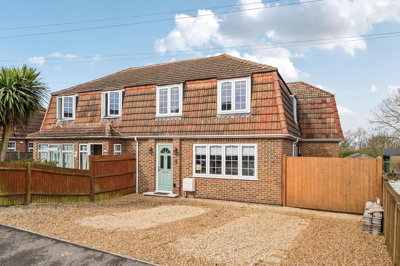
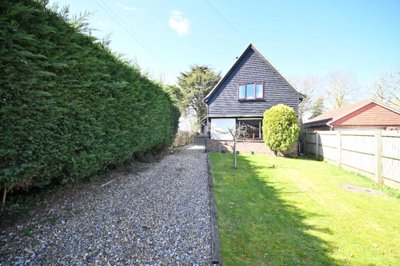
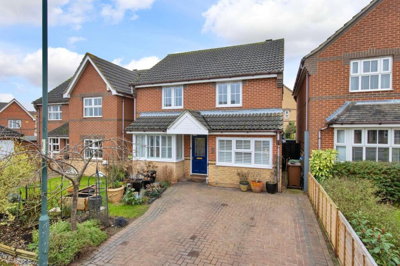
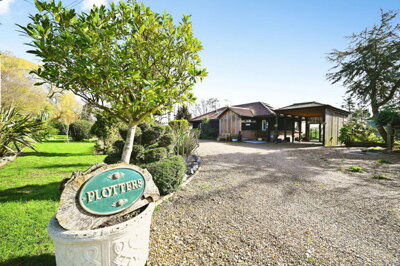
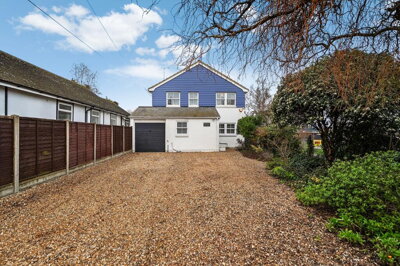
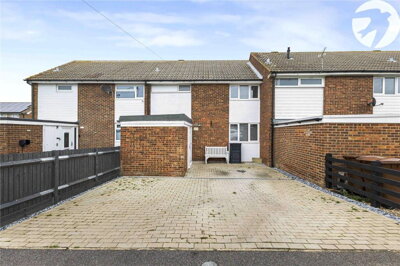
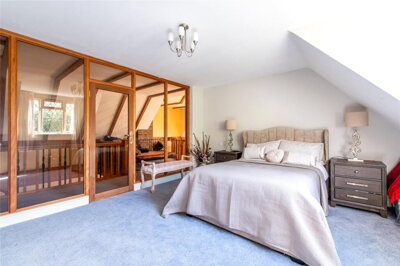
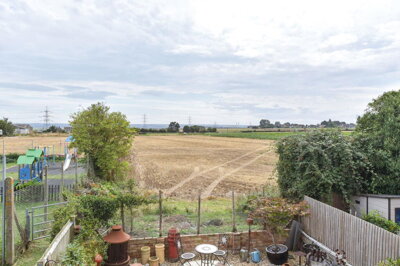
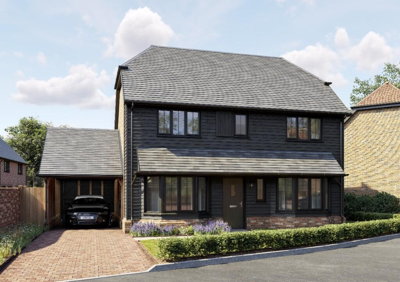
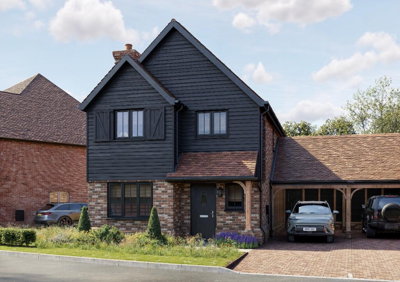
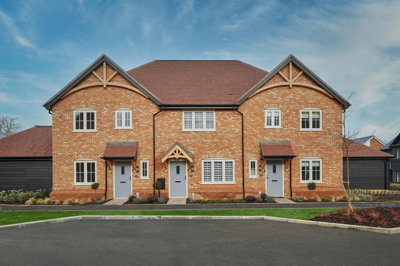
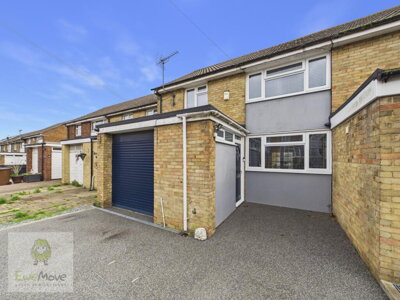
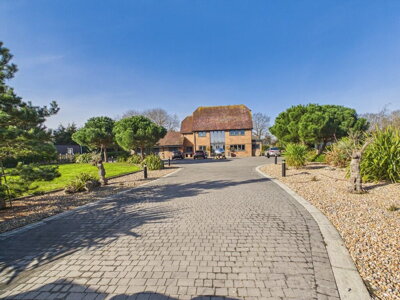
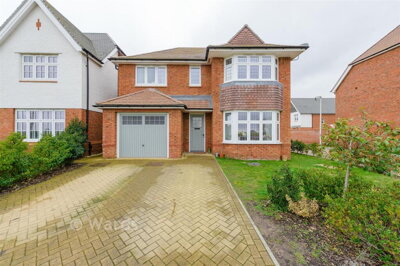
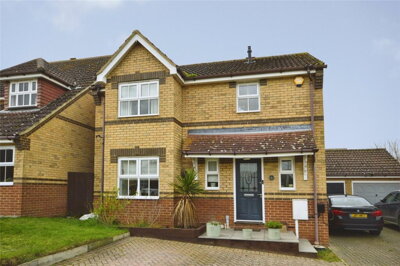
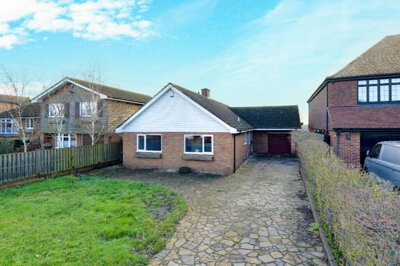
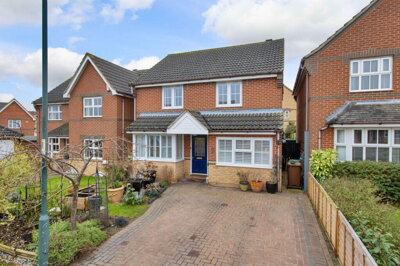
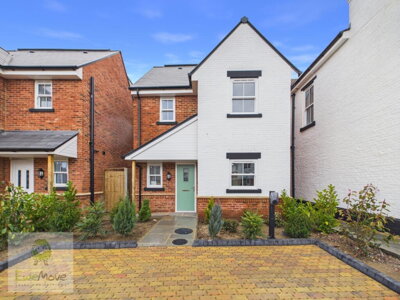
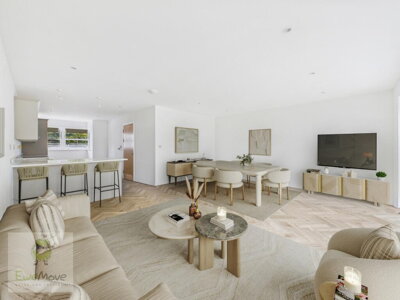
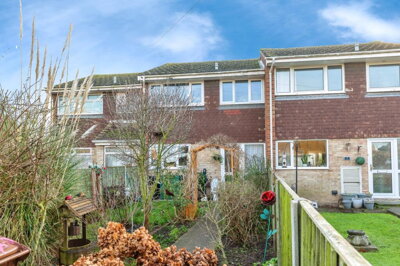
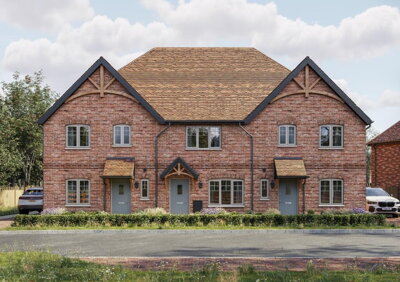
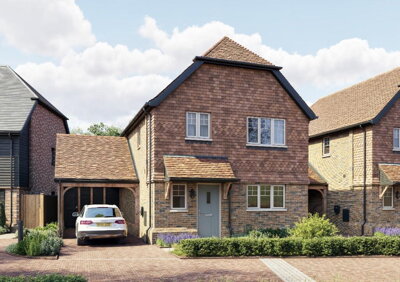
Browse 44 homes for sale in St. Mary Hoo from local estate agents.
The St Mary Hoo property market operates as a niche segment within the broader Medway housing landscape. Recent sales data reveals an overall average house price of £362,500 over the last year, representing a notable 47% decrease compared to the previous year and a 32% reduction from the 2022 peak of £531,250. This market adjustment follows broader national trends while maintaining the village's position as a premium rural location within Medway. Individual property sales provide insight into the types of homes available, with a semi-detached property at 6 Margaret Cottage, The Street selling for £340,000 in October 2022, while properties in St Marys Cottages on Fenn Street have achieved prices around £400,000, including a recent sale in March 2025 at 8 St Marys Cottages.
The village's housing stock reflects its historic character and agricultural heritage. With approximately 94 households recorded in the 2021 Census and a population of 243 residents, St Mary Hoo offers an intimate community atmosphere that differs significantly from nearby urban centres. Property types in the area predominantly consist of detached and semi-detached family homes, many constructed using traditional methods including timber-framing, red brick cladding, and local ragstone. The absence of significant post-war development means that many properties carry heritage value, though this also means buyers should be prepared for the maintenance considerations that come with older homes.
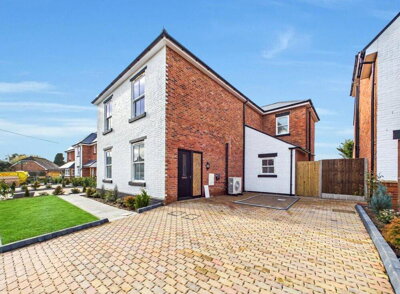
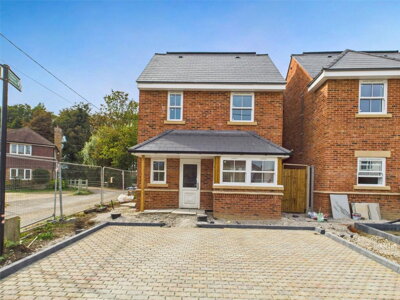
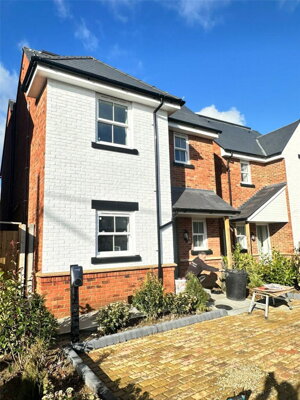
New build activity within the immediate St Mary Hoo postcode area (ME3) remains limited, preserving the village's historic character but limiting modern options. For buyers seeking newly constructed properties, neighbouring villages on the Hoo Peninsula offer contemporary alternatives. Developments within reasonable distance include properties in Upper Stoke, where detached new build homes are nearing completion, and Scholars Place in Iwade offering two, three, and four-bedroom homes. Beaulieu Gardens in Rainham provides shared ownership options with two, three, and four-bedroom new build houses, with first homes expected in summer 2026. Wakeley Meadow in Rainham also offers a range of property sizes suitable for families considering the Hoo Peninsula area while staying within budget of St Mary Hoo pricing.

Life in St Mary Hoo revolves around the rhythms of a traditional English rural community. The village takes its name from the Church of St Mary, a Grade II* listed building dating from the 14th and 15th centuries that anchors the community spiritually and historically. The village was designated as a conservation area in 1984, formalising protections that preserve its distinctive character against unsympathetic development. This designation has ensured that St Mary Hoo maintains its "old-world atmosphere" despite pressures from surrounding growth on the Hoo Peninsula. Residents enjoy a peaceful lifestyle surrounded by agricultural land and marshland, with the northern marshes extending to the River Thames foreshore where concrete sea walls provide protection against tidal flooding.
The local geography shapes daily life in St Mary Hoo in several important ways. The parish sits on clayey soils with impeded drainage, meaning areas can remain damp and cold during autumn and winter months and after periods of intense rainfall. A drainage ditch runs along the northern boundary of the conservation area, reflecting the low-lying nature of the land. The landscape transitions from the village core across marshland to the River Thames, offering residents expansive views and access to waterside walks along the sea walls. Local amenities are centred around The Street, the village's main thoroughfare where traditional cottages and farmsteads line the road. The village's economy has historically been agricultural, with gravel extraction, explosives storage, and wartime defensive structures representing industrial activities that largely bypassed the village itself.
The Hoo Peninsula offers access to countryside walks and outdoor activities that appeal to residents seeking rural lifestyles. St Mary Hoo's position means residents can explore the Thameside marshes, with the sea walls providing routes for walking and cycling along the river. The area attracts birdwatchers and nature enthusiasts who appreciate the wetland habitats. Despite its small population, the village maintains connections to the wider Medway Towns, where additional amenities, shopping, and healthcare facilities are available within reasonable driving distance.

Families considering a move to St Mary Hoo will find educational provision primarily located in surrounding villages on the Hoo Peninsula. The small village school that once served the community has closed, meaning children typically travel to nearby settlements for their primary education. Parents in St Mary Hoo generally access schools in locations such as Hoo St Werburgh, Cliffe, or other Medway villages, where primary schools serve the local population. Secondary education options include schools in the wider Medway Towns area, with many families considering the reputation and examination results of institutions when selecting their place of residence.
The Medway local authority manages educational provision across the peninsula, with schools in nearby towns offering comprehensive secondary education up to A-Level standard. For families prioritising academic excellence, researching individual school Ofsted ratings and examination performance provides essential information when choosing where to live. The Hoo Peninsula has seen population growth in recent years, leading to increased demand for school places in surrounding villages. Parents buying in St Mary Hoo should verify current catchment areas with Medway Council, as these can affect which schools children are eligible to attend.
Sixth form and further education facilities are available in nearby Rochester and Chatham, accessible via the local road network. Rochester in particular offers several well-regarded schools and colleges, with the city's historic character and proximity making it a natural destination for families seeking broader educational options. The village's small population means that families often play an active role in school communities, with many children travelling together to shared educational settings. School transport arrangements are typically managed through Medway Council's dedicated services for rural communities.
Transport connections from St Mary Hoo reflect its rural character, with residents typically relying on private vehicles for daily commuting and errands. The village sits on the Hoo Peninsula, with the A228 providing the main road corridor connecting the area to the Medway Towns and beyond. This road links to the M2 motorway via the M20, giving access to London and the Kent coast. Rochester city centre lies approximately 10-12 miles from St Mary Hoo, with the journey by car taking around 25-35 minutes depending on traffic conditions. The village's position relative to major employment centres in London means that commuting, while requiring planning, remains feasible for those working in the capital.
Public transport options serving St Mary Hoo are limited due to the village's small population. Bus services connecting the Hoo Peninsula to surrounding towns operate on routes serving the various villages, though frequencies are typically modest compared to urban services. The nearest railway stations are located in the Medway Towns, with Strood, Rochester, and Chatham stations offering connections to London St Pancras International with journey times of approximately 45-60 minutes to the capital. Strood station provides access to the high-speed rail service, reducing travel times for commuters working in London.
For residents travelling to work in London, the combination of driving to a nearby station and taking the train often represents the most practical approach. Rochester and Strood stations both offer car parking facilities, though spaces can fill quickly during peak commuting hours. Cycling is possible on quieter country lanes for shorter journeys, though the marshland terrain and distances to larger towns mean cycling is not practical for all commuting needs. The A228 connects St Mary Hoo directly to Gravesend and the ferry terminal, providing an alternative route to London via the Dartford Crossing if needed.
Spend time understanding the St Mary Hoo property landscape, including recent sales prices, local amenities, and the implications of living in a conservation area. Properties in this village often include period features and traditional construction methods, so familiarise yourself with what to expect from older homes in the area. Our database provides current listings alongside recent sales data to help you understand market conditions.
Before arranging viewings, obtain a mortgage agreement in principle from a lender. This strengthens your position when making offers and demonstrates to sellers that you have financing secured. St Mary Hoo properties, with average prices around £362,500, will require mortgages of varying sizes depending on your deposit. Having this documentation ready gives you confidence when viewing properties and makes your offers more competitive.
Visit properties that match your requirements, paying attention to the condition of traditional construction, the presence of original features, and any signs of damp or structural issues common in older properties. The clayey soils in the area mean you should check for any evidence of movement or subsidence. Take time to explore the surrounding area, including The Street and Fenn Street, to understand the village's character and proximity to amenities.
Once your offer is accepted, arrange a RICS Level 2 Home Survey before proceeding. Given that many St Mary Hoo properties are older than 50 years and may contain listed features, this survey will identify any defects requiring attention or negotiation. Survey costs typically range from £400-700 depending on property size, with larger period homes at the higher end of this range. Our team can connect you with qualified surveyors familiar with traditional Kentish construction.
Appoint a solicitor to handle the legal aspects of your purchase, including searches, title checks, and contract preparation. Your solicitor will manage communications with the seller's representatives and ensure all necessary documentation is in order. Given the conservation area status and potential for listed buildings, conveyancing in St Mary Hoo may require additional checks on planning permissions and listed building consents.
Once all searches are satisfactory and financing is confirmed, you will exchange contracts and pay your deposit. Completion typically follows within 2-4 weeks, after which you will receive the keys to your new St Mary Hoo home. Plan your removal logistics carefully, as the village's narrow lanes require consideration when arranging furniture deliveries.
Purchasing property in St Mary Hoo requires attention to several location-specific considerations that differ from those affecting homes in urban areas. The village's position on low-lying marshland means flood risk assessment is essential. While the River Thames is protected by concrete sea walls, the presence of drainage ditches and clayey soils with impeded drainage means properties can be susceptible to surface water dampness during autumn and winter months. Your survey should specifically examine the condition of drainage systems, any signs of water ingress, and the integrity of boundaries adjacent to waterways. Properties with basements or cellars may require particular scrutiny given the local soil conditions.
The conservation area designation significantly affects what you can and cannot do with a property in St Mary Hoo. Any exterior alterations, extensions, or significant changes to the appearance of your home may require consent from Medway Council's planning department. The village contains one Grade II* and five Grade II listed buildings, meaning some properties may carry additional listed building status that imposes strict requirements on alterations and maintenance. Before purchasing, verify whether your target property is listed and understand the implications for future works. Insurance costs for listed buildings can be higher than standard properties, and you may need specialist insurers familiar with traditional construction.
Building materials in St Mary Hoo properties reflect centuries of construction history in the area. Traditional timber-framed properties with red brick cladding, such as Fenn Street Farm House, represent common construction types you may encounter. Local ragstone was historically used for significant buildings including churches and farm buildings. The presence of clayey subsoil creates potential for shrink-swell movement affecting foundations, particularly during periods of dry weather following wet conditions. A thorough structural survey by a qualified professional provides essential insight into the condition of older properties and any remedial work required.
Many properties in St Mary Hoo will have construction elements that predate modern building regulations. Original wiring, plumbing, and insulation may require updating to meet current standards. When viewing period properties, check for any signs of timber decay, beetle infestation, or deterioration of traditional lime mortar pointing. Properties constructed from traditional materials require different maintenance approaches compared to modern homes, and buyers should budget accordingly for the ongoing care of period properties.
With 86% of St Mary Hoo properties having three or more bedrooms and much of the housing stock dating back to the 14th, 15th, and 16th centuries, a thorough survey is essential. Our RICS Level 2 Home Survey typically costs between £400-700 and identifies defects specific to traditional timber-framed construction, clay soil movement, and damp related to the local marshland setting. Book through our team to connect with qualified surveyors familiar with Kent's period properties.
The overall average house price in St Mary Hoo over the last year was £362,500, according to recorded sales data. This figure represents a notable 47% decrease compared to the previous year and a 32% reduction from the 2022 peak of £531,250. Individual property sales have varied, with semi-detached properties selling for around £340,000 and larger properties in areas such as St Marys Cottages achieving prices closer to £400,000. The village's status as a conservation area with predominantly large, traditional properties means prices tend to remain higher than comparable rural locations, though the recent market correction has created opportunities for buyers entering the market.
Properties in St Mary Hoo fall under Medway Council's jurisdiction and are assigned council tax bands based on their valuation. Band A properties represent the lowest valuations, while Band H covers the highest value homes. Given the village's prevalence of larger period properties and the conservation area status, properties frequently fall into middle to upper bands. The 86% of homes with three or more bedrooms in the village suggests many properties will be in Bands D through F. You should check the specific band for any property you are considering, as council tax contributes to local services including education, waste collection, and local authority facilities.
St Mary Hoo itself does not currently have a village school, with primary education typically accessed in surrounding villages on the Hoo Peninsula such as Hoo St Werburgh or Cliffe. The closure of the village school means families should plan for school transport arrangements when purchasing in the area. Secondary schools in the wider Medway Towns area serve the village, with parents advised to check current catchment areas with Medway Council as these can change. Researching individual school Ofsted ratings and examination results helps families identify the best options for their children. Schools in Rochester and Chatham offer sixth form and further education facilities, with Rochester's schools particularly well-regarded in the area.
Public transport options in St Mary Hoo reflect its rural character and small population of 243 residents, with bus services providing the main public transport link to surrounding villages. Services connecting the Hoo Peninsula to surrounding towns operate at modest frequencies, so residents typically plan journeys in advance. The nearest railway stations are in Rochester, Strood, and Chatham, offering connections to London St Pancras International with journey times of 45-60 minutes. Strood station provides access to high-speed services that can reduce London travel times. For commuting to London, most residents drive to a nearby station and continue by train, with Strood and Rochester both offering car parking facilities.
St Mary Hoo offers several factors that may appeal to property investors, though the small village nature of the location means opportunities are limited. The conservation area designation helps preserve property values by maintaining the character that makes the village attractive. The 2024-25 market has seen prices correct from the 2022 peak, potentially creating buying opportunities for investors. Rental demand in the village is likely modest given the small population and predominantly owner-occupied housing stock with 95% owner-occupancy. Any investment would need to consider the costs of maintaining traditional properties, potential conservation area restrictions, and the limited pool of prospective tenants seeking rural village rentals.
Stamp Duty Land Tax applies to all property purchases in England, with current thresholds (2024-25) setting the nil rate band at £250,000 for residential purchases. This means buyers pay 0% on the first £250,000 and 5% on the portion between £250,001 and £925,000. On a typical St Mary Hoo property priced at £362,500, a standard buyer would pay £5,625 in stamp duty on the £112,500 portion above the nil rate band. First-time buyers benefit from enhanced SDLT relief on the first £425,000, meaning a first-time buyer purchasing at the village average of £362,500 would pay no stamp duty under current thresholds.
New build activity within the immediate St Mary Hoo postcode area (ME3) remains limited due to the conservation area designation and the village's historic character. However, neighbouring villages on the Hoo Peninsula offer modern alternatives for buyers seeking newly constructed properties. Upper Stoke has detached new build homes nearing completion, while Iwade's Scholars Place offers two, three, and four-bedroom homes. In Rainham, Beaulieu Gardens provides shared ownership options with first homes expected in summer 2026, and Wakeley Meadow offers a range of property sizes. These developments are accessible within 15-20 minutes by car from St Mary Hoo.
Properties in St Mary Hoo sit on low-lying marshland extending to the River Thames, though concrete sea walls provide protection against tidal flooding from the river. The parish sits on clayey soils with impeded drainage, meaning properties can be susceptible to surface water dampness during autumn and winter months and after periods of intense rainfall. A drainage ditch runs along the northern boundary of the conservation area, reflecting the low-lying nature of the land. Your survey should examine the condition of drainage systems, any signs of water ingress, and verify the integrity of the sea wall protections. Properties with cellars or basements require particular scrutiny given the local soil conditions.
From £400
A thorough inspection ideal for traditional properties in this conservation area
From £600
Comprehensive survey for older or complex properties including listed buildings
From £60
Energy performance certificate required for all property sales
From £499
Legal services for your property purchase in Kent
From 4.5%
Competitive mortgage rates for your St Mary Hoo home
Understanding the full costs of purchasing property in St Mary Hoo helps you budget accurately for your move. Beyond the property price, buyers must account for Stamp Duty Land Tax, legal fees, survey costs, and various other expenses that together can add several thousand pounds to the total investment. The current SDLT regime (2024-25) sets the standard nil rate threshold at £250,000 for residential properties, meaning buyers pay 5% on the portion between £250,001 and £925,000. On a typical St Mary Hoo property with an average price of £362,500, a standard buyer would face SDLT of £5,625 on the £112,500 portion above the nil rate band.
First-time buyers purchasing in St Mary Hoo benefit from enhanced SDLT relief, with the nil rate band extended to £425,000 and the higher rate beginning at £625,000. This means a first-time buyer purchasing a property at the village average of £362,500 would pay no stamp duty at all under current thresholds. For properties priced above £625,000, first-time buyer relief does not apply. Your solicitor will calculate the exact SDLT based on your residency status, whether you own other property, and the purchase price. SDLT must be paid within 14 days of completing on your purchase, and your conveyancer typically handles this payment on your behalf.
Additional buying costs include survey fees, with RICS Level 2 Home Surveys typically costing between £400-700 depending on property size and value. For St Mary Hoo's traditional and potentially older properties, a thorough survey is particularly valuable given the prevalence of period construction and the potential for damp or structural issues related to clay soils. The village's timber-framed properties and historic construction may require more detailed inspection time, affecting survey costs. Conveyancing fees for a standard purchase typically start from around £500-1,500, covering legal work, local authority searches, and title registration. Local searches through Medway Council will include checks on flood risk, planning history, and any environmental factors affecting the property.
Properties for Sale In London

Properties for Sale In Plymouth

Properties for Sale In Liverpool

Properties for Sale In Glasgow

Properties for Sale In Sheffield

Properties for Sale In Edinburgh

Properties for Sale In Coventry

Properties for Sale In Bradford

Properties for Sale In Manchester

Properties for Sale In Birmingham

Properties for Sale In Bristol

Properties for Sale In Oxford

Properties for Sale In Leicester

Properties for Sale In Newcastle

Properties for Sale In Leeds

Properties for Sale In Southampton

Properties for Sale In Cardiff

Properties for Sale In Nottingham

Properties for Sale In Norwich

Properties for Sale In Brighton

Properties for Sale In Derby

Properties for Sale In Portsmouth

Properties for Sale In Northampton

Properties for Sale In Milton Keynes

Properties for Sale In Bournemouth

Properties for Sale In Bolton

Properties for Sale In Swansea

Properties for Sale In Swindon

Properties for Sale In Peterborough

Properties for Sale In Wolverhampton

Enter your details to see if this property is within your budget.
Loans, cards, car finance
Estimated property budget
Borrowing + deposit
You could borrow between
Typical borrowing
Monthly repayment
Est. at 4.5%
Loan-to-value
This is an estimate only. Your actual budget may vary depending on interest rates, credit history, and personal circumstances. For an accurate affordability assessment, speak to one of our free mortgage advisors.
This calculator provides estimates for illustrative purposes only and does not constitute financial advice. Your home may be repossessed if you do not keep up repayments on your mortgage. Estimates based on 4.5% interest rate, repayment mortgage. Actual rates depend on your circumstances.
Homemove is a trading name of HM Haus Group Ltd (Company No. 13873779, registered in England & Wales). Homemove Mortgages Ltd (Company No. 15947693) is an Appointed Representative of TMG Direct Limited, trading as TMG Mortgage Network, which is authorised and regulated by the Financial Conduct Authority (FRN 786245). Homemove Mortgages Ltd is entered on the FCA Register as an Appointed Representative (FRN 1022429). You can check registrations at NewRegister or by calling 0800 111 6768.

We use cookies to show you personalised content and improve your experience of our website. Find out more in our Privacy policy and Cookie policy.