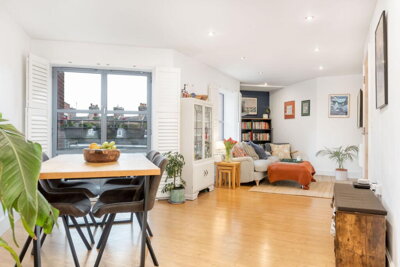
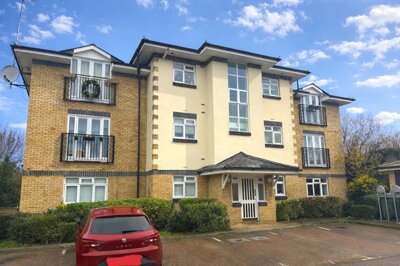
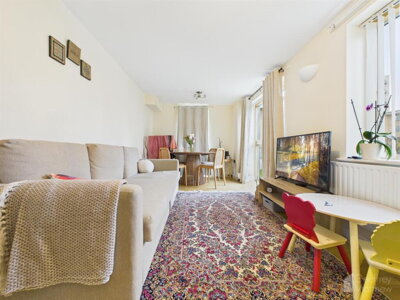
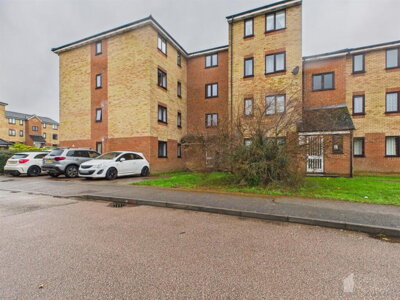
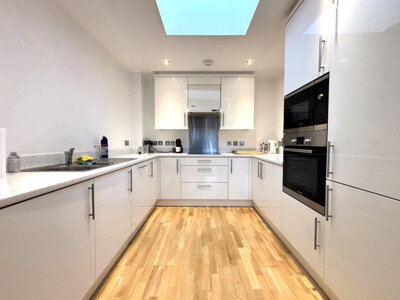
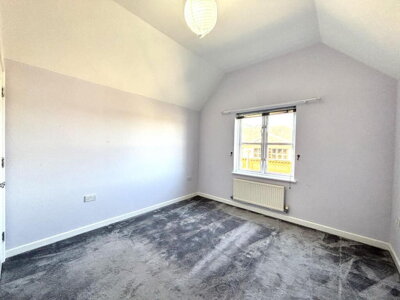
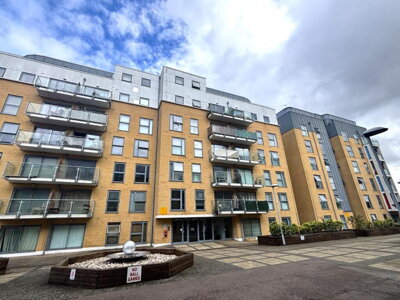
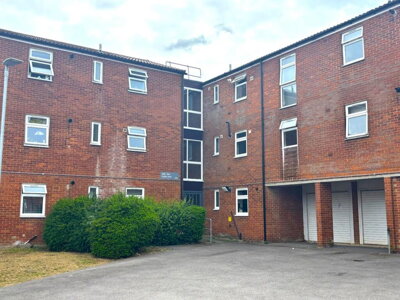
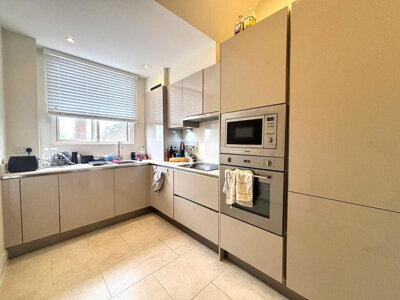
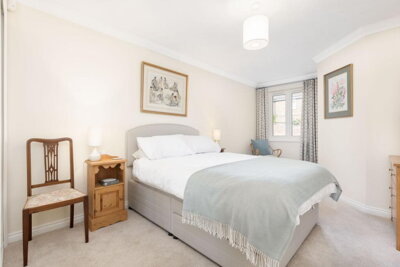
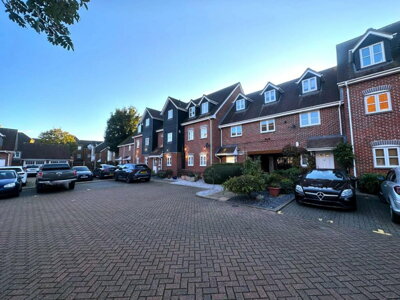
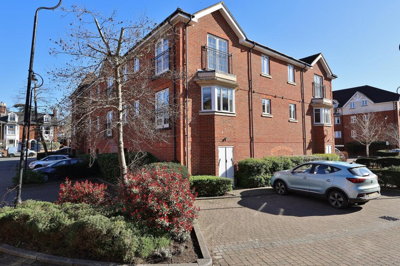
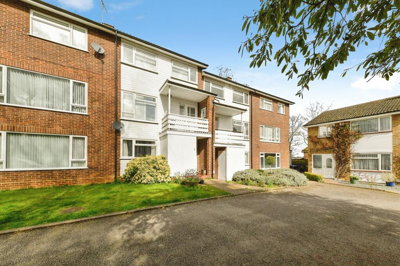
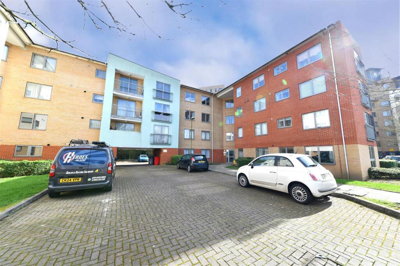
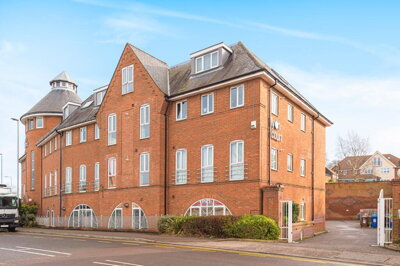
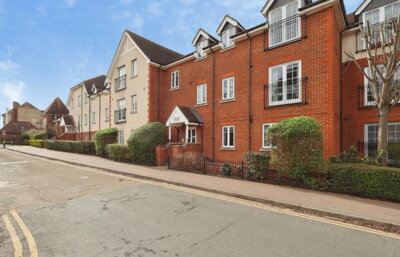
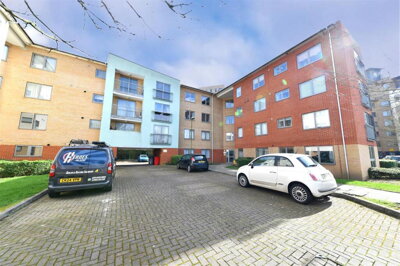
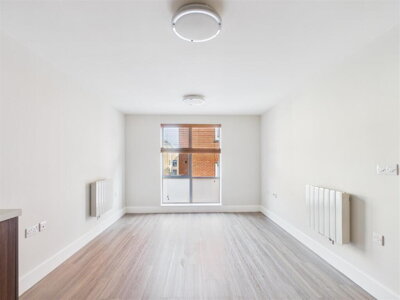
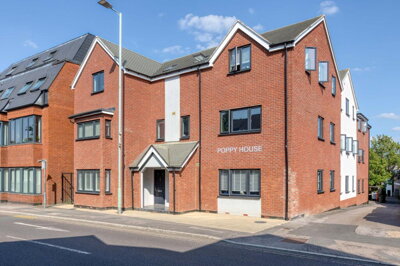
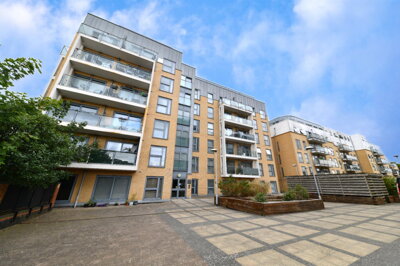
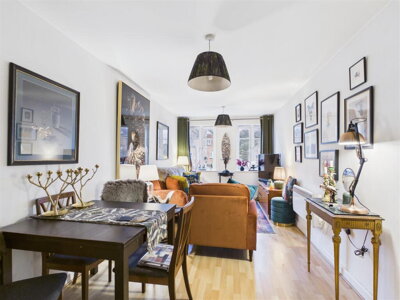
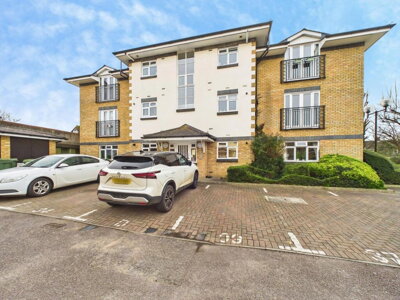
Browse 115 homes for sale in St Ippolyts from local estate agents.
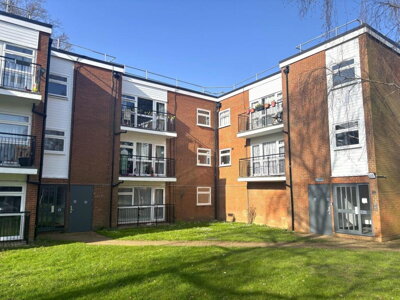
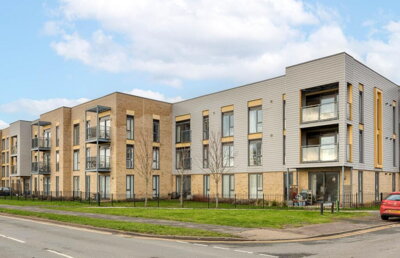
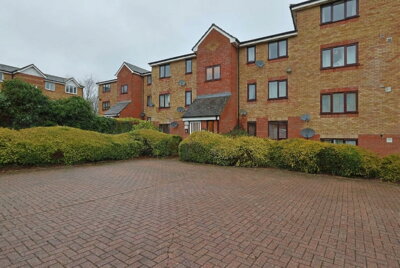
The 2 bed flat sector typically includes two separate bedrooms, dedicated living areas, and bathroom facilities. Properties in St Ippolyts span purpose-built blocks, converted period houses, and modern apartment complexes on various floors.
The St Ippolyts property market demonstrates the village's appeal as a premium residential location in North Hertfordshire. Detached properties command the highest prices, with an average of £1,044,700 according to recent Rightmove data, reflecting the desirability of spacious family homes with gardens in this semi-rural setting. Semi-detached properties average £541,667, while terraced homes offer more accessible entry points at around £358,782. This range ensures options for various budgets, from first-time buyers looking for a starter home to families seeking larger detached accommodation.
New build activity in St Ippolyts includes Farmhouse Mews, a development by Fenway Homes offering 4, 5, and 6-bedroom detached luxury homes at SG4 7NZ. This development provides modern construction with contemporary layouts, appealing to buyers who prefer move-in-ready properties over renovation projects. The broader market shows strong activity, with approximately 130 property sales recorded in the SG4 7 area over the past two years according to Plumplot data. Property values have recovered well from the 2018 peak of £920,962, and current market conditions suggest continued demand for quality homes in this commuter village location.
Zoopla reports slightly higher sold prices averaging £854,333 over the last 12 months, while the SG4 postcode area shows an average of £767,500 for completed sales. This variation reflects the mix of property types and conditions across transactions. Given that prices remain 15% below the 2018 peak of £920,962, there may be scope for further value recovery as market conditions remain favourable for sellers in this desirable North Hertfordshire location.

St Ippolyts is a village that effortlessly blends historical character with modern village life. The civil parish, which had a population of 2,076 at the 2021 census, sits on a distinctive ridge with Ippolyts Brook flowing through a valley to the west. The village centre centres around the Church of St Ippolyts, a Grade I listed building dating back to 1087, which stands on a raised area overlooking the village green. The St Ippolyts Village Conservation Area, designated in 1970 and extended in 1979 and 1990, encompasses the church, its churchyard, and the traditional village green, preserving the architectural heritage that makes this area so distinctive.
The village supports a close-knit community with local amenities including traditional pubs, village shops, and recreational spaces. The surrounding landscape consists of agricultural land and parkland, providing residents with beautiful countryside walks and rural views. The local geology includes Cretaceous chalks and Reading beds with patches of London Clay, creating the distinctive undulating terrain that shapes the village's character. Building materials in the area reflect its history, with traditional properties featuring brick, flint, timber frames, and steep red tile roofs.
The population density of approximately 213 people per square kilometre gives the village its spacious, uncrowded character while maintaining easy access to the comprehensive facilities of nearby Hitchin. Since the First World War, there have been extensive housing developments within the parish boundaries, including the Broadmeadow estate developed in the 1990s and housing association homes added in 1995 and 2000. This mix of historic and modern housing stock creates a diverse property landscape that caters to various buyer preferences and budgets.
Education provision in and around St Ippolyts serves families with children of all ages. The village has St Ippolyts School, a primary education facility built in the 19th century using traditional flint and brick construction that matches the architectural heritage of many period properties in the area. The school serves the local community and is a key consideration for families moving to St Ippolyts, with catchment areas that can significantly influence property values on particular streets. For secondary education, pupils typically attend schools in nearby Hitchin, which offers several options including grammar schools for academically selective students.
Hitchin boasts several well-regarded secondary schools that serve the St Ippolyts catchment area, with good public transport links making daily commuting feasible for older pupils. The presence of grammar schools in the Hitchin area provides opportunities for academically gifted students to access selective education without travelling to larger towns. Parents should research specific school catchments and admission criteria when considering properties, as these factors can significantly impact both property availability and values in particular streets and developments around St Ippolyts.
Beyond primary and secondary education, the area provides access to further and higher education opportunities. Hitchin and Stevenage offer sixth form colleges and further education colleges for older students pursuing vocational or academic qualifications. The proximity to these educational facilities, combined with strong rail connections to London universities, makes St Ippolyts an excellent base for families at all stages of their educational journey. Universities in London are accessible within an hour by train, opening pathways to prestigious higher education institutions for older children.
Transport connectivity is one of St Ippolyts' strongest attributes, making it particularly popular with commuters working in London or the wider South East. Hitchin railway station, just a short drive or bus ride from the village, offers fast and frequent services to King's Cross and St Pancras International stations. Journey times to London are typically under 30 minutes, placing the capital within easy daily commuting distance. Stevenage station is also nearby, providing additional route options and services to destinations including Brighton and Cambridge.
Road transport is equally convenient, with the A1(M) motorway accessible within minutes, connecting north to Peterborough and Newcastle while providing links to the M25 orbital motorway for routes across Greater London. The M1 motorway is also within easy reach, offering connections to Luton, Milton Keynes, and Birmingham. For local travel, bus services connect St Ippolyts with Hitchin town centre and surrounding villages, providing options for those who prefer not to drive.
The village benefits from adequate parking facilities, a consideration for those with cars, while cycling infrastructure in the area continues to improve with local initiatives promoting sustainable transport options. The proximity to major motorways and rail connections makes St Ippolyts particularly attractive to professionals who need to travel regularly for work while enjoying the benefits of village life. The South West Hertfordshire Functional Economic Market Area, which influences commuting patterns in this region, has strong performance in high-value service sectors including ICT and professional services.
Before viewing properties, spend time exploring St Ippolyts at different times of day and week. Visit local shops, pubs, and amenities to understand village life. Review our property listings online and familiarise yourself with current prices, property types, and the buying process. Take time to walk around the conservation area to appreciate the architectural character, and check distances to schools, transport links, and local services.
Speak to a mortgage broker or lender to obtain an agreement in principle before making offers. This demonstrates to sellers that you are a serious buyer with financing in place. Our mortgage partners can help you find competitive rates and compare options suited to your financial situation. Given average prices in St Ippolyts exceeding £785,000, most buyers will require substantial mortgages, so securing favourable rates is important for affordability.
Schedule viewings through our platform to visit properties matching your criteria. Take notes on condition, natural light, room sizes, and any potential issues. Ask about the property age, recent renovations, service charges for flats, and any planned maintenance or development nearby. Pay particular attention to the construction materials and building condition, especially for older properties featuring brick, flint, and timber frame construction.
Before completing your purchase, arrange a RICS Level 2 Survey (Homebuyers Survey) to assess the property condition. Survey costs typically start from £450 for properties in the St Ippolyts area, with prices varying based on property value and size. This investment identifies defects that may not be visible during viewings, particularly important given the mix of historic and modern properties in the village. For older properties or those of unusual construction, a RICS Level 3 Building Survey may be more appropriate.
Appoint a conveyancing solicitor to handle the legal aspects of your purchase. Your solicitor will conduct searches, review contracts, and coordinate with the seller's legal team through to completion. Compare conveyancing quotes to find competitive rates while ensuring your solicitor has experience with Hertfordshire property transactions and local authority requirements from North Hertfordshire District Council.
Once all searches are satisfactory and financing is confirmed, your solicitor will arrange the exchange of contracts and set a completion date. On completion day, the remaining funds are transferred, and you receive the keys to your new St Ippolyts home. Allow time for removal logistics and any immediate repairs or renovations you may need to undertake.
Property buyers in St Ippolyts should be aware of several area-specific considerations when assessing potential homes. The village sits on clay-rich geology, which presents a shrink-swell subsidence risk that can affect properties during periods of hot, dry weather or heavy rainfall. The British Geological Survey has warned that London and the South East are most at risk from shrink-swell subsidence due to climate change, making this a material consideration for any property purchase. Look for signs of cracking, subsidence damage, or previous underpinning work, particularly in older properties with shallow foundations.
If purchasing an older property, check whether drains, foundations, and trees have been appropriately managed to minimise ground movement risks. Trees planted too close to properties can cause subsidence as their root systems extract moisture from clay soils during dry periods. A thorough RICS Level 2 Survey can identify these concerns before you commit to purchase, and our surveyors are experienced in assessing properties across the varied housing stock in St Ippolyts.
The St Ippolyts Village Conservation Area imposes planning restrictions on external alterations, extensions, and demolition work. If you are considering changes to a listed or period property, you may need Listed Building Consent in addition to standard planning permission. Properties near the Ippolyts Brook may be susceptible to surface water flooding during heavy rainfall, so check flood risk assessments and consider the history of any flooding in the property or street. Budget for these additional requirements and ensure your renovation plans comply with conservation guidelines.
When viewing properties, examine the construction materials and building condition carefully. Traditional St Ippolyts properties feature brick, flint, and timber frame construction that requires specific maintenance knowledge. Check for damp courses in older properties, roof conditions on period buildings, and the quality of any modern replacements. For newer homes at Farmhouse Mews and other developments, review the guarantees, snagging issues, and any developer specifications. Understanding the distinction between freehold and leasehold tenure is essential, as flats in particular may carry service charges and ground rent obligations that affect your ongoing costs.
The housing stock in St Ippolyts reflects centuries of building tradition, with construction methods varying significantly depending on property age and location within the village. Historic properties in and around the conservation area feature traditional materials including red brick, flint and stone, exposed timber frames, and steep old red tile roofs. The Church of St Ippolyts, dating back to 1087, demonstrates Norman construction with later additions, while buildings like Gosmore House and The Olive Branch showcase 16th and 17th-century timber-framed construction.
Flint and brick are the dominant traditional building materials in this part of Hertfordshire, with flint historically collected from agricultural fields and used in garden walls and buildings. The St Ippolyts School, built in the 19th century, exemplifies this flint and brick construction. Tufa, a hard porous stone, has had sporadic use in medieval church walls, adding to the distinctive character of period properties. Weatherboarding appears on some traditional agricultural buildings like the barn at Brook End Farm, while cobb construction features in certain historic cottages such as The Cottage Loaf.
Understanding local construction methods is essential when assessing properties in St Ippolyts. Timber-framed properties may have frames that are exposed or cased in brick or roughcast, and the condition of hidden timbers should be investigated for signs of rot or woodworm. Flint walls, while durable, can be susceptible to cracking if foundations shift, and repairs require skilled craftsmen familiar with traditional materials. Modern properties at developments like Farmhouse Mews use contemporary construction techniques that differ substantially from historic buildings, offering different maintenance requirements and potential defect patterns.
Properties in St Ippolyts span a wide age range, from medieval structures to newly built homes, and each era brings its own characteristic defects. Older properties commonly suffer from damp issues, including rising damp due to failed or absent damp-proof courses, penetrating damp from leaks in roofs or walls, and condensation problems caused by inadequate ventilation. Our surveyors frequently identify these issues during RICS Level 2 Surveys on period properties in the village, particularly in buildings where original features like ventilation bricks have been blocked or covered.
Roof conditions on older properties often require careful inspection, with natural wear and tear leading to broken or missing tiles, sagging rooflines, and inadequate insulation. The steep red tile roofs typical of traditional St Ippolyts properties can be expensive to repair or replace, and previous patch repairs may indicate ongoing issues. Structural movement can manifest as cracks in walls or ceilings, uneven floors, and doors that fail to close properly, potentially indicating ground movement related to the clay soils in the area.
Outdated electrical and plumbing systems are common concerns in properties built before modern safety standards, posing fire risks and potential for leaks or contamination. Many historic properties lack adequate insulation, leading to heat loss and high energy bills. Woodworm and other pest infestations can affect older timber elements, requiring professional treatment. Properties in or near the conservation area may have been subject to previous repairs of varying quality, and a thorough survey will identify any shortcuts taken by previous owners.
According to Rightmove data, the average property price in St Ippolyts is currently £785,228. Detached properties average £1,044,700, semi-detached homes cost around £541,667, and terraced properties average £358,782. House prices have risen 12% over the past year, with the SG4 7 postcode showing a 7.6% annual increase. Property values remain 15% below the 2018 peak of £920,962, suggesting potential for further recovery in this desirable North Hertfordshire village location.
St Ippolyts falls under North Hertfordshire District Council, which manages local services and council tax collection for the village. Council tax bands in the area follow the standard national banding system from Band A through to Band H, based on property values at 1991 prices. Specific bands depend on the property's assessed value, and you can check individual property bands on the Valuation Office Agency website or through North Hertfordshire District Council's online services. Given the higher property values in St Ippolyts, many detached family homes fall into Bands F through H.
St Ippolyts has a primary school serving the village itself, built in the 19th century using traditional flint and brick construction that reflects the architectural heritage of the area. For secondary education, pupils typically attend schools in nearby Hitchin, which includes options for grammar school entry for academically selective students. The wider area offers good Ofsted-rated schools, and families should research specific catchment areas and admission criteria when considering properties in the village, as school places can be competitive in this desirable commuter location.
St Ippolyts benefits from excellent transport connections that make it popular with commuters. Hitchin railway station is nearby, offering fast services to King's Cross and St Pancras in under 30 minutes, placing London within easy daily commuting distance. Stevenage station is also within easy reach, providing services to additional destinations including Brighton and Cambridge. Bus routes connect the village to Hitchin town centre and surrounding areas, while for road travel, the A1(M) and M1 motorways are both accessible within minutes, making car travel to London and the North straightforward.
St Ippolyts offers several factors that make it attractive for property investment, including strong house price growth of 12% over the past year and excellent commuter links to London. The village sits within the South West Hertfordshire Functional Economic Market Area, which performs well in high-value service sectors including ICT and professional services. The combination of rural character, limited new development supply, and the conservation area designation supports ongoing demand for quality homes. Properties near the conservation area and good schools tend to hold their value well, though investors should consider transaction costs, void periods, and potential rental demand in the local market.
Stamp Duty Land Tax (SDLT) rates for standard purchases are 0% on the first £250,000, 5% on £250,001 to £925,000, 10% on £925,001 to £1.5 million, and 12% above £1.5 million. First-time buyers qualify for relief on the first £425,000 (0% rate), with 5% applying between £425,001 and £625,000. Given average prices in St Ippolyts exceed £785,000, most buyers will pay SDLT at the 5% rate on amounts above £250,000 unless they qualify for first-time buyer relief. A £500,000 property would incur £12,500 in SDLT under standard rates.
Buyers should investigate several area-specific risks before purchasing in St Ippolyts. The clay-rich geology creates a shrink-swell subsidence risk, so check for signs of ground movement, cracking, or previous underpinning work. Properties near the Ippolyts Brook may face surface water flood risk during heavy rainfall, and the local topography creates some ponding risks in steep areas. If purchasing a listed building or property within the conservation area, verify any planning restrictions or required consents for alterations, as these can limit renovation options and add costs.
We recommend a RICS Level 2 Survey for most properties in St Ippolyts, particularly given the age and variety of housing stock in the village. The average cost for a Level 2 Survey in this area starts from £450, rising for larger or higher-value properties. For older properties, those with unusual construction, or listed buildings, a more comprehensive RICS Level 3 Building Survey may be more appropriate. A professional survey will identify defects including damp, structural movement, roof issues, and outdated electrics that may not be visible during viewings, potentially saving you thousands in unexpected repair costs.
From 4.5%
Compare mortgage rates from trusted lenders for your St Ippolyts purchase
From £499
Expert solicitors handling your property purchase legal work
From £450
Professional homebuyers survey for your St Ippolyts property
From £80
Energy performance certificate for your property
Purchasing a property in St Ippolyts involves several costs beyond the purchase price that buyers should budget for carefully. Stamp Duty Land Tax (SDLT) is calculated on a tiered system, with the standard threshold being £250,000 where no tax is due. For properties priced above this, the rates increase to 5% on the portion between £250,001 and £925,000, 10% on the next band up to £1.5 million, and 12% on any amount exceeding £1.5 million. Given that the average property price in St Ippolyts exceeds £785,000, most buyers should budget for SDLT at the 5% rate.
First-time buyers may qualify for increased relief, paying no SDLT on the first £425,000 of their purchase, with 5% applying between £425,001 and £625,000. This relief is available only to buyers who have never previously owned property anywhere in the world and who are purchasing their sole residence. Properties priced above £625,000 do not qualify for first-time buyer relief, so standard SDLT rates apply. For a typical detached home in St Ippolyts priced at around £1,044,700, SDLT would amount to approximately £54,735 under standard rates.
Other purchasing costs include solicitor fees, which typically range from £500 to £1,500 for conveyancing in the Hertfordshire area, plus disbursements for local authority searches, land registry fees, and mortgage arrangement fees. A RICS Level 2 Survey will add approximately £450 to £600 depending on property value and complexity, while an EPC assessment costs from £80. Budgeting for removal costs, potential renovation works, and a contingency fund of at least 10% of the purchase price is advisable to ensure a smooth transaction without financial stress.

Properties for Sale In London

Properties for Sale In Plymouth

Properties for Sale In Liverpool

Properties for Sale In Glasgow

Properties for Sale In Sheffield

Properties for Sale In Edinburgh

Properties for Sale In Coventry

Properties for Sale In Bradford

Properties for Sale In Manchester

Properties for Sale In Birmingham

Properties for Sale In Bristol

Properties for Sale In Oxford

Properties for Sale In Leicester

Properties for Sale In Newcastle

Properties for Sale In Leeds

Properties for Sale In Southampton

Properties for Sale In Cardiff

Properties for Sale In Nottingham

Properties for Sale In Norwich

Properties for Sale In Brighton

Properties for Sale In Derby

Properties for Sale In Portsmouth

Properties for Sale In Northampton

Properties for Sale In Milton Keynes

Properties for Sale In Bournemouth

Properties for Sale In Bolton

Properties for Sale In Swansea

Properties for Sale In Swindon

Properties for Sale In Peterborough

Properties for Sale In Wolverhampton

Enter your details to see if this property is within your budget.
Loans, cards, car finance
Estimated property budget
Borrowing + deposit
You could borrow between
Typical borrowing
Monthly repayment
Est. at 4.5%
Loan-to-value
This is an estimate only. Your actual budget may vary depending on interest rates, credit history, and personal circumstances. For an accurate affordability assessment, speak to one of our free mortgage advisors.
This calculator provides estimates for illustrative purposes only and does not constitute financial advice. Your home may be repossessed if you do not keep up repayments on your mortgage. Estimates based on 4.5% interest rate, repayment mortgage. Actual rates depend on your circumstances.
Homemove is a trading name of HM Haus Group Ltd (Company No. 13873779, registered in England & Wales). Homemove Mortgages Ltd (Company No. 15947693) is an Appointed Representative of TMG Direct Limited, trading as TMG Mortgage Network, which is authorised and regulated by the Financial Conduct Authority (FRN 786245). Homemove Mortgages Ltd is entered on the FCA Register as an Appointed Representative (FRN 1022429). You can check registrations at NewRegister or by calling 0800 111 6768.

We use cookies to show you personalised content and improve your experience of our website. Find out more in our Privacy policy and Cookie policy.