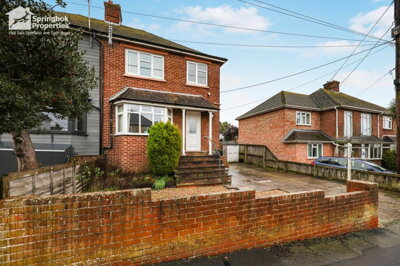
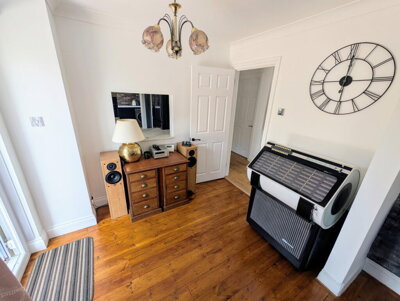
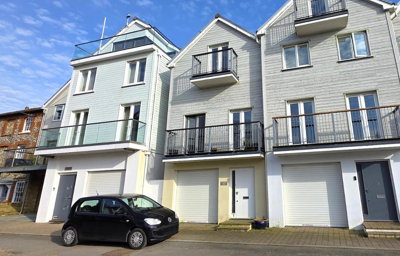
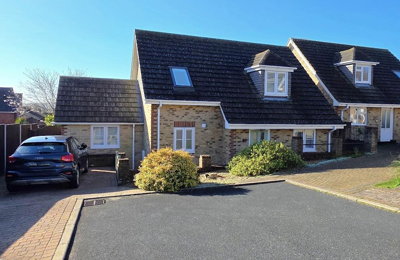
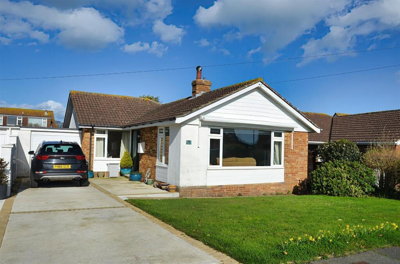
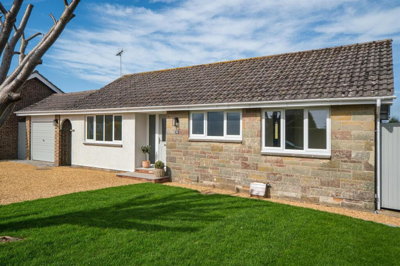
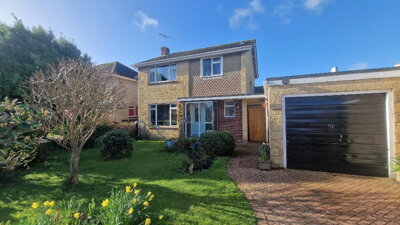
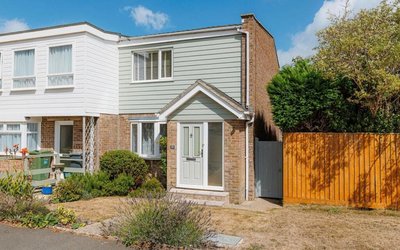
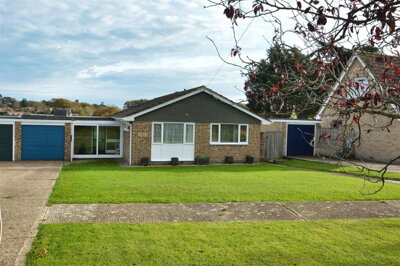
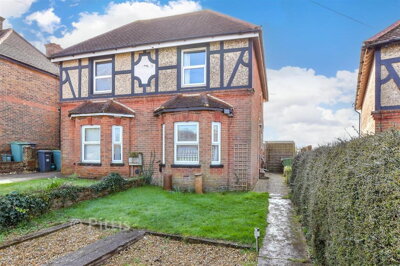
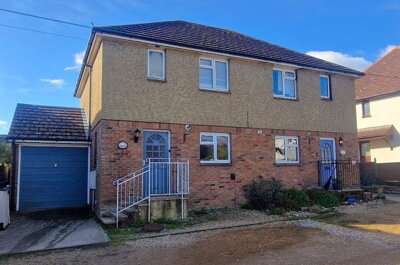
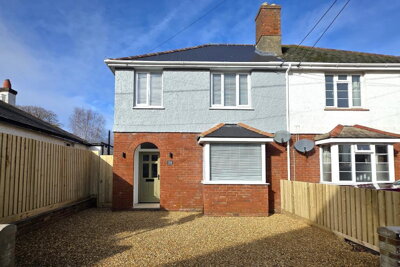
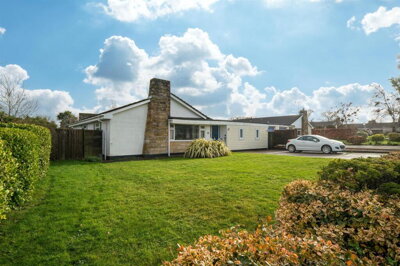
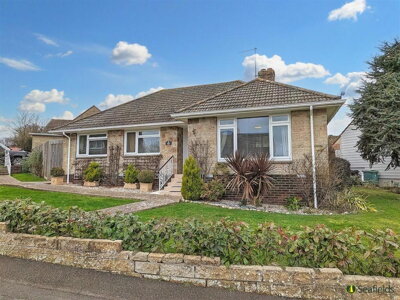
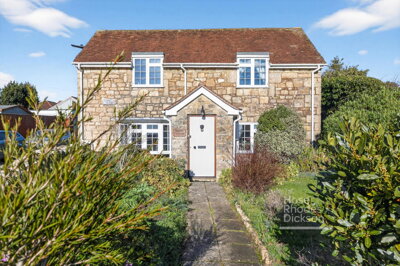
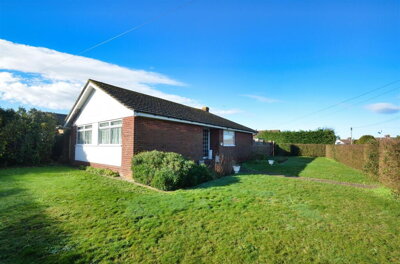
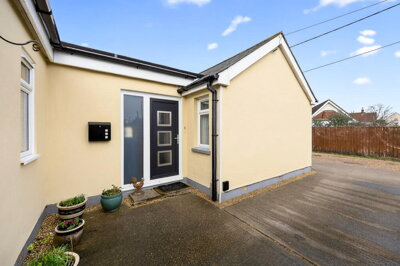
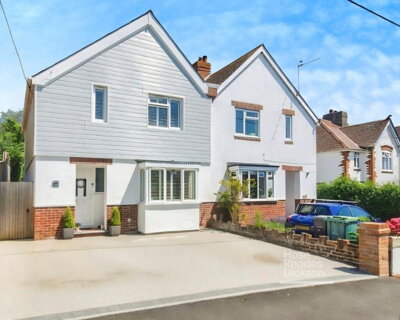
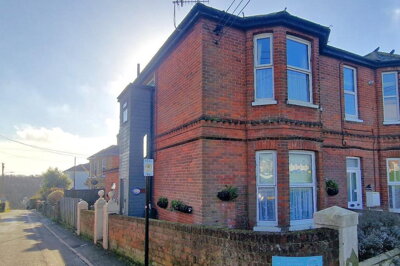
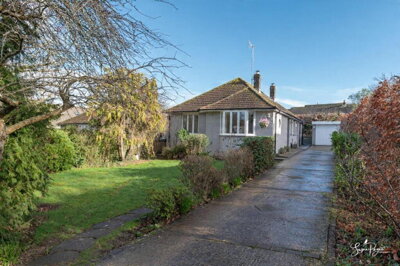
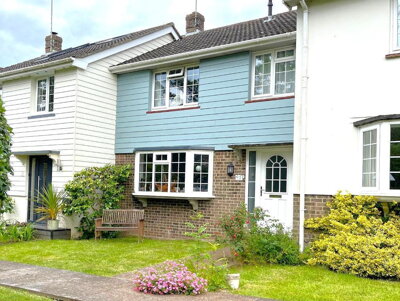
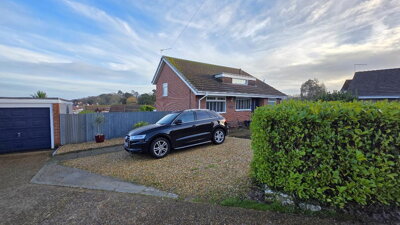
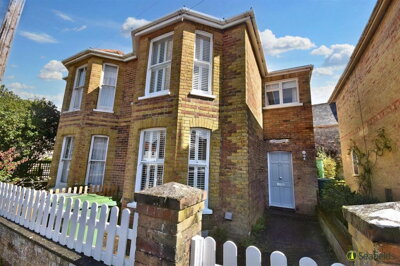
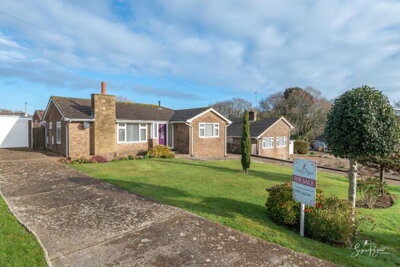
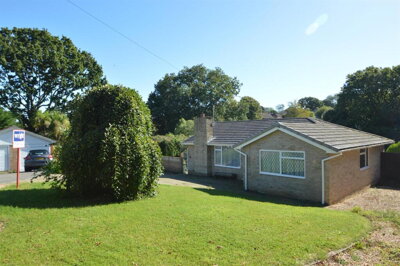
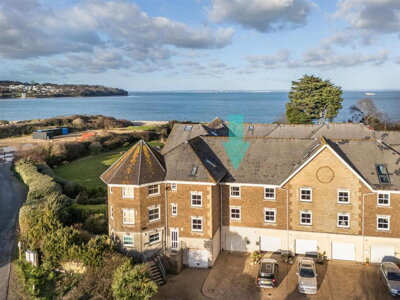
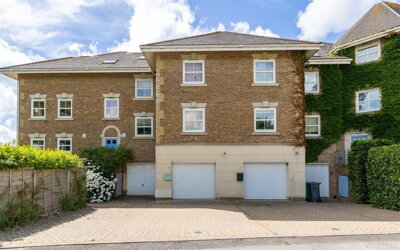
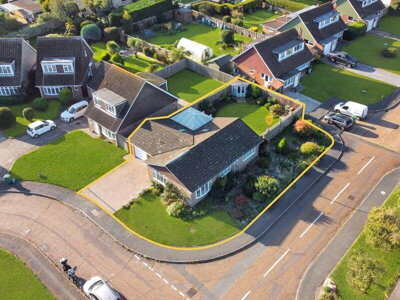
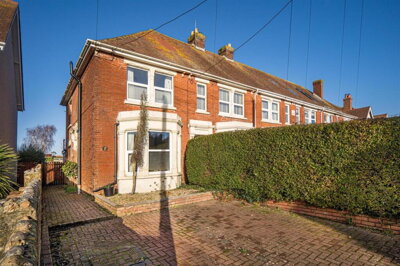
Browse 64 homes for sale in St. Helens from local estate agents.
Helens from local agents. Three bedroom properties represent a significant portion of the St. Helens housing market, offering space for families with multiple reception rooms and gardens in many cases. Browse detached, semi-detached, and terraced options ranging from period character homes to contemporary developments.
St. Helens presents a unique opportunity for buyers seeking to establish themselves on the Isle of Wight without the premium prices found in more famous island locations like Ventnor or Shanklin. The village occupies a special position at the island's north-eastern tip, where the Solent provides a sheltered maritime environment that has shaped local life for centuries. Property prices in St. Helens remain notably lower than comparable coastal villages on the mainland, such as those along the Hampshire coast or in West Sussex, allowing buyers to access genuine coastal living at price points that would simply not be achievable elsewhere in the South East region.
The village benefits from its own selection of practical amenities that support daily life without requiring lengthy journeys to larger towns. Residents have access to a convenience store for everyday shopping, several traditional public houses that serve substantial meals and provide important social focal points for community life, and a village hall that hosts regular events ranging from farmers markets to quiz nights. The presence of these amenities within walking distance of most residential areas significantly enhances the quality of daily life and reduces the car dependency that affects many rural communities.
For buyers working remotely or with flexible employment arrangements, St. Helens offers the ideal combination of serene coastal surroundings and practical connectivity. The village's position at the island's north-eastern tip places it relatively close to the ferry terminals that connect the Isle of Wight to the mainland, with Portsmouth accessible via the Fishbourne crossing in approximately 45 minutes to 2 hours depending on the service chosen. This means residents can enjoy the lifestyle benefits of island living while maintaining reasonable access to mainland business centres, airports, and rail connections.
The St. Helens property market on the Isle of Wight presents a compelling proposition for buyers seeking coastal living at accessible price points. The average sold price over the past twelve months reached £308,235, reflecting steady demand for properties in this sought-after village location. Detached properties command the highest values in the area, with an average sold price of £323,490, offering buyers generous space and often featuring pleasant garden areas that take advantage of the south-coast climate. These family homes typically provide three to four bedrooms and remain popular among buyers relocating from the mainland seeking more space for their investment.
Semi-detached properties in St. Helens achieved an average sold price of £200,137 over the past year, representing excellent value for buyers seeking a move to the coast without stretching their budget. These properties form the backbone of the local housing stock and often feature the practical layouts and private gardens that families particularly appreciate. Terraced properties averaged £216,201, slightly higher than semi-detached figures, suggesting strong demand for these often characterful homes that may benefit from period features and convenient village centre locations. Our listings include properties suitable for first-time buyers, growing families, and those looking to downsize to a quieter coastal lifestyle.
The local market has shown notable activity, with Rightmove data indicating that sold prices in St. Helens over the past year were 14% up on the previous year and 26% up on the 2023 peak of £174,104, demonstrating sustained growth in property values. However, prospective buyers should note that asking prices currently average £386,611, which may reflect properties coming to market at premium valuations reflecting continued strong interest in the area. No active new-build developments were identified specifically within the PO33 postcode area, meaning buyers seeking modern specifications may need to consider properties with recent renovations or conversions.

St. Helens village offers a quality of life that many buyers find increasingly difficult to achieve on the mainland. The village sits on relatively elevated ground at the north-eastern tip of the Isle of Wight, commanding impressive views across the Solent to the Hampshire coastline beyond. This strategic position not only provides residents with stunning vistas but also offers practical benefits in terms of accessibility, with the village maintaining good connections to the rest of the island while feeling distinctly separate from the busier town centres. The village has evolved over centuries from a small fishing and agricultural community into a residential destination that attracts those seeking a quieter pace of life without sacrificing essential amenities.
The local economy of the Isle of Wight broadly relies on tourism, agriculture, and light industry, with St. Helens serving as a residential base for workers across these sectors as well as those commuting to the larger towns of Newport and Ryde. The village centre contains a selection of practical amenities including a convenience store, traditional public houses serving food, and a village hall that hosts regular community events and activities. The surrounding countryside offers excellent walking opportunities, with footpaths traversing farmland and coastal paths providing access to secluded beaches and dramatic cliff formations that characterise this stretch of the Solent coastline.
The proximity to the coast significantly shapes daily life in St. Helens, with residents enjoying access to beaches, sailing facilities, and fishing opportunities that contribute to an active outdoor lifestyle. The climate benefits from the warming influence of the Gulf Stream, generally experiencing milder temperatures than mainland locations at similar latitudes, though coastal exposure means weather conditions can change rapidly. Community spirit remains strong in the village, with events throughout the year bringing residents together and fostering the kind of neighbourly connections that increasingly attract buyers seeking escape from anonymous urban environments. The cricket ground, overlooked by the historic golf course, serves as both a sporting venue and social hub that has hosted notable matches over the years.
Families considering a move to St. Helens will find a reasonable selection of educational options available within reasonable travelling distance across the Isle of Wight. Within the local area, primary education is served by several village schools that provide solid foundations for young children, with St. Helens Primary School serving the immediate community and offering the convenience of education within walking distance for village residents. These smaller schools often benefit from close teacher-pupil relationships and strong community connections that parents frequently cite as advantages over larger urban alternatives. The island hosts several primary schools that have achieved good Ofsted ratings, providing reassurance for families prioritising educational quality.
Secondary education options include the Isle of Wight Free School, which offers a selective grammar stream alongside comprehensive provision, as well as other secondary schools located in Newport and Ryde that serve as natural destinations for St. Helens families. The island's education system means that secondary school attendance often involves school transport arrangements, though many families consider the journey times a worthwhile trade-off for access to the island's lifestyle benefits. For sixth form and further education, the Isle of Wight College in Newport provides a comprehensive range of A-level and vocational courses, offering pathways into higher education or direct employment for older students remaining on the island.
Independent schooling options on the Isle of Wight include schools such as The Isle of Wight Grammar School and other independent establishments that some families choose for specialised educational provision. Parents should research catchment areas and admissions criteria carefully, as these can significantly affect which schools children can realistically access from St. Helens. For families considering the area, arranging school visits and speaking directly with admissions teams can provide valuable insight into actual availability and the realistic options for children of different ages and academic abilities.
Transport connectivity represents one of the most important considerations for anyone buying property on the Isle of Wight, and St. Helens is reasonably well-positioned for access to ferry services that link the island to the mainland. The village sits relatively close to several ferry terminals including Fishbourne, which provides car ferry services to Portsmouth, and the catamaran terminal at Ryde Pier Head offering faster passenger services. These connections allow residents to access mainland destinations including London, Southampton, and Portsmouth with reasonable journey times, though the ferry crossing itself introduces additional time compared to purely land-based commuting.
For residents working on the island, St. Helens benefits from road connections that provide access to Newport, the island's county town, as well as the major tourist centres of Ryde and Sandown. The island's bus network serves St. Helens with regular services connecting the village to these key destinations, providing an alternative to car travel for those seeking to reduce their environmental impact or avoid parking costs. Cyclists can enjoy the relatively flat terrain around the village and coastal paths, though the island's hilly interior presents more challenging routes for those cycling to destinations further away.
For buyers considering St. Helens as a base for mainland commuting, practical experience suggests that successful working-from-home arrangements or flexible employment arrangements are generally necessary given the ferry crossing times and associated costs. The ferry crossing to Portsmouth takes approximately 45 minutes to 2 hours depending on the service chosen, with subsequent rail connections to London taking around 90 minutes from Portsmouth Harbour station. Many residents find that the quality of life benefits of island living more than compensate for these transport considerations, particularly those who have flexibility in their working arrangements or have secured island-based employment.
Before viewing properties in St. Helens, arrange a mortgage agreement in principle with a lender to understand your budget and demonstrate your seriousness to estate agents when making offers. Contact our mortgage partners who can compare rates and help you find suitable financing for your island purchase. Having your finances confirmed before property hunting saves time and puts you in a stronger position when you find the right property and need to move quickly.
Spend time exploring St. Helens at different times of day and week to understand the community, check local amenities, and assess practical factors like parking availability and seasonal tourism levels. Walking the village, visiting local pubs, and speaking with residents will give you invaluable insight that online research cannot provide. Understanding the local community before committing to a purchase helps ensure the area suits your lifestyle expectations.
Once you have identified properties matching your criteria, arrange viewings through Homemove to access our comprehensive listings from local estate agents. View multiple properties to compare the local market offering, and consider factors like orientation, garden aspect, and proximity to the coast when evaluating each home. Taking notes during viewings helps you compare properties objectively and recall details accurately when making decisions.
Before proceeding with a purchase, commission a RICS Level 2 survey to assess the property condition and identify any issues requiring attention or negotiation with the seller. This is particularly important for older properties in the village where maintenance may have been deferred or period features may require specialist care. Our surveyors understand the common issues affecting properties in coastal locations and can provide detailed assessments of condition.
Choose a conveyancing solicitor with experience handling island property transactions to handle the legal process efficiently. Your solicitor will manage searches, contracts, and the Land Registry transfer process while keeping you informed of progress throughout the transaction. Island transactions sometimes involve additional considerations around tenure and access that an experienced solicitor will navigate effectively.
Once all searches are satisfactory and contracts are signed, your solicitor will arrange the exchange of contracts and set a completion date that allows time for your move. On completion day, the remaining balance is transferred and you receive the keys to your new St. Helens home. Planning your move around ferry timetables and booking removal firms experienced with island relocations helps ensure a smooth transition to your new property.
Properties in St. Helens, Isle of Wight, span various ages and construction types, with many homes dating from the Victorian and Edwardian periods when the village expanded as a residential destination. Traditional construction in the area typically includes solid brick walls and traditional roof coverings, though specific building materials vary between properties. When viewing homes, pay attention to signs of damp, particularly in period properties, as coastal locations can accelerate moisture penetration if maintenance has been neglected. Roof condition is worth careful inspection, as replacement costs can be significant and roofs on older properties may have been patched rather than fully renewed over the years.
Given St. Helens coastal position, prospective buyers should investigate flood risk considerations carefully. While the village sits at elevation, certain properties particularly those near the shoreline or in lower-lying areas may be susceptible to surface water flooding during periods of heavy rainfall or exceptional tidal conditions. Reviewing the government's flood risk mapping and discussing this with local estate agents provides valuable context. Similarly, the proximity to the sea means that salt air exposure can accelerate corrosion on external metalwork and affect the condition of rendered finishes, so inspection of window frames, doors, and any exposed metal fixtures is advisable.
Property tenure varies within the village, with most houses likely to be freehold, though buyers should verify tenure details for any specific property under consideration. Flats or retirement properties in the area may operate on leasehold terms, in which case understanding the length of remaining lease, ground rent arrangements, and any service charge implications becomes essential for assessing ongoing costs. Conservation area status may apply to parts of St. Helens, potentially affecting permitted development rights and requiring planning permission for certain alterations. Your solicitor should investigate these matters through the local authority searches during the conveyancing process.

The average sold house price in St. Helens, Isle of Wight, over the past twelve months was £308,235 according to available data, while the average asking price for properties currently listed is approximately £386,611. Detached properties average £323,490, semi-detached homes £200,137, and terraced properties around £216,201. These prices reflect the village's coastal character and relative affordability compared to mainland south-coast equivalents, with the market showing strong activity from buyers seeking to capitalise on the value differential between island and mainland prices.
Properties in St. Helens, Isle of Wight, fall under Isle of Wight Council jurisdiction. Council tax bands range from A to H based on property valuation, with most residential properties in the village falling within bands A through D. Exact band allocation depends on the specific property value as assessed by the Valuation Office Agency, and you can check individual properties using the government council tax band lookup tool before making an offer.
St. Helens Primary School serves the immediate village community, providing local primary education within walking distance for many families. Secondary options include the Isle of Wight Free School and other island secondary schools accessible by school transport, with many families factoring school transport routes and journey times into their property search. For sixth form education, The Isle of Wight College in Newport offers a comprehensive range of A-level and vocational courses. Parents should research specific Ofsted ratings and catchment areas relevant to their intended property location.
St. Helens is served by island bus routes connecting the village to Newport, Ryde, and other destinations across the Isle of Wight. Ferry services from nearby terminals including Fishbourne and Ryde Pier Head provide access to Portsmouth on the mainland, with crossing times of 45 minutes to 2 hours depending on the service selected. The village's position at the north-eastern tip of the island means ferry terminals are within reasonable driving distance, though transport links to the rest of the island and mainland do require crossing by boat.
St. Helens and the wider Isle of Wight property market has shown growth, with Rightmove data indicating sold prices over the past year were 14% up on the previous year and 26% up on the 2023 peak of £174,104. The island's limited housing supply, combined with consistent demand from buyers seeking coastal lifestyle options, supports long-term property values. Tourism activity in the area also creates potential for buy-to-let opportunities, though investors should consider seasonal demand variations and associated management requirements.
Stamp Duty Land Tax rates from April 2024 apply as follows: 0% on the first £250,000 of property value, 5% on the portion from £250,001 to £925,000, 10% on the portion from £925,001 to £1,500,000, and 12% on any amount above £1,500,000. First-time buyers may qualify for relief on the first £425,000 of a property valued up to £625,000, though this relief cannot be claimed alongside the standard nil-rate threshold. Your solicitor will calculate the exact SDLT due based on your circumstances and purchase price.
Given St. Helens coastal position on the Isle of Wight, certain properties particularly those near the shoreline may be exposed to coastal and surface water flood risks. The government provides flood risk mapping tools that prospective buyers should consult when evaluating specific properties. Properties in elevated positions within the village generally face lower risk, though all buyers should consider flood risk as part of their due diligence and factor potential insurance implications into their budget.
St. Helens village contains a good selection of period properties dating primarily from the Victorian and Edwardian eras when the village expanded as a residential destination. Many properties feature traditional construction methods including solid brick walls and traditional roof coverings that characterise period homes across the Isle of Wight. When purchasing older properties in the village, buyers should budget for potential maintenance costs associated with period features and consider commissioning a thorough survey to assess condition before completing a purchase.
Living in St. Helens year-round offers a quality of life characterised by strong community connections and access to beautiful coastal scenery. The village maintains its atmosphere through all seasons, with winter months bringing a quieter pace of life that many residents appreciate after experiencing the summer tourism activity. The climate benefits from the Gulf Stream influence, generally remaining milder than mainland locations at similar latitudes, though coastal weather can change rapidly and residents should be prepared for varied conditions throughout the year.
From 4.5%
Compare mortgage deals from leading lenders to find the right financing for your island purchase
From £499
Expert conveyancing solicitors to handle your legal transaction efficiently
From £350
Detailed condition report from qualified surveyors who understand local properties
From £60
Energy performance certificate for your St. Helens property
Understanding the full costs of purchasing property in St. Helens, Isle of Wight, helps buyers budget accurately and avoid financial surprises during the transaction process. The primary government tax is Stamp Duty Land Tax, which applies to all freehold and leasehold property purchases in England. For a typical property in St. Helens priced around the average asking price of £386,611, a standard buyer would pay 0% on the first £250,000 and 5% on the remaining £136,611, totalling approximately £6,830 in SDLT. First-time buyers may benefit from increased thresholds that could reduce this figure significantly depending on their circumstances and whether the property qualifies for first-time buyer relief.
Beyond stamp duty, buyers should budget for solicitor conveyancing costs which typically start from around £499 for standard transactions but may be higher for leasehold properties or those involving additional complexity. Local search fees with Isle of Wight Council usually amount to a few hundred pounds, while electronic land registry and bankruptcy searches add further modest costs. A mortgage arrangement fee may apply depending on the lender and product chosen, often ranging from £500 to £1,500 and sometimes added to the loan amount rather than paid upfront. Factor in surveyor fees of approximately £350 to £600 for a RICS Level 2 survey, which provides valuable inspection of the property condition.
Moving costs for relocations to the Isle of Wight include ferry charges for transporting vehicles and belongings to the island, which can add significantly to costs compared to mainland moves. Removal firms experienced with island relocations understand the logistics involved and can provide quotes that account for ferry crossing requirements. Buildings insurance must be in place from the point of completion, while contents cover is advisable from the moving date onwards. Setting aside a contingency fund equivalent to around 10-15% of the purchase price allows for unexpected costs that frequently arise during property purchases, whether identified through survey findings or arising during the legal process.
Properties for Sale In London

Properties for Sale In Plymouth

Properties for Sale In Liverpool

Properties for Sale In Glasgow

Properties for Sale In Sheffield

Properties for Sale In Edinburgh

Properties for Sale In Coventry

Properties for Sale In Bradford

Properties for Sale In Manchester

Properties for Sale In Birmingham

Properties for Sale In Bristol

Properties for Sale In Oxford

Properties for Sale In Leicester

Properties for Sale In Newcastle

Properties for Sale In Leeds

Properties for Sale In Southampton

Properties for Sale In Cardiff

Properties for Sale In Nottingham

Properties for Sale In Norwich

Properties for Sale In Brighton

Properties for Sale In Derby

Properties for Sale In Portsmouth

Properties for Sale In Northampton

Properties for Sale In Milton Keynes

Properties for Sale In Bournemouth

Properties for Sale In Bolton

Properties for Sale In Swansea

Properties for Sale In Swindon

Properties for Sale In Peterborough

Properties for Sale In Wolverhampton

Enter your details to see if this property is within your budget.
Loans, cards, car finance
Estimated property budget
Borrowing + deposit
You could borrow between
Typical borrowing
Monthly repayment
Est. at 4.5%
Loan-to-value
This is an estimate only. Your actual budget may vary depending on interest rates, credit history, and personal circumstances. For an accurate affordability assessment, speak to one of our free mortgage advisors.
This calculator provides estimates for illustrative purposes only and does not constitute financial advice. Your home may be repossessed if you do not keep up repayments on your mortgage. Estimates based on 4.5% interest rate, repayment mortgage. Actual rates depend on your circumstances.
Homemove is a trading name of HM Haus Group Ltd (Company No. 13873779, registered in England & Wales). Homemove Mortgages Ltd (Company No. 15947693) is an Appointed Representative of TMG Direct Limited, trading as TMG Mortgage Network, which is authorised and regulated by the Financial Conduct Authority (FRN 786245). Homemove Mortgages Ltd is entered on the FCA Register as an Appointed Representative (FRN 1022429). You can check registrations at NewRegister or by calling 0800 111 6768.

We use cookies to show you personalised content and improve your experience of our website. Find out more in our Privacy policy and Cookie policy.