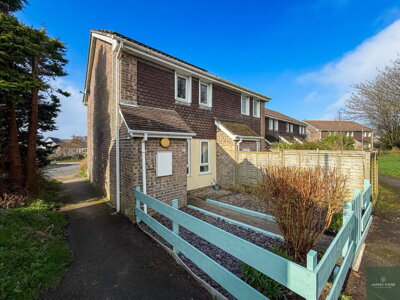
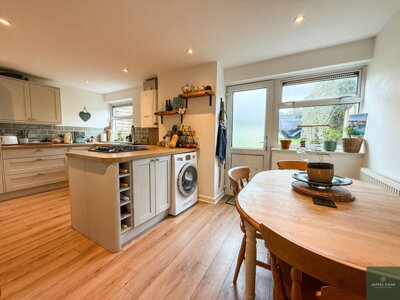
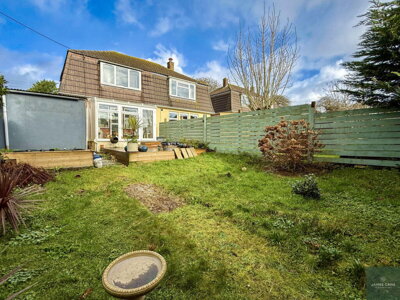
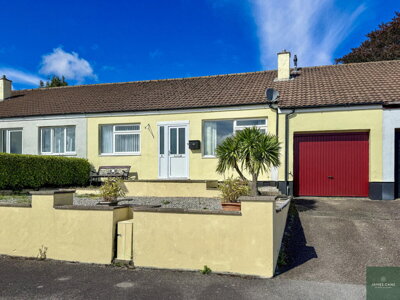
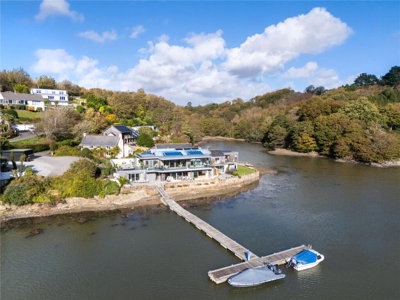
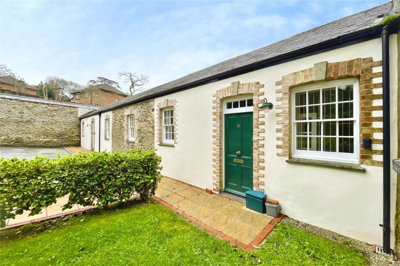
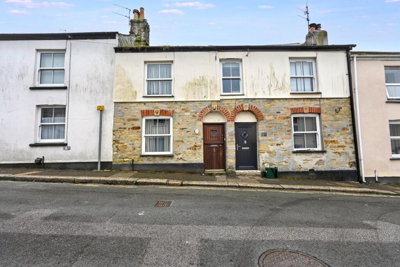
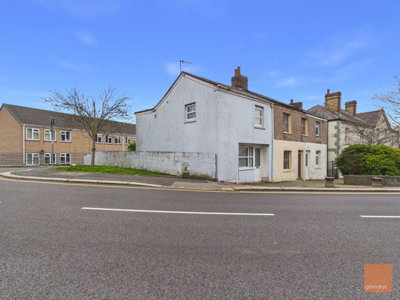
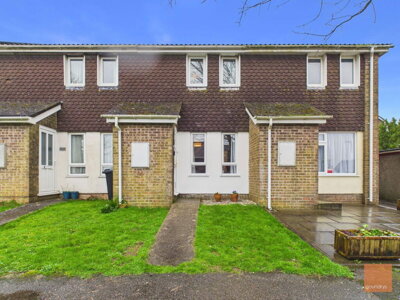
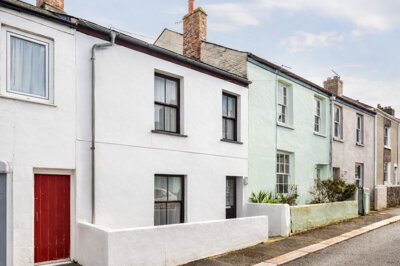
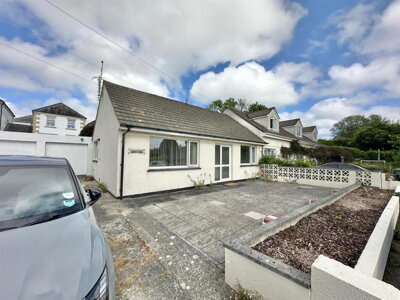
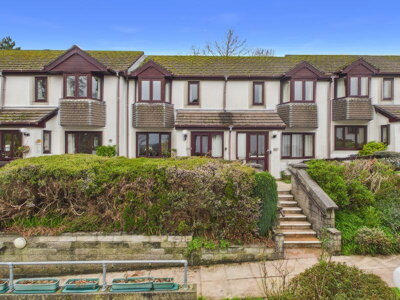
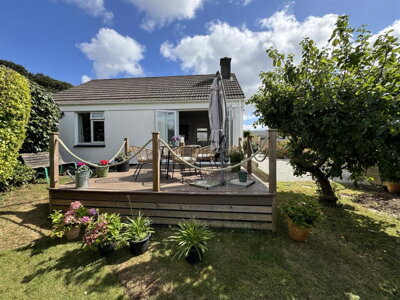
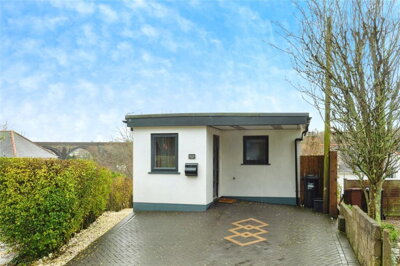
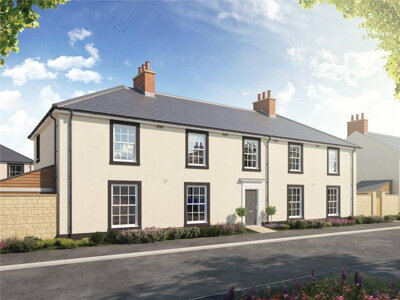
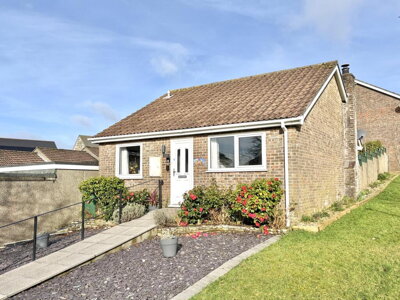
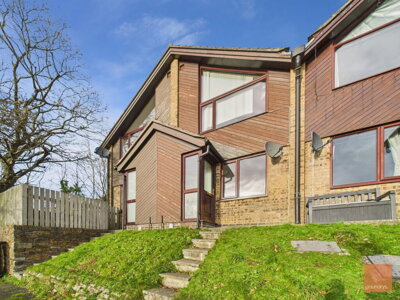
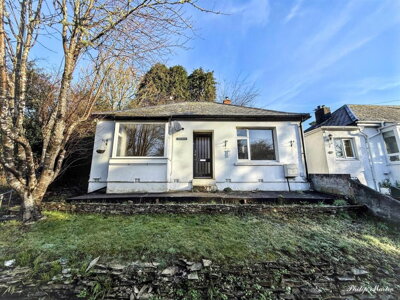
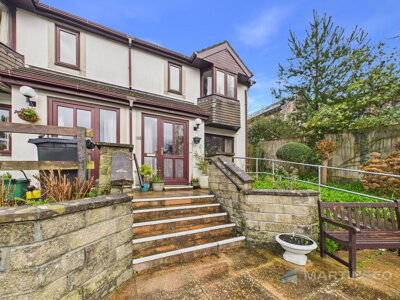
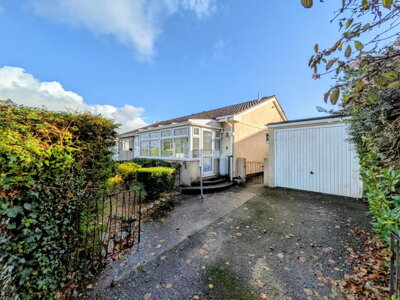
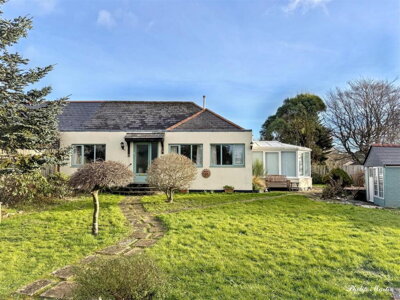
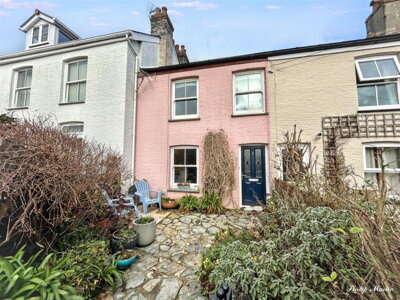
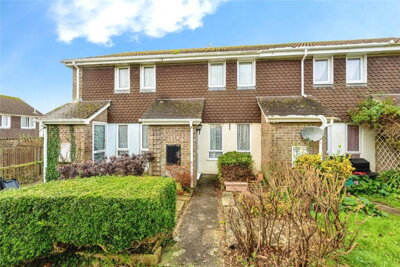
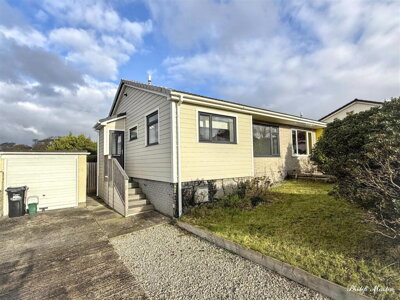
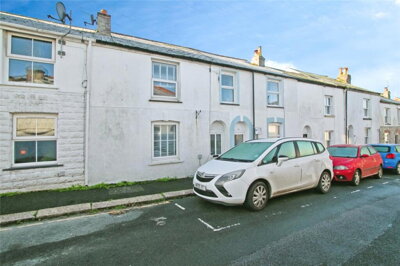
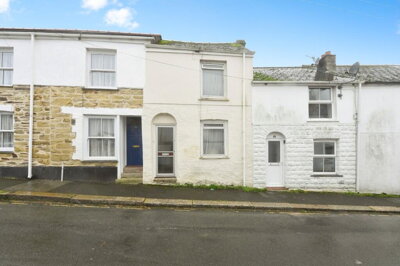
Browse 75 homes for sale in St. Clement from local estate agents.
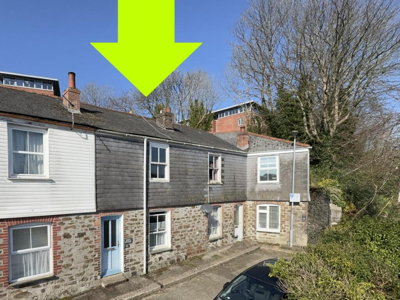
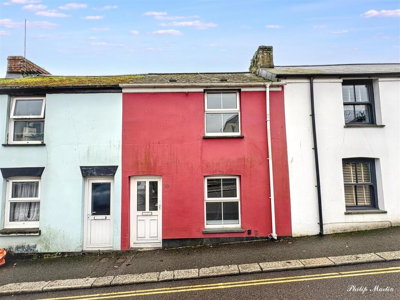
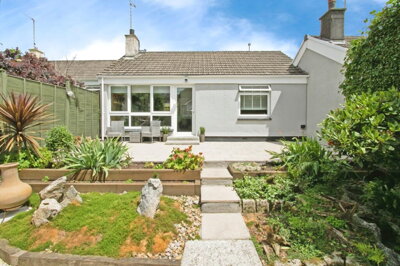
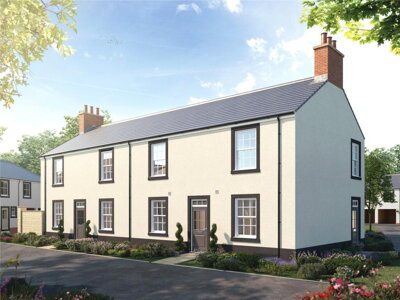
Clement. The 2 bed house market features detached, semi-detached, and terraced properties with two separate bedrooms plus living spaces. Properties in St. Clement range from Victorian and Edwardian period homes to modern new builds, with pricing varying across different neighbourhoods.
The St. Clement property market reflects the broader trends affecting Cornwall, where the average house price stood at £277,000 in December 2025, representing a 2.5% decline from the previous year. Within the TR1 postcode area specifically, our data shows an overall average of £385,000 for properties sold in the last twelve months. The TR1 1SX postcode, which covers part of the St. Clement area, demonstrates a particularly wide range of values, with prices spanning from £183,114 for a 2-bedroom leasehold flat to £760,363 for a 5-bedroom freehold house with a garden. The average value per square foot in this postcode sits at £311, providing a useful benchmark for assessing property value in the area.
Property types across the region include detached houses averaging £422,000 in Cornwall, semi-detached properties at £280,000, terraced homes at £230,000, and flats and maisonettes at £147,000. St. Clement itself features a significant proportion of older, period properties, with the TR1 1SX postcode dominated by houses built between 1800 and 1911. This heritage housing stock adds character to the area but also means buyers should budget for the potential maintenance requirements that come with older properties. Across Cornwall, detached properties account for 35.9% of sales, terraced properties 30.2%, semi-detached 22.2%, and flats 11.7%.
The local market has experienced some cooling in recent months, with the TR1 1SX postcode seeing a 6.4% decrease in prices since February 2025. However, the long-term picture remains positive, with the local market increasing by 29.6% over the past decade. For buyers who are financially prepared, this current period may offer opportunities to negotiate on properties that have been on the market for some time. The Cornwall market as a whole saw transaction volumes fall by 14.1% over the past year, with 7,000 property sales recorded, indicating reduced competition among buyers for the available stock.

St. Clement is a village and civil parish that sits in a picturesque setting southeast of Truro, Cornwall's principal city and administrative centre. The village maintains a strong sense of community while offering access to the amenities and employment opportunities that Truro provides. Residents of St. Clement enjoy the best of both worlds: the peace and character of a rural parish combined with the convenience of proximity to a thriving city. The local landscape features the rolling hills and countryside that Cornwall is renowned for, with walking routes and rural lanes that appeal to those who appreciate outdoor pursuits and natural beauty.
The village centre includes a historic church dedicated to St. Clement, a village hall that hosts regular community events, and a traditional public house that serves as a gathering place for locals. These amenities contribute to the village's strong community spirit and provide opportunities for social interaction without requiring a journey into Truro. The local economy is primarily residential, with many residents commuting to work in Truro or running home-based businesses from their properties.
Truro, situated just a few miles northwest of St. Clement, serves as the main hub for employment, shopping, and services for village residents. The city offers comprehensive retail facilities including both national chains and independent shops, a selection of restaurants and cafes, a cinema, theatre, and primary healthcare services including Truro's Royal Cornwall Hospital. The journey from St. Clement to Truro city centre takes approximately 10-15 minutes by car, making regular access to these urban amenities entirely practical for daily life. The TR1 postcode area that encompasses St. Clement is well-established residential territory with a mix of housing ages and styles reflecting its historical development over the past two centuries or more.
Families considering a move to St. Clement will find educational provision within reasonable reach, though options within the village itself may be limited given its small scale. Primary school-aged children in the village and surrounding area typically attend schools in nearby settlements, with the nearest primary schools located in Truro or surrounding villages such as Probus, Grampount, or St. Erme. Parents are advised to research specific school catchments and admission arrangements, as these can significantly impact the attractiveness of particular properties for families with school-age children. Primary schools in the surrounding area include St. Mary's Catholic Primary School in Truro and the Truro Primary School cluster serving different catchment zones across the city.
For secondary education, pupils typically travel to schools in Truro, which offers a range of options including Truro High School for Girls, Truro School (an independent option), and various comprehensive schools serving different catchment areas. The quality of local schools is a significant factor for families moving to any area, and St. Clement's proximity to Truro's educational institutions provides access to a broader range of secondary options than a more isolated location would offer.
Sixth form provision and further education colleges are available in Truro, with Truro College offering a wide range of A-level and vocational courses. This ensures that older students have clear pathways to continue their education without necessarily needing to travel further afield. We recommend checking current Ofsted ratings and admission policies when planning a family move to the area, as school performance can vary and catchment boundaries may change. Parents should also consider transport arrangements, as school bus services may be available from St. Clement to schools in Truro.
Transport connectivity from St. Clement is centred on access to Truro, which serves as the main transport hub for central Cornwall. The village's position southeast of Truro means residents typically travel by car to reach major rail connections and bus services, with the journey to Truro city centre taking approximately 10-15 minutes by road depending on exact location and traffic conditions. The A39 trunk road provides primary access to Truro and onwards to the rest of Cornwall, connecting St. Clement to the wider regional road network. Minor country roads connect St. Clement to surrounding villages including Grampound and Probus.
Truro railway station provides direct connections to major cities including London Paddington, with journey times to the capital typically around 4-5 hours depending on service. Regional connections to Plymouth, Exeter, Bristol, and other destinations in the South West are also available by rail. The station is a key asset for residents who commute to London or other major cities for work, with several direct services departing daily.
Bus services operated by various providers connect Truro to surrounding towns and villages, though service frequency in rural areas like St. Clement may be limited compared to urban routes. The main bus routes through the area connect Truro with St. Austell, Falmouth, and other coastal towns. For commuters working in Truro, the journey from St. Clement is manageable by car or potentially by bicycle for the more energetic, making the village a viable option for those who work in the city but prefer to live in a quieter setting.
Cornwall Airport Newquay, located approximately 30 miles away near Newquay town, offers flights to various UK destinations including London Gatwick, Manchester, and regional airports, as well as some European routes during the summer season. For residents who travel frequently by air, this provides an alternative to longer journeys to Exeter or Bristol airports.
Before you begin property viewings, spend time exploring St. Clement and understanding what each neighbourhood offers. Visit local shops, cafes, and amenities to get a feel for daily life. Obtain a mortgage agreement in principle from a lender to understand your borrowing capacity, factoring in the average property price of £385,000 in the TR1 postcode area. Consider registering with local estate agents who can alert you to new listings before they appear on major property portals.
Use Homemove to browse all available properties in St. Clement. Once you have identified homes that match your criteria, arrange viewings through the estate agents listed on our platform. For period properties in the area, consider what maintenance or renovation may be needed given the age of much of the housing stock built between 1800 and 1911. Ask the selling agent about the property's history, any previous renovations, and outstanding maintenance issues.
When you find a property you wish to purchase, submit an offer through the selling estate agent. In the current market where Cornwall has seen a 4% decline in average prices over the past year, there may be room for negotiation on properties that have been listed for some time. Ensure your offer is conditional on satisfactory survey and mortgage offers before proceeding.
Given the prevalence of older properties in St. Clement, we strongly recommend arranging a Level 2 Homebuyer Report survey before proceeding. This will identify any structural issues, damp, roof condition, or other defects common in period properties built between 1800 and 1911. Our inspectors are experienced in assessing Cornish period properties and understand the common issues that affect properties in this area.
Appoint a conveyancing solicitor to handle the legal aspects of your purchase. They will conduct searches, raise enquiries with the seller's solicitor, and manage the exchange of contracts. The process typically takes 8-12 weeks for a standard transaction, though leasehold properties or those with complex titles may take longer.
Once all conditions are satisfied, you will exchange contracts and pay a deposit, typically 10% of the purchase price. On the completion date, the remaining funds are transferred and you receive the keys to your new home in St. Clement. At this point, you should arrange buildings insurance from the date of exchange.
Properties in St. Clement span a wide range of ages and styles, with a significant proportion built during the Georgian, Victorian, and Edwardian eras. When viewing period properties in the area, pay particular attention to the condition of the roof, as older properties may require re-roofing or repair. Traditional Cornish roofs often feature natural slate, which can be susceptible to frost damage in harsh winters. Check for slipped or missing tiles, moss growth, and the condition of fascias and soffits.
Check for signs of damp, which can be a common issue in period buildings without modern damp-proof courses. Rising damp is particularly common in properties built before the 1920s, where original floor timbers and skirtings may show evidence of moisture penetration. The external walls should be examined for cracking or movement that might indicate subsidence, while the condition of windows and timber frames warrants careful inspection given the age of much of the housing stock. Windows in older properties may be single-glazed and in need of replacement, which represents a significant additional cost.
Electrical and plumbing systems in older properties may require updating to meet current standards. Rewiring a property can cost several thousand pounds and requires opening up walls and ceilings, so this should be factored into your budget. For leasehold properties, which may include some flats in the area, examine the terms of the lease carefully, including ground rent arrangements, service charges, and any upcoming major works that may require special contributions. Freehold properties are likely to predominate for houses in this village setting, but always verify the tenure before proceeding.
The TR1 postcode area has seen a 6.4% decrease in prices since February 2025, which may present opportunities for buyers who are prepared to negotiate on properties that have been on the market for some time. Always request documentation on any recent renovation or building work, including building regulation approvals and planning permissions where relevant. Ensure buildings insurance arrangements are in place from the point of exchange of contracts.
The average sold price for properties in the TR1 postcode area, which encompasses St. Clement, stands at £385,000 based on sales in the last twelve months. Property prices in the area range significantly depending on type and size, with 2-bedroom flats starting from around £183,114 and 5-bedroom houses with gardens reaching up to £760,363 in the TR1 1SX postcode. The wider Cornwall market shows detached properties at £422,000, semi-detached at £280,000, terraced at £230,000, and flats at £147,000. The local market has experienced a modest cooling, with Cornwall prices falling 4% over the past year, though long-term growth over the past decade has been 29.6% in the TR1 1SX area.
Properties in St. Clement fall under Cornwall Council's jurisdiction for council tax purposes. Council tax bands in Cornwall range from Band A for the lowest value properties up to Band H for the most expensive homes. The specific band depends on the property's assessed value by the Valuation Office Agency. Period properties in St. Clement, many of which date from the Georgian, Victorian, and Edwardian eras, may have varying valuations depending on their size, condition, and location within the village or surrounding countryside. You can check the council tax band for any specific property through the Valuation Office Agency website or on the property listing details.
St. Clement itself is a small village, so families should look to nearby settlements for primary and secondary education. The nearest primary schools are located in Truro or surrounding villages such as Probus, Grampound, and St. Erme, with catchment areas determining which school your child can attend. Truro offers several secondary schools including Truro High School for Girls, the independent Truro School, and various comprehensive schools. For families prioritising education, we recommend visiting potential schools, checking their most recent Ofsted reports, and understanding admission criteria before committing to a property purchase in the area. School transport arrangements from St. Clement to schools in Truro should also be investigated.
Public transport options from St. Clement itself are limited due to its rural village location, with most residents relying on private car ownership for daily travel. The nearest major transport hub is Truro, approximately 10-15 minutes away by car. Truro railway station offers direct services to London Paddington with journey times of around 4-5 hours, as well as connections to Plymouth, Exeter, Bristol, and regional destinations across Cornwall. Bus services connect Truro to surrounding towns and villages, though rural bus routes typically operate less frequently than urban services. For those without a car, the nearest bus stop in St. Clement village may provide connections to Truro, though checking current timetables is advisable.
St. Clement offers several factors that may appeal to property investors. The village's proximity to Truro, Cornwall's principal city, provides a steady demand driver for housing in the surrounding area. The average price per square foot of £311 in the TR1 1SX postcode indicates solid value, and the 29.6% increase in the local market over the past decade demonstrates long-term capital growth. However, the Cornwall market has experienced a 4% decline over the past year, and transaction volumes have fallen by 14.1%. Investors should consider rental demand from professionals working in Truro, the potential for period property renovation, and the appeal of village living to tenants seeking a quieter setting within commuting distance of the city.
Stamp Duty Land Tax rates for residential properties purchased in England are calculated on a tiered basis. There is no SDLT on the first £250,000 of the purchase price. The rate then applies at 5% on the portion from £250,001 to £925,000, 10% from £925,001 to £1.5 million, and 12% on any amount above £1.5 million. First-time buyers benefit from relief on the first £425,000, with 5% applying from £425,001 to £625,000. For an average property in St. Clement priced at £385,000, a standard buyer would pay £6,750 in stamp duty, while a first-time buyer would pay £0 under the current relief threshold. Always verify current thresholds with HMRC or your solicitor, as rates can change with each Budget.
The housing stock in St. Clement predominantly consists of period properties, with the TR1 1SX postcode featuring many houses built between 1800 and 1911. This includes Victorian and Edwardian terraced houses, semi-detached family homes, and potentially some larger detached properties set back from the main village roads. The wider Cornwall market shows detached properties account for 35.9% of sales, terraced properties 30.2%, semi-detached 22.2%, and flats 11.7%. New build options in the immediate St. Clement area appear limited, though the Cornwall county average shows 179 new builds sold in the past year at an average price of £355,000. Buyers interested in new build properties may wish to expand their search to include nearby Truro.
When viewing period properties in St. Clement, there are several key areas to inspect carefully. First, examine the roof for signs of wear, slipped tiles, or moss growth, as traditional Cornish slate roofs can be vulnerable to frost damage. Check internal walls for damp staining, particularly at low levels where rising damp may be present if the property lacks a modern damp-proof course. Inspect timber windows and door frames for rot and ensure they operate correctly. Electrical systems should ideally have been updated within the last 25-30 years; ask to see consumer unit (fusebox) details and whether the property has full or partial re-wiring. Finally, check the condition of any original features you may wish to preserve, such as fireplaces, cornicing, and floorboards.
From 4.5%
Finance your purchase with competitive rates from trusted lenders
From £499
Expert legal services to handle your property purchase
From £350
Professional survey to identify defects in your new home
From £80
Energy performance certificate for your property
Beyond the purchase price, buyers should budget for several additional costs when acquiring a property in St. Clement. Stamp Duty Land Tax is calculated on a tiered basis, with no tax applying to the first £250,000 of the purchase price for standard buyers. For a typical property in the TR1 postcode area priced at £385,000, this means SDLT of £6,750. First-time buyers benefit from increased thresholds, paying nothing on the first £425,000 and 5% on the portion between £425,001 and £625,000, meaning many first-time buyers in St. Clement may pay no stamp duty at all on properties at or below the average price.
Legal fees for conveyancing typically start from around £499 for a standard transaction, though costs can increase for leasehold properties, freehold properties with complex titles, or transactions involving new builds. Additional legal costs may include search fees, Land Registry fees, and bankruptcy checks. A RICS Level 2 Homebuyer Report survey is particularly advisable for period properties in St. Clement, given the age of much of the housing stock built between 1800 and 1911. Survey costs vary by property value but typically start from £350 for a standard report.
Additional costs to factor into your budget include removal expenses, potential estate agent fees if you are selling a property simultaneously, and buildings insurance from the point of exchange. Mortgage arrangement fees can range from zero to 2% of the loan amount depending on the lender and product chosen. We recommend budgeting approximately 1-2% of the property price for purchase costs in addition to your deposit and mortgage finance. On a £385,000 property, this suggests a contingency of around £3,850 to £7,700 for additional buying costs beyond the purchase price and deposit.
Properties for Sale In London

Properties for Sale In Plymouth

Properties for Sale In Liverpool

Properties for Sale In Glasgow

Properties for Sale In Sheffield

Properties for Sale In Edinburgh

Properties for Sale In Coventry

Properties for Sale In Bradford

Properties for Sale In Manchester

Properties for Sale In Birmingham

Properties for Sale In Bristol

Properties for Sale In Oxford

Properties for Sale In Leicester

Properties for Sale In Newcastle

Properties for Sale In Leeds

Properties for Sale In Southampton

Properties for Sale In Cardiff

Properties for Sale In Nottingham

Properties for Sale In Norwich

Properties for Sale In Brighton

Properties for Sale In Derby

Properties for Sale In Portsmouth

Properties for Sale In Northampton

Properties for Sale In Milton Keynes

Properties for Sale In Bournemouth

Properties for Sale In Bolton

Properties for Sale In Swansea

Properties for Sale In Swindon

Properties for Sale In Peterborough

Properties for Sale In Wolverhampton

Enter your details to see if this property is within your budget.
Loans, cards, car finance
Estimated property budget
Borrowing + deposit
You could borrow between
Typical borrowing
Monthly repayment
Est. at 4.5%
Loan-to-value
This is an estimate only. Your actual budget may vary depending on interest rates, credit history, and personal circumstances. For an accurate affordability assessment, speak to one of our free mortgage advisors.
This calculator provides estimates for illustrative purposes only and does not constitute financial advice. Your home may be repossessed if you do not keep up repayments on your mortgage. Estimates based on 4.5% interest rate, repayment mortgage. Actual rates depend on your circumstances.
Homemove is a trading name of HM Haus Group Ltd (Company No. 13873779, registered in England & Wales). Homemove Mortgages Ltd (Company No. 15947693) is an Appointed Representative of TMG Direct Limited, trading as TMG Mortgage Network, which is authorised and regulated by the Financial Conduct Authority (FRN 786245). Homemove Mortgages Ltd is entered on the FCA Register as an Appointed Representative (FRN 1022429). You can check registrations at NewRegister or by calling 0800 111 6768.

We use cookies to show you personalised content and improve your experience of our website. Find out more in our Privacy policy and Cookie policy.