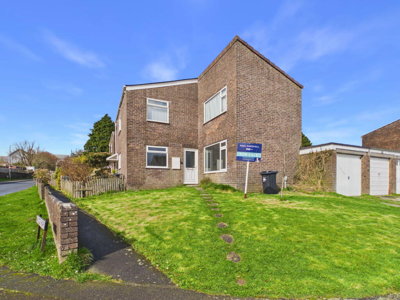
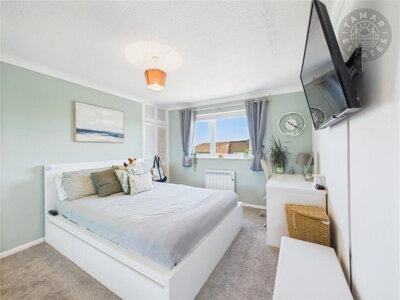
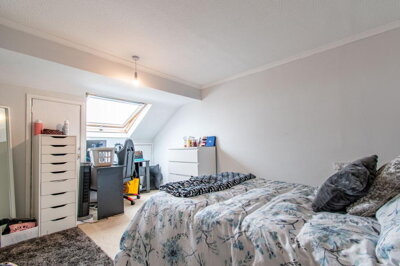
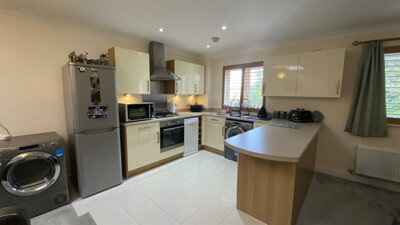
Browse 4 homes for sale in St. Cleer from local estate agents.
Cleer from local agents. Studio apartments feature open-plan living spaces without separate bedrooms, incorporating sleeping, living, kitchen, and bathroom facilities. The St. Cleer studio market includes properties in modern apartment complexes, converted Victorian and Georgian buildings, and purpose-built developments.
£391,332
Average House Price
~60
Properties Sold (12 months)
+1.9%
Price Change (12 months)
£600,000
Detached Average
£350,000
Semi-Detached Average
£275,000
Terraced Average
£175,000
Flat Average
The Disley property market has demonstrated steady and consistent growth over the past twelve months, with overall house prices increasing by 1.9%. This growth reflects the ongoing appeal of the village as a commuter-friendly location with exceptional natural surroundings and strong community spirit. Detached properties command the highest prices in the area, with the average reaching around £600,000, reflecting the demand for spacious family homes with generous gardens and off-street parking. This sector makes up approximately 38.5% of the local housing stock, representing the largest proportion of property types in Disley.
The semi-detached sector, which comprises approximately 30.2% of the housing stock, averages £350,000 and remains popular among young families and professionals seeking more affordable options without sacrificing space or proximity to excellent schools. These properties typically date from the Victorian, Edwardian, or post-war periods, featuring traditional brick construction with bay windows and generous room proportions. Price growth in this sector has been steady at 1.4% annually, indicating sustained demand from buyers recognising the value offered by these characterful homes.
Terraced properties in Disley have shown the strongest price appreciation among standard property types, with a 2.2% increase over the past year bringing the average to £275,000. These homes often feature the characterful stone and brick construction typical of the village, with many dating from the Victorian and Edwardian periods and incorporating features such as exposed beams, cast iron fireplaces, and original sash windows. The terraced sector accounts for approximately 20.1% of housing stock, with homes ranging from compact workers' cottages to more spacious family terraces along roads like Buxton Old Road and Danebank.
Flats represent the most affordable entry point to the Disley market, with average prices around £175,000, and these have also seen notable growth of 2.9% annually. Flats comprise approximately 11.2% of the housing stock, primarily located above commercial premises in the village centre or within converted period buildings. The market remains active despite limited new-build supply, with most activity centred on the existing housing stock and occasional individual plot developments that appear in the SK12 postcode area.
The diverse housing stock in Disley reflects the village's long history, with properties spanning several distinct periods of development. Pre-1919 construction accounts for approximately 25-30% of homes, including charming gritstone cottages, Victorian terraces, and substantial Edwardian semis that line the historic lanes approaching the village centre. Post-war development from 1945 to 1980 added roughly 30-35% more homes to the village, introducing a different character with properties on estates such as those surrounding Greenwood and Oakwood areas. Properties from this era typically feature cavity wall construction, which offers better insulation than the solid walls of older buildings.
More recent development since 1980 accounts for approximately 15-20% of the housing stock, consisting of infill developments, individual house builds, and small estate developments that have expanded the village while preserving its semi-rural character. These modern properties often feature double glazing, central heating, and contemporary layouts that appeal to buyers seeking turnkey solutions. The village centre around Buxton Road and the approach to Lyme Park falls within the designated Conservation Area, which includes numerous listed buildings and restricts external alterations to preserve the historic streetscape.

Disley is home to approximately 4,800 residents across roughly 2,000 households, creating a close-knit village atmosphere where neighbours often know one another by name. The local economy benefits from Disley's position as a commuter village, with many residents working in Manchester, Stockport, Macclesfield, or the surrounding larger towns in professional, educational, and healthcare roles. Lyme Park, a major National Trust estate featuring a Grade I listed Jacobean house, acclaimed gardens, and over 1,400 acres of deer park, attracts visitors throughout the year and contributes to local tourism, hospitality, and retail employment. The presence of the National Trust as a major local employer and the visitor economy it generates adds stability to the local job market.
Daily amenities are well-served by the village centre, which includes a convenience store, pharmacy, and several pubs and cafes that provide important social hubs for the community. The Red Bull pub and The Stanley Arms are popular local establishments that serve food and host community events, while the village coffee shops provide spaces for socialising and remote working. A local pharmacy and nearby medical practice serve healthcare needs, while the village primary school maintains strong community ties and provides education for children from Reception through Year 6. The stunning Peak District countryside begins virtually on the doorstep, with the Middlewood Way providing an excellent traffic-free route for cyclists and walkers connecting Disley to Macclesfield and the canal network beyond.
Community life in Disley is active and engaging, with local events, sports clubs, and voluntary groups providing numerous opportunities for social engagement and recreation. The village hall hosts regular activities including fitness classes, community meetings, and seasonal events that bring residents together throughout the year. Walking and cycling clubs take advantage of the exceptional countryside access, with the Peak District National Park boundary just a short distance from the village centre. The combination of rural charm, period character, and modern conveniences makes Disley an attractive place to call home for families, professionals, and retirees seeking the village lifestyle with excellent city connectivity.
Education provision in Disley serves families with children of all ages, with Disley Primary School providing education from Reception through to Year 6 within a supportive and nurturing environment. The school maintains strong links with the surrounding community and consistently achieves good results in national assessments, making it a popular choice for local families. Primary-aged children can attend the village school with minimal daily travel, which many parents appreciate during the formative primary years of their children's education.
For secondary education, residents access schools in nearby towns, with several highly-regarded options within reasonable commuting distance by car or train. The selection of secondary schools often influences property searches for families, making proximity to good schools a key consideration in the local market. Grammar schools in the surrounding area are accessible by examination and remain popular choices for families seeking academic excellence for their children. Schools in Stockport, Marple, and New Mills serve different catchment areas, and parents should verify which schools serve their specific address before committing to a property purchase.
Several secondary schools in the surrounding towns have earned strong reputations for their GCSE and A-level results, attracting pupils from across the region and contributing to the area's educational profile. The Marple College and Aquinas College both serve the local area and offer sixth-form education, while others choose to travel to Stockport or Macclesfield for post-16 studies. Early years childcare is well-established in the village, with nurseries and pre-schools providing flexible care options for working parents. The presence of quality educational provision makes Disley a popular choice for families, and properties near good schools often attract strong interest and premium valuations.
Disley railway station provides direct rail connections to Manchester Piccadilly, with journey times of approximately 25-30 minutes making the village particularly attractive to commuters working in the city centre. The station sits on the Hope Valley line, which also offers services to Sheffield, New Mills, and other destinations in the Peak District, providing flexibility for both work and leisure travel. Train services run regularly throughout the day, with peak-hour services providing convenient options for city workers and supporting the commute to Manchester's business districts, retail centres, and cultural attractions. The station has parking facilities, though spaces can fill quickly during peak hours, which encourages many residents to travel by train rather than drive.
Road connections from Disley are excellent, with the A6 running through the village and providing direct access to Stockport to the north and Buxton to the south. The nearby Middlewood Way, a former railway line converted to a traffic-free cycling and walking route, offers an attractive alternative for recreational journeys and connects Disley to Macclesfield and beyond via the canal network. Bus services operate locally, connecting Disley with surrounding villages and providing connections to Stockport and other towns for those who prefer public transport or wish to reduce car dependence. For air travel, Manchester Airport is accessible within approximately 30 minutes by car, offering international destinations and domestic flights to suit business and leisure travellers.
Many Disley residents work in professional roles in Manchester or Stockport, taking advantage of the village's unique position between rural charm and urban employment opportunities. The ability to commute by train rather than drive has become increasingly valued, with hybrid and flexible working arrangements further enhancing the appeal of village life within easy reach of major cities. Cycling to the station has grown in popularity, with secure bike storage available and the Middlewood Way providing a safe, car-free route for cyclists of all abilities. Parking at the railway station remains a practical consideration during busy periods, and some residents choose to arrive early or use alternative transport modes during peak travel times.
Start by exploring property listings in Disley and understanding current prices for your preferred property type. Review recent sales data and price trends on Homemove, and register to receive alerts when new properties matching your criteria are listed. Given that approximately 60 properties sell in Disley each year, the market moves at a steady pace without the frantic competition seen in larger towns, making patient research a realistic strategy.
Obtain a mortgage agreement in principle from a lender before viewing properties. This demonstrates your seriousness to sellers and helps you understand your budget. Disley properties range from around £175,000 for flats to over £600,000 for detached homes with generous gardens, so matching your mortgage to the right price range is essential. A mortgage broker familiar with Cheshire property values can help navigate the options available.
Schedule viewings of properties that meet your requirements, paying attention to construction materials, age of the property, and any signs of maintenance issues. Properties in Disley often feature traditional construction with gritstone or brick, and older homes may show signs of damp, roof wear, or outdated services that warrant closer investigation before purchase.
For most properties in Disley, particularly those over 50 years old which make up the majority of the housing stock, a RICS Level 2 Survey is recommended to identify any structural issues, damp, or defects. Local surveys for a typical 3-bedroom semi-detached property range from £450 to £700, providing valuable information before committing to purchase. Given the area's glacial till geology and historical mining activity, a survey will check for potential foundation issues.
Choose a conveyancing solicitor to handle the legal aspects of your purchase, including local searches, contracts, and registration with the Land Registry. Your solicitor should be experienced in Cheshire East property transactions and familiar with local issues such as Conservation Area restrictions that affect properties in the historic village core around Buxton Road.
Once all searches are satisfactory and mortgage offers are in place, you will exchange contracts and pay your deposit, typically 10% of the purchase price. Completion typically follows within a few weeks, after which you will receive the keys to your new Disley home and can begin settling into this charming Cheshire village.
Properties in Disley present several area-specific considerations that buyers should investigate before committing to a purchase. The local geology includes glacial till and clay deposits from the Carboniferous period, which can create moderate to high shrink-swell risks for foundations, particularly during dry summers or where large trees are present near properties. Properties in areas such as those near the River Goyt or along lower-lying sections of the village may face higher foundation stress from clay movement, and a survey will assess foundation condition and identify any signs of subsidence or heave. Buyers should also consider requesting a mining report, as Disley lies within an area with historical coal mining activity where ground instability from old mine workings is possible.
Flood risk requires careful evaluation, with surface water flooding a concern in various parts of the village, particularly during heavy rainfall when drainage capacity may be exceeded. Fluvial flooding is possible in areas adjacent to the River Goyt, which runs near the southern edge of the village. The Environment Agency provides detailed flood risk maps that buyers can consult, and properties in higher-risk zones may face insurance implications or require specific precautions. During property viewings, look for signs of previous water damage such as tide marks, warped skirting boards, or damp patches that may indicate flooding history.
Conservation Area designation affects properties in the historic village core, with restrictions on alterations, extensions, and exterior changes that buyers should understand before purchasing. Planning permission may be required for dormer windows, satellite dishes, or boundary changes within the Conservation Area, and permitted development rights may be more limited than in non-designated areas. Listed buildings require particular care and specialist surveys, as repairs and modifications must meet specific standards and use appropriate traditional materials. The village has numerous Grade II listed properties alongside the Grade I listed Lyme Park, each with specific requirements for maintenance and alteration.
The predominant building materials in Disley include traditional gritstone, red brick, slate, and clay tiles, which contribute to the village's distinctive character but may require ongoing maintenance and specialist repair skills. Older properties often feature solid wall construction without cavity insulation, leading to different energy performance characteristics compared to modern homes and potentially higher heating costs. Many pre-1980s properties will have outdated electrical systems, plumbing, and heating that may need upgrading, and these potential renovation costs should be factored into your budget alongside the purchase price. Service charges and ground rent apply to leasehold properties, which represent approximately 11% of the housing stock, primarily flats and apartments.
The average house price in Disley stands at £391,332 based on recent data, with detached properties averaging around £600,000, semi-detached homes at approximately £350,000, terraced properties at £275,000, and flats at £175,000. Prices have increased by 1.9% over the past twelve months, with terraced properties and flats showing the strongest growth at 2.2% and 2.9% respectively. Approximately 60 properties sell in Disley each year, creating a steady market with good availability for buyers who take time to research their options.
Properties in Disley fall under Cheshire East Council, with most homes in Bands B through E depending on their value and character. Band B and C properties are typically smaller terraced houses and flats, while larger detached properties and period homes often fall into Bands D, E, F, or G. You can check the specific band for any property through the Valuation Office Agency website or your solicitor during the conveyancing process, and council tax bills will be issued by Cheshire East Council.
Disley Primary School serves Reception through Year 6 and maintains a good reputation within the local community, providing education for primary-aged children without the need for daily travel to other villages. For secondary education, families access schools in surrounding towns including grammar schools accessible by examination, with several highly-rated options within reasonable commuting distance by car or train. The quality of local education is a significant factor in property values, and properties in good school catchment areas often command premium prices and attract strong buyer interest.
Disley railway station provides direct services to Manchester Piccadilly in approximately 25-30 minutes, making it highly commuter-friendly for those working in the city centre or surrounding business districts. The station also offers connections to Sheffield and the Hope Valley line serves surrounding communities including New Mills, Chinley, and Hope. Bus services operate locally, connecting Disley with nearby towns and villages, while the A6 runs through the village for road travel. Manchester Airport is reachable within 30 minutes by car, providing international connectivity for business and leisure travel.
Buyers should investigate several area-specific risks, including potential flood risk from surface water and the River Goyt, shrink-swell clay soils that may affect foundations particularly for older properties, and historical mining activity in the area requiring a mining report. Properties in the Conservation Area centred on Buxton Road have specific restrictions on alterations and exterior changes. A RICS Level 2 Survey will identify many potential issues including damp, roof condition, and structural concerns, and additional searches for flooding, mining, and ground conditions provide important information for informed decision-making.
Given that approximately 80-85% of Disley housing stock dates from before 1980, many buyers will be purchasing period properties that require specific consideration during the buying process. Older properties often feature solid wall construction with gritstone or traditional brick, lacking the cavity insulation found in modern homes and potentially resulting in higher heating costs. Common issues include damp due to age or lack of modern damp-proof courses, roof deterioration with slate or tile coverings requiring maintenance, and outdated electrical systems that may need complete rewiring. Conservation Area properties have restrictions on external alterations, and listed buildings require specialist advice and adherence to specific standards for any works.
A RICS Level 2 Survey is particularly valuable in Disley due to the significant proportion of older properties and the area-specific risks present in the local geology. The glacial till and clay deposits can cause foundation movement, especially where large trees are present near older properties, and a survey will assess these risks alongside checking for common defects such as damp, woodworm, and roof deterioration. For a typical 3-bedroom semi-detached property, survey costs range from £450 to £700, which represents a worthwhile investment compared to the potential costs of discovering serious defects after purchase. Properties near the River Goyt should be checked for flood risk indicators, and the mining history of the area warrants additional searches for ground stability.
From £450
A detailed inspection identifying defects common in Disley period properties including damp, subsidence risk, and roof condition
From £700
Comprehensive survey recommended for older, period, or listed properties in Disley's Conservation Area
From £80
Energy performance certificate required for all property sales
From £499
Expert property solicitors familiar with Cheshire East transactions
Purchasing a property in Disley involves several costs beyond the purchase price, with stamp duty land tax representing a significant outgoing for most buyers. The current SDLT thresholds for 2024-25 apply 0% duty on the first £250,000, 5% on the portion from £250,001 to £925,000, 10% on £925,001 to £1.5 million, and 12% on any value exceeding £1.5 million. For a median-priced property of £391,332, a standard buyer would incur stamp duty of £7,067, while first-time buyers benefit from relief on the first £425,000, reducing their liability to £0 for most properties at this price point.
Additional purchase costs include mortgage arrangement fees, which vary by lender but often range from £500 to £2,000 depending on the deal structure and whether you choose to add this to your mortgage. Valuation fees are charged by your lender to confirm the property value, and these typically start from around £300 for standard properties. Survey costs for a RICS Level 2 Survey on a typical Disley property range from £450 to £700 depending on property size and complexity, with larger detached homes or period properties requiring more detailed inspection potentially costing more.
Legal fees for conveyancing typically start from £499 for basic transactions through a solicitor, rising for leasehold properties, properties with complex titles, or those in the Conservation Area where additional searches may be required. Local searches through Cheshire East Council cover drainage, planning history, and environmental factors specific to Disley, including mining records and flood risk data that are particularly relevant given the local geology. When budgeting for your Disley purchase, remember to account for moving costs, potential repairs or renovations, and ongoing costs such as council tax, utility bills, and buildings insurance.
Homemove brings together property listings from across the Disley area, helping you navigate the housing market and find a home that matches your needs and aspirations. Whether you are searching for a stone cottage with character, a family home near good schools, or a modern property with contemporary fittings, our comprehensive search tools make it easy to explore what is available. With approximately 60 properties selling each year and prices ranging from £175,000 for flats to over £600,000 for detached family homes, Disley offers options for various budgets and preferences.
The village's combination of rural charm, excellent transport links, and strong community spirit makes it a sought-after location for buyers seeking the best of both worlds. Start your property search today and discover why so many people choose to make Disley their home in this picturesque Cheshire village on the edge of the Peak District.

Properties for Sale In London

Properties for Sale In Plymouth

Properties for Sale In Liverpool

Properties for Sale In Glasgow

Properties for Sale In Sheffield

Properties for Sale In Edinburgh

Properties for Sale In Coventry

Properties for Sale In Bradford

Properties for Sale In Manchester

Properties for Sale In Birmingham

Properties for Sale In Bristol

Properties for Sale In Oxford

Properties for Sale In Leicester

Properties for Sale In Newcastle

Properties for Sale In Leeds

Properties for Sale In Southampton

Properties for Sale In Cardiff

Properties for Sale In Nottingham

Properties for Sale In Norwich

Properties for Sale In Brighton

Properties for Sale In Derby

Properties for Sale In Portsmouth

Properties for Sale In Northampton

Properties for Sale In Milton Keynes

Properties for Sale In Bournemouth

Properties for Sale In Bolton

Properties for Sale In Swansea

Properties for Sale In Swindon

Properties for Sale In Peterborough

Properties for Sale In Wolverhampton

Enter your details to see if this property is within your budget.
Loans, cards, car finance
Estimated property budget
Borrowing + deposit
You could borrow between
Typical borrowing
Monthly repayment
Est. at 4.5%
Loan-to-value
This is an estimate only. Your actual budget may vary depending on interest rates, credit history, and personal circumstances. For an accurate affordability assessment, speak to one of our free mortgage advisors.
This calculator provides estimates for illustrative purposes only and does not constitute financial advice. Your home may be repossessed if you do not keep up repayments on your mortgage. Estimates based on 4.5% interest rate, repayment mortgage. Actual rates depend on your circumstances.
Homemove is a trading name of HM Haus Group Ltd (Company No. 13873779, registered in England & Wales). Homemove Mortgages Ltd (Company No. 15947693) is an Appointed Representative of TMG Direct Limited, trading as TMG Mortgage Network, which is authorised and regulated by the Financial Conduct Authority (FRN 786245). Homemove Mortgages Ltd is entered on the FCA Register as an Appointed Representative (FRN 1022429). You can check registrations at NewRegister or by calling 0800 111 6768.

We use cookies to show you personalised content and improve your experience of our website. Find out more in our Privacy policy and Cookie policy.