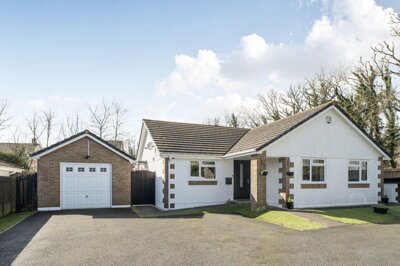
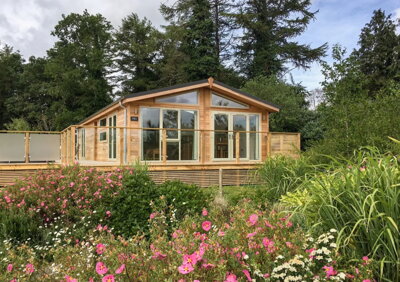
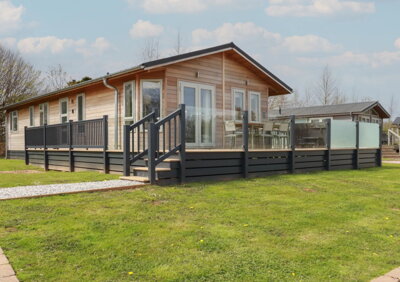
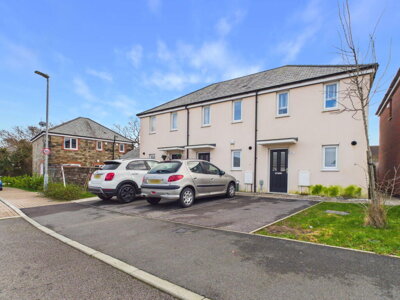
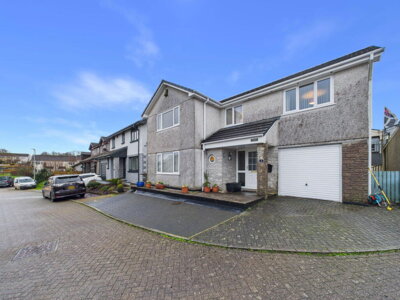
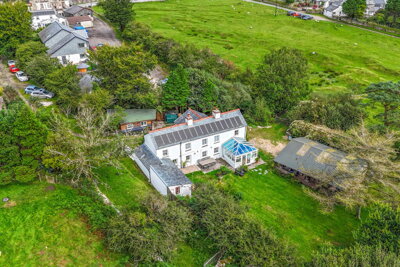
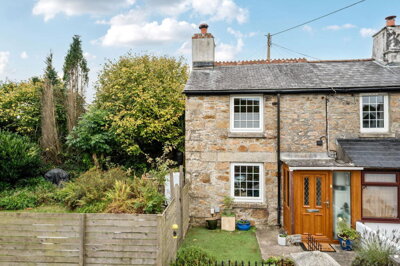
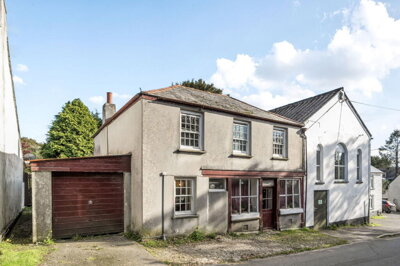
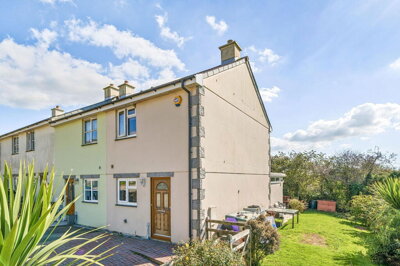
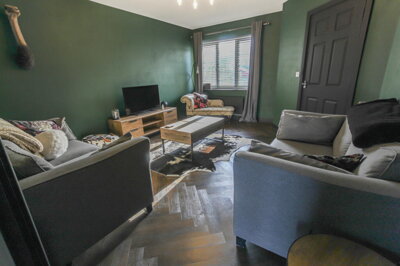
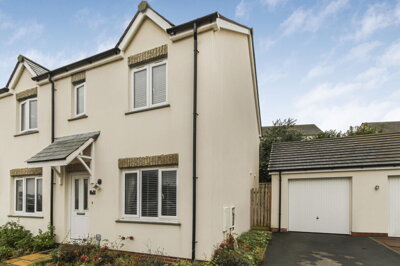
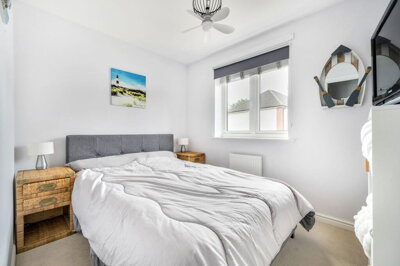
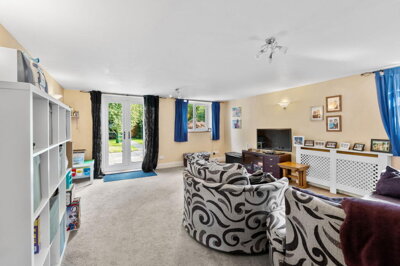
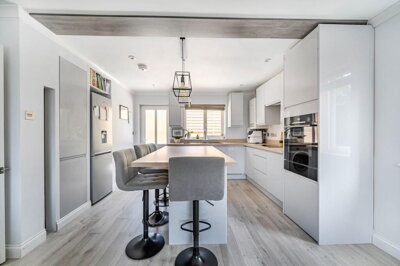
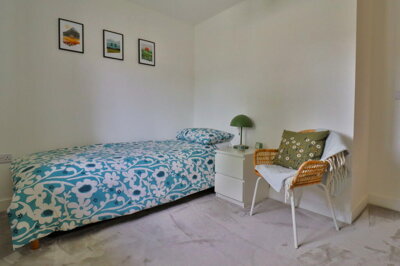
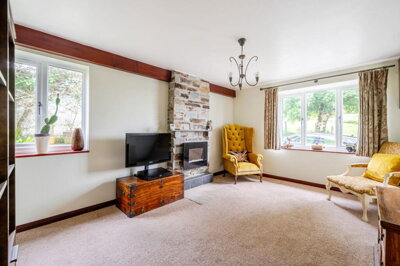
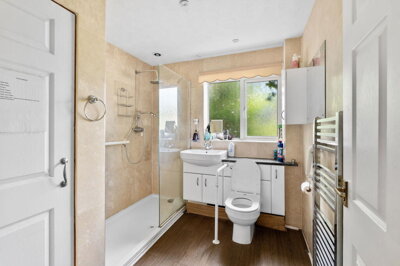
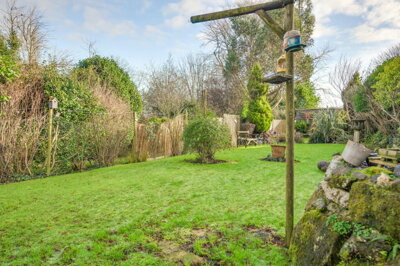
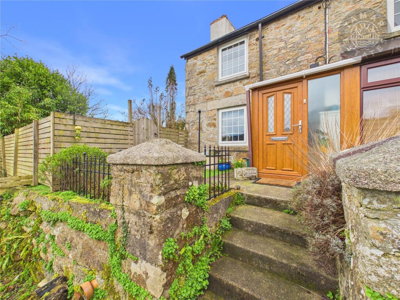
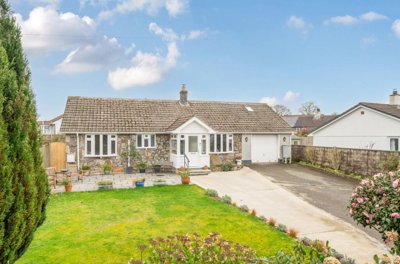
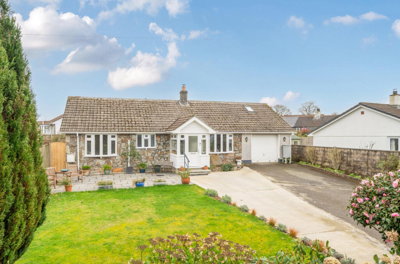
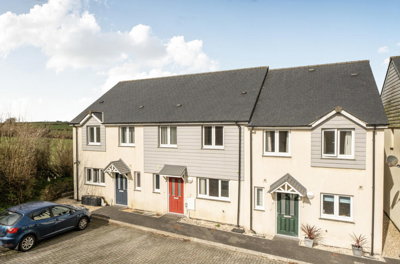
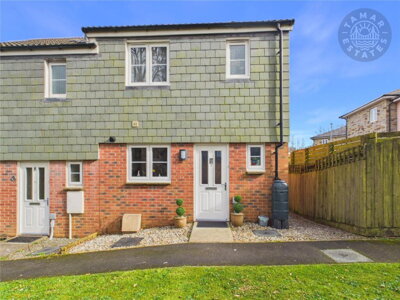
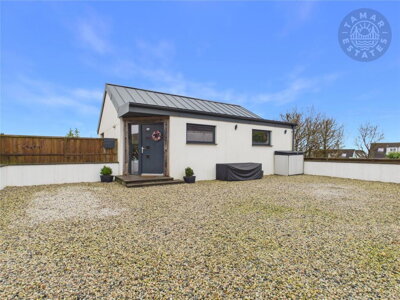
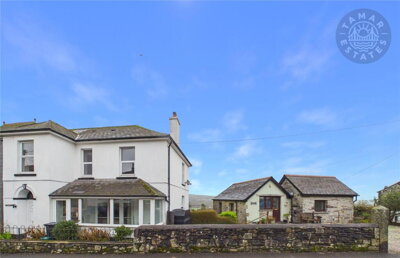
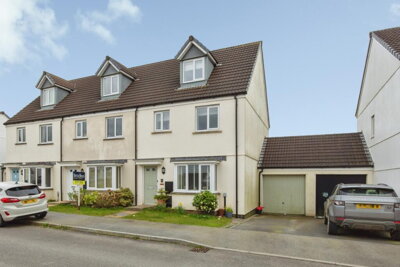
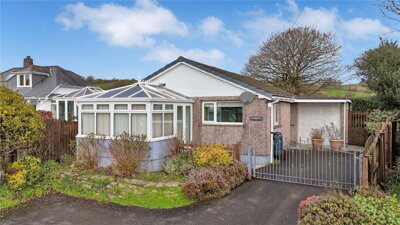
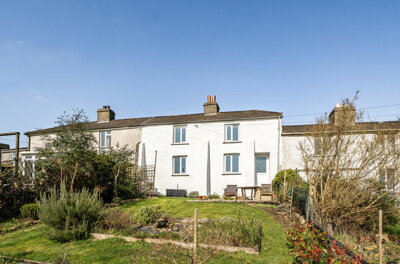
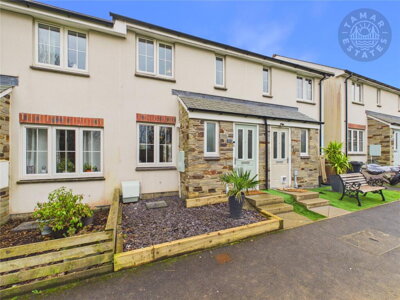
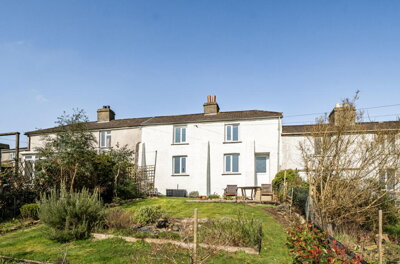
Browse 163 homes for sale in St. Cleer from local estate agents.
Cleer from local agents. The St. Cleer property market offers detached, semi-detached, and terraced houses spanning various price ranges and neighbourhoods. Each listing includes detailed property information, photographs, and direct contact with the marketing agent.
The Disley housing market presents a diverse range of property types to suit various buyer requirements and budgets. Detached homes, which make up approximately 38.5% of the housing stock, average around £600,000 and offer generous living spaces ideal for families seeking room to grow. Semi-detached properties, representing roughly 30.2% of homes, provide an excellent balance of space and affordability at approximately £350,000, making them particularly popular among young families and commuters who work in nearby towns. These properties often feature the Victorian and Edwardian architecture that characterises much of the village, with bay windows, original fireplaces, and mature gardens that add considerable charm.
Terraced properties in Disley, accounting for about 20.1% of the housing stock, start from approximately £275,000 and offer an excellent entry point into this desirable village market. Many of these homes date from the late 19th and early 20th centuries, featuring thick walls built from local gritstone and brick that provide excellent thermal mass and sound insulation. Flats and apartments, while representing a smaller portion of the market at approximately 11.2%, start from around £175,000 and often appeal to first-time buyers or those seeking a low-maintenance lifestyle. The market has remained resilient, with all property types showing positive price growth over the past year, ranging from 1.4% for semi-detached homes to 2.9% for flats, indicating sustained demand across all segments.
New build activity within the Disley postcode area remains limited, with no large-scale developments currently marketing homes for sale within the village itself. Prospective buyers interested in brand new properties may need to explore neighbouring areas such as Poynton or High Lane, which have seen more recent development activity. This scarcity of new supply within Disley itself helps maintain property values and underscores the enduring appeal of established homes in a village with such a strong sense of community and character. The predominance of older housing stock, with an estimated 80-85% of properties built before 1980, means that buyers often encounter homes with traditional construction methods and materials that require careful consideration during the purchase process.

Disley offers a quality of life that appeals to families, professionals, and retirees drawn to its peaceful village atmosphere combined with excellent connectivity to major employment centres. The village has a population of approximately 4,800 residents across around 2,000 households, creating an intimate community where neighbours often know one another and local events foster a strong sense of belonging. The village centre features a range of amenities including a convenience store, traditional pubs such as The Swan with Two Necks, and several cafes where residents gather for morning coffee or evening meals. The local primary school serves as a community hub, while various clubs and societies cater to interests ranging from horticulture to photography.
The natural landscape surrounding Disley provides exceptional recreational opportunities that enhance daily life for residents. Lyme Park, managed by the National Trust, offers over 1,400 acres of moorland, woodlands, and formal gardens within walking distance of the village centre. The park's herd of red deer roams freely across the hills, while the ornate Capability Brown-designed gardens surrounding the Elizabethan mansion provide stunning seasonal displays. The Peak District boundary begins at Disley's doorstep, meaning residents have immediate access to some of Britain's most beloved countryside for walking, cycling, and outdoor pursuits. The village also sits alongside the River Goyt, whose valley provides scenic walks and glimpses of local wildlife.
The demographic profile of Disley reflects its appeal to a diverse range of residents, from young families establishing themselves to older couples seeking a quieter lifestyle. The housing stock distribution, with a good mix of property types and ages, accommodates various life stages and budgets. Local employment opportunities exist in retail, hospitality, education, and small businesses serving the community, though many residents commute to Manchester, Stockport, or other larger towns for work. This commuter influence has shaped the village's character, bringing professionals who appreciate the semi-rural setting while maintaining urban career connections. The presence of the National Trust attraction also supports local tourism-related employment and brings visitors who contribute to the village economy throughout the year.
Education provision in Disley serves families with children of all ages, from nursery through secondary level, with several well-regarded establishments within easy reach of the village centre. Disley Primary School provides education for children from Reception through to Year 6, offering a nurturing environment where class sizes remain small enough for teachers to provide individual attention. The school draws pupils from across the village and surrounding areas, fostering strong community ties among families who often live within walking distance. Parents frequently cite the school's convenient village location and the strong relationships between staff, pupils, and families as significant advantages for those with young children.
Secondary education options for Disley residents include several nearby schools that serve the area, with many families travelling to schools in surrounding towns. Traditional grammar school options exist in the broader region, and local secondary schools in areas such as Stockport and Macclesfield offer good Ofsted ratings and strong academic programmes. Parents should research specific school catchment areas and admission policies, as these can significantly impact which schools children may attend. Transport arrangements for secondary students typically involve school buses or family transport, with journey times varying depending on the specific school and route.
Further and higher education opportunities are readily accessible from Disley, with colleges and universities in Manchester, Stockport, and Sheffield within reasonable commuting distance for older students. The proximity to major university cities makes Disley an attractive location for families considering the long-term educational trajectory of their children. For adults seeking continuing education or professional development, various Further Education colleges in the region offer part-time and full-time courses across diverse subject areas. This accessibility to quality education at all levels adds to Disley's appeal as a location for families at various stages of their educational journey.
Disley benefits from excellent transport connections that make commuting to major employment centres practical and straightforward for residents. Disley railway station provides regular services on the Hope Valley Line, connecting the village directly to Manchester Piccadilly with journey times of approximately 30 minutes. This direct rail link positions Disley as an attractive option for commuters who work in Manchester but prefer to live in a village environment with more space and access to countryside. The station also provides connections to Sheffield and other regional destinations, while changing at Stockport opens up additional route options across the North West rail network.
Road connections from Disley are equally impressive, with the village sitting close to the A6 trunk route that runs through the heart of the village. The A6 provides direct access to Stockport to the north and Buxton to the south, while connections to the M60 motorway are available within a short drive, linking Disley to the wider motorway network. For those working in Manchester city centre, driving times can be competitive with public transport during off-peak periods, though parking costs and traffic congestion during rush hours may favour the train for regular commuters. The journey to Manchester Airport, one of the busiest in the UK, takes approximately 25 minutes by car, making Disley convenient for business travellers and holidaymakers alike.
Local bus services operated by various carriers connect Disley to surrounding towns and villages, providing essential transport options for those without cars or who prefer not to drive. Services run regularly to Stockport, Macclesfield, and other nearby towns, with stops throughout the village making access convenient for residents across different areas. For cyclists, the roads around Disley offer both challenging routes for experienced cyclists seeking hill training and more moderate routes suitable for family cycling through the local countryside. National Cycle Route 68 passes nearby, connecting Disley to broader cycling networks across the region. Village parking provision varies by location, with on-street parking common in residential areas and limited public car parking near the station and village centre.
Contact mortgage brokers to arrange an Agreement in Principle before viewing properties. Having your mortgage secured in principle strengthens your offer when you find the right home and demonstrates to sellers that you are a serious buyer.
Spend time exploring Disley at different times of day and week. Visit local shops, check commute times to work, and speak with residents to understand what daily life is like in this village community before committing to a purchase.
Use Homemove to browse listings and schedule viewings of properties that match your requirements. Take notes during viewings and ask about the property age, construction materials, recent renovations, and any known issues with the property or neighbourhood.
Commission a RICS Level 2 Survey before completing your purchase. Given that most Disley properties predate 1980, a thorough survey is essential to identify issues such as damp, roof condition, timber defects, or potential subsidence risks associated with local clay soils.
Choose a conveyancing specialist to handle the legal aspects of your purchase. Your solicitor will conduct searches including a mining report given Disley's historical coal mining activity and check for any planning restrictions affecting the property.
Once all searches are satisfactory and your mortgage offer is confirmed, your solicitor will arrange exchange of contracts with the seller. On completion day, the remaining balance is transferred and you receive the keys to your new Disley home.
Property buyers considering Disley should be aware of several area-specific factors that can affect their purchase and long-term enjoyment of the property. The local geology presents some considerations, as Disley sits on soils containing significant clay content that can experience shrink-swell movements with moisture changes. This creates potential for subsidence or heave affecting foundations, particularly in properties with large trees nearby or those that have experienced drainage issues. A thorough structural survey can identify any existing movement or risk factors, and prospective buyers should check whether properties have had any previous subsidence claims or foundation work.
Flood risk requires careful consideration when purchasing in Disley, despite the village being far from coastal areas. The River Goyt runs near the village, and properties immediately adjacent to the river may face fluvial flooding risk during periods of heavy rainfall. Surface water flooding represents a more widespread concern across various parts of Disley, where topography and drainage capacity can lead to water pooling during extreme weather events. The Environment Agency provides detailed flood risk maps that prospective buyers should consult, and properties in higher-risk areas may face increased insurance costs or difficulty obtaining mortgage finance without specialist cover.
The Disley Conservation Area encompasses the historic village core and imposes certain restrictions on alterations and extensions to properties within its boundary. Buyers purchasing listed buildings or properties within the conservation area should understand that planning permission may be required for changes that would otherwise be permitted development, and any works must respect the historic character of the property. Properties built from traditional materials such as gritstone and red brick may require specialist maintenance approaches that differ from modern construction, and buyers should budget for potential additional costs associated with preserving period features. Leasehold properties, while less common in this predominantly freehold village, do exist and prospective buyers should carefully review lease terms, ground rent provisions, and any service charge arrangements before committing to a purchase.
The average house price in Disley stands at approximately £391,332 based on recent market data. Detached properties average around £600,000, semi-detached homes around £350,000, terraced properties approximately £275,000, and flats around £175,000. Property prices in Disley have shown consistent growth, with overall prices increasing by 1.9% over the past 12 months, indicating healthy demand in this semi-rural village market. The village's combination of rural charm and excellent commuter links to Manchester and Stockport helps maintain property values and attract buyers seeking the best of both worlds.
Properties in Disley fall under Cheshire East Council and are assigned council tax bands ranging from A to H depending on the property value and characteristics. The actual banding for any specific property can be confirmed through the Valuation Office Agency website or your solicitor during the conveyancing process. Most residential properties in Disley, given the traditional construction and village location, tend to fall in the middle bands. Council tax funds local services including education, waste collection, and road maintenance, and annual charges vary depending on the band assigned to your property.
Disley Primary School serves children from Reception through Year 6 within the village itself, providing convenient local education for young families. The school benefits from its village location, small class sizes, and strong community connections that parents frequently cite as advantages. Secondary school options in surrounding areas include several well-regarded schools accessible by school transport, with parents advised to research specific catchment areas and admission criteria as these can affect placement decisions. The proximity to major cities also means that further and higher education options at Manchester, Stockport, and Sheffield universities are readily accessible for older students.
Disley railway station provides excellent rail connections with services to Manchester Piccadilly taking approximately 30 minutes, making the village particularly attractive to commuters. The Hope Valley Line also connects Disley to Sheffield and other regional destinations, while regular bus services operated by various carriers provide connections to Stockport, Macclesfield, and surrounding villages. The A6 trunk route runs through the village, providing direct road access to surrounding towns and connections to the M60 motorway network. For international travel, Manchester Airport is reachable within approximately 25 minutes by car, making Disley convenient for business and leisure travellers alike.
Disley offers several factors that make it attractive for property investment, including its semi-rural location on the edge of the Peak District, excellent transport links to Manchester, and consistent price growth demonstrated by the 1.9% increase over the past year. The village maintains strong demand from commuters seeking village life, families attracted by local schools and community atmosphere, and buyers looking to escape larger towns while remaining connected to urban employment. Limited new build supply within the village itself helps support values of existing properties, while the presence of the National Trust at Lyme Park ensures the area remains an attractive destination for visitors and residents alike. As with any property investment, prospective buyers should consider their specific circumstances, rental demand in the local market, and potential for capital growth when evaluating Disley as an investment location.
Stamp Duty Land Tax rates from April 2024 require residential buyers to pay 0% on property purchases up to £250,000, 5% on the portion between £250,001 and £925,000, 10% on the portion between £925,001 and £1.5 million, and 12% on any amount above £1.5 million. First-time buyers benefit from increased thresholds, paying 0% up to £425,000 and 5% between £425,001 and £625,000, though this relief does not apply above £625,000. Given that the average property price in Disley is approximately £391,332, many purchases would fall entirely within the standard zero-rate threshold, meaning first-time buyers could pay no stamp duty at all on average-priced properties in the village.
Disley sits within an area with historical coal mining activity, and while many mines are long disused, potential for ground instability due to old mine workings can exist in some localised areas. Your solicitor should commission a mining report (Con29M) as part of the conveyancing process to identify any recorded mine workings beneath or near the property. Properties in areas with known mining history may require additional considerations for foundations and buildings insurance. The Cheshire East Council mining records and the Coal Authority database provide historical information that your conveyancer will typically search as standard practice in this part of Cheshire.
Detached properties make up the largest portion of Disley's housing stock at approximately 38.5%, offering generous living spaces and gardens that appeal to families and those seeking more privacy. Semi-detached homes represent roughly 30.2% of properties, providing a popular middle-ground option that balances space with affordability. Terraced properties account for about 20.1% of the housing stock, with many dating from the Victorian and Edwardian periods featuring traditional gritstone or brick construction. Flats and apartments comprise the remaining 11.2% of properties, typically offering lower entry costs for first-time buyers or those seeking a more compact lifestyle.
From 3.9%
Compare competitive mortgage rates from trusted lenders
From £499
Expert legal services for your Disley property purchase
From £450
Professional property survey tailored to Disley housing stock
From £80
Energy performance certificate for your new home
Understanding the full costs of purchasing property in Disley helps buyers budget accurately and avoid unexpected expenses during the transaction process. The Stamp Duty Land Tax (SDLT) represents the most significant upfront cost for most buyers, and current thresholds from April 2024 set the standard zero-rate band at £250,000 for residential purchases. For a typical Disley property at the village average of £391,332, this means the first £250,000 attracts no SDLT while the remaining £141,332 incurs a 5% charge of £7,066.60, bringing the total SDLT bill to this amount under standard rules for non-first-time buyers.
First-time buyers purchasing in Disley benefit from enhanced SDLT relief that raises the zero-rate threshold to £425,000 and applies 5% to purchases between £425,001 and £625,000. For a first-time buyer purchasing a typical terraced property at approximately £275,000, the entire purchase would fall within the zero-rate band, resulting in no SDLT liability whatsoever. This enhanced relief makes property purchase significantly more affordable for first-time buyers entering the Disley market and can represent savings of several thousand pounds compared to standard SDLT rates. It is worth noting that first-time buyer relief does not apply to purchases above £625,000, so buyers of higher-value properties in Disley should plan accordingly.
Beyond SDLT, buyers should budget for several additional costs including solicitor fees typically ranging from £800 to £1,500 for conveyancing work on a Disley property, survey costs of £450-£700 for a RICS Level 2 Survey on a typical family home, and mortgage arrangement fees that vary depending on the lender and product chosen. Search fees, including local authority, drainage, and environmental searches, typically cost between £250 and £400, while a mining report is particularly advisable in Disley given the area's historical coal mining activity. Land Registry fees for registering the transfer of ownership and mortgage deed typically range from £20 to £500 depending on the property value. Buyers should also consider ongoing costs including mortgage payments, buildings insurance, council tax, utility bills, and service charges where applicable, ensuring they can comfortably afford the full cost of homeownership before committing to their Disley purchase.
Properties for Sale In London

Properties for Sale In Plymouth

Properties for Sale In Liverpool

Properties for Sale In Glasgow

Properties for Sale In Sheffield

Properties for Sale In Edinburgh

Properties for Sale In Coventry

Properties for Sale In Bradford

Properties for Sale In Manchester

Properties for Sale In Birmingham

Properties for Sale In Bristol

Properties for Sale In Oxford

Properties for Sale In Leicester

Properties for Sale In Newcastle

Properties for Sale In Leeds

Properties for Sale In Southampton

Properties for Sale In Cardiff

Properties for Sale In Nottingham

Properties for Sale In Norwich

Properties for Sale In Brighton

Properties for Sale In Derby

Properties for Sale In Portsmouth

Properties for Sale In Northampton

Properties for Sale In Milton Keynes

Properties for Sale In Bournemouth

Properties for Sale In Bolton

Properties for Sale In Swansea

Properties for Sale In Swindon

Properties for Sale In Peterborough

Properties for Sale In Wolverhampton

Enter your details to see if this property is within your budget.
Loans, cards, car finance
Estimated property budget
Borrowing + deposit
You could borrow between
Typical borrowing
Monthly repayment
Est. at 4.5%
Loan-to-value
This is an estimate only. Your actual budget may vary depending on interest rates, credit history, and personal circumstances. For an accurate affordability assessment, speak to one of our free mortgage advisors.
This calculator provides estimates for illustrative purposes only and does not constitute financial advice. Your home may be repossessed if you do not keep up repayments on your mortgage. Estimates based on 4.5% interest rate, repayment mortgage. Actual rates depend on your circumstances.
Homemove is a trading name of HM Haus Group Ltd (Company No. 13873779, registered in England & Wales). Homemove Mortgages Ltd (Company No. 15947693) is an Appointed Representative of TMG Direct Limited, trading as TMG Mortgage Network, which is authorised and regulated by the Financial Conduct Authority (FRN 786245). Homemove Mortgages Ltd is entered on the FCA Register as an Appointed Representative (FRN 1022429). You can check registrations at NewRegister or by calling 0800 111 6768.

We use cookies to show you personalised content and improve your experience of our website. Find out more in our Privacy policy and Cookie policy.