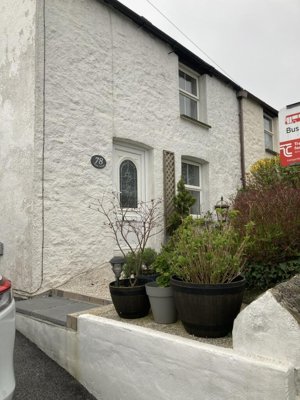
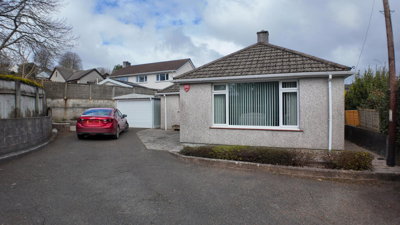
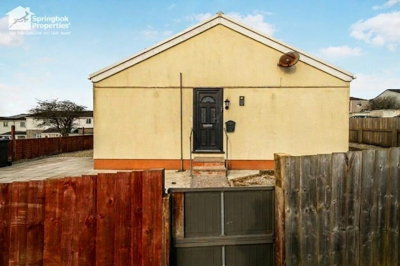
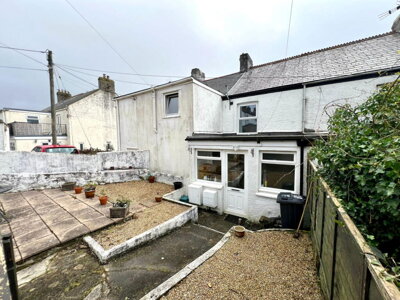
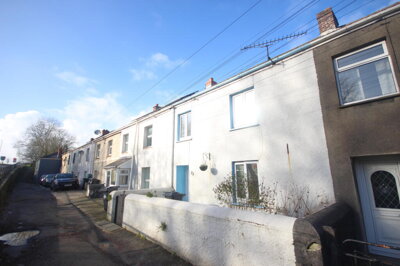
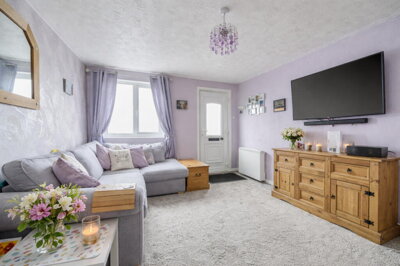
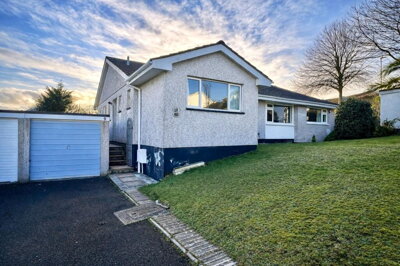
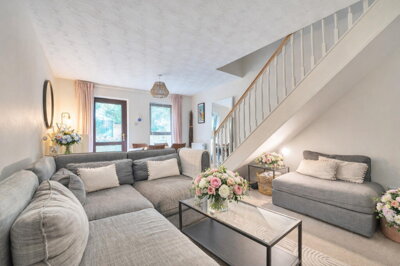
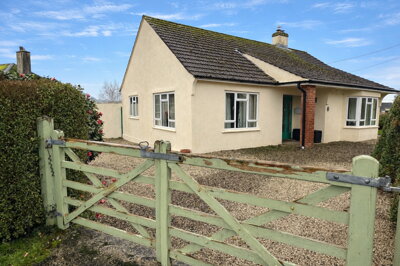
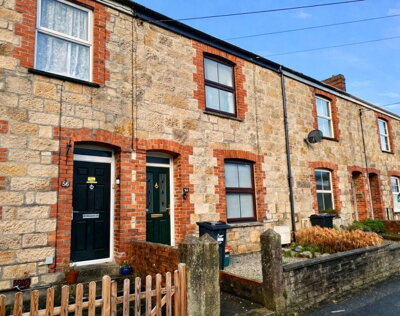
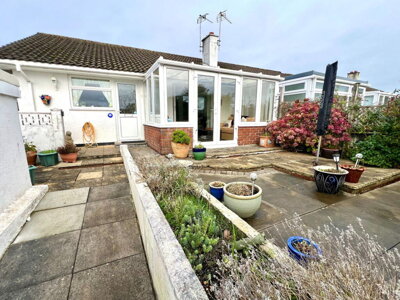
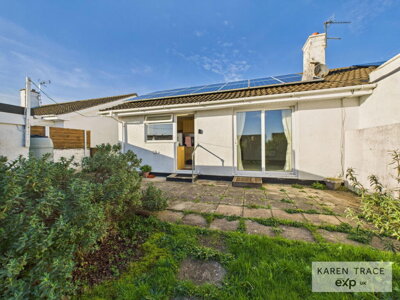
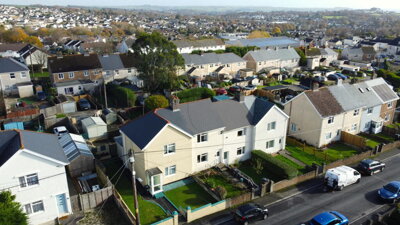
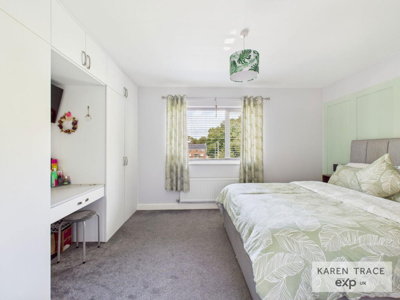
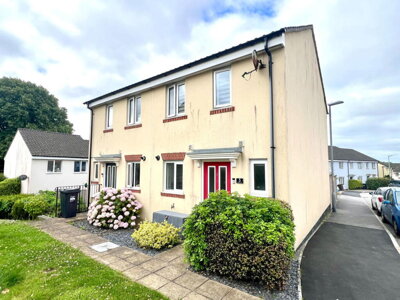
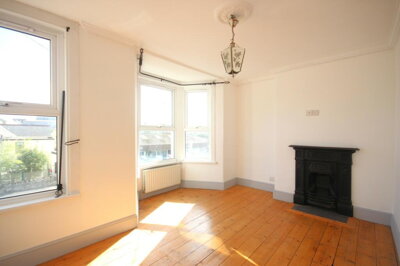
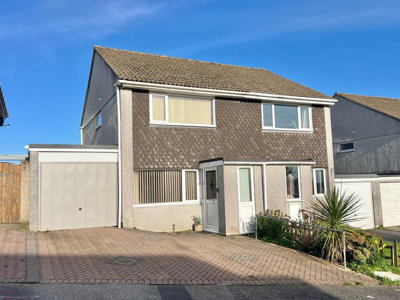
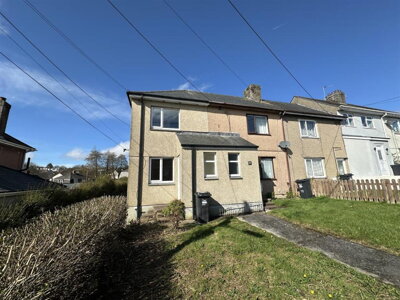
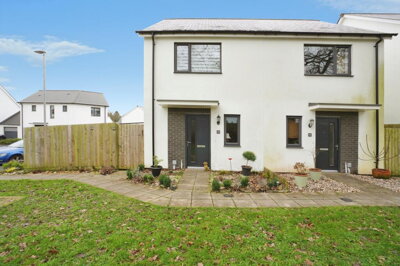
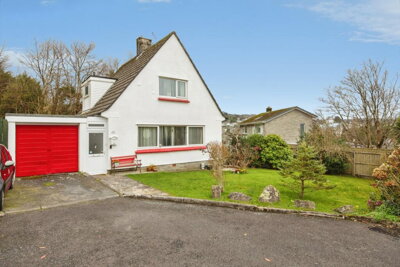
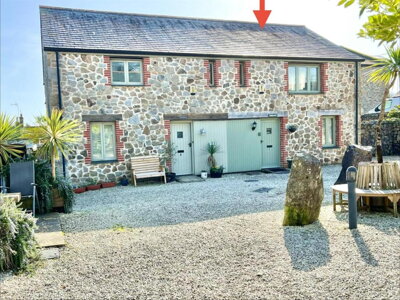
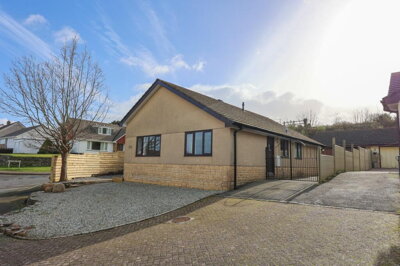
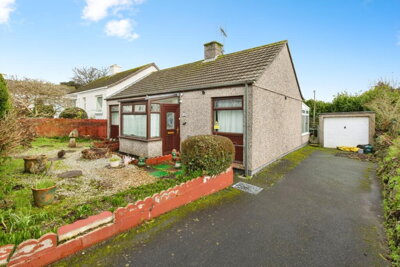
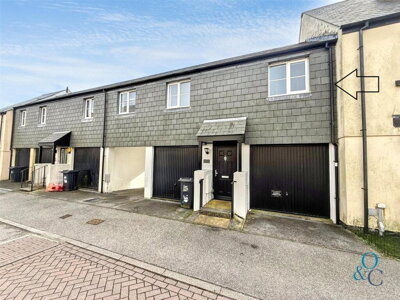
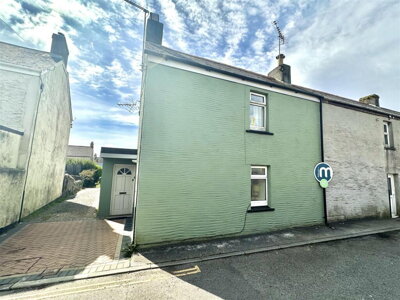
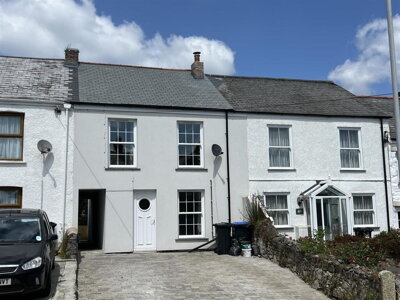
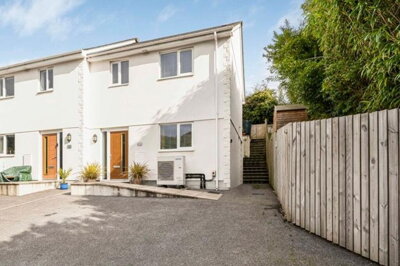
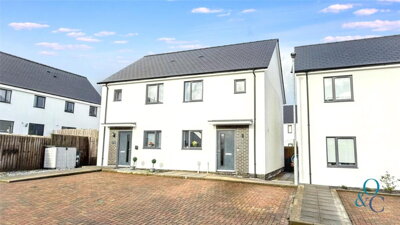
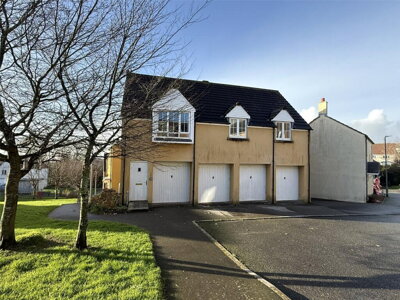
Browse 77 homes for sale in St. Austell from local estate agents.
Austell. The 2 bed house market features detached, semi-detached, and terraced properties with two separate bedrooms plus living spaces. Properties in St. Austell range from Victorian and Edwardian period homes to modern new builds, with pricing varying across different neighbourhoods.
When we look at the St. Austell property market, we see a varied landscape of opportunities across different property types and price points. Detached properties command the highest prices, averaging around £354,000 according to recent data, with semi-detached homes selling at approximately £252,000 and terraced properties typically fetching around £200,000. Flats and apartments offer the most accessible entry point to the market, with average prices of approximately £128,000, making them particularly appealing for first-time buyers or investors seeking rental income in this growing town. The PL26 postcode area to the east of the town centre tends to attract slightly higher valuations, with detached properties averaging £427,000 compared to the central PL25 area where detached homes average £380,000.
The market has experienced some cooling in recent months, with overall prices declining approximately 8% from their 2023 peak of £268,212. This correction follows a broader national trend but has created opportunities for buyers who may have been priced out during the height of the market. The PL26 postcode has shown particular resilience, with prices holding firm at around £316,000 and even ticking up 1% over the past year, while the more central PL25 area sees prices averaging £273,000. Transaction volumes have also declined, with 303 residential property sales in PL25 over the last year, a decrease of 94 transactions compared to the previous year. Despite these short-term fluctuations, the long-term outlook for St. Austell remains positive, supported by the town's continued investment in infrastructure and its enduring appeal as a place to live and work in Cornwall.
New build activity in the St. Austell area includes the West Carclaze Garden Village development at Carluddon, which offers contemporary 3, 4, and 5-bedroom homes designed with sustainability at their core. These properties feature solar panels, battery storage, and high insulation standards, with prices starting from £290,000. This development represents a significant investment in the area's future, transforming former china clay landscape into a modern lakeside community that honours the region's industrial heritage while meeting contemporary standards for energy efficiency. A further planning application at Penwinnick Road proposes an additional 78 homes with commercial space, though this remains under consideration as of late 2025.

St. Austell town has a population of approximately 29,000 residents, making it one of the larger towns in Cornwall while retaining a close-knit community feel. The area demographics show a balanced age distribution, with 17% of the population under 15 years old and 25% aged over 65, suggesting a community that welcomes both families and retirees. The broader St. Austell and Newquay parliamentary constituency has an average age of 44 years, reflecting the attractive mix of employment opportunities, educational facilities, and quality of life that appeals to those at various life stages. Compared to more retirement-focused coastal villages like Fowey and Mevagissey, St. Austell and its neighbour St Blazey have a younger demographic profile that supports local schools, businesses, and community facilities.
The architectural character of St. Austell reflects its rich industrial heritage and the natural resources of the Cornish landscape. Local building materials include granite, Pentewan stone, and slate, with traditional cottages often constructed using locally sourced materials bonded with cob. The arrival of the railway brought imported materials such as brick and terracotta, diversifying the town's architectural vocabulary. The St Austell Conservation Area, originally designated in 1967 and significantly expanded in 2013, protects significant areas around the town centre, church, and industrial heritage sites. Numerous listed buildings, including the Holy Trinity Church with its distinctive Pentewan stone tower and properties along Victoria Place, Market Street, and Fore Street, add to the town's visual interest and historical depth. Charlestown, the historic harbour village just west of St. Austell, also benefits from its own Conservation Area incorporating 51 Listed Building designations.
Employment in St. Austell is supported by several significant employers, including St Austell Brewery, which serves over 170 locations across the South West, and the Eden Project, which draws visitors from around the world and provides substantial employment for the local area. The Eden Project, built within a former china clay pit, has been a transformative addition to the local economy since opening in 2001. The town centre has benefited from recent investment, including the White River Place development which brought new retailers and a cinema, enhancing the local amenity offer. The St Austell Business Park hosts a variety of companies, including West Pharmaceutical Services, TClarke building services, GoJute, and Wave Multi Academy Trust, providing diverse employment opportunities across manufacturing, services, and education sectors.
Education provision in St. Austell serves families from early years through to further education, with a selection of primary and secondary schools catering to the local population. The town's educational infrastructure reflects its role as a major service centre for mid-Cornwall, with several primary schools serving different neighbourhoods and a secondary school offering a comprehensive curriculum. Parents considering a move to St. Austell will find good options for state education, while the presence of specialist units and resource provisions supports children with additional learning needs. The relatively young demographic of the town, compared to surrounding more rural areas, indicates that local schools remain well-utilised and integrated into community life. School catchment areas can significantly affect placement, so parents should research individual school performance through Ofsted reports when deciding where to focus their property search.
Further education opportunities are available within reasonable travelling distance, with colleges in Truro and Bodmin offering A-levels and vocational qualifications for students continuing their studies after GCSE. For families prioritising educational outcomes, understanding school catchment areas is essential when searching for property in St. Austell. School performance, measured through examination results and Ofsted inspections, varies across the town, and properties within desirable catchment zones often command a premium. The availability of before and after-school childcare, community facilities, and youth services in the vicinity of schools also contributes to the overall family-friendliness of different neighbourhoods within St. Austell. Parents should factor in school placement when setting their property search parameters, as the catchment system can mean that a property just outside certain boundaries may not qualify for preferred schools.
The Eden Project serves an educational function beyond tourism, hosting school visits and educational programmes that provide local children with unique learning experiences about environmental science, sustainability, and the natural world. This connection between the local environment and education adds a distinctive dimension to learning in St. Austell that parents often find valuable when choosing where to raise their children. For teenagers interested in science, environmental studies, or tourism, proximity to this world-class attraction can provide valuable work experience and educational opportunities that families in other Cornish towns may not have access to.
St. Austell railway station provides regular connections to major destinations, including direct services to Plymouth, Exeter, and London Paddington, making the town a viable option for commuters who work in the peninsula's larger cities but wish to enjoy Cornish living. The train journey to Plymouth takes approximately 45 minutes, while reaching Exeter St Davids takes around two hours. London can be reached in approximately four hours by rail, connecting St. Austell to the capital's extensive transport network and employment opportunities. The station is located centrally within the town, making it accessible to residents from various neighbourhoods and providing a practical option for those without cars.
Road connections from St. Austell include the A390 which runs through the town, connecting to Truro to the west and Liskeard to the east, providing access to the A38 dual carriageway that links Cornwall to the rest of England. The town sits approximately 30 miles from the Cornwall and Devon border, making longer distance motoring a consideration for residents who travel frequently beyond the peninsula. For those working in Truro, the county town is approximately 30 minutes away by car, while the sailing ports of Plymouth and Fowey are within easy reach for recreational purposes. Bus services operate throughout the town and connect to surrounding villages, providing an alternative to car travel for those who prefer not to drive.
Local transport within St. Austell and its surrounding villages is served by bus routes operated by various providers, connecting residential areas to the town centre, supermarkets, and educational facilities. For residents heading to the coast, the fishing villages of Mevagissey and Charlestown are easily accessible by car or bus, while the beautiful beaches of Polkerris and Porthpean offer popular destinations for swimming and watersports. Cycling is popular in the area, with dedicated routes and quiet country lanes providing options for leisure and commuting alike, though the hilly terrain may challenge less experienced cyclists. Parking in the town centre is generally adequate for a town of its size, though busy periods may require patience. The proximity of St. Austell to both the north and south coasts via the A390 makes it practical to explore different beaches depending on wind direction and weather conditions.
Before viewing properties in St. Austell, obtain a mortgage agreement in principle from a lender. This strengthens your position when making offers and demonstrates to sellers that you are a serious buyer. St. Austell offers properties across various price ranges, so knowing your budget helps you focus your search effectively. A mortgage broker familiar with the Cornish property market can help navigate local lender criteria and find competitive rates.
Study property prices in different neighbourhoods within St. Austell, from the town centre to villages like Trewoon, Sticker, and Grampound. Consider factors like proximity to schools, transport links, and the Eden Project when evaluating different areas. Understanding the local market dynamics helps you identify well-priced properties and negotiate effectively. The PL25 and PL26 postcodes have different price profiles, with PL26 generally commanding a premium for similar property types.
View multiple properties across St. Austell to compare condition, character, and value. Pay attention to the age of properties, their construction materials, and any signs of damp or structural issues. The older housing stock in areas like the Conservation Zone requires careful inspection, so consider viewing properties with and without the benefit of recent renovation. We recommend attending viewings at different times of day to assess light levels, noise, and neighbourhood character.
Once you have had an offer accepted, arrange a RICS Level 2 Home Survey to assess the property condition thoroughly. Properties in St. Austell, particularly older ones, may have issues related to damp, mining heritage, or coastal exposure. The survey will identify any defects that need addressing before completion and may provide leverage for price negotiations. For period properties or those of non-standard construction, a more comprehensive RICS Level 3 Building Survey may be advisable.
Appoint a conveyancing solicitor to handle the legal aspects of your purchase. They will conduct searches on the property, including local authority, environmental, and mining records. Given St. Austell's history of china clay mining, these searches are particularly important to identify any potential ground instability or contamination issues. A mining search is strongly recommended for properties in areas with complex industrial heritage.
Once all searches are satisfactory and your mortgage is finalised, you will exchange contracts and pay your deposit. Completion typically follows within days or weeks, after which you will receive the keys to your new St. Austell home. We recommend arranging buildings insurance from the day of completion and scheduling utility transfers well in advance of moving day.
Properties in St. Austell span a wide range of ages and construction types, from traditional granite cottages to inter-war semis and modern developments. When viewing properties, understanding their construction and any associated risks is essential for making an informed purchase. Older properties, which form a significant proportion of the local housing stock, were often built without modern damp-proof courses, making them susceptible to rising damp and condensation issues. The humid Cornish climate, combined with the area's unique geological context influenced by the china clay industry, can exacerbate these problems, particularly in properties that have not been well-maintained or adequately ventilated.
The mining heritage of St. Austell has significant implications for property buyers. The town sits above extensive former tin, copper, and china clay mining operations, and areas of former clay extraction have been developed for residential use. Undocumented mine workings, infilled clay pits, and historic shafts may pose risks of ground movement or subsidence. The world-famous Eden Project is itself located in a former china clay pit, illustrating the scale of historical extraction activity in the area. Properties in areas with complex mining histories may require specialist surveys, and buyers should discuss with their solicitor whether a mining search is appropriate for the specific location they are considering. The shrink-swell behaviour of Cornwall's clay-rich soils adds another consideration, as these expansive soils can cause foundation movement in response to moisture changes, particularly during periods of drought or heavy rainfall.
Flood risk should also be factored into property decisions in St. Austell. The town is identified as having between 100 and 500 properties at risk of river flooding with an annual probability of 1%, and the surrounding areas including Pentewan, St Blazey, Luxulyan, and Mevagissey are included in flood alert zones. The St Austell Bay Resilient Regeneration Project represents a £32 million investment in flood protection, but buyers should still consider the flood history and elevation of any property they are considering, particularly for lower-lying areas or properties near watercourses. Properties in coastal villages like Charlestown and Pentewan may face additional coastal erosion risks, and localised cliff falls have enhanced recession rates at Duporth and Porthpean in recent years. We recommend asking vendors about any history of flooding or damp issues and checking the property's elevation relative to nearby watercourses.
The average house price in St. Austell is approximately £273,000 according to recent market data, though this varies by property type and postcode area. Detached properties average around £354,000, semi-detached homes approximately £252,000, terraced properties about £200,000, and flats around £128,000. The PL26 postcode to the east tends to command slightly higher prices averaging £316,000 compared to the central PL25 area at around £273,000. Market conditions have seen prices cool by approximately 8% from the 2023 peak, creating opportunities for buyers in this historic Cornish town. Recent data shows PL25 prices increased by 3.11% over the last 12 months, suggesting some stabilisation in the market.
Properties in St. Austell fall under Cornwall Council's jurisdiction and are assigned council tax bands A through H based on their assessed value. Most terraced properties and smaller semis in St. Austell fall into bands A to C, which attract lower annual charges, while larger detached homes and period properties with higher values typically fall into bands D to F. Exact bands depend on the specific property, and buyers can verify the council tax band through the Valuation Office Agency website using the property address. Council tax bills in Cornwall typically include refuse collection, local services, and parish council contributions where applicable.
St. Austell offers a range of educational options from primary through secondary level, serving families across the town and surrounding villages. The educational landscape includes both primary schools serving local neighbourhoods and secondary schools providing comprehensive curriculum options. Parents should research individual school performance through Ofsted reports and examination results when considering where to live, as catchment areas can significantly affect school placement. The town also benefits from further education colleges within reasonable travelling distance in Truro and Bodmin for post-16 studies. The Eden Project provides additional educational opportunities for local children through school visits and environmental programmes.
St. Austell railway station provides regular services to Plymouth, Exeter, and London Paddington, with the journey to London taking approximately four hours. The station sits centrally in the town, making it accessible to residents from various neighbourhoods. Bus services operate throughout the town and connect to surrounding villages including Mevagissey, St Blazey, and Lostwithiel. For local travel, the A390 road provides connections to Truro and Liskeard, while the A38 can be reached for travel beyond Cornwall. The Eden Project and coastal beaches of Charlestown and Pentewan are accessible by car within 10-15 minutes.
St. Austell offers several factors that may appeal to property investors, including relatively accessible purchase prices compared to other Cornish destinations, a stable local population, and tourism draw from attractions like the Eden Project. The presence of West Carclaze Garden Village demonstrates ongoing new development in the area, suggesting continued investment in the locality. However, investors should consider factors including the proportion of older housing stock requiring maintenance, potential flood and coastal erosion risks in certain areas, and the impact of radon levels which affect much of Cornwall. Rental demand exists in the area, though availability of rental properties in Cornwall is reported to be very low, which could support rental yields for those able to secure property.
Stamp Duty Land Tax rates for residential properties in England start at 0% on the first £250,000 of purchase price, rising to 5% on the portion between £250,001 and £925,000, 10% up to £1.5 million, and 12% on amounts exceeding £1.5 million. First-time buyers benefit from relief on the first £425,000, paying 5% between £425,001 and £625,000, with no relief above £625,000. For a typical St. Austell property averaging £273,000, a first-time buyer would pay no stamp duty, while a subsequent buyer would pay approximately £1,150. Always verify current thresholds with HMRC or your solicitor, as rates are subject to change.
From £375
A detailed inspection of the property condition, ideal for most homes in St. Austell
From £550
Comprehensive building survey for older or non-standard properties
From £80
Energy performance certificate required for all property sales
From £499
Legal services for your property purchase
Purchasing a property in St. Austell involves several costs beyond the purchase price, with stamp duty being one of the most significant expenses for many buyers. For a property priced at the town average of around £273,000, a buyer who has previously owned property would pay stamp duty of approximately £1,150, calculated at 0% on the first £250,000 and 5% on the remaining £23,000. First-time buyers purchasing at this price point would typically pay no stamp duty thanks to the relief on the first £425,000. For higher-value properties, particularly the detached homes averaging £354,000, stamp duty costs increase accordingly and should be factored into your overall budget.
Beyond stamp duty, buyers should budget for solicitor fees, which typically start from around £500 to £1,500 for a standard conveyancing transaction, depending on the complexity of the purchase and whether the property is freehold or leasehold. Searches conducted by your solicitor, including local authority, environmental, and drainage searches, typically cost between £200 and £400. Given St. Austell's mining heritage, a mining search may be advisable at additional cost to identify any historic extraction activity that could affect the property. Mortgage arrangement fees, if applicable, vary by lender but can range from free to over £2,000, and should be compared when shopping for a mortgage. We recommend obtaining quotes from at least three lenders or brokers to ensure competitive rates.
Survey costs represent another important budget item, particularly for older properties in St. Austell where defects may be more prevalent. A RICS Level 2 Home Survey in the St. Austell area typically starts from £375 for a standard property, with costs varying based on property size and type. A 3-bedroom property averages around £437, while larger 4-bedroom homes typically cost from £495. For older or non-standard properties, a RICS Level 3 Building Survey starting from £550 provides more comprehensive analysis. Removal costs vary widely depending on the volume of belongings and distance moved, while buildings insurance must be in place from the day of completion. Setting aside funds for immediate post-purchase costs, such as curtains, white goods, or minor decorating, ensures you are not left short after the main transaction. Taking a comprehensive approach to budgeting helps ensure your move to St. Austell proceeds smoothly without financial surprises.
Properties for Sale In London

Properties for Sale In Plymouth

Properties for Sale In Liverpool

Properties for Sale In Glasgow

Properties for Sale In Sheffield

Properties for Sale In Edinburgh

Properties for Sale In Coventry

Properties for Sale In Bradford

Properties for Sale In Manchester

Properties for Sale In Birmingham

Properties for Sale In Bristol

Properties for Sale In Oxford

Properties for Sale In Leicester

Properties for Sale In Newcastle

Properties for Sale In Leeds

Properties for Sale In Southampton

Properties for Sale In Cardiff

Properties for Sale In Nottingham

Properties for Sale In Norwich

Properties for Sale In Brighton

Properties for Sale In Derby

Properties for Sale In Portsmouth

Properties for Sale In Northampton

Properties for Sale In Milton Keynes

Properties for Sale In Bournemouth

Properties for Sale In Bolton

Properties for Sale In Swansea

Properties for Sale In Swindon

Properties for Sale In Peterborough

Properties for Sale In Wolverhampton

Enter your details to see if this property is within your budget.
Loans, cards, car finance
Estimated property budget
Borrowing + deposit
You could borrow between
Typical borrowing
Monthly repayment
Est. at 4.5%
Loan-to-value
This is an estimate only. Your actual budget may vary depending on interest rates, credit history, and personal circumstances. For an accurate affordability assessment, speak to one of our free mortgage advisors.
This calculator provides estimates for illustrative purposes only and does not constitute financial advice. Your home may be repossessed if you do not keep up repayments on your mortgage. Estimates based on 4.5% interest rate, repayment mortgage. Actual rates depend on your circumstances.
Homemove is a trading name of HM Haus Group Ltd (Company No. 13873779, registered in England & Wales). Homemove Mortgages Ltd (Company No. 15947693) is an Appointed Representative of TMG Direct Limited, trading as TMG Mortgage Network, which is authorised and regulated by the Financial Conduct Authority (FRN 786245). Homemove Mortgages Ltd is entered on the FCA Register as an Appointed Representative (FRN 1022429). You can check registrations at NewRegister or by calling 0800 111 6768.

We use cookies to show you personalised content and improve your experience of our website. Find out more in our Privacy policy and Cookie policy.