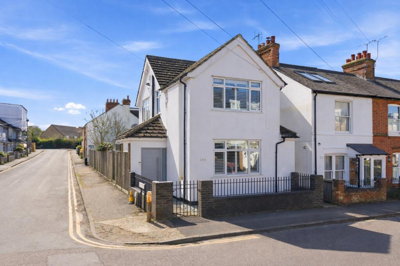
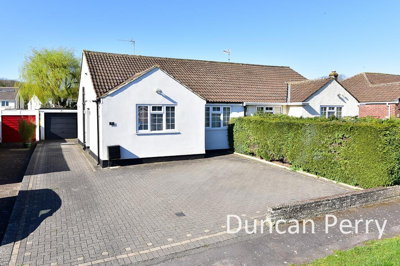
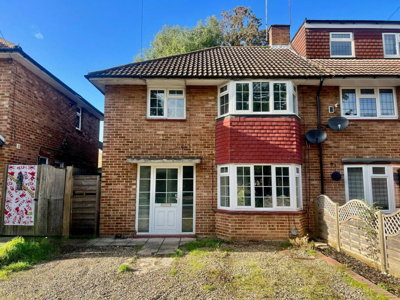
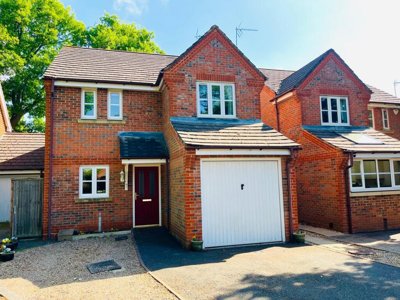
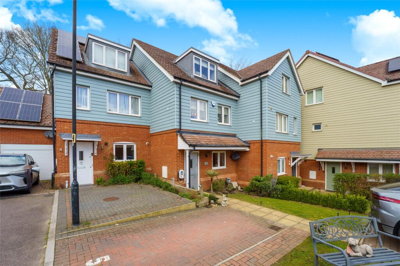
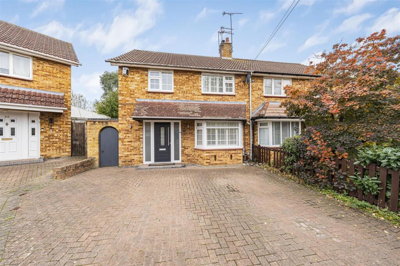
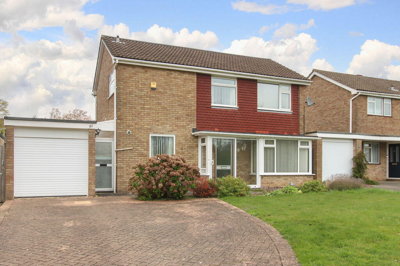
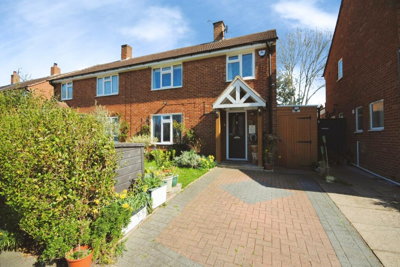
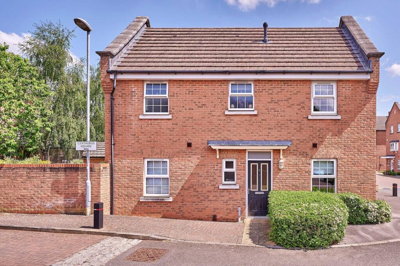
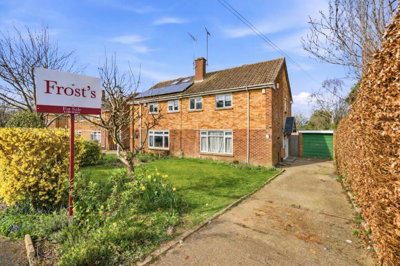
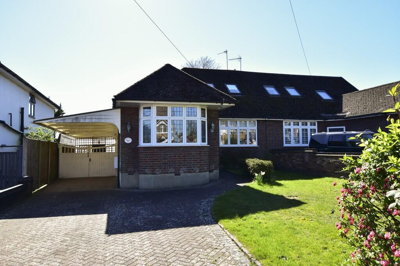
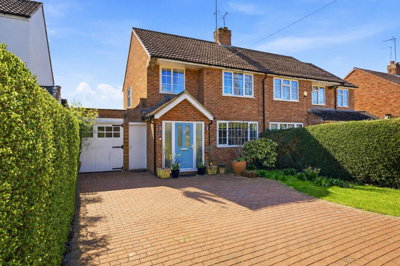
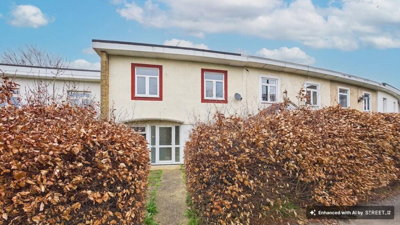
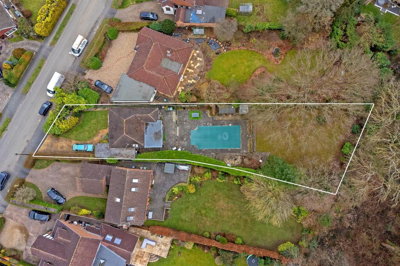
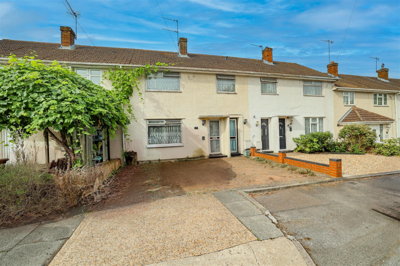
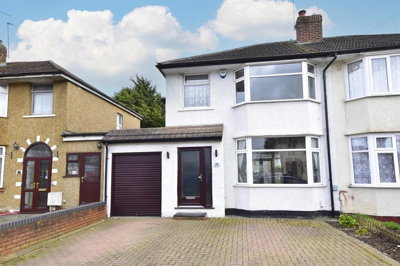
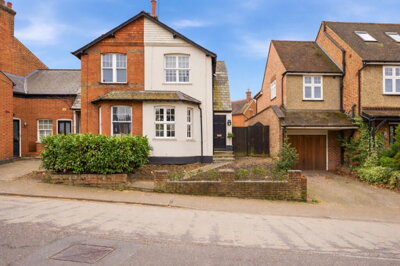
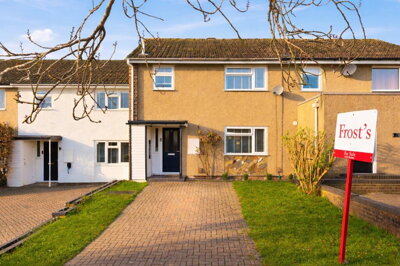
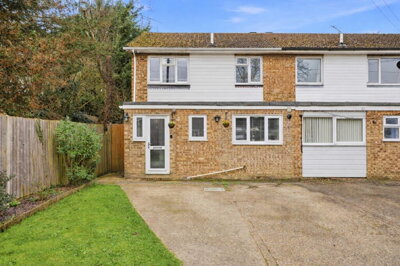
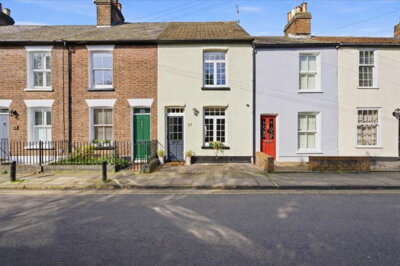
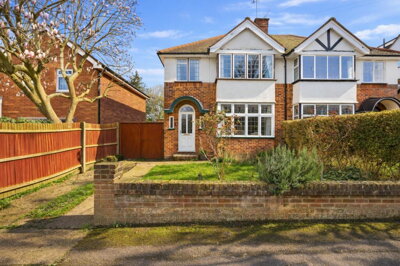
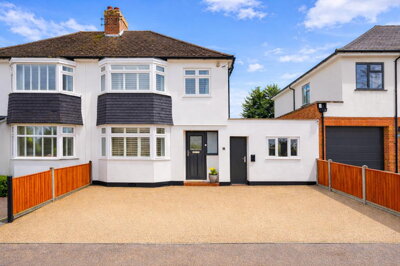
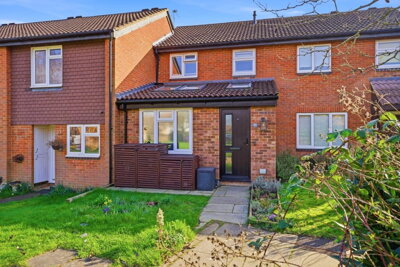
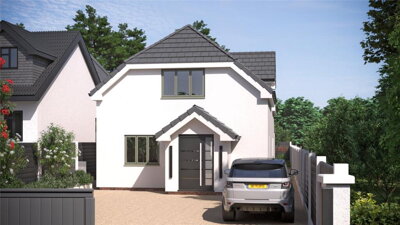
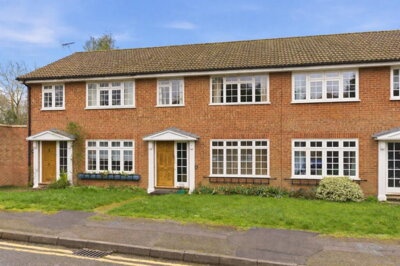
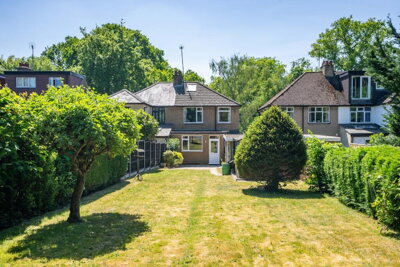
Browse 960 homes for sale in St Albans from local estate agents.
Three bedroom properties represent a significant portion of the St Albans housing market, offering space for families with multiple reception rooms and gardens in many cases. Browse detached, semi-detached, and terraced options ranging from period character homes to contemporary developments.
The St Albans property market has demonstrated remarkable resilience despite broader national uncertainties. The city saw approximately 2,700 residential transactions in the past twelve months, with around 910 sales within the city boundary itself. Sales volumes have decreased by around 12-14% compared to the previous year, reflecting a national trend of reduced transaction activity, but demand remains strong from buyers attracted to the area's exceptional quality of life and commuting credentials. The city average asking price currently stands at approximately £686,000, indicating continued confidence in the local market among sellers.
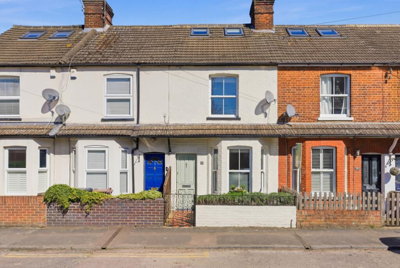
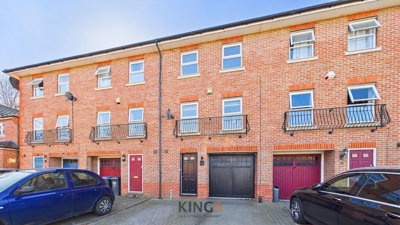
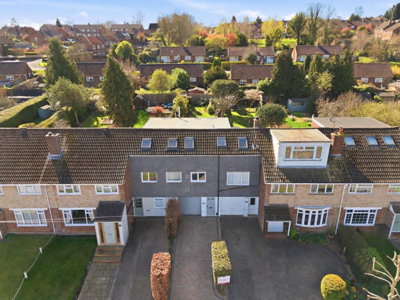
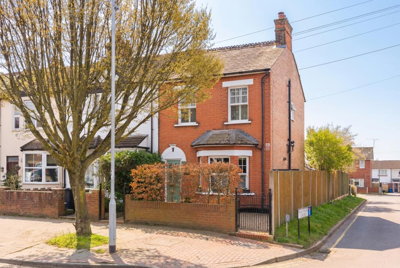
Property types in St Albans reflect its historical development and varied architectural heritage. Terraced properties dominate the sales market at 32.5% of transactions, with Victorian and Edwardian homes particularly popular among buyers seeking period features and generous room sizes. Flats and maisonettes account for nearly 25% of sales, making them an accessible entry point for first-time buyers. Semi-detached homes represent 23.6% of sales, while detached properties comprise 19% of transactions, with these larger homes commanding premium prices due to high family demand and limited supply in this historic city.
New build activity in St Albans remains modest, with only 109 newly built properties sold in the past twelve months, representing just 4% of total sales. The average new build price of £491,000 in the postcode area is notably lower than the overall average, likely reflecting smaller apartment developments rather than houses. Developments such as The Cottonworks on AL1 1NR and Charrington Place on AL1 3GW have contributed to the limited new housing stock, but opportunities for new build purchases remain relatively scarce in this established city where conservation considerations often limit larger development schemes.
Recent price trends show the market has experienced more significant corrections in certain segments. Flat prices have decreased by 7.5% over the year to December 2025, while terraced properties fell by 3.6%. Overall, the postcode area has seen a 3% reduction in average prices over the twelve-month period. This price softening has created more accessible entry points for first-time buyers, particularly in the flat segment where the average price of £313,000 represents a significant discount compared to other property types in the area.

St Albans offers an exceptional quality of life that consistently ranks among the best places to live in the UK. The city combines the character and charm of its 2,000-year history with all the amenities of a modern urban centre. The Cathedral and Abbey Church of St Alban stands as the city's spiritual heart, surrounded by a network of charming streets featuring independent boutiques, cosy pubs, and excellent restaurants. Residents enjoy easy access to the Verulamium Museum, which showcases Roman mosaics and artefacts from when St Albans was one of the largest Roman towns in Britain. The weekly charter market in the city centre has traded since the 1550s, offering fresh local produce alongside crafts and antiques.
The city's residential areas span from elegant Victorian terraces near the city centre to more spacious inter-war and post-war developments on the outskirts. Neighbourhoods like Fleetville and Batford retain village atmospheres despite their proximity to the railway stations, while areas such as Bernards Heath offer sought-after addresses with excellent local schools. The surrounding Hertfordshire countryside provides abundant green space, with the ancient woodland of Heartwood Forest and the Chiltern Hills easily accessible for weekend walks and cycling. The city's numerous parks, including Verulamium Park with its lakes and sports facilities, contribute to the family-friendly character that makes St Albans so appealing to residents of all ages.
Key employers in St Albans include major sectors in retail and hospitality within the vibrant city centre, professional services including legal and financial firms, healthcare provision at St Albans City Hospital, and a growing presence of technology and creative industries across the wider Hertfordshire area. The strong local economy, combined with excellent commuting links to London, ensures sustained demand for property in the area. Properties in St Albans appeal to a diverse range of buyers, from young professionals working in the capital to families seeking the excellent schooling and quality of life the city provides.

St Albans has earned a reputation as one of Hertfordshire's premier education destinations, with an exceptional concentration of highly-rated schools that draw families from across the region. The city is served by numerous primary schools that consistently achieve above-average results in Key Stage 2 assessments, including popular choices such as St Peter's School, Cunningham Hills Primary, and Fleetville Junior School. These schools benefit from strong parental engagement and dedicated teaching staff who support children through the transition from infant to junior education. Many primary schools in St Albans have been rated Good or Outstanding by Ofsted, providing parents with confidence in their children's early education.
Secondary education in St Albans is particularly competitive, with selective admission policies driving strong academic outcomes. St Albans School and St Albans Girls' School are among the most sought-after secondary schools in Hertfordshire, regularly achieving excellent GCSE and A-level results. The city also offers excellent non-selective options, including Beaumont School and Sandringham School, which have developed strong reputations for academic achievement and extracurricular provision. Parents should be aware that catchment areas for popular schools can be highly competitive, and property prices in the immediate vicinity of top-performing schools often command significant premiums. Early planning and thorough research into school catchments is essential for families prioritising educational access.
Beyond school catchments, St Albans offers additional educational opportunities including private schooling options and further education at Oaklands College. The presence of these educational facilities significantly influences the local property market, with many buyers specifically seeking properties within convenient distance of highly-rated schools. Families moving to St Albans from London often cite the education options as a primary driver, willing to pay premium prices for access to the city's academic institutions. This sustained demand from education-motivated buyers contributes to the resilience of the St Albans property market during periods of broader economic uncertainty.
Transport connectivity is perhaps St Albans' most significant advantage for London commuters, with direct train services that make daily travel to the capital remarkably straightforward. St Albans City station provides regular services to London St Pancras International in approximately 25 minutes, placing central London within easy reach for professionals working in the capital. St Albans Abbey station offers a quieter alternative with services to Watford Junction and connections to the wider rail network. Both stations have ample parking facilities, though many residents choose to cycle or take buses given the city centre locations and growing congestion on approach roads during peak hours.
The city benefits from excellent road connections that complement its rail services. The M25 motorway encircles the area, providing access to the wider motorway network, while the A414 passes through the city connecting to Hemel Hempstead and Hatfield. For air travel, Luton Airport is approximately 20 minutes by car, offering a range of European and international destinations. Local bus services operated by Intalink connect St Albans with surrounding towns including Hatfield, Welwyn Garden City, and Watford, providing practical alternatives for those without cars. The city has invested in improved cycling infrastructure in recent years, with dedicated routes making cycling a viable option for commuting to local employment centres and schools.
The convenience of St Albans' transport links significantly influences property values throughout the city. Properties within walking distance of St Albans City station typically command a premium over comparable properties further from the station, particularly for commuter-focused buyers. The 25-minute journey time to central London places St Albans among the most accessible commuter towns in the Southeast, competing favourably with destinations that require significantly longer travel times. This connectivity has made St Albans particularly popular with professionals working in London's financial district, creative industries, and technology sector, all of whom value the ability to live in a historic city with excellent amenities while maintaining convenient access to the capital.
Before beginning your property search in St Albans, assess your financial position and research the local market thoroughly. Obtain a mortgage agreement in principle from a lender to understand your true budget, keeping in mind that St Albans prices typically exceed the national average. Consider additional costs including Stamp Duty Land Tax, solicitor fees, survey costs, and moving expenses when setting your budget. Given the premium nature of the St Albans market, many buyers find that properties near the city centre or within sought-after school catchments command prices significantly above the city average.
St Albans encompasses diverse neighbourhoods, each with distinct characteristics and price points. The city centre offers period properties and convenient access to amenities, while areas like Bernards Heath provide spacious family homes. Consider your priorities regarding school catchments, commuting requirements, and lifestyle preferences when narrowing your search to specific areas within the city. Each neighbourhood has its own character, from the historic streets near the cathedral to the post-war developments on the city's outskirts.
Once you have identified suitable properties, arrange viewings through Homemove's comprehensive listing database. View multiple properties in your target price range to develop an understanding of what represents value in the current market. Pay attention to property condition, potential maintenance requirements, and any signs of structural issues common to older properties in the area. For period properties in St Albans, viewers should specifically note the condition of roofs, foundations, and any signs of damp or structural movement.
Before committing to purchase, commission a professional survey to assess the property's condition. For period properties common in St Albans, a RICS Level 2 or Level 3 survey can identify issues such as damp, subsidence risk from clay soils, roof condition, and electrical or plumbing concerns. Survey findings can provide valuable negotiating leverage or alert you to costly repairs. Given the significant proportion of Victorian, Edwardian, and inter-war properties in St Albans, professional surveys are particularly valuable for identifying age-related defects that may not be apparent during a standard viewing.
Once your offer is accepted, instruct a conveyancing solicitor to handle the legal aspects of your purchase. Your solicitor will conduct searches, review contracts, and liaise with the seller's representatives to progress your transaction. Search packages for St Albans properties typically include drainage and water searches, local authority searches, and environmental searches. For properties in conservation areas or listed buildings, additional specialist searches may be required to assess planning restrictions and listed building consent requirements.
The final stages involve signing contracts, paying your deposit, and agreeing a completion date with the seller. Your solicitor will coordinate with all parties to ensure a smooth transaction. On completion day, you will receive the keys to your new St Albans home. Ensure you have buildings insurance in place from the date of exchange, as this is when you become legally responsible for the property.
Properties in St Albans require careful scrutiny due to the significant proportion of older housing stock in the city. The local geology presents particular considerations: the clay soils prevalent in parts of St Albans carry a moderate to high shrink-swell risk, meaning foundations can be affected by moisture changes, especially for properties with shallow foundations or those situated near mature trees. During your survey, pay close attention to any signs of structural movement, cracking to walls, or doors and windows that stick, as these may indicate subsidence or heave issues that could require costly remediation.
St Albans has extensive conservation areas and numerous listed buildings, particularly around the city centre and near the cathedral. The Central Conservation Area and St Michael's Conservation Area cover significant portions of the historic city centre, while numerous other conservation areas protect the character of historic villages within the district. Properties in these designations are subject to stricter planning controls that affect what alterations you can make, from extensions and loft conversions to external painting and window replacements. If you are considering a period property for renovation, verify the implications of its listed status or conservation area location before proceeding. These restrictions can significantly affect the property's renovation potential and future resale value.
Flood risk, while not extreme, merits consideration for certain St Albans properties. The River Ver and its tributaries pose a fluvial flood risk to properties in close proximity to watercourses, and surface water flooding can affect low-lying areas during periods of heavy rainfall. Always consult the Environment Agency's flood risk maps and discuss findings with your surveyor before purchasing a property in a known flood risk zone. Buildings insurance costs may also be higher for properties with elevated flood risk. Additionally, many flats in St Albans are leasehold, so scrutinise the remaining lease term, ground rent arrangements, and any service charges carefully before committing to purchase. Flats in the city can represent good value at an average of £313,000, but understanding the full cost of leasehold ownership is essential before purchase.
The average property price in St Albans currently ranges from £610,000 to £686,000 depending on the data source and measurement methodology used. Detached properties average around £1,166,000, semi-detached homes approximately £722,000, terraced properties around £544,000, and flats from £313,000. The market has experienced modest price corrections of approximately 3% over the past twelve months, creating more accessible entry points for buyers compared to the peaks of recent years. Flat prices have seen the most significant correction, falling by 7.5% over the year to December 2025, while terraced properties fell by 3.6%.
St Albans falls under St Albans City and District Council administration, with properties spanning council tax bands A through H. Victorian and Edwardian terraces in the city centre typically fall into bands C to E, while larger detached properties in areas like Bernards Heath often occupy bands F to H. The premium nature of the local property market means many properties fall into higher council tax bands, contributing to annual charges that buyers should factor into their ongoing costs of ownership. You can check the specific band for any property through the Valuation Office Agency website or the local council's online portal.
St Albans boasts several highly-regarded schools including St Albans School and St Albans Girls' School at secondary level, both achieving excellent academic results and operating selective admission policies. Primary schools such as St Peter's School, Cunningham Hills Primary, and Fleetville Junior School are consistently rated Good or Outstanding by Ofsted. Parents should note that popular schools have competitive catchment areas, and properties within these catchments typically command significant premiums in the local market. The presence of these highly-rated schools is a major driver of demand in the St Albans property market, with families often prioritising school access when choosing which area of the city to buy in.
St Albans offers excellent transport connectivity, with St Albans City station providing direct services to London St Pancras in approximately 25 minutes. St Albans Abbey station offers additional services to Watford Junction, providing useful alternatives for those working in different London terminals or accessing the wider rail network. The city is served by comprehensive bus routes operated by Intalink, connecting St Albans with surrounding towns including Hatfield, Welwyn Garden City, and Watford. Luton Airport is approximately 20 minutes away by car, offering extensive European and international flight options that make St Albans particularly attractive to frequent travellers and international commuters.
St Albans has historically demonstrated strong capital growth and resilience in the property market, driven by its exceptional commuter links, outstanding schools, and high quality of life. The city's premium pricing reflects sustained demand from London professionals and families seeking space and accessibility in a historic location with excellent amenities. While recent market corrections have reduced prices by approximately 3% overall, the fundamental factors driving demand remain firmly in place, suggesting continued stability for long-term investors. The limited new build supply, with only 4% of sales being new properties, indicates that demand continues to outpace supply in this established city.
For properties purchased at the current St Albans average price of around £617,000, standard Stamp Duty Land Tax rates apply. Buyers will pay 0% on the first £250,000, 5% on the portion between £250,001 and £525,000, resulting in approximately £13,350 in SDLT for a single property purchase. First-time buyers may benefit from relief on the first £425,000, reducing costs to approximately £9,600, provided they meet eligibility criteria including UK residency and no previous property ownership. Properties above £925,000 incur additional charges at the higher rates, which is relevant given that detached properties in St Albans average £1,166,000.
St Albans has a distinctive property type distribution with terraced properties dominating at 32.5% of sales, followed by flats and maisonettes at nearly 25%. Semi-detached homes represent 23.6% of sales, while detached properties comprise 19% of transactions. The high proportion of Victorian and Edwardian properties means many homes feature period details such as original fireplaces, high ceilings, and bay windows. Properties near the city centre and cathedral area tend to be older, often built in the late 19th or early 20th century, while the outskirts feature more inter-war and post-war construction including 1930s semis and more recent developments.
The primary environmental consideration for St Albans buyers is the risk of flooding from the River Ver and its tributaries, particularly for properties near watercourses or in low-lying areas. Surface water flooding can also affect urban areas during heavy rainfall when drainage systems become overwhelmed. The chalk bedrock geology and overlying clay deposits mean some properties may be susceptible to subsidence or heave, especially those with shallow foundations or near large trees whose root systems affect soil moisture levels. Mining risk is not a concern in St Albans as the area is not known for historical mining activity.
Purchasing a property in St Albans involves several costs beyond the purchase price that buyers should factor into their financial planning. Stamp Duty Land Tax represents the most significant additional cost: for a typical St Albans property at £617,000, you would pay approximately £13,350 in SDLT under standard rates. First-time buyers purchasing properties up to £625,000 could pay considerably less, potentially around £9,600, provided they meet the eligibility criteria including being a UK resident and not having previously owned property. Given that detached properties average £1,166,000, buyers of larger family homes should budget significantly more for SDLT.
Solicitor conveyancing fees for a St Albans property typically range from £499 to £1,500 depending on the complexity of the transaction and whether the property is freehold or leasehold. Search fees, including local authority searches, drainage and water searches, and environmental searches, typically add £250 to £400 to your legal costs. For properties in conservation areas or listed buildings, additional specialist searches may be required, increasing costs further. A RICS Level 2 survey will cost between £350 and £800 depending on property size and value, while more detailed Level 3 Building Surveys for period properties may cost £600 to £1,500 or more.
Budgeting for your St Albans purchase should also include moving costs, potential renovation or repair expenses revealed by survey findings, and buildings insurance from the point of exchange. For leasehold properties, which represent nearly 25% of sales in St Albans, understanding the full cost of ownership includes annual service charges, ground rent, and any planned major works contributions. The premium nature of the St Albans market means that renovation and maintenance costs may also exceed national averages due to the cost of tradespeople and materials in this desirable area. Ensuring you have adequate contingency funds available after the purchase is essential for handling any unexpected repairs or improvements to your new home.
Properties for Sale In London

Properties for Sale In Plymouth

Properties for Sale In Liverpool

Properties for Sale In Glasgow

Properties for Sale In Sheffield

Properties for Sale In Edinburgh

Properties for Sale In Coventry

Properties for Sale In Bradford

Properties for Sale In Manchester

Properties for Sale In Birmingham

Properties for Sale In Bristol

Properties for Sale In Oxford

Properties for Sale In Leicester

Properties for Sale In Newcastle

Properties for Sale In Leeds

Properties for Sale In Southampton

Properties for Sale In Cardiff

Properties for Sale In Nottingham

Properties for Sale In Norwich

Properties for Sale In Brighton

Properties for Sale In Derby

Properties for Sale In Portsmouth

Properties for Sale In Northampton

Properties for Sale In Milton Keynes

Properties for Sale In Bournemouth

Properties for Sale In Bolton

Properties for Sale In Swansea

Properties for Sale In Swindon

Properties for Sale In Peterborough

Properties for Sale In Wolverhampton

Enter your details to see if this property is within your budget.
Loans, cards, car finance
Estimated property budget
Borrowing + deposit
You could borrow between
Typical borrowing
Monthly repayment
Est. at 4.5%
Loan-to-value
This is an estimate only. Your actual budget may vary depending on interest rates, credit history, and personal circumstances. For an accurate affordability assessment, speak to one of our free mortgage advisors.
This calculator provides estimates for illustrative purposes only and does not constitute financial advice. Your home may be repossessed if you do not keep up repayments on your mortgage. Estimates based on 4.5% interest rate, repayment mortgage. Actual rates depend on your circumstances.
Homemove is a trading name of HM Haus Group Ltd (Company No. 13873779, registered in England & Wales). Homemove Mortgages Ltd (Company No. 15947693) is an Appointed Representative of TMG Direct Limited, trading as TMG Mortgage Network, which is authorised and regulated by the Financial Conduct Authority (FRN 786245). Homemove Mortgages Ltd is entered on the FCA Register as an Appointed Representative (FRN 1022429). You can check registrations at NewRegister or by calling 0800 111 6768.

We use cookies to show you personalised content and improve your experience of our website. Find out more in our Privacy policy and Cookie policy.