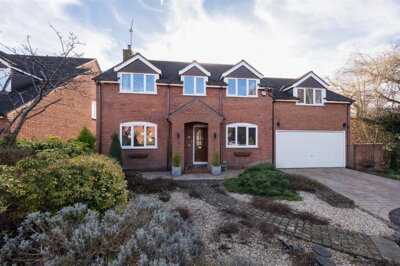
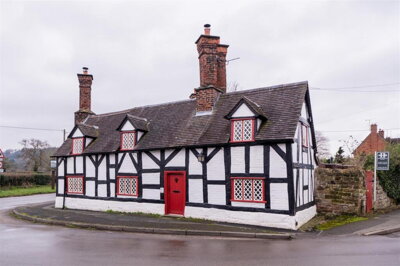
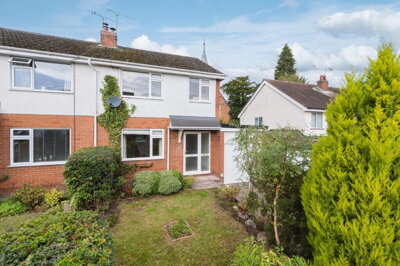
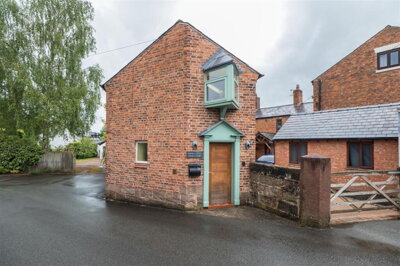
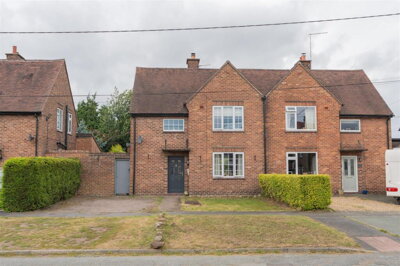
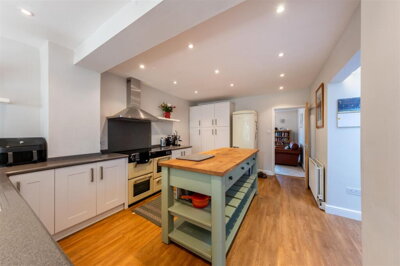
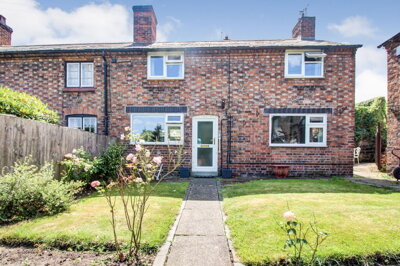
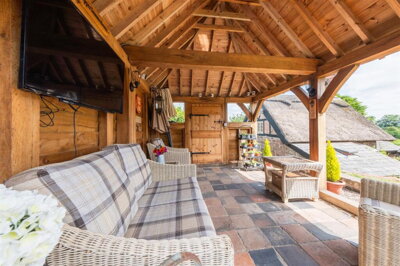
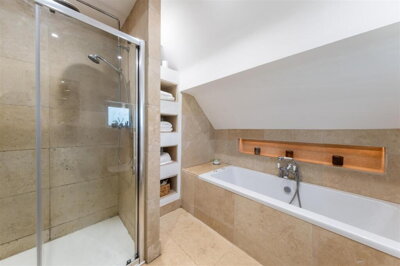
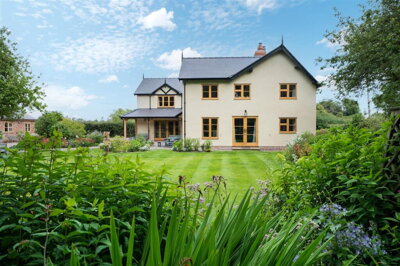
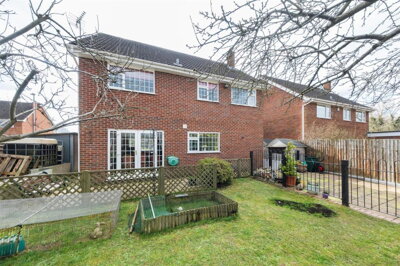
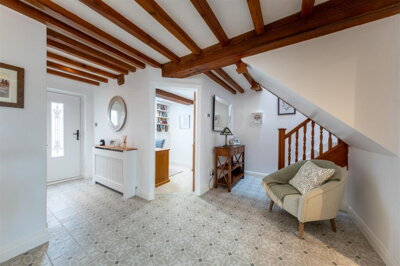
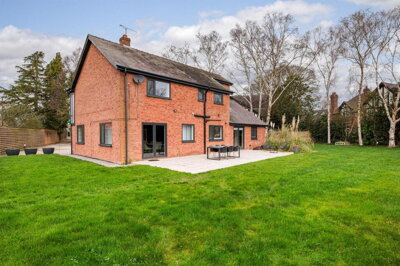
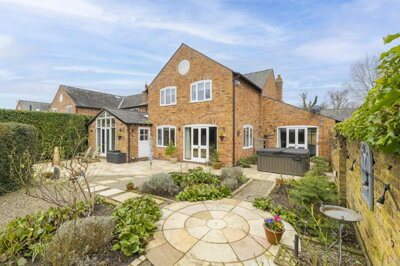
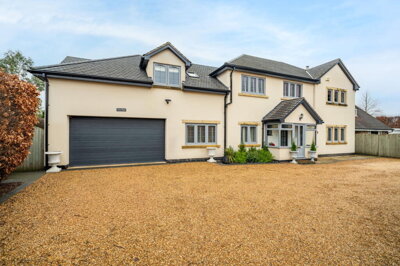
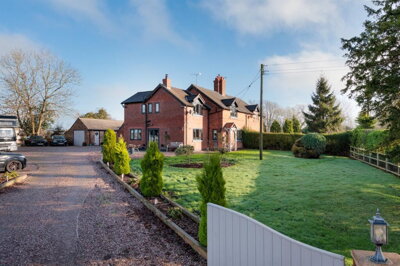
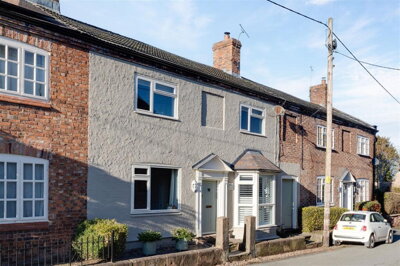
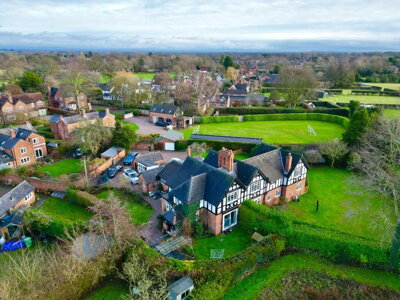
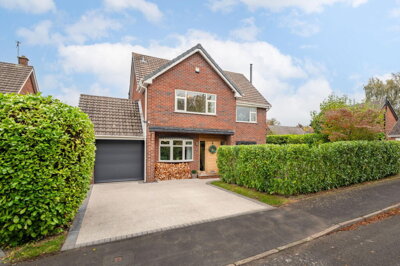
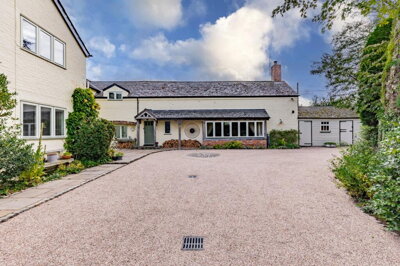
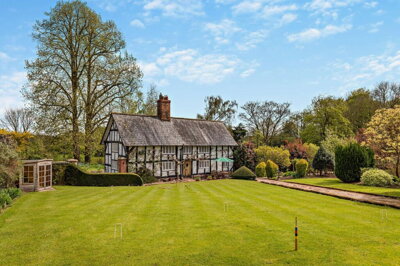
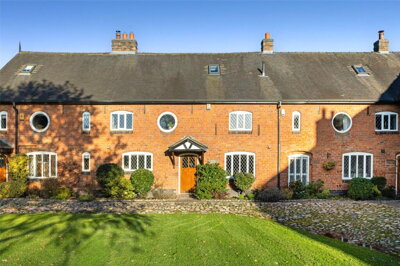
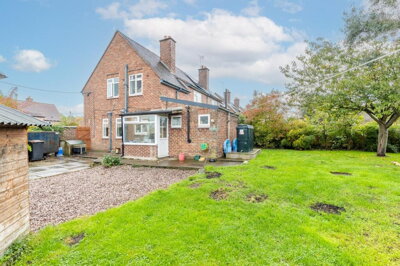
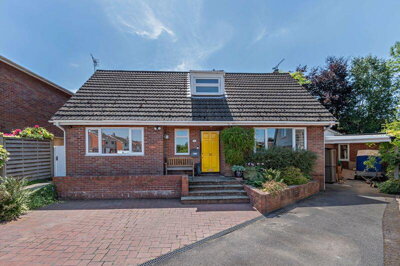
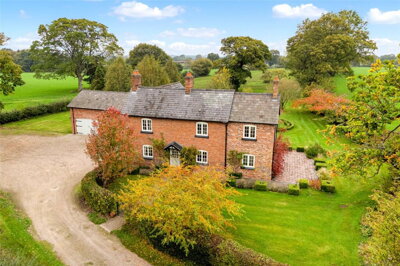
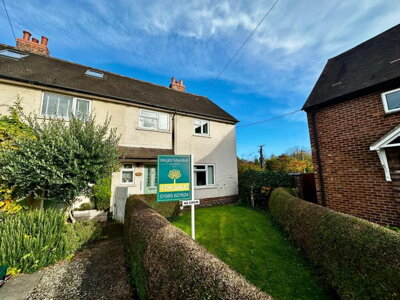
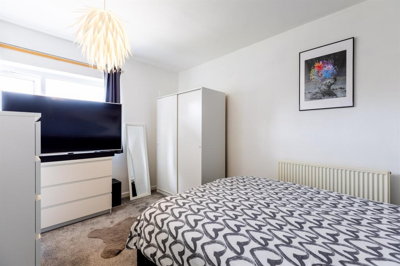
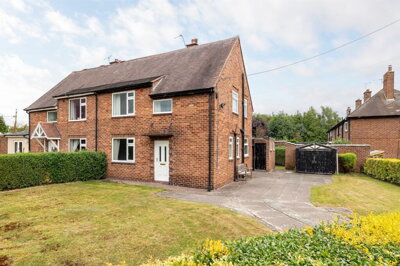
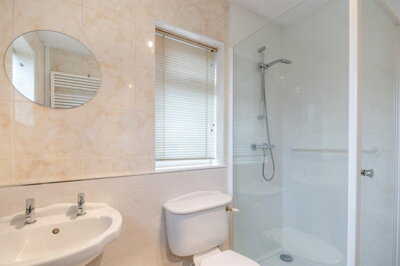
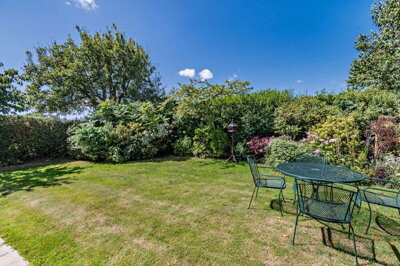
Browse 39 homes for sale in Spurstow, Cheshire East from local estate agents.
The Spurstow property market offers detached, semi-detached, and terraced houses spanning various price ranges and neighbourhoods. Each listing includes detailed property information, photographs, and direct contact with the marketing agent.
£875k
2
0
161
Source: home.co.uk
Showing 2 results for Houses for sale in Spurstow, Cheshire East. The median asking price is £875,000.
Source: home.co.uk
Detached
2 listings
Avg £875,000
Source: home.co.uk
Source: home.co.uk
The Diss property market has demonstrated remarkable stability, with overall house prices increasing by 1% over the past twelve months according to February 2026 Rightmove data. This steady growth reflects the town's enduring appeal as a desirable place to live in rural Norfolk. The market offers a diverse range of property types, from charming terraced cottages dating back to the 16th century to spacious modern detached family homes. Detached properties command the highest average price at £425,000, followed by semi-detached homes at £270,000, terraced properties at £220,000, and flats starting from £150,000. This pricing structure makes Diss accessible to first-time buyers while still offering premium options for those seeking larger family homes or executive residences.
Different property types have shown varying price movements over the past year, with detached properties leading growth at 2% increase, while terraced homes experienced a 1% decrease. Flats showed the strongest growth at 3%, suggesting increasing demand for compact living options among young professionals and downsizers. Semi-detached properties remained stable with no change in average price, indicating balanced supply and demand in this popular segment. These trends suggest a market that rewards careful property selection based on type and condition.
New build activity continues to enhance the housing options available in Diss and the immediate surrounding area. The Pastures development by Abel Homes on Shelfanger Road offers 2, 3, and 4-bedroom homes priced from £270,000 to £450,000, providing modern living in a convenient location close to the railway station. Heritage Place by Orbit Homes on Victoria Road presents more affordable options with 2 and 3-bedroom homes ranging from £240,000 to £320,000, ideal for first-time buyers or those seeking low-maintenance accommodation. For those considering the wider Diss area, Scole Gardens by Lovell Homes on Norwich Road offers additional new build opportunities with prices from £250,000 to £400,000. These developments cater to varying requirements and budgets, ensuring that buyers can find properties that meet their specific needs whether they prioritize contemporary design, energy efficiency, or proximity to local amenities.

Diss maintains its identity as a traditional Norfolk market town with a population of approximately 10,000 residents across around 4,500 households. The town centre centres around the magnificent Diss Mere, a natural lake that provides a stunning focal point and beloved local amenity. The Conservation Area encompasses much of the historic town centre, protecting the architectural heritage that includes buildings from the 16th to 19th centuries. St Mary's Church, the Corn Hall, and numerous Listed Buildings dot the streetscape, creating a visually appealing environment that attracts visitors from across the region. The character of the town is further defined by its construction heritage, with many older properties featuring distinctive Suffolk White brick, red brick, and flint detailing that reflects the local building traditions of Norfolk and Suffolk.
The local economy revolves around agriculture and food production, retail and services, and light industrial operations on the outskirts of town. Diss serves as a vital service centre for the surrounding rural communities, with local shops, supermarkets, and professional services providing employment and essential amenities. The tourism sector benefits from visitors drawn to the Mere, countryside walks, and the town's historic attractions. Weekend markets continue to thrive, offering local produce and crafts that reinforce community connections. The presence of several pubs, restaurants, and cafes creates a welcoming atmosphere for residents and visitors, while regular community events throughout the year foster the strong social fabric that makes Diss such a pleasant place to reside.
The town's development spans several distinct periods, with pre-1919 properties concentrated in the historic centre featuring solid wall construction in 9-inch or 13-inch brick, often incorporating flint, with slate or clay tile roofs and lime mortar. Inter-war properties from 1919-1945 introduced cavity wall construction, while post-war development through 1980 expanded the town with council estates and private housing. Given this heritage, it is estimated that over half of Diss housing stock is more than 50 years old, meaning many properties will require consideration of age-related maintenance issues when purchasing.

Education provision in Diss serves families well with a range of primary and secondary options within the town and surrounding area. Primary schools in Diss provide education for children from Reception through to Year 6, offering a strong foundation in a local setting that minimizes long school runs for parents. The secondary school in Diss serves students from the town and surrounding villages, providing comprehensive education through to GCSE level. For families considering sixth form options, nearby towns including Diss High School offer A-level courses, while several colleges in Norwich provide further and higher education pathways for older students. Researching specific school catchments and performance data through Ofsted reports helps parents make informed decisions about which areas of Diss best suit their family's educational requirements.
The presence of quality schools significantly influences the Diss property market, with families often prioritizing locations within good school catchments. Properties in these sought-after areas typically command premiums reflecting the value placed on educational access. For buyers with school-age children, understanding the admissions criteria and catchment boundaries for both primary and secondary schools should form an essential part of property search strategy. Independent schools in the wider Norfolk area provide additional options for families seeking alternative educational approaches. Planning viewings around school pickup times offers opportunities to observe the local community in action and gauge the atmosphere of different neighbourhoods within Diss.
Diss railway station positions the town on the Norwich to London main line, offering direct services that make commuting to the capital a realistic option for many residents. Journey times to Norwich typically take around 25 to 30 minutes, while London Liverpool Street is accessible in approximately 90 minutes to two hours depending on service patterns. This rail connectivity has made Diss increasingly attractive to commuters who work in Norwich but prefer the lifestyle benefits of living in a smaller town with access to beautiful countryside. The station offers parking facilities for those driving from surrounding villages, and the town centre is within walking distance for residents living closer to the station.
Road connections from Diss provide access to the wider Norfolk road network, with the A140 offering routes north to Norwich and south towards Ipswich. The town sits in a rural location, meaning car ownership is typically necessary for full accessibility, though local bus services connect Diss with surrounding villages and market towns. For those working in Norwich, the commute by car takes approximately 30 to 40 minutes outside peak hours, though traffic conditions can extend this during busy periods. Cycling infrastructure in the area continues to improve, with quiet country lanes popular among recreational cyclists and some commuters choosing two wheels for shorter journeys. Norwich Airport provides domestic and limited international flights for residents requiring air travel connections.
Properties in Diss present several area-specific considerations that buyers should investigate before committing to a purchase. The local geology features boulder clay overlying chalk, which creates a moderate to high shrink-swell risk for properties with shallow foundations or those built on uncompacted fill. This risk becomes particularly relevant during periods of drought followed by heavy rainfall, when clay soils contract and expand, potentially affecting foundations and causing subsidence or heave. Properties with mature trees located close to the building should receive thorough structural surveys, as tree roots can exacerbate clay-related movement. Engaging a qualified structural engineer or RICS surveyor with local experience helps identify any existing or potential foundation issues before purchase.
Flood risk requires careful assessment when considering properties in Diss, particularly those near the River Waveney or Diss Mere. Areas immediately adjacent to the River Waveney to the south and east of the town centre fall within Flood Zone 2 and 3, indicating medium to high risk of river flooding. Surface water flood risk also affects some low-lying parts of the town, especially where drainage infrastructure may be overwhelmed during heavy rainfall events. Buyers should request flood risk reports for specific properties and consider the potential impact on insurance costs and property values. Properties within the extensive Conservation Area may face planning restrictions that affect alterations and extensions, while Listed Buildings require special permissions for any changes that might affect their historic character.
Given that over half of Diss housing stock is more than 50 years old, buyers should pay particular attention to common age-related defects. These include damp issues (rising damp, penetrating damp, and condensation) common in solid-walled properties built before modern construction standards. Roof condition requires careful inspection on older properties, where original slate or clay tiles may have deteriorated and leadwork failed. Timber defects including woodworm and wet or dry rot frequently occur where damp has affected structural timbers. Many older homes also feature outdated electrical wiring and plumbing systems that require upgrading to meet current safety standards, while inadequate insulation throughout walls, roofs, and floors typically results in poor thermal performance and higher energy costs.
Spend time exploring different neighbourhoods in Diss, attending open viewings, and understanding local property values. Visit at different times of day and week to gauge noise levels, traffic patterns, and community atmosphere. Research school catchments, local amenities, and transport options to identify areas that match your priorities and lifestyle requirements.
Contact lenders or mortgage brokers to obtain an Agreement in Principle before beginning property viewings. Having this in place demonstrates your seriousness to sellers and estate agents, strengthening your negotiating position. It also clearly defines your budget, helping you focus your search on properties you can realistically afford and avoiding disappointment from viewing homes outside your price range.
Contact local estate agents in Diss to arrange viewings of properties matching your criteria. Take notes and photographs during each viewing, paying attention to property condition, natural light, storage space, and any signs of damp or structural issues. Return for second viewings of properties you are seriously considering, ideally bringing a builder or friend with construction experience.
Commission a RICS Level 2 Survey for most properties or a Level 3 Building Survey for older properties, Listed Buildings, or those with obvious structural concerns. In Diss, Level 2 surveys typically cost between £450 and £650 for a standard 3-bedroom semi-detached property, with larger 4-bedroom detached homes costing between £600 and £850. The survey identifies defects that may not be visible during viewings and provides negotiating leverage for price reductions or repairs.
Choose a conveyancing solicitor with experience in Norfolk property transactions to handle the legal aspects of your purchase. Your solicitor will conduct searches with South Norfolk District Council, investigate title deeds, handle contracts, and coordinate the exchange and completion process. For properties in Diss Conservation Area or those with planning complications, additional due diligence may be required.
Once all surveys, searches, and legal work are satisfactory, your solicitor will arrange contract exchange with the seller's representative. A deposit, typically 10% of the purchase price, becomes payable at exchange. Completion, when you receive the keys and take ownership, is usually scheduled one to two weeks after exchange, though this can be varied by mutual agreement.
According to Rightmove data from February 2026, the average house price in Diss is approximately £320,000. Detached properties average £425,000, semi-detached homes £270,000, terraced properties £220,000, and flats around £150,000. The market has shown 1% growth over the past twelve months, indicating stable demand. Prices vary considerably based on property type, size, condition, and location within the town, with properties near the Mere or within the Conservation Area often commanding premiums reflecting their desirable settings and character features. Different property types have shown varying performance, with detached homes appreciating 2% and flats rising 3%, while terraced properties saw modest 1% declines.
Properties in Diss fall under South Norfolk District Council, which sets council tax rates based on the Valuation Office Agency property bandings from A through H. Most residential properties in Diss fall within bands A through D, with older terraced properties and smaller flats typically in lower bands and larger detached homes in higher bands. The exact band depends on the property's assessed value, and buyers can check current council tax bands and charges through the South Norfolk District Council website or the Gov.uk valuation services portal.
Diss offers good educational provision with primary schools serving children from Reception through Year 6, and secondary education available at the local secondary school through GCSE level. Diss High School provides A-level courses for post-16 students, while several colleges in Norwich offer further and higher education pathways for older students seeking specialist vocational or academic courses. For specific school performance data and Ofsted ratings, parents should consult the Ofsted website to review current inspection results. School catchment areas can significantly affect which properties appeal to families, making this an important consideration during property searches, particularly for families with children approaching school age.
Diss railway station provides the main public transport link, offering direct services to Norwich (25-30 minutes journey time) and London Liverpool Street (approximately 90 minutes to two hours). This rail connectivity makes Diss attractive to commuters working in Norwich or travelling to London, with the town becoming increasingly popular among professionals seeking a better work-life balance. Local bus services connect Diss with surrounding villages and market towns, though frequencies may be limited on less popular routes. For full daily mobility, car ownership remains beneficial in this rural location, though the compact nature of the town centre means many amenities can be accessed on foot from nearby residential areas.
Diss offers several factors that appeal to property investors, including stable house prices showing consistent modest growth and a steady volume of transactions maintaining market liquidity. The town's good rail connections to Norwich and London attract commuters seeking more affordable housing than the capital, supporting ongoing demand for both rental and purchase properties. Rental demand exists from professionals, small families, and retired tenants attracted to the town's amenities and quality of life, with the mix of period properties and modern developments offering different investment profiles. However, investors should carefully consider potential flood risk in certain areas, the condition of older properties requiring maintenance investment, and planning restrictions affecting Conservation Area properties.
Stamp Duty Land Tax (SDLT) rates for standard purchases in England are 0% on the first £250,000, 5% on £250,001 to £925,000, 10% on £925,001 to £1.5 million, and 12% on amounts exceeding £1.5 million. First-time buyers qualify for relief on the first £425,000 at 0%, with 5% charged between £425,001 and £625,000. Given the average property price in Diss of £320,000, most buyers would pay no SDLT, while first-time buyers purchasing at average prices would pay nothing. Higher value properties attract SDLT at the standard rates, making Diss an attractive location where stamp duty costs remain minimal for the majority of transactions.
Key risks to consider include flood risk near the River Waveney and Diss Mere, with some areas designated Flood Zone 2 and 3 requiring appropriate insurance and risk mitigation. The local clay geology creates moderate to high shrink-swell risk that can affect properties with shallow foundations, particularly those with mature trees nearby that may exacerbate soil movement during dry spells. Properties in the Conservation Area face planning restrictions that limit what alterations are possible, and Listed Buildings require special consents for any changes that might affect their historic character. Older properties frequently require investment in updating electrical systems, plumbing, insulation, and addressing damp issues common in properties built before modern construction standards. Commissioning appropriate surveys before purchase helps identify these issues and provides information for negotiating prices or requiring repairs.
Buying property in Diss involves several costs beyond the purchase price that buyers should budget for from the outset. Stamp Duty Land Tax represents the most significant additional cost for higher value purchases, though the average Diss property price of £320,000 means most buyers pay nothing or very minimal amounts. Standard rate buyers pay 0% on the first £250,000, making SDLT a minor consideration for most Diss transactions. First-time buyers purchasing properties up to £425,000 pay no SDLT whatsoever, providing meaningful savings that can contribute to moving costs or furnishings. Buyers should use the HMRC SDLT calculator to estimate their specific liability based on purchase price, buyer status, and whether the property is additional or replacement residence.
Survey costs represent essential due diligence investments, particularly given that over half of Diss housing stock is estimated to be over 50 years old. RICS Level 2 Surveys in Diss typically range from £450 to £650 for a standard 3-bedroom semi-detached property, with larger 4-bedroom detached homes costing between £600 and £850. These surveys identify defects including damp, roof issues, timber defects, and potential subsidence related to the local clay geology. Conveyancing fees for Diss property purchases usually start from around £499 for standard transactions, though more complex purchases involving Listed Buildings, Conservation Area restrictions, or new builds may cost more. Local search fees with South Norfolk District Council, Land Registry fees, and electronic transfer charges add further modest costs.
Finance arrangement fees for mortgages vary between lenders, and buyers should compare these alongside interest rates when selecting a mortgage product. Building insurance must be in place from completion, and life or income protection insurance, while not mandatory, provides valuable security for those with mortgages. Property in Diss typically requires ongoing maintenance costs that buyers should factor into their budget, particularly for older properties that may require updating of systems, roofing repairs, or improvements to insulation and energy efficiency. Creating a reserve fund for unexpected repairs after purchase helps new owners manage the responsibilities of homeownership without financial strain.
From 3.85%
Compare mortgage deals from leading lenders
From £499
Expert conveyancing solicitors for Diss property purchases
From £450
Comprehensive condition report for Diss properties
From £600
In-depth building survey for older and complex properties
Properties for Sale In London

Properties for Sale In Plymouth

Properties for Sale In Liverpool

Properties for Sale In Glasgow

Properties for Sale In Sheffield

Properties for Sale In Edinburgh

Properties for Sale In Coventry

Properties for Sale In Bradford

Properties for Sale In Manchester

Properties for Sale In Birmingham

Properties for Sale In Bristol

Properties for Sale In Oxford

Properties for Sale In Leicester

Properties for Sale In Newcastle

Properties for Sale In Leeds

Properties for Sale In Southampton

Properties for Sale In Cardiff

Properties for Sale In Nottingham

Properties for Sale In Norwich

Properties for Sale In Brighton

Properties for Sale In Derby

Properties for Sale In Portsmouth

Properties for Sale In Northampton

Properties for Sale In Milton Keynes

Properties for Sale In Bournemouth

Properties for Sale In Bolton

Properties for Sale In Swansea

Properties for Sale In Swindon

Properties for Sale In Peterborough

Properties for Sale In Wolverhampton

Enter your details to see if this property is within your budget.
Loans, cards, car finance
Estimated property budget
Borrowing + deposit
You could borrow between
Typical borrowing
Monthly repayment
Est. at 4.5%
Loan-to-value
This is an estimate only. Your actual budget may vary depending on interest rates, credit history, and personal circumstances. For an accurate affordability assessment, speak to one of our free mortgage advisors.
This calculator provides estimates for illustrative purposes only and does not constitute financial advice. Your home may be repossessed if you do not keep up repayments on your mortgage. Estimates based on 4.5% interest rate, repayment mortgage. Actual rates depend on your circumstances.
Homemove is a trading name of HM Haus Group Ltd (Company No. 13873779, registered in England & Wales). Homemove Mortgages Ltd (Company No. 15947693) is an Appointed Representative of TMG Direct Limited, trading as TMG Mortgage Network, which is authorised and regulated by the Financial Conduct Authority (FRN 786245). Homemove Mortgages Ltd is entered on the FCA Register as an Appointed Representative (FRN 1022429). You can check registrations at NewRegister or by calling 0800 111 6768.

We use cookies to show you personalised content and improve your experience of our website. Find out more in our Privacy policy and Cookie policy.