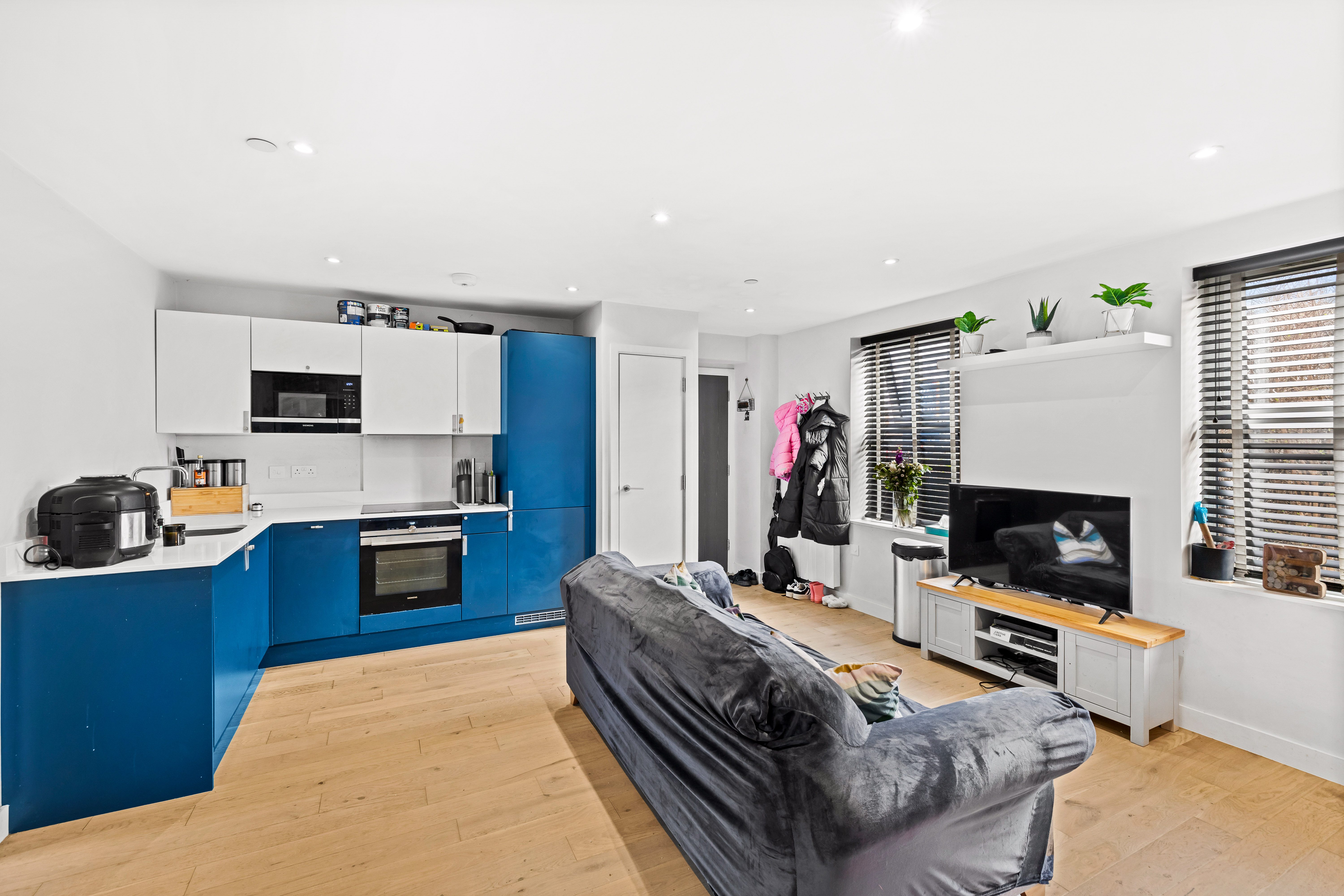
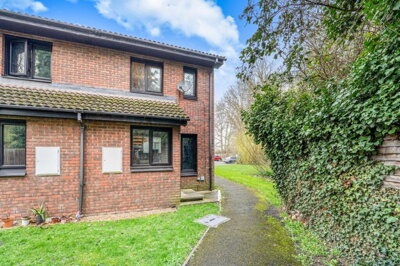
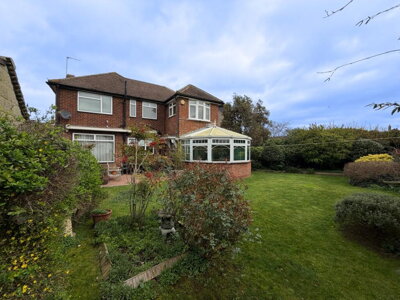
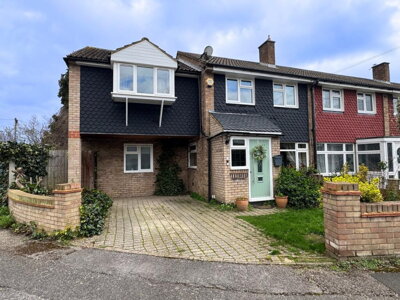
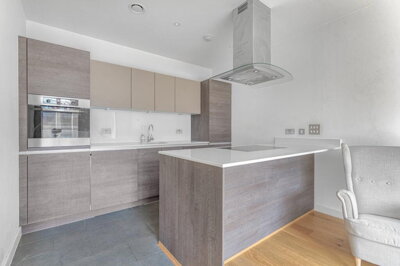
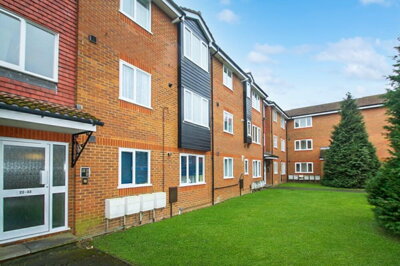
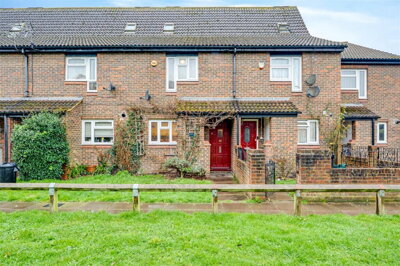
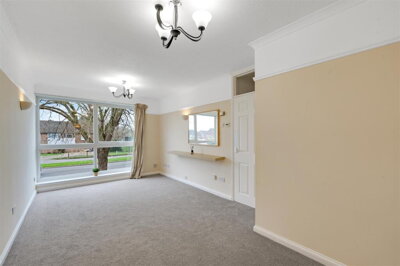
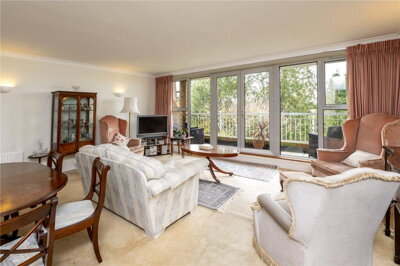
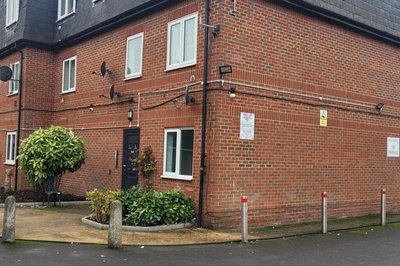
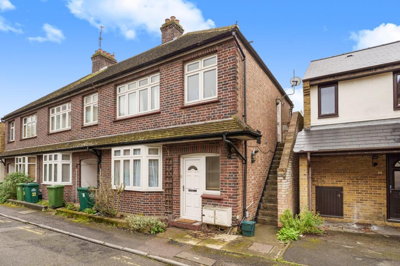
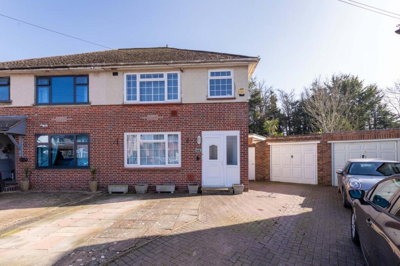
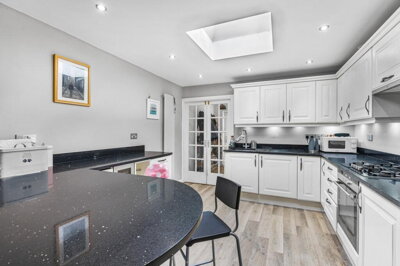
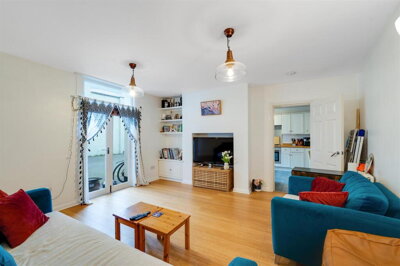
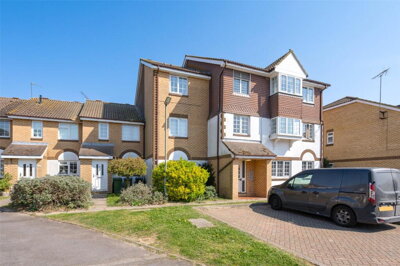
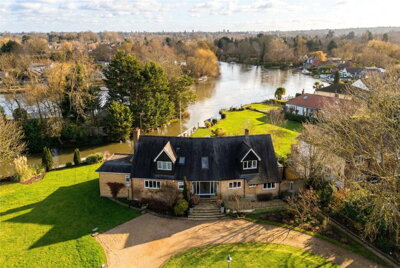
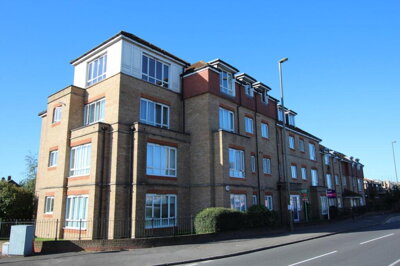
Browse 3,463 homes for sale in Spelthorne, Surrey from local estate agents.
£475k
930
38
108
Source: home.co.uk
Source: home.co.uk
Semi-Detached
182 listings
Avg £593,265
Apartment
180 listings
Avg £286,406
Detached
138 listings
Avg £906,345
Flat
103 listings
Avg £282,495
Terraced
92 listings
Avg £501,241
End of Terrace
42 listings
Avg £510,117
Maisonette
37 listings
Avg £314,942
Detached Bungalow
30 listings
Avg £634,333
Bungalow
26 listings
Avg £622,596
Retirement Property
18 listings
Avg £196,272
Source: home.co.uk
Source: home.co.uk
The Gwynfi and Croeserw property market reflects the area's status as one of Neath Port Talbot's more affordable residential zones. With approximately 1,187 households across the ward and an average household size of 2.2 residents, the housing stock consists predominantly of terraced properties and semi-detached homes built during the period of rapid expansion between 1900 and 1939. In Blaengwynfi specifically, a remarkable 79% of all properties date from this industrial era, giving the neighbourhood a consistent architectural character that appeals to buyers seeking period homes with genuine character and solid brick construction.
Property types available in the valley include traditional stone and brick terraces with their characteristic thick walls and original features, post-war public housing that was substantially refurbished during the 1980s and 1990s renovation programmes, and semi-detached family homes scattered throughout the Afan Valley landscape. New Croeserw developed specifically to house mining families, and many of these post-war properties have now passed into private ownership. New build development activity in Gwynfi and Croeserw remains limited, with no active new-build schemes currently underway in the immediate postcode area. This scarcity of new housing stock means demand is concentrated on the existing housing stock, where well-presented homes in good condition attract steady interest from buyers seeking entry-level prices in South Wales.
The tenure profile of the area shows 64% of households in owner-occupation, with private renting accounting for 9.1% and social renting at 22.2%. For buyers, this mix means there are opportunities to purchase properties at various price points, from compact terraces suitable for first-time buyers to larger family homes that have benefited from modernisation programmes over the decades. The area's population has experienced some decline, with Gwynfi's population dropping approximately 11% since the 2011 Census, suggesting a buyer's market where motivated sellers may be open to negotiation on price.
Life in Gwynfi and Croeserw is intimately connected to the Afan Valley's distinctive landscape of forested hills and pastoral farmland. The area sits amidst conifer plantations established on former peat bogland to the north, with active restoration projects underway to return these important habitats to health. The southern hills rise with purple moor-grass and heathland dotted with rocky outcrops, offering walking routes and outdoor pursuits for residents who appreciate countryside living without remote isolation. The River Afan and its tributaries flow through the valley, contributing to the scenic environment that attracts walkers and outdoor enthusiasts to the area.
The community identity of Gwynfi and Croeserw has been shaped by its industrial heritage. Before the coal industry arrived, the valley contained only scattered farms, but the discovery and extraction of coal transformed the landscape and population during the late 19th and early 20th centuries. The legacy of this period remains visible in the terraced streets, former colliery buildings, and local landmarks such as Capel Salem on Commercial Street and St. Gabriel's Court on Graig Road in Abergwynfi, both buildings of local importance. Six conservation areas exist within Neath Port Talbot, providing planning protection for areas of architectural and historical significance.
Daily life in the neighbourhood is characterised by its quiet residential character and strong community bonds. The local economy has shifted from heavy industry to light manufacturing, service sector employment, retail, forestry, and farming, though the largest employment sector in nearby Abergwynfi and Blaengwynfi remains Health and Social work. The area does face challenges including higher unemployment levels than the Welsh average and a significant retired population. Facilities within the immediate area remain limited, making neighbouring towns important for shopping, healthcare, and leisure amenities. For residents who value countryside access and a close-knit community atmosphere over urban conveniences, Gwynfi and Croeserw offer an authentic South Wales living experience at prices that remain notably below the Welsh national average.

Families considering a move to Gwynfi and Croeserw will find primary education facilities serving the local community within the Afan Valley. The area's schools have historically served the close-knit residential neighbourhoods that grew up around the collieries and mining operations of the early 20th century. With the housing stock predominantly dating from 1900-1939, many local families have multi-generational connections to neighbourhood schools, creating strong community ties and established educational provision that parents often cite as a reason for staying in the area.
Secondary education options in the valley include schools serving the broader Upper Afan Valley area, with pupils typically progressing to establishments in nearby towns. Parents are advised to research current catchment areas and school performance data, including Ofsted inspection results, when selecting a property based on school preferences. The average household size of 2.2 in the Gwynfi and Croeserw ward suggests a mix of family households, couples, and individuals, with educational facilities sized accordingly to serve the local population of approximately 2,600 residents. Many families find the quieter pace of the valley provides a supportive environment for younger children during their primary years.
For sixth form and further education, students typically travel to Neath, Port Talbot, or other nearby towns where a broader range of A-level and vocational courses are available. The proximity of larger towns ensures that families are not disadvantaged in educational progression, while the community atmosphere of smaller schools can appeal to parents seeking a more personal educational environment for their children. School catchment areas can change, so confirming current arrangements with Neath Port Talbot County Borough Council's education department is advisable before purchasing a property in the area.

Transport provision in Gwynfi and Croeserw reflects the valley's topography and its transition from an industrial heartland to a residential community. The Afan Valley road network connects the neighbourhood to surrounding towns and villages, though the winding valley roads require confident driving in adverse weather conditions. The narrow roads and sharp bends common in valley locations can slow journey times significantly, and residents quickly learn which routes offer the most practical access during winter months.
For residents without private vehicles, public transport options serve the community, though frequencies are limited compared to urban areas. Poor transport provision was specifically noted in local economic assessments, reflecting the challenges faced by residents who work in nearby towns but rely on public transport for their daily commute. The nearest railway stations are located in the larger towns of Neath and Port Talbot, providing connections to regional and national rail networks for commuting to work or leisure travel. Journey times to these stations depend on road conditions and traffic, with the valley location meaning travel requires planning, particularly for daily commuters who need to connect with specific train services.
For those working in the broader Neath Port Talbot area or commuting to cities such as Swansea or Cardiff, car ownership remains advantageous in Gwynfi and Croeserw. The valley location offers proximity to the M4 corridor via the A48 and other connecting roads, though peak hour traffic on approaches to larger towns should be factored into journey time estimates. The drive to Swansea typically takes around 30-40 minutes, while Cardiff is approximately 75 minutes away under normal traffic conditions. Walking and cycling are viable options for local trips within the valley, with the scenic landscape providing an attractive backdrop for outdoor enthusiasts who incorporate exercise into daily routines.

Before viewing properties, spend time in Gwynfi and Croeserw at different times of day and week. Understand the local amenities, road conditions, and neighbourhood character. Given the age of much of the housing stock, familiarise yourself with property types typical to the area including Victorian terraces with solid wall construction and post-war houses that may have been refurbished during the 1980s and 1990s.
Speak to a mortgage broker or lender to obtain an agreement in principle before starting property viewings. This strengthens your position when making offers and demonstrates to sellers that you have financing in place. Given the area's diverse housing stock, ensure your mortgage advisor understands the property types available and any specific considerations for older properties or non-standard construction that may affect mortgage availability.
Arrange viewings through Homemove and local estate agents. Ask about the history of specific properties, any renovation or improvement work completed, and the tenure arrangements for leasehold properties if applicable. Given the mining heritage of Gwynfi and Croeserw, inquire specifically about any history of structural issues, subsidence, or ground movement that may affect the property.
Once your offer is accepted, book a RICS Level 2 Survey on the property. Given that 79% of properties in parts of the valley date from 1900-1939, professional surveys are essential to identify defects common in older properties including damp, structural movement, and timber issues. A thorough survey will assess the property structure and flag any concerns that warrant further investigation.
Choose a solicitor experienced in local property transactions to handle the legal work. They will conduct searches with Neath Port Talbot County Borough Council, investigate title matters including any restrictions from conservation area status, and manage the exchange and completion process. For properties in areas with mining history, additional searches related to historical mining activity may be required.
Once all searches are satisfactory and finances are confirmed, your solicitor will exchange contracts and set a completion date. On completion day, you will receive the keys to your new home in Gwynfi and Croeserw, ready to begin your life in this distinctive Afan Valley community.
Properties in Gwynfi and Croeserw require careful inspection due to the age of much of the housing stock and the area's mining heritage. The predominance of properties built between 1900 and 1939 means solid wall construction, aging damp-proof courses, and original features are commonly encountered. When viewing properties, pay particular attention to external walls for signs of cracking or movement, which could indicate structural issues related to ground conditions or the legacy of mining activity in the valley. Properties in conservation areas or with listed status may face restrictions on alterations and could require specialist surveys to assess their condition and suitability for your plans.
Dampness represents one of the most frequent defects in older properties across South Wales, and Gwynfi and Croeserw are no exception. Penetrating damp through aging brickwork, rising damp from failed or absent damp-proof courses, and condensation issues in poorly ventilated spaces can all affect period properties. Look for discoloured walls, peeling paint, musty odours, and warped skirting boards as potential indicators of moisture problems that may require remediation. Properties with solid walls lack the cavity that helps prevent moisture penetration, making proper maintenance of pointing and gutters particularly important in this climate.
The mining history of Gwynfi and Croeserw raises specific considerations around ground stability. Coal extraction peaked in the 1910s with six collieries and numerous drift mines operating locally, and the presence of former mining activity means some locations may have underlying instability from historical workings. Local mines around Croeserw included Scatton, Avon, and Dyffryn coal pits. While not all properties will be affected, a thorough RICS Level 2 Survey will assess the property structure and flag any concerns that warrant further investigation by a structural engineer or mining specialist.
For post-war properties in areas such as New Croeserw, check what refurbishment work was undertaken during the 1980s and 1990s renovation programmes. Understanding the scope and quality of past improvements helps assess the current condition and any maintenance that may be approaching. Service charges and maintenance arrangements for any leasehold elements should be confirmed before committing to a purchase. With 79% of the housing stock in parts of the valley being over 80 years old, budgeting for potential repairs to roofing, electrical systems, and plumbing is sensible when purchasing in Gwynfi and Croeserw.

Specific average house price data for Gwynfi and Croeserw is not published at this granular level by major property price indices. However, the area is recognised as one of Neath Port Talbot's more affordable residential zones, with property prices typically below the Welsh national average. Terraced properties and post-war houses form the majority of sales, and prices are influenced by condition, location within the valley, and whether the property has been modernised. For current pricing data, search the Homemove property listings or contact local estate agents who can provide comparable sales information for the specific type of property you are seeking.
Properties in Gwynfi and Croeserw fall under Neath Port Talbot County Borough Council. Council tax bands range from A through H, with the majority of older terraced properties and post-war houses typically falling in bands A to C, making this an exceptionally affordable location in terms of ongoing council tax obligations. Exact band assignments depend on the property's assessed value, and you can verify the specific band for any property through the Valuation Office Agency or the local council's records.
Gwynfi and Croeserw are served by primary schools within the Afan Valley, with secondary education provided by schools serving the wider Upper Afan Valley area. When evaluating school quality, parents should research current Ofsted inspection reports and performance data for schools in the catchment area. Many families also consider schools in nearby towns such as Neath and Port Talbot, which offer broader curriculum options and sixth form provision. School catchment areas can change, so confirming current arrangements with Neath Port Talbot County Borough Council's education department is advisable before purchasing.
Public transport connectivity in Gwynfi and Croeserw is limited compared to urban areas, reflecting the valley's rural character and smaller population. Bus services provide connections to neighbouring towns, though frequencies are reduced compared to larger settlements. The nearest railway stations are in Neath and Port Talbot, requiring road travel to reach them. Poor transport provision was specifically noted in local economic assessments, confirming that residents commuting to larger towns or cities typically rely on private vehicles, making car ownership an important consideration for those working outside the immediate area.
Gwynfi and Croeserw offer affordable entry prices compared to many parts of South Wales, which can appeal to investors seeking lower purchase costs. The area's rental market includes a mix of tenants, though the local economy with higher unemployment levels means rental demand may be more modest than in busier towns. Properties requiring renovation may present opportunities for added value, particularly given that 79% of properties in parts of the valley date from 1900-1939. However, limited local employment and transport constraints could affect future capital growth prospects. Any investment decision should consider the specific property, its condition, and realistic rental income potential.
Stamp duty Land Tax (SDLT) rates from April 2024 apply as follows: there is no SDLT on purchases up to £250,000, 5% on the portion from £250,001 to £925,000, 10% from £925,001 to £1.5 million, and 12% above £1.5 million. First-time buyers benefit from relief on purchases up to £425,000, paying 5% on amounts between £425,001 and £625,000, with no relief above that threshold. Given that most properties in Gwynfi and Croeserw fall well below current SDLT thresholds, many buyers will pay minimal or no stamp duty. Calculate your specific SDLT liability using the government calculator or consult your solicitor for personalised advice.
Gwynfi and Croeserw sit in the Afan Valley with the River Afan and its tributaries flowing through the area. While specific flood risk data for individual properties was not found in our research, the presence of a river and its watercourses means some locations could be susceptible to river flooding during periods of heavy rainfall. The local geology, including historical peat bogs and mining activity with former collieries and drift mines, may also influence water drainage patterns. A property survey and local searches will identify whether any flood risk applies to a specific property, and you should review the Environment Agency's flood maps when assessing properties in the valley.
From 4.5%
Expert mortgage advice and competitive rates for your Gwynfi and Croeserw property purchase
From £499
Specialist property solicitors experienced in Neath Port Talbot transactions
From £350
Professional survey recommended for older properties in the Afan Valley
From £60
Energy Performance Certificate for your Gwynfi and Croeserw home
One of the financial advantages of buying property in Gwynfi and Croeserw is that property prices typically fall well within the lower SDLT brackets, meaning many buyers pay little or no stamp duty. For a property priced at £200,000, for example, there would be no SDLT to pay under current thresholds. Even at £350,000, only the portion above £250,000 would attract the 5% rate, resulting in SDLT of £5,000. First-time buyers purchasing properties up to £425,000 benefit from relief, potentially reducing costs further on qualifying purchases.
Beyond stamp duty, buying costs to budget for include solicitor fees for conveyancing, which typically start from £499 for standard transactions but can increase for leasehold properties or those with complex titles. A RICS Level 2 Survey costs between £350 and £600 depending on property size and value, with the national average around £455. An Energy Performance Certificate is a legal requirement and costs from £60. If you require a mortgage, arrangement fees of £1,000 to £2,000 are common, though some lenders offer fee-free deals. Survey costs may be higher for older properties with non-standard construction due to the additional inspection time required.
Given the age of much of the housing stock in Gwynfi and Croeserw, with 79% of properties in parts of the valley dating from 1900-1939, setting aside a contingency fund for potential repairs is prudent. Older properties may require work to electrical systems, roofing, damp proofing, or structural elements that a survey might identify. Budgeting an additional 5% to 10% of the purchase price for unforeseen works provides a buffer against discovery of issues after you move in. Homemove connects you with recommended conveyancing solicitors and surveyors experienced in local property transactions to help manage these costs effectively.

Properties for Sale In London

Properties for Sale In Plymouth

Properties for Sale In Liverpool

Properties for Sale In Glasgow

Properties for Sale In Sheffield

Properties for Sale In Edinburgh

Properties for Sale In Coventry

Properties for Sale In Bradford

Properties for Sale In Manchester

Properties for Sale In Birmingham

Properties for Sale In Bristol

Properties for Sale In Oxford

Properties for Sale In Leicester

Properties for Sale In Newcastle

Properties for Sale In Leeds

Properties for Sale In Southampton

Properties for Sale In Cardiff

Properties for Sale In Nottingham

Properties for Sale In Norwich

Properties for Sale In Brighton

Properties for Sale In Derby

Properties for Sale In Portsmouth

Properties for Sale In Northampton

Properties for Sale In Milton Keynes

Properties for Sale In Bournemouth

Properties for Sale In Bolton

Properties for Sale In Swansea

Properties for Sale In Swindon

Properties for Sale In Peterborough

Properties for Sale In Wolverhampton

Enter your details to see if this property is within your budget.
Loans, cards, car finance
Estimated property budget
Borrowing + deposit
You could borrow between
Typical borrowing
Monthly repayment
Est. at 4.5%
Loan-to-value
This is an estimate only. Your actual budget may vary depending on interest rates, credit history, and personal circumstances. For an accurate affordability assessment, speak to one of our free mortgage advisors.
This calculator provides estimates for illustrative purposes only and does not constitute financial advice. Your home may be repossessed if you do not keep up repayments on your mortgage. Estimates based on 4.5% interest rate, repayment mortgage. Actual rates depend on your circumstances.
Homemove is a trading name of HM Haus Group Ltd (Company No. 13873779, registered in England & Wales). Homemove Mortgages Ltd (Company No. 15947693) is an Appointed Representative of TMG Direct Limited, trading as TMG Mortgage Network, which is authorised and regulated by the Financial Conduct Authority (FRN 786245). Homemove Mortgages Ltd is entered on the FCA Register as an Appointed Representative (FRN 1022429). You can check registrations at NewRegister or by calling 0800 111 6768.

We use cookies to show you personalised content and improve your experience of our website. Find out more in our Privacy policy and Cookie policy.