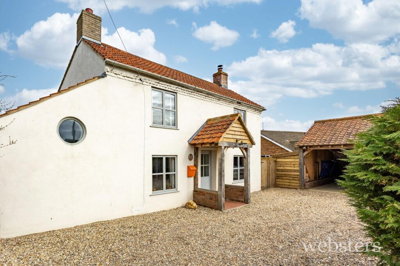
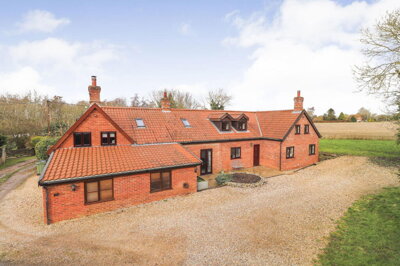
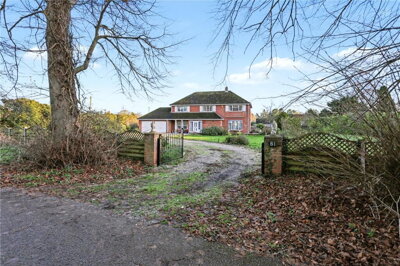
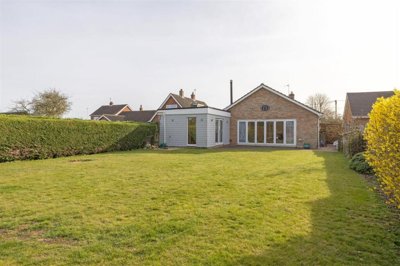
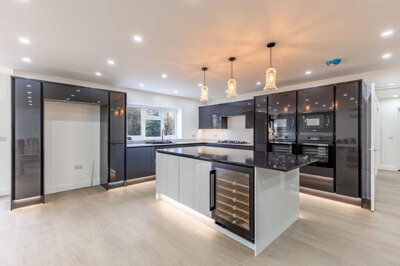
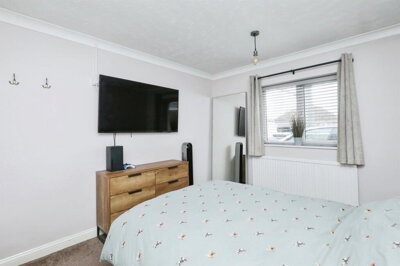
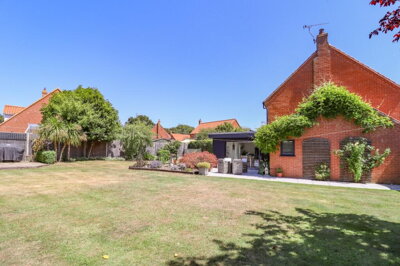
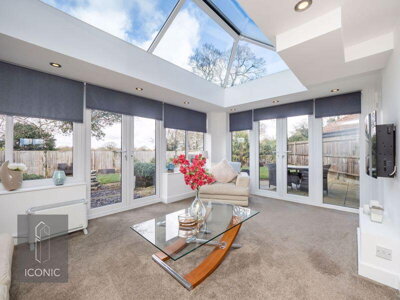
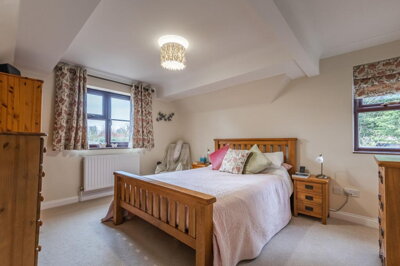
Browse 13 homes for sale in Sparham, Breckland from local estate agents.
The larger property sector typically features multiple bathrooms, substantial reception space, and private gardens or off-street parking. Four bedroom houses in Sparham span detached, semi-detached, and occasionally terraced configurations, with styles ranging from period properties to modern executive homes.
£0k
0
0
0
Source: home.co.uk
Showing 0 results for 4 Bedroom Houses for sale in Sparham, Breckland.
The Sparham property market reflects the character of the village itself, offering predominantly detached homes set within generous plots. Detached properties command an average price of £450,000, making them ideal for families seeking space both inside and out. The village's semi-detached homes average around £280,000, providing more accessible entry points for first-time buyers or those looking to downsize without sacrificing quality of life. Terraced properties in Sparham typically sell for approximately £220,000, while flats remain scarce in this rural setting, with average prices around £160,000. The limited supply of flats reflects Sparham's character as a village of houses rather than apartments, appealing to those who value gardens, parking, and a sense of openness.
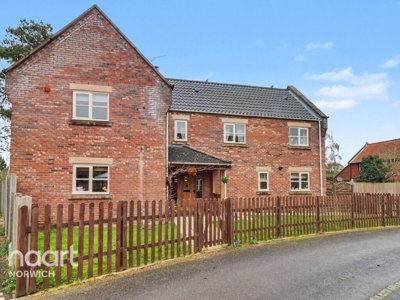
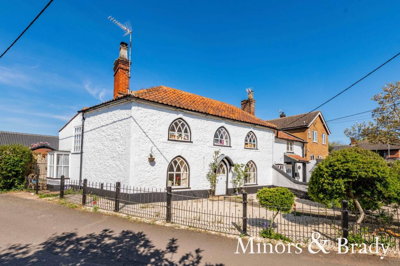
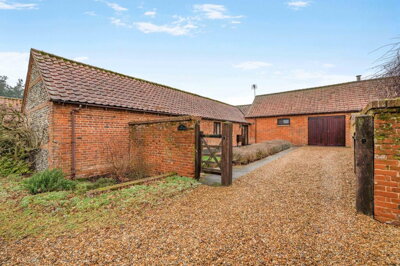
New build activity in Sparham remains limited, with no active developments identified within the postcode area. This scarcity of new construction helps preserve property values and maintains the village's historic character, but it also means buyers are typically purchasing from an older housing stock. The combination of traditional Norfolk brick, flint, and render construction with slate and clay tile roofing gives Sparham homes their distinctive appearance. Our listings include a range of period properties, from charming farmhouses to modernised cottages, alongside occasional opportunities to acquire homes that have been sympathetically extended or renovated in recent years. The stable 3% annual price increase demonstrates consistent demand from buyers who recognise the value of village living in this part of Norfolk.
A significant proportion of Sparham's housing stock dates from the pre-1919 period, particularly within the village core where many homes are listed for their architectural and historical importance. Properties from the 1919-1945 era also appear throughout the village, representing the expansion that occurred between the World Wars. Post-war construction from 1945-1980 added to the housing mix, including some semis on the village outskirts. Properties built after 1980 form a growing but still minority portion of the housing stock. This predominance of older construction means that most buyers in Sparham are purchasing period properties requiring varying degrees of maintenance and modernisation, which can present opportunities for those willing to invest in renovation projects.
Approximately 55-60% of properties in Sparham are detached homes, reflecting the village's generous plot sizes and rural character. Semi-detached properties account for 25-30% of the housing stock, while terraced homes make up just 5-10%. Flats represent less than 5% of available properties, consistent with the village's low-density development pattern. This housing mix makes Sparham particularly attractive to families seeking space and privacy, though it also means that buyers expecting urban conveniences such as apartment living or high street amenities will need to look to nearby market towns.

Sparham is a small but vibrant community with approximately 500-600 residents living across 200-250 households. The village economy has traditionally been rooted in agriculture, with local farms still operating in the surrounding countryside. Many residents today commute to larger nearby towns including Dereham, Fakenham, and Norwich for employment, taking advantage of the village's position within easy reach of these economic centres. The wider Norfolk area benefits from a growing tourism sector, with visitors drawn to the county's beautiful coastline, nature reserves, and historic market towns. This economic diversity provides Sparham residents with employment options while maintaining the village's essential rural character.
The village centre features several historic buildings constructed from the local red brick and flint that characterise Norfolk vernacular architecture. Properties dating from the pre-1919 period make up a significant proportion of Sparham's housing stock, with many of these homes now listed for their architectural and historical importance. St Mary's Church stands as a focal point of the community, while Sparham Hall and surrounding farmhouses showcase the agricultural heritage that shaped the village. Local amenities include a village pub where residents gather for social occasions, while the surrounding countryside offers extensive footpaths and bridleways for walking, cycling, and enjoying the natural beauty of Breckland. The combination of friendly community spirit, historic architecture, and stunning rural landscapes makes Sparham a genuinely special place to call home.
The broader Breckland region offers additional amenities and attractions within easy reach of Sparham. The Norfolk Broads lie to the east, providing opportunities for boating, wildlife watching, and outdoor recreation. The North Norfolk coast, with its sandy beaches and traditional seaside towns such as Cromer and Sheringham, is accessible for day trips. For nature enthusiasts, the Brecks forest and heathland offer unique habitats supporting rare species of birds, plants, and insects. The annual Norfolk and Norwich Festival brings cultural events to the county, while local agricultural shows and food festivals celebrate the region's rural heritage. These attractions enhance the quality of life for Sparham residents, providing entertainment and recreation without requiring lengthy journeys.
The village pub serves as an important social hub, hosting events and providing a gathering place for the local community throughout the year. Sparham's proximity to Dereham, just 5 miles away, means residents can access supermarkets, medical centres, banks, and other essential services with ease. Fakenham, similarly close, offers a weekly market and additional shopping facilities. For major shopping, entertainment, and cultural events, Norwich is approximately 20 miles distant and easily reachable by car. The combination of village intimacy with access to larger town facilities makes Sparham an ideal location for those seeking a balanced lifestyle between countryside tranquility and urban convenience.

Families considering a move to Sparham will find educational options within reasonable driving distance. Primary education is available at nearby village schools, with Elmham Primary School serving the surrounding area and Lynford Primary School also accessible to Sparham families. These small village schools typically serve intimate cohorts and offer supportive learning environments where teachers know each pupil individually. Parents should research specific school performance data and catchment areas, as admissions policies can be competitive in popular rural locations. The close-knit nature of village schools often means strong community connections between families, teachers, and pupils, creating supportive environments for children's educational development.
Secondary education options in the surrounding area include Northgate High School in Dereham and King Edward VII School in Fakenham, both accessible by school transport or car. Families should verify current school performance figures, sixth form provision, and any selective admissions policies before committing to a property purchase. Norfolk hosts several well-regarded grammar schools, with entrance determined by the eleven-plus examination, and parents seeking this educational pathway should confirm which schools serve the Sparham catchment area. The closest grammar schools to Sparham are typically those in Norwich or King's Lynn, requiring consideration of transport arrangements for academically selective education.
For further education, Norwich offers a comprehensive range of colleges and training providers, including the University of East Anglia, Norwich University of the Arts, and City College Norwich. These institutions provide academic and vocational courses appropriate for diverse career aspirations, from medicine and engineering to creative arts and business studies. Apprenticeship opportunities are also available through local employers in Norwich, Dereham, and Fakenham, providing practical routes into various trades and professions. For families planning long-term education paths, the availability of quality further and higher education options within reasonable distance adds to Sparham's appeal as a family-friendly location.
Transport connections from Sparham reflect its rural character while still offering practical options for daily commuting. The village is positioned between the market towns of Dereham and Fakenham, both offering rail services on different lines. Dereham provides connections to Norwich, where passengers can access the main East Anglian rail network with direct services to London Liverpool Street. The journey from Norwich to London takes approximately one hour forty minutes, making Sparham viable for those who work in the capital but prefer countryside living. Local bus services connect Sparham to surrounding villages and towns, though service frequencies are limited compared to urban areas, making car ownership advisable for most residents.
Road access from Sparham connects to the A1067 and A47, providing routes to Norwich, King's Lynn, and the wider Norfolk road network. The A47 trunk road, which passes nearby, offers particularly good connections to Norwich and provides access to the A11 for travel toward Cambridge and London. The journey to Norwich city centre takes approximately 35-40 minutes by car, while Cambridge is around 90 minutes away. For those commuting to London, Stansted Airport is accessible via the A11 and M11 motorway in approximately two hours. Norwich International Airport offers domestic and some European flights, providing convenient access for business or leisure travel without requiring a lengthy journey to larger airports.
Cyclists will appreciate the quieter country lanes that characterise the area around Sparham, though the generally flat Norfolk landscape accommodates riders of varying abilities. The Sustrans National Cycle Network routes pass through Norfolk, connecting villages and market towns for those preferring pedal power for shorter journeys. Walking is popular for local trips, with footpaths crossing farmland and through woodland providing scenic routes for daily exercise. Parking provision in the village is generally generous, with most properties offering off-road parking or garaging, reflecting the car-dependent nature of rural Norfolk living. Garage spaces are common additions to Sparham homes, providing valuable storage for vehicles, tools, or garden equipment.
Explore Sparham's property listings on Homemove and familiarise yourself with current prices, property types, and the character of different neighbourhoods within the village. Understanding the local market will help you identify the right property for your needs and budget. Consider speaking with local estate agents who can provide insight into recent sales and upcoming listings.
Before viewing properties, obtain a mortgage agreement in principle from a lender. This demonstrates your buying capacity to sellers and estate agents, strengthening your position when making offers in a competitive rural market. With Sparham's average property price of £380,000, most buyers will require mortgage financing, making a mortgage decision an essential early step in your purchase journey.
Visit shortlisted properties in Sparham with your estate agent, taking time to assess the property condition, garden, parking, and proximity to local amenities. Consider visiting at different times of day to understand traffic, noise, and the neighbourhood atmosphere. Pay particular attention to the construction materials and age of the property, as many homes in Sparham date from the pre-1919 period and may require maintenance or modernisation.
Given Sparham's older housing stock, we strongly recommend booking a RICS Level 2 Survey before completing your purchase. Our inspectors understand the common defects found in Norfolk period properties, including damp issues, roof deterioration, and timber defects. For a typical 3-bedroom semi-detached property, survey costs range from £450 to £650, while larger 4-bedroom detached homes typically cost between £550 and £800. The local geology featuring shrink-swell clay also warrants professional assessment for potential subsidence issues.
Appoint a conveyancing solicitor to handle the legal aspects of your purchase, including searches, contracts, and land registry transactions. Your solicitor will liaise with the seller's legal team and manage the transfer of funds on completion. Local searches will include checks with Breckland District Council and the Environment Agency, particularly important for properties near the River Wensum or in areas with surface water flood risk.
Once all searches are satisfactory and financing is confirmed, your solicitor will exchange contracts and agree a completion date. On completion day, you will receive the keys to your new Sparham home. We recommend arranging building insurance to commence before completion and organising removals and utility transfers in advance for a smooth transition to your new property.
Properties in Sparham require careful assessment due to the prevalence of older construction and the local geology. The village sits on glacial till (boulder clay) over chalk bedrock, creating conditions where shrink-swell clay can cause ground movement. This geological feature means buyers should pay particular attention to property foundations and watch for signs of subsidence, such as cracks in walls, doors that stick, or uneven floors. Properties with large trees nearby are especially vulnerable to clay-related movement, as tree roots extract moisture from the soil during dry periods, causing the clay to shrink. A thorough RICS Level 2 Survey is essential for identifying any structural concerns before you commit to purchase.
The predominant construction materials in Sparham include traditional solid wall buildings using red brick, flint, and render, which require different assessment criteria than modern cavity-wall properties. Many homes feature slate or clay tile roofs that may show age-related deterioration including slipped tiles, failing leadwork, or deteriorated timber bargeboards. Our inspectors frequently find that period properties lack modern damp-proof courses, leading to rising damp in ground-floor walls or penetrating damp where pointing has deteriorated. Timber elements, including floor joists, roof timbers, and window frames, should be checked for signs of wet rot, dry rot, or woodworm infestation, which are common in older Norfolk homes.
Flood risk in Sparham is generally low but not negligible. The River Wensum flows near the village, creating a minimal fluvial flood risk for properties immediately adjacent to the river or its tributaries. Surface water flooding poses a low to medium risk in certain areas, particularly during periods of heavy rainfall. Prospective buyers should review the Environment Agency flood maps for specific properties and consider whether flood resilience measures have been implemented. Listed buildings, including St Mary's Church, Sparham Hall, and various cottages throughout the village, require special consideration. Any modifications to listed properties require Listed Building Consent, and buyers should budget for potentially higher maintenance costs when purchasing historic homes. Standard surveys may not adequately assess these properties, making a RICS Level 3 Building Survey advisable for listed buildings.
Electrical and plumbing systems in older Sparham properties frequently require updating to meet current standards. Properties built before the 1960s often still contain old rubber or fabric-covered wiring that should be replaced, while lead pipes may still be present in the oldest homes. Gas boiler systems in period properties can be aging and inefficient, requiring replacement within the near future. The lack of modern insulation in older constructions affects energy efficiency and running costs, which buyers should factor into their overall budget. Our RICS Level 2 Survey will identify these issues and provide cost estimates for necessary improvements, helping you make an informed decision about your potential Sparham purchase.
The average property price in Sparham is £380,000 as of February 2026, based on Rightmove and Zoopla data. Detached properties average £450,000, semi-detached homes around £280,000, terraced properties approximately £220,000, and flats around £160,000. Prices have increased by approximately 3% over the past twelve months, indicating steady demand for village properties in this part of Norfolk. With 25 property sales completing in the past year, the local market remains active despite limited new build supply.
Sparham is served by primary schools in nearby villages, including Elmham Primary School and Lynford Primary School within easy driving distance. For secondary education, families typically access schools in Dereham or Fakenham, with Northgate High School in Dereham and King Edward VII School in Fakenham being common choices. Norfolk's grammar school system provides selective options for academically able students, with preparation for the eleven-plus examination beginning in primary school. Parents should verify current Ofsted ratings, catchment areas, and transport arrangements before purchasing, as school admissions can be competitive in popular rural areas.
Public transport options in Sparham are limited, reflecting its rural character, and most residents rely on car ownership for daily transport needs. Local bus services connect the village to nearby towns, though frequencies are low, with perhaps two or three services daily on most routes. The nearest rail services are available in Dereham and Fakenham, providing connections to Norwich where mainline services to London Liverpool Street are available, with journey times around one hour forty minutes to the capital. Road connections are strong, with the A47 and A1067 providing efficient access to Norwich and the wider Norfolk road network, and the A11 offering routes toward Cambridge and London via Stansted Airport.
Sparham offers stable property values with consistent annual growth of around 3%, making it attractive for long-term investment. The scarcity of new build development helps preserve property values, while the village's historic character and limited housing supply support continued demand. Rental yields may be moderate due to the rural location, but properties in good condition within easy commuting distance of Norwich command consistent tenant interest from professionals working in the city. The presence of listed buildings adds a unique dimension to the local market, though these properties require specialist knowledge for maintenance and any modification works. For capital growth and long-term holding, Sparham represents a sound choice within the Norfolk property market.
Stamp duty rates from April 2025 start at 0% on the first £250,000 of property value, rising to 5% on amounts between £250,001 and £925,000. Properties priced between £925,001 and £1.5 million incur 10% stamp duty, with 12% charged above £1.5 million. First-time buyers benefit from relief on the first £425,000 (0% rate), with 5% charged between £425,001 and £625,000. Given that Sparham's average property price of £380,000 falls within the lower stamp duty bands, most buyers will pay approximately £6,500 in SDLT, while first-time buyers purchasing at average prices may pay no stamp duty at all.
Properties in Sparham fall within the Breckland District Council area, with council tax bands varying by property value and type. Rural Norfolk properties typically span bands A through E, with the majority of village homes falling in bands B, C, or D. Detached properties with higher values often fall into band D or E, while smaller period cottages may be categorised as band A or B. Specific band information is available through the Valuation Office Agency, and buyers should verify the applicable band before completing a purchase as this affects annual running costs. Breckland District Council sets the local element of council tax, with additional levies from Norfolk County Council and emergency services.
Properties in Sparham commonly exhibit defects associated with older construction, including damp issues in period properties lacking modern damp-proof courses. Roof conditions frequently require attention, with slipped tiles, deteriorating leadwork, and timber rot appearing in older homes built with traditional materials. The local shrink-swell clay geology creates subsidence risk, particularly for properties with inadequate foundations or large trees nearby, and buyers should watch for cracking, sticking doors, or uneven floors. Outdated electrical wiring and plumbing systems frequently require updating to meet current standards, with properties pre-dating the 1970s often requiring full rewiring. Timber elements including floor joists, roof timbers, and window frames may show signs of woodworm or rot requiring treatment or replacement. A RICS Level 2 Survey typically costs £450-650 for a 3-bedroom semi-detached property and identifies these issues before purchase.
A significant proportion of Sparham's housing stock dates from the pre-1919 period, particularly within the village core where many homes are listed for their architectural importance. Properties from the 1919-1945 era appear throughout the village, representing the gradual expansion between the World Wars. Post-war construction from 1945-1980 added to the housing mix with some semi-detached properties on the village outskirts. Properties built after 1980 form a growing but still minority portion of the housing stock, as limited new development in the village has maintained its historic character. This predominance of older construction means most buyers are purchasing period properties requiring varying degrees of maintenance, and a thorough survey is essential for identifying potential issues before completing your purchase.
Sparham sits on glacial till (boulder clay) over chalk bedrock, creating conditions with moderate to high shrink-swell clay risk that affects property foundations. When clay soil loses moisture during prolonged dry periods, it contracts and can cause movement in foundations, leading to subsidence symptoms such as cracks in walls, especially above door and window openings. Conversely, during wet periods the clay absorbs water and expands, potentially causing heave that affects structures differently. Properties with large trees or those constructed with shallow foundations are most vulnerable to these ground movements. Our inspectors assess foundation conditions carefully when surveying properties in this area, and may recommend a specialist geotechnical investigation if significant movement is suspected or if the property history suggests past foundation problems.
Understanding the full cost of purchasing property in Sparham requires careful budgeting beyond the purchase price. Stamp duty land tax (SDLT) rates from April 2025 apply to all property purchases in England. For properties up to £250,000, no stamp duty is payable. The rate increases to 5% on the portion between £250,001 and £925,000, making the maximum SDLT on a £925,000 property approximately £33,750. Given that Sparham's average house price of £380,000 falls comfortably within this band, most buyers will pay around £6,500 in stamp duty. This represents a relatively modest tax burden compared to properties in London or the Southeast, making village living in Norfolk financially accessible for many buyers.
First-time buyers purchasing residential property up to £625,000 benefit from increased SDLT relief, with zero duty on the first £425,000 and 5% on amounts between £425,001 and £625,000. A first-time buyer purchasing a typical Sparham property at £380,000 would therefore pay no stamp duty at all, significantly reducing upfront purchase costs. Additional purchase costs include conveyancing fees, typically starting from £499 for standard transactions, plus disbursements for local authority searches, land registry fees, and mortgage arrangement fees. Survey costs for a RICS Level 2 inspection range from £450 to £800 depending on property size, while EPC assessments are mandatory and cost from £60. Budgeting for removals, potential renovations, and a contingency fund of around 10% of the purchase price ensures buyers are prepared for all costs associated with their Sparham purchase.
For properties in Sparham, additional local searches through Breckland District Council and Norfolk County Council will be required by your conveyancing solicitor. These searches investigate planning history, building control records, highways information, and environmental data specific to the Norfolk area. The Environment Agency flood risk search is particularly relevant for properties near the River Wensum or in areas identified as having surface water flood risk. Drainage and water authority searches ensure the property has appropriate services and connections. For listed properties, additional specialist searches may be required to verify compliance with listing regulations and any historic environment records. These searches typically cost between £200 and £400 in total disbursements, though your solicitor can provide exact figures based on your specific property.
Properties for Sale In London

Properties for Sale In Plymouth

Properties for Sale In Liverpool

Properties for Sale In Glasgow

Properties for Sale In Sheffield

Properties for Sale In Edinburgh

Properties for Sale In Coventry

Properties for Sale In Bradford

Properties for Sale In Manchester

Properties for Sale In Birmingham

Properties for Sale In Bristol

Properties for Sale In Oxford

Properties for Sale In Leicester

Properties for Sale In Newcastle

Properties for Sale In Leeds

Properties for Sale In Southampton

Properties for Sale In Cardiff

Properties for Sale In Nottingham

Properties for Sale In Norwich

Properties for Sale In Brighton

Properties for Sale In Derby

Properties for Sale In Portsmouth

Properties for Sale In Northampton

Properties for Sale In Milton Keynes

Properties for Sale In Bournemouth

Properties for Sale In Bolton

Properties for Sale In Swansea

Properties for Sale In Swindon

Properties for Sale In Peterborough

Properties for Sale In Wolverhampton

Enter your details to see if this property is within your budget.
Loans, cards, car finance
Estimated property budget
Borrowing + deposit
You could borrow between
Typical borrowing
Monthly repayment
Est. at 4.5%
Loan-to-value
This is an estimate only. Your actual budget may vary depending on interest rates, credit history, and personal circumstances. For an accurate affordability assessment, speak to one of our free mortgage advisors.
This calculator provides estimates for illustrative purposes only and does not constitute financial advice. Your home may be repossessed if you do not keep up repayments on your mortgage. Estimates based on 4.5% interest rate, repayment mortgage. Actual rates depend on your circumstances.
Homemove is a trading name of HM Haus Group Ltd (Company No. 13873779, registered in England & Wales). Homemove Mortgages Ltd (Company No. 15947693) is an Appointed Representative of TMG Direct Limited, trading as TMG Mortgage Network, which is authorised and regulated by the Financial Conduct Authority (FRN 786245). Homemove Mortgages Ltd is entered on the FCA Register as an Appointed Representative (FRN 1022429). You can check registrations at NewRegister or by calling 0800 111 6768.

We use cookies to show you personalised content and improve your experience of our website. Find out more in our Privacy policy and Cookie policy.