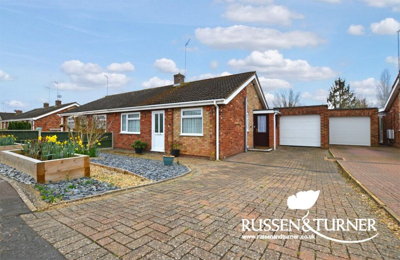
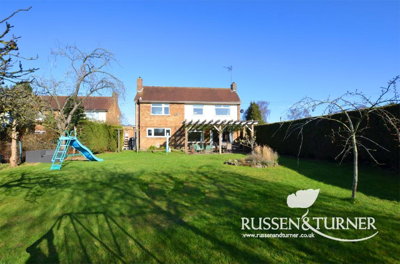
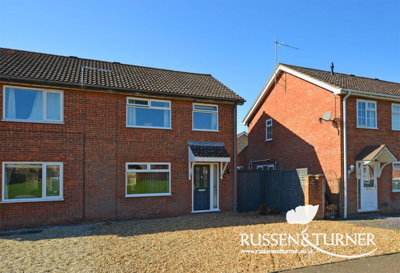
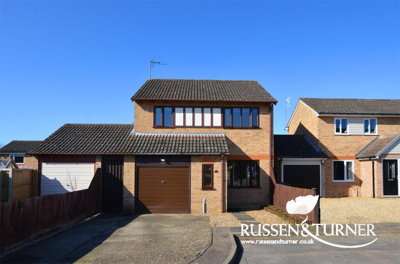
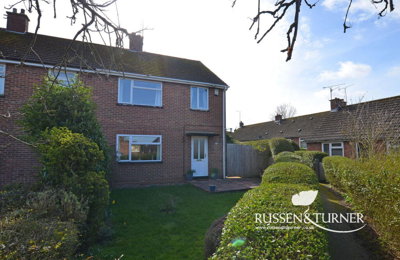
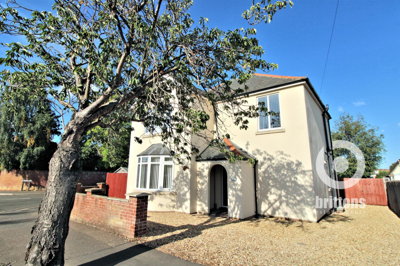
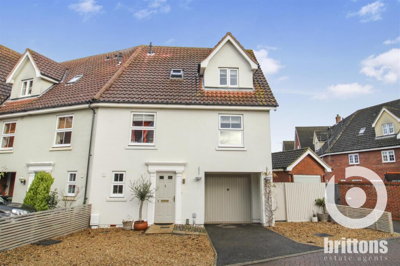
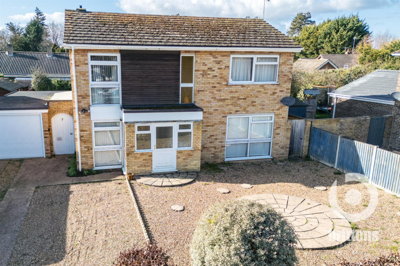
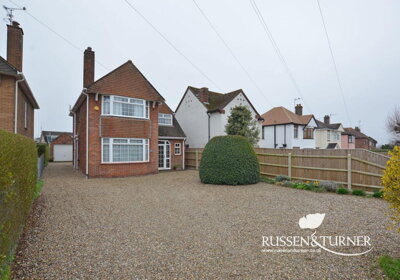
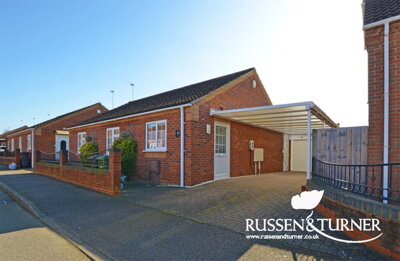
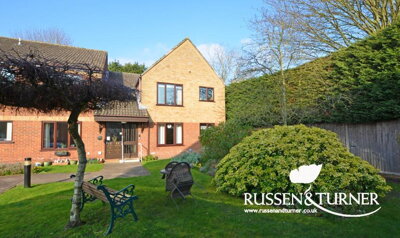
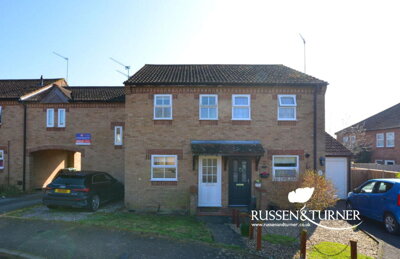
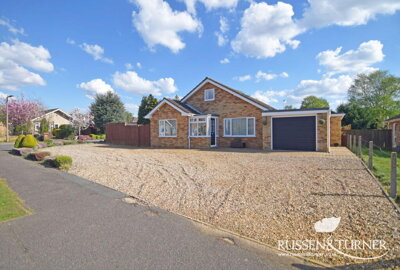
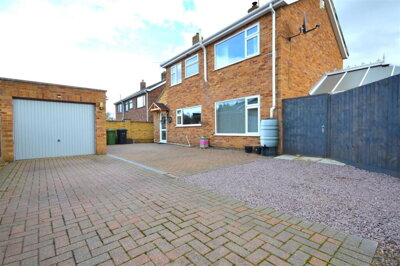
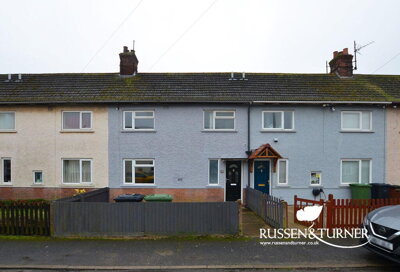
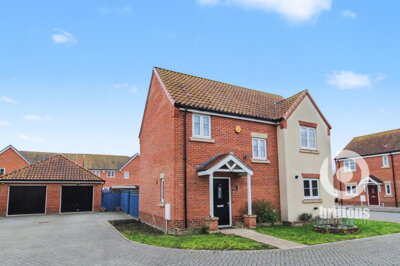
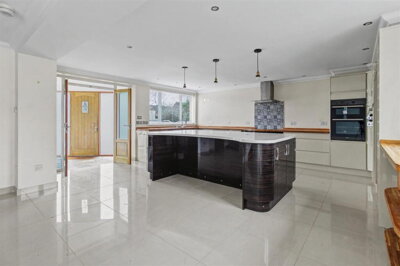
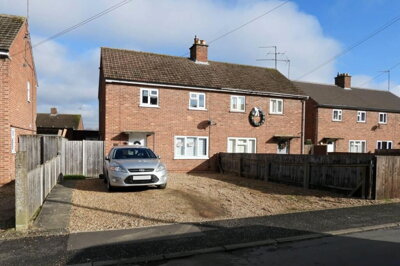
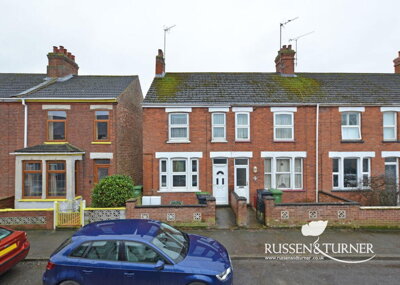
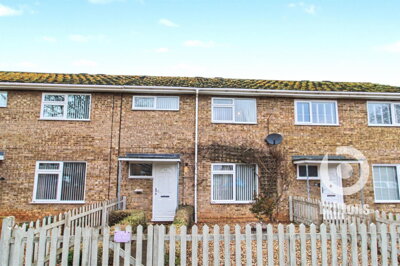
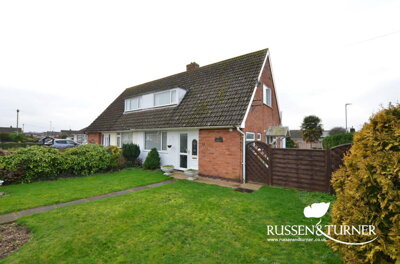
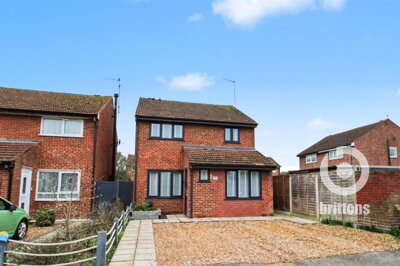
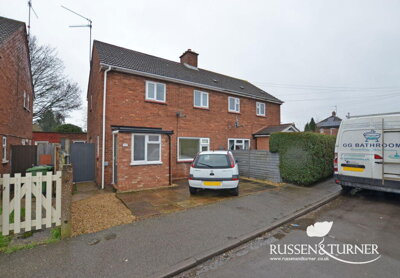
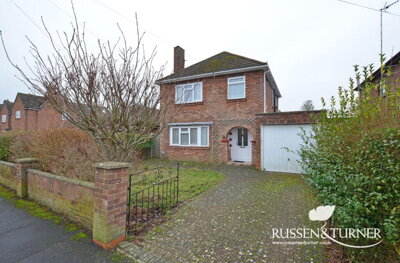
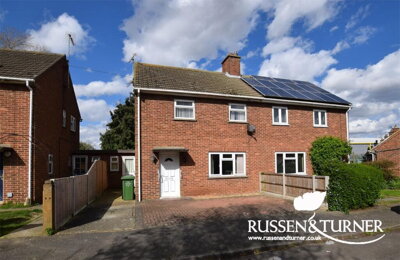
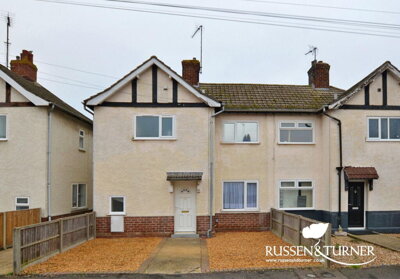
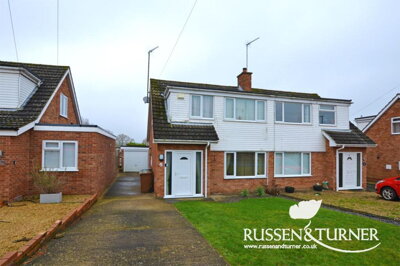
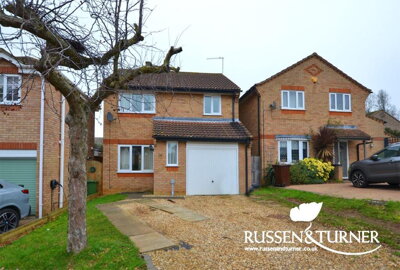
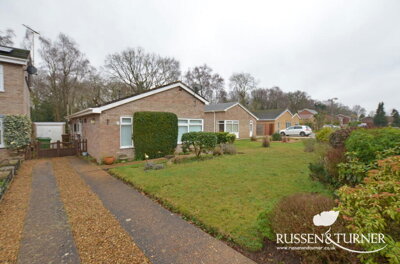
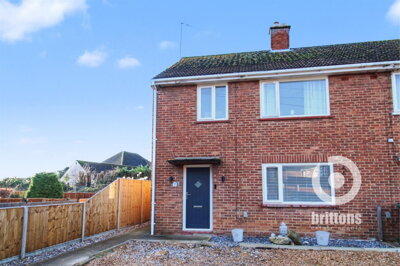
Browse 375 homes for sale in South Wootton from local estate agents.
The Arkengarthdale property market reflects the dynamics of a small, rural community within a national park. Detached properties have achieved the highest sale prices, averaging £697,500 over the past year, demonstrating strong demand for spacious homes with land and views across the dale. Semi-detached properties averaged £311,000, while terraced cottages achieved around £210,000. These figures show the premium buyers place on larger, detached homes with rural settings, though more accessible terraced properties offer an entry point to this sought-after location.
Price trends in Arkengarthdale have shown resilience despite broader market fluctuations. While current prices sit 17% below the 2022 peak of £575,000, the 12% increase over the past year indicates renewed confidence in the local market. Properties along Arkengarthdale Road have demonstrated particular strength, with prices rising 0.3% since the most recent sale in July 2025 and climbing 29.8% over the past decade. This long-term appreciation reflects the enduring appeal of Dales properties and the limited supply inherent to a national park location where new development is tightly controlled.
New build activity in Arkengarthdale remains extremely limited, as is typical within the Yorkshire Dales National Park. Community-led initiatives, such as the Upper Dales Community Land Trust's proposal for four affordable homes in Langthwaite, represent the primary route for new affordable housing. Planning permissions for conversions of historic buildings, including the former primary school in Langthwaite, occasionally come to market and offer opportunities for buyers seeking character properties with modern amenity potential. The conversion of the former Arkengarthdale Church of England Primary School, completed in 2023, demonstrates how historic buildings can be sensitively adapted for contemporary residential use while retaining their architectural character.

Life in Arkengarthdale centres on the rhythms of rural Yorkshire Dales living. The village, home to approximately 207 residents across 103 households, offers an intimate community atmosphere where neighbours know one another and local traditions remain strong. The settlement pattern concentrates around Langthwaite, the main village, where essential amenities including the Charles Bathurst Inn provide focal points for social life. The nearby Tan Hill Inn holds the distinction of being England's highest pub, drawing visitors from across the region to its atmospheric setting amid the moors.
The local economy relies primarily on hill farming, grouse shooting estates, and tourism rather than traditional employment sectors. This economic character shapes the community's demographics, with over 28% of residents aged over 65 and less than 9% aged under 16. The aging population reflects both the draw of rural retirement and the challenges faced by younger residents seeking to remain in the dale. Census data revealing that more than 91% of homes are under-occupied by their existing residents highlights the spatial character of properties designed for larger families or agricultural worker households now occupied by retirees or couples.
The physical landscape of Arkengarthdale comprises the characteristic topography of a Yorkshire Dale, with the Arkle Beck flowing through the valley floor. The geology underlying the area features the Yoredale series of alternating limestone, gritstone, and shale bands, which have historically provided the stone used in local construction. Lead mining, the area's historic economic backbone, ceased in 1911 after over a thousand years of operation, though spoil heaps and hushes remain visible reminders of this industrial heritage. Today, the landscape supports sheep farming and provides habitat for diverse wildlife that draws naturalists throughout the year.

Understanding the construction methods prevalent in Arkengarthdale is essential for any prospective buyer. Buildings throughout the dale predominantly use locally quarried stone for both walls and roofing, a practice that dates back centuries and reflects the available geology. The Yoredale series of rocks, consisting of alternating bands of hard limestone, gritstone, and softer shales, has historically provided the raw materials for construction. This geological diversity means that stone used in local buildings often varies in colour and texture depending on which band was quarried, creating the distinctive appearance that characterises the area.
Traditional construction in Arkengarthdale typically involves solid stone walls built with lime mortars rather than modern cement-based products. These walls are designed to breathe, absorbing and releasing moisture naturally, which helps maintain structural stability in the damp Dales climate. Lime mortar joints are relatively soft compared to modern equivalents, meaning they require periodic repointing to prevent water ingress. Stone slate roofing is common throughout the area, with individual slates fixed using wooden pegs or nails that can deteriorate over decades, necessitating careful inspection during property surveys.
The predominance of historic construction methods means that most properties in Arkengarthdale predate modern building regulations and standards. Properties built before 1911, which dominate the housing stock in areas such as DL11 6RH, may lack features that contemporary buyers expect, such as cavity wall insulation, damp-proof courses, or modern electrical systems. When evaluating properties, buyers should consider the cost of upgrading these traditional buildings while retaining their character, a balance that often requires specialist advice from surveyors experienced in historic construction.
Families considering a move to Arkengarthdale should note the limited local educational provision, reflecting the village's small scale. The former Arkengarthdale Church of England Primary School in Langthwaite has been converted to residential use, meaning the nearest primary education requires travel to nearby communities. Reeth Primary School, situated in the neighbouring Swaledale valley, serves some Arkengarthdale families, while secondary education opportunities are found in the market towns of Richmond and Leyburn, requiring daily transport arrangements for pupils.
The closure of the local primary school represents one of several challenges facing the sustainment of family life in Arkengarthdale. The estimated annual requirement of just 2 affordable homes per annum reflects the modest scale of family formation locally, yet this housing need remains unmet given development restrictions within the national park. Parents relocating with children should carefully consider school transport logistics, after-school activity arrangements, and the implications of distance from secondary educational facilities when evaluating properties in the dale.
For families willing to navigate these logistical challenges, the educational opportunities in nearby market towns provide reasonable alternatives. Richmond hosts several primary and secondary schools, with bus services operating along established routes. However, the journey times involved mean that school-aged children may spend significant portions of their day travelling, which families should factor into their decision-making process. The intimate class sizes and strong community ties found in rural schools often provide educational benefits that offset these practical considerations.
Transport connectivity defines the practical experience of living in Arkengarthdale. The dale lies off major trunk routes, with access via single-track roads that wind through the landscape. The journey to Richmond, the nearest market town with rail connections, involves approximately 30 minutes of driving through scenic countryside. Bus services are limited, making private vehicle ownership effectively essential for daily commuting, shopping, and accessing services. The remoteness that creates transport challenges simultaneously delivers the peacefulness and scenic beauty that makes Arkengarthdale so attractive to buyers seeking escape from urban life.
For commuters requiring regular rail access, the East Coast Main Line stations at Darlington and Northallerton offer connections to London, Edinburgh, and regional destinations. Richmond station provides Northern Rail services connecting to Darlington and Carlisle along the Tees Valley line. The journey times to major employment centres mean that Arkengarthdale suits those with flexible working arrangements, remote employment, or retired buyers who can enjoy the countryside without daily commuting requirements. The area has seen improved broadband connectivity in recent years, supporting home working arrangements that have expanded the pool of potential buyers able to consider this rural location.
Cyclists and walkers will appreciate the extensive network of public footpaths and bridleways that traverse the dale and surrounding moorland. The Pennine Journey, a challenging long-distance footpath, passes through Arkengarthdale, connecting remote communities across the Yorkshire Dales and Pennines. For those who enjoy exploring on foot or two wheels, the location offers exceptional opportunities for outdoor recreation, though the same remote character that provides this access can also mean that emergency services require longer response times in the event of accidents or medical emergencies.
Start by exploring property listings in Arkengarthdale through Homemove, reviewing current prices, property types, and recent sales data. Understanding that detached properties average £697,500 while terraced cottages start around £210,000 helps establish your budget parameters. Consider engaging a local estate agent with knowledge of the Yorkshire Dales market, as inventory moves quickly and understanding of conservation area requirements is essential.
Spend time in Arkengarthdale before committing to a purchase. Walk the village, meet residents, and experience the rhythms of rural Dales life. Pay particular attention to accessibility, proximity to amenities in nearby Reeth or Richmond, and the feel of different seasons on the landscape. Flood risk awareness is particularly important, given the severe flash flooding that affected the dale in July 2019, so consider visiting after heavy rainfall to understand local drainage patterns.
Obtain a mortgage agreement in principle before making formal offers. Given the premium nature of Dales properties, with average prices around £479,000, having your finances arranged demonstrates serious intent to sellers. Speak to our mortgage advisors who can compare rates and help you find appropriate lending for rural properties, noting that some lenders have specific products for properties in national parks or conservation areas.
Given Arkengarthdale's housing stock of predominantly older stone-built properties, professional surveys are essential. A RICS Level 2 Survey provides thorough inspection of conventional properties, while older, listed, or complex properties may require a Level 3 Building Survey. Be aware that surveyors may charge premium rates for this remote location due to travel time and the specialist knowledge required for traditional stone construction and historic building defects.
Instruct a conveyancing solicitor with experience in Yorkshire Dales property transactions. Your solicitor should understand the implications of the Swaledale and Arkengarthdale Conservation Area designation, listed building requirements, and any environmental considerations such as flood risk or mining legacy. They will handle local authority searches, title verification, and coordinate with your mortgage lender through to completion.
Purchasing property in Arkengarthdale requires attention to factors beyond standard property considerations. The village's location within the Yorkshire Dales National Park and the Swaledale and Arkengarthdale Conservation Area brings planning restrictions that affect what owners can do with their properties. Any alterations, extensions, or significant works may require consent from the Yorkshire Dales National Park Authority. The presence of ten listed buildings in the area means some properties carry Grade II or Grade II* listing status, imposing additional constraints on maintenance and improvement works.
Flood risk demands particular scrutiny when considering Arkengarthdale properties. The flash flooding of July 2019, described as a 1-in-100 year event, caused extensive damage throughout the dale and destroyed bridges. Langthwaite received 132mm of rainfall in just two hours during this event. Properties near the Arkle Beck or in valley floor locations face elevated flood risk, and climate change projections suggest such events may become more frequent. Requesting environmental searches that identify flood risk zones, understanding the property's flood history, and considering the placement of living accommodation across floors are essential steps for any buyer.
The underlying geology of Arkengarthdale presents shrink-swell subsidence risks associated with clay-rich soils in areas underlain by shales. Environmental reports for properties in the area have indicated notable shrink-swell hazard scores, meaning foundations and structural elements may be affected by soil moisture changes. Traditional solid stone walls constructed with lime mortars perform differently from modern cavity wall construction, requiring specialist understanding during surveys and maintenance. Properties with stone slate roofs, common throughout the area, may require periodic re-slating as fixings deteriorate over time.
Properties in Arkengarthdale share common defects associated with their age and traditional construction methods. Our inspectors frequently identify damp issues in these stone-built properties, including penetrating damp through aging stone walls, rising damp in properties predating modern damp-proof courses, and condensation problems resulting from inadequate ventilation in tightly sealed historic buildings. The solid wall construction typical of the area lacks the cavity that helps prevent moisture penetration in newer properties, making thorough damp assessments essential for any purchase decision.
Roof defects represent another common finding in Arkengarthdale property surveys. Older stone slate roofs, while durable, eventually require attention as fixings deteriorate over time. Our team commonly notes broken or missing slates, sagging roof lines, deteriorated chimney stacks, and flashing failures that allow water ingress. Properties in the area often have multiple roof pitches and complex junctions that require careful inspection. Given the cost of stone slate replacement and the specialist skills required, roof condition significantly impacts overall property value and future maintenance costs.
Structural movement in Arkengarthdale properties can result from several factors including the shrink-swell behaviour of clay-rich soils, historic mining activity beneath the surface, or natural settlement of traditional buildings over time. While some minor movement is expected in older properties, significant cracks in walls or ceilings, uneven floors, and sticking doors or windows can indicate more serious issues requiring specialist investigation. Environmental searches should address both natural ground conditions and any residual risks from historic lead mining operations that ceased in 1911.
Outdated electrical and plumbing systems frequently require attention in Arkengarthdale's older properties. Wiring installed decades ago may not meet current safety standards, and the cost of full rewire should be factored into purchase budgets. Similarly, plumbing systems may use outdated materials or suffer from corrosion. Given the specialist nature of working with traditional buildings, any electrical or plumbing upgrades should be carried out by contractors experienced in historic properties to ensure compatibility with original fabric and finishes.
The average house price in Arkengarthdale is approximately £479,000 based on recent sales data. Detached properties command the highest prices, averaging £697,500, while semi-detached homes sell for around £311,000 and terraced cottages for approximately £210,000. Prices have risen 12% over the past year, though they remain 17% below the 2022 peak of £575,000. The premium for detached properties reflects the desirability of spacious rural homes with land and panoramic Dales views, while terraced properties offer more accessible entry points to this sought-after national park location.
Properties in Arkengarthdale fall within the Richmondshire district council area. Council tax bands range from A through H based on property valuation, with most traditional stone cottages and smaller homes typically falling in bands A to C, while larger detached properties or converted farm buildings may be in higher bands. Exact banding depends on the specific property and its characteristics, and buyers should verify the banding through the Valuation Office Agency or on the local council website before completing their purchase budget calculations.
Arkengarthdale has limited schooling options, with the former primary school having been converted to residential use. The nearest primary schools are in nearby villages such as Reeth, while secondary education is available in Richmond or Leyburn, both requiring transport arrangements. Parents should carefully consider school transport logistics and journey times when evaluating living in the area, particularly for families with children of secondary school age who would face daily commutes of 30 minutes or more to reach their school.
Public transport connectivity in Arkengarthdale is limited, making private vehicle ownership essential for most residents. Local bus services operate infrequently, and the nearest railway stations are in Richmond, Darlington, or Northallerton, each requiring 30-60 minutes of driving to reach. This remoteness suits those working from home, retired buyers, or those with flexible commuting arrangements, though it presents challenges for daily commuters requiring regular train travel to major employment centres such as Leeds, Newcastle, or London.
Arkengarthdale property has demonstrated strong long-term value appreciation, with prices on Arkengarthdale Road rising 29.8% over the past decade. The constrained supply within the Yorkshire Dales National Park, combined with persistent demand for rural properties and the rarity of available homes, supports continued value retention. However, the small population, aging demographics, and limited local employment mean rental demand may be modest, making primary residence purchases more suitable than buy-to-let investments unless buyers are prepared for periods of vacancy.
Stamp Duty Land Tax applies at standard rates for purchases in Arkengarthdale. For residential purchases, the rates are 0% on the first £250,000, 5% on £250,001 to £925,000, 10% on £925,001 to £1.5 million, and 12% on amounts above £1.5 million. First-time buyers benefit from relief on the first £425,000, with 5% applied between £425,001 and £625,000, though this relief is not available above £625,000. Given the average property price of £479,000, most buyers would pay stamp duty on the amount above £250,000, which equates to approximately £11,450 for standard buyers.
Environmental risks in Arkengarthdale include flash flooding from the Arkle Beck, as demonstrated by the severe July 2019 event that caused extensive damage and destroyed bridges throughout the dale. Shrink-swell subsidence related to clay-rich soils underlying the area presents another risk, as evidenced by environmental reports indicating notable hazard scores. The historic lead mining legacy may also present ground stability considerations in some locations, with spoil heaps and hushes still visible across the landscape. Environmental searches should be obtained during the conveyancing process, and buyers should review any flood history, drainage arrangements, and foundation details carefully before completing a purchase.
From 4.5%
Compare rates from specialist lenders familiar with national park properties
From £499
Local solicitors experienced in Yorkshire Dales property transactions
From £455
Thorough inspection suitable for conventional Arkengarthdale properties
From £600
Comprehensive survey for older stone-built and listed properties
Understanding the full costs of purchasing property in Arkengarthdale requires careful budgeting beyond the purchase price. Stamp Duty Land Tax represents a significant additional cost, with standard rates applying to properties in this North Yorkshire location. For a typical Arkengarthdale property at the average price of £479,000, a buyer would pay nothing on the first £250,000, then 5% on the remaining £229,000, bringing stamp duty to approximately £11,450. First-time buyers may benefit from relief, reducing this to around £2,700 if purchasing as their main residence.
Beyond stamp duty, buyers should budget for solicitor conveyancing fees typically ranging from £500 to £1,500 depending on complexity. Survey costs for Arkengarthdale properties warrant particular attention given the remote location and older building stock. A RICS Level 2 Survey costs around £455 nationally on average, though properties in this rural area may incur slight premiums due to surveyor travel time. For traditional stone properties, a more comprehensive Level 3 Building Survey starting from £600 may be advisable, given the prevalence of historic construction methods and potential defects.
Moving costs for this remote location can exceed those for urban properties, with specialist removals firms charging premium rates for the challenging rural access. Buildings insurance must be in place from completion, and given the flood risk history in Arkengarthdale, obtaining appropriate coverage and understanding policy exclusions related to flood damage is essential. Land Registry fees, local authority search fees, and mortgage arrangement fees where applicable should all be factored into your budget. Engaging with local professionals who understand Yorkshire Dales property transactions can help navigate these costs efficiently and avoid delays during the buying process.
Properties for Sale In London

Properties for Sale In Plymouth

Properties for Sale In Liverpool

Properties for Sale In Glasgow

Properties for Sale In Sheffield

Properties for Sale In Edinburgh

Properties for Sale In Coventry

Properties for Sale In Bradford

Properties for Sale In Manchester

Properties for Sale In Birmingham

Properties for Sale In Bristol

Properties for Sale In Oxford

Properties for Sale In Leicester

Properties for Sale In Newcastle

Properties for Sale In Leeds

Properties for Sale In Southampton

Properties for Sale In Cardiff

Properties for Sale In Nottingham

Properties for Sale In Norwich

Properties for Sale In Brighton

Properties for Sale In Derby

Properties for Sale In Portsmouth

Properties for Sale In Northampton

Properties for Sale In Milton Keynes

Properties for Sale In Bournemouth

Properties for Sale In Bolton

Properties for Sale In Swansea

Properties for Sale In Swindon

Properties for Sale In Peterborough

Properties for Sale In Wolverhampton

Enter your details to see if this property is within your budget.
Loans, cards, car finance
Estimated property budget
Borrowing + deposit
You could borrow between
Typical borrowing
Monthly repayment
Est. at 4.5%
Loan-to-value
This is an estimate only. Your actual budget may vary depending on interest rates, credit history, and personal circumstances. For an accurate affordability assessment, speak to one of our free mortgage advisors.
This calculator provides estimates for illustrative purposes only and does not constitute financial advice. Your home may be repossessed if you do not keep up repayments on your mortgage. Estimates based on 4.5% interest rate, repayment mortgage. Actual rates depend on your circumstances.
Homemove is a trading name of HM Haus Group Ltd (Company No. 13873779, registered in England & Wales). Homemove Mortgages Ltd (Company No. 15947693) is an Appointed Representative of TMG Direct Limited, trading as TMG Mortgage Network, which is authorised and regulated by the Financial Conduct Authority (FRN 786245). Homemove Mortgages Ltd is entered on the FCA Register as an Appointed Representative (FRN 1022429). You can check registrations at NewRegister or by calling 0800 111 6768.

We use cookies to show you personalised content and improve your experience of our website. Find out more in our Privacy policy and Cookie policy.