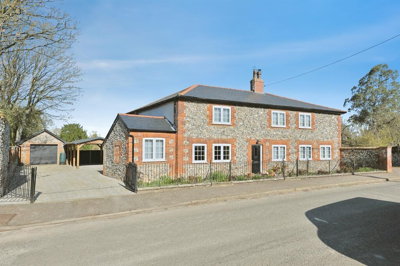
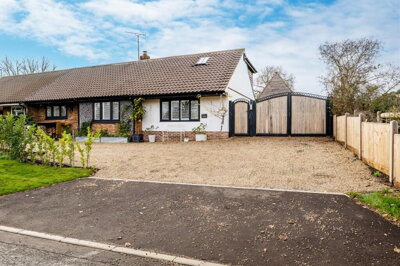
Browse 2 homes for sale in South Pickenham from local estate agents.
Three bedroom properties represent a significant portion of the South Pickenham housing market, offering space for families with multiple reception rooms and gardens in many cases. Browse detached, semi-detached, and terraced options ranging from period character homes to contemporary developments.
The South Pickenham housing market operates at a modest scale, with just one property sale recorded in the past twelve months according to Land Registry data. This limited turnover reflects the nature of village living, where properties change hands infrequently and often to buyers specifically seeking this tranquil location. The average house price stands at £442,500, representing a stable market with no significant price fluctuations recorded over the past year. Detached properties dominate the available data, commanding prices consistent with the generous plots and rural settings typical of the area.
Property types in South Pickenham lean heavily towards larger detached homes and farmhouses, with semi-detached and terraced properties forming a smaller portion of the housing stock. The village contains several listed buildings, including St Andrew's Church and historic farmhouses, indicating a prevalence of period properties built before 1919. New build developments are not present within the immediate South Pickenham postcode area, with purpose-built housing typically located in nearby market towns such as Swaffham and Watton. Buyers seeking character properties with original features, traditional Norfolk brickwork, and flint detailing will find South Pickenham particularly appealing.
The Breckland landscape surrounding South Pickenham creates a unique property market where homes are valued not just for their internal accommodation but for their relationship with the surrounding farmland and countryside. Our local knowledge indicates that properties with land, traditional outbuildings, or views across the Brecks command a premium from buyers seeking the complete rural Norfolk experience. The stability of the local market makes South Pickenham an attractive option for those planning long-term ownership rather than short-term investment.

South Pickenham embodies the essence of rural Norfolk living, offering residents a peaceful environment surrounded by farmland, countryside walks, and historic architecture. The village falls within a designated Conservation Area, ensuring that its character and traditional appearance are preserved for future generations. St Andrew's Church stands as a focal point of the community, while the surrounding area features a mix of farmhouses, cottages, and more modern residences that blend harmoniously with the landscape. The local economy centres around agriculture and small-scale rural businesses, with many residents commuting to nearby towns for employment opportunities.
The wider Breckland district offers additional amenities and attractions, including access to the Brecks, a unique landscape of forest, heath, and farmland renowned for its biodiversity. Local pubs and village halls provide community gathering spaces, while the nearby market towns of Swaffham and Watton offer supermarkets, independent shops, and healthcare services. The nearest major city, Norwich, lies approximately 25 miles to the northeast, providing access to a broader range of retail, dining, cultural venues, and employment opportunities for those willing to travel. Families and individuals seeking an escape from urban living will find South Pickenham offers an authentic countryside lifestyle with essential services within easy reach.
The Breckland area is characterised by its distinctive geology, featuring chalk bedrock overlain by glacial tills, sands, and gravels that create the rolling terrain visible from properties throughout South Pickenham. This geological foundation has shaped traditional building practices in the village, with local builders historically using materials sourced from the surrounding landscape. The area's biodiversity, including rare species of birds and insects in the forest and heath areas, provides recreational opportunities for residents interested in wildlife and nature walks.

Families considering a move to South Pickenham will find a selection of educational options available within the surrounding area. Primary education is typically provided by schools in nearby villages and towns, with the nearest options located in communities such as Swaffham, which hosts several primary schools serving the wider catchment area. These schools generally offer smaller class sizes than urban alternatives, allowing for more individual attention and a strong sense of community among pupils and staff. Parents should research specific catchment areas and admission policies, as these can vary based on proximity and capacity.
Secondary education options include schools in Swaffham and further afield in towns like Dereham, with several institutions offering a range of academic and vocational programmes. For families prioritising selective education, grammar schools are available in nearby towns, and students may sit entrance examinations to secure places. Sixth form provision in the area includes school-based options as well as further education colleges accessible via public transport or family transport arrangements. Prospective buyers with school-age children should verify current Ofsted ratings, travel arrangements, and admissions criteria when considering properties in South Pickenham, as these factors can significantly impact daily family life.
We know from local feedback that families in South Pickenham typically factor school transport into their property search, with many choosing properties along routes that connect to primary schools in surrounding villages. The journey times to secondary schools can be longer than in urban areas, and families should budget for this commitment when viewing properties. Several families in the area have successfully navigated the admissions process for schools in Swaffham, where primary schools such as Sacred Heart Catholic Primary School and Windmill Primary School serve the local community.
Transport connectivity from South Pickenham relies primarily on road networks, with the village situated off local roads connecting to the A1065 and A47 for access to wider Norfolk and beyond. The A47 provides a key east-west corridor, linking Swaffham to Norwich to the east and King's Lynn to the west, while also connecting to the A1 and M1 for longer-distance travel. Norwich city centre lies approximately 25 miles from South Pickenham, with a typical car journey taking around 45 minutes to an hour depending on traffic conditions. The nearest train station with regular services is located in Norwich, offering connections to London Liverpool Street in approximately two hours.
Bus services operate in the surrounding area, providing connections to nearby towns for those who prefer not to drive, though frequencies may be limited compared to urban routes. Cycling is popular for shorter journeys, with quiet country lanes offering scenic routes between villages, though hilly terrain in some areas may require consideration. Parking in the village itself is generally straightforward given the low-density nature of the settlement, with most properties offering off-street parking or garages. Commuters working in Norwich or other larger towns will find South Pickenham provides a workable base, though travel time should factor into daily planning and property search criteria.
The A1065 provides direct access to the A11 corridor, making destinations such as Thetford and Cambridge more accessible for those working in technology or research sectors. Our team has helped buyers who commute to Norwich business parks and the Norfolk and Norwich University Hospital find properties in South Pickenham that balance their rural lifestyle preferences with practical commuting requirements. The journey times vary depending on exact destination and traffic conditions, with early morning departures typically avoiding the heaviest congestion on the A47 approach to Norwich.
Spend time exploring South Pickenham and surrounding villages to understand the neighbourhood, local amenities, and community atmosphere. Visit at different times of day and on weekends to gauge noise levels, traffic patterns, and the general vibe of the area. The village's Conservation Area boundaries and listed building locations are worth noting, as these will affect any future plans for property modifications.
Contact lenders or mortgage brokers to obtain an agreement in principle before beginning property viewings. Having your finances in place demonstrates seriousness to sellers and speeds up the purchasing process once you find your ideal home. For properties valued around the South Pickenham average of £442,500, most lenders offer competitive mortgage products, though rural properties with land may require specialist finance arrangements.
Work with local estate agents to arrange viewings of suitable properties in South Pickenham. Take notes on property condition, ask about the age of the property, previous owners, and any recent renovations or maintenance completed. Pay particular attention to traditional construction materials including Norfolk brick, flint, and render, as these require specific maintenance knowledge.
Commission a RICS Level 2 Survey for properties built before 1980, as these older homes often have hidden defects. Given the prevalence of period properties in South Pickenham, a thorough survey can identify issues with damp, timber, roofing, and foundations. Properties with timber frames or thatched roofs may require additional specialist inspections beyond the standard survey.
Choose a conveyancing solicitor with experience in rural Norfolk properties to handle the legal aspects of your purchase, including local searches, title checks, and contract review. Rural properties may involve additional legal considerations including rights of way, agricultural drainage agreements, and common land registrations that require specialist knowledge.
Once all surveys, searches, and legal work are satisfactory, you will exchange contracts and pay your deposit. Completion typically follows within a few weeks, after which you will receive the keys to your new South Pickenham home. Our team can recommend local solicitors familiar with Breckland Council procedures and the unique aspects of village property transactions.
Properties in South Pickenham showcase traditional building methods that reflect the local geology and centuries of agricultural heritage. The predominant construction materials include local Norfolk brickwork, often featuring the distinctive warm red tones associated with the region, combined with flint nodules gathered from the surrounding boulder clay soils. Many historic properties feature render applied over solid brick or stone walls, while timber framing appears in the oldest farmhouses and cottages that predate widespread brick production.
Roof construction throughout the village typically features timber rafters covered with either clay tiles or natural slate, with some historic properties retaining original thatch roofing that requires specialist maintenance and insurance. The solid wall construction found in pre-1919 properties provides excellent thermal mass but lacks the cavity insulation of modern builds, meaning buyers should expect higher heating costs and consider retrofit insulation solutions. Our inspectors frequently note that traditional lime-based mortars and plasters used in these properties require different maintenance approaches than modern cement-based products.
The underlying geology of Breckland, with its chalk bedrock and clay overlain by sandy deposits, has influenced foundation depths and construction practices in South Pickenham. Properties built before modern building regulations may have shallow strip foundations that are more susceptible to movement in clay soils during periods of drought or saturation. Our surveyors understand these local construction characteristics and pay particular attention to signs of foundation movement, cracking patterns, and the condition of traditional building materials when inspecting properties in the village.
Given the age of much of the housing stock in South Pickenham, our inspectors commonly identify defects related to damp in properties throughout the village. Rising damp occurs where original damp-proof courses have failed or were never installed, particularly in properties built before 1920. Penetrating damp results from weathering of traditional brick and flint walls, damaged rendering, or defective rainwater goods that allow water ingress into the building fabric. Our Level 2 Surveys check for these issues and recommend appropriate remedial works using traditional materials where Conservation Area requirements apply.
Timber defects represent another significant concern in South Pickenham properties, where original roof structures and floor joists may show signs of woodworm activity or fungal decay. Our inspectors examine all accessible timber elements, looking for evidence of current or historic beetle activity, wet rot, and dry rot that can compromise structural integrity. Properties with thatched roofs require specialist assessment by contractors experienced with traditional roof coverings, as repair costs can be substantial compared to standard tile or slate roofs.
The presence of clay soils in the Breckland area creates potential for subsidence and ground movement that our surveyors assess when inspecting properties in South Pickenham. Signs of structural movement include diagonal cracking from corners of windows and doors, sticking doors and windows, and visible settlement around extension joints or porches. While the village is not in a known mining area, older properties with shallow foundations can be vulnerable to the shrink-swell effects of clay soils during prolonged dry spells or periods of heavy rainfall.
The average property price in South Pickenham currently stands at £442,500 according to Land Registry and Rightmove data. This figure is based on recent sales activity, which has been limited with just one property sale recorded in the past twelve months. The stable price trend reflects the consistent demand for rural village properties in the Breckland area, where supply remains constrained and buyers typically value the character and setting over modern conveniences. Detached properties form the majority of recorded sales, with prices reflecting the generous plots and traditional construction methods associated with Norfolk farmhouses and cottages.
Properties in South Pickenham fall under Breckland Council's jurisdiction for council tax purposes. Specific bandings vary by property depending on the assessed value, with period farmhouses and larger detached homes often attracting higher bands than smaller cottages or modern conversions. The village's Conservation Area status and presence of listed buildings may affect certain exemptions or discounts available to buyers undertaking restoration works. Prospective buyers should check the banding for any specific property through the Valuation Office Agency website or request this information from the selling agent.
The South Pickenham area offers primary education through schools in nearby villages and towns, with families typically travelling to Swaffham or Watton for Reception through Year 6 provision. Primary schools in Swaffham include Sacred Heart Catholic Primary School, Windmill Primary School, and a nearby infant school, all serving the wider catchment area with typically smaller class sizes than urban alternatives. Secondary education is available at schools in Dereham and Swaffham, with several institutions rated good or outstanding by Ofsted. Grammar schools in nearby towns provide selective education options for students who pass entrance examinations, with transport arrangements requiring careful planning from South Pickenham.
Public transport options from South Pickenham are limited, reflecting its rural village status. Bus services connect the village to nearby towns including Swaffham and Watton, though frequencies are lower than urban routes with perhaps one or two services per day on certain routes. The nearest major train station is in Norwich, offering services to London Liverpool Street in approximately two hours. Most residents rely on private vehicles for daily commuting and errands, with Norwich accessible by car in approximately 45 minutes to an hour via the A47, and Cambridge reachable in around 90 minutes for those working further afield.
South Pickenham offers moderate investment potential, particularly for buyers seeking long-term holding or rental income in the rural Norfolk market. Property values have remained stable with no significant changes recorded over the past year, while the village's Conservation Area status and limited supply of homes help protect against decline. Rental demand exists from professionals working in nearby towns or seeking rural lifestyle accommodation, though tenant pool size may be smaller than urban markets. Properties with land or traditional outbuildings may offer additional rental opportunities such as holiday lets or equestrian use, subject to planning permission.
Stamp duty rates for properties in South Pickenham follow standard UK thresholds, starting at 0% for purchases up to £250,000, then 5% on the portion between £250,001 and £925,000. For a typical South Pickenham property priced around the average of £442,500, this would result in stamp duty of approximately £9,625. First-time buyers may benefit from relief on properties up to £425,000, reducing costs for eligible purchasers. Properties above £625,000 do not qualify for first-time buyer relief, meaning all buyers pay standard rates regardless of previous property ownership.
South Pickenham is not located on a major river or coastal area, which significantly reduces the risk of river flooding affecting properties in the village. However, surface water flooding can occur in rural areas during periods of heavy rainfall, particularly in low-lying areas with natural drainage channels or where field boundaries have altered natural water flow. The Environment Agency provides detailed flood risk maps that buyers should consult for any specific property address. Our surveyors check for evidence of previous flooding or water ingress when inspecting properties, and will note any drainage concerns in their reports.
For most properties in South Pickenham, a RICS Level 2 Survey provides appropriate assessment of condition for properties built before 1980. However, listed buildings and those with complex construction such as timber-framed farmhouses may benefit from a more detailed RICS Level 3 Building Survey that can identify hidden defects and assess the condition of traditional materials in greater depth. Our team can advise on the most suitable survey type based on the specific property you are purchasing, with survey costs in the Norfolk area typically ranging from £400 to £900 depending on property size and value.
Properties in South Pickenham require careful scrutiny given the age of much of the housing stock and the rural setting. Listed buildings and those within the Conservation Area are subject to planning restrictions that limit permitted development rights, so buyers should verify any planned alterations with Breckland Council before proceeding. Traditional construction materials including Norfolk brick, flint, and render require ongoing maintenance, and potential buyers should assess the condition of walls, pointing, and any rendering that may have suffered from weathering or structural movement over time.
The underlying geology of the Breckland area includes clay soils that present a shrink-swell risk, particularly for older properties with shallow foundations. Signs of subsidence or structural movement should be investigated by a qualified surveyor before purchase. Surface water flooding can occur in rural areas during heavy rainfall, and the Environment Agency provides detailed flood risk maps that buyers should consult for any specific property. Properties with thatched roofs, common among historic village homes, require specialist insurance and maintenance, and quotes should be obtained before committing to purchase. Drainage and septic tank arrangements in rural properties may differ from urban systems, and these should be checked as part of any property survey.
Our inspectors always check the condition of traditional features when surveying properties in South Pickenham, including original windows, door ironmongery, and decorative plasterwork that may require specialist restoration rather than replacement. The village's setting within the Brecks means that properties may be more exposed to wind and weather than those in sheltered urban locations, and this should be reflected in expectations for heating costs and maintenance requirements. We recommend that buyers budget for a thorough survey before committing to purchase, as remedial works on period properties can quickly exceed expectations for more modern homes.
Budgeting for a property purchase in South Pickenham requires consideration of stamp duty alongside other associated costs. For a property priced at the current average of £442,500, buyers purchasing with a mortgage would pay stamp duty at 5% on the amount exceeding £250,000, resulting in a charge of £9,625. First-time buyers benefiting from relief on the first £425,000 would pay no stamp duty on the portion up to £425,000, with the remainder incurring 5% duty, totalling approximately £875. Properties above £625,000 do not qualify for first-time buyer relief, meaning all buyers pay standard rates.
Additional purchasing costs include solicitor fees for conveyancing, which typically range from £500 to £1,500 depending on complexity and whether the property is freehold or leasehold. Survey costs vary based on property type and value, with RICS Level 2 Surveys in the Norfolk area generally ranging from £400 to £900. A property valuation arranged by your mortgage lender is usually included within mortgage arrangement fees. Land registry fees, local authority searches, and electronic identification checks add further costs of approximately £300 to £500. Buyers should budget for removals, potential renovations, and a contingency fund equivalent to at least 5% of the purchase price to cover unexpected expenses.
Properties in South Pickenham may incur additional costs not commonly encountered in urban property purchases. Listed buildings or those within the Conservation Area may require specialist surveys and Listed Building Consent for certain works, adding to professional fees. Drainage and septic tank surveys, environmental searches, and specialist insurance for thatched properties should all be factored into the overall budget. Our team can provide guidance on the additional costs associated with purchasing traditional rural properties in the Breckland area.
Properties for Sale In London

Properties for Sale In Plymouth

Properties for Sale In Liverpool

Properties for Sale In Glasgow

Properties for Sale In Sheffield

Properties for Sale In Edinburgh

Properties for Sale In Coventry

Properties for Sale In Bradford

Properties for Sale In Manchester

Properties for Sale In Birmingham

Properties for Sale In Bristol

Properties for Sale In Oxford

Properties for Sale In Leicester

Properties for Sale In Newcastle

Properties for Sale In Leeds

Properties for Sale In Southampton

Properties for Sale In Cardiff

Properties for Sale In Nottingham

Properties for Sale In Norwich

Properties for Sale In Brighton

Properties for Sale In Derby

Properties for Sale In Portsmouth

Properties for Sale In Northampton

Properties for Sale In Milton Keynes

Properties for Sale In Bournemouth

Properties for Sale In Bolton

Properties for Sale In Swansea

Properties for Sale In Swindon

Properties for Sale In Peterborough

Properties for Sale In Wolverhampton

Enter your details to see if this property is within your budget.
Loans, cards, car finance
Estimated property budget
Borrowing + deposit
You could borrow between
Typical borrowing
Monthly repayment
Est. at 4.5%
Loan-to-value
This is an estimate only. Your actual budget may vary depending on interest rates, credit history, and personal circumstances. For an accurate affordability assessment, speak to one of our free mortgage advisors.
This calculator provides estimates for illustrative purposes only and does not constitute financial advice. Your home may be repossessed if you do not keep up repayments on your mortgage. Estimates based on 4.5% interest rate, repayment mortgage. Actual rates depend on your circumstances.
Homemove is a trading name of HM Haus Group Ltd (Company No. 13873779, registered in England & Wales). Homemove Mortgages Ltd (Company No. 15947693) is an Appointed Representative of TMG Direct Limited, trading as TMG Mortgage Network, which is authorised and regulated by the Financial Conduct Authority (FRN 786245). Homemove Mortgages Ltd is entered on the FCA Register as an Appointed Representative (FRN 1022429). You can check registrations at NewRegister or by calling 0800 111 6768.

We use cookies to show you personalised content and improve your experience of our website. Find out more in our Privacy policy and Cookie policy.