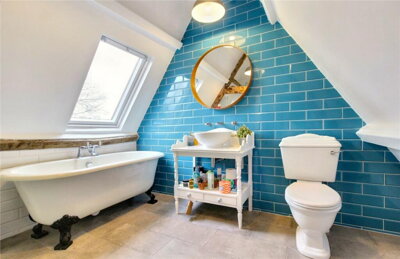
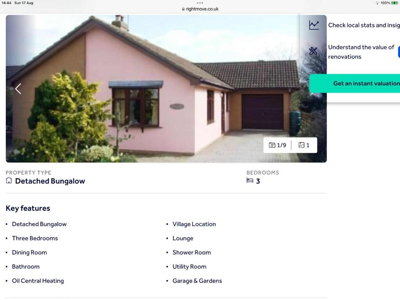
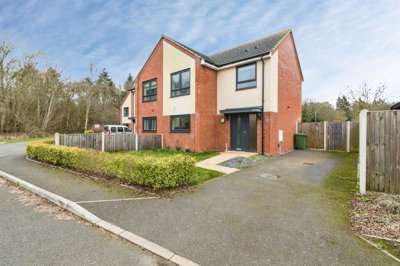
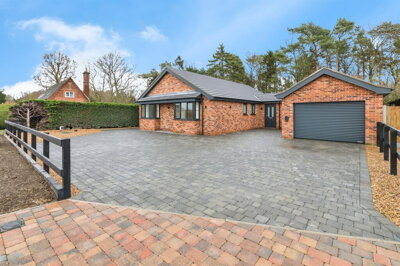
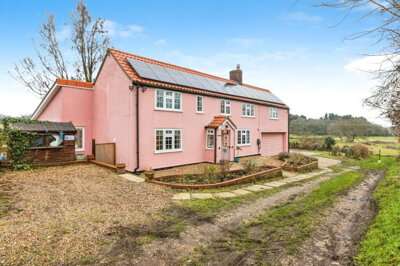
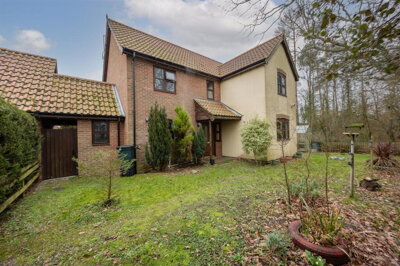
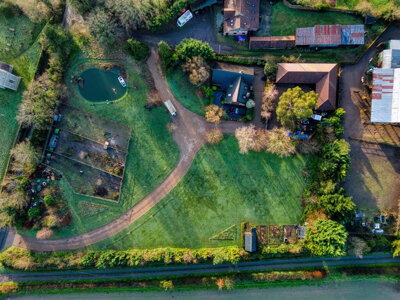
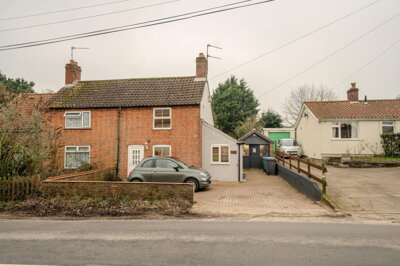
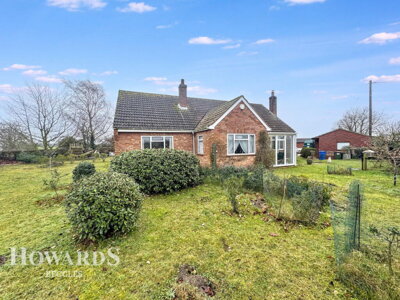
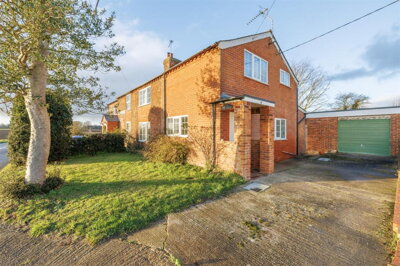
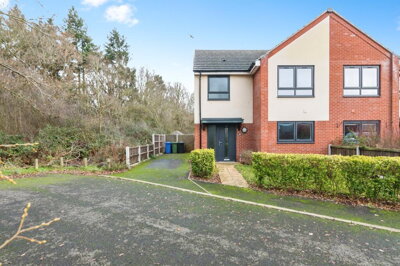
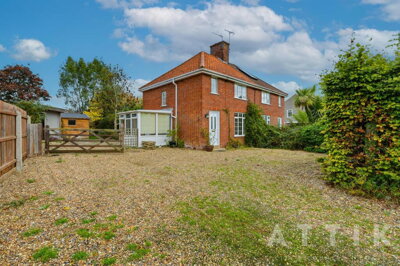
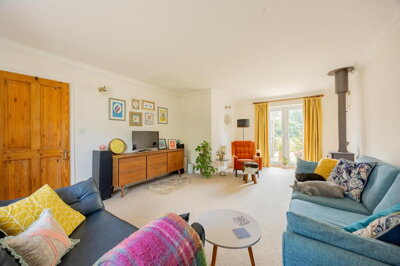
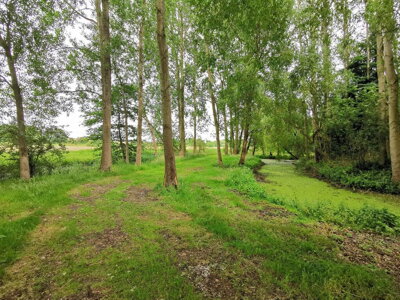
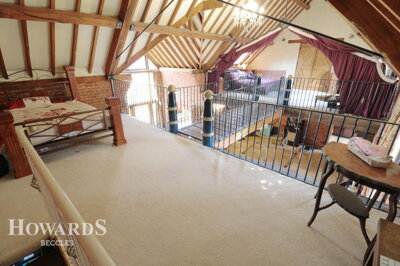
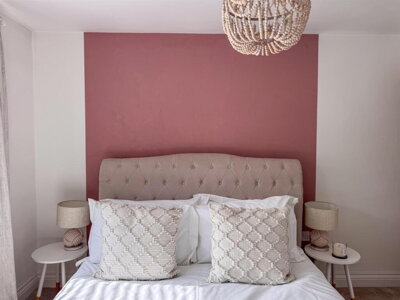
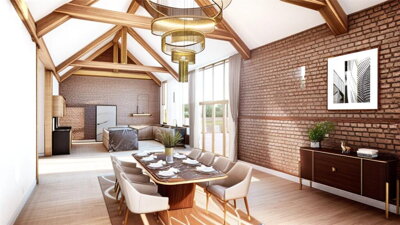
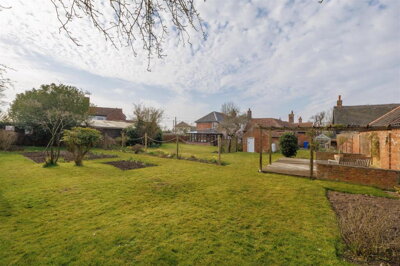
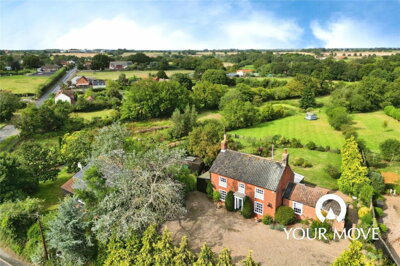
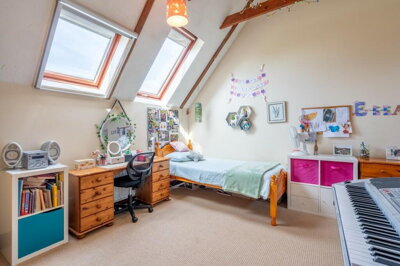
Browse 20 homes for sale in Sotterley, East Suffolk from local estate agents.
The Sotterley property market offers detached, semi-detached, and terraced houses spanning various price ranges and neighbourhoods. Each listing includes detailed property information, photographs, and direct contact with the marketing agent.
£0k
0
0
0
Source: home.co.uk
Showing 0 results for Houses for sale in Sotterley, East Suffolk.
The property market in Sotterley reflects its status as a small, exclusive rural village in East Suffolk. The average house price of £405,000 is based on a limited number of transactions, which means individual sales can have a significant impact on headline figures. Our data shows that detached properties command this average price point, with the village's housing stock dominated by traditional period homes rather than modern developments. Given the scarcity of available properties, buyers should be prepared for a competitive market where quality homes attract sustained interest from those seeking the Suffolk countryside lifestyle.
New build activity within the immediate Sotterley postcode area is minimal, as the village's Conservation Area status and planning restrictions protect its historic character from significant development. This lack of new supply means that buyers seeking Sotterley properties are largely looking at the existing housing stock, which includes a mix of historic cottages, estate properties, and converted agricultural buildings. Property types in the village typically include detached houses, traditional semi-detached cottages, and converted barns, with flats being exceptionally rare in this predominantly rural setting. The village's housing age profile skews heavily towards pre-1919 properties, with many homes dating back several centuries as part of the historic Sotterley Estate.

Properties in Sotterley reflect the traditional construction methods that have characterised rural Suffolk for centuries. Red brick and flint are the predominant building materials, often used together in decorative patterns or as structural elements in walls and foundations. Timber framing with render or weatherboard cladding is another common feature, a construction technique developed locally due to the availability of timber and the need for flexible, durable structures. Our inspectors frequently encounter these traditional building methods when surveying properties in the village, and understanding their characteristics is essential for identifying potential defects and maintenance requirements.
Roof construction in Sotterley typically features traditional clay pantiles or natural slate, materials that have been used in East Anglia for generations. These traditional roof coverings require specific maintenance approaches that differ from modern concrete tile or synthetic alternatives. Many older properties also feature solid wall construction, which lacks the cavity found in modern buildings and requires different treatment for insulation and damp prevention. Our team is experienced in assessing these traditional construction methods and can identify issues specific to historic Suffolk buildings.
The underlying geology of Sotterley and the surrounding Suffolk countryside has shaped local construction practices over centuries. The area is underlain by Cenozoic sedimentary rocks, with superficial deposits including glacial till (boulder clay), sand, and gravel. The presence of clay soils means that shrink-swell risk affects foundations, particularly in older properties without modern deep foundations or those with shallow brick footings. We factor these geological considerations into every survey we conduct in the village, as foundation movement can manifest as wall cracking, door and window misalignment, or other structural concerns.
Life in Sotterley offers a genuine taste of traditional Suffolk rural living, where the pace of life is gentler and community ties run deep. The village is centred around the impressive Sotterley Hall and its associated estate, with the Grade I listed building and surrounding parkland forming the heart of the community. The Church of St Mary adds further historical depth to the village, while traditional estate cottages and farm buildings create the distinctive architectural character that has been preserved through Conservation Area designation. Residents enjoy access to scenic countryside walks and the natural beauty that characterises this part of East Suffolk.
The demographics of Sotterley reflect its appeal to those seeking a quiet rural lifestyle, with the village attracting individuals and families who value privacy, space, and connection to Suffolk's heritage. The local economy is historically rooted in agriculture and the management of the Sotterley Estate, though many residents commute to larger nearby towns including Beccles, Lowestoft, and Norwich for employment. The village's proximity to the A146 provides reasonable road connections to these employment centres, while the broader Suffolk economy supports the local housing market with demand from professionals seeking countryside residences. Amenities in the village itself are limited, reflecting its small scale, but the nearby market town of Beccles offers essential services including supermarkets, healthcare facilities, and secondary schools.

Families considering a move to Sotterley should be aware that the village's small scale means primary education facilities are not immediately available within the village itself. Children typically attend primary schools in nearby villages or the market town of Beccles, which offers a selection of primary schools serving the wider rural area. Parents should research specific catchment areas and admissions policies when considering properties in Sotterley, as school places can be competitive in popular locations. The rural setting does mean that school transport arrangements may be necessary for families relying on local authority school bus services.
Secondary education options in the area include schools in Beccles and surrounding towns, with the transport connections from Sotterley allowing access to a reasonable range of educational choices. For families requiring grammar school provision, the nearest grammar schools are located in nearby towns, and entry is subject to the relevant assessment process. Post-16 education is available at sixth forms in Beccles and Lowestoft, while further education colleges in Norwich provide a broader range of vocational and academic courses. Parents are advised to check current Ofsted ratings and admission arrangements when planning a move, as school quality and accessibility can significantly impact the day-to-day experience of family life in rural Suffolk.
Transport connectivity from Sotterley is primarily road-based, with the village positioned to take advantage of the A146 running through the nearby town of Beccles. This road provides direct access to Norwich, approximately 30 miles to the north, and connects to the A12 for travel to Ipswich and the wider Suffolk coast. The journey to Norwich by car typically takes around 45 minutes, making day trips and regular commuting feasible for those working in the city. For residents requiring rail connections, Norwich railway station offers direct services to London Liverpool Street, with journey times of approximately two hours.
Public transport options serving Sotterley are limited, reflecting the village's small population and rural character. Bus services connecting Sotterley to nearby towns are infrequent, making car ownership effectively essential for most residents. The nearest railway stations are located in Beccles and Halesworth, offering connections to Norwich and the East Anglian rail network. For those working in Lowestoft, the town is accessible via the A146 and A12 routes, with a journey time of approximately 25 minutes by car. Cycling infrastructure in the area is limited, though the quiet rural lanes are popular with recreational cyclists. Residents who commute to major employment centres typically find that driving is the most practical option, and home working has become increasingly common in the post-pandemic landscape.
Begin by exploring property listings in Sotterley through Homemove and understanding the market context, including the average price of £405,000 and the types of period properties available. Given the limited supply in this small village, being well-informed about the local market dynamics will help you move quickly when suitable properties become available.
Before viewing properties, obtain a mortgage agreement in principle from a lender to confirm your budget and demonstrate your purchasing credentials to estate agents. This step is particularly important in a competitive market where sellers may favour buyers with already-established financing arrangements.
View available properties in Sotterley to assess their condition, character, and suitability for your needs. Given the prevalence of older, listed, and Conservation Area properties, pay particular attention to the condition of traditional construction features and any planning considerations that may affect your purchase or future renovation plans.
Once you have agreed a purchase, arrange for a RICS Level 2 Survey through our qualified inspectors to assess the condition of the property. This is especially important for older properties in Sotterley where traditional construction methods, potential damp issues, and timber defects are common concerns that require professional assessment before you commit to the purchase.
Appoint a solicitor to handle the legal aspects of your purchase, including searches, contract review, and registration. Local solicitors familiar with Suffolk properties and Conservation Area requirements can provide valuable guidance on the specific considerations that apply to properties in this historic village.
Finalise your purchase by completing all legal requirements, paying stamp duty, and transferring funds. On completion, you will receive the keys to your new Sotterley home and can begin enjoying life in this historic Suffolk village.
Purchasing a property in Sotterley requires careful attention to the specific characteristics of this historic rural village. The presence of shrink-swell clay soils in the Suffolk geology means that foundations can be affected by moisture changes, particularly in older properties without modern foundations. Our inspectors regularly identify cracking, movement, or subsidence that may indicate underlying structural issues. A thorough RICS Level 2 Survey is essential for identifying these potential problems before completion, as repairs to period properties can be costly and specialist contractors may be required.
The concentration of listed buildings and Conservation Area designation in Sotterley has significant implications for property ownership and maintenance. Any alterations, extensions, or significant works to listed properties require Listed Building Consent from the local planning authority, adding complexity to renovation projects. Properties within the Conservation Area may also be subject to Article 4 Directions that restrict permitted development rights. Buyers should investigate these planning constraints carefully and factor them into their purchasing decision and any future renovation plans. Insurance costs for listed buildings can also be higher than standard properties, and specialist insurers may be required.
Traditional construction materials used in Sotterley properties include red brick, flint, timber framing, and pantile or slate roofs, each with their own maintenance requirements. Solid wall construction, common in older properties, lacks cavity insulation and may be more susceptible to damp penetration than modern properties. Electrical wiring, plumbing, and heating systems in period homes are often outdated and may require upgrading to meet current standards. Our inspectors examine these systems carefully and report on any urgent works or compliance issues. Timber-framed properties, which are common in the village, require particular attention to the condition of structural timbers.
The age profile of properties in Sotterley means that RICS Level 2 Surveys are particularly valuable for buyers. Damp is one of the most common defects identified in these older properties, particularly in solid wall construction where damp-proof courses may have failed or were never installed. Roof condition is another frequent concern, with traditional slate and pantile coverings prone to wear and tear over the years. Our surveyors inspect roof pitches, flashings, and timber structure carefully, identifying any signs of deterioration or water ingress.
The average house price in Sotterley is currently £405,000 based on recent sales data, though this figure is derived from a very limited number of transactions in this small village. Properties in Sotterley typically include detached period homes, traditional cottages, and converted agricultural buildings. The village's rural character, Conservation Area status, and proximity to historic Sotterley Hall contribute to its appeal in the Suffolk property market. Buyers should note that individual property prices can vary significantly depending on size, condition, and historical credentials.
Sotterley is not located on a major river or coastline, which means the risk of river flooding and coastal flooding is low. However, as with many rural areas in Suffolk, localised surface water flooding can occur during periods of heavy rainfall due to drainage capacity limitations. The Environment Agency's flood maps provide the definitive source of information for specific locations. For most buyers, surface water flood risk is manageable through appropriate property maintenance and drainage management, and it should not be a primary deterrent for purchasing in this attractive rural village.
Properties in Sotterley fall under the jurisdiction of East Suffolk Council. Council tax bands are assigned based on property valuation, and bands in this rural village typically range across the full spectrum depending on the property value and type. Buyers should check specific band information for individual properties through the East Suffolk Council website or their solicitor during the conveyancing process. Period properties and larger detached homes in Sotterley may attract higher band ratings than standard residential properties.
Sotterley offers investment potential for buyers seeking a combination of lifestyle appeal and capital appreciation in a historic rural setting. The village's Conservation Area status and limited new build supply help to protect property values by maintaining the area's character. Rental demand in the village is likely to be modest due to its small size and limited local employment. For buyers seeking a long-term countryside home or a period property investment, Sotterley represents an attractive option within the Suffolk property market.
Public transport connections from Sotterley are limited, reflecting its status as a small rural village. Bus services are infrequent, and the nearest railway stations are in Beccles and Halesworth. Road transport is the primary means of connectivity, with the A146 providing access to Norwich and the wider road network. Residents without private vehicles should factor these limitations into their decision-making, though the growing prevalence of home working has reduced the need for daily commuting for many buyers.
Stamp duty Land Tax rates from April 2025 are 0% on the first £250,000 of property value, 5% on £250,001 to £925,000, 10% on £925,001 to £1.5 million, and 12% on amounts exceeding £1.5 million. First-time buyers benefit from relief on the first £425,000, with 5% payable between £425,001 and £625,000. Given the average price of £405,000 in Sotterley, standard purchasers would pay £7,750 in stamp duty, while first-time buyers may pay nothing if the property is within their relief threshold. Your solicitor will calculate the exact amount due based on your circumstances and the purchase price.
The main risks associated with older properties in Sotterley include damp penetration in solid wall construction, roof deterioration on traditional pantile or slate roofs, timber defects such as woodworm and rot, potential subsidence related to shrink-swell clay soils, and outdated electrical and plumbing systems. Properties within the Conservation Area or those that are listed require specialist consideration for any works. A comprehensive RICS Level 2 Survey is essential to identify these issues before purchase, and buyers should budget for potential renovation costs when assessing property value.
When purchasing a property in Sotterley, understanding the full costs involved beyond the purchase price is essential for budgeting effectively. Stamp duty Land Tax is calculated on a tiered system, with properties up to £250,000 attracting zero duty, properties between £250,001 and £925,000 subject to 5% duty, and higher value properties attracting progressively higher rates. For a typical Sotterley property at the current average price of £405,000, a standard purchaser would incur stamp duty of £7,750. First-time buyers may benefit from increased thresholds under current relief provisions, potentially reducing or eliminating this cost.
Beyond stamp duty, buyers should budget for solicitor conveyancing fees, which typically start from around £499 for standard purchases but can increase for more complex transactions involving listed buildings or Conservation Area properties. Survey costs for a RICS Level 2 Survey range from approximately £400 to £900 depending on property size and complexity, with larger period homes at the higher end of this range. Local search fees, land registry charges, and bank transfer costs add further modest amounts to the overall purchase cost. Buyers purchasing properties with significant renovation needs should also factor in the cost of upgrading outdated electrical, plumbing, and heating systems to meet current standards.
Properties for Sale In London

Properties for Sale In Plymouth

Properties for Sale In Liverpool

Properties for Sale In Glasgow

Properties for Sale In Sheffield

Properties for Sale In Edinburgh

Properties for Sale In Coventry

Properties for Sale In Bradford

Properties for Sale In Manchester

Properties for Sale In Birmingham

Properties for Sale In Bristol

Properties for Sale In Oxford

Properties for Sale In Leicester

Properties for Sale In Newcastle

Properties for Sale In Leeds

Properties for Sale In Southampton

Properties for Sale In Cardiff

Properties for Sale In Nottingham

Properties for Sale In Norwich

Properties for Sale In Brighton

Properties for Sale In Derby

Properties for Sale In Portsmouth

Properties for Sale In Northampton

Properties for Sale In Milton Keynes

Properties for Sale In Bournemouth

Properties for Sale In Bolton

Properties for Sale In Swansea

Properties for Sale In Swindon

Properties for Sale In Peterborough

Properties for Sale In Wolverhampton

Enter your details to see if this property is within your budget.
Loans, cards, car finance
Estimated property budget
Borrowing + deposit
You could borrow between
Typical borrowing
Monthly repayment
Est. at 4.5%
Loan-to-value
This is an estimate only. Your actual budget may vary depending on interest rates, credit history, and personal circumstances. For an accurate affordability assessment, speak to one of our free mortgage advisors.
This calculator provides estimates for illustrative purposes only and does not constitute financial advice. Your home may be repossessed if you do not keep up repayments on your mortgage. Estimates based on 4.5% interest rate, repayment mortgage. Actual rates depend on your circumstances.
Homemove is a trading name of HM Haus Group Ltd (Company No. 13873779, registered in England & Wales). Homemove Mortgages Ltd (Company No. 15947693) is an Appointed Representative of TMG Direct Limited, trading as TMG Mortgage Network, which is authorised and regulated by the Financial Conduct Authority (FRN 786245). Homemove Mortgages Ltd is entered on the FCA Register as an Appointed Representative (FRN 1022429). You can check registrations at NewRegister or by calling 0800 111 6768.

We use cookies to show you personalised content and improve your experience of our website. Find out more in our Privacy policy and Cookie policy.