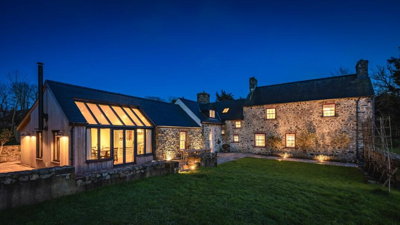
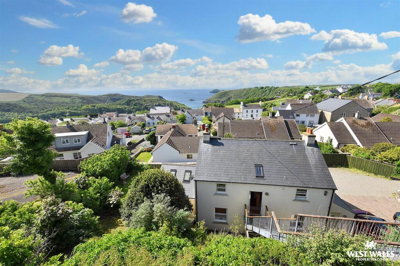
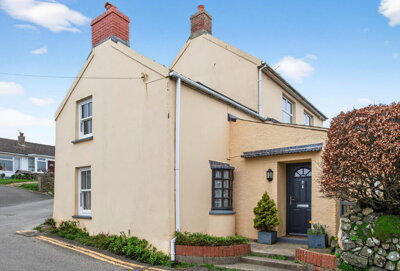
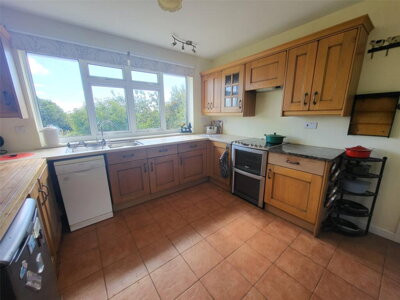
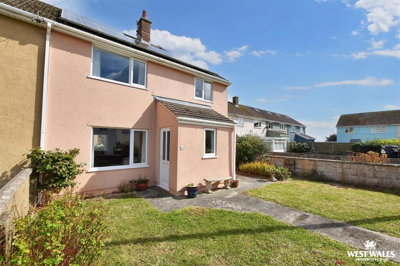
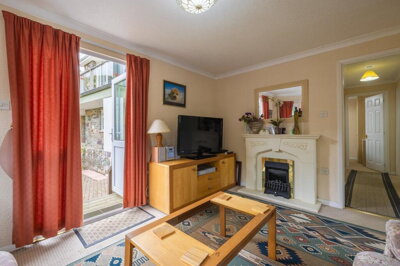
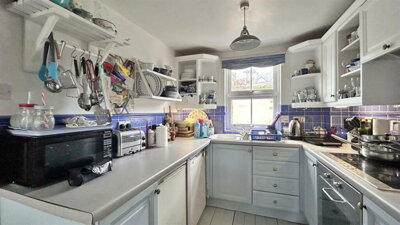
Browse 7 homes for sale in Solva, Pembrokeshire from local estate agents.
The larger property sector typically features multiple bathrooms, substantial reception space, and private gardens or off-street parking. Four bedroom houses in Solva span detached, semi-detached, and occasionally terraced configurations, with styles ranging from period properties to modern executive homes.
£525k
4
1
234
Source: home.co.uk
Showing 4 results for 4 Bedroom Houses for sale in Solva, Pembrokeshire. 1 new listing added this week. The median asking price is £525,000.
Source: home.co.uk
Detached
3 listings
Avg £548,333
Terraced
1 listings
Avg £350,000
Source: home.co.uk
Source: home.co.uk
The Solva property market offers a distinctive mix of housing types that reflect the village's heritage as a traditional Pembrokeshire fishing and trading harbour. Recent sales data indicates terraced properties have dominated transactions over the past twelve months, with average prices reaching approximately £269,000 for this property type. Semi-detached homes in the village have sold for around £200,000 on average, providing more affordable entry points for buyers seeking a foothold in this sought-after coastal location. The market also includes a notable proportion of detached properties, particularly in Upper Solva, where spacious family homes command higher prices averaging around £329,188 according to Rightmove records. Zoopla data for the SA62 postcode suggests four-bedroom detached properties remain the most commonly searched property type, indicating strong demand from families seeking generous living space in this coastal setting.
Price trends in Solva have shown interesting patterns recently. The village experienced a significant correction, with average house prices falling 18% compared to the previous year and sitting 42% below the 2023 peak of £434,538. This adjustment brings valuations closer to levels seen before the pandemic-era surge in coastal property demand. For buyers, this shift creates opportunities to purchase in a premium location without the premiums that prevailed during the peak market. Upper Solva has shown slightly more resilience, with prices 13% down year-on-year and only 18% below its own 2023 peak of £356,237, suggesting the premium locations have held their value better during the correction.
New build activity in Solva remains limited given the village's position within the Pembrokeshire Coast National Park, where development restrictions protect the natural landscape. One notable opportunity is The Headlands development, where plots from £325,000 are available for those wishing to build their own bespoke coastal home with planning permission already secured. These self-build opportunities are rare on this stretch of coastline and appeal to buyers who want complete control over their property design while benefiting from an established location. For most buyers, the existing housing stock offers the primary purchasing options, ranging from period cottages requiring modernisation to more recent constructions in good condition.

Solva occupies a special position on the Pembrokeshire coastline, sitting within the bounds of the Pembrokeshire Coast National Park. The village splits between Lower Solva, where the historic harbour and main street cluster together, and Upper Solva, which rises up the hillside to offer elevated views across St. Brides Bay. The local population maintains a strong sense of community, with the village serving as a hub for surrounding rural settlements. The economy revolves significantly around tourism during the summer months, when visitors flock to enjoy the coastal paths, sailing opportunities, and the distinctive limestone coastline that characterises this part of Wales. The presence of a local shop, tearooms, and pubs ensures residents enjoy practical amenities without needing to travel to larger towns.
The village architecture tells the story of Solva's maritime heritage, with character cottages built from local stone and rendered facades creating an unmistakably Welsh coastal aesthetic. Grade II listed buildings dot the village, indicating properties of historical significance that form part of the architectural heritage. The blend of older cottages and more recent developments creates a varied streetscape that adds to the village's charm. Outdoor pursuits define daily life for many residents, with walking, sailing, kayaking, and birdwatching forming the foundation of an active lifestyle. The nearby Solva Woollen Mill, one of Wales's oldest working mills, provides a cultural attraction and local employer that connects the community to traditional craftsmanship.
The working harbour remains central to village life, with fishing boats still operating alongside leisure vessels and visiting yachts during the summer season. This maritime activity contributes to the local economy and creates a genuine working atmosphere rather than a purely tourist-oriented experience. The harbour area hosts several events throughout the year, including the Solva Regatta, which brings the community together and attracts visitors from across the region. For property owners, proximity to the harbour influences both lifestyle and potential rental income, with holiday lets commanding premium rates during peak season when visitors seek authentic coastal experiences.
Families considering a move to Solva will find educational options within reasonable reach, though as a small village, primary education is accessed through neighbouring communities. The local primary school serving Solva and surrounding areas provides education for children in the early years, with smaller class sizes allowing for individual attention and a community-focused learning environment. Pembrokeshire County Council oversees educational provision across the county, and parents should research current catchment areas and admission arrangements through the council's education department, as these can change and vary depending on specific addresses. The village's position within the Pembrokeshire Coast National Park means that schools in nearby towns like Haverfordwest and St. Davids are also considered by families living in Solva.
Secondary education is available at schools in the surrounding towns, with secondary schools in Haverfordwest offering a broader range of GCSE and A-level subjects and extracurricular activities. Prendergast Primary School in Haverfordwest and St. Davids Primary School both serve as feeding schools for secondary education in their respective areas. For families who value religious education, faith schools in the wider area may warrant investigation, with schools following both Anglican and Catholic curricula available within reasonable travelling distance. The quality of education in Pembrokeshire overall is reflected in the range of schools rated good or outstanding by Ofsted, making the county an attractive option for families prioritising educational provision when choosing where to live.
Further and higher education opportunities are centred in Haverfordwest and the university cities of Swansea and Cardiff, accessible via the A487 coastal road and regular bus services. Pembrokeshire College in Haverfordwest provides further education courses, while students pursuing university degrees typically commute to larger cities or relocate for their studies. For working adults, distance learning programmes offer flexible study options that accommodate rural living without requiring daily travel to educational institutions. The Welsh-medium education stream is also available in Pembrokeshire for families wishing to utilise the Welsh language, with Immersion Education options helping children develop bilingual skills that are valued in Welsh communities.
Transport connections from Solva reflect its status as a small coastal village rather than a major transport hub, but practical options exist for residents who need to travel further afield. The A487 road connects Solva to the regional centre of Haverfordwest, approximately 12 miles away, where larger shops, supermarkets, and hospital facilities are located. This single-carriageway route winds through the coastal landscape and can take around 25-30 minutes in normal traffic conditions, though journey times extend during summer months when tourist traffic increases significantly. The road also links Solva to St. Davids, Britain's smallest city, to the west, providing access to additional amenities and the famous cathedral city atmosphere.
Public transport options in rural Pembrokeshire are limited but functional, with bus services connecting Solva to surrounding villages and towns on specified timetables. The 412 bus service operates between St. Davids and Haverfordwest, passing through Solva and providing a lifeline for residents without private vehicles. The T5 Coast service offers seasonal connections during summer months, encouraging visitors to explore without cars. The nearest railway station is in Haverfordwest, offering connections on the West Wales Line to Cardiff Central via Swansea, with journey times to the Welsh capital taking around three hours.
For air travel, Cardiff Airport provides international flights and is approximately two and a half hours' drive from Solva. Bristol Airport, offering additional international routes, lies further north but may be preferable for some travellers depending on destinations. Many residents of coastal villages like Solva choose to work remotely where possible, reducing the need for daily commuting and making high-speed internet access a priority when evaluating properties. The stunning coastline and national park setting encourage active travel locally, with walking and cycling forming the basis of sustainable daily movement along the celebrated coastal paths that traverse the area.
Understanding the construction methods used in Solva properties helps buyers appreciate both the character and potential maintenance considerations of homes in this coastal village. The predominant building materials reflect the local geology and traditional building practices of north Pembrokeshire, with properties typically constructed from local limestone, sandstone, or traditional rendered brickwork. These solid-walled construction methods differ significantly from modern cavity wall builds, offering excellent thermal mass but requiring different approaches to insulation and damp management. Older properties, many dating from the 18th and 19th centuries when Solva prospered as a trading harbour, may feature original features such as slate roofs, exposed beam ceilings, and thick stone walls that require knowledgeable maintenance.
The proportion of pre-1919 properties in Solva is substantial, given the village's historic character and the presence of numerous Grade II listed buildings. These older properties represent much of Solva's architectural charm but bring associated considerations for buyers. Solid walls lack the damp-proof courses found in modern construction, making ventilation and moisture management particularly important in this coastal environment. Salt-laden air, while contributing to the healthy living environment that draws residents to the area, can accelerate corrosion of metal fixings and deterioration of certain building materials if properties are not properly maintained.
Listed building regulations apply to properties with Grade II designation, requiring consent from Pembrokeshire County Council for significant alterations or extensions. These requirements protect the architectural heritage that makes Solva distinctive but add complexity to renovation projects. Budget-conscious buyers should factor in the additional time and potential costs required to obtain necessary approvals before planning works. Conservation area designations may apply within parts of the village, restricting external alterations to maintain the traditional character that contributes to property values and village appeal. Your solicitor will investigate these designations during the conveyancing process as part of local authority searches.
Start by exploring current listings on Homemove to understand what is available within your budget. Given the village's size and limited stock, being prepared before viewing is essential. Research average prices for different property types and understand the difference between Lower and Upper Solva locations, as these can command significantly different valuations. Sign up for alerts so you can act quickly when new properties matching your criteria appear on the market. Consider engaging with local estate agents directly, as some properties may be marketed exclusively before appearing on aggregate platforms.
Contact estate agents in the SA62 area to arrange viewings of properties that interest you. Before making offers, obtain a mortgage agreement in principle from a lender to demonstrate your purchasing capability to sellers. In Solva's competitive market, having finance already discussed can make the difference between securing a property and missing out. The village attracts buyers from across the UK seeking coastal properties, so being well-financed and ready to move quickly provides a significant advantage. Our mortgage partners can help you find competitive rates and get agreement in principle quickly.
Once your offer is accepted, arrange a RICS Level 2 survey to assess the property's condition thoroughly. Given Solva's older housing stock and listed buildings, professional surveys are particularly valuable for identifying issues common to traditional construction such as damp in solid walls, roof condition on period properties, and timber decay in older structures. Your solicitor will conduct searches with Pembrokeshire County Council regarding planning history, flood risk, and other local factors that might affect the property. Given the coastal environment, specific attention should be paid to moisture exposure and the condition of any coastal defences or retaining structures.
With surveys completed and legal queries resolved, your solicitor will arrange for contracts to be signed and deposited with the seller's solicitor. On completion day, the remaining funds are transferred and ownership passes to you. For coastal properties in Solva, ensure you understand any specific conditions related to the property's position, such as listed building regulations or conservation area requirements that may affect future alterations. Buildings insurance should be arranged before completion, and you should notify the local authority of your change of address for council tax and electoral registration purposes.
Buying property in Solva requires attention to specific local factors that distinguish this coastal village from urban markets. The presence of Grade II listed properties means any future works may require Listed Building Consent from Pembrokeshire County Council, adding complexity to renovations and extensions. Budget accordingly for the additional time and potential costs involved in obtaining necessary approvals. Conservation area requirements may also apply within parts of the village, restricting external alterations to maintain the character that makes Solva so appealing. Engage with the local planning authority early in your purchase process if you have plans to modify a listed or conservation area property.
Coastal properties in Solva warrant careful investigation of their exposure to weather and potential flood risk. The village's position on a harbour and proximity to the sea means certain properties may face heightened moisture exposure, which can lead to issues with damp, timber decay, or corrosion of metal fixtures over time. Older stone-built cottages, while full of character, may have solid walls without modern damp-proof courses and could benefit from improved ventilation. Your survey should specifically address these coastal exposure considerations, with particular attention to roof conditions, gutter and drainage systems, and the integrity of external render or stonework.
Given the limited new-build activity in the village, most properties will be second-hand, making thorough surveys essential. Factor in potential maintenance costs when setting your budget, particularly for period properties that may have accumulated deferred maintenance over decades. The SA62 postcode area has seen consistent interest from buyers seeking coastal properties, and competition for the best homes can be significant. Understanding your priorities between location, property condition, and potential for modernisation helps narrow choices effectively in a market where compromise is often necessary.
According to Rightmove data, the average house price in Solva is currently £251,750, though this figure varies significantly by property type. Terraced properties have sold for around £269,000 on average, while semi-detached homes achieved approximately £200,000. Detached properties in Upper Solva have averaged around £329,188, with Zoopla data suggesting four-bedroom detached homes in the SA62 postcode command prices around £366,313. Recent market data shows prices have corrected by approximately 18% over the past year, providing more accessible entry points compared to the 2023 peak of £434,538. For buyers, this correction creates opportunities to purchase in a premium coastal location at more realistic valuations than during the pandemic-era peak.
Properties in Solva fall under Pembrokeshire County Council's jurisdiction for council tax purposes. Bands range from A to I depending on the property's assessed value, with most traditional cottages and smaller homes typically falling into bands A to C. In Wales, council tax bands are based on the valuation of properties as of 1 April 2003, and you can check specific bands for properties via the Welsh Government's council tax database or on your solicitor's searches during the conveyancing process. Band D typically represents the median for many UK properties and is often used as a benchmark when comparing across areas. Properties in Solva may also be subject to the Cymuned Pembrokeshire levy in addition to standard council tax, which funds local community initiatives.
Solva itself is a small village, so primary education is typically accessed at schools in neighbouring communities, with the nearest primary schools located in nearby villages and St. Davids. Pembrokeshire County Council maintains a list of primary schools with their latest Ofsted ratings on their website, allowing parents to research performance data before committing to a property purchase. For secondary education, schools in Haverfordwest and St. Davids serve the wider area and offer a broader curriculum including GCSE and A-level subjects. Faith schools in the wider area, including those following Anglican and Catholic curricula, may warrant investigation for families with specific educational preferences.
Public transport options from Solva reflect its rural coastal location, with bus services operating on specified routes connecting Solva to surrounding villages and towns including St. Davids and Haverfordwest. The 412 bus service provides the primary public transport link, though frequencies are limited compared to urban areas, making private vehicle ownership advisable for daily convenience. The nearest railway station is in Haverfordwest, offering connections to Cardiff and the wider rail network via the West Wales Line. For residents working remotely, ultrafast broadband availability varies across the village, and property searches should verify connection speeds as this increasingly influences location choices in rural areas.
Solva's appeal as a coastal village within the Pembrokeshire Coast National Park suggests potential for stable demand, particularly from buyers seeking holiday homes or retirement properties. The village's limited housing stock and protected landscape position mean new supply is unlikely to increase significantly, supporting long-term values in a supply-constrained market. The strong tourism sector creates opportunities for holiday lets, with properties commanding premium rental rates during peak season when visitors seek authentic coastal experiences. While the recent 18% price correction indicates the market is not immune to broader economic forces, the fundamental desirability of the location for coastal living, walking holidays, and retirement relocations provides a foundation for long-term value retention.
Stamp Duty Land Tax, or Land Transaction Tax as it is known in Wales, applies to property purchases with rates determined by the Welsh Government's schedule. As of 2024-25, first-time buyers pay 0% on properties up to £225,000 and 5% between £225,000 and £625,000. Standard rates apply 0% up to £250,000, 5% from £250,000 to £925,000, 10% from £925,000 to £1.5 million, and 12% above £1.5 million. At Solva's average price of £251,750, a first-time buyer would pay no stamp duty on the first £225,000 and 5% on the remaining £26,750, resulting in a bill of approximately £1,337.50. Non-first-time buyers would pay 5% on £1,750, giving a bill of £87.50 on this typical property.
From 4.5%
Finance your Solva property purchase with competitive mortgage rates
From £499
Expert property solicitors handling your Solva purchase
From £350
Professional property survey for traditional Solva homes
From £60
Energy performance certificate for your Solva property
Understanding the full costs of buying property in Solva helps you budget accurately and avoid surprises during the transaction. Land Transaction Tax, as it is known in Wales, forms the most significant upfront cost after the deposit. For a typical property in Solva at the current average price of around £251,750, first-time buyers benefit from relief on the first £225,000, meaning tax would only apply to £26,750 at 5%, resulting in a bill of approximately £1,337.50. Non-first-time buyers would pay 5% on the full amount above £250,000, though this threshold applies only to £1,750 at 5%, giving a bill of £87.50 on this typical property.
Beyond Land Transaction Tax, budget for solicitor fees typically ranging from £500 to £1,500 depending on complexity and property value. Searches with Pembrokeshire County Council, drainage and water searches, and Land Registry fees add several hundred pounds to your costs. Given Solva's older housing stock and listed buildings, your solicitor may need to conduct additional investigations into planning history and listed building status, which can increase fees slightly. A RICS Level 2 survey costs from around £350 for a standard property but should be considered essential given Solva's older housing stock and the prevalence of period properties that may conceal defects.
Mortgage arrangement fees, valuation fees, and broker charges can add another £1,000 to £2,000 to your costs, though some lenders offer fee-free deals that offset these charges against the interest rate. Buildings insurance must be in place from completion day, and you should factor in removal costs and potential furniture purchases if the property is less well-equipped than your current home. For coastal properties, consider the cost of specific insurance requirements such as flood risk coverage, which may be more expensive than standard policies. Holiday let owners should also budget for specific landlord insurance and potential business rates assessments if the property operates as a commercial rental.
Properties for Sale In London

Properties for Sale In Plymouth

Properties for Sale In Liverpool

Properties for Sale In Glasgow

Properties for Sale In Sheffield

Properties for Sale In Edinburgh

Properties for Sale In Coventry

Properties for Sale In Bradford

Properties for Sale In Manchester

Properties for Sale In Birmingham

Properties for Sale In Bristol

Properties for Sale In Oxford

Properties for Sale In Leicester

Properties for Sale In Newcastle

Properties for Sale In Leeds

Properties for Sale In Southampton

Properties for Sale In Cardiff

Properties for Sale In Nottingham

Properties for Sale In Norwich

Properties for Sale In Brighton

Properties for Sale In Derby

Properties for Sale In Portsmouth

Properties for Sale In Northampton

Properties for Sale In Milton Keynes

Properties for Sale In Bournemouth

Properties for Sale In Bolton

Properties for Sale In Swansea

Properties for Sale In Swindon

Properties for Sale In Peterborough

Properties for Sale In Wolverhampton

Enter your details to see if this property is within your budget.
Loans, cards, car finance
Estimated property budget
Borrowing + deposit
You could borrow between
Typical borrowing
Monthly repayment
Est. at 4.5%
Loan-to-value
This is an estimate only. Your actual budget may vary depending on interest rates, credit history, and personal circumstances. For an accurate affordability assessment, speak to one of our free mortgage advisors.
This calculator provides estimates for illustrative purposes only and does not constitute financial advice. Your home may be repossessed if you do not keep up repayments on your mortgage. Estimates based on 4.5% interest rate, repayment mortgage. Actual rates depend on your circumstances.
Homemove is a trading name of HM Haus Group Ltd (Company No. 13873779, registered in England & Wales). Homemove Mortgages Ltd (Company No. 15947693) is an Appointed Representative of TMG Direct Limited, trading as TMG Mortgage Network, which is authorised and regulated by the Financial Conduct Authority (FRN 786245). Homemove Mortgages Ltd is entered on the FCA Register as an Appointed Representative (FRN 1022429). You can check registrations at NewRegister or by calling 0800 111 6768.

We use cookies to show you personalised content and improve your experience of our website. Find out more in our Privacy policy and Cookie policy.