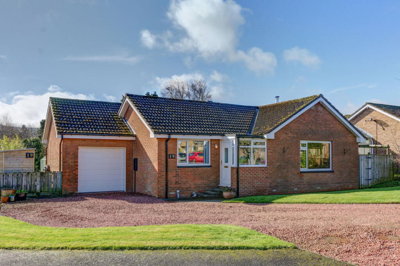
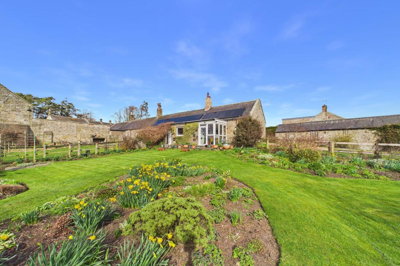
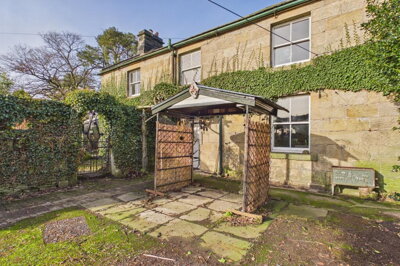
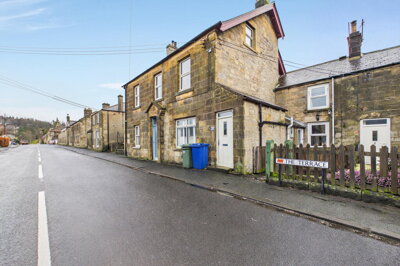
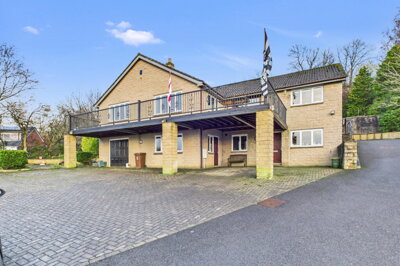
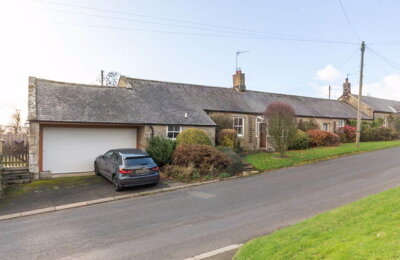
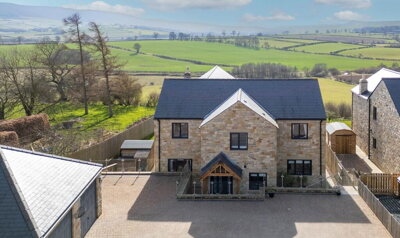
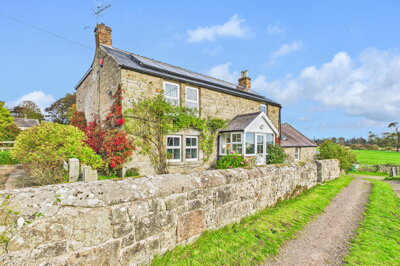
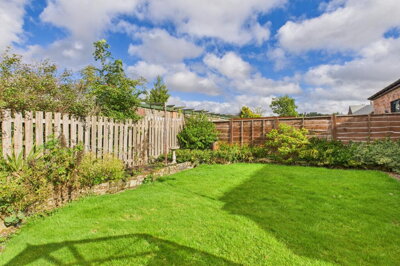
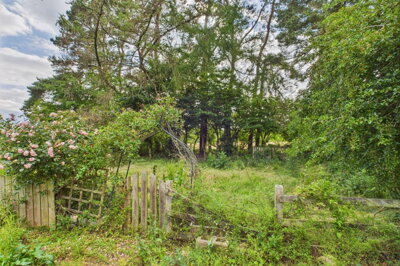
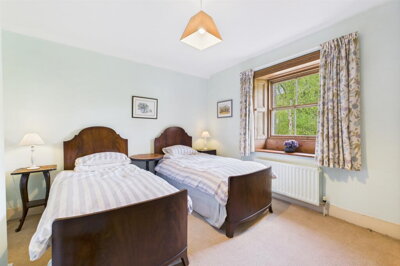
Browse 11 homes for sale in Snitter, Northumberland from local estate agents.
£325k
1
0
127
Source: home.co.uk
Source: home.co.uk
Cottage
1 listings
Avg £325,000
Source: home.co.uk
Source: home.co.uk
£228,000 - £240,000
Average Property Price
£263,000 - £298,000
Detached Average
£222,500
Semi-Detached Average
£132,000 - £143,000
Terraced Average
+73%
10-Year Price Growth
2,401
Population (2024 est.)
The Cilgerran property market offers a diverse range of property types to suit different budgets and preferences. Detached properties command the highest prices, with averages around £263,000 to £298,000, reflecting the desirability of standalone homes with gardens in this semi-rural setting. Semi-detached homes typically sell for approximately £222,500, providing excellent value for families needing more space than a terrace offers. Terraced properties, many dating from the nineteenth or twentieth century, represent the most affordable entry point to the Cilgerran market at around £132,000 to £143,000, making them ideal for first-time buyers or investors seeking rental opportunities.
Recent market activity in Cilgerran shows a modest contraction in prices over the past year, with values falling by approximately 3% from the 2023 peak of £245,222. However, this comes after sustained long-term growth, with prices increasing by over £96,000 (73%) across the past decade. The village has witnessed 318 property sales over the past ten years, with 563 total transactions recorded across all years in the available data. For buyers, this suggests a steady market with reasonable liquidity, though the relatively small number of properties available at any given time means acting decisively on suitable homes is advisable.
The current market presents a nuanced picture for prospective buyers. While prices have retreated slightly from their 2023 peak, the underlying demand for rural Pembrokeshire properties remains robust, driven by buyers seeking greater space, access to natural scenery, and the opportunity to work remotely. The recent 10% year-on-year increase reported in some data sources suggests renewed buyer interest, potentially stimulated by improved broadband infrastructure and changing work patterns since the pandemic. Properties on the Castell Corrwg development on the village outskirts represent some of the newer stock available, offering modern three-bedroom link-detached houses that appeal to families seeking turnkey conditions without the maintenance demands of older stone-built properties.
Understanding the local market dynamics is essential for making competitive offers. The Cilgerran and Eglwyswrw ward, which encompasses the village and surrounding countryside, had an estimated population of 2,401 in 2024, up from 2,058 in the 2011 Census. This population growth reflects the broader trend of people relocating from urban centres to rural Wales, supporting demand for housing in the village. When assessing value, consider comparable sales within the village, the condition and character of the property, and any works required, as these factors can significantly influence both purchase price and future resale potential.
Cilgerran occupies level ground at approximately 40 metres above sea level on the southern side of the spectacular Teifi gorge, where the river transitions to tidal waters moving inland from the Cardigan Bay coast. The village's name derives from its strategic position above the river, and its history as a defended settlement stretches back to the medieval period when Cilgerran Castle was constructed to control the Teifi crossing. Today, visitors and residents alike can explore the castle ruins, which stand as a Grade I listed monument offering panoramic views across the gorge and surrounding countryside. The village core contains 49 listed buildings across the wider community, including the notable St Llawddog's Church (Grade II*) and numerous Victorian and Edwardian properties constructed from the distinctive local stone quarried from the gorge itself.
The community spirit in Cilgerran remains strong, with the village supporting a range of local amenities including a primary school serving families with young children, a convenience store for daily essentials, and several traditional pubs where locals gather for evening meals and social events. The local economy historically centred on farming, salmon fishing in the Teifi, and the slate quarrying industry that operated until 1936, with remnants of industrial heritage visible throughout the area. Ty Rhos Chapel, built in 1859 using traditional rubble stone with cut Cilgerran stone dressings and slate roofing, exemplifies the quality craftsmanship of local builders working with materials quarried from the surrounding landscape.
For those considering a move to Cilgerran, the village offers a lifestyle centred on natural beauty and community connection. The tidal River Teifi provides opportunities for kayaking, canoeing, and fishing, while the surrounding countryside offers extensive walking routes through the Teifi Valley. The nearby market town of Cardigan, approximately four miles away, provides access to supermarkets, healthcare facilities, and a wider range of shops and restaurants. The proposed development of 23 affordable homes at Llon Cardi Bach by Wales and West Housing Association reflects ongoing investment in meeting local housing needs for those on Pembrokeshire's housing register, indicating recognition of continued demand for homes within the community.
The housing stock in Cilgerran reflects its layered history, from medieval origins through Victorian industrial expansion to modern developments. Traditional properties built from local stone and slate dominate the historic core, while the Castell Corrwg development on the village outskirts represents more recent residential growth. Many properties benefit from generous gardens, and the semi-rural setting offers space that urban buyers increasingly seek. When viewing properties, consider the orientation of gardens (south-facing gardens command premiums), the proximity to the river and any associated flood considerations, and the condition of traditional features such as stone walls and slate roofs that require ongoing maintenance.

Families considering a move to Cilgerran will find educational provision centred on Cilgerran Church in Wales Primary School, a community school serving children from nursery age through to Year 6. The school provides education within the village itself, meaning younger children can walk to school rather than requiring lengthy bus journeys. After completing primary education, pupils typically progress to secondary schools in the nearby market town of Cardigan, approximately four miles away, which offers a broader range of GCSE and A-level courses along with specialised vocational pathways.
For parents prioritising academic excellence, Cardigan hosts several secondary options including Cardigan Secondary School, which serves the wider north Pembrokeshire area and provides comprehensive education up to GCSE level. The town also offers faith-based educational options and specialist provision for children with particular learning needs. Parents should note that catchment areas apply to all schools, and property purchases in Cilgerran generally support progression to Cardigan-based secondary schools, though specific placements depend on application volumes and availability. Sixth-form education is concentrated in Cardigan and nearby towns including Carmarthen, which hosts comprehensive sixth-form colleges alongside further education institutions offering vocational qualifications and apprenticeship programmes.
Beyond state education, families in Cilgerran may consider independent schooling options available in the wider Pembrokeshire region. The county offers several independent schools at primary and secondary level, though these typically require travel and additional fees. For children with additional learning needs, Pembrokeshire County Council provides specialist support services, and the local authority works with families to identify appropriate educational placements. When purchasing property in Cilgerran, confirming current catchment boundaries with Pembrokeshire County Council's education department is advisable, as these can be subject to change based on school capacity and local planning decisions.
Cilgerran sits along the A484 road, which connects the village to Cardigan to the south and the surrounding Pembrokeshire countryside to the north. The strategic position of the village provides reasonable road connectivity, with Cardigan offering comprehensive shopping facilities, supermarkets, healthcare services, and banking within approximately 10 minutes' drive. The journey to the county town of Haverfordwest, where major retail centres, hospitals, and additional services are concentrated, takes approximately 45 minutes by car. For commuters working in regional centres, the road network connects Cilgerran to the A40 trunk road, which runs east-west through Pembrokeshire and provides access to larger employment centres.
Public transport options from Cilgerran include local bus services connecting the village to Cardigan and surrounding villages, though frequency is limited compared to urban areas, making car ownership practically essential for most residents. The T5 bus service provides connections between Cardigan and surrounding villages, while National Express and local services operate from Cardigan bus station to destinations across Wales and beyond. The nearest railway stations are located in Carmarthen and Haverfordwest, offering connections to the national rail network for travel to larger cities including Cardiff, Swansea, and London. Carmarthen station provides direct services to London Paddington, while Haverfordwest offers connections to Cardiff Central and Manchester Piccadilly.
For those considering Cilgerran as a base for remote working, superfast broadband coverage has improved across Pembrokeshire in recent years, though buyers should verify specific speeds at individual properties, particularly in more isolated rural locations. The Welsh Government's superfast broadband programme has extended coverage to many rural communities, but individual property experiences can vary significantly based on local infrastructure. Mobile phone coverage is generally good in the village centre but may be less reliable in more remote properties or those with thick stone walls. The nearby Cardigan and surrounding area have seen investment in digital infrastructure, supporting the growing trend for countryside living combined with metropolitan-style employment.
Start by exploring current listings in Cilgerran using Homemove's property search, noting the average price of £228,000 to £240,000 and typical property types available. Understanding the market before viewing properties helps you make informed decisions and recognise value when you see it. Set up property alerts to stay informed about new listings, as the relatively small number of homes available at any time means opportunities can move quickly.
Once you have identified properties of interest, arrange viewings through estate agents active in the Cilgerran and Cardigan area. Consider viewing multiple properties to compare condition, character, and price before making an offer. Take notes and photographs to help differentiate between options. For older stone properties, return at different times of day to assess lighting and any seasonal issues such as damp.
Before making offers, secure a mortgage agreement in principle from a lender to demonstrate your purchasing capacity to sellers. With average prices around £228,000 to £240,000, most buyers will require a mortgage, and having this in place strengthens your negotiating position. Several lenders offer products specifically designed for rural properties, including those with non-standard construction or character features.
Given Cilgerran's heritage of nineteenth and twentieth-century properties, a RICS Level 2 Home Survey is advisable before purchasing. For properties valued between £200,000 and £250,000, expect to pay approximately £500 for this thorough assessment of condition. The survey will identify defects common in older properties, including damp, roof condition, structural movement, and outdated electrical systems.
Appoint a solicitor to handle the legal aspects of your purchase, including searches, contracts, and land registry transactions. Your solicitor will coordinate with your mortgage lender and the seller's representatives to progress the transaction through to completion. Searches should include drainage and water searches, local authority enquiries, and environmental searches given the proximity of some properties to the tidal River Teifi.
After satisfactory survey results and completed legal processes, you will exchange contracts and pay your deposit, with completion typically scheduled within weeks. Your solicitor will arrange the final transfer of funds and keys handover. Buildings insurance should be arranged from the point of exchange, and removals logistics should be planned well in advance given Cilgerran's rural location.
Properties in Cilgerran span several eras of construction, from historic stone cottages built in the nineteenth century using local materials to modern developments such as Castell Corrwg on the village outskirts. When viewing older properties, pay particular attention to signs of dampness, which commonly affects traditional buildings without modern damp-proof courses. Examine roof conditions carefully, as original clay or slate tiles may have been replaced with heavier concrete alternatives over the years, potentially causing structural stress. The presence of 49 listed buildings in the Cilgerran community indicates that many properties may carry listed building status, which imposes restrictions on alterations and requires specialist insurance considerations.
Flood risk deserves careful evaluation given Cilgerran's position beside the tidal River Teifi. While the village itself sits at approximately 40 metres above sea level on relatively level ground, properties closer to the riverbank or in low-lying areas may face elevated flood risk during periods of high tide and heavy rainfall. Across Wales, over 245,000 properties are at risk of flooding from rivers, the sea, and surface water, underscoring the importance of thorough assessment. Prospective buyers should consult Natural Resources Wales flood maps and request information about any previous flooding incidents from sellers or neighbours. Properties in flood risk areas may face higher insurance premiums and may require specific flood resilience measures.
The historical slate quarrying industry that operated in Cilgerran until 1936 adds another consideration for buyers. While quarrying ceased over 85 years ago, former quarry sites could potentially affect ground stability in adjacent areas, though detailed geological surveys would be needed to assess specific properties. Electrical systems in older properties may date from several decades ago and require updating to current safety standards, so budget accordingly for potential rewiring if purchasing a character property. Similarly, heating systems in older stone properties may be outdated or inadequate for modern standards of comfort, particularly given the thermal properties of traditional construction.
For properties in the proposed Llon Cardi Bach development area, note that planning conditions address wastewater capacity through Dŵr Cymru Welsh Water improvements, but verify current status of any ongoing infrastructure works. If purchasing a listed building, engage with the advice of a specialist surveyor experienced in historic properties, as the RICS Level 2 survey may need to be supplemented by more detailed assessments. Budget for the ongoing maintenance costs associated with character properties, including repointing stonework, replacing slate tiles, and maintaining traditional windows and doors. While these costs represent a commitment, they also preserve the character and value that makes Cilgerran properties so appealing.
The average house price in Cilgerran currently sits at approximately £228,000 to £240,000 depending on the data source consulted. Detached properties average around £263,000 to £298,000, while semi-detached homes typically sell for about £222,500. Terraced properties represent the most affordable option at roughly £132,000 to £143,000. Prices have risen significantly over the past decade, increasing by 73% or approximately £96,460, though the market has seen a modest 2-3% correction from the 2023 peak of £245,222. This long-term growth reflects sustained demand for rural Pembrokeshire properties, though recent price movements suggest a more stable market environment as buyer activity adjusts to changed economic conditions.
Properties in Cilgerran fall under Pembrokeshire County Council administration. Council tax bands in Pembrokeshire follow the standard England and Wales banding system from Band A through to Band H, with most residential properties in rural villages like Cilgerran typically falling within Bands A to D. The actual band for a specific property depends on its assessed value as of April 1991, and you can verify the current banding through the Pembrokeshire County Council website or your solicitor during the conveyancing process. Band D properties in Pembrokeshire currently pay around £1,800 to £1,900 per year in council tax, though this figure is subject to annual review by the local authority. Properties with exceptional views over the Teifi gorge or those occupying particularly desirable positions within the village may occasionally fall into higher bands, particularly larger detached homes on quality plots.
Cilgerran Church in Wales Primary School serves children from nursery age through to Year 6 within the village itself, providing education within walking distance for most residents. After primary school, pupils typically transfer to secondary schools in Cardigan, including Cardigan Secondary School, which serves the wider north Pembrokeshire area and provides comprehensive education up to GCSE level. The school has been rated by Estyn, Wales's education inspectorate, and parents should consult current inspection reports when evaluating options. For families seeking faith-based education, options are available in Cardigan and the surrounding region. Parents should verify current catchment areas and admission policies directly with Pembrokeshire County Council's education department, as these can change and may affect school placements for secondary transfer.
Public transport options in Cilgerran are limited compared to urban areas, with local bus services connecting the village to Cardigan and surrounding communities. Bus frequency is reduced compared to town services, making car ownership practically essential for most residents for daily commuting and accessing services. The T5 and other local routes provide connections to Cardigan, where the bus station offers services to various Pembrokeshire destinations including Tenby, Haverfordwest, and seasonal services to coastal resorts. The nearest railway stations are located in Carmarthen (approximately 35 miles) and Haverfordwest (approximately 30 miles), offering connections to the national rail network for travel to larger cities. Carmarthen station provides direct services to London Paddington, typically taking around 3.5 hours.
Cilgerran and the broader Pembrokeshire area have experienced sustained property value growth of 73% over the past decade, suggesting long-term investment potential for patient investors. The village attracts interest from buyers seeking rural lifestyles, remote workers, and families looking to escape urban areas, supporting ongoing demand. The proposed development of 23 affordable homes indicates ongoing local demand, though it is worth noting this development targets those on the housing register rather than private purchase. However, investors should note that the rural location limits rental tenant pools, and holiday let potential exists given the area's tourism appeal but requires planning permission under recent Welsh Government regulations that have tightened requirements for holiday lets. Capital growth in rural villages can be slower but steadier than urban markets, and rental yields may be modest compared to towns with higher tenant demand.
Stamp Duty Land Tax (SDLT) rates for standard residential purchases are 0% on the first £250,000 of property value, 5% on the portion from £250,001 to £925,000, 10% on the portion from £925,001 to £1.5 million, and 12% on any amount above £1.5 million. First-time buyers benefit from relief on the first £425,000 at 0%, with 5% applying between £425,001 and £625,000. Given the average Cilgerran property price of £228,000 to £240,000, most buyers purchasing at average prices would pay no SDLT, while first-time buyers purchasing at average prices would benefit from full relief under current thresholds. Properties priced above £250,000 will incur SDLT at the standard rates, with a £250,000 detached property in Cilgerran attracting approximately £0 SDLT while a £298,000 detached property would attract £2,400 SDLT (5% on the £48,000 above the nil-rate threshold).
Flood risk in Cilgerran warrants careful consideration given the village's position beside the tidal River Teifi. While the village centre sits at approximately 40 metres above sea level on relatively level ground, properties closer to the riverbank or in low-lying areas face elevated flood risk during periods of high tide and heavy rainfall. The River Teifi is tidal up to Cilgerran, meaning water levels can rise significantly during spring tides and storm events. Across Wales, over 245,000 properties face some degree of flood risk, and prospective buyers should consult the Natural Resources Wales flood map for planning to assess specific properties. Properties in higher-risk areas may face challenges obtaining mortgages without specialist lender acceptance, may incur higher insurance premiums, and should incorporate flood resilience measures when undertaking any renovations.
For most buyers purchasing property in Cilgerran, where average prices hover around £228,000 to £240,000, the Stamp Duty Land Tax burden will be minimal or non-existent under current thresholds. The nil-rate band extends to £250,000 for standard residential purchases, meaning properties priced below this threshold incur no SDLT whatsoever. With the median Cilgerran property sitting comfortably within this threshold, first-time buyers and home-movers purchasing typical village properties will not face this additional cost at completion. Only buyers purchasing above £250,000, such as those acquiring larger detached homes averaging £263,000 to £298,000, will need to budget for SDLT at the 5% rate on amounts exceeding the nil-rate band.
Beyond SDLT, purchasing a property in Cilgerran involves several other costs that buyers should budget for well in advance. Mortgage arrangement fees typically range from £0 to £2,000 depending on the lender and product chosen, while valuation fees vary based on property value and lender requirements. A RICS Level 2 survey for a property in the £200,000 to £250,000 range will cost approximately £500, providing a thorough assessment of condition that proves particularly valuable given the age of many Cilgerran properties. Conveyancing fees through a solicitor typically start from around £500 to £1,500 depending on complexity, with search fees, land registry charges, and telegraphic transfer costs adding several hundred pounds more.
Additional costs to factor into your budget include buildings insurance, which should be arranged from the point of contract exchange, and removals costs that will vary based on distance and volume of belongings. For listed properties, specialist insurance may be required and typically costs more than standard buildings insurance. If the property requires renovation or updating, obtain quotes from reputable contractors before completing, as older properties in Cilgerran may require work to electrical systems, heating, damp proofing, or roof repairs that could run to tens of thousands of pounds. Getting a mortgage agreement in principle before searching for properties strengthens your position when making offers and helps you understand your true budget constraints.
Properties for Sale In London

Properties for Sale In Plymouth

Properties for Sale In Liverpool

Properties for Sale In Glasgow

Properties for Sale In Sheffield

Properties for Sale In Edinburgh

Properties for Sale In Coventry

Properties for Sale In Bradford

Properties for Sale In Manchester

Properties for Sale In Birmingham

Properties for Sale In Bristol

Properties for Sale In Oxford

Properties for Sale In Leicester

Properties for Sale In Newcastle

Properties for Sale In Leeds

Properties for Sale In Southampton

Properties for Sale In Cardiff

Properties for Sale In Nottingham

Properties for Sale In Norwich

Properties for Sale In Brighton

Properties for Sale In Derby

Properties for Sale In Portsmouth

Properties for Sale In Northampton

Properties for Sale In Milton Keynes

Properties for Sale In Bournemouth

Properties for Sale In Bolton

Properties for Sale In Swansea

Properties for Sale In Swindon

Properties for Sale In Peterborough

Properties for Sale In Wolverhampton

Enter your details to see if this property is within your budget.
Loans, cards, car finance
Estimated property budget
Borrowing + deposit
You could borrow between
Typical borrowing
Monthly repayment
Est. at 4.5%
Loan-to-value
This is an estimate only. Your actual budget may vary depending on interest rates, credit history, and personal circumstances. For an accurate affordability assessment, speak to one of our free mortgage advisors.
This calculator provides estimates for illustrative purposes only and does not constitute financial advice. Your home may be repossessed if you do not keep up repayments on your mortgage. Estimates based on 4.5% interest rate, repayment mortgage. Actual rates depend on your circumstances.
Homemove is a trading name of HM Haus Group Ltd (Company No. 13873779, registered in England & Wales). Homemove Mortgages Ltd (Company No. 15947693) is an Appointed Representative of TMG Direct Limited, trading as TMG Mortgage Network, which is authorised and regulated by the Financial Conduct Authority (FRN 786245). Homemove Mortgages Ltd is entered on the FCA Register as an Appointed Representative (FRN 1022429). You can check registrations at NewRegister or by calling 0800 111 6768.

We use cookies to show you personalised content and improve your experience of our website. Find out more in our Privacy policy and Cookie policy.