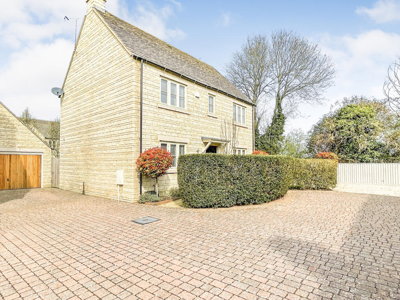
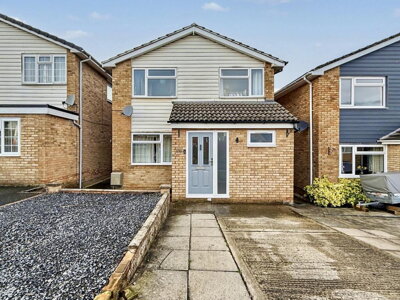
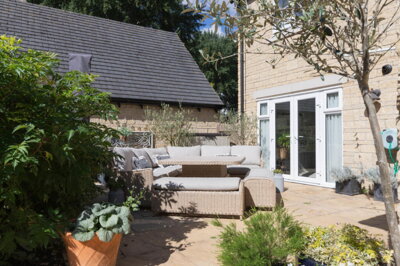
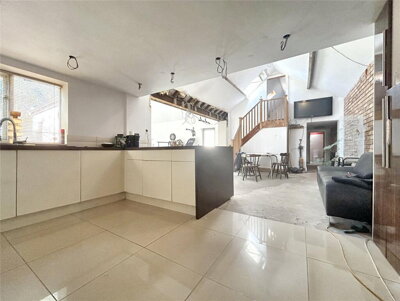
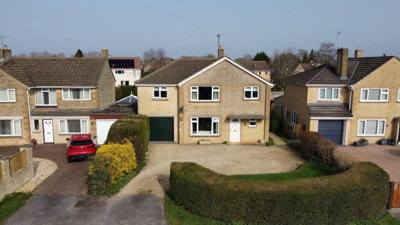
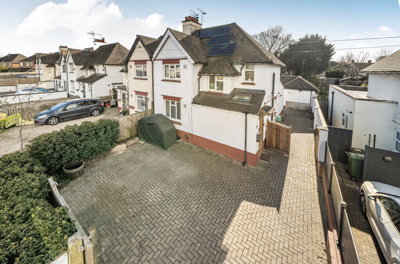
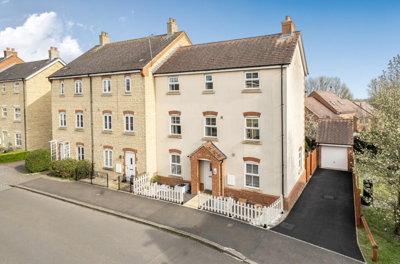
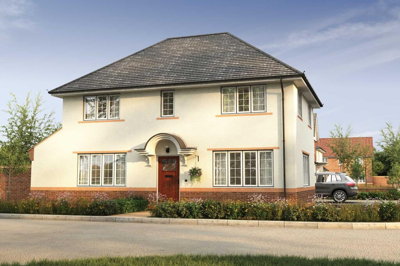
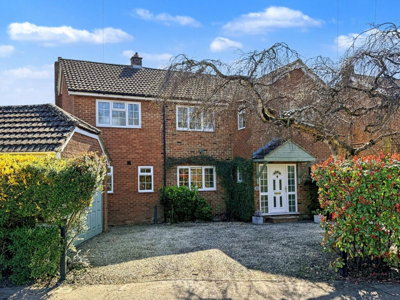
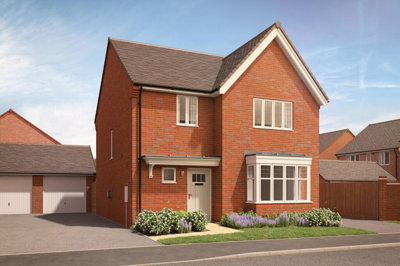
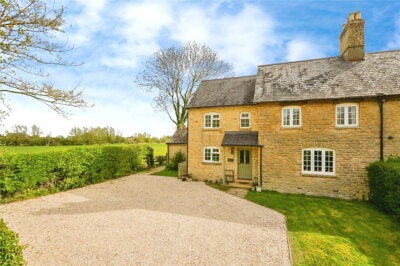
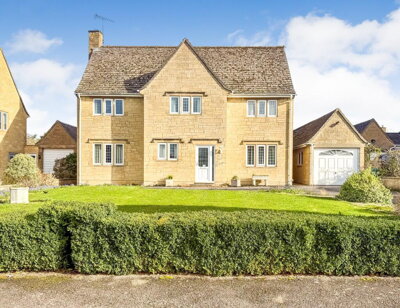
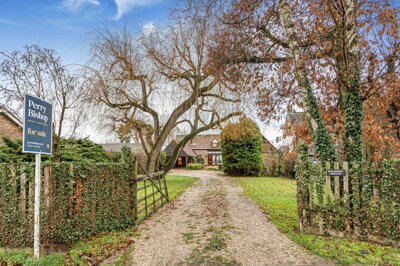
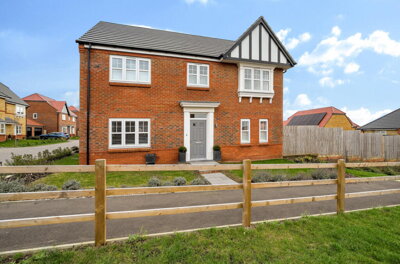
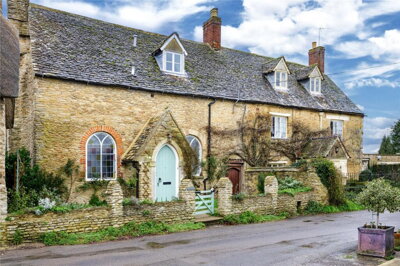
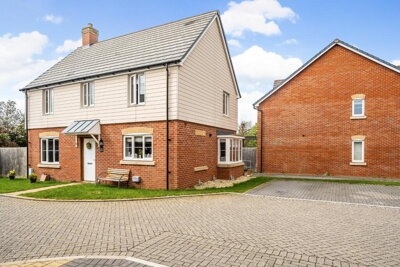
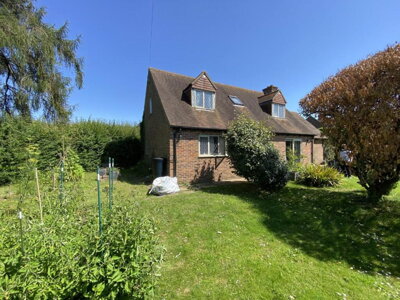
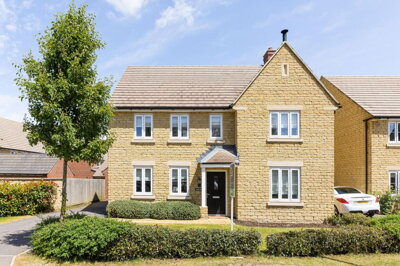
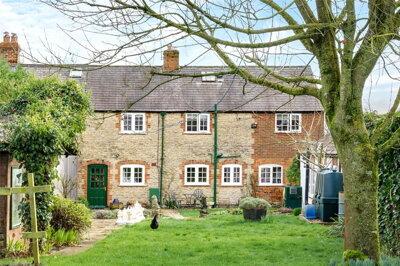
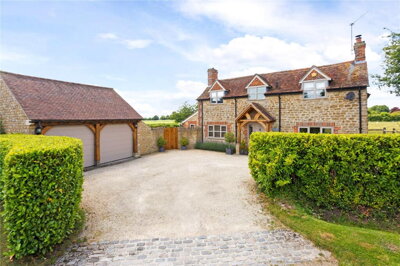
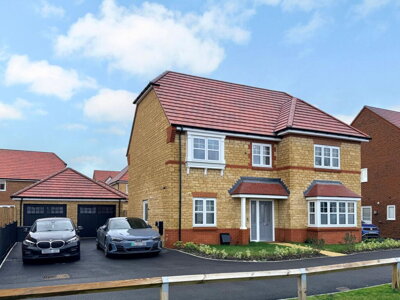
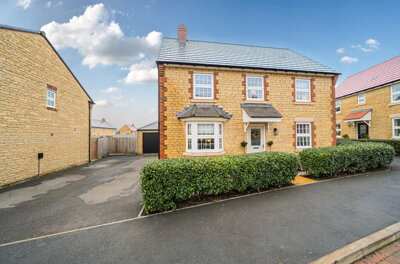
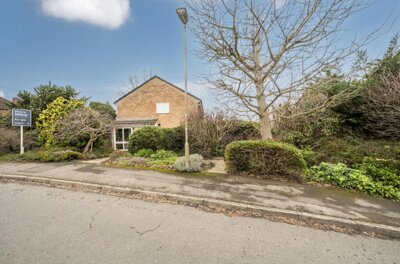
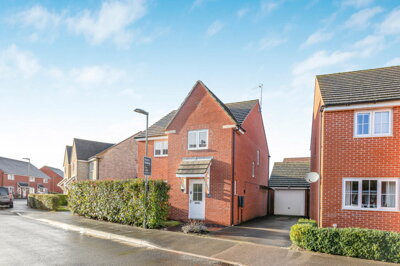
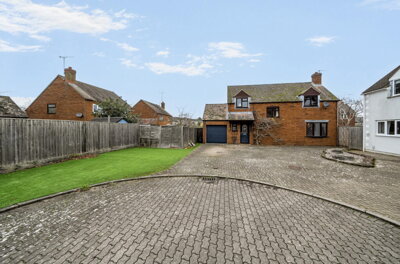
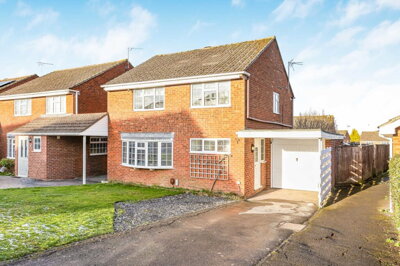
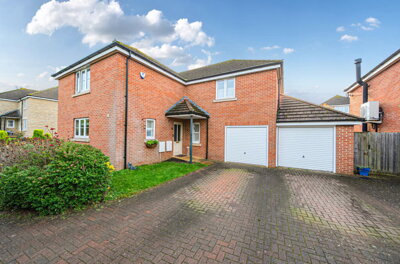
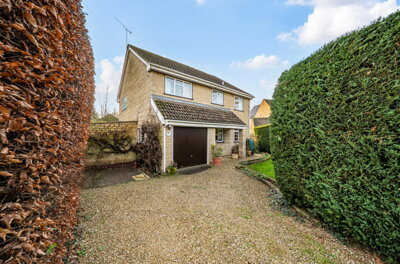
Browse 66 homes for sale in SN7 from local estate agents.
The larger property sector typically features multiple bathrooms, substantial reception space, and private gardens or off-street parking. Four bedroom houses in SN7 span detached, semi-detached, and occasionally terraced configurations, with styles ranging from period properties to modern executive homes.
£563k
20
2
127
Source: home.co.uk
Showing 20 results for 4 Bedroom Houses for sale in SN7. 2 new listings added this week. The median asking price is £562,500.
Source: home.co.uk
Detached
17 listings
Avg £592,059
Semi-Detached
2 listings
Avg £600,000
Terraced
1 listings
Avg £275,000
Source: home.co.uk
Source: home.co.uk
The SN7 property market offers a compelling mix of traditional period homes and contemporary new build developments. Detached properties command an average price of £530,000, reflecting the spacious plots and rural settings that characterise the area. Semi-detached homes average around £320,000, making them an attractive option for families seeking more affordable entry to this desirable postcode. Terraced properties in the region average £270,000, while flats remain the most accessible option at approximately £170,000, though these are less prevalent in the predominantly suburban and rural housing stock. With 195 property sales recorded in the past 12 months, the market demonstrates healthy transaction volumes and sustained buyer interest in the area.
Active new build developments include The Wickets in Stanford in the Vale (SN7 8NN), where David Wilson Homes offers 3, 4, and 5 bedroom homes ranging from £399,995 to £689,995. Linden Homes presents The Grange in Faringdon (SN7 7FN) with 2, 3, 4, and 5 bedroom options priced between £315,000 and £625,000. Bloor Homes' Fernleigh Park development also offers similar home types in the same price bracket, providing modern energy-efficient homes for buyers seeking new construction. These developments demonstrate continued confidence in the SN7 housing market and offer buyers modern alternatives to the area's older housing stock.
For buyers considering period properties, the area's property age distribution reveals that approximately 70% of homes were built before 1980, with around 25% dating from the pre-1919 era. Many of these older properties feature traditional Cotswold stone construction, particularly in villages like Uffington, Buckland, and Stanford in the Vale, where historic buildings line the main streets and surround village greens. These older properties often come with character features such as exposed beams, original fireplaces, and thick stone walls, though they may require more maintenance than newer constructions.

The SN7 postcode area is characterised by a predominantly detached housing stock, with 40.1% of properties being detached homes reflecting the rural nature and generous plot sizes available. Semi-detached properties account for 28.5% of housing, while terraced homes represent 19.2% of the stock, concentrated mainly in the older village centres and Faringdon town. Flats and maisonettes make up 11.2% of properties, offering more affordable options in converted buildings or small purpose-built developments. The population of approximately 19,000 residents across 7,800 households creates a close-knit community atmosphere typical of South Oxfordshire.
The area's geology, characterised by Corallian Limestone and clay soils, has shaped both the landscape and the traditional building materials, with many older properties constructed from local Cotswold stone. The presence of the River Thames tributaries, including the River Ock and River Cole, provides stunning scenery and excellent opportunities for outdoor activities, walking, and cycling along the Thames Path. The rolling chalk downs surrounding Uffington and the Vale of White Horse create a distinctive landscape that has been inhabited since prehistoric times, as evidenced by the White Horse hill figure visible for miles around.
Faringdon's conservation area encompasses much of the historic town centre, preserving the character of period properties and traditional street patterns. Throughout the postcode, numerous listed buildings - including historic houses, churches, and agricultural buildings in Faringdon, Stanford in the Vale, Uffington, and Buckland - reflect the area's rich architectural heritage. Local amenities include weekly markets in Faringdon, traditional pubs such as The Swan, independent shops, and cafes serving the community. Annual events including village fetes, the Faringdon Country Show, and proximity to events at the White Horse of Uffington draw visitors from across the region.

Education provision in SN7 caters to families with children of all ages, with primary schools located in most of the larger villages and Faringdon itself. The area falls within Oxfordshire County Council's education authority, which manages school admissions and catchment areas across the postcode. Primary schools in the vicinity typically serve children from Reception through to Year 6, with several schools in surrounding areas also available depending on your exact location. Parents should verify current catchment areas and admissions criteria with Oxfordshire County Council, as these can affect school placement decisions.
Faringdon offers primary education options within the town itself, while villages such as Stanford in the Vale, Watchfield, and Shrivenham have their own primary schools serving local communities. For families seeking faith-based education, nearby options include schools in Swindon and Oxford, though these require consideration of transport arrangements and admission criteria. The quality of local schools significantly impacts property values in specific streets and villages, with areas falling within desirable catchment zones often commanding premium prices. Researching current Ofsted ratings, which are updated regularly, helps buyers make informed decisions about which village or street within SN7 best suits their family's educational needs.
Secondary education options in the SN7 area include schools in Faringdon and nearby towns, with several rated Good or Outstanding by Ofsted. For families seeking grammar school education, the surrounding areas offer selective options, though competition for places can be high and admission is based on the 11-plus examination. Our team has worked with numerous families relocating to the SN7 area, and we consistently see school catchment areas becoming a primary consideration for buyers with school-age children. Sixth form provision is available at secondary schools in larger towns, while further education colleges in Swindon and Oxford provide vocational and academic courses for older students.
Commuting from SN7 benefits from proximity to several major routes and transport connections, though the area maintains its rural character. The A420 provides direct access to Swindon approximately 12 miles north, while the A417 links to the M4 motorway for connections to Bristol, London, and the South West. The A419 connects southward toward the M4 and M5 corridors, offering routes to Reading and the south. For those working in Oxford, the journey takes approximately 30-40 minutes by car depending on exact start point and traffic conditions, with Didcot Parkway railway station offering fast services to London Paddington from approximately 45 minutes.
Public transport options in the rural SN7 area include bus services connecting Faringdon to Swindon, Oxford, and surrounding villages, though frequencies are reduced compared to urban areas. Rail connections are best accessed via Didcot Parkway (with parking facilities), Swindon, or Oxford stations, providing regular services to major cities and national rail networks. Didcot Parkway station offers the most frequent services to London Paddington, with journey times around 45 minutes, making it practical for daily commuters working in the capital. Swindon station provides access to Great Western Railway services heading toward the West Country and London, while Oxford station connects to Chiltern Railways and CrossCountry services.
For commuters working from home or seeking reduced travel, the SN7 area offers reliable superfast broadband in most areas, with ongoing improvements to digital infrastructure across Oxfordshire. Cyclists can enjoy scenic routes through the Cotswolds and along the Thames Path, though the hilly terrain requires varying fitness levels. Parking provision varies by village, with on-street parking common in older settlements and better provision in newer developments. We have surveyed properties throughout SN7 and noted that internet speeds vary significantly between the main town of Faringdon and smaller villages, so buyers working remotely should verify broadband availability at their specific property of interest.
Our inspectors frequently identify specific defects in SN7 properties that buyers should understand before purchasing. The geology of the area, particularly around Faringdon with its Kimmeridge Clay and Gault Clay deposits, creates a moderate to high shrink-swell risk that can affect property foundations. This clay-related movement occurs when soil moisture levels change, causing the ground to expand and contract, which can lead to subsidence or heave affecting building foundations. Properties with shallow foundations near large trees are particularly vulnerable, as tree roots extract moisture from the soil, exacerbating shrink-swell movement during dry periods.
Damp issues represent another common finding in SN7 properties, particularly in the older period homes that make up approximately 70% of the housing stock. Rising damp occurs when moisture travels up through porous building materials from the ground, while penetrating damp results from defective rainwater goods, damaged brickwork, or poor pointing. Our surveys in the area have identified condensation-related problems in properties with solid walls (common in pre-1919 stone construction) that lack cavity insulation and modern ventilation systems. These issues are particularly prevalent in properties that have been poorly maintained or where recent renovation work has altered the original ventilation arrangements.
Timber defects including woodworm and both wet and dry rot frequently affect structural timbers in SN7 properties, especially where damp issues are present or where properties have experienced periods of vacancy or neglect. The combination of age-related wear and the rural setting, with properties potentially exposed to higher moisture levels than urban equivalents, creates conditions where timber decay can establish and spread. Roof defects are also commonly identified, with issues including slipped or missing tiles, deteriorated leadwork around chimneys and valleys, and failed felt underlay allowing water penetration into roof spaces. Properties with original lead plumbing may also show signs of corrosion or past leaks that require attention.
Properties near the River Thames tributaries, including the River Ock and River Cole, carry a risk of river flooding that buyers should investigate before committing to a purchase. While major flooding events are uncommon in the SN7 area, surface water flooding can occur in low-lying areas during heavy rainfall when drainage infrastructure is overwhelmed. The Environment Agency provides detailed flood maps showing river flood zones and surface water flood risk for specific locations, and we strongly recommend checking these for any property near watercourses or in valley locations.
Historical quarrying for Corallian limestone may have occurred in localised areas of SN7, potentially impacting ground stability in some locations, though this is less common than the clay-related issues that dominate the geological risk profile. For properties in former quarry areas or those with unusual ground conditions, a geotechnical investigation may be warranted beyond the standard RICS Level 2 Survey. The area's chalk geology in upland areas creates different ground conditions from the clay-dominated valleys, and construction methods vary accordingly between hilltop villages and those situated in the river valleys.
Our inspectors always recommend reviewing the Environment Agency flood risk data and local authority planning records before purchasing any property near watercourses or in known flood-prone areas. Properties within Faringdon's extensive conservation area or those that are listed buildings require additional considerations, including potential restrictions on alterations, higher maintenance costs for period features, and the need for specialist surveys beyond a standard assessment. Building materials also warrant attention, as older stone-built properties may have solid walls without cavity insulation, affecting energy efficiency and heating costs compared to modern cavity-walled constructions.
Start by exploring the specific character of different villages within SN7, from Faringdon's conservation area to smaller hamlets like Uffington, Buckland, and Coleshill. Consider property type preferences, with detached homes averaging £530,000 while flats start around £170,000, and weigh up new build versus period property considerations based on your maintenance capacity and character preferences. Getting a mortgage agreement in principle before viewing properties strengthens your position when making offers, and in the competitive SN7 market, having finances arranged can make the difference when competing with other buyers.
Browse all available listings across SN7 on Homemove, comparing prices against market averages. Consider new build developments such as The Wickets (David Wilson Homes), The Grange (Linden Homes), and Fernleigh Park (Bloor Homes), as well as the wealth of period stone properties available throughout the area. Schedule viewings for properties that match your criteria, noting any leasehold arrangements, service charges, or listed building considerations that may affect your decision. Properties in conservation areas or those that are listed buildings will have additional legal and practical considerations compared to standard freehold purchases.
Once you find your ideal home, submit an offer through the estate agent and negotiate terms based on market conditions and property condition. Immediately instruct a solicitor for conveyancing and a mortgage broker to secure your financing, with conveyancing available from £499 through Homemove's recommended providers. For the older properties prevalent in SN7 (approximately 70% built before 1980), we recommend instructing a RICS Level 2 Survey to identify any defects common to the area before proceeding to completion. Survey costs for SN7 properties typically range from £400 to £700 depending on property size and complexity.
Your RICS Level 2 Survey will check for damp, roof condition, subsidence risks related to the local clay geology, and timber defects prevalent in older properties. Our inspectors pay particular attention to signs of movement in properties near large trees, given the shrink-swell risk associated with Kimmeridge and Gault Clay. Your solicitor will conduct searches with the local authority, check for planning restrictions, and verify the property's title. For listed buildings or properties in conservation areas, specialist surveys may be required beyond the standard assessment, and any alterations will need Listed Building Consent from the planning authority.
Once all surveys and legal work are satisfactory, you will exchange contracts and pay your deposit (typically 10% of the purchase price). A completion date is agreed, and on the day, your mortgage funds are released and the property becomes yours. Remember that SDLT (Stamp Duty) applies: for properties over £250,000, rates start at 5%, while first-time buyers benefit from zero SDLT on purchases up to £425,000. For a typical SN7 property at the average price of £367,000, a non-first-time buyer would pay approximately £5,850 in SDLT.
The average property price in SN7 is currently £367,000, with detached homes averaging £530,000, semi-detached properties at £320,000, terraced houses around £270,000, and flats approximately £170,000. Prices have increased by 1.9% over the past 12 months, indicating a stable and growing market. With 195 property sales recorded in the past year, the area demonstrates healthy transaction volumes and sustained demand from buyers seeking the South Oxfordshire countryside lifestyle combined with good connectivity to major employment centres.
Properties in SN7 fall under Vale of White Horse District Council and Oxfordshire County Council for council tax purposes. Bands range from A to H depending on the property's assessed value, with most traditional cottages and smaller homes falling into bands A to D, while larger detached properties in rural settings such as those on the outskirts of Faringdon or Stanford in the Vale may be in higher bands. You can verify the specific band for any property through the Valuation Office Agency website or your solicitor during conveyancing searches, which form part of the standard purchase process in the SN7 area.
The SN7 postcode offers good primary education options in Faringdon and surrounding villages including Stanford in the Vale, with several schools rated Good or Outstanding by Ofsted. Secondary education is available at schools in Faringdon and nearby towns, with grammar school options accessible in surrounding areas including Swindon for those who pass the 11-plus examination. School performance data changes annually, so parents should research current Ofsted ratings and admission arrangements through Oxfordshire County Council when considering properties in specific catchment areas, as school placement can significantly affect daily family routines.
Public transport in the rural SN7 area relies primarily on bus services connecting Faringdon to Swindon, Oxford, and surrounding villages, with frequencies lower than in urban areas and typically operating at hourly or two-hourly intervals rather than the quarter-hourly services found in cities. The nearest major railway stations are Didcot Parkway (offering fast trains to London Paddington from approximately 45 minutes), Swindon, and Oxford, all accessible by car or bus for commuters. For daily commuting to London or other major cities, proximity to these stations from your specific village within SN7 should be considered when choosing a property location, as journey times vary significantly between the western and eastern parts of the postcode.
The SN7 area offers several factors that appeal to property investors, including proximity to growing employment centres like Swindon and Oxford, the desirability of Oxfordshire living, and a stable local economy supported by agriculture, retail, and tourism particularly around the White Horse of Uffington. The presence of major housebuilders like David Wilson Homes, Linden Homes, and Bloor Homes indicates confidence in the area's future development. However, investors should consider that the rural nature of many villages means rental demand may be more localised than in urban areas, and properties near good schools in Faringdon or Stanford in the Vale command premium rents from family tenants seeking the countryside lifestyle.
Standard SDLT rates apply in SN7: 0% on the first £250,000 of purchase price, 5% on the portion from £250,001 to £925,000, 10% from £925,001 to £1.5 million, and 12% above £1.5 million. First-time buyers benefit from relief on the first £425,000 (0% rate), with 5% applying between £425,001 and £625,000. For a typical SN7 property averaging £367,000, a first-time buyer would pay no SDLT while a non-first-time buyer would pay approximately £5,850, calculated as 5% on the £117,000 portion above the threshold. Your solicitor will calculate and submit SDLT returns as part of the conveyancing process.
Given that approximately 70% of properties in SN7 were built before 1980, buyers should be aware of common defects including damp (rising, penetrating, and condensation-related), roof defects such as slipped tiles or failed leadwork, and timber issues including woodworm and wet or dry rot. The local geology, characterised by Kimmeridge Clay and Gault Clay around Faringdon, creates a moderate to high shrink-swell risk that can lead to subsidence, particularly in properties with shallow foundations near large trees. A RICS Level 2 Survey from our team will identify these issues and assess their significance, allowing you to negotiate repairs or adjust your offer accordingly before committing to the purchase.
Properties near the River Thames tributaries including the River Ock (which flows through Faringdon) and River Cole may be at risk of river flooding, though major flooding events are uncommon in this postcode. Surface water flooding can occur in low-lying areas during periods of heavy rainfall when local drainage is overwhelmed. Our inspectors recommend checking Environment Agency flood maps for any specific property you are considering, particularly if it is located in a valley location or near any watercourse. Properties in higher areas of the postcode, such as those on the chalk downs near Uffington, generally face lower flood risk than those in valley bottoms.
From £400
A detailed inspection to identify defects in SN7 properties, including those affected by local clay geology and period construction
From £600
Comprehensive building survey recommended for older properties, listed buildings, and those in conservation areas in SN7
From £80
Energy performance certificate required for all property sales in England
From £499
Solicitor services for your property purchase including local authority searches
When purchasing a property in SN7, budget beyond the asking price to include stamp duty land tax (SDLT), solicitor fees, survey costs, and moving expenses. For a property at the current SN7 average price of £367,000, a non-first-time buyer would pay SDLT of approximately £5,850, calculated as 5% on £117,000 (the amount above the £250,000 threshold). First-time buyers purchasing at this price point would pay zero SDLT thanks to the higher threshold of £425,000 for first-time relief. Properties priced above £625,000 do not qualify for first-time buyer relief on any portion of the purchase price.
Additional costs to factor into your budget include RICS Level 2 Survey fees ranging from £400 to £700 for SN7 properties, depending on size and complexity, with larger detached homes commanding higher fees than smaller terraced properties. Conveyancing fees start from £499 upwards through Homemove's recommended solicitors, with costs varying based on whether the property is freehold or leasehold, and whether it is a standard transaction or involves listed building or conservation area considerations. Search fees with the local authority and environmental searches typically cost £200-£400 as part of the conveyancing process, covering matters such as planning history, highways, and environmental conditions specific to the SN7 area.
Removal costs vary based on distance and volume of belongings, while surveys for the older properties common in SN7 (approximately 70% built before 1980) may identify defects requiring negotiation with the seller or budget for remedial work post-purchase. Our inspectors consistently find that the thorough assessment provided by a RICS Level 2 Survey offers excellent value given the age and character of much of the local housing stock, potentially saving buyers thousands in undiscovered defects or providing leverage for price negotiations. Budget an additional 1-2% of the property value for incidental costs including mortgage arrangement fees, valuation fees (if required by your lender), and any specialist surveys recommended for period or listed properties.
Properties for Sale In London

Properties for Sale In Plymouth

Properties for Sale In Liverpool

Properties for Sale In Glasgow

Properties for Sale In Sheffield

Properties for Sale In Edinburgh

Properties for Sale In Coventry

Properties for Sale In Bradford

Properties for Sale In Manchester

Properties for Sale In Birmingham

Properties for Sale In Bristol

Properties for Sale In Oxford

Properties for Sale In Leicester

Properties for Sale In Newcastle

Properties for Sale In Leeds

Properties for Sale In Southampton

Properties for Sale In Cardiff

Properties for Sale In Nottingham

Properties for Sale In Norwich

Properties for Sale In Brighton

Properties for Sale In Derby

Properties for Sale In Portsmouth

Properties for Sale In Northampton

Properties for Sale In Milton Keynes

Properties for Sale In Bournemouth

Properties for Sale In Bolton

Properties for Sale In Swansea

Properties for Sale In Swindon

Properties for Sale In Peterborough

Properties for Sale In Wolverhampton

Enter your details to see if this property is within your budget.
Loans, cards, car finance
Estimated property budget
Borrowing + deposit
You could borrow between
Typical borrowing
Monthly repayment
Est. at 4.5%
Loan-to-value
This is an estimate only. Your actual budget may vary depending on interest rates, credit history, and personal circumstances. For an accurate affordability assessment, speak to one of our free mortgage advisors.
This calculator provides estimates for illustrative purposes only and does not constitute financial advice. Your home may be repossessed if you do not keep up repayments on your mortgage. Estimates based on 4.5% interest rate, repayment mortgage. Actual rates depend on your circumstances.
Homemove is a trading name of HM Haus Group Ltd (Company No. 13873779, registered in England & Wales). Homemove Mortgages Ltd (Company No. 15947693) is an Appointed Representative of TMG Direct Limited, trading as TMG Mortgage Network, which is authorised and regulated by the Financial Conduct Authority (FRN 786245). Homemove Mortgages Ltd is entered on the FCA Register as an Appointed Representative (FRN 1022429). You can check registrations at NewRegister or by calling 0800 111 6768.

We use cookies to show you personalised content and improve your experience of our website. Find out more in our Privacy policy and Cookie policy.