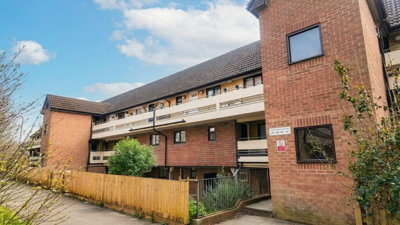
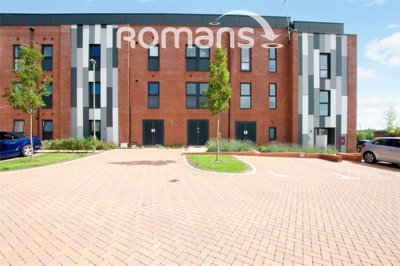
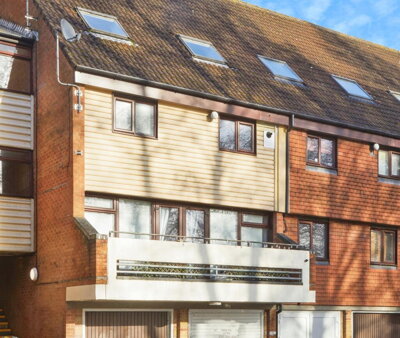
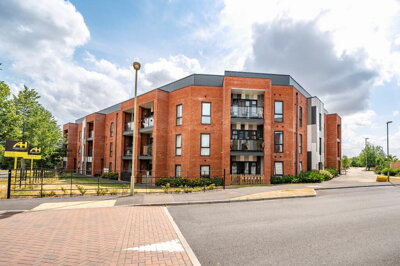
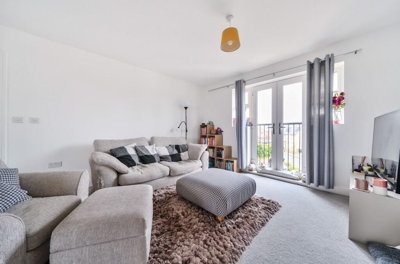
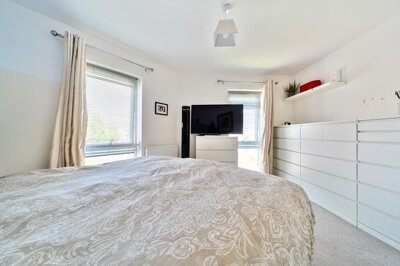
Browse 6 homes for sale in Smannell, Test Valley from local estate agents.
One bed apartments provide a separate bedroom alongside distinct living space, bathroom, and kitchen areas. Properties in Smannell are available in various building types including mansion blocks, contemporary developments, and house conversions.
£0k
0
0
0
Source: home.co.uk
Showing 0 results for 1 Bedroom Flats for sale in Smannell, Test Valley.
The Bladon property market presents a compelling picture for buyers in 2024-2025, with average sold prices standing at £551,000 as of February 2026. The market has experienced a significant correction over the past twelve months, with sold prices falling 35.8% and overall historical prices down 14% compared to the previous year. This comes after prices peaked at £710,250 in 2023, meaning buyers today can access properties at more accessible price points than the recent market high. The correction reflects broader national trends while maintaining Bladon's position as a premium West Oxfordshire address, with continued demand driven by the village's proximity to Oxford, Blenheim Palace, and the enduring appeal of period properties in a conservation setting.
Property types in Bladon cater to various buyer requirements and budgets. Terraced properties average £428,929, offering excellent value for those seeking a character home in a village setting. Semi-detached homes command an average of £677,667, providing more space for families, while detached properties reach approximately £790,000, reflecting the premium placed on larger homes with gardens in this desirable location. The village features an eclectic mix of housing stock, from 18th-century cottages built with local oolitic limestone to newer developments completed in recent years. Understanding these price differentials helps you budget effectively and identify the best value within your preferred property type.
One notable new development in Bladon is The Pits, brought forward by Blenheim Estate on the site of a former stone quarry historically used in the construction of Blenheim Palace itself. This development offers mainly single-storey properties, including seven two-bedroom homes, two three-bedroom homes, and a single four-bedroom property, all designed to complement the village's conservation area character. The emphasis on traditional materials, including natural rubble stone walls and a mix of slate and clay plain tiles, ensures new homes blend sympathetically with Bladon's architectural heritage. Properties at The Pits particularly appeal to downsizers and those seeking single-level living within easy reach of local amenities.
The village housing stock spans several eras of construction. Manor Farmhouse dates from 1720 and Knutsford House from 1726, representing the Georgian period. Substantial infilling and linear expansion along the main road and Heath Lane occurred during the 19th and 20th centuries, including two groups of council houses built at the east end of Heath Lane in the 1920s and 1930s. This mix of period properties, mid-20th-century homes, and limited modern development creates a diverse property market with something for different buyer requirements and budgets.

Bladon is a small but historically rich village with a population of 977 according to the 2021 Census, having grown from 898 in 2011, with estimates suggesting around 1,019 residents by 2024. The village sits within a transitional clay vale landscape between the limestone wolds and the Thames floodplain, with the River Glyme flowing through the parish. This geological setting creates an attractive undulating countryside with agricultural fields, historic hedgerows, and traditional stone walls that define the local landscape. The village name itself derives from the Old English for "dark hill," a reference perhaps to the rich Oxford clay soils that surround the settlement. Bladon stone, a distinctive creamy or whitish oolitic limestone, was quarried locally for centuries and used extensively in Oxford's buildings during the 19th and 20th centuries, including many colleges and public buildings.
The village economy has traditionally been agrarian, with forest marble quarrying also playing a significant historical role. However, modern Bladon is increasingly shaped by commuters working in Oxford and the surrounding area, as well as tourism connected to the Churchill legacy and proximity to Blenheim Palace. St Martin's Church contains the graves of Sir Winston Churchill and his wife Clementine, making the village churchyard a place of pilgrimage for visitors from around the world. The church itself was rebuilt in 1804 and again in 1891, with its churchyard containing several Grade II Listed chest tombs of historical interest. The presence of Blenheim Palace, a UNESCO World Heritage Site less than two miles away, adds significantly to the area's cultural offerings and helps sustain local businesses including pubs, shops, and accommodation providers.
Village amenities include a primary school, church, and village hall, while the nearby town of Woodstock offers additional services including supermarkets, banks, and a wider range of shops. The community spirit in Bladon remains strong, with village events and activities providing regular opportunities for residents to connect. Several historic properties line the main streets, including Knutsford House on Park Street, a Georgian property dating from 1726 that exemplifies the architectural heritage of the village. Folly Bridge, a Grade II Listed structure, represents another historical landmark within the parish, demonstrating the wealth of heritage assets that contribute to Bladon's distinctive character.
The Bladon Conservation Area, designated in 1990, protects 18 Listed structures including St Martin's Church, the primary school with its school house, and several historic farmhouses and cottages along Park Street and Heath Lane. This preservation of character makes Bladon particularly attractive to those seeking a home with genuine heritage and architectural quality. The conservation area boundaries encompass the historic core of the village, ensuring that future development maintains the scale, materials, and character that make Bladon distinctive. Properties within the conservation area benefit from protection against unsympathetic alterations, though this also means certain works require consent from West Oxfordshire District Council.

Education provision in Bladon centres on Bladon Church of England Primary School, which holds a Grade II Listed status alongside its school house, reflecting the historic importance of education in this village community. The school serves primary-aged children from Bladon and the surrounding rural area, providing a nurturing environment with strong links to the local church. For secondary education, students typically travel to Woodstock, where there are several options including The Marlborough School, which has achieved good Ofsted ratings in recent inspections. Families moving to Bladon should research current catchment areas and admission arrangements, as these can change and may affect school placements. The proximity to good schools significantly influences property values in the village, with family homes near educational facilities commanding a premium in the Bladon market.
The village sits within West Oxfordshire District Council, which manages education provision across the wider area. Several secondary schools in the region have achieved strong Ofsted ratings, making them popular choices for families relocating to the area. The Marlborough School in Woodstock serves many pupils from Bladon and surrounding villages, offering a comprehensive curriculum and strong community links. Families should verify current admission policies, including catchment boundaries and any oversubscription criteria, as these factors directly affect which schools children can access. Waiting lists for popular schools can be significant during peak moving periods, so early enquiry is advisable when planning a relocation to Bladon.
For those seeking grammar school provision, the nearby Woodstock area has historically had good access to selective education, though entry requirements and catchment boundaries should be verified with the local authority. Oxfordshire operates a coordinated admission scheme for secondary schools, with applications managed through the county council's education portal. Sixth form provision is available at secondary schools in Woodstock and further education colleges in Witney and Oxford, offering a range of A-level and vocational courses for post-16 students. The nearby city of Oxford also provides access to exceptional educational institutions, including the Oxford University colleges and specialist sixth form colleges that attract students nationally and internationally.
Independent schooling options in the wider Oxfordshire area include a number of well-regarded preparatory and senior schools, particularly in Oxford and the surrounding towns. These schools often have selective entry procedures and longer histories of academic excellence. St Edward's School, Dragon School, and Oxford High School are among the independent options within reasonable travelling distance of Bladon. Parents considering independent education should budget for significant additional costs beyond property purchase, as fees for independent schools in Oxfordshire typically range from £10,000 to over £30,000 annually. The quality of local education remains a key factor in the Bladon property market, with good school accessibility adding premium value to family homes in the village and surrounding countryside.
Bladon benefits from its position between the Cotswolds and Oxford, offering residents a choice of transport options for commuting and leisure travel. The village sits close to the A44 road, which provides direct access to Oxford city centre to the southeast and Evesham to the northwest. The A44 connects with the A40 at Woodstock, offering routes towards London and Birmingham. For those working in Oxford, the journey typically takes around 20-30 minutes by car, depending on traffic conditions, while commuting to the M40 motorway provides access to London, Birmingham, and the national motorway network. The proximity to major road connections makes Bladon particularly attractive to commuters who need regular access to these destinations while enjoying village living.
Public transport options include bus services connecting Bladon with Woodstock, Oxford, and surrounding villages, though rural bus frequencies may be limited compared to urban routes. The Stagecoach S3 service provides connections between Oxford and Woodstock, with stops available for Bladon residents. Oxford railway station offers direct services to London Paddington (approximately one hour), Reading (30 minutes), and Birmingham (90 minutes), making it practical for longer-distance commuters. The nearby village of Long Hanborough also provides train services on the Cotswold Line to Oxford and Worcester, offering additional options for rail travel. For air travel, London Heathrow and London Luton airports are accessible via the M40, while Birmingham Airport offers additional international connections.
Cycling is popular in this part of Oxfordshire, with dedicated and on-road routes connecting Bladon to Woodstock and Oxford. The surrounding countryside offers excellent opportunities for recreational cycling and walking, with the Oxfordshire Cycle Network and various public rights of way providing access to the local landscape. The Oxford Canal towpath offers a scenic route for cycling and walking towards Oxford and the surrounding villages. Parking in Bladon is generally adequate for a village of its size, though visitors to Blenheim Palace can create congestion during peak tourist season. Daily commuters should factor travel time and parking arrangements into their property search, particularly if regular access to Oxford or the motorway network is required for work.
Before viewing any properties, spend time understanding current market conditions in Bladon and the surrounding West Oxfordshire area. Our listings show properties across all price ranges, from terraced cottages around £429,000 to detached homes approaching £790,000. Check sold prices on the Land Registry, research the Bladon Conservation Area boundaries, and understand local planning restrictions that may affect your plans. The 35.8% price correction from 2023 peaks means buyers today can access properties at more favourable prices than recent years, though competition for the best properties remains strong.
Obtain a mortgage agreement in principle from a qualified lender before you start viewing properties. With average prices at £551,000, most buyers will need a substantial mortgage, and lenders will assess your affordability against current interest rates. Consider speaking to a mortgage broker who understands the Oxfordshire market, as they can help navigate the range of products available and identify competitive deals. Factor in additional costs including Stamp Duty Land Tax, legal fees, surveys, and moving expenses when setting your budget. At current SDLT rates, a non-first-time buyer purchasing at the average Bladon price would pay approximately £15,050 in tax.
Use our detailed listings and high-quality photographs to shortlist properties that genuinely meet your requirements. When viewing, pay attention to the construction materials mentioned in the property description, as many Bladon homes feature traditional oolitic limestone or brick walls with slate or clay tile roofs. Consider how the property connects to Churchill's legacy and proximity to Blenheim Palace, which can influence future resale value. Properties at The Pits development offer modern construction with traditional materials, while older properties along Park Street and Heath Lane provide period features including original fireplaces, sash windows, and exposed stonework.
Before committing to purchase, arrange a professional survey of the property. Given Bladon's geology, which includes Oxford clay soils prone to shrink-swell movement, a Level 2 Home Survey is particularly important to assess potential subsidence risks and the condition of older properties. The survey will examine the roof, walls, foundations, and any signs of damp or structural movement common in period properties. For older or listed buildings, a more comprehensive Level 3 Survey may be advisable, as these properties often have complex construction or historic defects that require detailed assessment.
Choose a conveyancing solicitor with experience in Oxfordshire property transactions to handle the legal work. They will conduct searches with West Oxfordshire District Council, check the property's title, and manage the conveyancing process through to completion. Bladon properties in the conservation area may require additional checks regarding permitted development rights and listed building status. Your solicitor will also report on any planning permissions or building regulations approvals for previous works, which is particularly important for period properties that may have undergone various alterations over the years.
Once all surveys, searches, and negotiations are satisfactory, you will exchange contracts and pay your deposit, typically 10% of the purchase price. Your solicitor will arrange the final transfer of funds and registration with the Land Registry. Completion typically takes place 2-4 weeks after exchange, after which you will receive the keys to your new Bladon home. We recommend arranging buildings insurance from the point of exchange, as the property becomes your legal responsibility at this stage.
Properties in Bladon require careful inspection due to the village's geology and building heritage. The presence of Oxford clay in the local geology creates potential for shrink-swell movement, which can affect foundations and lead to subsidence. When viewing properties, look for signs of cracking in walls, particularly diagonal cracks around door and window frames, uneven floors, or doors and windows that stick. The cornbrash limestone and alluvium deposits in parts of the parish create variable ground conditions that can affect different properties differently. A RICS Level 2 Survey will identify these issues and assess their severity, providing you with the information needed to negotiate repairs or price adjustments before completion.
The Bladon Conservation Area designation means that properties within its boundaries face certain planning restrictions. External alterations, including extensions, window replacements, and changes to roof materials, may require consent from West Oxfordshire District Council. If you are considering making changes to a listed building, you will need Listed Building Consent in addition to planning permission. These requirements protect the village's character but can limit renovation options. Understanding these constraints before purchasing helps avoid costly surprises later. Properties along Park Street, Heath Lane, and around the village green are particularly likely to be affected by conservation area controls.
Building materials in Bladon properties reflect the local geology and traditions. Traditional homes built with oolitic limestone and natural stone slate require ongoing maintenance, and previous owners may have painted or rendered stonework that would benefit from restoration. Check the condition of roofs covered with Welsh slate, clay tile, or stone slate, as replacement costs can be significant. Properties with timber-framed elements or traditional construction should be checked for woodworm, wet rot, or dry rot. Thecouncil houses built in the 1920s and 1930s along Heath Lane may have different construction methods and defect profiles compared to earlier Georgian and Victorian properties, so age-appropriate assessment is important.
Flood risk assessment is also relevant for Bladon properties, particularly those closer to the River Glyme and lower-lying ground to the south towards the Thames floodplain. Surface water flooding can occur during periods of heavy rainfall, especially where clay soils reduce drainage. The Environment Agency flood risk maps should be consulted before purchasing any property in Bladon, and your survey should include assessment of any known flood history or drainage issues. Properties in lower areas of the village may face elevated insurance premiums due to flood risk, so this should be factored into your overall cost calculations.
The average sold house price in Bladon is £551,000 as of February 2026. Terraced properties average £428,929, semi-detached homes cost around £677,667, and detached properties reach approximately £790,000. The market has seen a significant correction, with prices falling 35.8% over the past twelve months from previous highs of £710,250 in 2023. This price adjustment has created opportunities for buyers seeking property in this desirable West Oxfordshire village, with properties now more accessible than they were at the recent peak.
Properties in Bladon fall under West Oxfordshire District Council jurisdiction. Council tax bands range from A to H, with the specific band depending on the property's valuation as assessed by the Valuation Office Agency. Period properties with historical features may have been rebanded following improvements or changes, and some of the Grade II Listed properties in the village may have specific valuation considerations due to their heritage status. You can check the specific council tax band for any property through the Valuation Office Agency website using the property address, which also provides details of the current charge for your band in West Oxfordshire.
The main primary school in Bladon is Bladon Church of England Primary School, which holds Grade II Listing alongside its school house, reflecting the historic importance of education in this village community. For secondary education, families typically look to schools in nearby Woodstock, including The Marlborough School, which has achieved good Ofsted ratings. The wider West Oxfordshire area offers several options for secondary and further education, with admission determined by catchment areas and entrance criteria. Independent schooling options in Oxford and surrounding towns provide additional choices for families seeking private education, with fees typically ranging from £10,000 to over £30,000 annually.
Bladon is served by local bus routes connecting to Woodstock and Oxford, though frequencies may be limited compared to urban areas. Oxford railway station, accessible by bus or car, offers direct services to London Paddington (approximately one hour), Reading (30 minutes), and Birmingham (90 minutes). The village sits close to the A44, providing road connections to the A40 and M40 motorway network. Daily commuters should verify current bus timetables and consider whether car travel will be necessary for their work arrangements, particularly given the rural nature of some bus services.
Bladon offers several investment advantages, including its proximity to Oxford, the Churchill connection at St Martin's Church, and its position near Blenheim Palace, a UNESCO World Heritage Site that attracts significant tourism. The village benefits from a conservation area designation protecting 18 Listed structures, ensuring long-term character preservation. While recent price corrections have brought values down from 2023 peaks, the underlying demand for quality village properties in West Oxfordshire remains strong due to limited supply and sustained desirability. Properties requiring renovation may offer particular value, though buyers should budget for works carefully given the specialist requirements of period properties.
For properties purchased at the current average price of £551,000, standard Stamp Duty Land Tax rates apply. First-time buyers pay 0% on the first £425,000 and 5% on the amount between £425,000 and £625,000, resulting in SDLT of £6,300. Other buyers pay 0% on the first £250,000 and 5% on the amount from £250,001 to £500,000, then 10% on the balance, totalling approximately £15,050. These thresholds apply to properties completed before April 2025 and may change, so you should verify current rates with HM Revenue and Customs or your solicitor before proceeding.
Bladon sits between the Cotswolds and the Thames floodplain, with the River Glyme running through the area. Properties closer to the river and lower-lying ground to the south may face elevated flood risk from rivers and surface water. The Oxford clay geology can also create ground conditions prone to shrink-swell movement affecting foundations, with cornbrash limestone deposits adding to the variable ground conditions across the parish. A RICS Level 2 Survey will assess these risks for specific properties, and you can check the Environment Agency flood risk maps for detailed local information before purchasing. Properties in lower areas should be particularly carefully assessed for flood risk history and drainage.
Bladon's unique character stems from its connection to Sir Winston Churchill, who is buried in St Martin's churchyard, drawing visitors worldwide to this peaceful corner of Oxfordshire. The village is overlooked by Blenheim Palace, a UNESCO World Heritage Site, and features 18 Listed structures within its conservation area, designated in 1990 to protect its special character. The traditional building materials, including local oolitic limestone and Welsh slate, create an architecturally coherent villagescape. With a population of approximately 1,000, Bladon offers an intimate village community while remaining within easy reach of Oxford and the wider national transport network.
Given Bladon's geology and housing stock, common defects include subsidence related to Oxford clay shrink-swell movement, which can affect foundations and cause cracking in walls. Traditional oolitic limestone and stone slate construction may show weathering or deterioration, while timber elements in older properties can be affected by wet rot, dry rot, or woodworm. Properties with original construction may have outdated electrics and plumbing that require updating. A thorough RICS Level 2 Survey will identify these issues and help you negotiate appropriate terms with the seller before completion.
From £350
A thorough inspection of the property condition, essential for Bladon period properties
From £500
Comprehensive building survey recommended for older and listed properties
From £85
Energy performance certificate required for all property sales
From £499
Solicitors experienced in Oxfordshire property transactions
From 4.5%
Specialist mortgage brokers for Bladon properties
Understanding the full costs of buying property in Bladon helps you budget accurately and avoid financial surprises. Stamp Duty Land Tax is calculated on a tiered system, with rates of 0% on the first £250,000, 5% on the portion from £250,001 to £925,000, 10% on the portion from £925,001 to £1.5 million, and 12% on any amount above £1.5 million. At the current average Bladon price of £551,000, a non-first-time buyer would pay approximately £15,050 in SDLT, while first-time buyers benefit from relief on the first £425,000, reducing their liability to £6,300. These rates apply to standard transactions and may vary depending on your circumstances and the timing of your purchase.
Additional purchase costs include solicitor fees for conveyancing, which typically range from £500 to £2,000 depending on the property value and transaction complexity. Searches with West Oxfordshire District Council and other authorities add around £300 to £500, covering local authority records, environmental searches, and drainage checks. Survey costs vary by property type and value, with a RICS Level 2 Survey costing between £380 and £629 for properties in the Oxfordshire area. For a detached home worth £790,000, a comprehensive Level 3 Survey may be more appropriate and could cost £1,000 or more. An Energy Performance Certificate costs around £85 to £120 and is legally required before marketing, though this is typically arranged by the seller rather than the buyer.
Financial preparations should include savings for a deposit, typically between 5% and 25% of the purchase price, depending on your mortgage product and lender requirements. With a 15% deposit on an average Bladon property at £551,000, you would need approximately £82,650 available. Mortgage arrangement fees vary by lender and can add £500 to £2,000 to costs, though many borrowers choose to add these to their mortgage. Building insurance must be in place from exchange of contracts, and you should budget for moving costs, potential renovation work, and a contingency fund of at least 10% of the purchase price for unexpected repairs or issues identified in the survey.
Properties for Sale In London

Properties for Sale In Plymouth

Properties for Sale In Liverpool

Properties for Sale In Glasgow

Properties for Sale In Sheffield

Properties for Sale In Edinburgh

Properties for Sale In Coventry

Properties for Sale In Bradford

Properties for Sale In Manchester

Properties for Sale In Birmingham

Properties for Sale In Bristol

Properties for Sale In Oxford

Properties for Sale In Leicester

Properties for Sale In Newcastle

Properties for Sale In Leeds

Properties for Sale In Southampton

Properties for Sale In Cardiff

Properties for Sale In Nottingham

Properties for Sale In Norwich

Properties for Sale In Brighton

Properties for Sale In Derby

Properties for Sale In Portsmouth

Properties for Sale In Northampton

Properties for Sale In Milton Keynes

Properties for Sale In Bournemouth

Properties for Sale In Bolton

Properties for Sale In Swansea

Properties for Sale In Swindon

Properties for Sale In Peterborough

Properties for Sale In Wolverhampton

Enter your details to see if this property is within your budget.
Loans, cards, car finance
Estimated property budget
Borrowing + deposit
You could borrow between
Typical borrowing
Monthly repayment
Est. at 4.5%
Loan-to-value
This is an estimate only. Your actual budget may vary depending on interest rates, credit history, and personal circumstances. For an accurate affordability assessment, speak to one of our free mortgage advisors.
This calculator provides estimates for illustrative purposes only and does not constitute financial advice. Your home may be repossessed if you do not keep up repayments on your mortgage. Estimates based on 4.5% interest rate, repayment mortgage. Actual rates depend on your circumstances.
Homemove is a trading name of HM Haus Group Ltd (Company No. 13873779, registered in England & Wales). Homemove Mortgages Ltd (Company No. 15947693) is an Appointed Representative of TMG Direct Limited, trading as TMG Mortgage Network, which is authorised and regulated by the Financial Conduct Authority (FRN 786245). Homemove Mortgages Ltd is entered on the FCA Register as an Appointed Representative (FRN 1022429). You can check registrations at NewRegister or by calling 0800 111 6768.

We use cookies to show you personalised content and improve your experience of our website. Find out more in our Privacy policy and Cookie policy.